


 18th BRICS Summit


















- Powering the Airport of Tomorrow: Rahul Puri Outlines Nokia’s Connected Aviation Blueprint
- Charts the Digital Backbone for Smarter, Safer and Connected Airports
- From Airside Operations to In-Flight Broadband: Nokia Redefines Aviation Connectivity
By Sangeeta Saxena
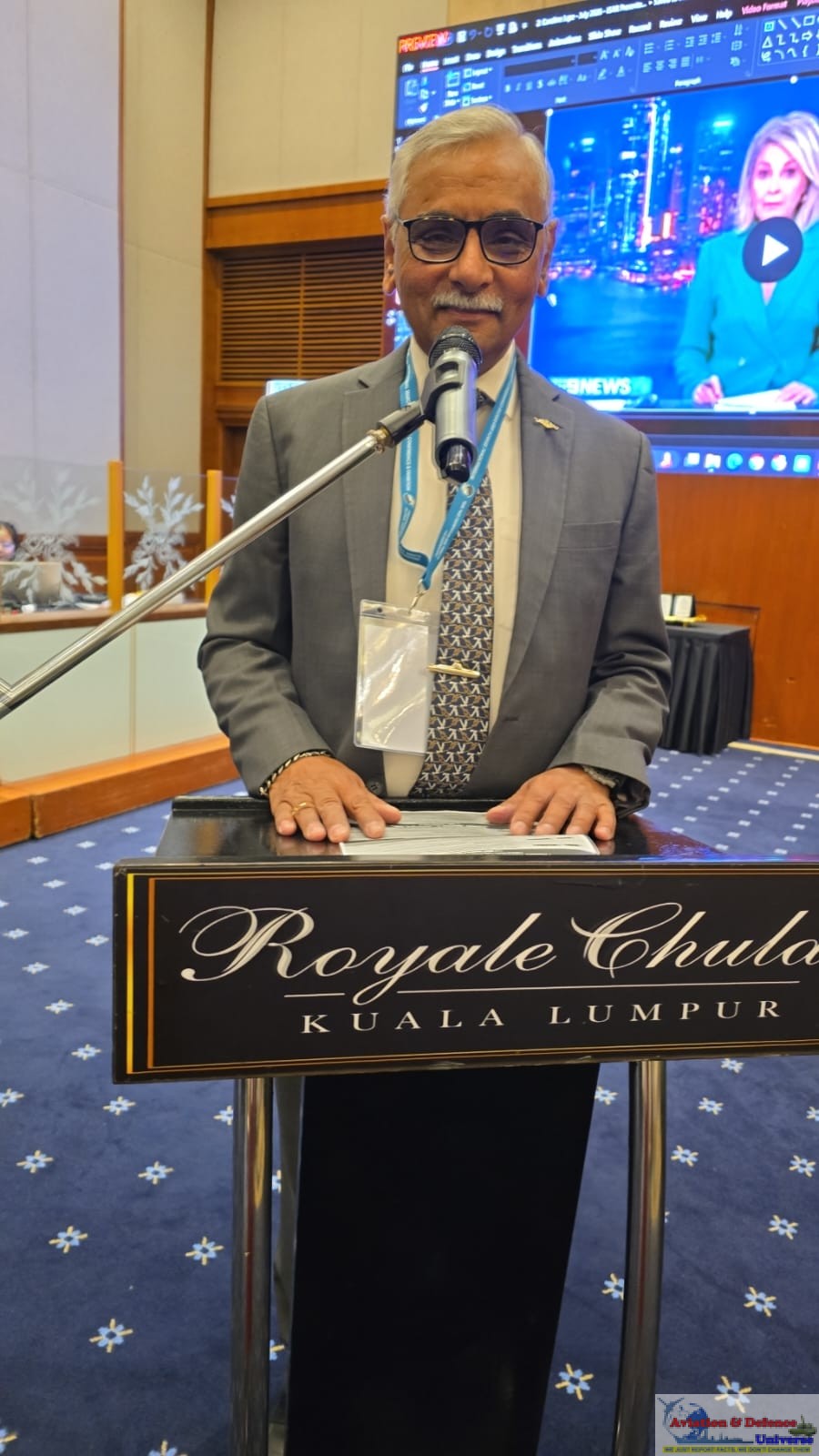
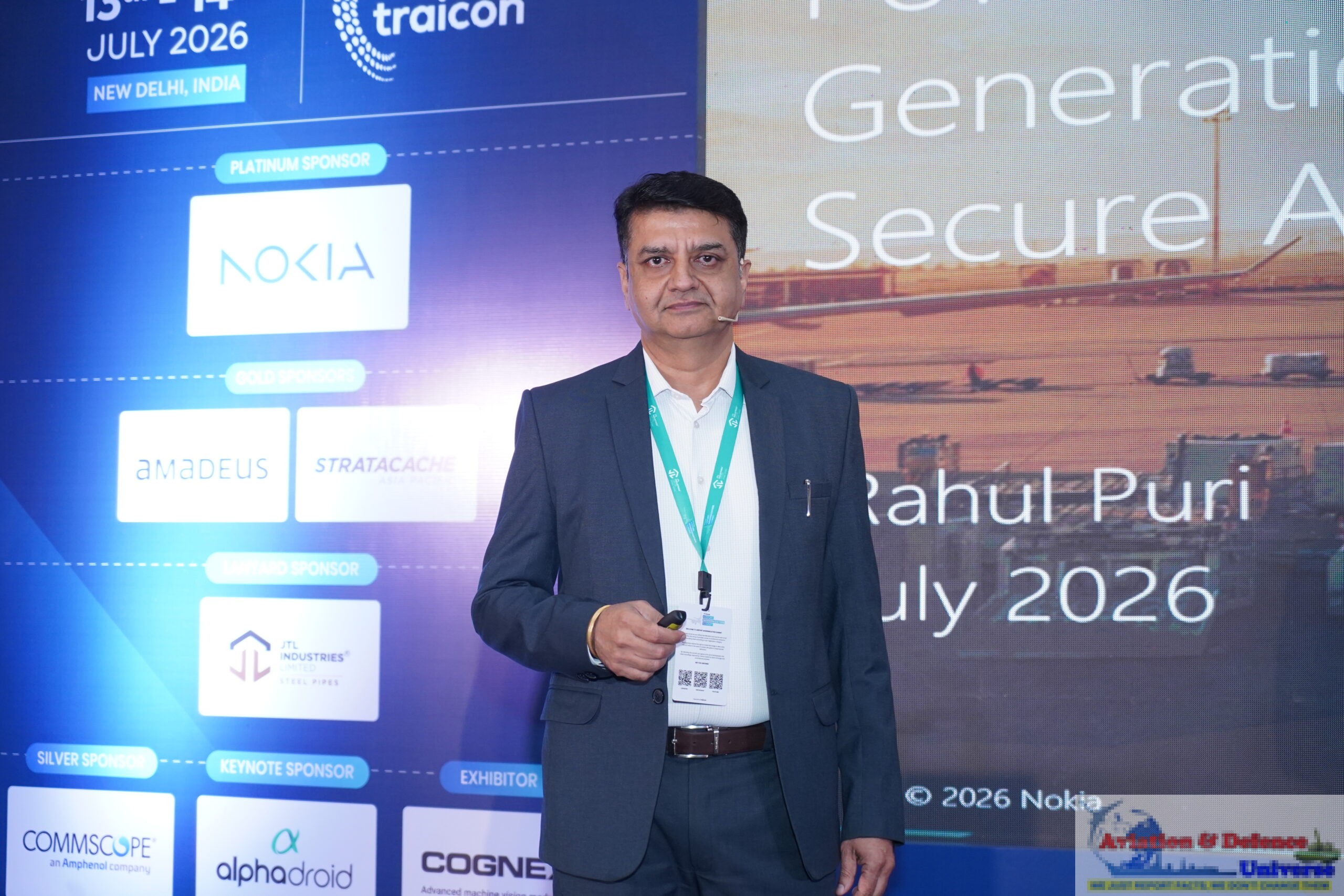
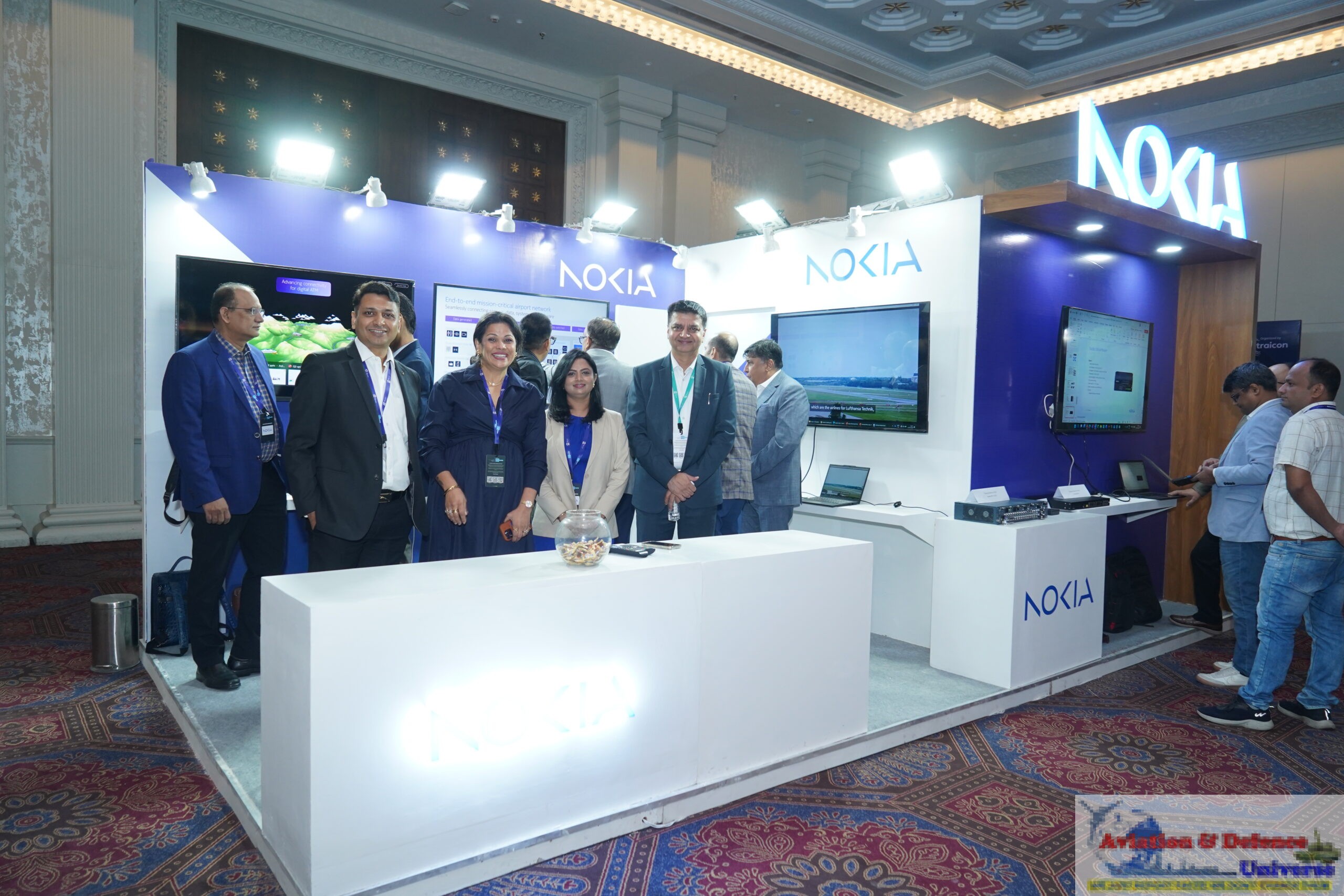
New Delhi. 15 July 2026. As airports evolve into complex digital ecosystems, the networks supporting them are becoming as critical as runways, terminals and air traffic control infrastructure. Delivering a presentation at the Airport Modernisation Summit 2026, Rahul Puri, CTO & Head of Government Relations – Network Infrastructure, Nokia, outlined how an integrated combination of private 4G and 5G, IP and optical networks, data-centre infrastructure, passive optical LAN and quantum-safe security can transform airports into smarter, safer and more efficient environments. Taking delegates on a journey from Nokia’s technological legacy to its deployments at airports and air navigation networks worldwide, Puri made the case for a single, converged digital foundation capable of supporting everything from runway vehicles and aircraft telemetry to smart passenger services and in-flight broadband.
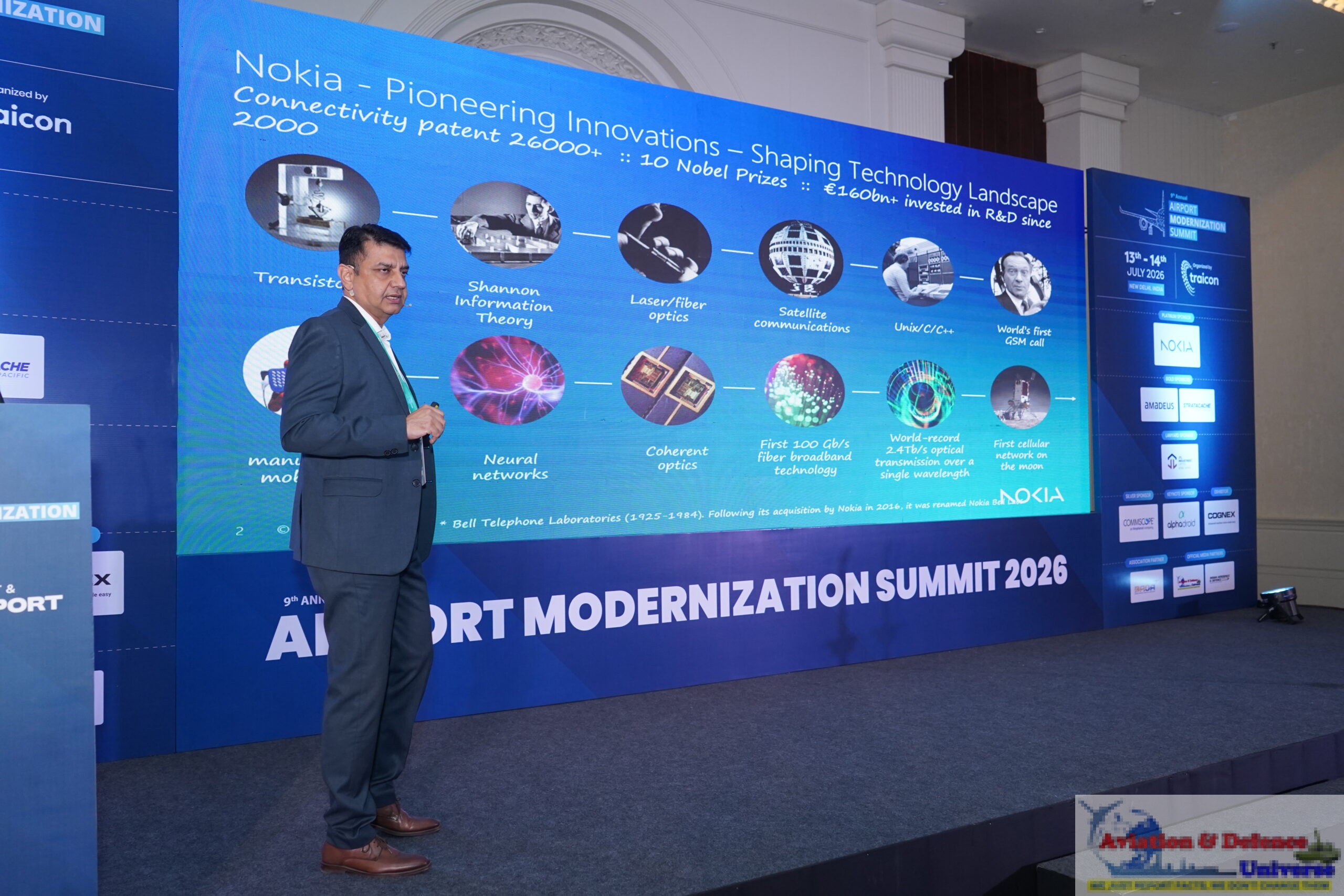
 Puri began by addressing a question he said he frequently encounters: what is a company widely remembered for mobile phones doing in the aviation infrastructure business? Recalling a conversation earlier in the day, he said, “Somebody asked me, ‘Why Nokia? Nokia is into the phone business. What is Nokia doing here?'” His answer lay in the company’s technological history. Puri traced Nokia’s evolution through the legacy of Bell Labs, highlighting contributions to communications technologies, information theory, satellite communications, operating systems, mobile networks, neural networks and next-generation fibre connectivity.
Today, he explained, Nokia is a roughly €20-billion global technology company operating across approximately 150 countries, with a particularly strong presence in mission-critical communications. Highlighting the scale of that footprint, he said, “We have around 2,600 live mission-critical networks.” It is this experience, he argued, that positions Nokia to address aviation’s increasingly demanding connectivity requirements through an integrated portfolio spanning wireless and wired technologies.
India, Puri emphasised, occupies an important place in Nokia’s global operations. The company has around 18,000 employees in the country, with its headquarters in Gurugram, research and development centres in Bengaluru and Chennai, and manufacturing operations in Chennai. Nearly 8,000 employees, he noted, work on technologies including 4G, 5G and networking solutions, while the company’s Indian manufacturing operations supply both domestic and global markets. Turning specifically to aviation, Puri divided the sector into three broad segments—airports, airlines and Air Navigation Service Providers (ANSPs)—and explained that Nokia technologies are already deployed across all three.
One of the more futuristic solutions highlighted during the presentation was Nokia’s Air-to-Ground connectivity technology, designed to deliver broadband services to passengers while they are flying. Puri contrasted the technology with conventional satellite-based in-flight connectivity, which can face limitations involving latency, cost and bandwidth. Explaining Nokia’s alternative, he said, “We have a unique solution known as Air-to-Ground. You have specialised radio equipment and specialised antennas, and you can give broadband services to the plane so that all the passengers can have a better customer experience.” The solution, he said, has already been deployed across Europe and is being expanded into markets including the Middle East, Australia and India.
 Illustrating how the technology could work domestically, he explained that a route such as Mumbai–Bengaluru could potentially be covered with approximately seven specialised ground sites, while the Delhi–Mumbai air corridor could require around 17 to 18 sites.
Moving deeper into airport infrastructure, Puri divided the modern airport environment into three distinct operational zones—airside, terminal side and landside—each with its own connectivity requirements. The airside, he explained, is perhaps the most challenging because of its geographical spread and the large number of mobile assets requiring reliable communication. Runway inspection vehicles, follow-me cars, buses, fuel trucks and pushback vehicles all depend increasingly on real-time connectivity.
Describing one potential application, he explained, “Assume that the runway vehicle monitoring the runway has a high-density camera connected on a wireless broadband network with good coverage across the runway. It can identify any deviation on the runway proactively.” Private 4G and 5G networks, he argued, can provide greater coverage, reliability and security than conventional Wi-Fi for these mission-critical applications. Puri also highlighted the possibilities offered by real-time aircraft telemetry.
Currently, aircraft transmit selected information while airborne, while more comprehensive data analysis often takes place during scheduled maintenance windows.With secure broadband available immediately after landing, he argued, critical aircraft parameters could potentially be transferred before the aircraft reaches maintenance. “If the plane lands on the runway and has a secure broadband network, it can share those critical parameters through telemetry so that we don’t have to wait for the maintenance window to identify problems on the plane.”
 Such connectivity could ultimately improve aircraft availability, maintenance planning and operational efficiency. Within passenger terminals, Puri said, traditional networks already support essential systems such as flight and baggage information. The next challenge, however, is enabling a new generation of passenger experiences. Referring to experiments with smart passenger services, he cited the example of smart trolleys being tested to help guide passengers through airport terminals. These services require networks capable of supporting different applications with individually defined performance requirements.
Puri argued that airports should also look at their communications infrastructure as an asset capable of supporting commercial opportunities. “There are a lot of commercial assets on the terminal side. You can use the same network to monetise.” The challenge, he added, is creating an architecture capable of securely segregating different services while guaranteeing the necessary performance for each application.
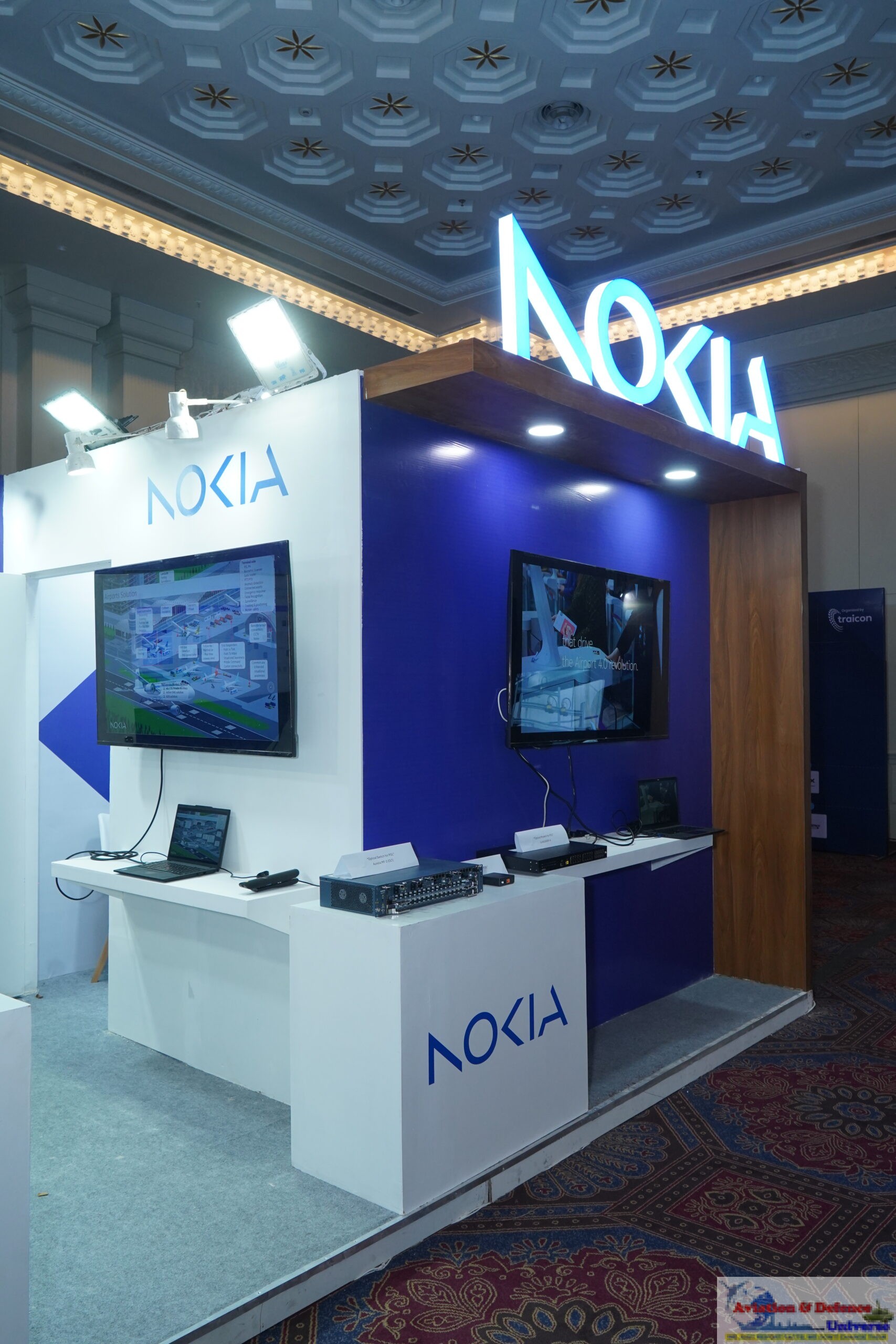
Sustainability formed another major element of Nokia’s proposition. Puri introduced Passive Optical LAN (POL) as an alternative to conventional multi-tiered Ethernet networks. By extending fibre closer to the endpoint and reducing dependence on power-hungry intermediate switches, the architecture can lower energy requirements and reduce the physical space needed for network equipment.
According to Puri, the technology can save approximately 40 per cent in power requirements while reducing infrastructure and cooling needs.The solution has already been deployed at Singapore Changi Airport’s Terminals 1, 2 and 3, supporting an airport environment handling around 80 million passengers, he said. Nokia is also discussing its potential use in the upcoming Terminal 5.
Perhaps the most strategically significant theme of the presentation was cybersecurity. As airports become more digital, their vulnerability to sophisticated cyber threats inevitably increases. Puri stressed that aviation infrastructure must therefore be protected not only against today’s attacks but also against future threats created by quantum computing.
 Highlighting Nokia’s approach, he said, “Our solutions are quantum-safe.” He explained that Nokia’s networking portfolio incorporates advanced encryption capabilities designed to protect mission-critical infrastructure as computing technologies evolve. Returning to the theme towards the conclusion of his presentation, he said airports must consider whether their networks are secure, “Not only for today’s problems, but for tomorrow’s issues also.” Puri then turned to Air Navigation Service Provider networks, describing them as fundamentally different from conventional enterprise communications infrastructure because flight safety depends directly upon their reliability.
These networks must simultaneously support legacy technologies and highly specialised services including radar, voice, surveillance and operational data. Nokia’s approach, he explained, is to converge these requirements onto specialised platforms capable of supporting different service-quality parameters while incorporating security and encryption. He cited global deployments connecting air traffic control and navigation environments, including a network linking 74 ATC locations through four area control centres, as evidence of the scalability of such architecture.
Bringing together the different strands of his presentation, Puri stressed that there is no single technology capable of meeting every requirement of a modern airport. Instead, the airport of tomorrow will require a carefully integrated combination of IP networks, optical fibre, private 4G and 5G, data-centre infrastructure and specialised mission-critical platforms.
Summing up Nokia’s proposition, he said, “If you want your network to be modern, to handle scalability and reliability requirements, if you want to monetise your network, give a better customer experience and ensure that all your use cases are secure, we have integrated solutions across our multi-technology domains—IP, optics and wireless.” He concluded by pointing towards three areas that will increasingly shape aviation connectivity: Air-to-Ground broadband, private 4G and 5G for airside operations, and quantum-safe networking.
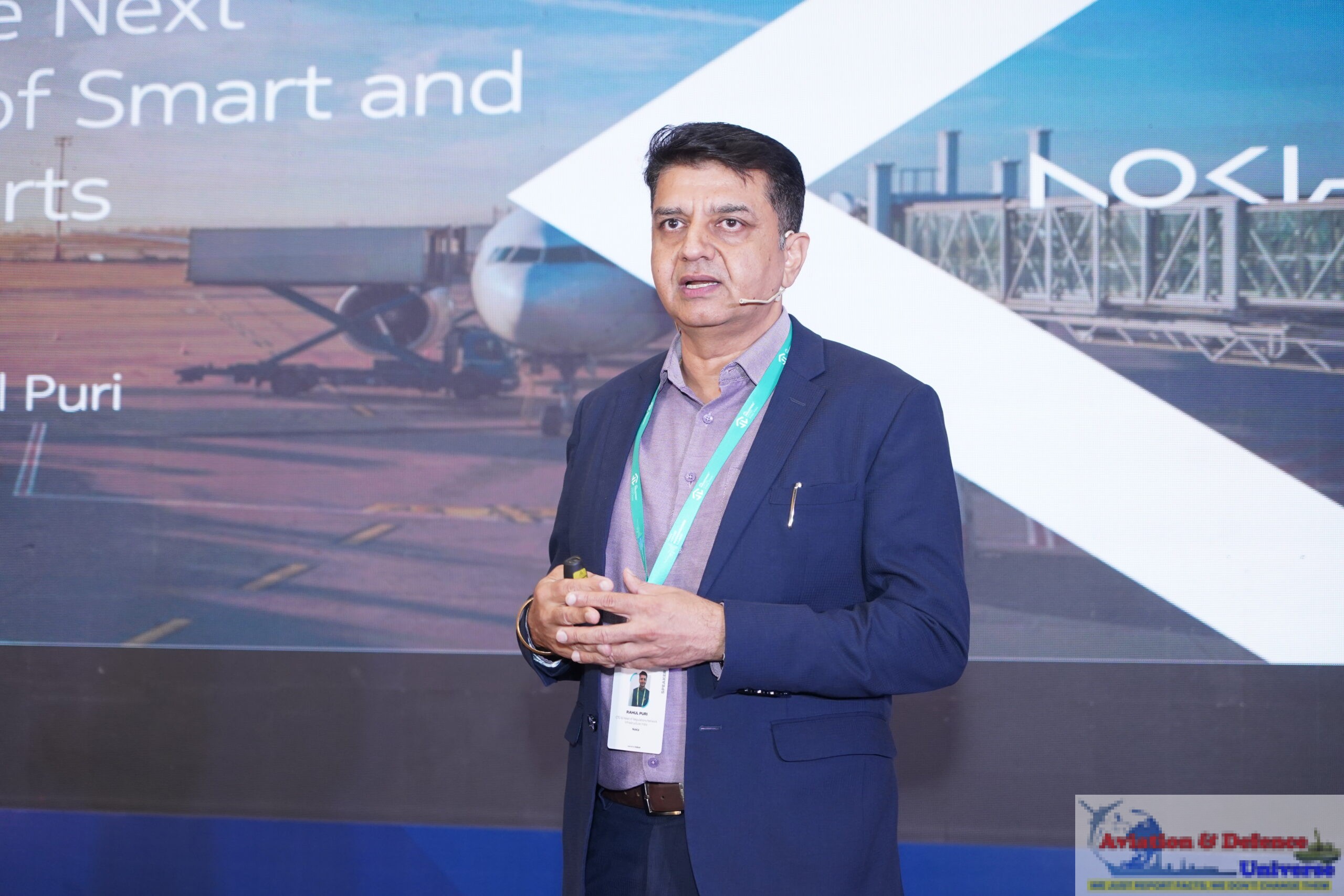 Rahul Puri’s address at the Airport Modernisation Summit 2026 made one point unmistakably clear: the modern airport is no longer merely a physical infrastructure project—it is a vast, mission-critical digital network. From the moment an aircraft touches the runway to the movement of ground vehicles, the transfer of aircraft telemetry, passenger navigation inside terminals and even broadband connectivity at cruising altitude, reliable communications are becoming fundamental to aviation operations. Nokia’s vision of a converged ecosystem combining fibre, IP, private wireless, data centres and quantum-safe security offers a glimpse of the technological backbone required to support this transformation. As Indian airports expand to accommodate unprecedented passenger growth, the challenge will not simply be to build bigger terminals, but to ensure that every corner of the airport—from runway to boarding gate—is intelligently and securely connected.



















































































-A4-Size-(2)_page-0001.jpg)