






















- From Combat Jets to Commercial Giants: Hampshire Skies are Ready
- World of Aerospace Descends on this birth place of British Aviation
- Aircraft, Ambition and Aerospace Deals: The World is Ready for Farnborough 2026
- Countdown has begun as less than 24 hours remain for the opening
By Sangeeta Saxena
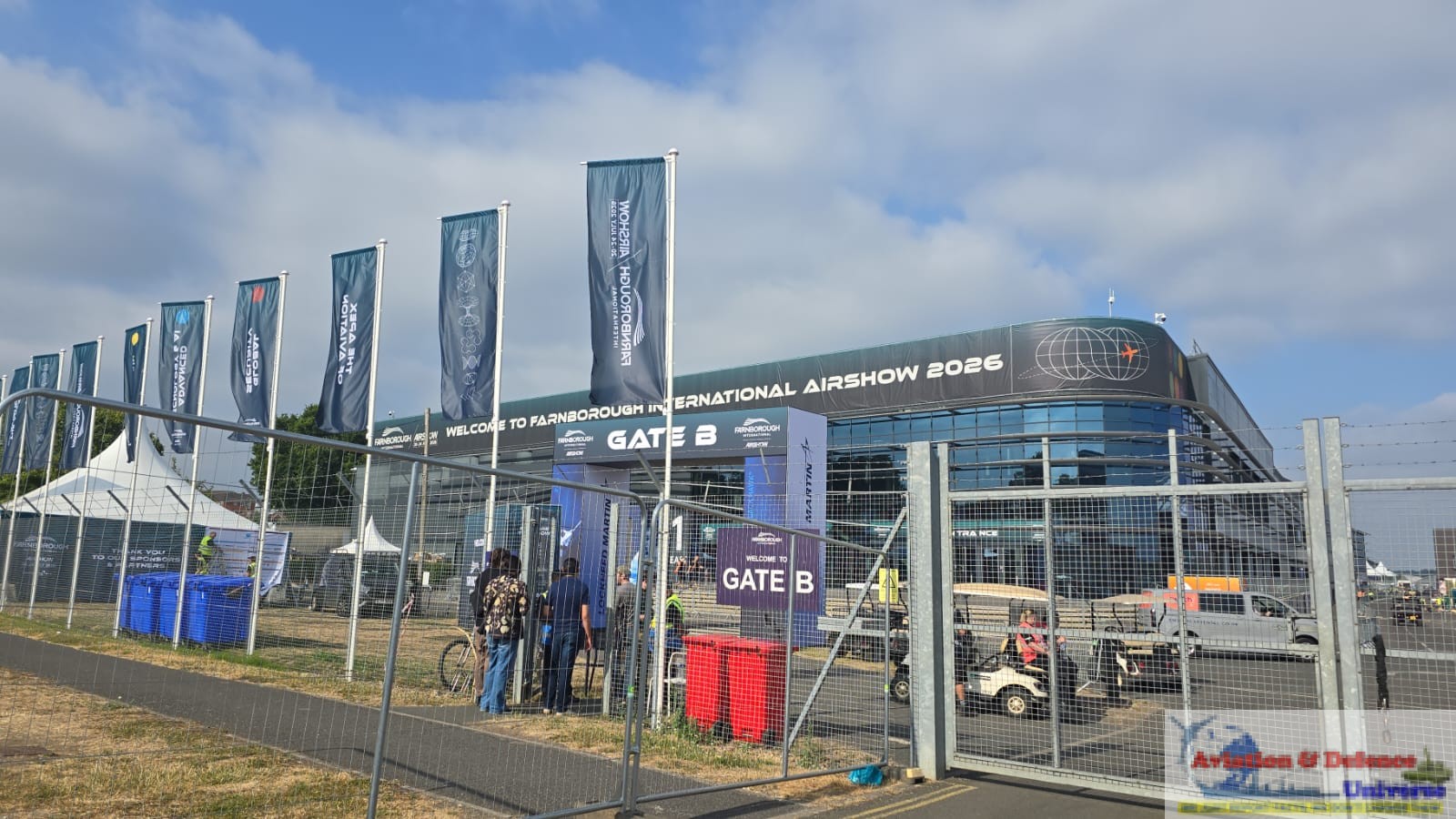
Farnborough. 19 July 2026. The countdown has entered its final hours. Exhibition halls are receiving their finishing touches, aircraft are taking their places along the famous flight line, corporate chalets are preparing to receive decision-makers and delegations from across the globe are converging on this historic Hampshire aviation town. Tomorrow, 20 July, the gates will open on the Farnborough International Airshow 2026 (FIA2026)—and for five extraordinary days, Farnborough will once again become the beating heart of the global aerospace, defence and aviation industry.
From the thunder of combat aircraft overhead to the quieter but equally consequential conversations taking place behind closed chalet doors, Farnborough is where the future of flight is displayed, debated, negotiated and, often, sold.And FIA2026 is set to be the biggest edition yet.
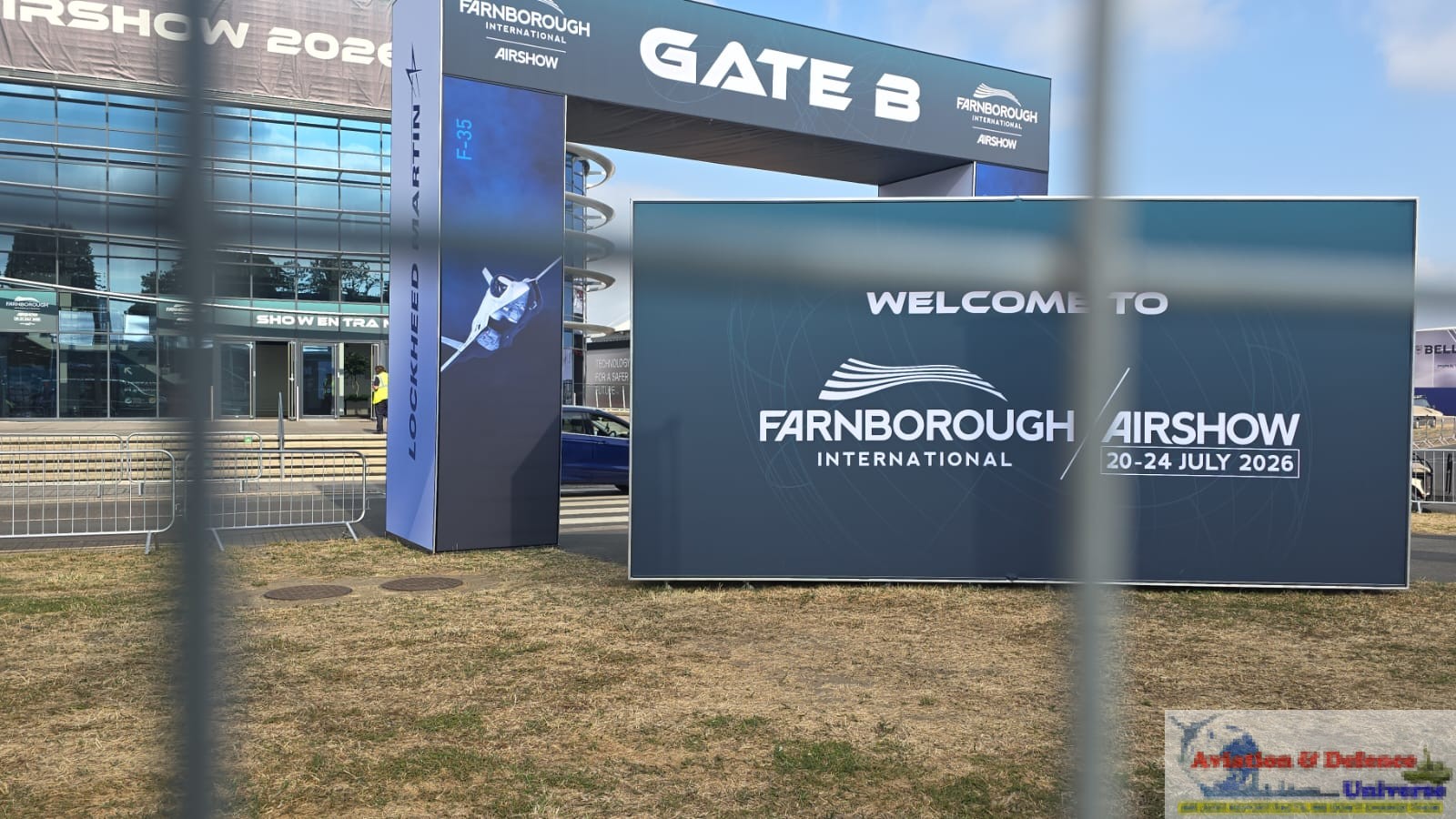 Organisers had already said the 2026 event was on course to exceed the scale of 2024, while the final run-up points to a record around 1,600 participating exhibitors, with defence accounting for roughly half of them—a striking increase from the show’s historical share of about 40 per cent. Earlier pre-show figures indicated representation from 114 countries, with 63 per cent of exhibitors coming from outside the United Kingdom and 26 international pavilions adding to Farnborough’s truly global character. The sheer numbers tell only part of the story. This year’s Farnborough arrives at an extraordinary moment for world aviation.
The Farnborough International Airshow 2026 (FIA2026), being held from 20–24 July 2026 at Farnborough in Hampshire, United Kingdom, is set to bring together around 1,600 exhibitors—a record for the show—with representation from 114 countries announced ahead of the event. Reflecting its truly international character, 63 per cent of exhibitors are from outside the United Kingdom, while 26 international pavilions will showcase aerospace and defence capabilities from across the globe. Defence has emerged as an increasingly significant component of FIA2026, accounting for around 50 per cent of exhibitors. An extensive line-up of civil and military aircraft will feature across the static and flying displays, with flying demonstrations scheduled every afternoon and further additions to the aircraft line-up possible. The show will focus on six defining themes—Global Security, Advanced Technology & AI, Supply Chain, Sustainability, Finance and Future Workforce—while high-level discussions will take place through major platforms including the Aerospace Global Forum, Defence Summit, Airline Leaders Summit, Finance Summit and Technology Summit, making FIA2026 a powerful global congregation of aviation, aerospace, defence, technology and industry leadership.
 The official 2026 aircraft listing has continued to be updated right up to the show, with organisers explicitly marking further aircraft as still to be announced. It would therefore be premature to give a definitive static-versus-flying aircraft total before the final line-up closes. What is certain is that Farnborough will again bring together advanced military and civil aircraft on both its static park and daily afternoon flying display, with confirmed participation including aircraft from the United States and Italian air forces.
If previous Farnborough editions were often dominated by the traditional battle between the world’s two commercial aircraft giants, 2026 promises a noticeably different balance. Wars, geopolitical instability, rapidly rising European military expenditure and the changing character of conflict have pushed defence firmly towards centre stage. About half of the record exhibitor presence is defence-related, while the show is also witnessing a sharp increase in participation from AI, deep-tech and finance companies.
Autonomous systems, artificial intelligence, uncrewed platforms, counter-drone technologies, next-generation combat aircraft, missiles, space-based capabilities and secure digital networks will compete for attention with traditional fighters, helicopters and transport aircraft. The F-35 and Eurofighter are among the major military platforms expected to command attention, while Britain’s future combat aviation ambitions will inevitably place the Global Combat Air Programme (GCAP)—being developed by the United Kingdom, Italy and Japan—under the spotlight.
 Farnborough 2026 could therefore become an important barometer of a defence industry undergoing profound transformation: one where established primes are increasingly sharing the stage with fast-moving technology companies developing AI-enabled and autonomous warfare capabilities.
Commercial aviation will be less about who orders, more about who can deliver. Demand for new aircraft remains enormous, but manufacturers are battling long order backlogs and persistent supply-chain constraints. Airbus and Boeing are still expected to unveil orders and identify customers behind previously booked deals, but attention is increasingly shifting from the number of aircraft sold to a more pressing question: how quickly can they actually be built and delivered? Industry expectations for headline-grabbing orders are consequently more cautious than at some previous shows. Pre-show industry estimates cited by Reuters suggested total deals might struggle to rise far above 300 aircraft, although airshows are famously capable of producing last-minute surprises.
The supply chain will therefore be as important as the sales battle itself. Engine availability, component shortages, manufacturing capacity and production ramp-ups will dominate conversations throughout the week. What makes Farnborough particularly compelling in 2026 is the collision of two aviation worlds. One is represented by the traditional giants of aerospace—airframers, engine manufacturers, defence primes and major systems suppliers. The other is emerging from AI laboratories, start-ups, autonomous systems companies, space ventures and advanced technology businesses.
FIA2026 has organised its agenda around precisely these forces, with Global Security, Advanced Technology & AI, Supply Chain, Sustainability, Finance and Future Workforce forming the show’s principal themes. The conversation is no longer simply about the next aircraft. It is about the software inside it, the AI supporting it, the autonomous systems accompanying it, the supply chain building it, the capital funding it, the skilled workforce sustaining it and the environmental pressures reshaping its future.
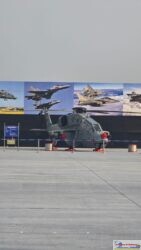
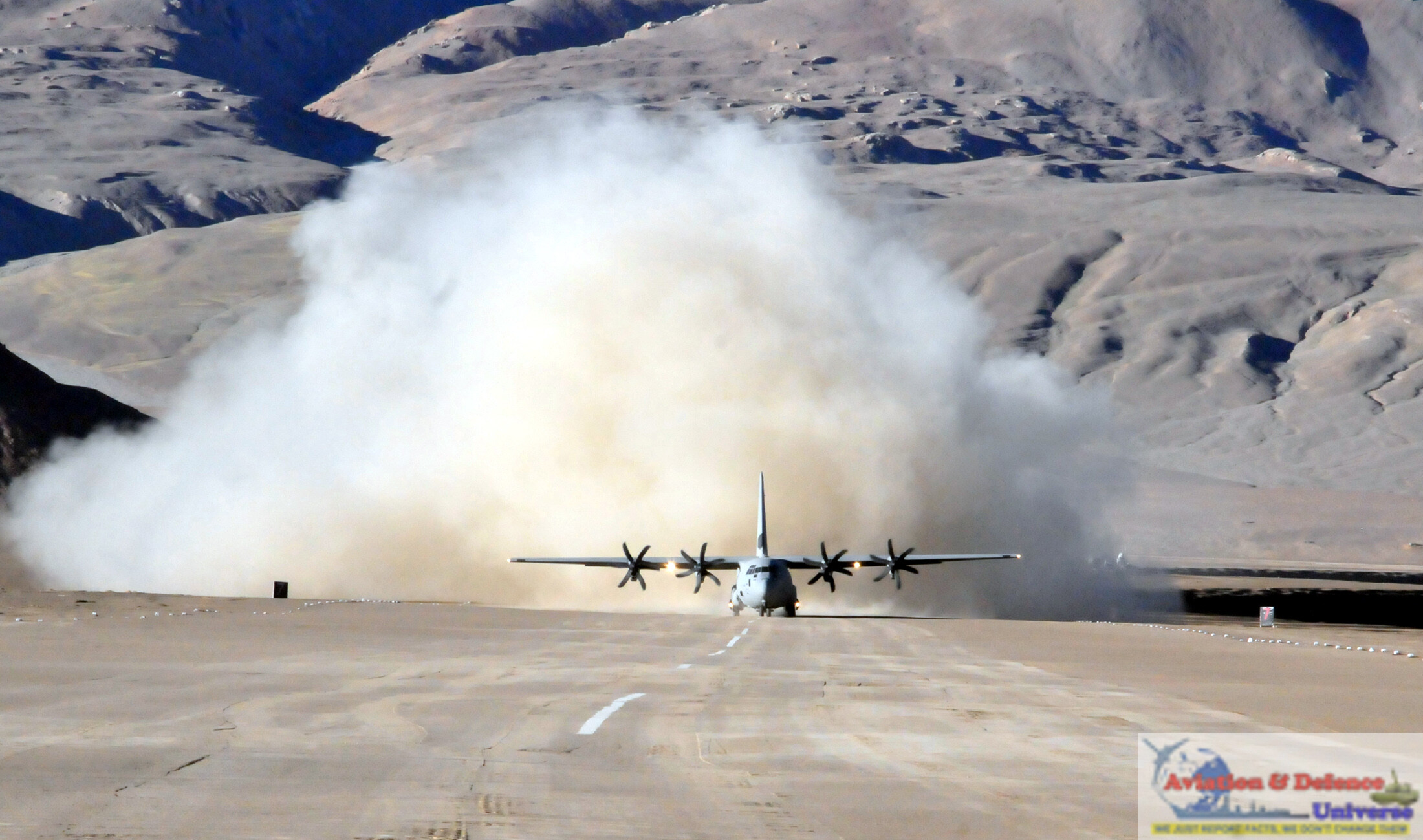
 But Farnborough would not be Farnborough without aircraft in the sky. Every afternoon, business conversations will briefly compete with the unmistakable roar of aircraft engines as the flying display takes over the historic aerodrome. The programme is designed around Farnborough’s role as a business event, leaving mornings and lunchtime available for meetings before the aircraft take to the skies. Alongside the flying programme, the static display will allow visitors to examine civil and military aircraft at close quarters—one of the enduring attractions of a show where the product being discussed across a negotiating table in the morning may be sitting only metres away on the flight line.
The importance of Farnborough is perhaps best understood by looking back at its previous edition. FIA2024 attracted 100,358 visitors, 1,427 exhibitors, 1,716 media representatives and 423 official delegations, while generating a reported $105.8 billion in commercial aircraft and engine orders. Organisers said early in the planning cycle that 2026 was expected to surpass the previous edition in scale. That is why Farnborough matters.
An aircraft flying overhead may capture the photograph, but the meeting taking place inside a chalet can shape an industrial relationship for decades. An announcement made at a press conference can create thousands of jobs. A handshake between an OEM and a supplier can open a new global supply chain. A conversation between a start-up and an investor can become tomorrow’s disruptive aerospace technology.
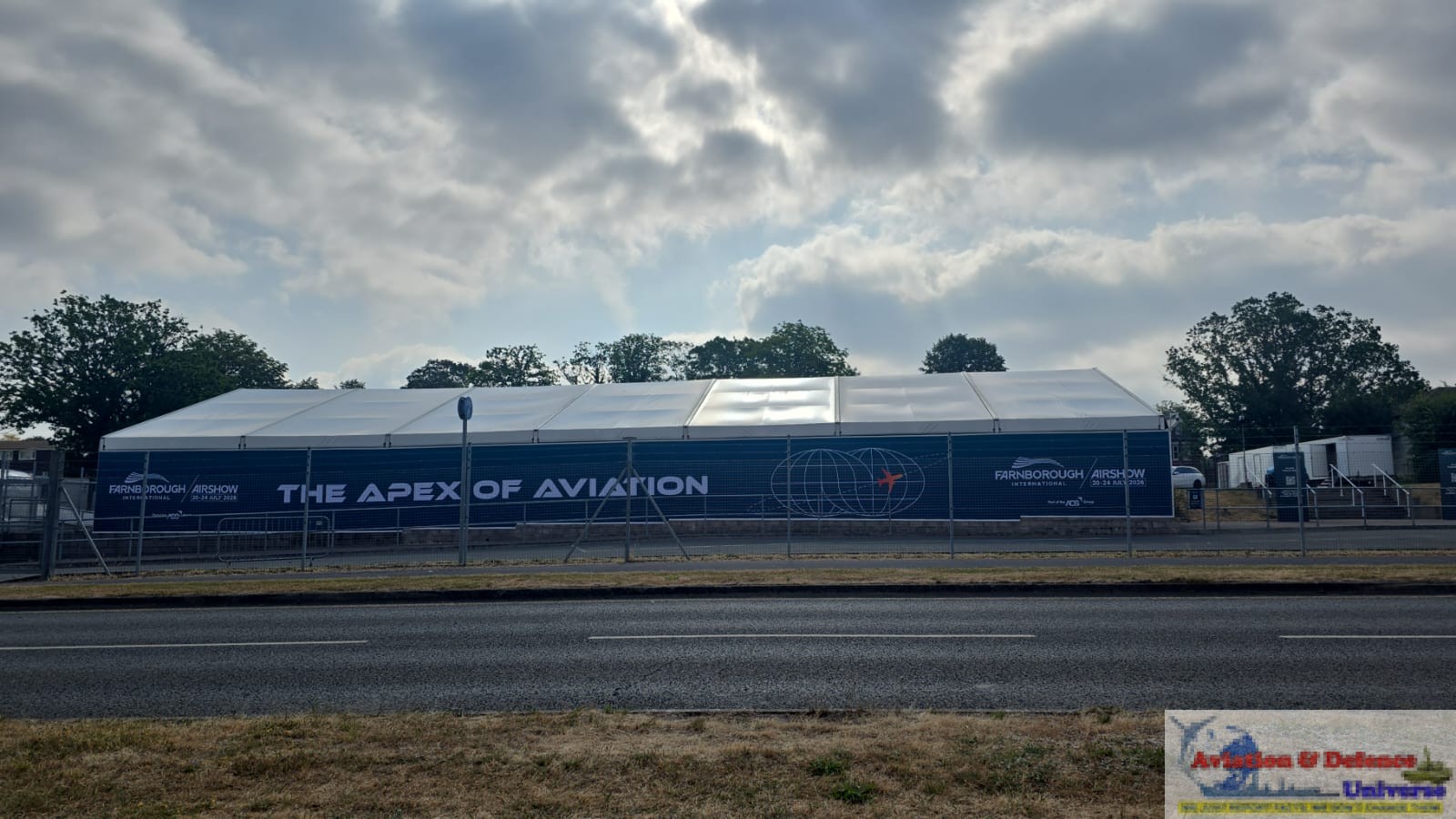
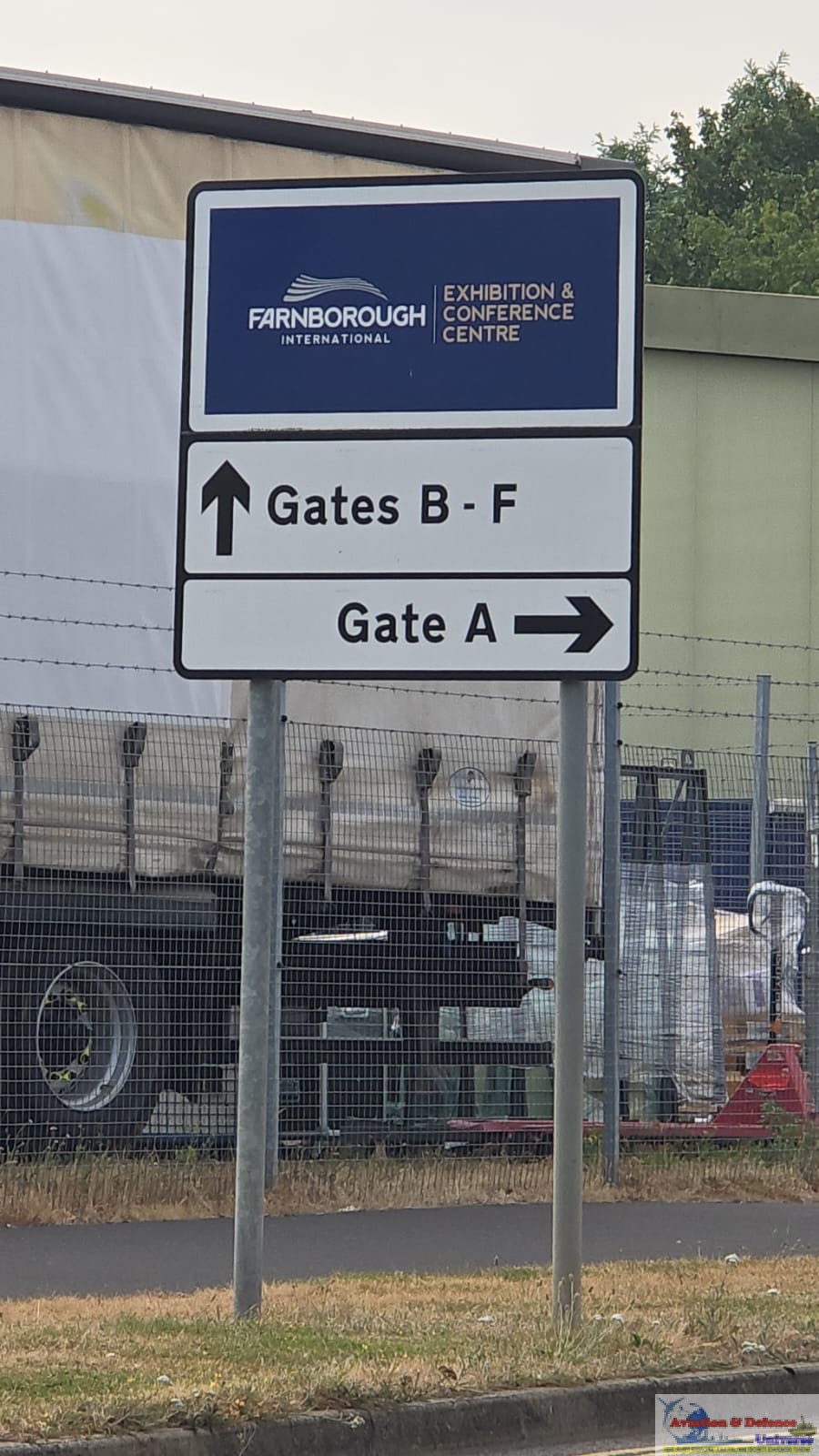
From 20 to 24 July, Farnborough will host an intensive programme of exhibitions, aircraft displays, business meetings and high-level discussions. Alongside the exhibition floor will be major platforms including the Aerospace Global Forum, Defence Summit, Airline Leaders Summit, Finance Summit and Technology Summit. The opening day runs from 10:00 to 16:00, while the show continues from 09:00 to 17:30 from Tuesday through Friday.
And when the doors finally close on Friday evening, the significance of FIA2026 will be measured not merely by visitor numbers or aircraft orders. It will be measured in partnerships created, technologies unveiled, policies debated, supply-chain relationships strengthened and strategic decisions set in motion.
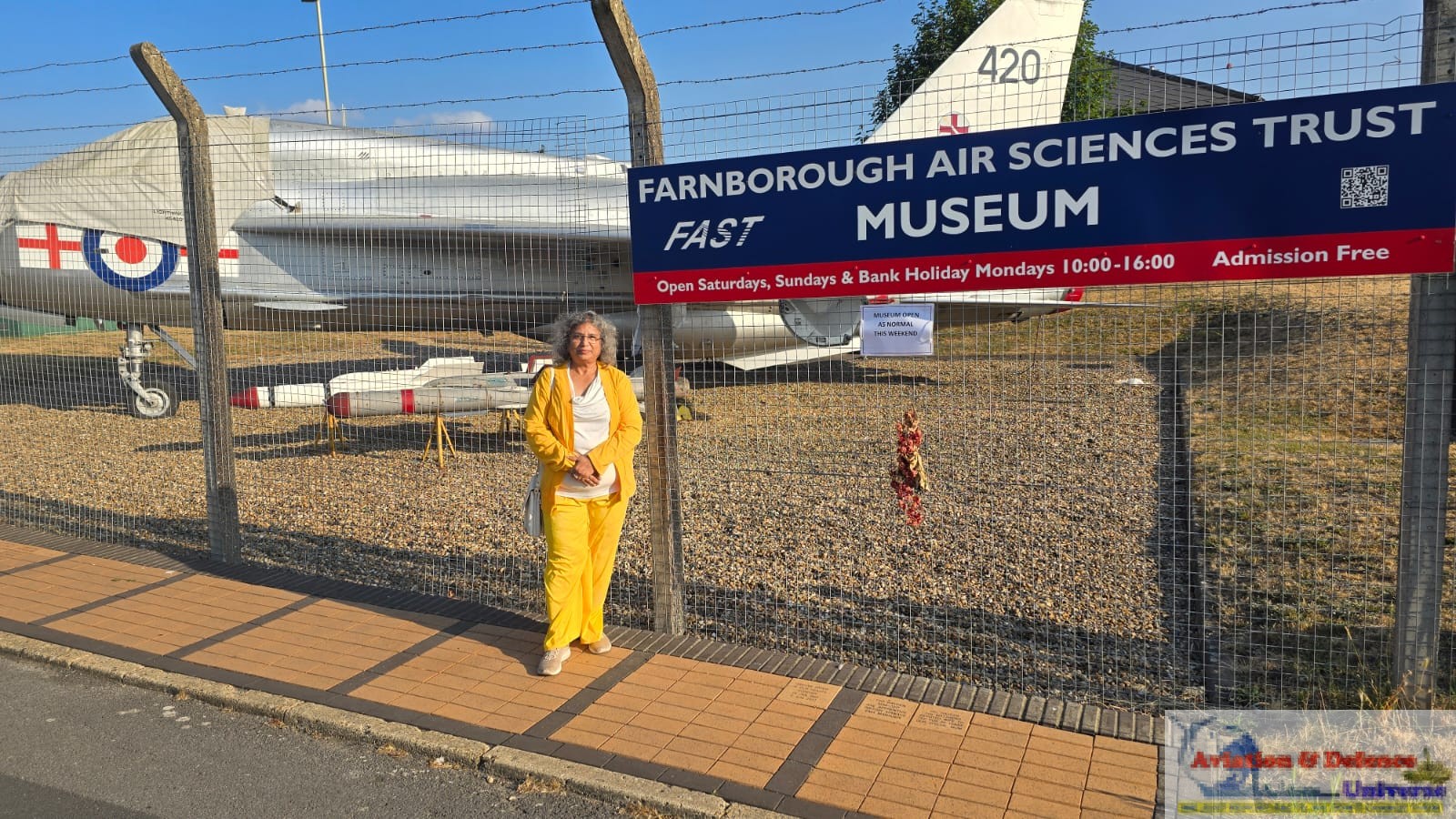 And while you are here do not miss visiting the FAST Museum , if you already haven’t done so. The Farnborough Air Sciences Trust (FAST) Museum is a fitting guardian of Farnborough’s extraordinary place in British aviation history. Located on the historic Royal Aircraft Establishment site, the museum celebrates more than a century of pioneering aerospace research, development and experimentation associated with the town widely regarded as one of the birthplaces of British aviation. Its collection brings together historic aircraft, engines, wind-tunnel models, simulators, satellites and other artefacts that tell the story of technological breakthroughs achieved at Farnborough, while its archives preserve an invaluable record of Britain’s aerospace heritage. From the earliest days of powered flight to jet aviation, supersonic research and space technology, FAST offers visitors a fascinating journey through the innovations that helped shape modern aerospace—making it an especially evocative place to visit when Farnborough once again becomes the centre of the aviation world during its legendary international airshow.
For Aviation & Defence Universe (ADU), the countdown has already ended in one sense—we are here. Having arrived in Farnborough ahead of the opening, ADU has watched the transformation taking place: stands rising, aircraft arriving, exhibition spaces being readied and an otherwise quiet Hampshire town preparing to receive the world. From tomorrow, expect blitzkrieg coverage from the showground—breaking announcements, aircraft, defence developments, civil aviation deals, technology launches, exclusive interviews, industry conversations, photographs and the stories behind the headlines. Because Farnborough is never merely about what flies. It is about what comes next. The aircraft are lining up. The industry is arriving. The deals are waiting. The skies are ready.






































































-A4-Size-(2)_page-0001.jpg)