














- India Must Move Beyond the ‘Assembly Only’ Trap
- Technology, Talent and Trust: Blueprint for India’s MRO Take-Off
- From Engines to Avionics: Calls for Deeper Technology Access in Indian MRO
By Sangeeta Saxena
Mumbai / London. 18 July 2026. India’s aviation Maintenance, Repair and Overhaul sector is standing at the threshold of perhaps its greatest opportunity yet. A rapidly expanding commercial fleet, growing defence requirements, shifting global supply chains and India’s strategic position in the Indo-Pacific are combining to create the foundations for a potentially world-class MRO ecosystem. But turning opportunity into global leadership will require much more than hangars and manpower—it will demand access to technology and intellectual property, seamless customs and logistics, globally aligned certification, a highly skilled workforce and international partnerships that progressively build indigenous capability.
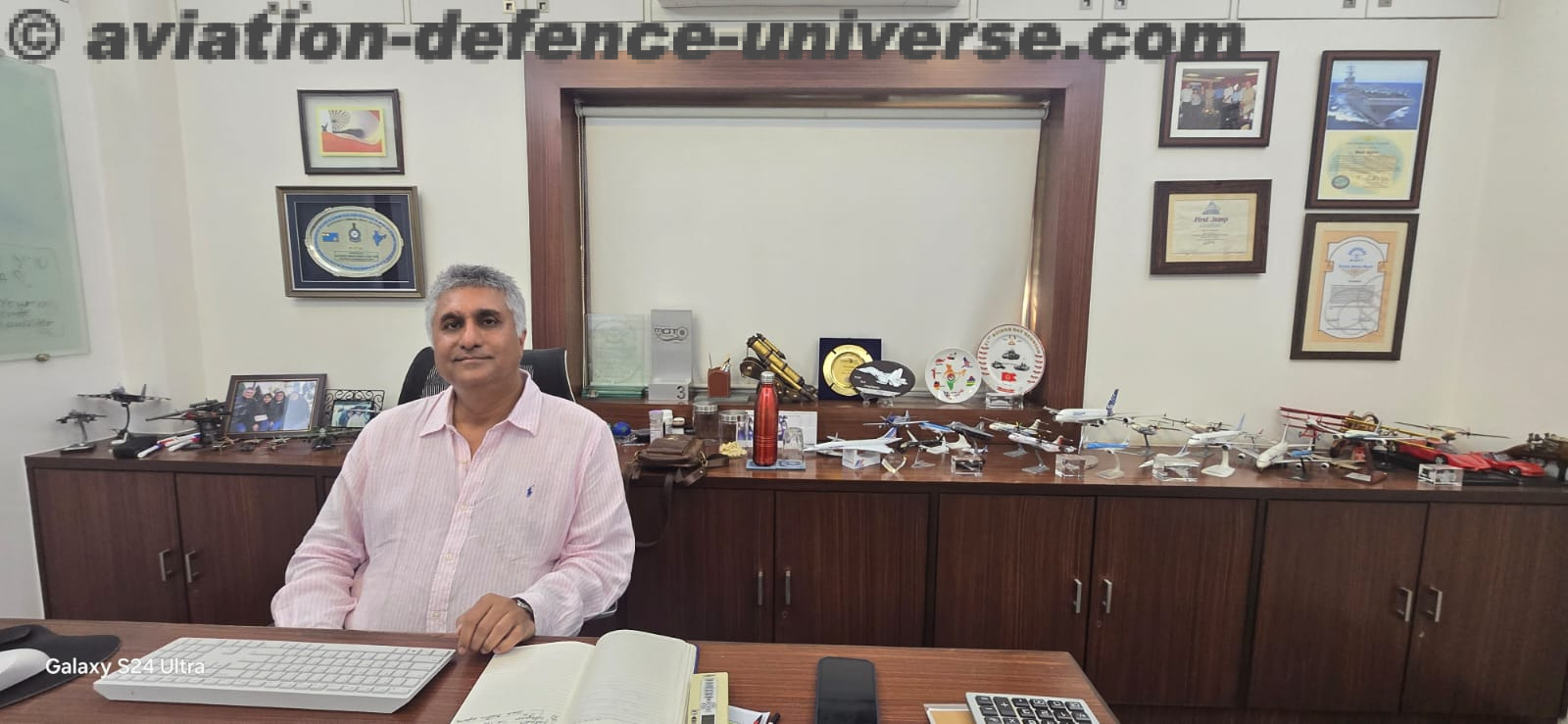
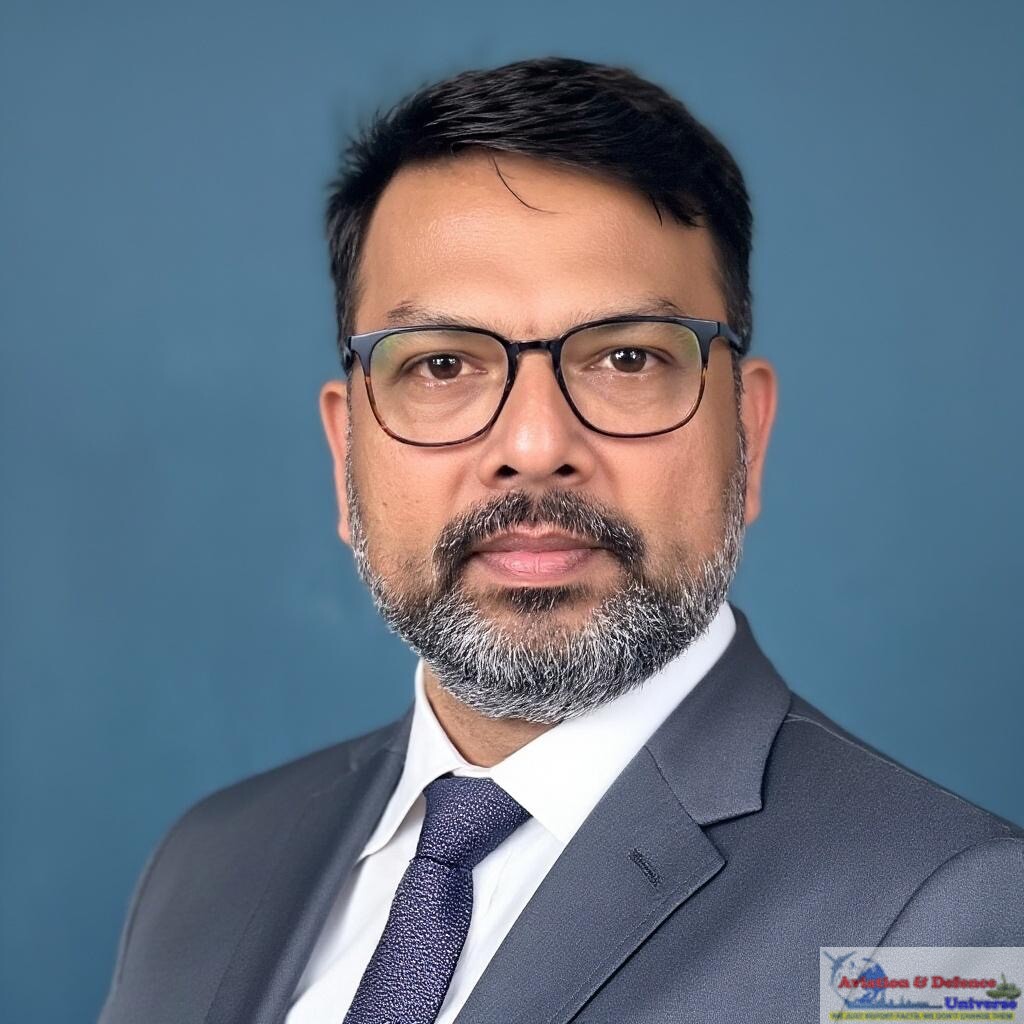
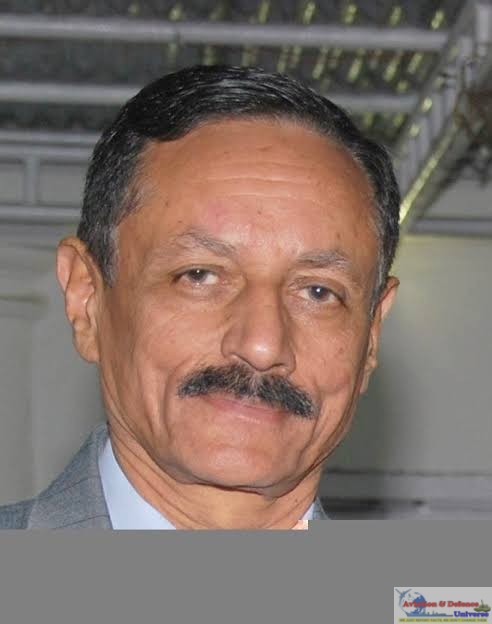
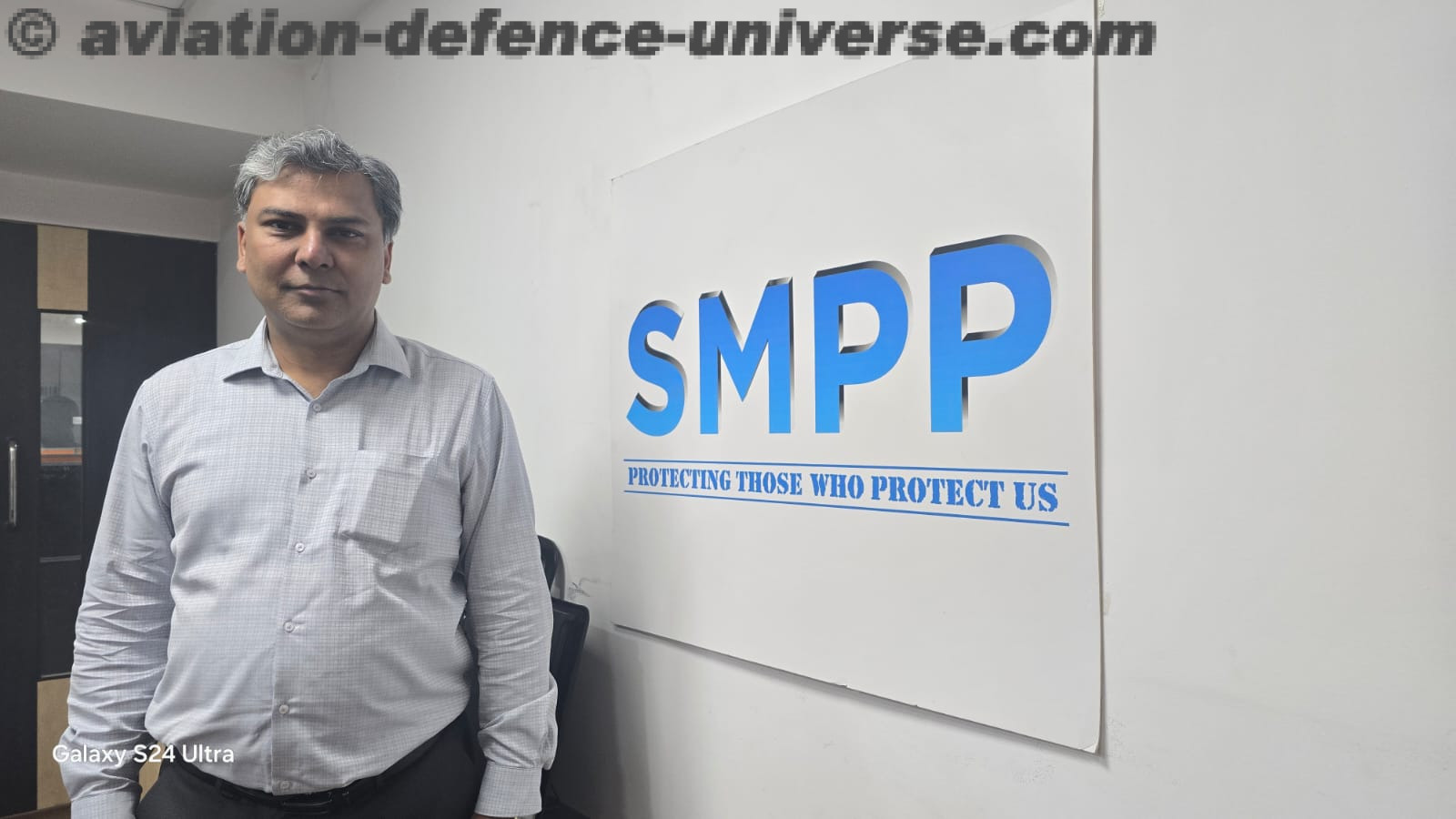
 In an exclusive interview with Editor, Aviation & Defence Universe (ADU), Bharat Malkani, Chairman and Managing Director, Max Aerospace, takes a comprehensive look at India’s MRO journey—from a market that historically sent almost 90 per cent of its maintenance requirements overseas to one projected to grow from $3.1 billion in 2026 to $6.9 billion by 2036. He explains why global collaboration is a “structural necessity”, how India’s enormous aircraft order book can be leveraged to secure technology and local repair rights, and why the country must avoid becoming trapped as a low-value assembly destination. The conversation also explores the convergence of civil and defence MRO, India’s potential as a trusted regional maintenance base amid geopolitical turbulence, and Max Aerospace’s own ambitions across component MRO, military engines and indigenous helicopter manufacturing.
At the heart of Malkani’s argument is a compelling proposition: India already possesses the market, talent and strategic geography needed to become a major global MRO destination. What will determine whether it succeeds is the speed with which aircraft components, technology, skills and partnerships can move through the ecosystem.
ADU. India’s aviation MRO sector is at an inflection point. How do you assess its current position in the global MRO landscape?
Bharat Malkani. India’s aviation Maintenance, Repair, and Overhaul (MRO) sector is transitioning rapidly from a nascent import-dependent market to the world’s fastest-growing domestic MRO hub. Historically, Indian airlines exported 90% of their MRO requirements to established hubs like Singapore, Sri Lanka, and Europe.
However, with India set to become the third-largest civil aviation market and local commercial fleets projected to triple to 2,250 aircraft over the next decade, the domestic MRO market is expanding at a Compound Annual Growth Rate (CAGR) of 8.9%. This rate outpaces the global average of 5.6%. The market is forecast to grow from $3.1 billion in 2026 to $6.9 billion by 2036. While India excels in low-margin Line Maintenance and Airframe Checks, it remains heavily reliant on global ecosystems for high-margin Engine and Component MRO.
ADU. What forms of collaboration—joint ventures, licensing, technology partnerships—are most effective in this sector?
Bharat Malkani. International collaboration is not just beneficial; it is a structural necessity for India to bypass decades of developmental lag. Capturing the upcoming wave of complex technical demands requires immediate access to advanced technology, specialised tooling, and global certifications. Without deep partnerships with foreign entities, Indian third-party MRO providers cannot independently bridge the gap in Engine Overhauls and Avionics repairs. These two segments represent more than 55% of an aircraft’s lifelong maintenance lifecycle cost. Global partnerships allow India to rapidly domesticate complex workflows, keeping valuable foreign exchange inside the country.
ADU. OEMs control a large part of repair data and IP. How does this impact India’s ability to scale its MRO ecosystem? What needs to change to enable greater access to proprietary technologies and repair capabilities?
Bharat Malkani. Different collaboration models yield distinct strategic advantages depending on the MRO tier.
 Joint Ventures (JVs) for Heavy Infrastructure: JVs are highly effective for asset-heavy setups like engine and component test cells. They allow global players to bring equity and technology while local partners navigate local operations and compliance.
Licensing Agreements for Components: Licensing gives local entities the legal right to repair complex systems (e.g., landing gears, auxiliary power units) under the Original Equipment Manufacturer (OEM) banner, building immediate baseline credibility.
Technology Partnerships & Authorized Service Centres: These partnerships provide continuous transfers of digital repair manuals, predictive maintenance software, and workforce training. This ensures Indian facilities operate at identical quality metrics as overseas hubs.
OEMs exercise strict control over proprietary repair data, Component Maintenance Manuals (CMMs), and specialized software. This creates an artificial bottleneck that limits the scale of third-party independent MROs in India. Independent facilities are frequently restricted from performing deep repairs, forcing airlines to ship components back to OEM-owned shops overseas.
To enable greater access to these proprietary systems, the following shifts are necessary:
Fleet Procurement Leverage: The Indian government and airlines must utilize their massive, multi-billion-dollar aircraft order books to mandate IP sharing and localized repair rights during initial contract negotiations.
OEM-Embedded Ecosystems: OEMs must be incentivized to establish jointly owned or joint-venture repair shops directly on Indian soil.
Right-to-Repair Advocacy: Regulatory frameworks must push for fairer access to basic diagnostic data, allowing qualified independent domestic players to develop alternative parts-manufacturing and repair schemes (PMA/DER) under strict safety oversight.
ADU. What infrastructure and ecosystem gaps need urgent attention to attract international partners?
Bharat Malkani. To position India as a globally competitive investment destination, several physical and systemic bottlenecks require immediate resolution:
 Dedicated Airport Land: Most major airports lack affordable, long-lease land designated specifically for MRO hangars, forcing facilities into remote or logistically expensive zones.
Component Supply Chain Ecosystem: India lacks local warehouses for certified raw materials, specialised aerospace alloys, and standard hardware, creating a heavy reliance on erratic international logistics.
High Real Estate Rentals: Airport operators charge high lease rentals and royalty fees on MRO operations, driving up fixed overhead costs compared to competing regional hubs.
ADU. How can India reduce aircraft-on-ground (AOG) time through better collaboration?
Bharat Malkani. Every hour an aircraft sits grounded can cost an airline upwards of $20,000 to $100,000. India can dramatically reduce AOG times through coordinated ecosystem collaboration:
Digitalized Pool Sharing: Setting up OEM-backed regional parts-pooling hubs inside Indian Free Trade Warehousing Zones (FTWZs) ensures critical components are available instantly without customs delays.
Cross-Border MRO Alliances: Linking local MRO technical setups directly with global digital networks facilitates instant, real-time remote troubleshooting by OEM engineers during complex technical snags.
Pre-Cleared Logistics Corridors: Integrating custom authorities, airlines, and MRO providers onto a unified digital data pipeline enables automated documentation and instant tracking for time-critical AOG components.
ADU. How can international collaboration help address India’s shortage of skilled MRO technicians and engineers? Is there a need for globally aligned certification and training frameworks in India?
Bharat Malkani. Despite producing thousands of engineers annually, India faces an acute shortage of licensed, Type-Rated Aircraft Maintenance Engineers (AMEs) capable of signing off on modern widebody aircraft and advanced engine variants. International collaboration can mitigate this talent gap through several approaches.
Twinning Technical Institutes: Establishing direct training linkages between Indian AME institutes and globally recognized academies (such as EASA-compliant facilities in Europe) ensures curriculum relevance.
 Bilateral Regulatory Recognition: Pushing for automatic mutual recognition agreements between India’s DGCA, the US Federal Aviation Administration (FAA), and the European Union Aviation Safety Agency (EASA). This allows Indian technicians to service foreign-registered aircraft without needing redundant certifications.
OEM Certification Academies: Integrating OEM-managed training modules inside domestic facilities ensures local workers receive direct, hands-on exposure to cutting-edge composite structures and next-generation digital avionics.
ADU. What are global MRO players looking for when they evaluate India as a potential investment destination? How can Indian companies build trust and credibility with international partners?
Bharat Malkani. International entities evaluating India analyse a specific set of operational criteria before committing capital.
Predictable Regulatory Environment: Investors prioritize transparent, digitized licensing and long-term policy consistency over short-term fiscal sops.
Ease of Doing Business & Customs Velocity: The speed at which components can clear customs bounds without red tape is vital for regional hub operations.
Building Local Credibility: Indian companies can foster global trust by securing strict, uncompromised EASA/FAA Part-145 facility approvals, maintaining robust anti-bribery/IP compliance frameworks, and demonstrating transparent corporate governance.
ADU. Can collaboration models in civil aviation MRO be replicated in the defence sector? How can dual-use capabilities be leveraged to strengthen both ecosystems?
Bharat Malkani. Civil aviation MRO collaboration models are highly transferable to the defence sector, directly accelerating India’s Atmanirbhar Bharat (self-reliance) goals. Dual-use capabilities can be leveraged effectively through the following frameworks:
 Platform Commonalities: Engines powering civil aircraft often share architectural baselines with military transport, tanker, and VVIP fleets. A unified facility can service both streams, maximizing infrastructure utilization.
Civil-Defence Convergence Hubs: Utilizing private sector civil MRO capacity to perform structural lifecycle extensions on non-combat military transport assets frees up state-owned Defence Public Sector Undertakings (DPSUs) to focus entirely on front-line fighter readiness.
Aggregated Spare Parts Procurement: Aggregating demand across civil airlines and defence forces provides India with significant bargaining leverage to secure favourable terms on technology transfers from global OEMs.
ADU. What are the risks of over-dependence on international partnerships? How can India strike the right balance between collaboration and indigenous capability building?
Bharat Malkani. A heavy reliance on foreign partnerships introduces distinct strategic vulnerabilities:
Geopolitical Vulnerabilities: Sudden shifts in international sanctions, export control regulations, or diplomatic tensions can freeze critical software updates and component pipelines overnight.
The “Assembly Only” Trap: India risks becoming a low-value destination for basic assembly and physical component replacement, without developing core design or engineering capabilities.
Striking the Balance: India can manage these risks by mandating gradual localization schedules in all major defence and civil contracts. This involves investing heavily in local R&D for advanced material sciences and supporting indigenous engineering initiatives.
ADU. How is Max Aerospace positioning itself in the global MRO ecosystem? Which are there specific international partnerships or collaborations that you are currently pursuing?
Bharat Malkani. Max Aerospace established itself as a leading private-sector player in India by actively operating at the intersection of civil and defence MRO.
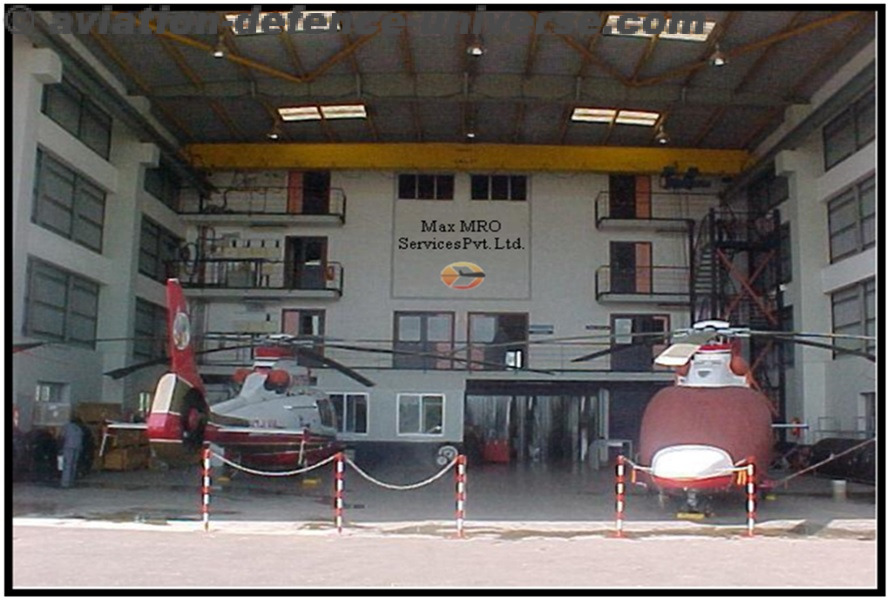
Civil Architecture: Through its joint venture via Max MRO Services, the company partners with Air France Industries KLM Engineering & Maintenance (AFI KLM E&M). This provides top-tier component MRO support to prominent commercial airline operators worldwide.
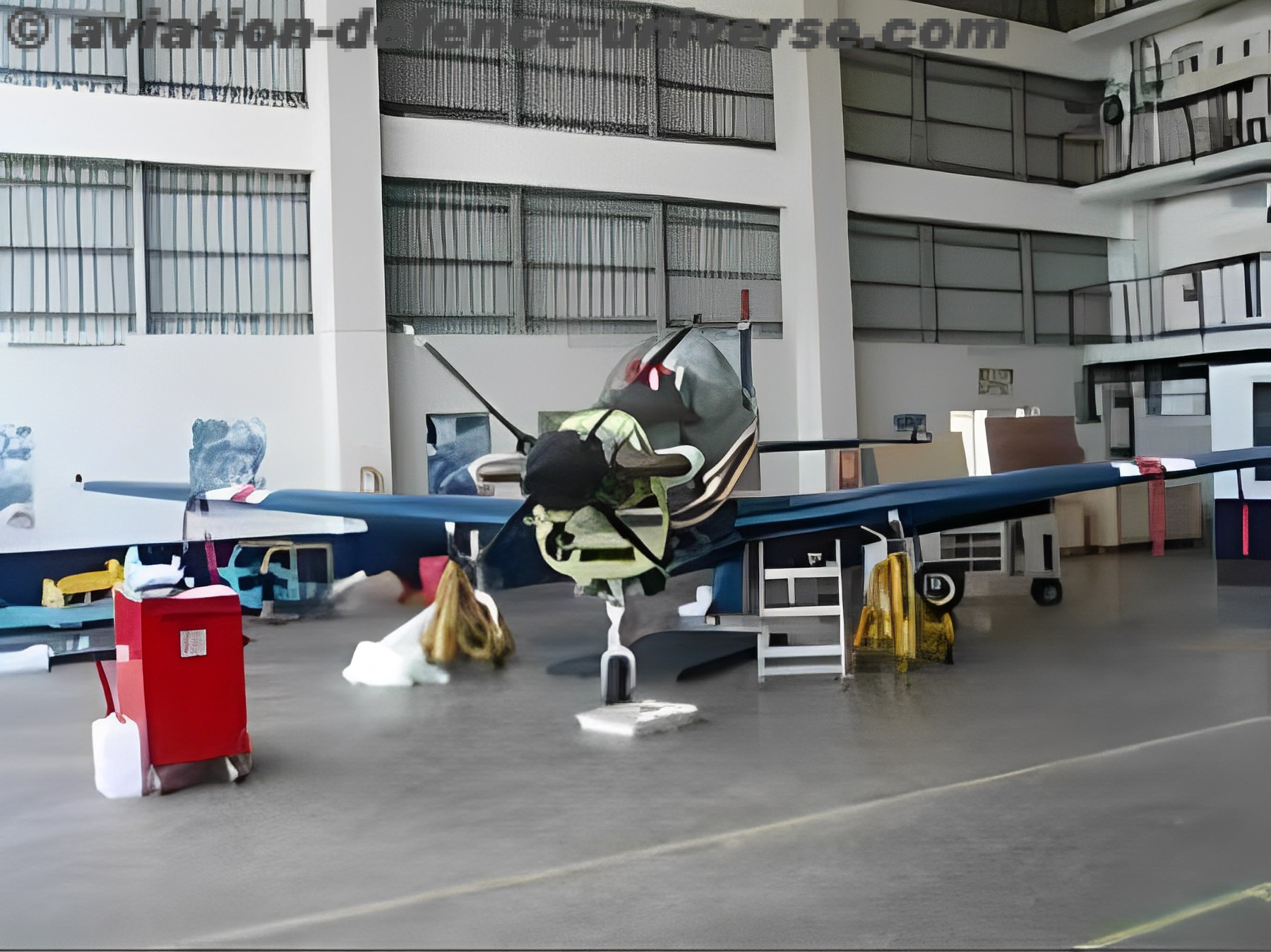 OEM Ecosystem Ties: The firm maintains critical component maintenance partnerships with global aerospace leaders and has executed military engine MRO JVs with Safran (Max Aero Engines) to support platforms like the Mirage 2000.
Advanced Domestic Manufacturing: Transitioning into high-value manufacturing, Max Aerospace signed a major ₹8,000-crore MoU with the Government of Maharashtra to establish India’s first private sector helicopter manufacturing and maintenance hub in Nagpur. This hub is dedicated to indigenous civil and defence applications.
ADU. Can the prevailing geo-political condition and war zones make India a sought after MRO destination ?
Bharat Malkani. The shifting global geopolitical landscape is structurally redirecting aerospace supply chains, positioning India as an attractive, stable alternative:
Friend-Shoring Destination: As global aerospace companies actively derisk their operations away from historically volatile or politically sensitive regions, India offers a highly stable, democratic, and rule-of-law-backed base for long-term investments.
Strategic Geographical Crossroads: Situated at the nexus of major East-West global shipping and aviation channels, India serves as a logical regional hub for foreign carriers seeking to avoid operating directly out of active geopolitical flashpoints.
Trusted Regional Maintenance Base: Western defence OEMs increasingly view India as a highly secure, capable location for servicing naval and air assets deployed across the broader Indo-Pacific region.
ADU. If you had to identify one decisive factor that will determine whether India becomes a global MRO hub, what would it be?
Bharat Malkani. If one decisive factor determines whether India becomes a global MRO hub, it is the velocity and seamlessness of its customs and logistics infrastructure for components.
 MRO is fundamentally a time-critical, logistics-driven industry. Even with competitive tax structures, an abundance of skilled labour, and a massive domestic fleet, India cannot effectively compete as a regional hub if an engine component takes days to clear customs bureaucracy. Achieving frictionless, automated, end-to-end component movement that matches the speed of established hubs like Singapore or Dubai is the critical threshold for India’s global MRO success.
India’s MRO story is no longer simply about bringing maintenance work home; it is about building a strategically important aerospace capability with the potential to serve both domestic and international markets. As Bharat Malkani makes clear, international partnerships can accelerate India’s journey by providing access to advanced technology, specialised tooling, certifications and complex repair capabilities—but collaboration must ultimately strengthen, rather than substitute for, indigenous competence.
 The road ahead therefore requires a careful balance: leveraging global expertise while building domestic intellectual property, creating internationally certified talent while retaining skills within India, and attracting foreign OEMs while enabling Indian companies to move progressively higher up the value chain. With India’s commercial fleet expanding rapidly and geopolitical shifts encouraging aerospace companies to diversify their global footprints, the opportunity could scarcely be greater.
Yet Malkani identifies one decisive test that cuts across every aspect of India’s MRO ambitions: the velocity of customs and logistics. In an industry where every hour of aircraft downtime carries an enormous financial cost, world-class facilities cannot compensate for components trapped in slow-moving supply chains. If India can combine frictionless logistics with technological depth, globally recognised skills, regulatory predictability and strategic international partnerships, it could move decisively from being one of the world’s largest aviation markets to becoming one of its most trusted MRO hubs.









































































-A4-Size-(2)_page-0001.jpg)