


 18th BRICS Summit



















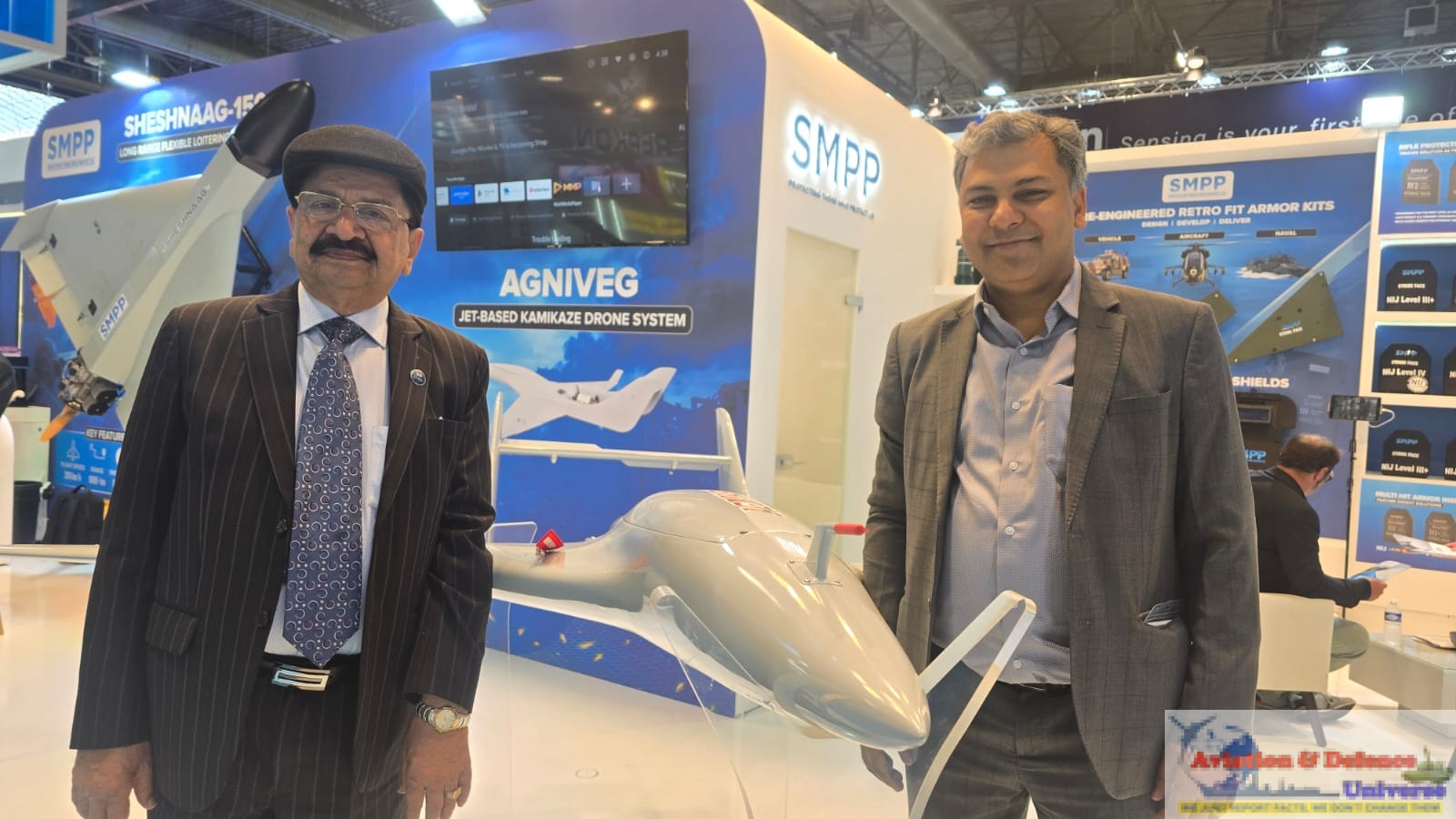
- 180 Kilometres, Sub-Five-Metre Precision: Their Jet-Powered Kamikaze Drones Enter the Battlefield
- Beyond Ballistic Protection: Builds an Integrated Unmanned Warfare Portfolio
- New Battlefield Vision: Protection, Surveillance and Precision Strike Under One Ecosystem
By Sangeeta Saxena
New Delhi / London. 19 July 2026. The battlefield is changing—and SMPP is changing with it. Long recognised for its capabilities in ballistic protection and ammunition, the Indian defence company is now making an ambitious strategic move into a domain that is rapidly redefining modern warfare: unmanned and autonomous systems. From jet-powered kamikaze drones and loitering munitions to Remotely Piloted Aircraft, High Altitude Platforms and next-generation autonomous systems across land, air and sea, SMPP is seeking to transform itself from a manufacturer of individual defence products into a provider of integrated battlefield capabilities.
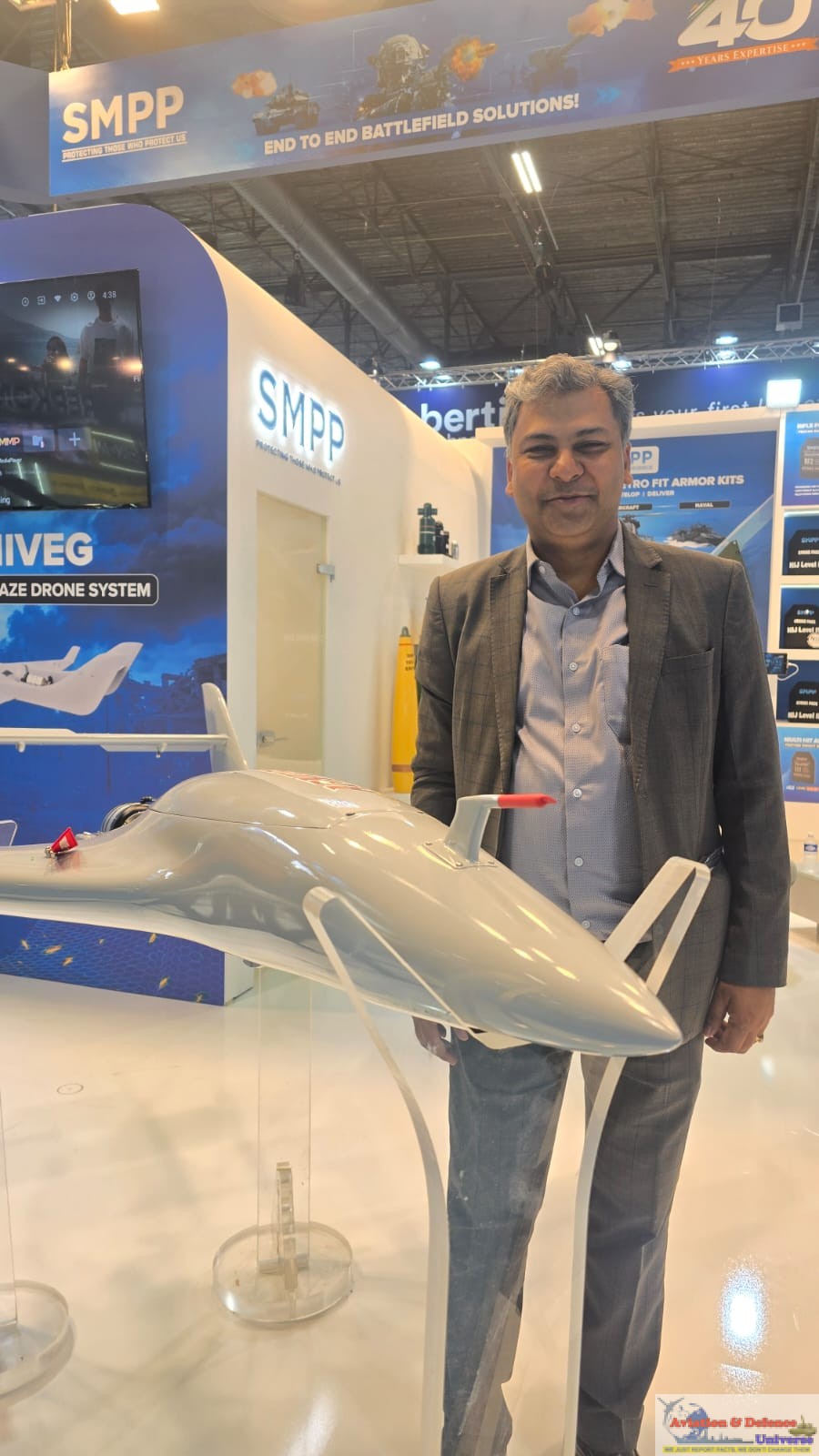 In an exclusive interview with Editor, Aviation & Defence Universe (ADU), Ashish Kansal, CEO, SMPP, outlines the company’s expanding vision for the future battlefield and explains how decades of expertise in ammunition, explosives, advanced materials, mission-critical manufacturing and systems integration are providing the foundation for its next technological leap. The transition is already moving from ambition to operational reality: SMPP has completed delivery of 100 jet-based operational drones and six training drones to the Indian Army, with the operational platform demonstrating a range of around 180 kilometres and a Circular Error Probable of less than five metres during trials conducted in heavily jammed and spoofed conditions.
But SMPP’s ambitions extend considerably further. Through international collaborations—including its partnership with KNDS for advanced loitering munition technologies—and growing engagement with defence and technology companies in India and overseas, the company is building towards an interconnected family of unmanned systems designed for surveillance, reconnaissance, precision strike and future network-centric operations. As the Farnborough International Airshow 2026 knocks at the door, Kansal’s message is clear: the company that built its reputation protecting the soldier is now preparing to equip that soldier—and the commanders behind him—with the autonomous reach, intelligence and precision demanded by tomorrow’s battlefield.
ADU. SMPP has built a strong reputation in ballistic protection and ammunition. What prompted the company to enter the unmanned systems and drone segment?
Ashish Kansal. The nature of warfare is evolving rapidly. Modern battlefields increasingly rely on autonomous systems, real-time intelligence and precision engagement. While SMPP has established itself as a trusted partner in soldier protection and ammunition, we recognised that the future battlefield demands a far more integrated approach.
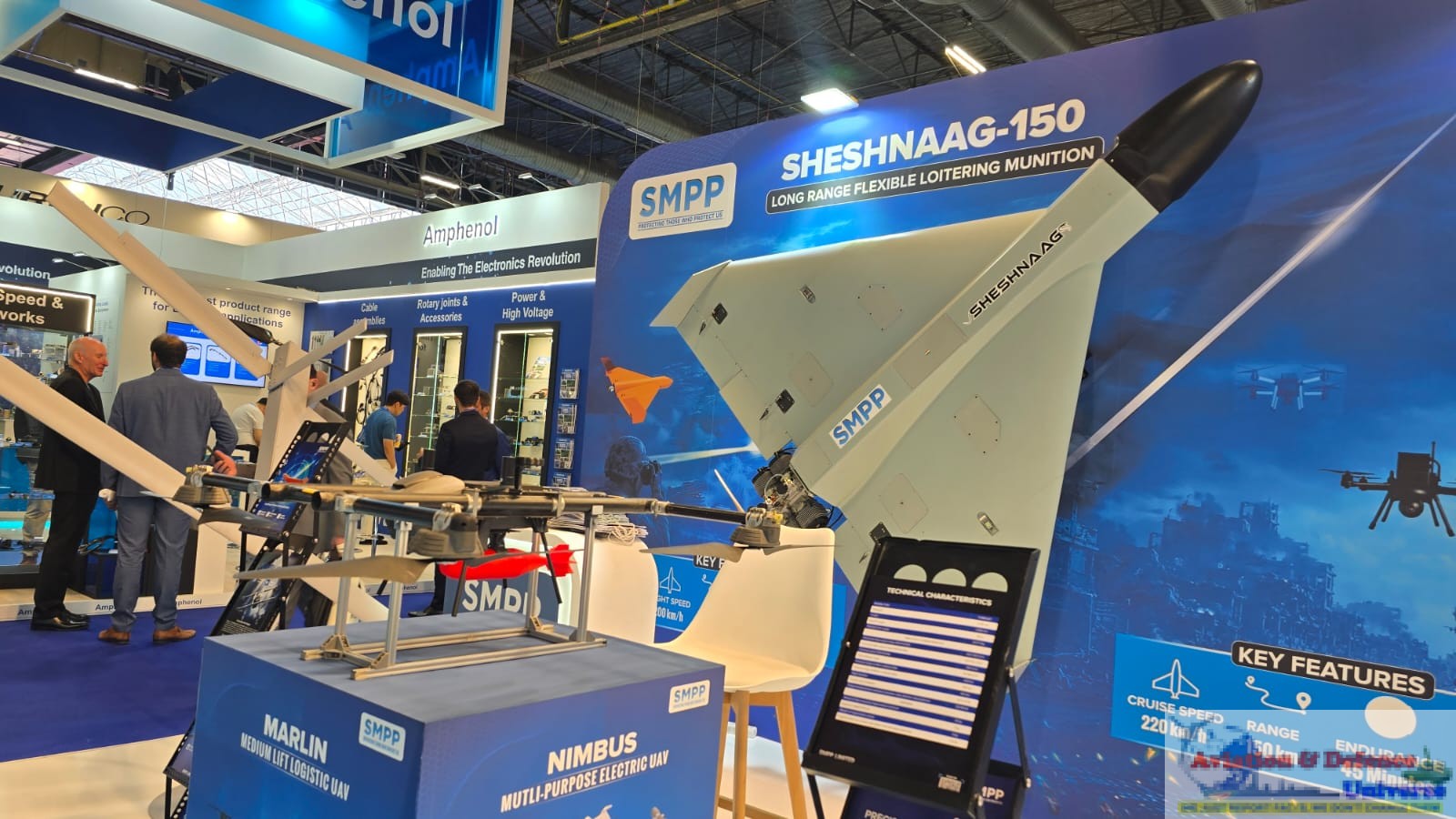 Our entry into the unmanned systems segment with Kamikaze and Loitering Munitions was therefore a strategic extension of our capabilities. We are building solutions that complement our existing portfolio while addressing emerging operational requirements in surveillance, reconnaissance, target acquisition and precision strike. Our objective is to become a provider of integrated battlefield capabilities rather than individual products.
ADU. What areas within unmanned systems is SMPP currently focusing on?
Ashish Kansal. Our approach is to build a comprehensive unmanned systems portfolio that addresses multiple operational requirements.
This includes jet-based kamikaze drones, loitering munitions, Remotely Piloted Aircraft (RPAs), High Altitude Platforms (HAPs) and further extending into surveillance drones, tactical unmanned platforms, and long-endurance, high-altitude unmanned systems capable of supporting intelligence, surveillance and reconnaissance (ISR) missions over extended periods.
We believe future military operations will require a family of unmanned platforms on land, air and sea operating together, each optimised for different mission profiles. Our development efforts are aligned with this vision.
ADU. How does this new business complement SMPP’s existing strengths?
Ashish Kansal. The move into unmanned systems builds upon the engineering and manufacturing capabilities that SMPP has developed over several decades and is an extension of the capabilities built in the field of ammunition and explosives.
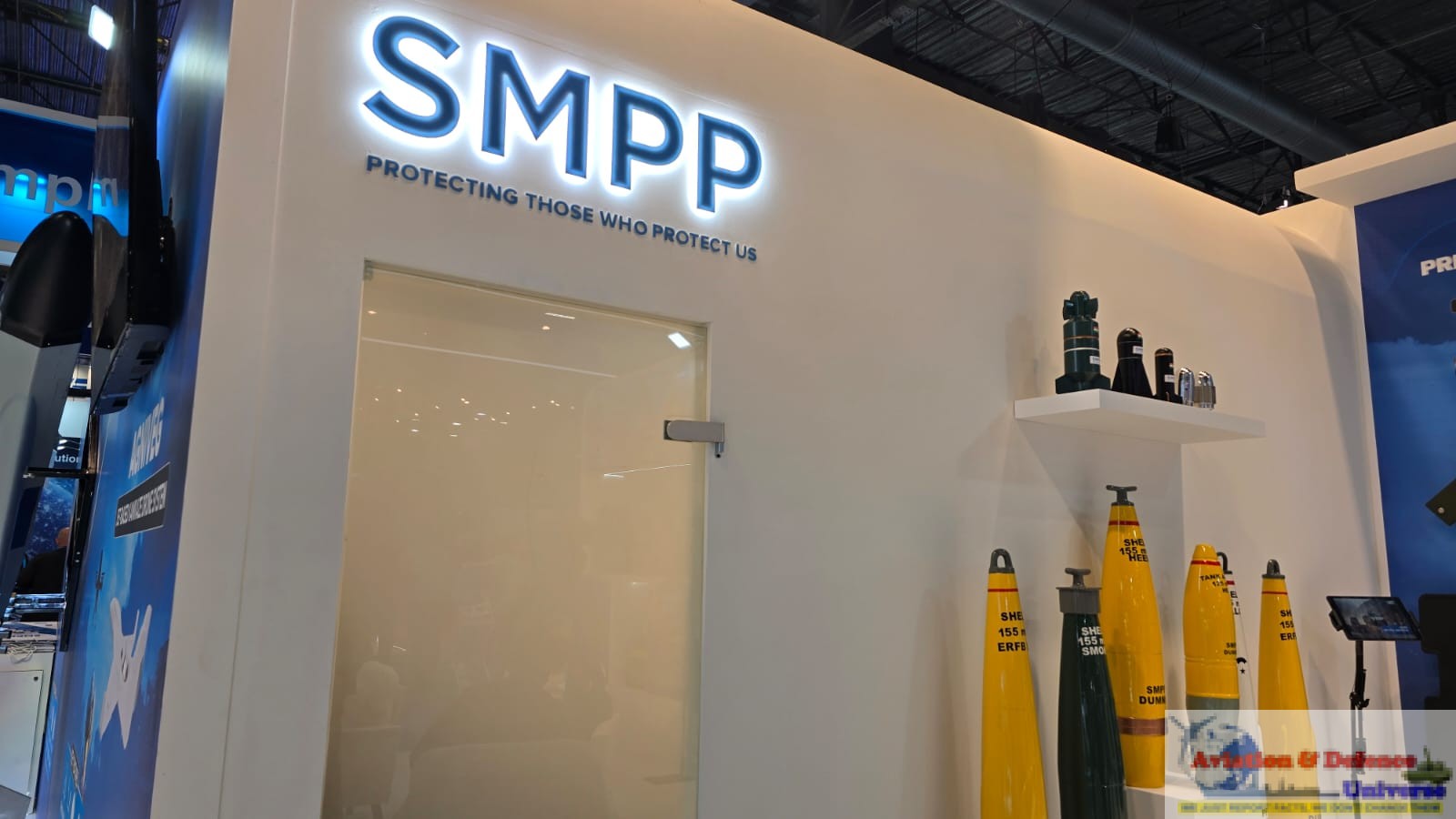 Whether it is advanced materials, mission-critical manufacturing, quality assurance or systems integration, these competencies are directly applicable to next-generation autonomous platforms. Our experience in delivering reliable solutions to the armed forces provides a strong foundation for developing unmanned technologies that meet stringent military standards.
Ultimately, we aim to provide integrated solutions combining protection, surveillance and precision engagement under one ecosystem.
ADU. SMPP has already announced international collaborations. How important are partnerships in achieving your vision?
Ashish Kansal. Partnerships are central to our strategy. Our collaboration with KNDS for advanced loitering munition technologies is an important milestone that combines international expertise with India’s growing manufacturing capabilities.
Going forward, we are actively exploring opportunities to collaborate with leading defence and technology companies from Germany, France and India. These partnerships will enable us to accelerate technology development, expand our product portfolio and bring proven capabilities to both Indian and international customers.
We believe the future of defence innovation will be driven through collaborative ecosystems where complementary strengths come together to develop advanced solutions.
ADU. SMPP has recently commenced deliveries in the drone segment. Could you tell us more about these platforms and the capabilities they bring?
Ashish Kansal. SMPP has successfully completed the delivery of 100 Nos of Jet Based Operational Drones and 6 Training Drones to the Indian Army, marking a significant milestone in India’s unmanned warfare capabilities and reinforcing the nation’s commitment to self-reliance in critical defence technologies.
 The delivery follows successful user trials in which the platform demonstrated a Circular Error Probable (CEP) of less than five metres showcasing an operational range of about 180 kilometres, while operating in a heavily jammed and spoofed environment. The performance highlights the system’s precision, reliability and ability to operate in contested battlefield conditions.
The platform is a turbojet-powered kamikaze drone system designed to engage high-value targets deep inside enemy territory. Combining long-range reach, precision strike capability and the ability to strike at extremely high speeds, the system provides the Indian Army with a flexible and cost-effective option for prosecuting time-sensitive targets while reducing risk to personnel.
The induction of these jet-based drones comes at a time when modern warfare is increasingly being shaped by precision-guided unmanned systems capable of delivering significant battlefield effects at a fraction of the cost of conventional strike platforms. The system bridges the capability gap between conventional artillery and long-range missile systems, providing commanders with a new layer of precision strike capability.
Our objective is not simply to deliver individual drone platforms, but to develop an integrated family of unmanned systems capable of supporting future network-centric operations.
ADU. What progress has SMPP made in this segment so far?
Ashish Kansal. We have made significant progress in building the foundations of our unmanned systems business.
 Our efforts have focused on technology development, capability creation and strategic partnerships across multiple unmanned domains. Alongside surveillance platforms and loitering munitions, we are also advancing programmes involving jet-based drones and next-generation autonomous land, sea and aerial systems.
As these programmes mature through development, testing and evaluation, we expect them to support both domestic defence requirements and future export opportunities.
ADU. How do you see unmanned systems changing future military operations?
Ashish Kansal. Future conflicts will increasingly depend on persistent surveillance, autonomous operations and network-enabled decision-making. Unmanned platforms will perform missions ranging from border surveillance and reconnaissance to precision strike, electronic warfare and battlefield assessment. Long-endurance drones, High Altitude Platforms, RPAs and autonomous strike systems will provide commanders with greater operational flexibility while reducing risk to personnel.
As artificial intelligence and autonomous technologies continue to mature, these systems will become even more capable and interconnected. SMPP intends to be an active contributor to this transformation by developing solutions that meet evolving operational requirements.
ADU. What are SMPP’s priorities over the next few years?
Ashish Kansal. Our priorities are centred around expanding indigenous capability while leveraging strategic international collaborations. We will continue investing in ammunitions, Unmanned systems and Counter- Unmanned systems to offer a formidable, smart solution to our forces apt for this ever changing battlefield. At the same time, we are strengthening our partnerships with global technology leaders while expanding collaboration with Indian industry. Our objective is to develop scalable, mission-ready solutions that support the requirements of the Indian Armed Forces while creating products that are competitive in international markets.
ADU. What message would SMPP like to convey at the Farnborough International Airshow?
Ashish Kansal. Farnborough provides an excellent opportunity to showcase India’s growing capabilities in advanced defence technologies and engage with global partners. SMPP is entering a new phase of growth. Alongside our established leadership in soldier protection and ammunition, we are making significant investments in unmanned systems and autonomous technologies that will define the future battlefield.
We look forward to engaging with defence organisations, OEMs and technology companies from around the world to explore new collaborations. Our focus is on building long-term relationships that accelerate innovation, strengthen indigenous capability and deliver next-generation solutions for defence forces worldwide.
SMPP’s expansion into unmanned and autonomous systems represents more than the addition of a new product vertical; it signals a broader transformation in how the company sees its role within India’s defence ecosystem. The objective is no longer simply to provide protection or ammunition in isolation, but to connect protection, surveillance, intelligence and precision engagement into an integrated operational architecture capable of responding to the rapidly changing character of warfare.
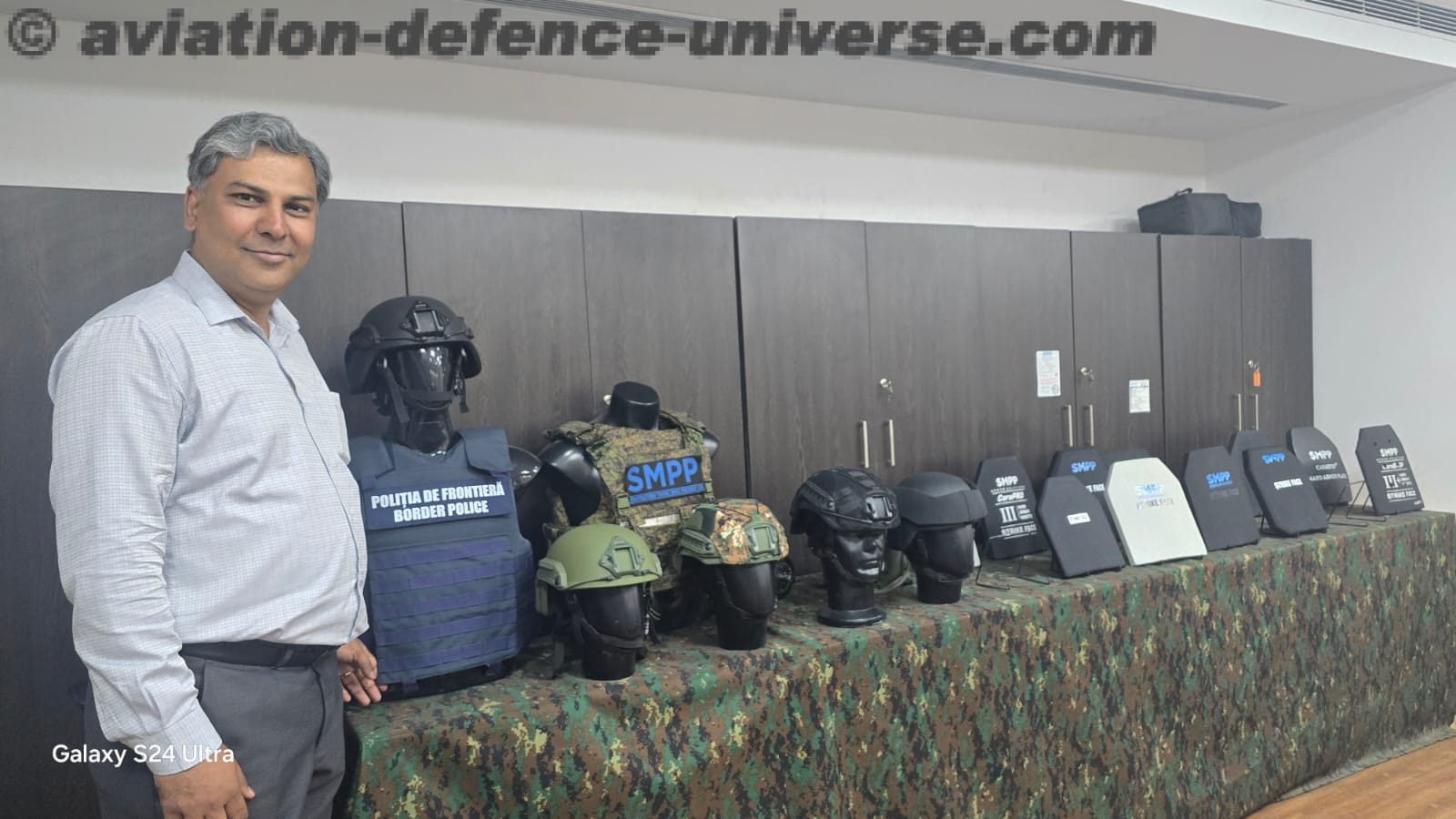 As Ashish Kansal makes clear, the journey ahead will combine indigenous capability with carefully chosen international partnerships, drawing upon global technologies while strengthening India’s domestic defence-industrial base. With investments spanning unmanned systems, counter-unmanned technologies and ammunition, SMPP is positioning itself at the intersection of some of the most consequential transformations taking place on the modern battlefield.
Farnborough International Airshow 2026 therefore arrives at an important moment in the company’s evolution. For SMPP, the global stage offers not merely an opportunity to showcase what India can manufacture today, but to find partners for what it intends to build tomorrow. If its expanding portfolio of autonomous and unmanned capabilities fulfils that ambition, SMPP’s journey from protecting soldiers to creating integrated battlefield solutions could become a compelling example of how India’s established defence companies are reinventing themselves for the wars of the future.






















































































-A4-Size-(2)_page-0001.jpg)