


 18th BRICS Summit















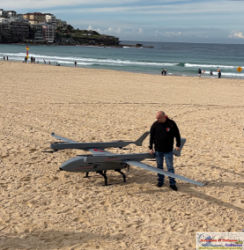 The breakthrough could make it easier to use long-range drones for everything from bushfire detection and shark surveillance to inspecting power lines, monitoring gas pipelines and surveying remote infrastructure.
At a time when Australia is preparing for what could be a challenging summer, the approval opens the door to drones being deployed more widely and across much larger areas than has previously been possible.
Carbonix has become the first company in Australia, and what is believed to be the first globally for this class of aircraft, to achieve Safety Assurance Integrity Level (SAIL) III certification for a long-range fixed-wing drone platform.
The certification marks an important step towards treating advanced drones as trusted aviation systems rather than experimental technology, making it easier for approved operators to undertake large-scale Beyond Visual Line of Sight (BVLOS) missions.
Following the certification, Carbonix has already received approvals to operate across the Surat Basin in southern Queensland, an area roughly the size of Belgium, inspecting gas gathering and pipeline networks for major energy customers.
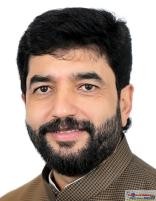
Founded by former America’s Cup engineer Dario Valenza, Carbonix designs and manufactures long-range carbon-fibre drones in Sydney that are capable of replacing helicopters and light aircraft for many inspection and surveillance tasks.
Dario is available to discuss the certification process, what it means for the future of autonomous aviation in Australia, and how technologies like this could improve bushfire management, disaster response, critical infrastructure monitoring and public safety.





































































-A4-Size-(2)_page-0001.jpg)