


 18th BRICS Summit
















- “From Cost to Quality: India’s Aerospace Sector Charts a New Flight Path”
- Why Quality Defines India’s Aerospace Future
- Why ‘Safety is a Culture, Not a Checklist’ in Modern Aerospace
By Sangeeta Saxena
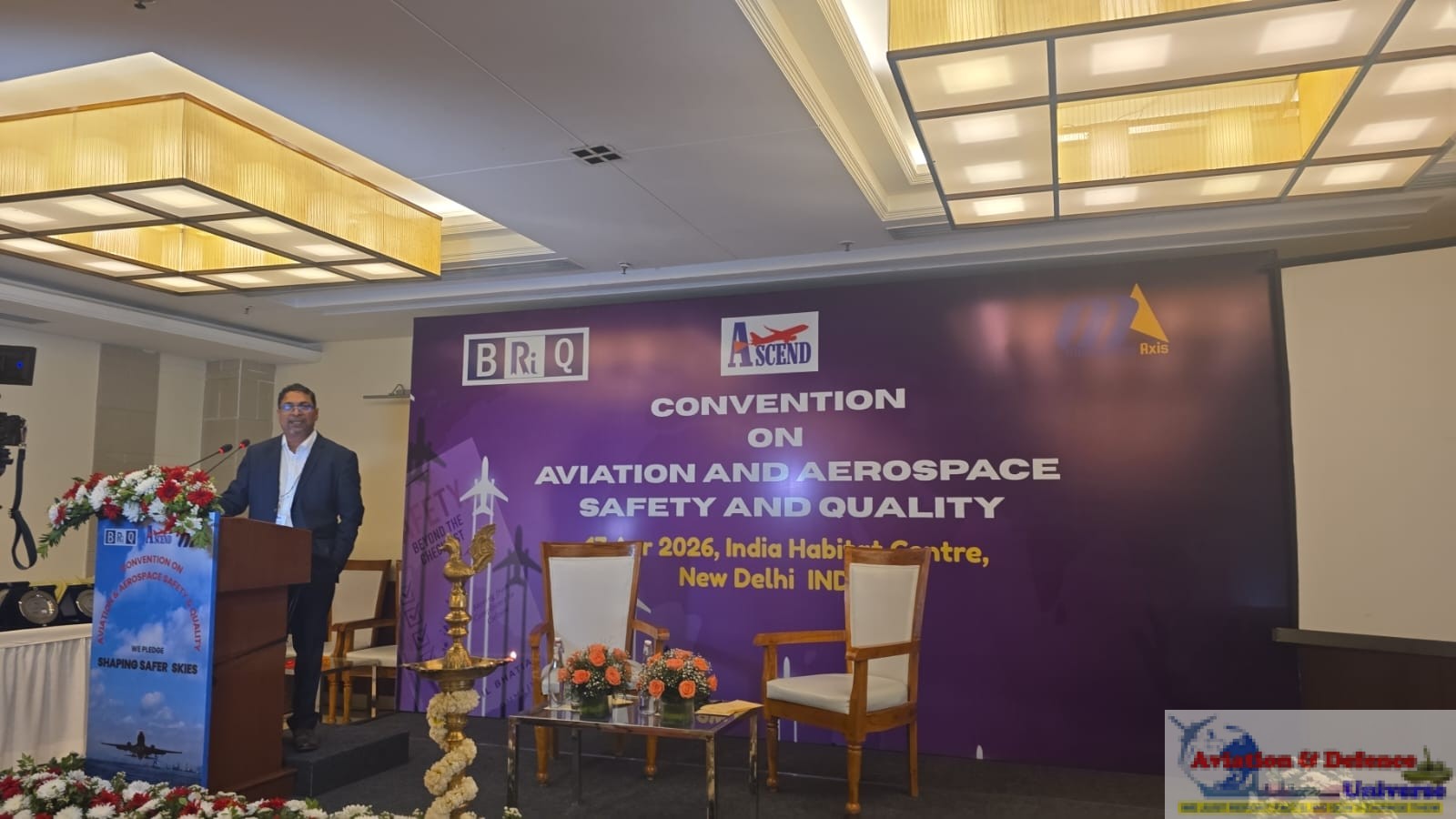
New Delhi. 26 April 2026. At a time when India’s aerospace ambitions are accelerating—from assembling advanced aircraft to manufacturing critical aero engine components—the conversation is no longer just about scale. It is about standards, systems, and mindset.
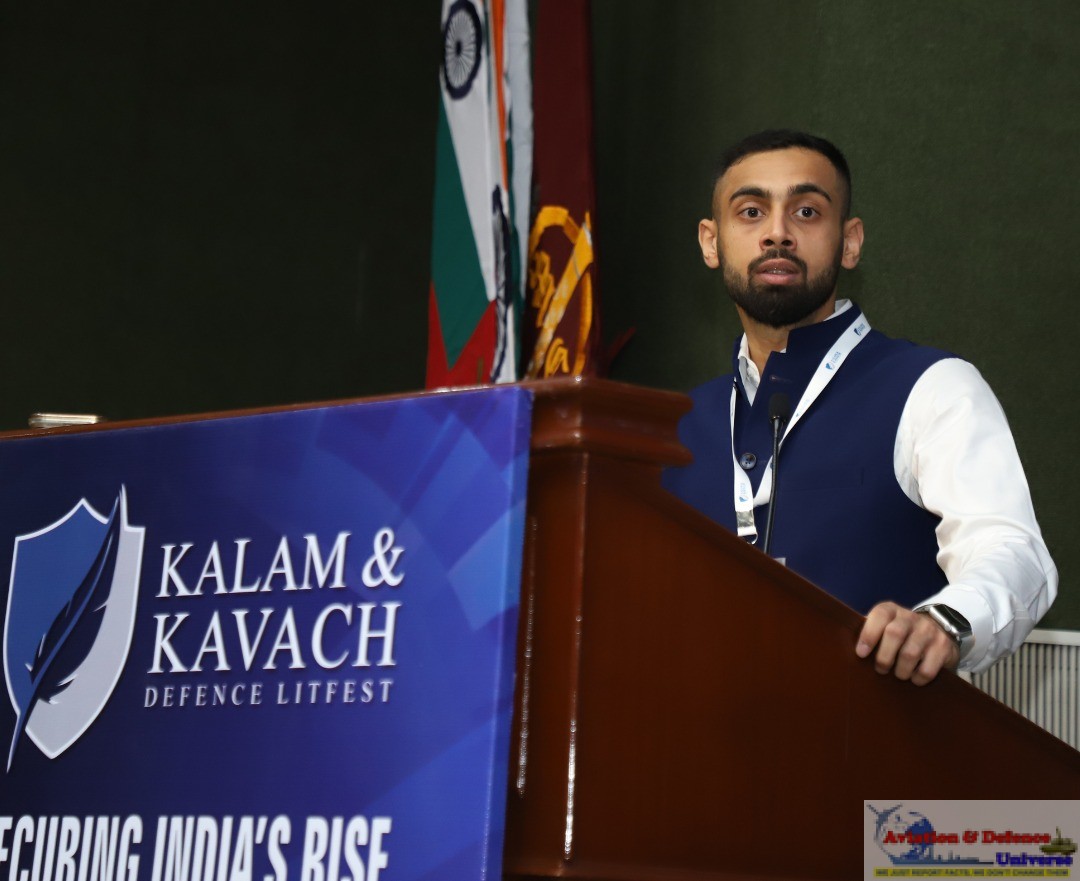
At the Convention on Aviation & Aerospace Safety & Quality, Vijayshankar K Prajapati, Associate Vice President and Head – Corporate Engineering & Quality at Tata Advanced Systems Limited, offered a ground-level view of this transformation—one shaped not just by global partnerships and cutting-edge technology, but by a relentless focus on quality and culture.
“We have grown big, but one of the reasons why we have grown big, it was the focus on the quality and reliability,” he said, setting the tone for a wide-ranging address that blended operational insights with strategic vision. For decades, India’s manufacturing narrative was tied to cost competitiveness. But in aerospace—where failure is not an option—that equation has changed.
“People are not coming to us because we are a low-cost producer. People are coming to us because we are a producer of quality products,” Prajapati asserted. This shift is visible in the company’s expanding global footprint—working with leading OEMs, producing complex components, and participating in flagship programmes. From aero engines to complete aircraft assemblies, India is no longer on the periphery of aerospace manufacturing—it is becoming central to it. Yet, with this growth comes responsibility. The surge in aerospace certifications—from a handful to over 1,500—signals not just expansion, but accountability.
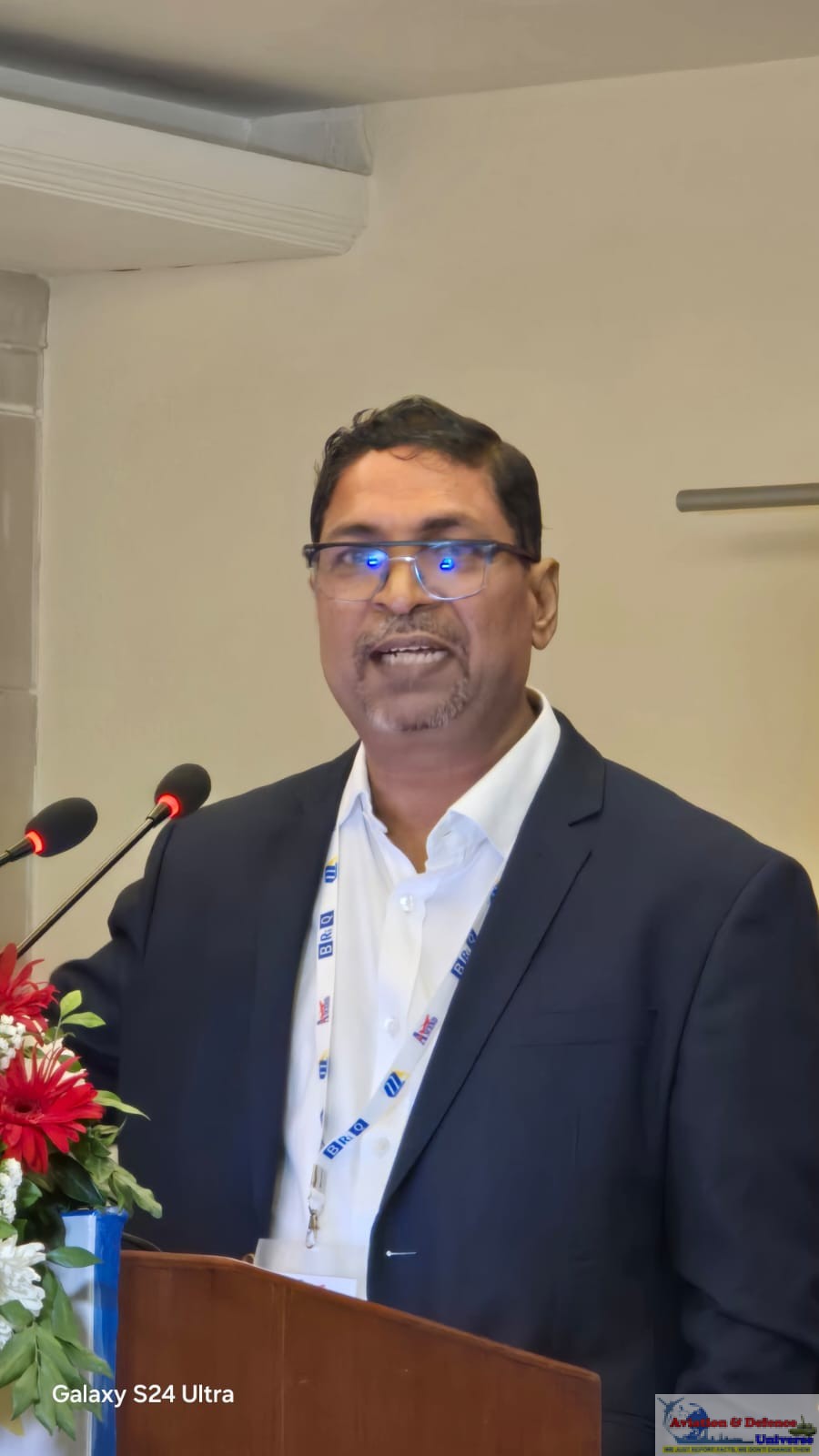 If there was one theme that anchored the speech, it was the inseparable link between quality, reliability, and safety. “Quality ensures it works, reliability ensures it keeps working, but the most important factor is safety which ensures that if there is an issue, it is not catastrophic,” he explained. In aerospace, these are not abstract principles—they are operational imperatives. A minor deviation on the shop floor can have far-reaching consequences in the air.
And yet, Prajapati cautioned against reducing these principles to checklists or compliance exercises. Instead, he framed them as outcomes of deeper systemic thinking. If systems define processes, culture defines behaviour—and in Prajapati’s view, behaviour determines outcomes. “Doing right things when nobody is watching is called culture,” he said.
It is this philosophy that underpins a critical shift in organisational mindset—moving from blame to learning. “Anybody who comes and reports a defect gets awarded… but anybody who hides it, he gets penalised,” he noted, highlighting a culture where transparency is incentivised and concealment discouraged. In an industry where errors can be costly, such openness is not just desirable—it is essential. Each reported defect becomes, in his words, a “golden nugget” for improvement.
While human skill remains important, Prajapati was clear that reliance on individuals alone is not enough.“Quality has to come by the process… it is not by the people,” he said. This process-driven approach is reinforced through digital systems, structured methodologies, and data-driven decision-making. From codifying non-conformances to using predictive analytics, the emphasis is on building systems that prevent errors rather than merely detecting them. It is a shift from reactive inspection to proactive engineering. In a domain where human limitations can introduce risk, technology is increasingly becoming an enabler of precision.
Prajapati described how artificial intelligence and machine learning are being deployed to detect defects, identify foreign objects, and enhance inspection accuracy—areas where human observation alone may fall short. The logic is simple: repetitive tasks are prone to human error, but intelligent systems can reduce variability and improve consistency.
One of the most striking insights from the address was the organisation’s approach to skill development. “We assume that they know nothing… three months of theoretical training, three months of practical training, and then six months of on-the-job training before certification,” Prajapati explained. This rigorous pipeline reflects a recognition that aerospace manufacturing demands precision, discipline, and deep understanding—qualities that cannot be rushed. Equally important is retraining. As systems evolve, so must the workforce.
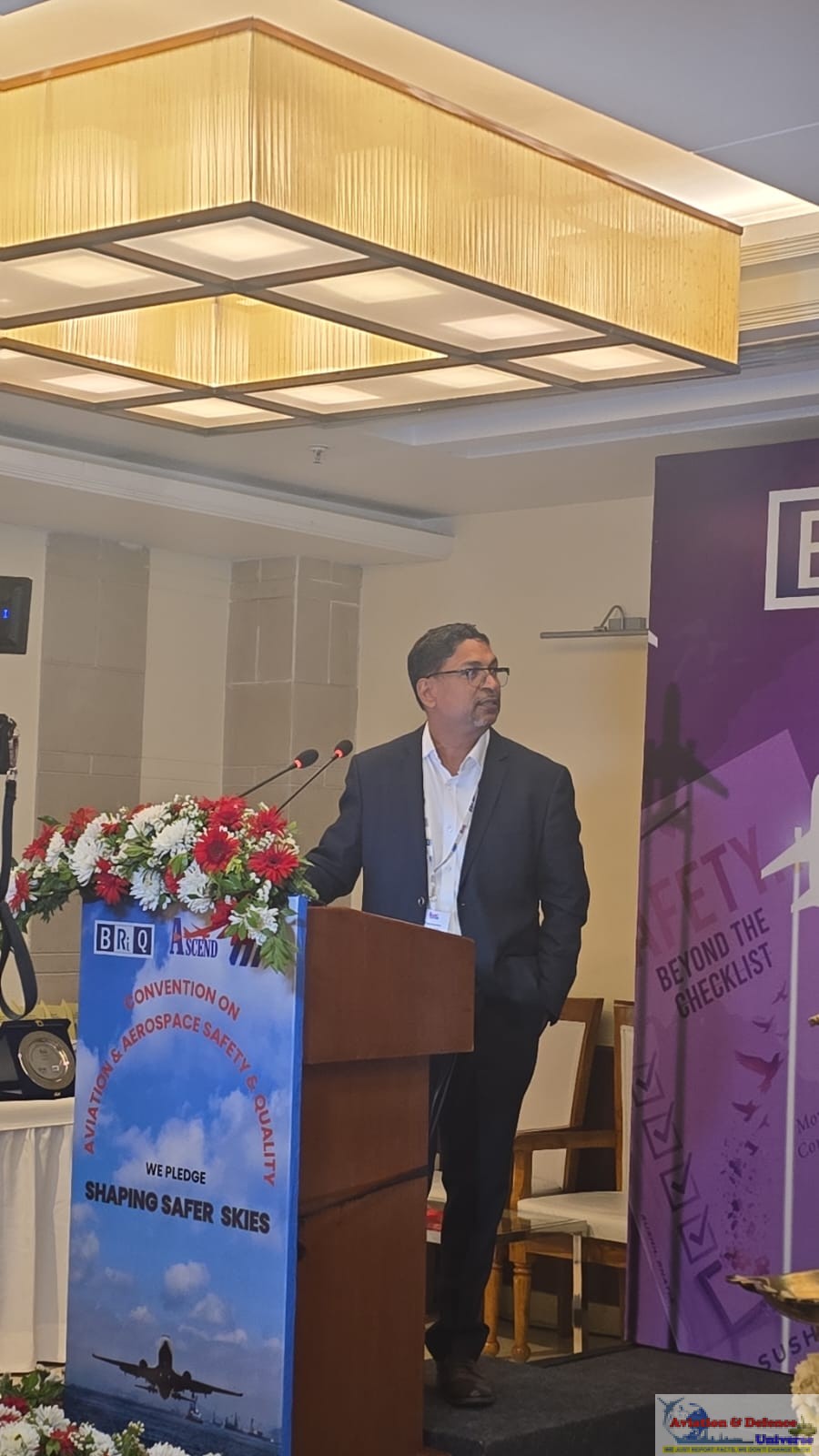 He also touched upon the evolving role of regulators in the aerospace ecosystem. “We have to move from inspection to quality assurance… quality is created by the processes,” Prajapati emphasised. Rather than relying solely on end-stage inspections, the focus is shifting towards auditing processes, analysing trends, and ensuring systemic robustness. This transition reflects global best practices and signals a maturing ecosystem where quality is built in—not inspected in.
As India positions itself as a global aerospace hub, the challenges ahead will not just be technological—they will be cultural, organisational, and philosophical. Prajapati’s closing remarks distilled this vision into a powerful triad, “Quality is a system, not a department… reliability has to be engineered… and safety is a culture, not a checklist.” It is a reminder that in aerospace, excellence is not achieved through isolated efforts, but through alignment—of people, processes, and purpose. And as India’s aerospace story continues to unfold, that alignment may well determine how high—and how safely—it flies.







































































-A4-Size-(2)_page-0001.jpg)