


 18th BRICS Summit














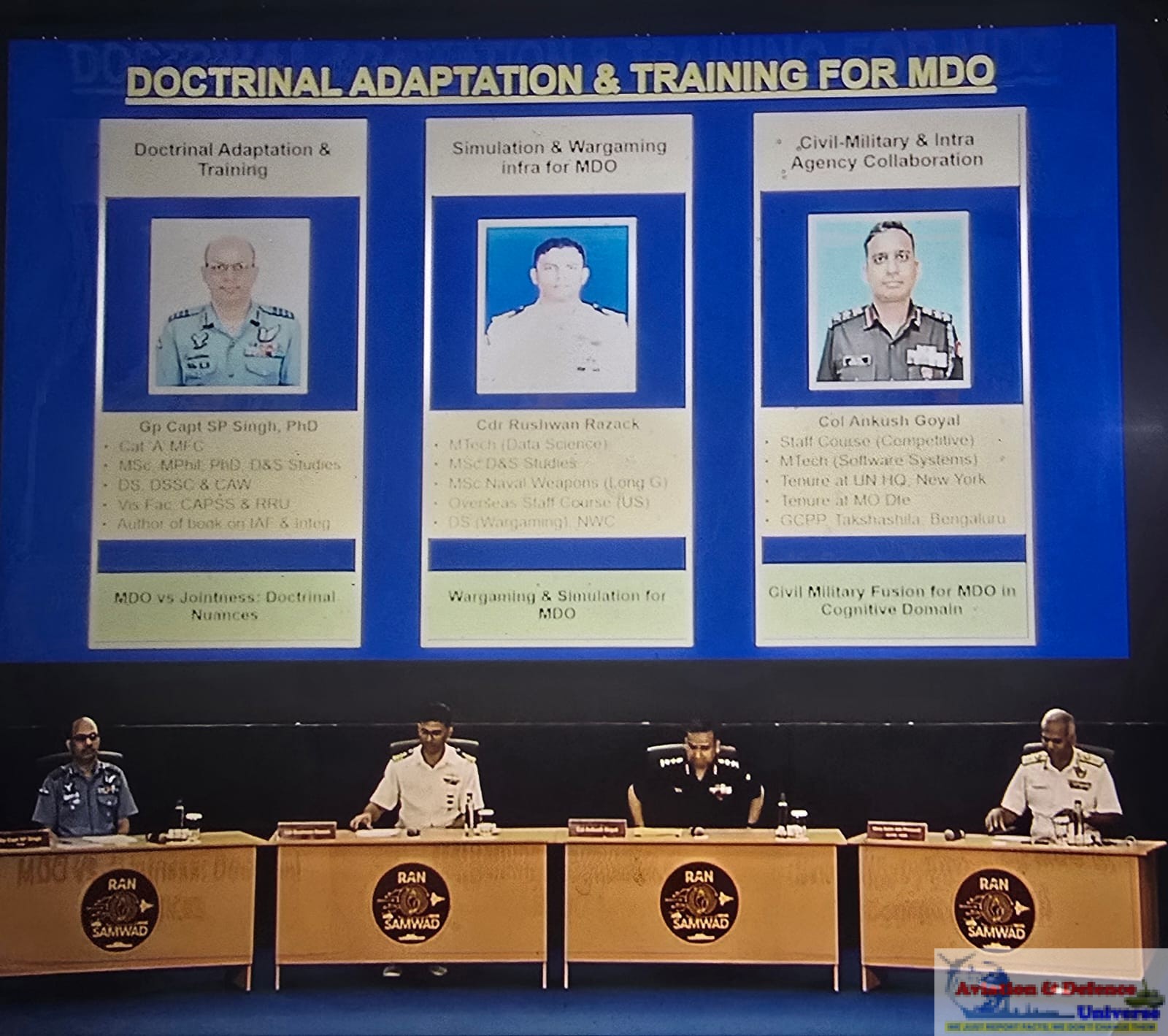
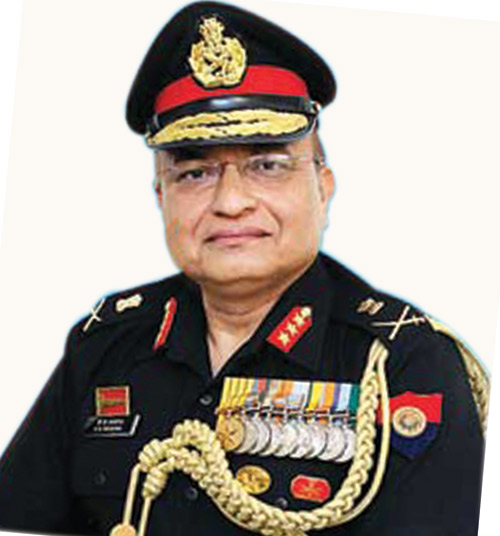
- “Train the Way You Fight”: Commander Razack Outlines Simulation-Led MDO Strategy
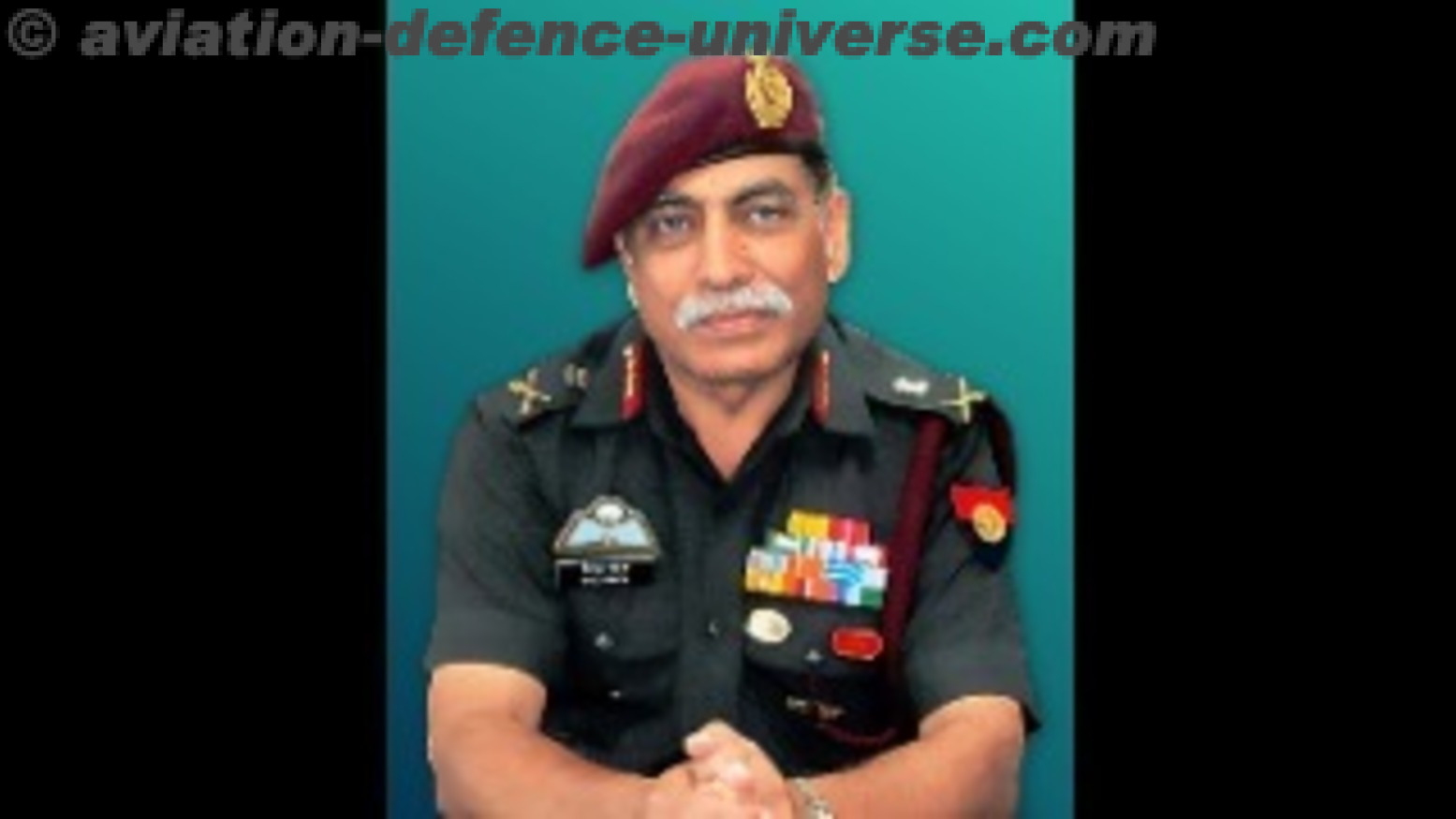
- “Our Network Is Our Net Worth”: Col Goyal on Future Warfare Integration
- From Jointness to Multi-Domain Mastery: Gp Capt Singh Calls for Doctrinal Clarity
By Sangeeta Saxena
New Delhi. 12 April 2026 . As global conflicts redefine the character of warfare, Ran Samvad 2026 emerged as a critical platform where India’s top military leadership, practitioners, and strategic thinkers converged to chart the future of Multi-Domain Operations (MDO). Ran Samvad 2026 provided a comprehensive and candid roadmap for India’s transition to Multi-Domain Operations. The collective insights from military leadership and domain experts highlighted that future warfare will be defined not by individual platforms, but by the ability to integrate capabilities, make faster decisions, and operate seamlessly across domains. The convergence of technology, doctrine, training, and mindset—supported by strong civil-military collaboration—will determine success in this new paradigm. As the global security environment becomes increasingly complex and contested, the message from the forum is clear:
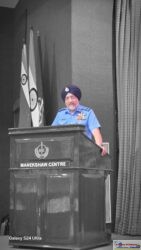
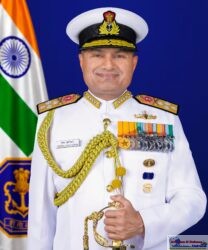
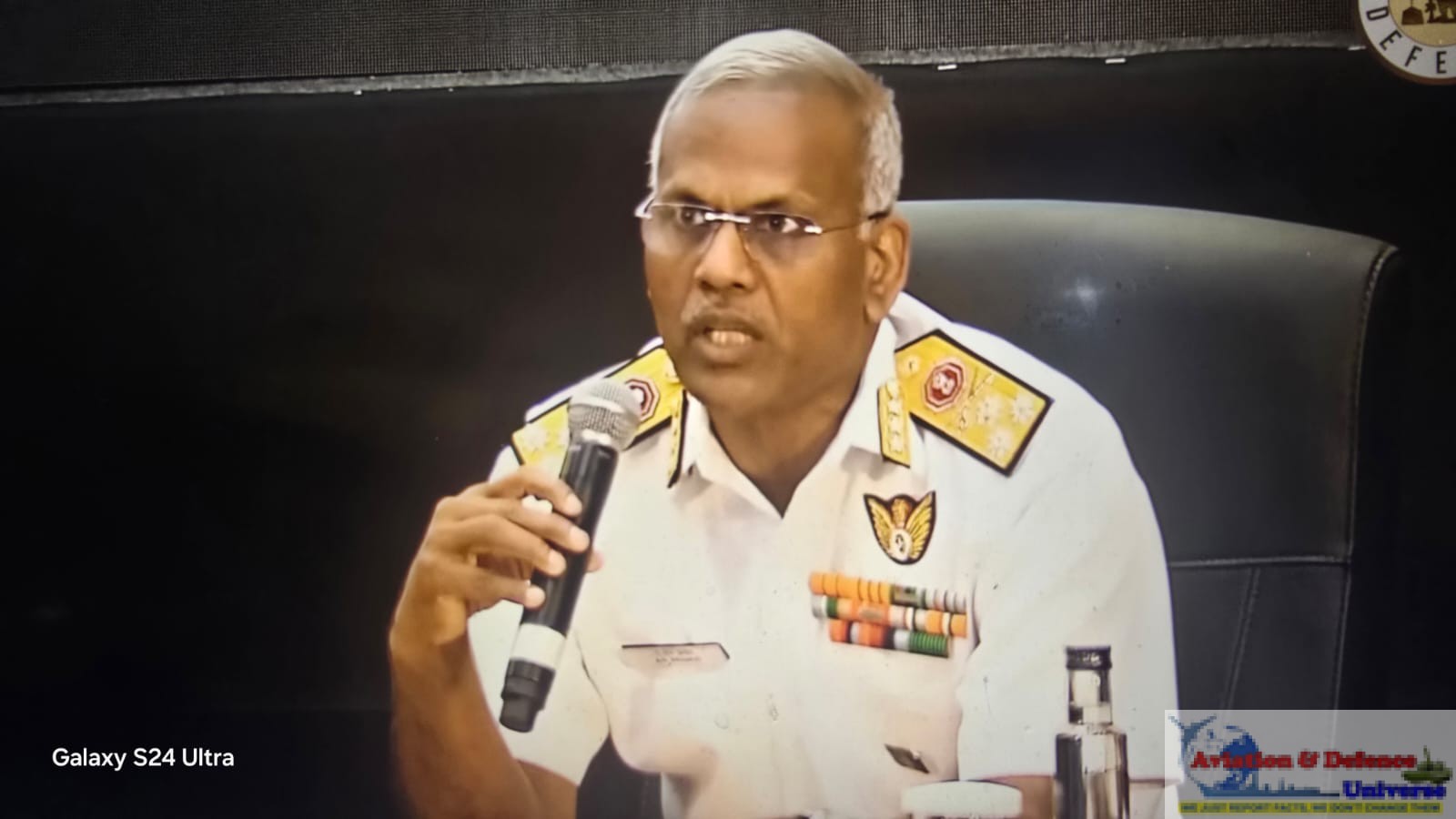 The session on Doctrinal Adaptation and Training for Multi-Domain Operations (MDO) at Ran Samvaad 2026, chaired by Vice Admiral AN Pramod, brought together senior military leaders and experts to deliberate on the evolving character of warfare. The discussion revisited the foundational principles of MDO, highlighting the transition from traditional joint operations to a more integrated, technology-driven warfighting approach. The session emphasised on the growing importance of interoperability, advanced technologies, and doctrinal evolution in preparing armed forces for complex, multi-domain battlefields.
Reiterating the core concept, Vice Admiral Pramod stated, “MDO is an evolving concept. It refers to the coordinated, integrated and synchronised employment of military forces and non-military national capabilities across land, sea, air, cyber, space and cognitive domain. The key attributes of MDO [are] the ability to operate in all domains with advanced interoperability, high-intensity simultaneous standoff and precision strike capabilities, capitalising on the high-end technology.” Emphasising the role of advanced systems, the address stated, “Advanced air-based, space-based C4ISR capabilities, information, net-centric and data infrastructure for ISR dominance and degrading command and control infrastructure” are central to modern operations. The growing role of emerging technologies was further underlined with the observation, “Autonomous systems in a shorter time frame, advent of the technology to disrupt the digital infrastructure… are key drivers for designing the MDO concept.”
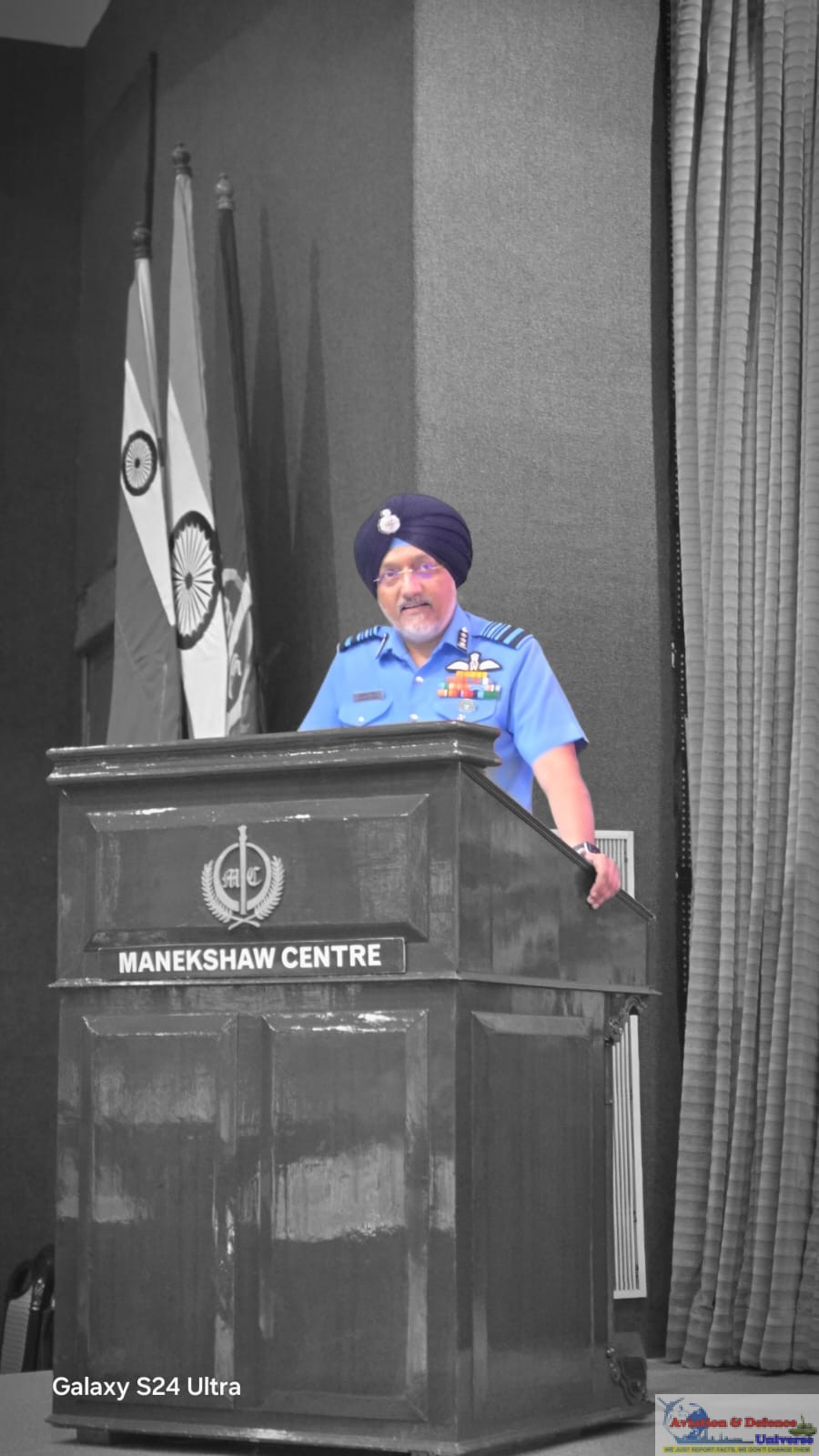
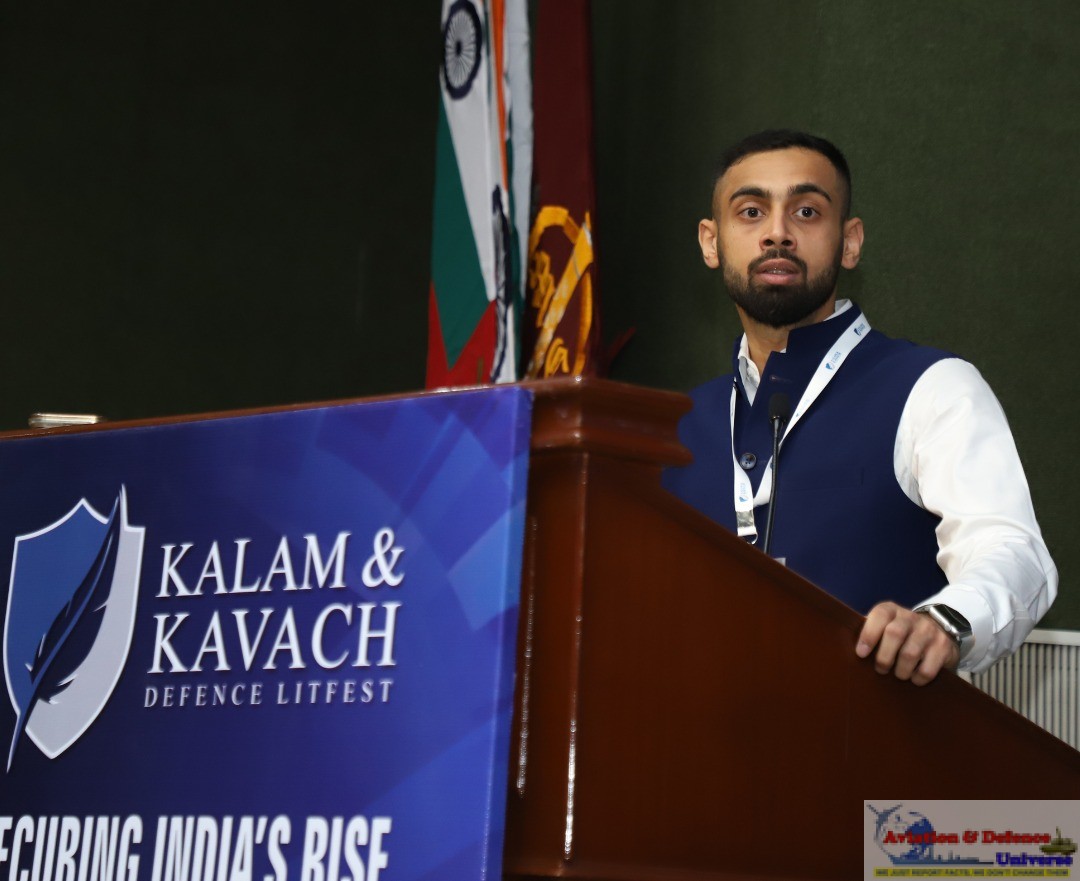
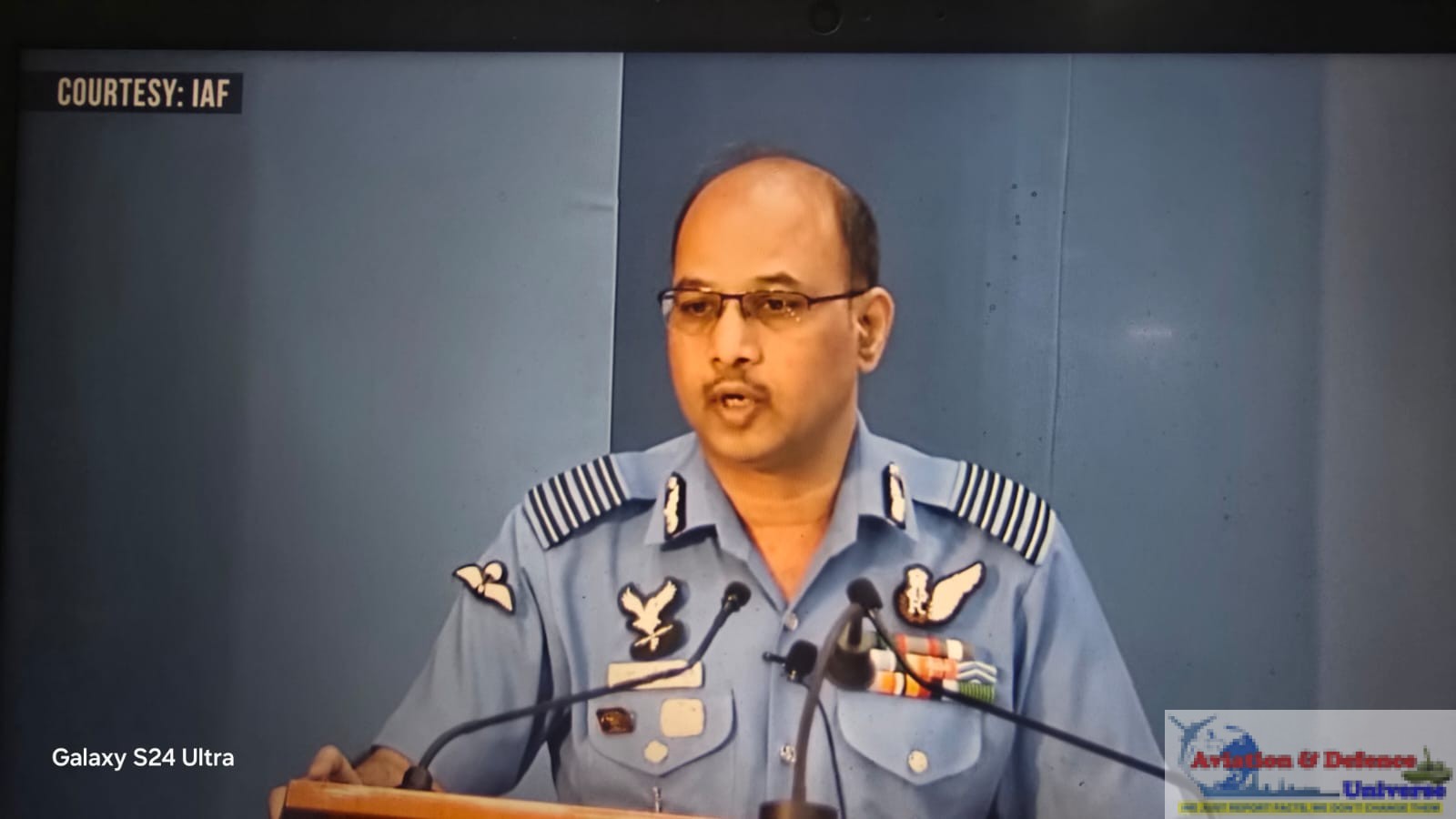 On Doctrinal Adaptation and Training for Multi-Domain Operations (MDO), Gp Capt SP Singh from HQ IDS delivered a candid and analytically sharp address, challenging prevailing assumptions on jointness, doctrine, and operational integration. His remarks focused on the conceptual gaps between joint operations and MDO, the need for doctrinal clarity, and the urgent requirement for mindset transformation within the armed forces to effectively operationalise multi-domain warfare. Setting the stage, Gp Capt Singh reiterated the essence of MDO, stating, “MDO is an evolving concept… it refers to the coordinated, integrated and synchronised employment of military forces and non-military national capabilities across land, sea, air, cyber, space and cognitive domain.” He highlighted the defining features of modern warfare, noting, “The key attributes of MDO the ability to operate in all domains with advanced interoperability, high-intensity simultaneous standoff and precision strike capabilities.” Drawing a clear distinction between jointness and MDO, he emphasised, “While often used interchangeably, they represent different stages of the operational construct.” Critically examining current structures, he observed, “Jointness remains administrative enablers for routine management rather than indicators of operational jointness. He pointed out persistent structural challenges, stating, “C2 architecture for planning and operations remains predominantly service-centric.”
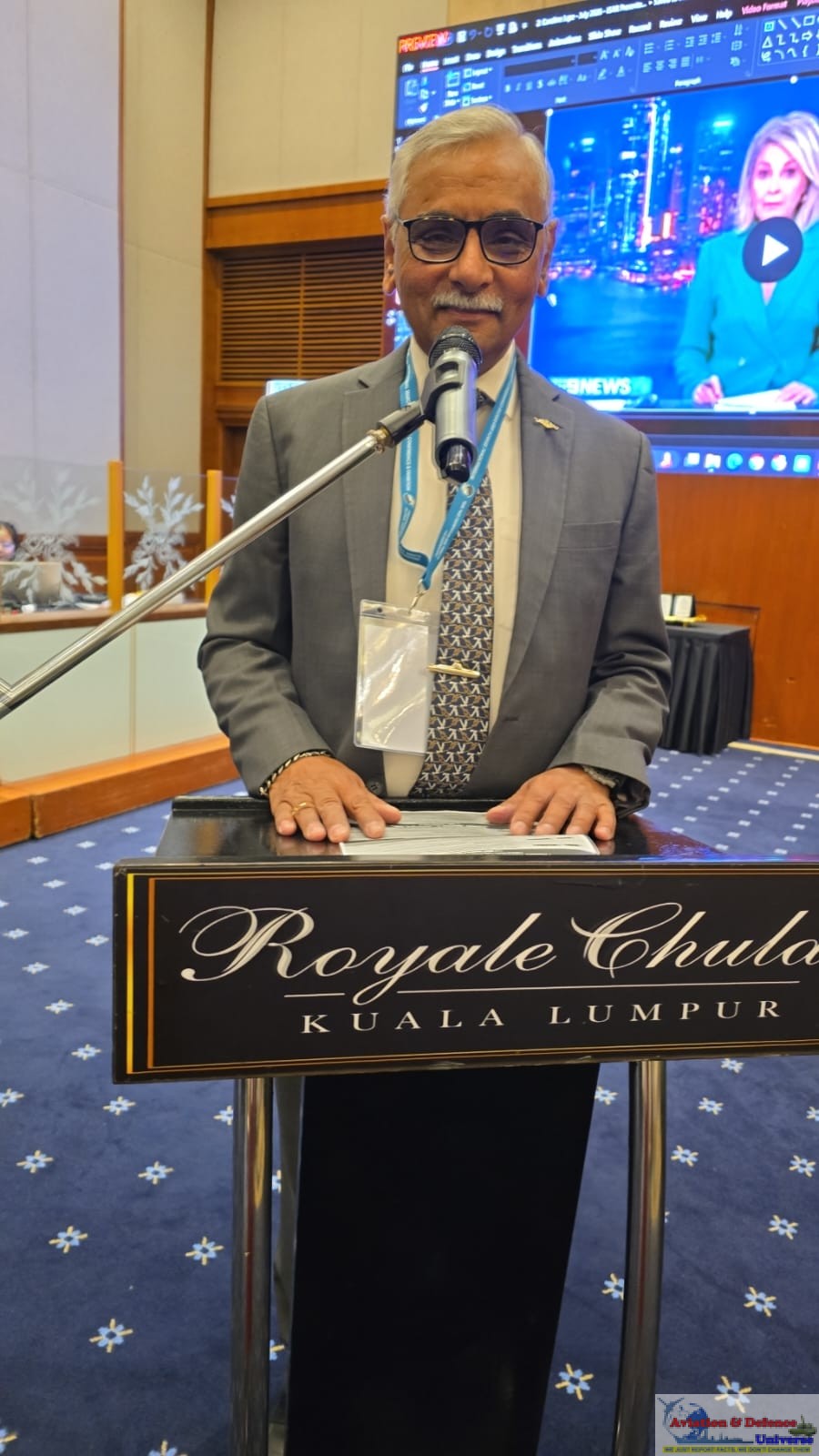
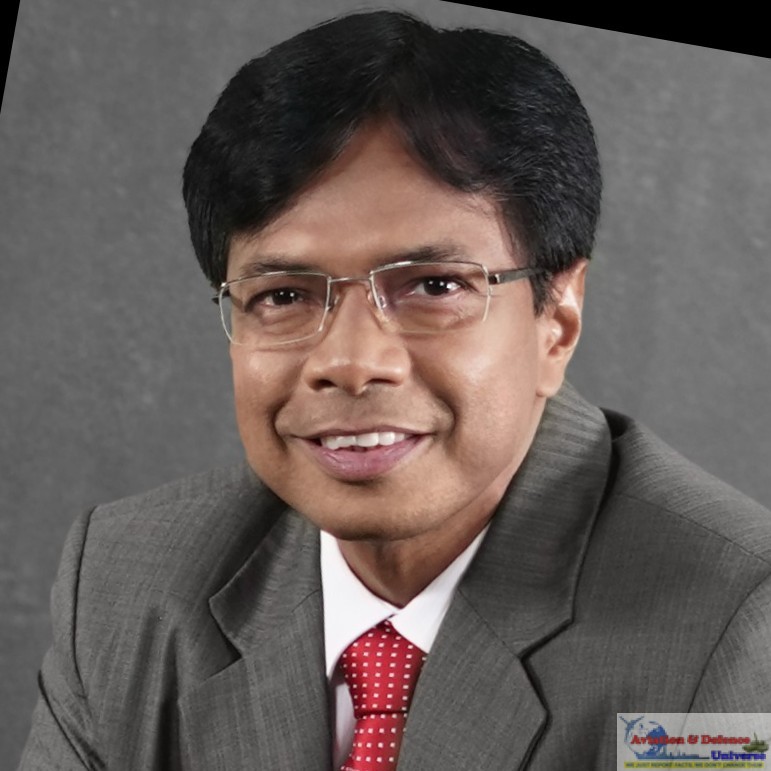
Addressing a key session on doctrinal adaptation and training for Multi-Domain Operations (MDO) at Ran Samvaad 2026, Commander Ruzwan Razack presented a comprehensive vision for transforming military training through advanced simulation, artificial intelligence, and integrated wargaming frameworks. His address highlighted the growing complexity of modern warfare and emphasised the urgent need for scalable, technology-driven training ecosystems that can prepare armed forces for multi-domain conflict scenarios. Setting the context, Commander Razack underlined the changing character of warfare, stating, “Modern warfare demands far more than conventional military strength. It requires the orchestration of synchronised effects across land, sea, air, space, cyber and the cognitive domain. He emphasised that at the heart of multi-domain operations lies a critical operational advantage, noting, “Central to multidomain operations is decision superiority, the capacity to perceive, decide and execute with greater agility and unity than the adversary.” Highlighting the technological race among global powers, he observed, “As the PLA integrates artificial intelligence into its operation paradigms and the United States advances deep technology into conflict zones our defence forces face an imperative to bridge emerging cognitive gaps.”
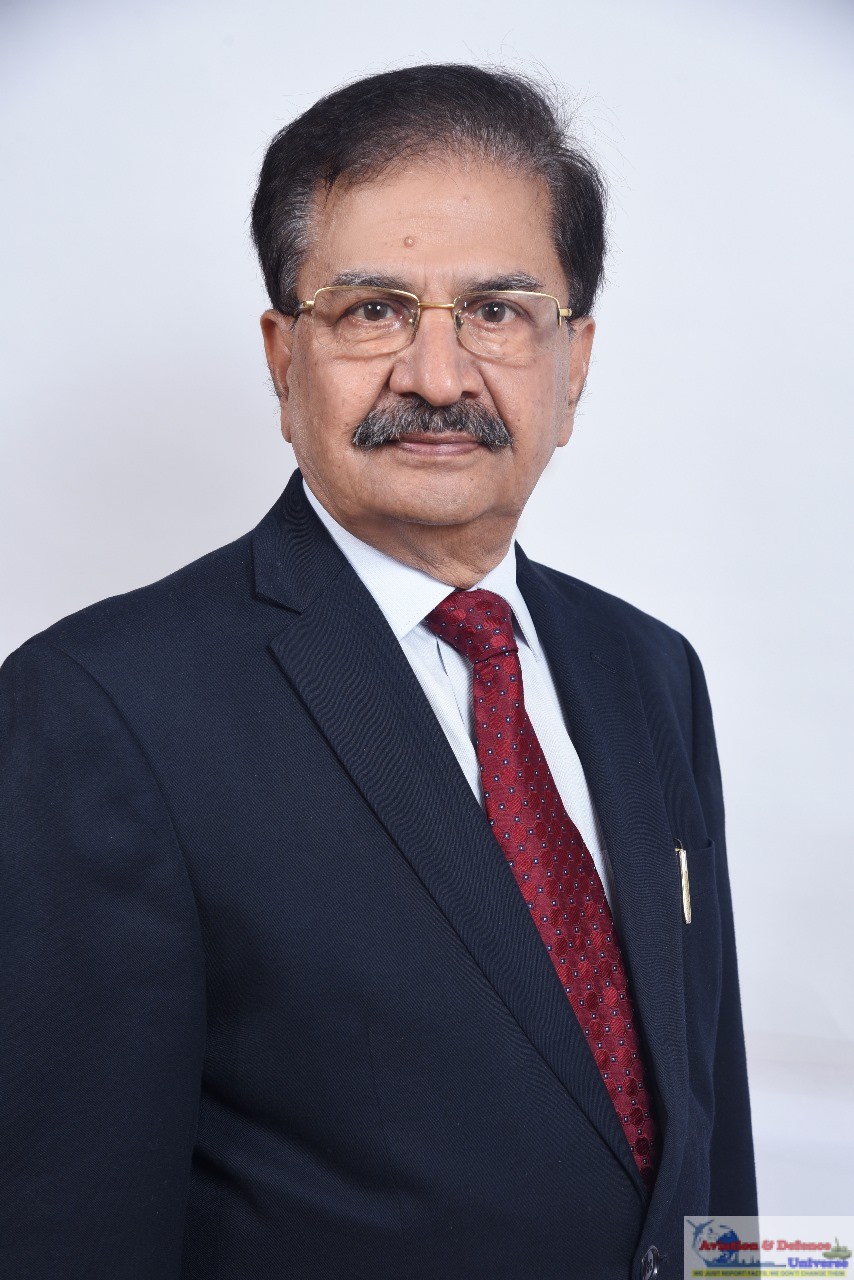
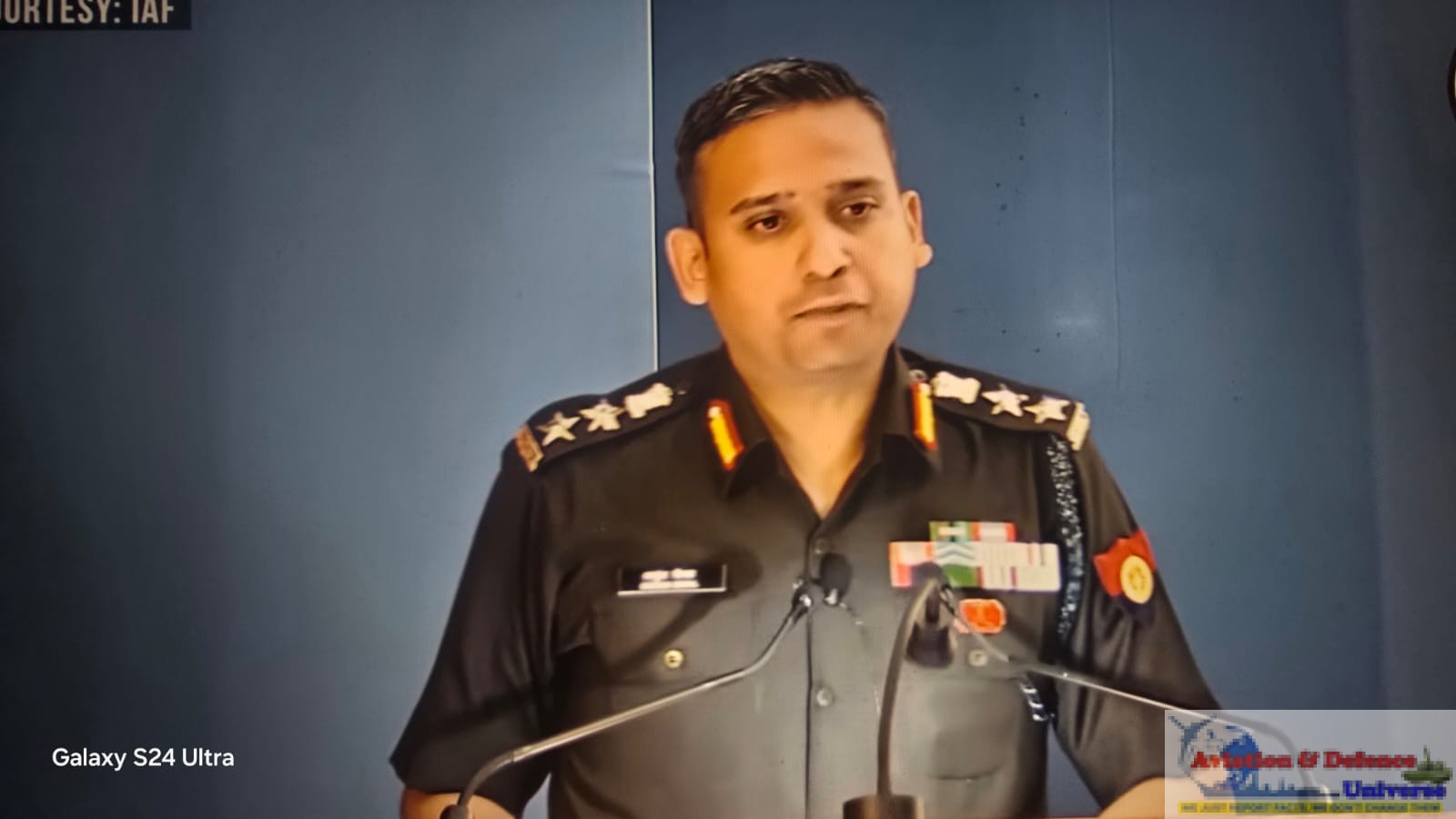 Explaining in the panel on Civil-Military and Intra-Agency Collaboration at Ran Samvaad 2026, Col Ankush Goyal highlighted the urgent need for institutionalised collaboration across military, civil, and national agencies to effectively respond to the complexities of Multi-Domain Operations (MDO). His address focused on the blurring lines between war and peace, the rise of hybrid threats, and the necessity of a unified national approach to security in an increasingly contested and ambiguous global environment. Setting the tone, Col Goyal underscored the changing nature of conflict, stating, “We are operating in a world where the lines between war and peace, military and civilian, combatant and non-combatant, are increasingly indistinct, where war and peace have started to look suspiciously alike.” He highlighted the emergence of grey zone challenges, noting, “Hybrid threats, cyber operations, information campaigns, and dual-use infrastructure have created a persistent grey zone.” Emphasising India’s unique strategic environment, he stated, “Success in this environment depends on institutionalised military-civil fusion and robust inter- as well as intra-agency collaboration.”
Commander Razack pointed out the limitations of existing training systems, stating, “Traditional wargaming is inadequate to capture the intricacies of contemporary conflicts.” To address these gaps, he proposed a transformative approach, noting, “This paper advocates development of a nationally scalable, live, virtual, constructive simulation ecosystem.” He explained that such a system would be built on three pillars, including “a federated architecture for interoperability, a governed data fabric and a bounded AI augmentation for enhanced decision making.” Elaborating on the architecture, he described a four-layer framework integrating simulation, federation, data, and AI, emphasising that, “AI augmentation is never planned to replace command authority.” A key operational advantage of the proposed system was captured in his remark, “This is what enables us to train the way we fight and fight the way we train.” He stressed that interoperability must be foundational rather than an afterthought, stating, “Interoperability must be built in by design and not retrofitted.”
 Col Goyal further stressed the need for systemic reforms, saying, “Effective national response requires mechanisms that act swiftly, legally, and with political legitimacy.” Providing historical context, he noted, “Multi-domain operations are not new… from Mahabharat to Shivaji, Indians have been long adept at MDO.” However, he pointed out the evolving nature of conflict, stating, “Multi-domain operations now span the full spectrum of conflict omnipresent, protracted, and uncertain.” A key observation in his address was the calibrated nature of modern conflict, where “Aggressors calibrate and modulate intensity without crossing red lines.” He warned that such actions could escalate rapidly, noting, “Actions in any domains may escalate and… civilian institutions should be prepared to become instruments of force in active hostilities.” Highlighting decision-making challenges, he observed, “Multi-domain operations are cumulative and simultaneous, often overwhelming states with bureaucratic inertia.” He stressed the importance of proactive response, stating, “If responses are reactive and delayed, the initiative is already lost.”
Gp Capt SP Singh added, “This deeply ingrained service-centric mindset… undermine[s] joint war-fighting and doctrinal growth.” On training and capability development, he emphasised the need for integrated approaches, stating that forces must develop “skills in synchronising military and non-military actions.” He also called for institutional reforms, highlighting the need to align human resources with emerging domains and warning against sidelining critical expertise. Addressing timelines for transformation, he delivered a strong message, stating, “Services cannot wait for the target of 2047 we will have to set the target of Mission 2032.” He emphasised that rapid transformation is achievable, noting, “Seven years is enough to transform provided we switch throttle of mindset to the max power.” Concluding his remarks, he underlined the need for collective understanding, stating, “Joint military warfare cannot be undertaken on varied perceptions.”
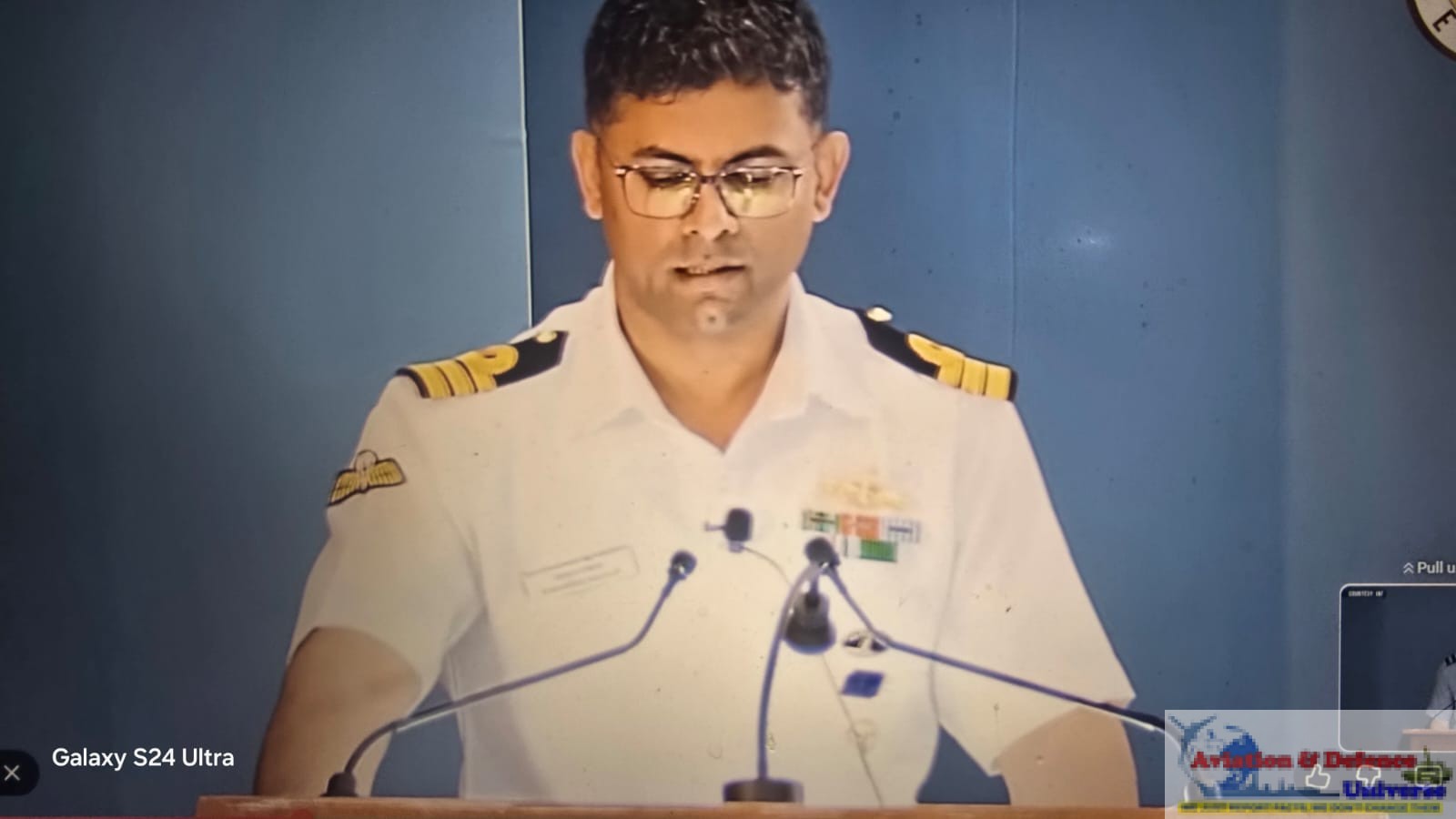 Commander Razack pointed out the limitations of existing training systems, stating, “Traditional wargaming… is inadequate to capture the intricacies of contemporary conflicts.” To address these gaps, he proposed a transformative approach, noting, “This paper advocates development of a nationally scalable, live, virtual, constructive simulation ecosystem.” He explained that such a system would be built on three pillars, including “a federated architecture for interoperability, a governed data fabric… and a bounded AI augmentation for enhanced decision making.” Elaborating on the architecture, he described a four-layer framework integrating simulation, federation, data, and AI, emphasising that, “AI augmentation is never planned to replace command authority.”
A key operational advantage of the proposed system was captured in Cdr Razack’s statement. remark, “This is what enables us to train the way we fight and fight the way we train.” He stressed that interoperability must be foundational rather than an afterthought, stating, “Interoperability must be built in by design and not retrofitted.” Commander Razack also highlighted risks associated with AI integration, including over-reliance and data bias, and stressed the importance of safeguards such as human oversight, transparency, and auditability. On institutional reforms, he proposed the establishment of a centralised ecosystem, stating, “The proposed National Wargaming and Data Centre… acts as a central hub for joint LVC simulation, federated data governance, and AI-augmented wargaming architecture.” He further recommended building indigenous expertise, noting, “Invest in in-house service expertise by training a dedicated cadre of AI and data science qualified officers.” Emphasising urgency, he concluded with a powerful message, stating, “The best time to set up AI wargaming labs… was ten years ago, the next best time is now.”
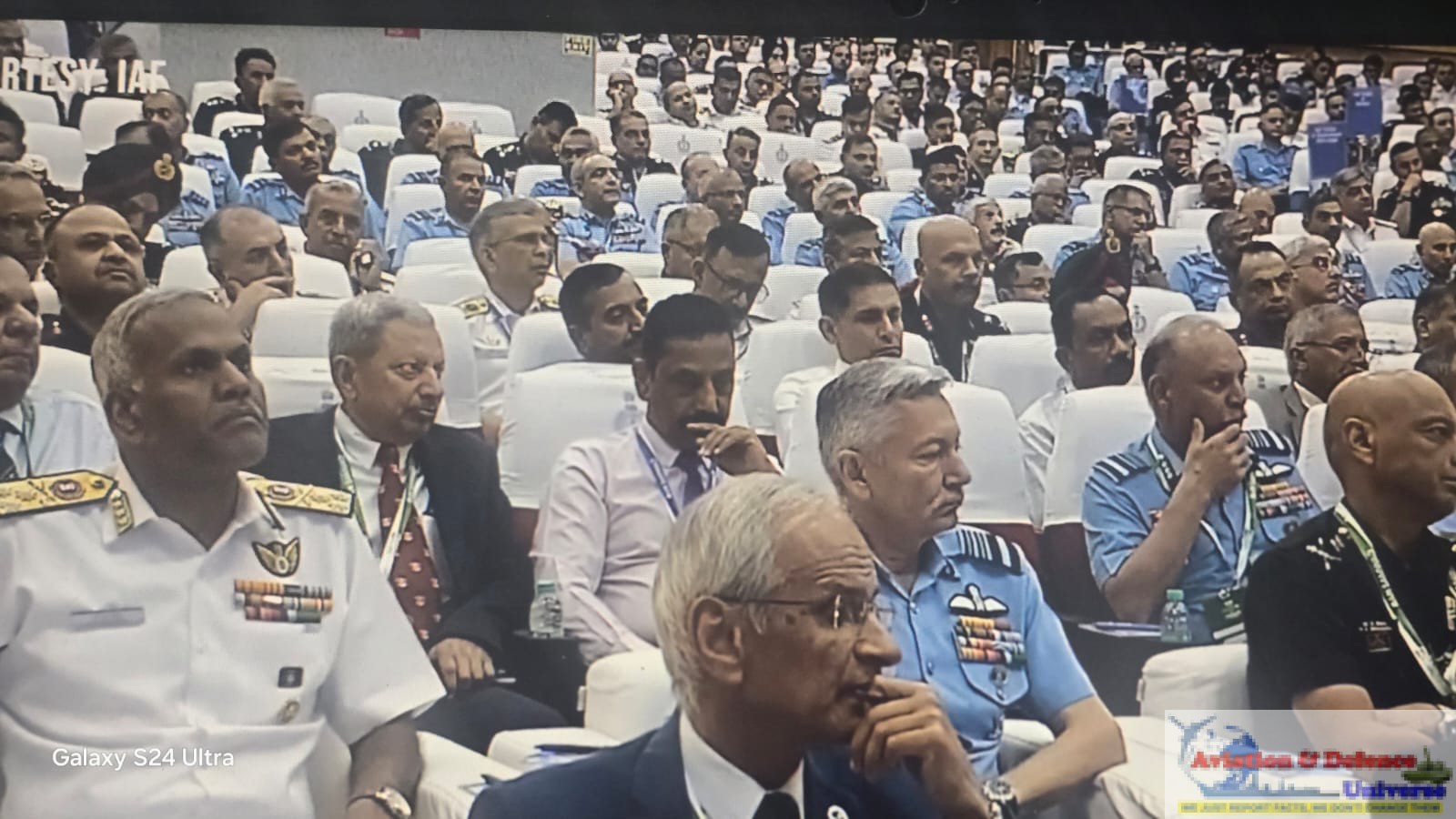 On coordination, Col Goyal delivered a strong message, “Coordination is not optional. It is the foundation of resilience.” Addressing technological transformation, he emphasised, “The information domain is the one which binds all other domains together our network is our net worth.” He also acknowledged institutional challenges, stating, Ministries and departments still tend to operate in silos intelligence agencies tend to withhold data.” Drawing lessons from past incidents, he noted coordination gaps, while also highlighting successful integrated models, emphasising the need to replicate such frameworks nationwide. On reforms, he proposed stronger national-level structures, stating, “A Ministry of National Security… can optimise available resources… by integrating defence, home, external affairs, industry resources and intelligence.” He also recommended empowering military leadership, noting, “The Office of the Chief of Defence Staff may be empowered further with operational authority.” At the operational level, he stressed the importance of joint exercises, stating, “Long duration, realistic exercises simulating all possible grey zone scenarios… must be conducted.” Highlighting intelligence integration, he recommended, “Joint intelligence fusion centres… that integrate civilian, military and technical intelligence.” On capability development, he underscored the importance of conventional strength, stating, “Conventional military capability is the bedrock for any activity in MDO.” He also emphasised private sector collaboration, noting, “Critical capabilities are developed primarily by the private sector.” On infrastructure, he recommended, “We need to develop dual-use infrastructure highways as runways, tunnels as shelters.” Concluding with a strategic outlook, he stated, “Blurring of military targets and rise of multi-domain competition represent a strategic reality that will shape India’s security environment for decades.” He ended with a strong message on national preparedness, noting, “A healthy military-civil relationship is essential through institutional reforms, trust building and integrated governance.”
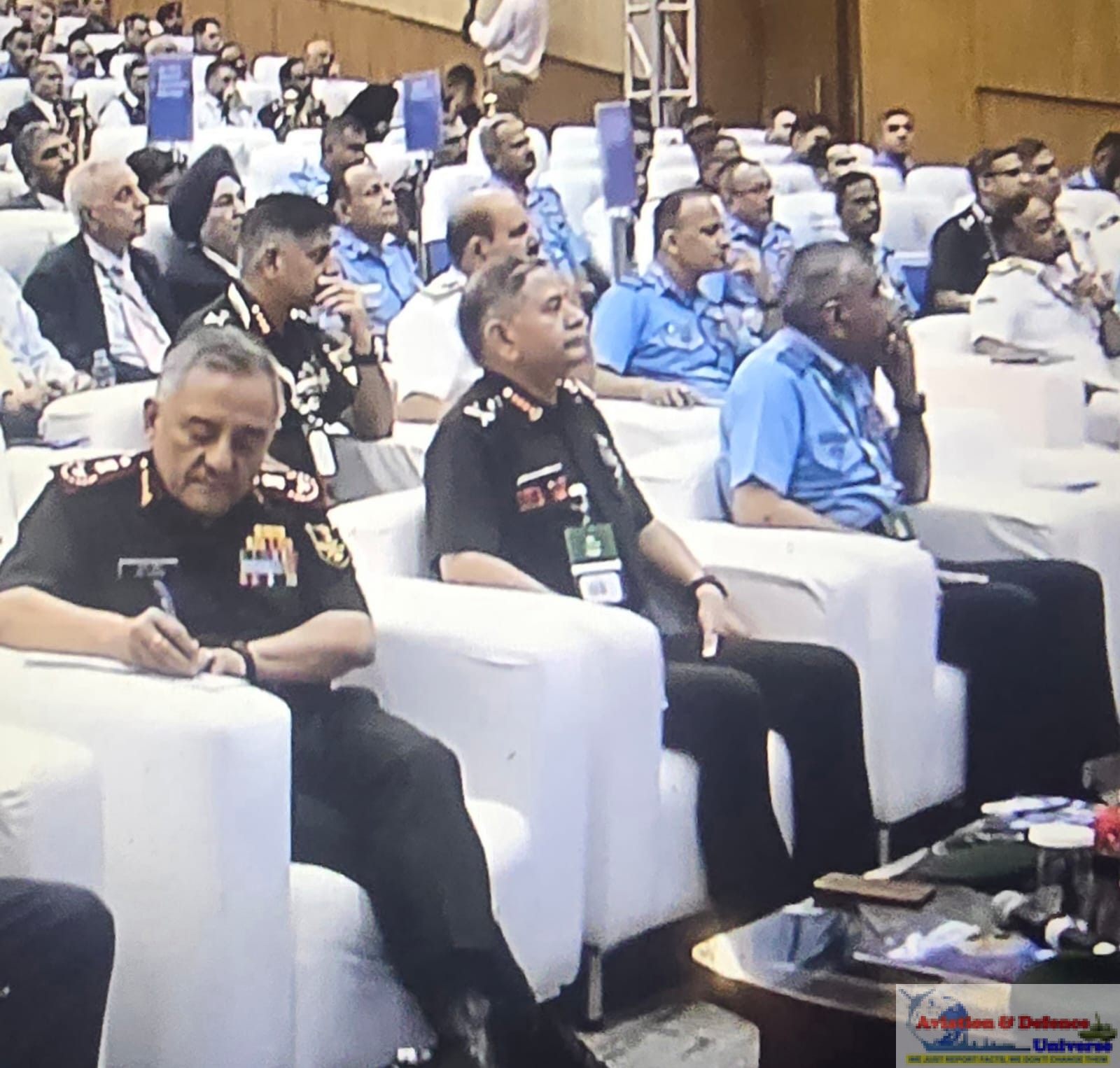 Col Ankush Goyal’s provided a comprehensive and strategic perspective on the importance of civil-military and intra-agency collaboration in the era of multi-domain warfare. By highlighting the blurred boundaries of modern conflict, the need for integrated national responses, and the critical role of coordination and trust, he underscored the urgency of moving beyond siloed approaches. His recommendations for institutional reforms, capability development, and unified governance frameworks reflect a clear roadmap for strengthening India’s resilience in an increasingly complex security environment. As the nature of warfare continues to evolve, such integrated approaches will be essential in ensuring national security and strategic stability.
Commander Ruzwan Razack’s emphasised the critical role of simulation, AI, and integrated wargaming in preparing armed forces for the complexities of multi-domain warfare. By advocating for a scalable, interoperable, and technology-driven training ecosystem, he highlighted the need for a paradigm shift in military preparedness. His emphasis on decision superiority, human oversight, and indigenous capability development reflects a balanced approach to integrating advanced technologies into defence operations. As warfare continues to evolve, such frameworks will be essential in ensuring that India’s armed forces remain agile, adaptive, and future-ready.
 Gp Capt SP Singh’s offered a candid and thought-provoking critique of India’s progress toward Multi-Domain Operations. By distinguishing between jointness and true operational integration, and by highlighting doctrinal ambiguities and mindset challenges, he underscored the need for deeper structural and cognitive transformation. His call for accelerated timelines, technocentric approaches, and institutional reforms reflects the urgency of adapting to the evolving character of warfare. As India moves toward a multi-domain warfighting capability, the emphasis on clarity, integration, and mindset change will be critical in achieving operational effectiveness and strategic readiness.
This session at Ran Samvaad 2026 reinforced the growing centrality of Multi-Domain Operations in modern military strategy. By emphasising the integration of advanced technologies, doctrinal clarity, and joint training frameworks, the discussion highlighted the shift from traditional coordination-based jointness to a more dynamic, warfighting-centric approach. As the nature of conflict continues to evolve across physical and non-physical domains, the focus on interoperability, technocentric capability development, and continuous training will be critical in ensuring that armed forces remain agile, adaptive, and prepared for future challenges. India’s armed forces must evolve faster, think jointly, and act in unison across all domains to remain future-ready.




































































-A4-Size-(2)_page-0001.jpg)