














- India’s Defence MSMEs Emerging as Global Technology Leaders driving Atmanirbharta
- From Import Dependency to Innovation Hub: “The Future of Indian Defence Is Agile and Indigenously Ours”
- India Must Move from Buyer to Innovator in Defence Sector
By SangeetaSaxena
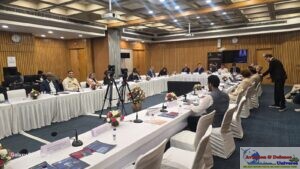
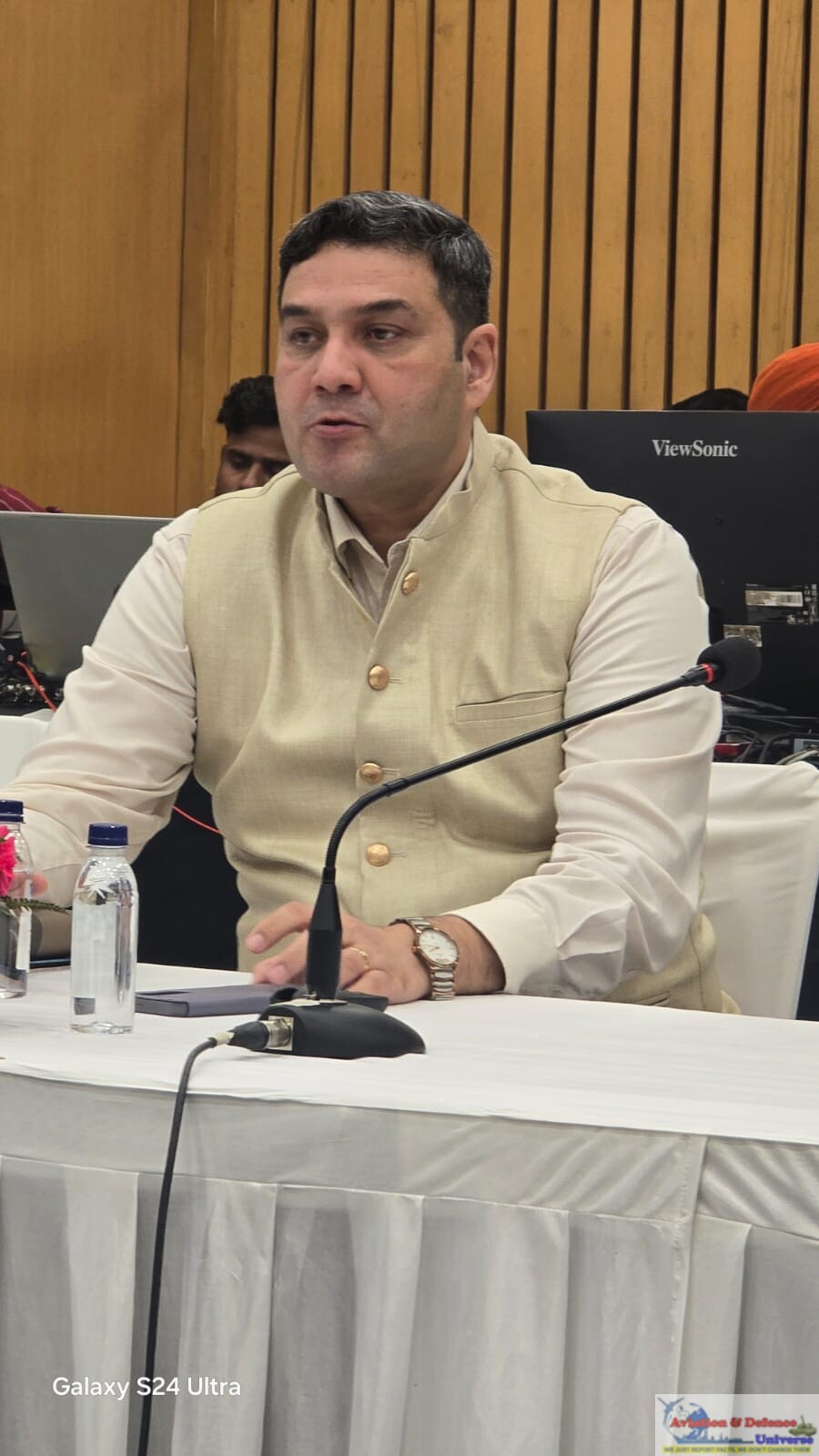
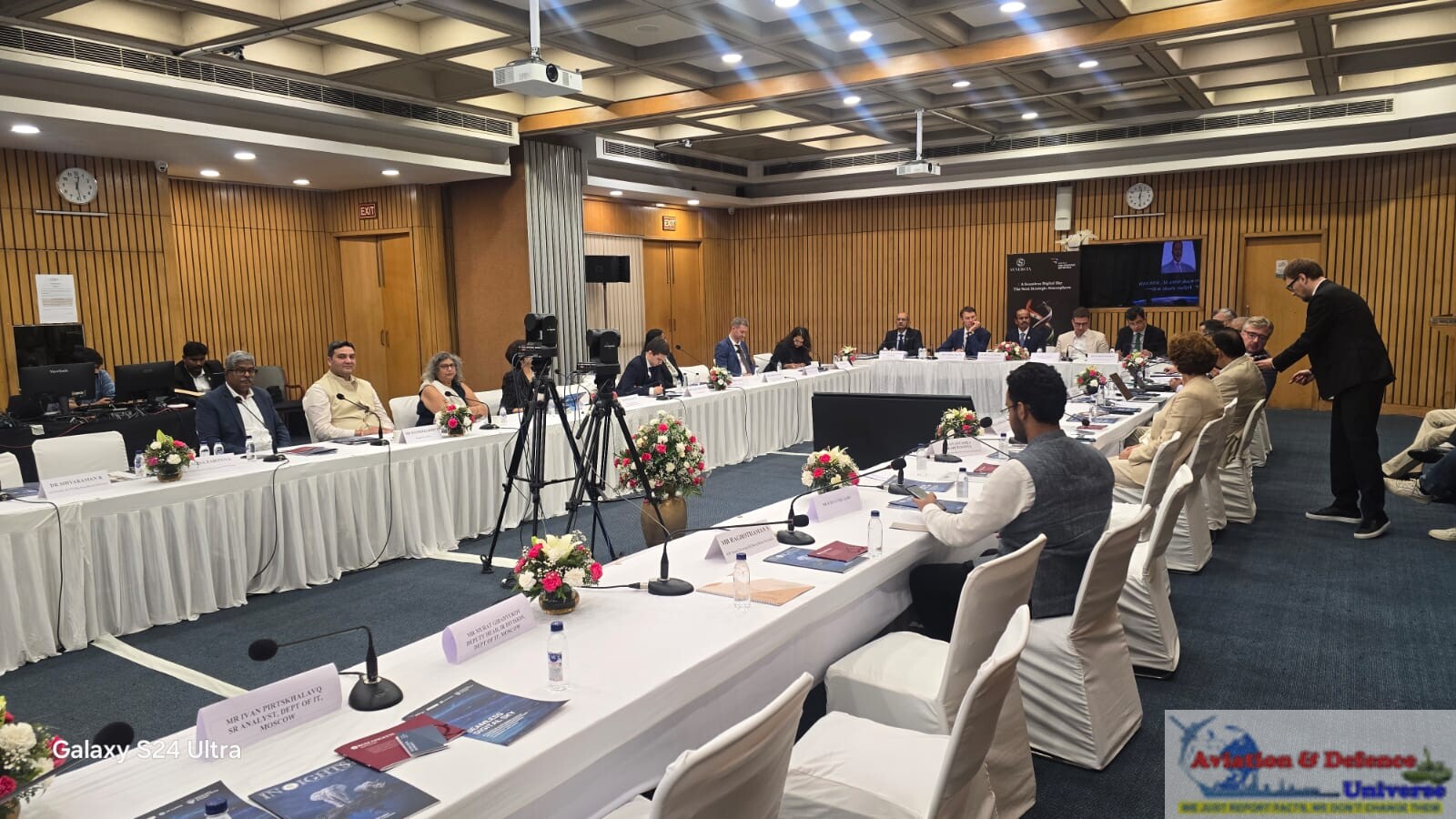
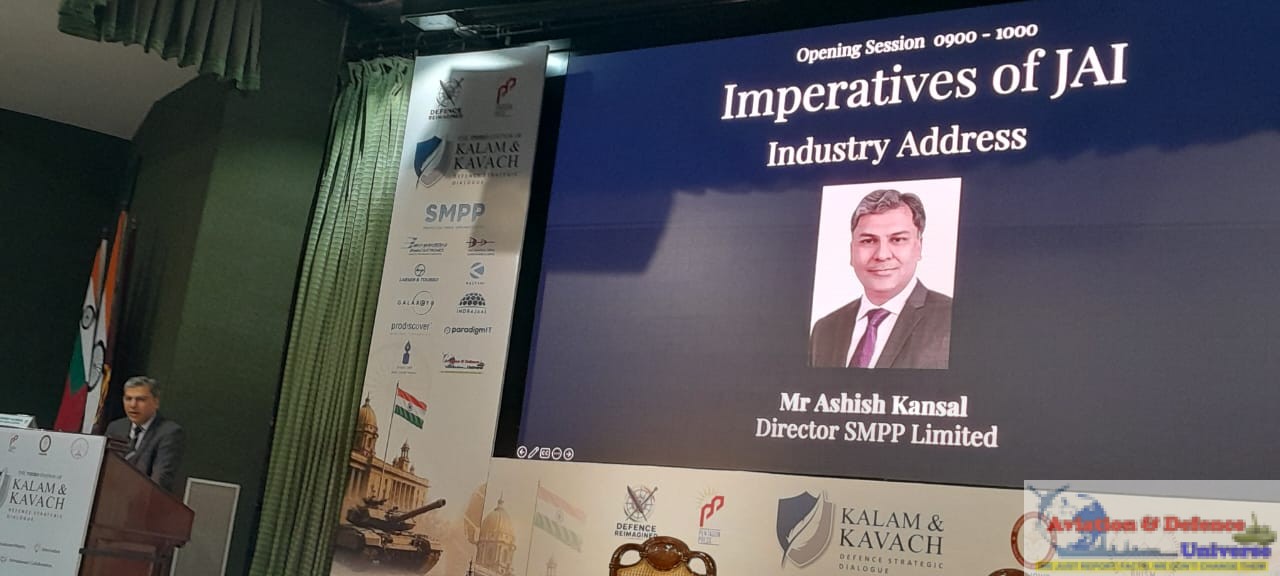
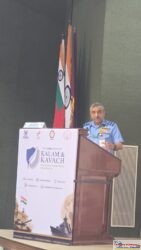
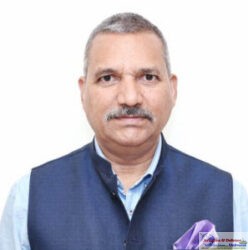
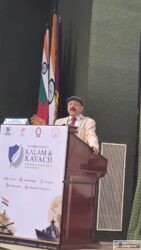
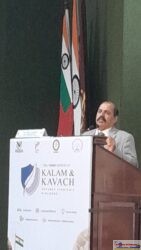
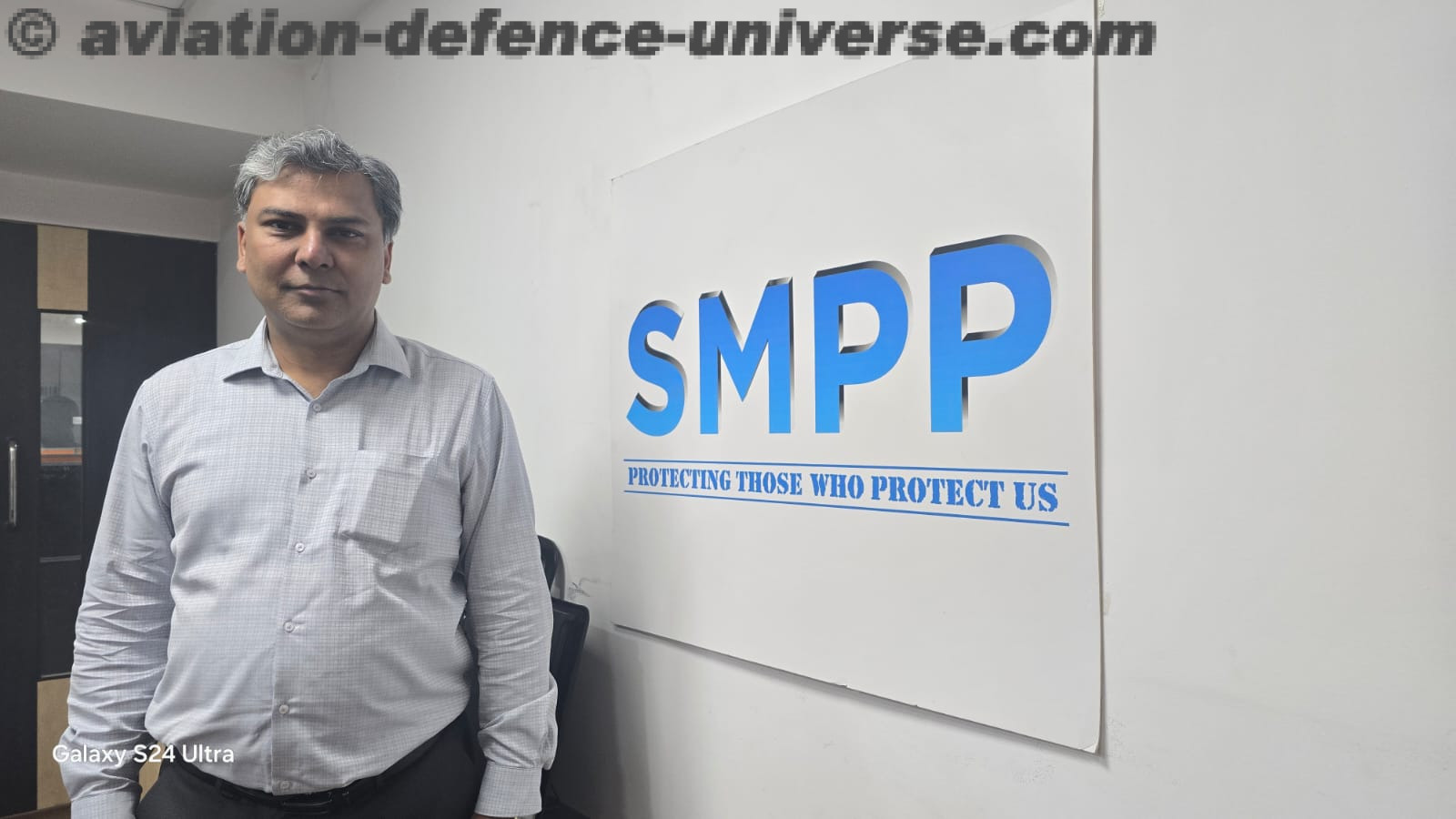
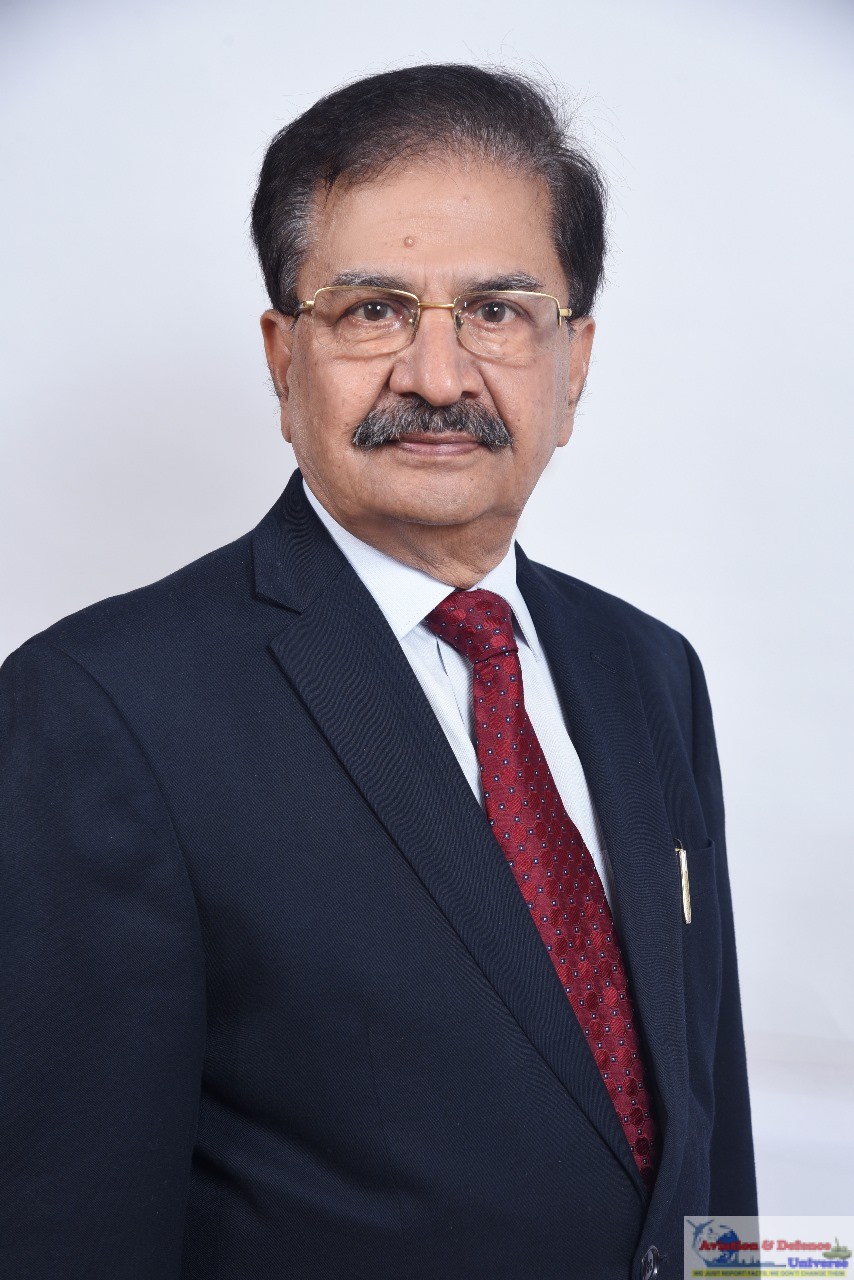
New Delhi. 16 May 2026. Highlighting the transformative rise of India’s private defence ecosystem and the growing role of MSMEs and startups in national security, Ashish Kansal, Director, SMPP Private Limited, delivered a compelling industry address at Kalam & Kavach 3.0. Speaking before military leaders, policymakers, defence experts and industry stakeholders, Kansal outlined how India’s defence sector is rapidly evolving from an import-dependent ecosystem into an innovation-driven, self-reliant and globally competitive manufacturing hub.
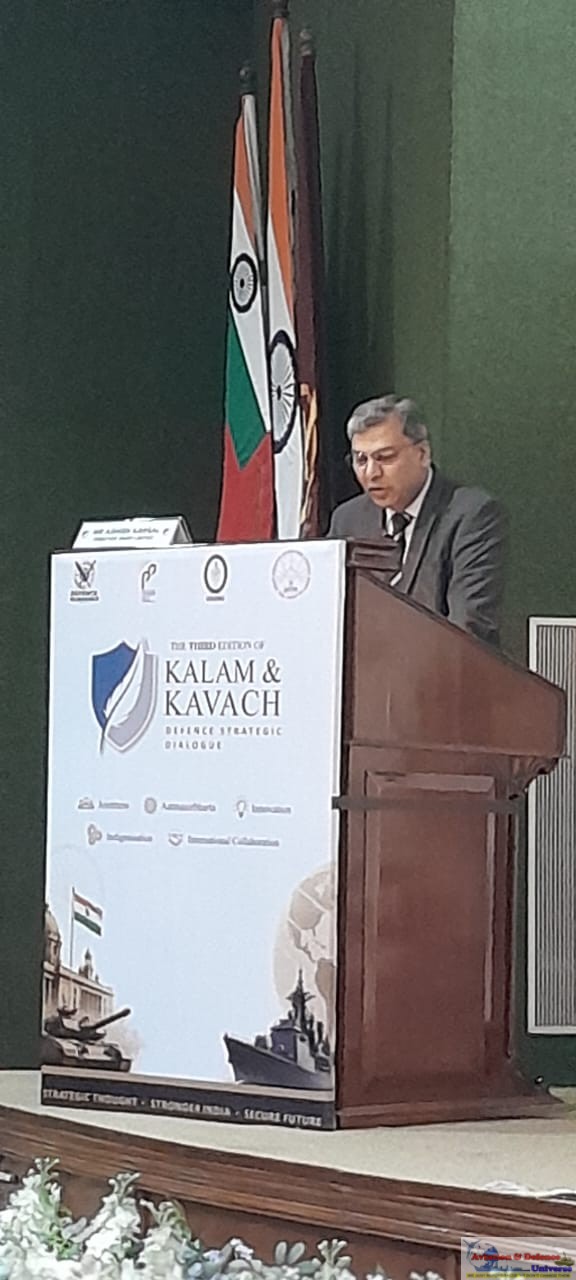 Focusing on the importance of indigenous capability development, defence exports, technology ownership and military-industry collaboration, Kansal emphasised that MSMEs are no longer peripheral participants in India’s defence ecosystem but are emerging as critical technology creators and strategic partners in national security. His address reflected the larger transformation underway in India’s defence manufacturing ecosystem under the vision of Atmanirbhar Bharat and “Make in India, Make for the World.”
Opening his address, Ashish Kansal expressed gratitude to the organisers of Kalam & Kavach 3.0 and described the subject of MSMEs and private sector defence manufacturing as one of the topics closest to his professional journey.“The topic assigned to me is one of the loveliest topics I could speak on — the MSME perspective related to private sector defence manufacturing in India,” he remarked. Kansal reflected on how dramatically India’s defence manufacturing ecosystem has changed over the past few decades.
“It is not long ago when defence manufacturing in India simply resonated with public sector enterprises,” he said. “The role of industry was as minuscule as it could be imagined.” According to him, that reality has now fundamentally changed. “Today that has changed completely,” he stated. “India is transitioning from an import-dependent defence ecosystem to a confident, innovation-driven and increasingly self-reliant manufacturing nation.”
Highlighting the importance of MSMEs and startups within this transformation, Kansal said, “At the core of this transformation are our valuable MSMEs and startups,” he remarked. He pointed out that many companies which began as small enterprises are now emerging as large-scale defence manufacturers and technology providers.“The companies which started a few decades ago as MSMEs are today turning into large-scale industries and global giants in defence,” he observed.
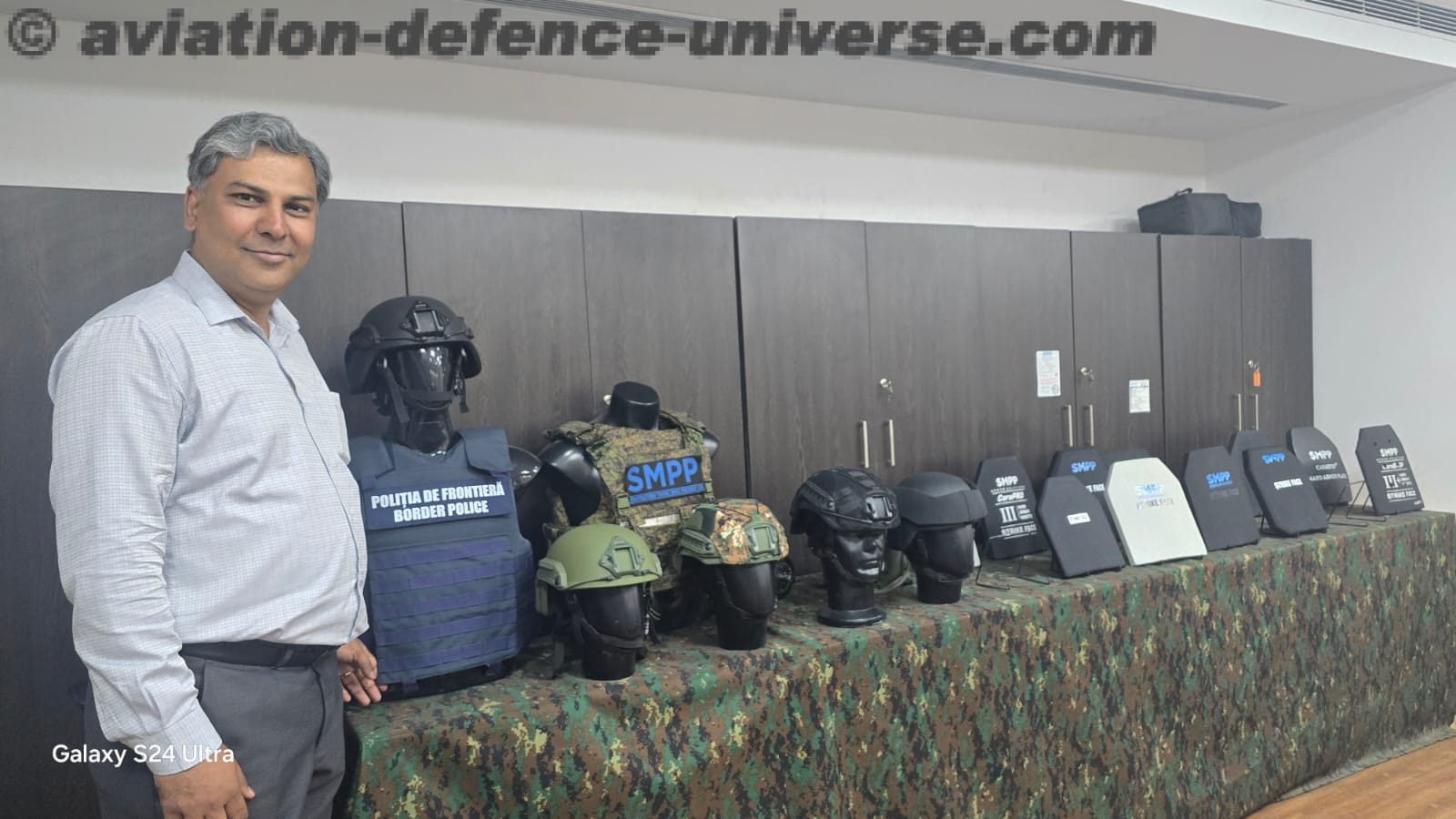 According to Kansal, India’s defence sector is now moving beyond manufacturing toward technological leadership. “We are no longer just trying to be Atmanirbhar,” he said. “We are emerging as a global manufacturing hub and now moving further toward becoming a global technology hub.” He also emphasised the importance of recognising Indian technological talent within the country itself. “The world has seen the power of Indian brains,” Kansal remarked. “It is high time we start appreciating what Indian brains are doing for India.” Defence, he argued, is one of the most important sectors for driving technological innovation. “That is where the real technologies are made,” he said. “And MSMEs are where it starts from.”
Kansal noted that India’s identity in global defence markets is gradually shifting. “For decades, Indian defence was seen as a buyer,” he observed. “Now we are turning into one of the world’s largest manufacturers and eventually technology holders.” While major defence platforms often dominate headlines, Kansal stressed that the true technological transformation is taking place deeper within the MSME ecosystem. “What is increasingly being seen behind the big platforms is the power of MSMEs and the technologies being developed by them,” he said.
Referring to recent operational experiences, he highlighted the growing confidence being placed in indigenous drone technologies. “We have seen with recent operations what drones from Indian industry could do,” he remarked. “The encouragement from the armed forces has multiplied the efforts of industry to invest further in R&D.” According to Kansal, India’s defence startup and MSME ecosystem is rapidly expanding. “We already have over 16,000 MSMEs and about 1,000 startups integrated into the defence ecosystem,” he stated. He emphasised that these companies must now evolve into globally competitive defence manufacturers and innovators. “It is time to upgrade these MSMEs into global manufacturers supplying not just Indian forces but global armies,” he said.
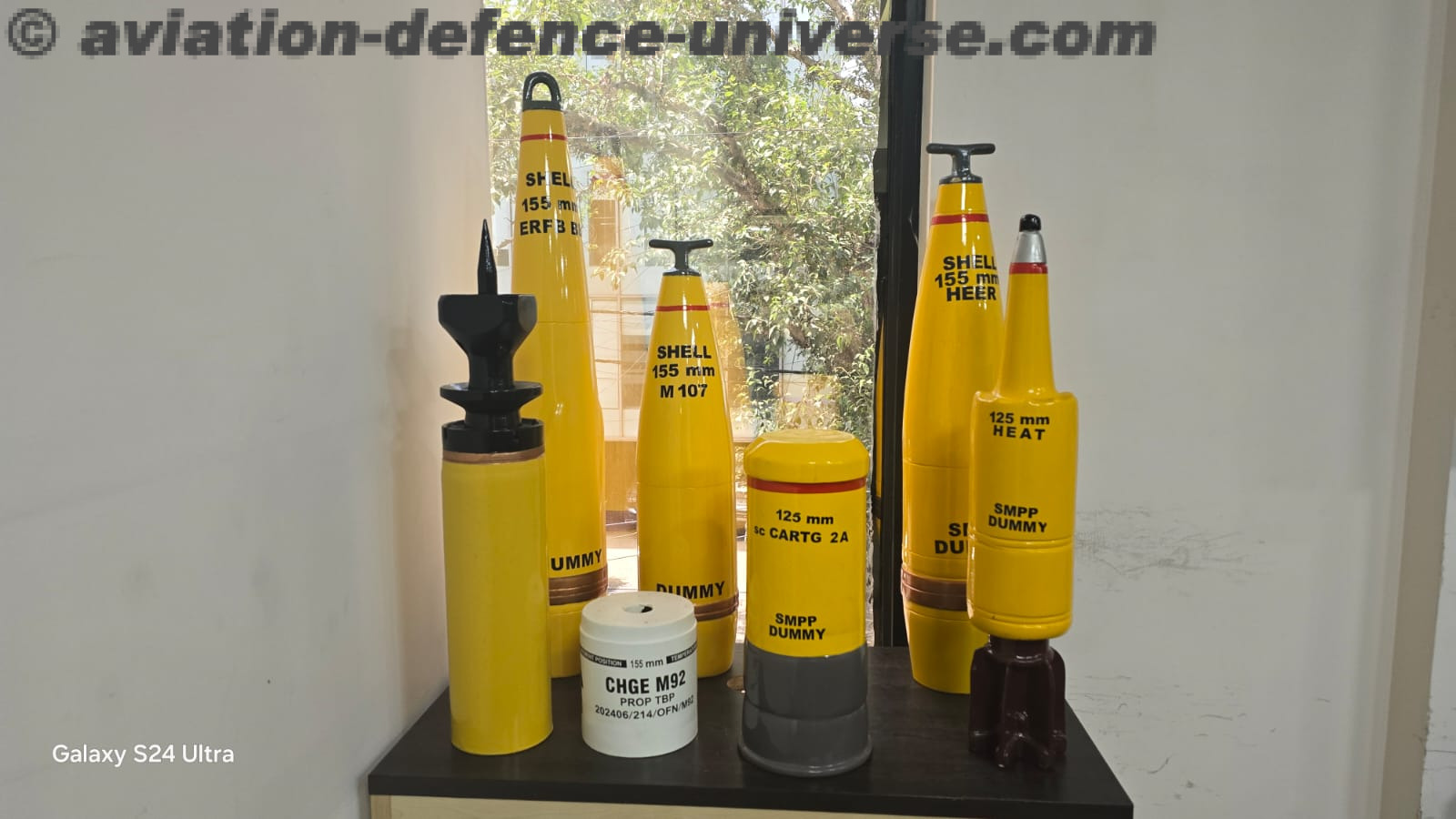 Kansal also highlighted the growing collaboration between DPSUs and private industry. “Today the private and public sectors are working hand in hand,” he observed. “DPSUs are now seeing the benefit of working with private sector technologies.” Citing export statistics, he highlighted the increasing contribution of the private sector to India’s defence exports. “In FY 2024–25, the private sector accounted for nearly 65 percent of India’s total defence exports,” he said.
According to him, the future role of MSMEs will increasingly revolve around intellectual property ownership and niche technology capability. “MSMEs are no longer just job workers,” Kansal remarked. “They are now owners of intellectual property in areas such as underwater drones, quantum secure communications and high-altitude UAVs.” However, he cautioned that technological success ultimately depends on operational adoption. “The real achievement begins when technologies come out of workshops and are adopted by the armed forces,” he said. Kansal also stressed the strategic importance of domestic manufacturing during crises and conflicts. “Any war today will not give you time to prepare,” he warned. “The only way to create surge capacity is through Indian industry.” One of the strongest themes of his address was the growing sense of partnership between the armed forces and industry. “The word vendor is disappearing and the word partner is appearing,” he remarked. “Our armed forces now openly appreciate industry as partners instead of vendors.”
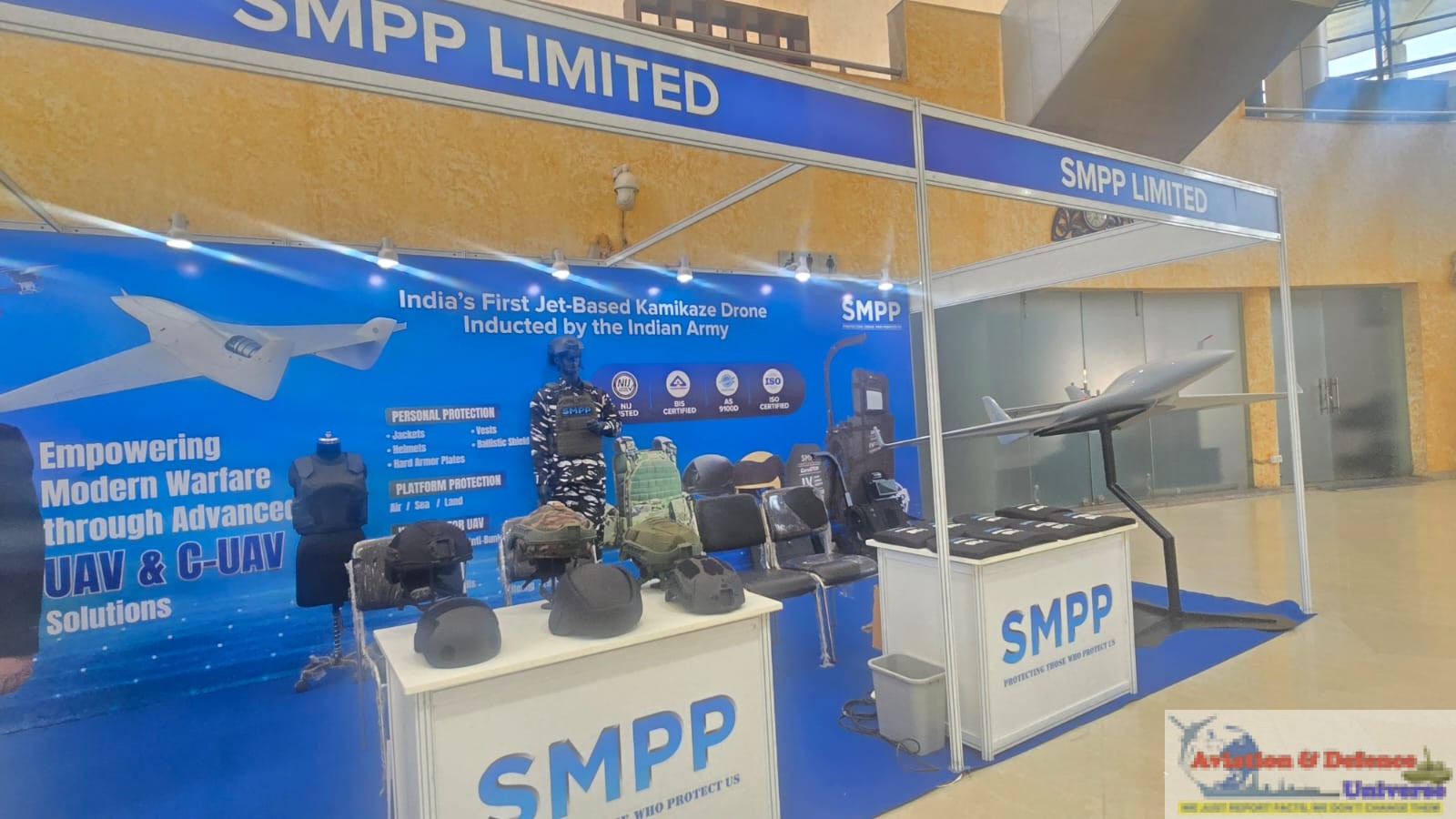 According to Kansal, this shift toward openness and collaboration is already transforming the ecosystem. “With this black box opening up and industry gaining insight into operational requirements, you will see a sea change — not in decades, but in years,” he said. Reflecting on SMPP’s own journey, Kansal described how quickly Indian industry is evolving. “In our own industry, we have transitioned from being an MSME to a large-scale industry manufacturing products we could not even dream of ten years ago,” he stated. Concluding his address, Kansal described MSMEs as force multipliers in India’s defence future.
“The MSME perspective is that we are no longer vendors — we are partners in national security,” he said. He further linked defence manufacturing directly to India’s broader national vision. “The goal of Viksit Bharat 2047 cannot be achieved if we are importing our security,” he remarked.
Ending on an optimistic note, Kansal declared: “India is ready. Our factories are humming, our engineers are dreaming. The future of Indian defence is enormous, agile and proudly indigenously ours.” Ashish Kansal’s address at Kalam & Kavach 3.0 reflected the remarkable transformation underway within India’s defence industrial ecosystem, particularly the growing role of MSMEs and startups in driving indigenous innovation, manufacturing capability and strategic self-reliance. By highlighting the shift from import dependency to technology ownership and global manufacturing ambitions, his remarks underscored how India’s private defence sector is increasingly becoming a central pillar of national security preparedness.
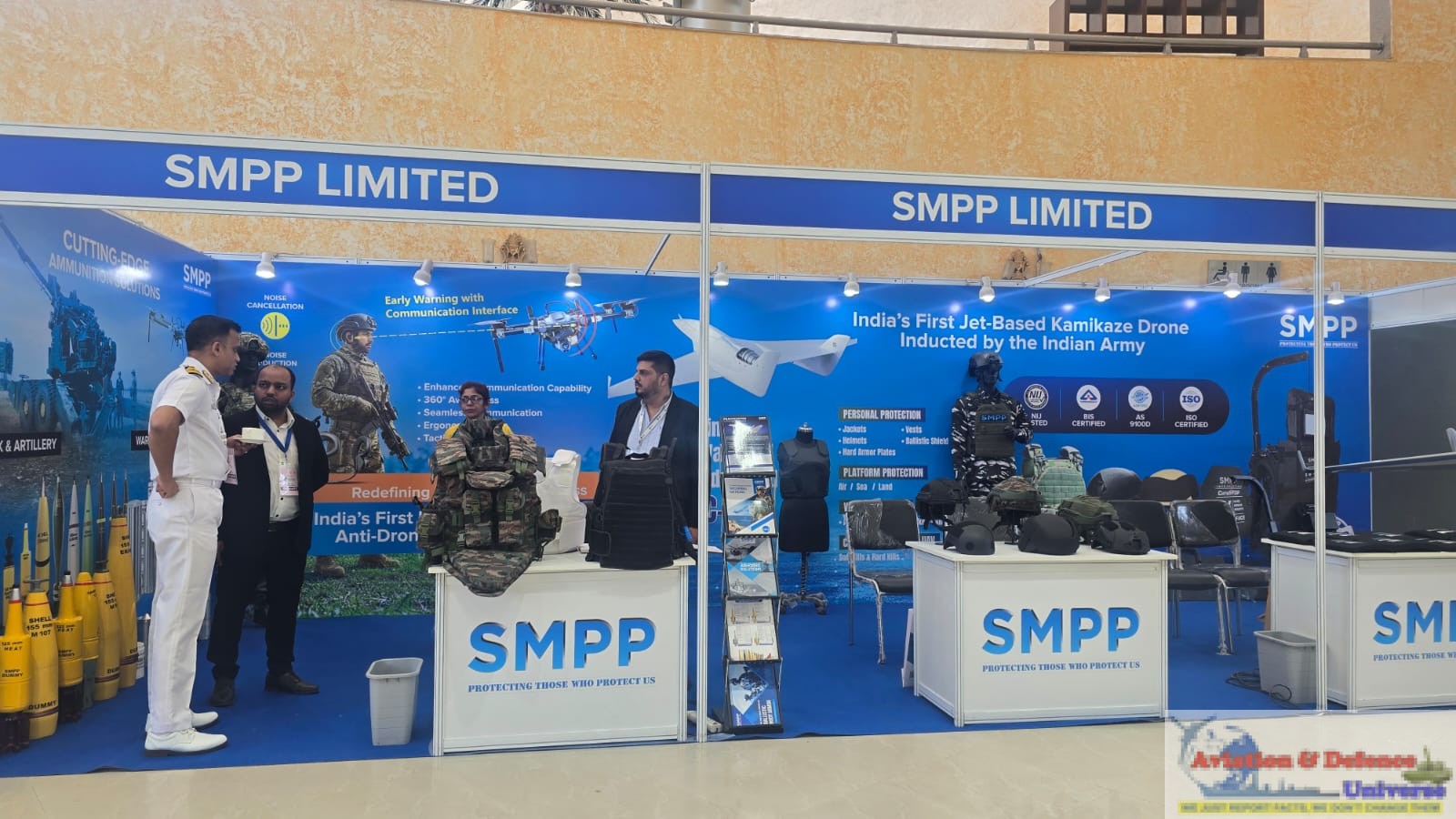 The address also reinforced the importance of military-industry collaboration, operational adoption of indigenous technologies and the creation of resilient domestic production capacity capable of responding rapidly during crises and future conflicts. Kansal’s emphasis on intellectual property ownership, export growth and technological innovation further reflected India’s broader ambition to evolve from a defence buyer into a global defence technology and manufacturing power.
As India advances toward the vision of Viksit Bharat and Atmanirbhar Bharat, the speech demonstrated how MSMEs, startups, DPSUs and private industry together are shaping a more agile, innovation-driven and strategically autonomous defence ecosystem for the future.



































































-A4-Size-(2)_page-0001.jpg)