




















- “Processes Are the Biggest Dilemma”: Experts Debate India’s Defence Manufacturing Future
- Scaling Defence Manufacturing Requires Mindset Change and Industry-Military Integration
- Experts Call for Agile Procurement and Indigenous Capability Building
- “Acceleration Is the New Readiness”: PanelHighlights Need for Speed and Scale
By Sangeeta Saxena
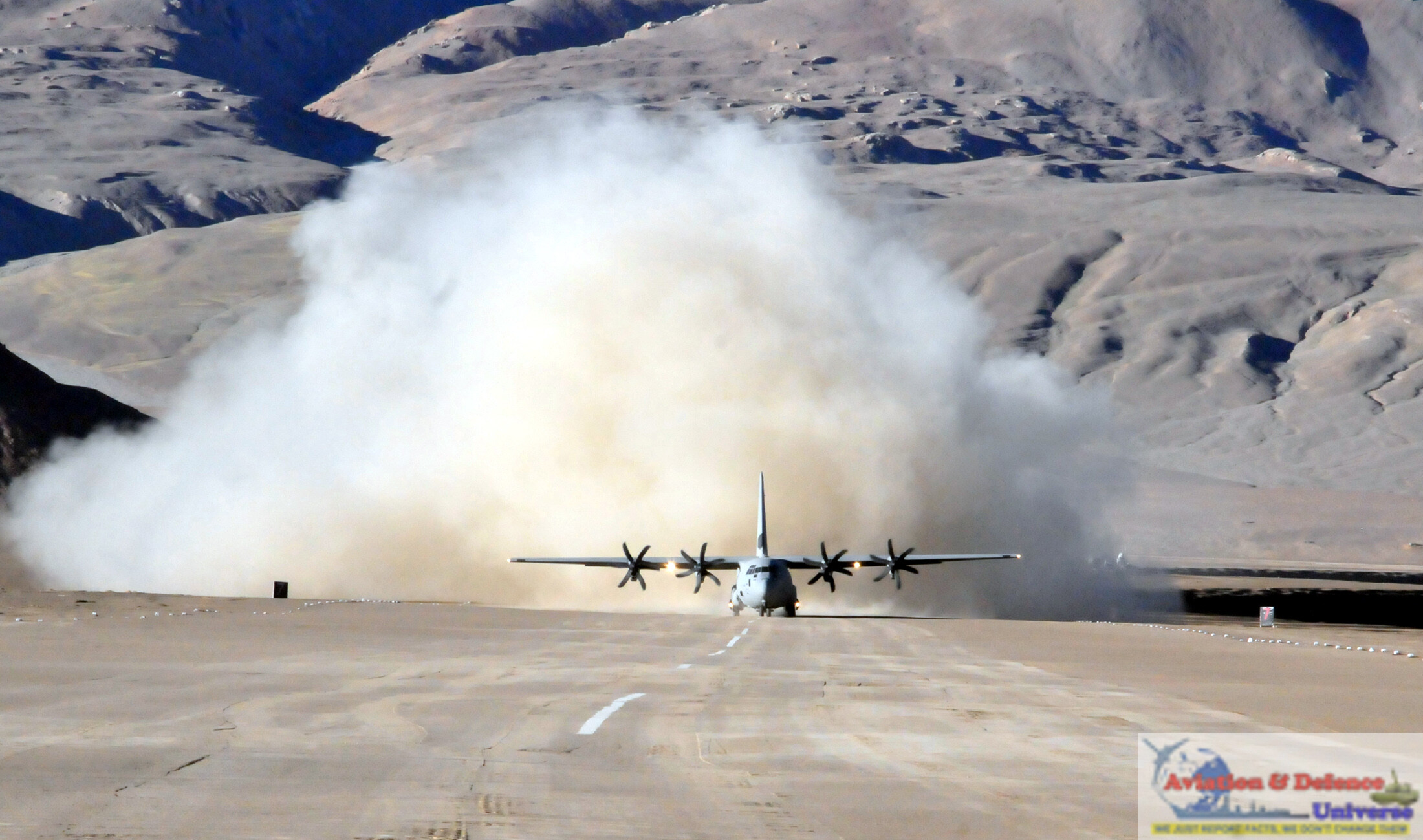
New Delhi. 16 May 2026. Procurement and indigenisation can be seen as the two wheels of India’s defence manufacturing cart, both equally essential for ensuring national security, operational readiness and long-term strategic autonomy. Procurement ensures that the armed forces receive timely and effective capabilities required to address immediate operational threats, while indigenisation builds the domestic industrial, technological and manufacturing strength needed to sustain those capabilities independently over time. However, for these two wheels to move in balance and direction, defence policies act as the engine driving the entire ecosystem. Policies such as the Defence Acquisition Procedure (DAP), indigenisation lists, strategic partnership models and innovation frameworks determine how efficiently industry, the armed forces, startups, MSMEs, DRDO and global collaborators work together. If procurement moves too fast without indigenisation, dependency on imports increases; if indigenisation advances without responsive procurement, capability gaps may emerge for the armed forces. Therefore, a well-designed policy framework is critical to synchronising operational urgency with long-term self-reliance, ensuring that India’s defence manufacturing ecosystem remains agile, technologically advanced and strategically resilient in an increasingly complex global security environment.
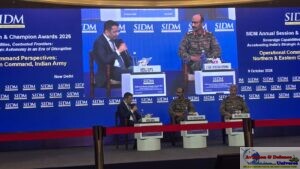
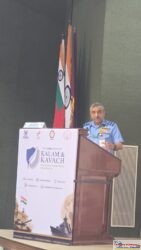
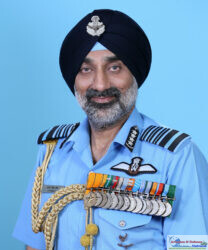
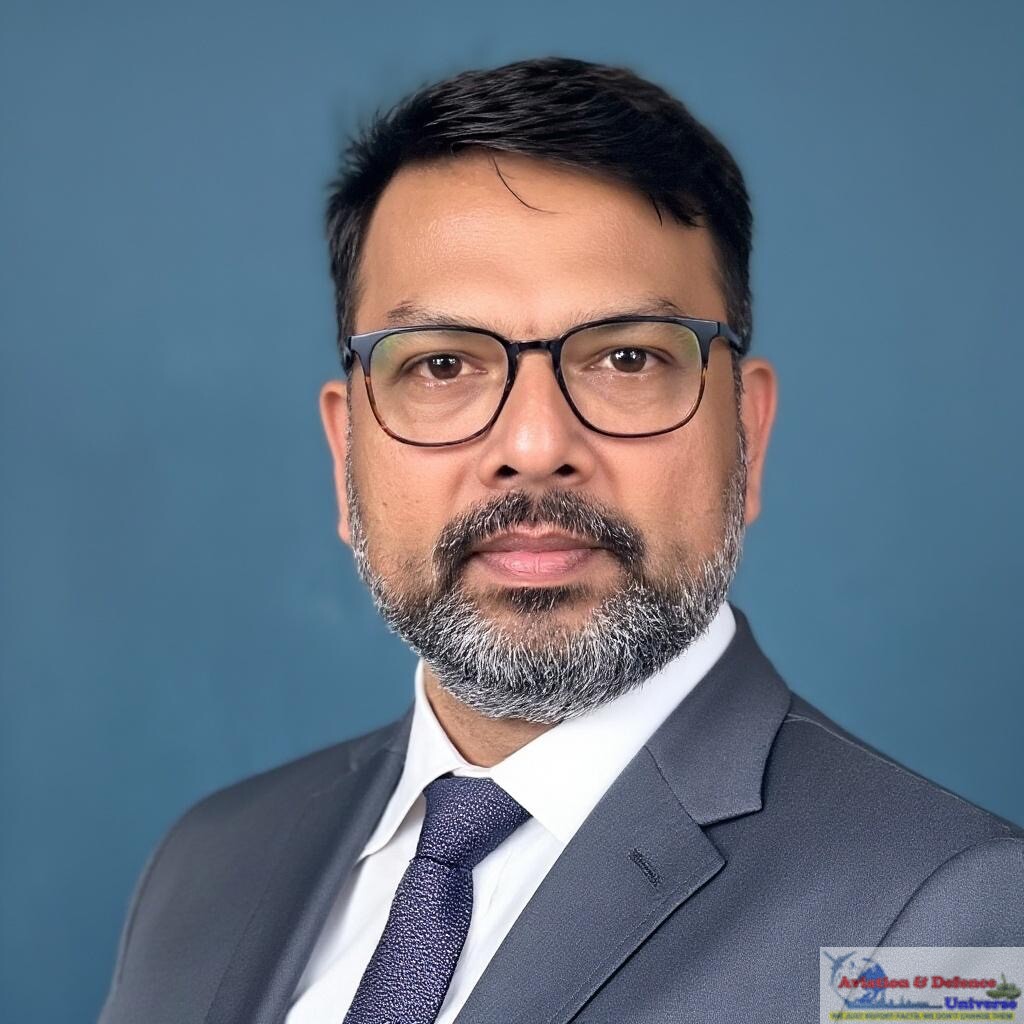
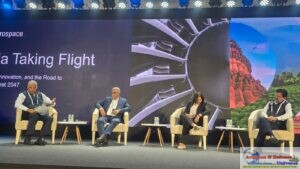
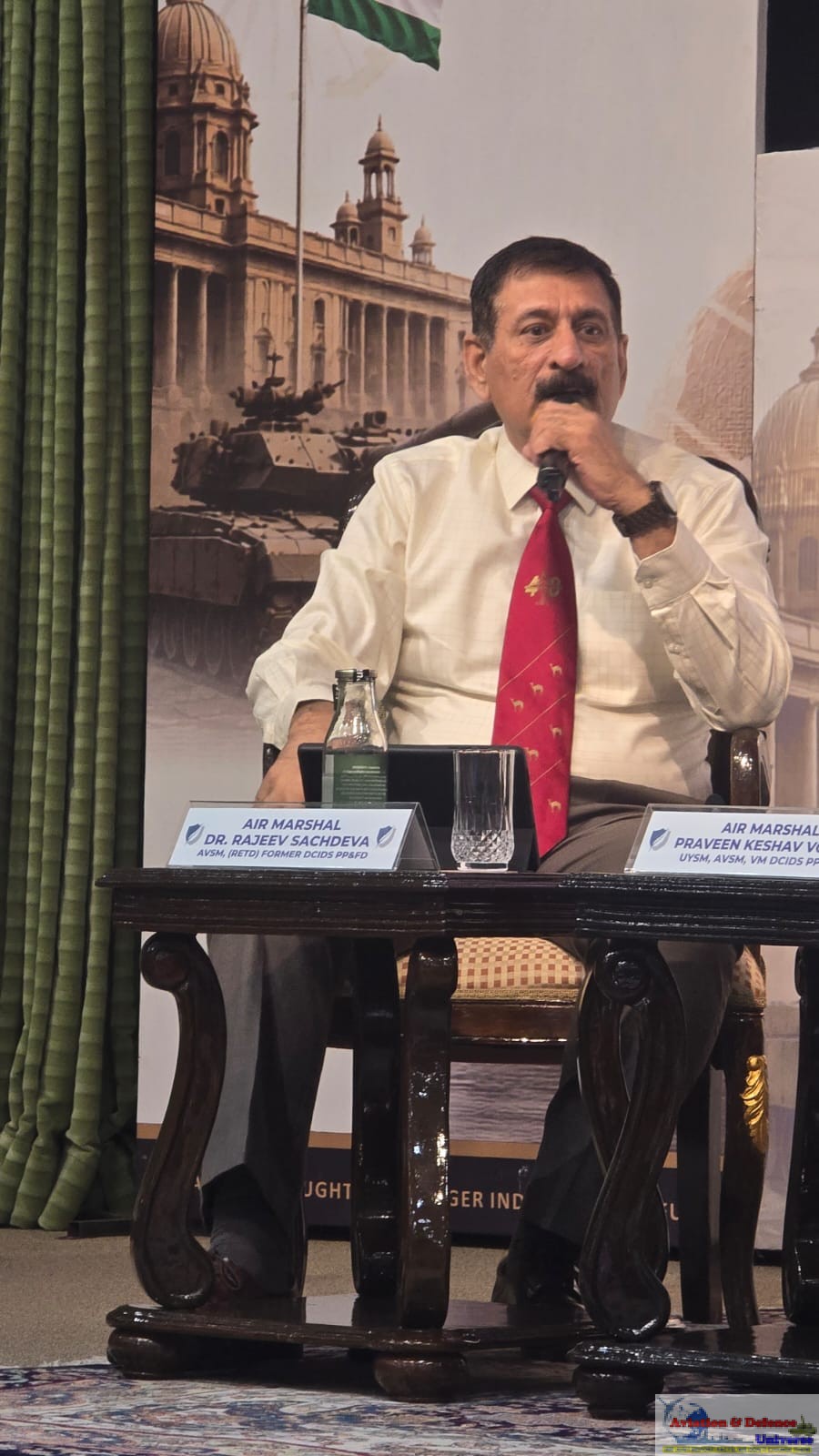 The challenges of accelerating indigenous defence production, reforming procurement processes and building scalable military-industrial capability dominated a high-energy panel discussion titled “Accelerating Atmanirbharta & Scaling Defence Manufacturing” at Kalam & Kavach 3.0. Moderated by Air Marshal Rajeev Sachdeva (Retd.), the session brought together Air Marshal Praveen Kumar Vohra, Deputy Chief of Integrated Defence Staff (Policy Planning & Force Development); Lt. Gen. Rajiv K. Sahni, Director General EME; Maj. Gen. Ashwini K. Channan (Retd.), Advisor, KSSL; and Capt. (IN) S. Sanooj (Retd.) from BDL.
The discussion examined the evolving defence procurement ecosystem, operational sustainability, industry-military collaboration, indigenous manufacturing, drone warfare and the need for faster acquisition and innovation cycles. Panelists candidly debated the limitations of existing defence procurement procedures, the urgency of strategic partnerships and the need for greater flexibility in empowering military leadership and industry to accelerate capability development in an era increasingly shaped by rapid technological disruption and multi-domain warfare.
Opening the session, Air Marshal Rajeev Sachdeva (Retd.) questioned whether India’s defence procurement policies had evolved sufficiently to match the changing strategic environment. “DAP doesn’t talk about military capability,” he remarked. “The aim and objective of DPP 2016, DAP 2020 and DAP 2026 remain largely the same. Haven’t we changed in the last 10 years?”
Responding to concerns over defence preparedness and procurement, Air Marshal Praveen Kumar Vohra DCIDS(PP&FD) argued that India’s defence ecosystem is already moving in the right direction.“It is not as grim as it is being painted,” he said. “We are on a very good trajectory and we need to stick to it.”
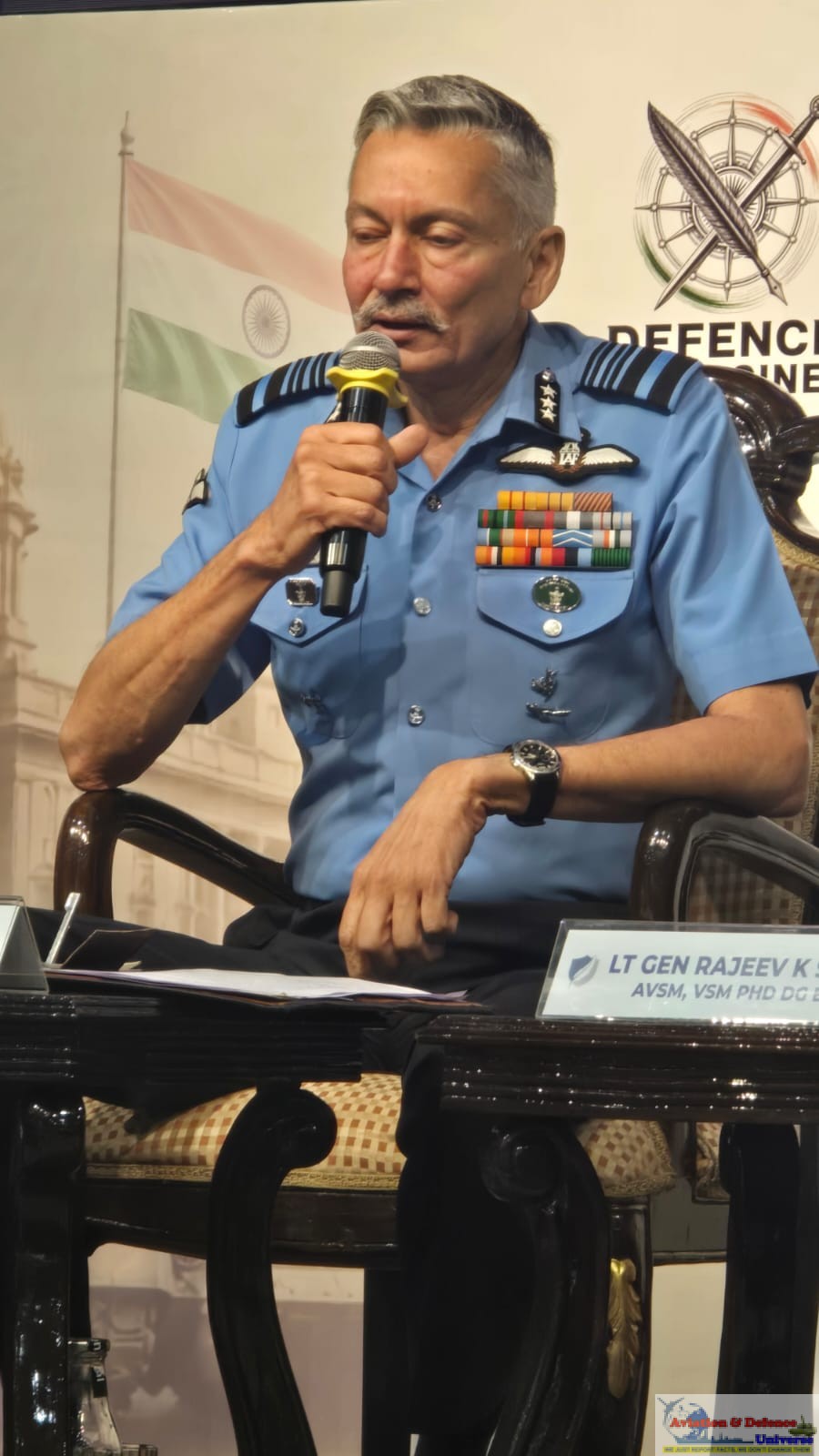 Air Marshal Vohra highlighted the role of long-term planning and capability forecasting in shaping India’s defence manufacturing ecosystem. “What the military needs is very clear,” he explained. “The industry understands what is required, and the capability gaps are identified over the next 5 to 10 years.” A major theme of the discussion was the importance of innovation and software-driven capability development. “Our strength today is software programming,” Air Marshal Vohra stated. “It is being capitalised by all three services in a major way.” He also stressed the importance of technological leapfrogging. “If the US took 40 years and China took 30 years, we have the next 10 years to do it,” he said. “We need to identify technologies where we can leapfrog ahead.
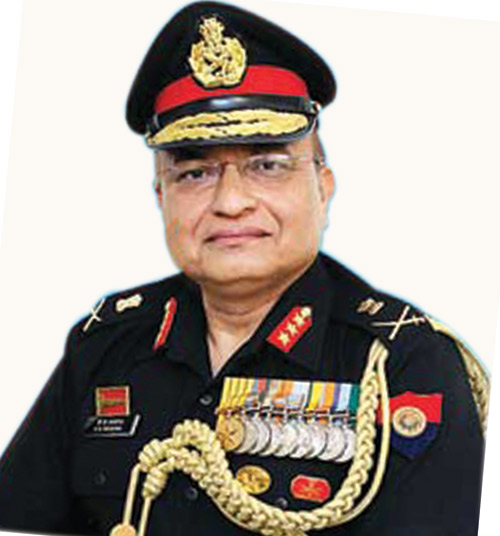
The panel also extensively debated the role of strategic partnerships and industrial collaboration. Lt. Gen. Rajiv K. Sahni DG EME emphasised that modern warfare logistics and sustainment can no longer function through traditional vendor-based models. “It is no longer a vendor-support syndrome,” he said. “It is a superior co-joined, co-positive partnership.” According to Lt. Gen. Sahni, operational sustainability in future conflicts 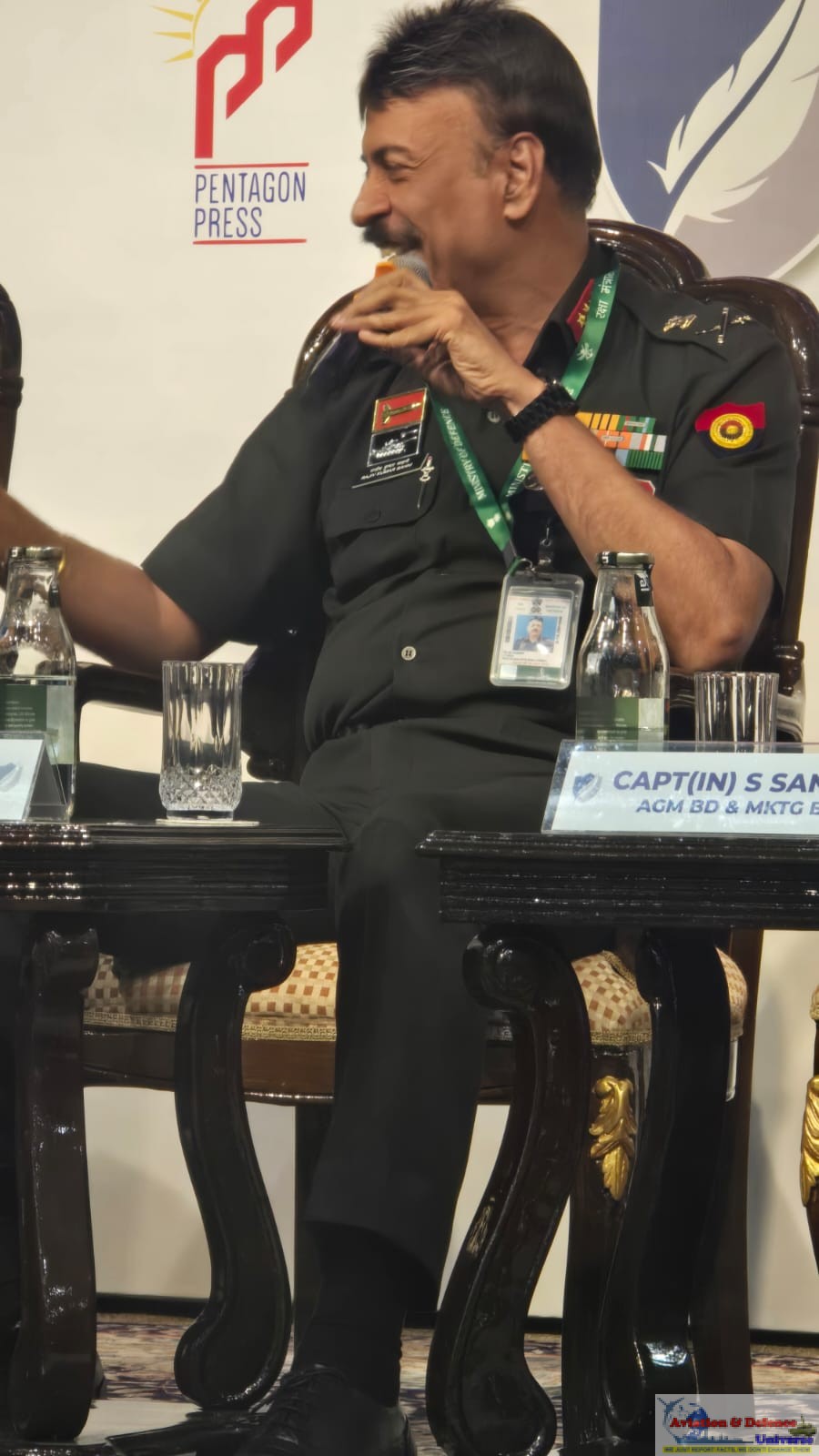 will require deep integration between military infrastructure and industry capabilities. “We bring the infrastructure, the reach and the skill sets to forward areas, while industry brings technology predominance and manufacturing bandwidth,” he explained. Referring to the Pinaka work-share model involving L&T and Tata, he described collaborative production as the “new normal” for future defence manufacturing.“We accelerated production while cutting down time and resources,” he noted. The discussion also focused heavily on the emerging drone ecosystem and lessons from recent conflicts.
Lt. Gen. Sahni described the Indian Army’s approach to drones as a “garage revolution.” “It is all arms and formations put together,” he said. “We have created a runway for industry to thrive on.” He revealed that the Army has already established around 84 drone-related centres of expertise with approximately 1,500 skilled personnel working across AI, machine learning, robotics and data sciences.“Acceleration is the new readiness,” he remarked.
Maj. Gen. Ashwini K. Channan (Retd.) Advisor to Kalayanis aka Bharat Forge, offered one of the most candid assessments of India’s defence manufacturing ecosystem, arguing that policies often move faster than implementation. “Our policies are coming with tremendously good intent,” he said. “But there is a huge disconnect between policy intent and implementation.” He stressed that multiple stakeholders often dilute the effectiveness of defence procurement reforms. “There are too many do-gooders in the system,” he observed. “By the time the policy reaches implementation, it is far removed from its original intent.”
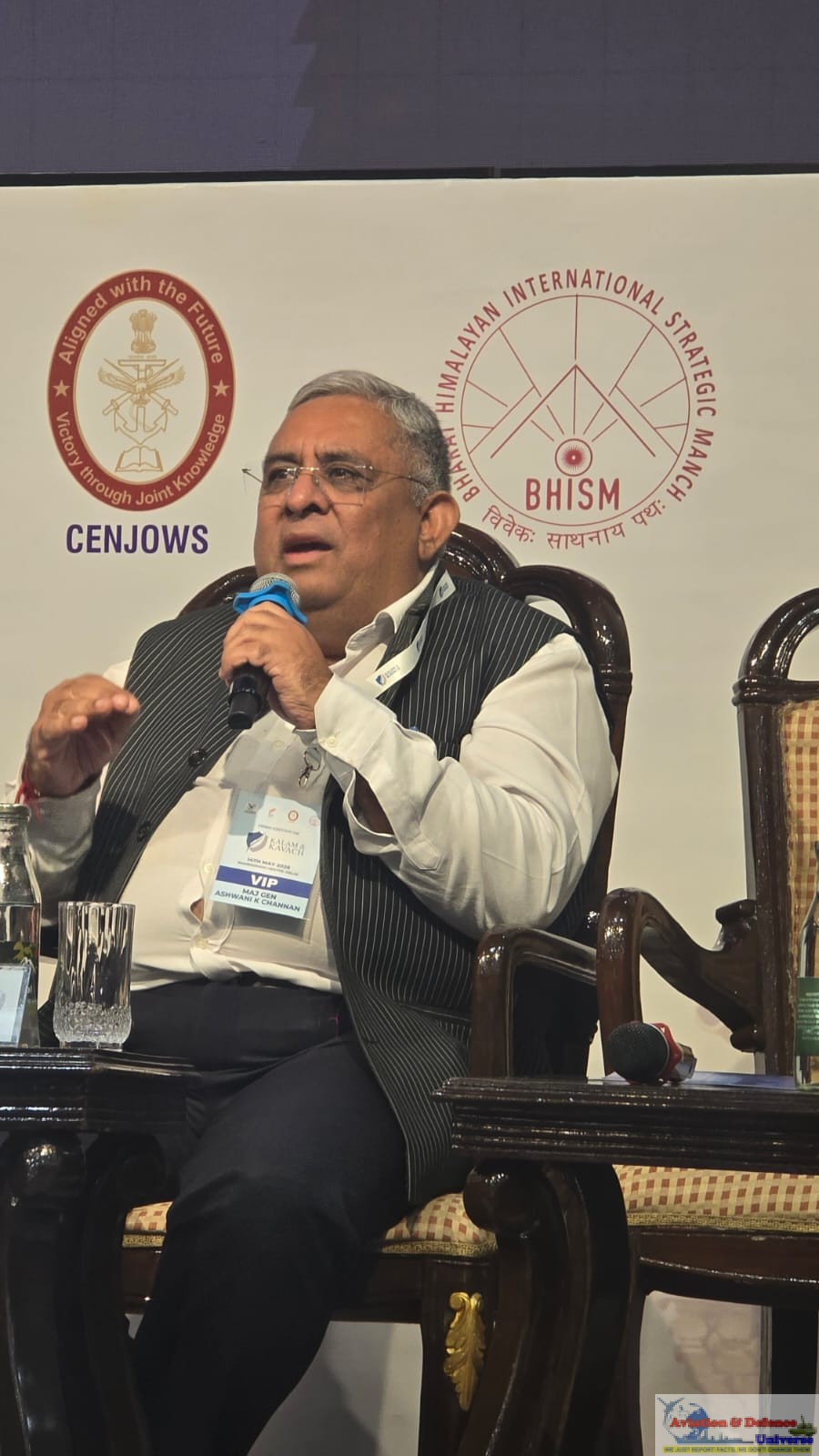 Maj. Gen. Channan also strongly criticised the tendency of companies to spread themselves across multiple defence sectors instead of specialising.“Everybody is trying to get everything,” he said. “We need national champions with deep capabilities instead of everyone making everything.” The session also saw sharp criticism of India’s defence procurement bureaucracy and lengthy acquisition cycles. “For God’s sake, let us not make these documents exhaustive,” Channan remarked while discussing the Defence Acquisition Procedure (DAP). “The emphasis should not be increasing from 738 pages to 2,000 pages. It should be bringing it down to 40 pages.”
Air Marshal Sachdeva raised concerns about the inability of military commanders to rapidly procure urgently needed systems. “You trust the war fighter to fight the war, but you do not trust him to buy the equipment he needs,” he said. “Why not give him a debit card and let him buy what is required immediately?” Referring to the Ukraine conflict, he argued that future wars would demand much faster procurement and induction cycles.“The induction cycle for new equipment in Ukraine is hardly three weeks,” he observed.
 Capt. (IN) S. Sanooj (Retd.) from BDL focused on the missile ecosystem and the need for faster production scaling. “Once AON is approved, why not allow limited series production immediately?” he suggested. “This will shorten the project cycle and help absorb technology faster.”
The panel also highlighted India’s growing defence exports as a sign of industrial progress. “We are exporting to nearly 80 countries,” Air Marshal Vohra stated. “₹50,000 crore in defence exports is not the target — it is only a milestone.” Toward the conclusion, panelists stressed that innovation, indigenous manufacturing and industrial collaboration must become tightly integrated. “Innovation and Atmanirbharta go hand in hand,” Air Marshal Vohra remarked. “Anything indigenous can be scaled, adapted and changed in the shortest possible time.”
Lt. Gen. Sahni emphasised the importance of data-sharing and collaborative digital ecosystems. “The data pipeline exists with the Army,” he said. “We need mechanisms through which this data can seamlessly flow to industry.”
Maj. Gen. Channan concluded with a warning against overcomplicating procurement systems. “Every time we face a problem, we add another paragraph to the DAP,” he observed. “That solves one problem but creates ten more.”
The “Accelerating Atmanirbharta & Scaling Defence Manufacturing” session at Kalam & Kavach 3.0 reflected both the progress and persistent challenges shaping India’s defence industrial ecosystem. The discussion underscored the urgent need for faster procurement cycles, stronger military-industry integration, strategic partnerships and agile innovation frameworks capable of responding to rapidly evolving battlefield realities.
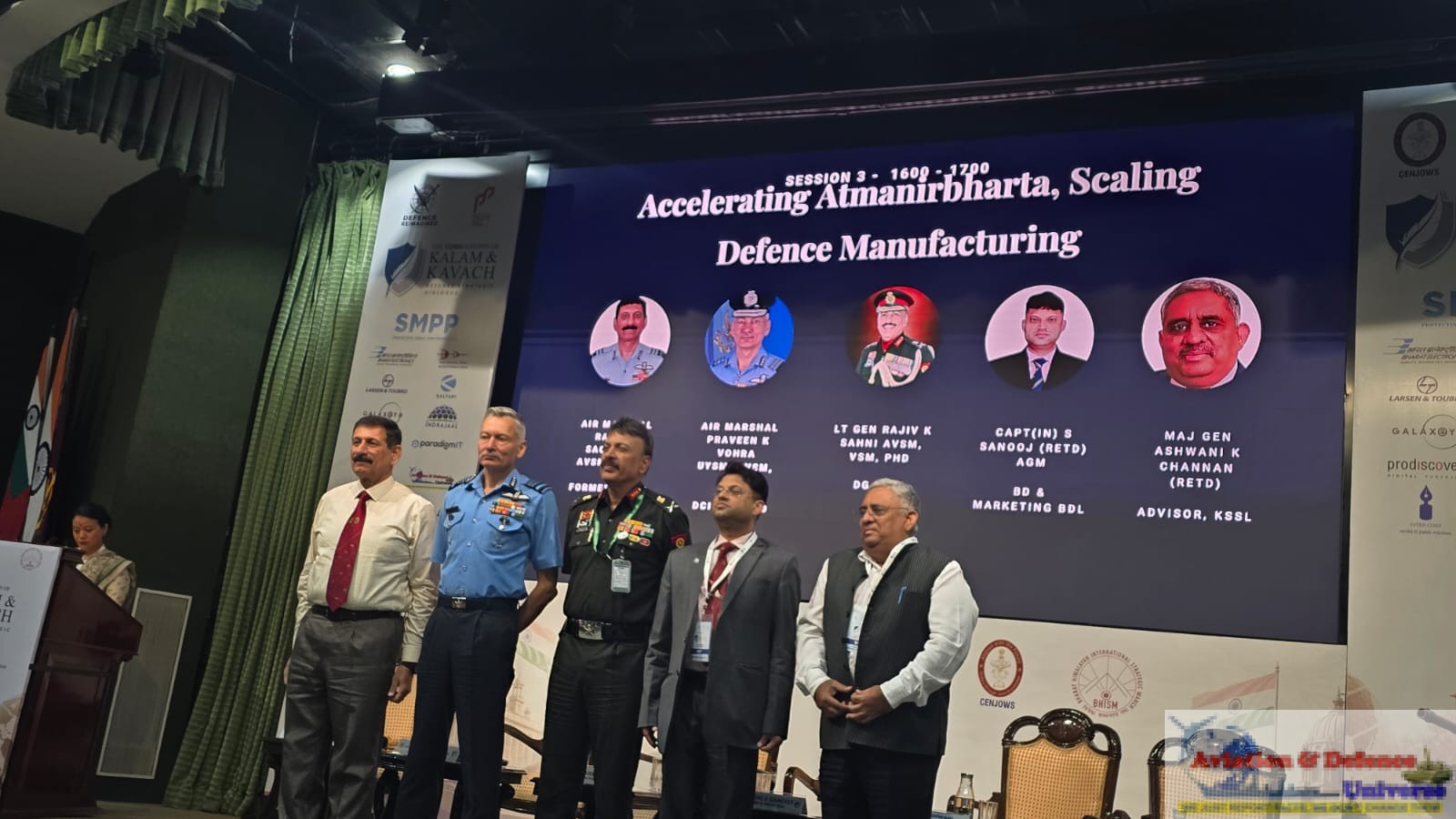 From drone ecosystems and software-driven warfare to sustainment models, indigenous production and export ambitions, the panel highlighted how India’s defence sector is transitioning toward a more integrated and capability-driven approach. At the same time, concerns over bureaucratic complexity, fragmented industrial participation and lengthy acquisition procedures revealed the structural reforms still required to fully realise the vision of Atmanirbhar Bharat in defence manufacturing.
As India seeks to position itself as a major global defence manufacturing and innovation hub, the session reinforced that speed, adaptability, collaboration and technological self-reliance will define the future trajectory of the country’s military-industrial transformation.












































































-A4-Size-(2)_page-0001.jpg)