










- Jointness, Theatre Commands AI and Atmanirbharta Take Centre Stage
- “The Future Battlefield Extends Beyond Land, Sea and Air”
- Kalam & Kavach 3.0 Concludes with Call for Technology-Driven Joint Warfare
By Sangeeta Saxena
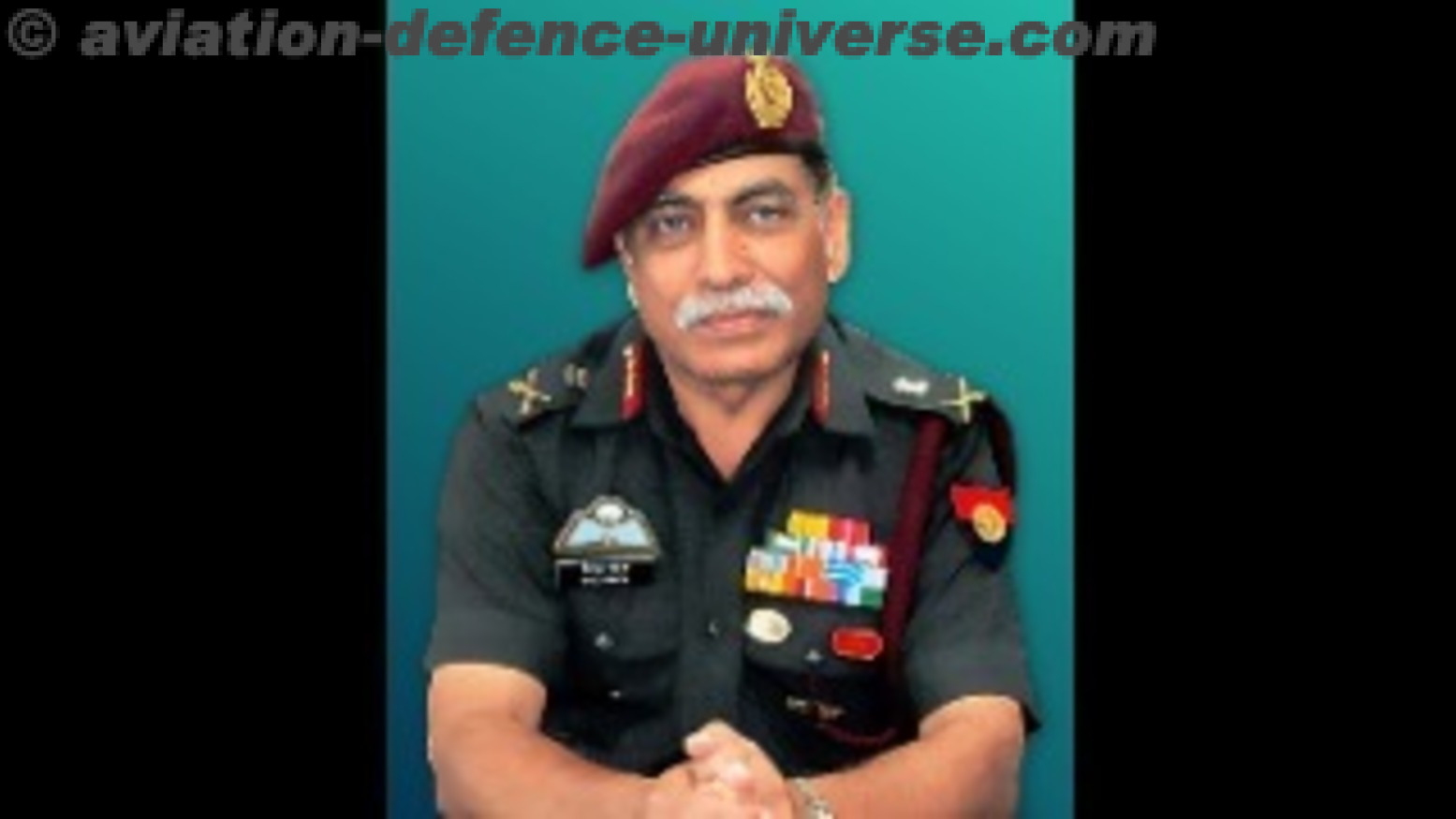
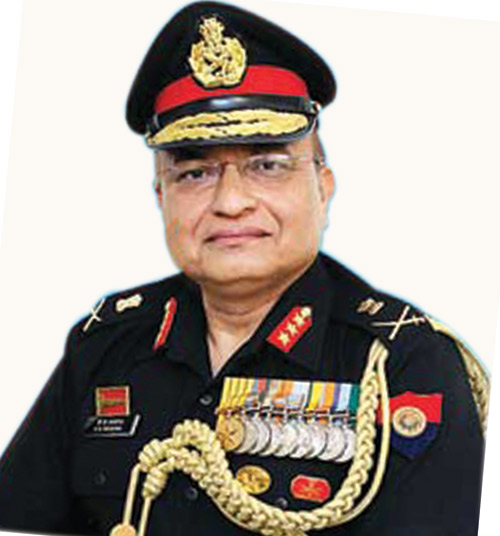
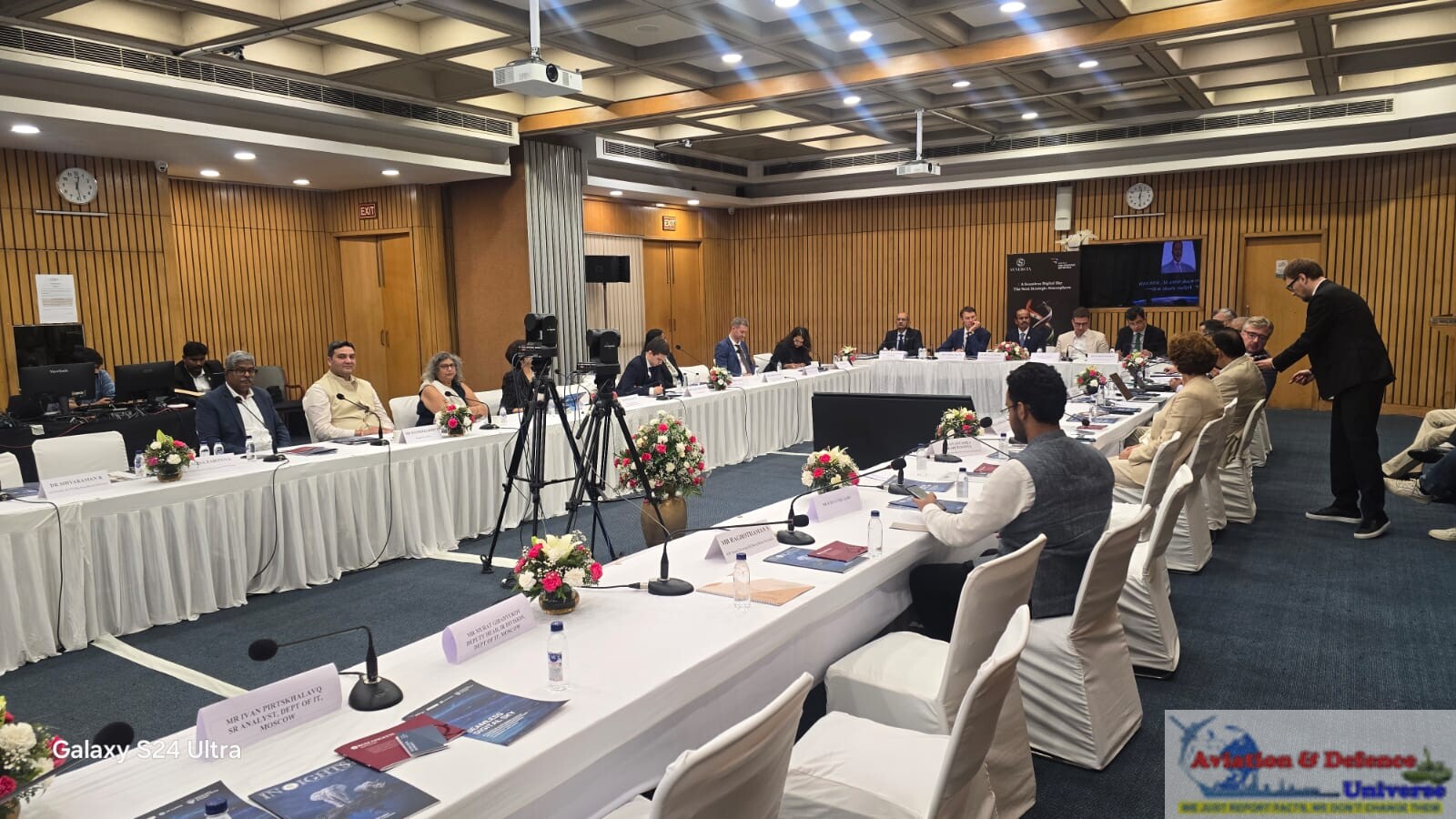
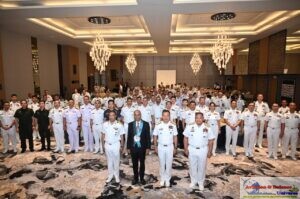
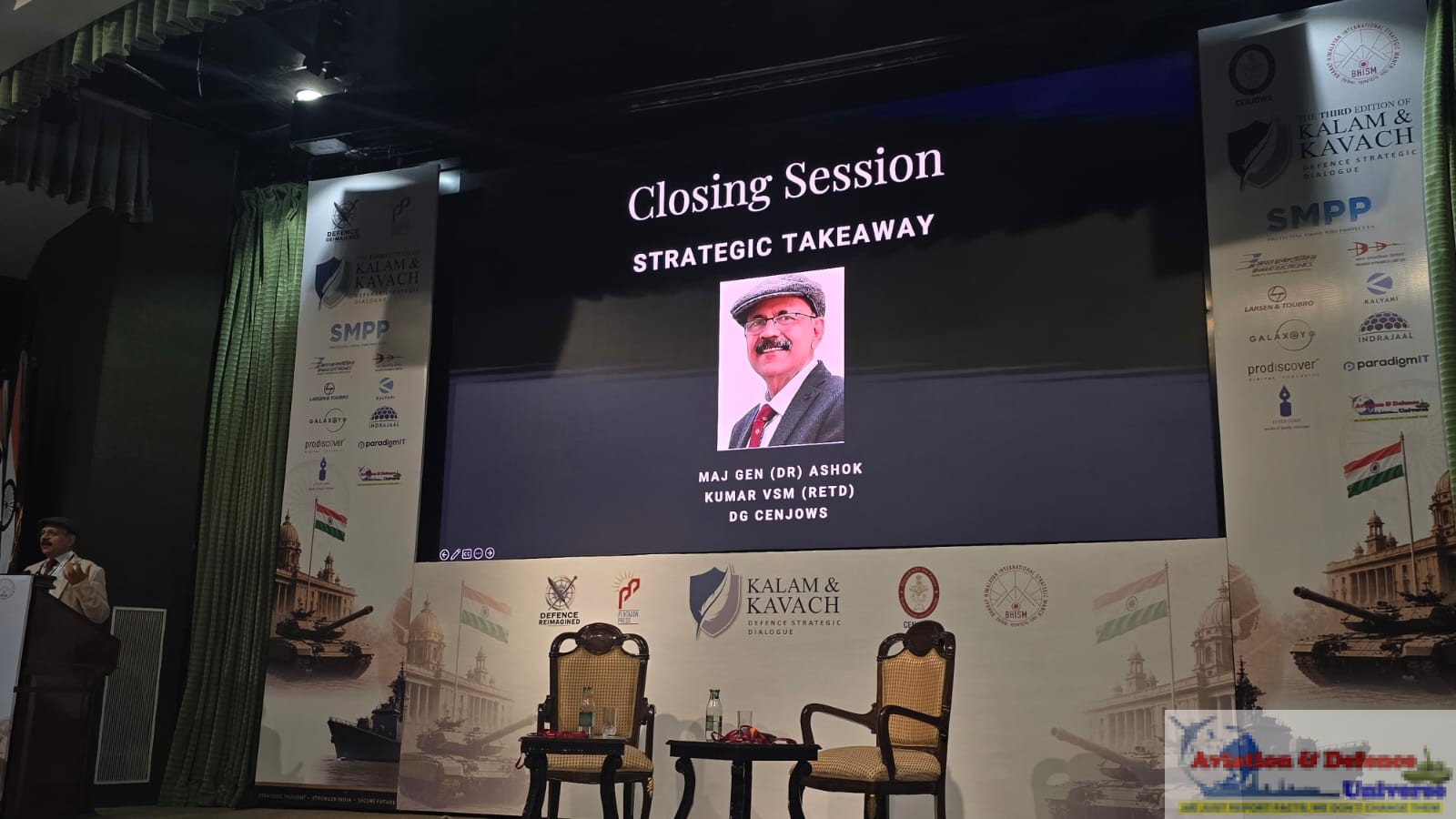
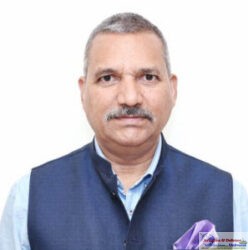
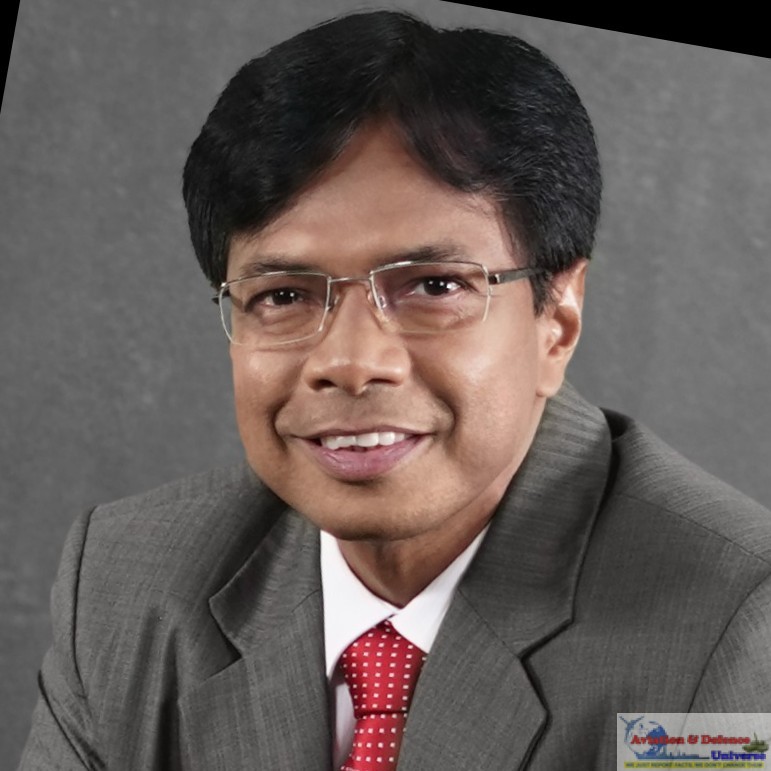
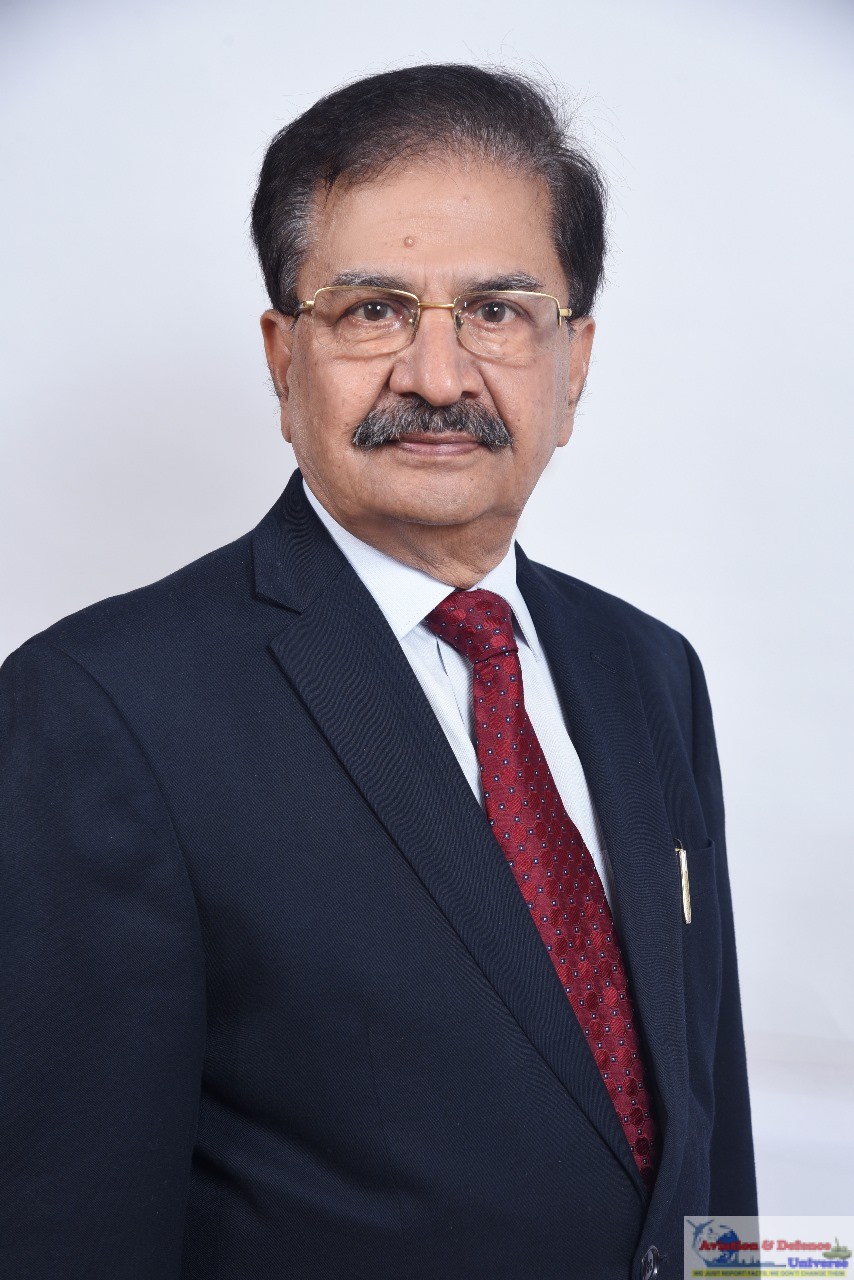
New Delhi. 14 May 2026. The third edition of Kalam & Kavach 3.0, organised by Pentagon Press in collaboration with Defence Reimagined, CENJOWS, and BHISHMA at the Manekshaw Centre, concluded with a strategic closing address by Maj Gen (Dr) Ashok Kumar, VSM (Retd.), Director General, Centre for Joint Warfare Studies (CENJOWS). Reflecting on the day-long deliberations around this year’s theme — “Taking JAI Forward with I²” — the DG CENJOWS emphasised the growing importance of jointness, technological transformation, indigenous capability development, and integrated national preparedness in shaping India’s future security architecture.
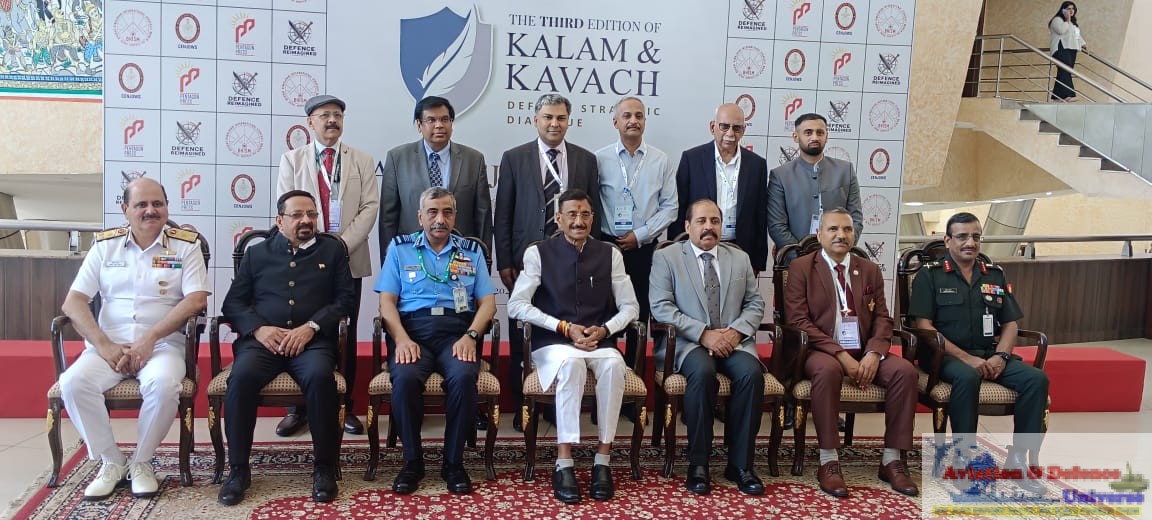
Addressing senior military leadership, policymakers, diplomats, industry representatives, start-ups, scholars, and members of the strategic community, Maj Gen Ashok Kumar highlighted how the nature of warfare is rapidly evolving across physical, cyber, space, and cognitive domains. He underlined the need for India to adopt a Whole-of-Nation approach to future conflicts by integrating military modernisation, technological innovation, industrial self-reliance, and strategic partnerships.
Calling the future battlefield “multi-domain, technology-driven, and information-centric,” Maj Gen Ashok Kumar stated, “The future battlefield will no longer be restricted to land, sea, and air. Warfare is now simultaneously unfolding across cyber, space, the electromagnetic spectrum, and even the cognitive domain.”
Highlighting the role of emerging technologies such as Artificial Intelligence, autonomous systems, hypersonic weapons, and quantum-enabled C4ISR, he noted that future conflicts would increasingly depend on decision superiority and information dominance. “Artificial Intelligence, autonomous systems, hypersonic technologies, quantum-enabled C4ISR architectures, and cyber capabilities are compressing the traditional OODA loop to machine speed. Decision superiority will increasingly determine victory,” he remarked.
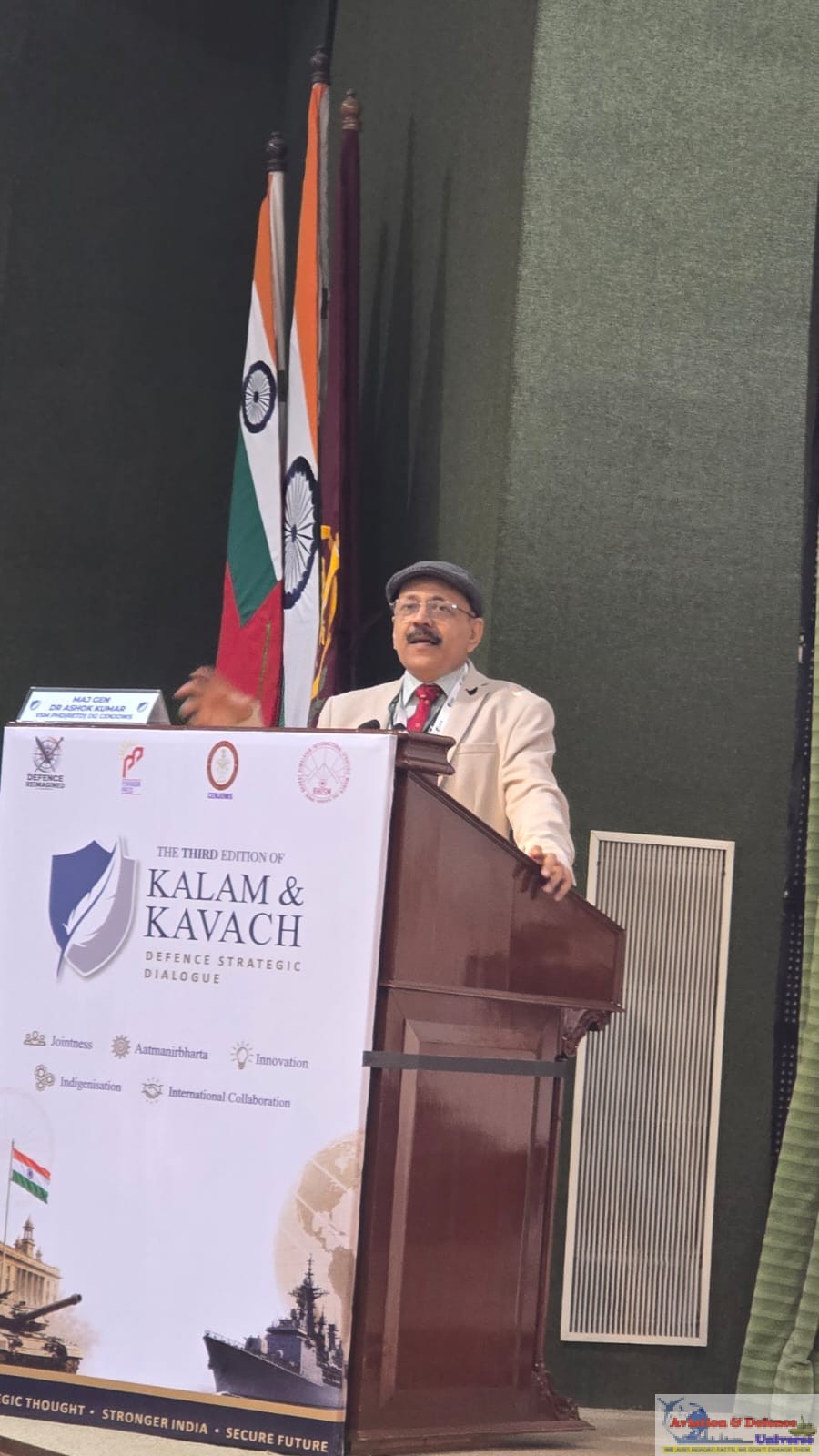 DG CENJOWS stressed that institutions such as CENJOWS had evolved from traditional research bodies into strategic catalysts supporting India’s military modernisation and integration efforts. “We are no longer merely a traditional research body. We have transformed into a Multi-Domain Operations catalyst and an intellectual engine supporting India’s military modernisation and the integration mandate of the Indian Armed Forces,” he said.
Focusing on the importance of integrated warfare structures, Maj Gen Ashok Kumar described Integrated Theatre Commands as an operational necessity rather than an administrative reform.“Integrated Theatre Commands are not merely administrative reforms. They are operational necessities. Future conflicts will demand seamless coordination across multiple domains,” he stated.
Referring to lessons emerging from recent global conflicts, he observed that the proliferation of drones, autonomous systems, cyber capabilities, and commercial satellite imagery had transformed modern battlefields into what he described as “transparent battlefields.” “Tactical surprise is becoming increasingly difficult. Survival and operational effectiveness will depend on mobility, deception, resilience, and information dominance,” he said.
Maj Gen Ashok Kumar also emphasised that future wars may begin through cyber-attacks, disinformation campaigns, and cognitive warfare before any kinetic engagement takes place. “Future conflicts may begin not with missiles or tanks, but through cyber-attacks on critical infrastructure, disinformation campaigns, and cognitive warfare aimed at weakening national resolve,” he observed.
Discussing the significance of the I² Imperative — Indigenisation and International Collaboration — he clarified that India’s pursuit of self-reliance was not about strategic isolation but about building sovereign capability while leveraging global expertise. “Atmanirbhar Bharat does not imply isolation. It means building sovereign capability while intelligently leveraging global partnerships for technology infusion, advanced manufacturing, and collaborative innovation,” he said.
 He further highlighted the growing contribution of start-ups, MSMEs, defence corridors, and private industry in strengthening India’s defence ecosystem. “India’s defence ecosystem is no longer confined to DPSUs alone. Today, young innovators, private industry, academia, and deep-tech enterprises are contributing significantly to emerging areas such as AI, autonomous systems, cyber defence, advanced materials, and quantum technologies,” he added.
On leadership in future warfare environments, Maj Gen Ashok Kumar said military leaders of tomorrow would need technological fluency, strategic intuition, and the ability to operate seamlessly across domains. “Future commanders will need to understand not only conventional operations but also AI-driven systems, cyber warfare, information operations, and space-enabled capabilities,” he said.
He also stressed the need for stronger civil-military fusion and updated training doctrines to prepare personnel for hybrid and multi-domain warfare. “Future warfare requires leaders who can think beyond traditional boundaries and operate in environments where speed, adaptability, and information dominance are decisive,” he remarked.
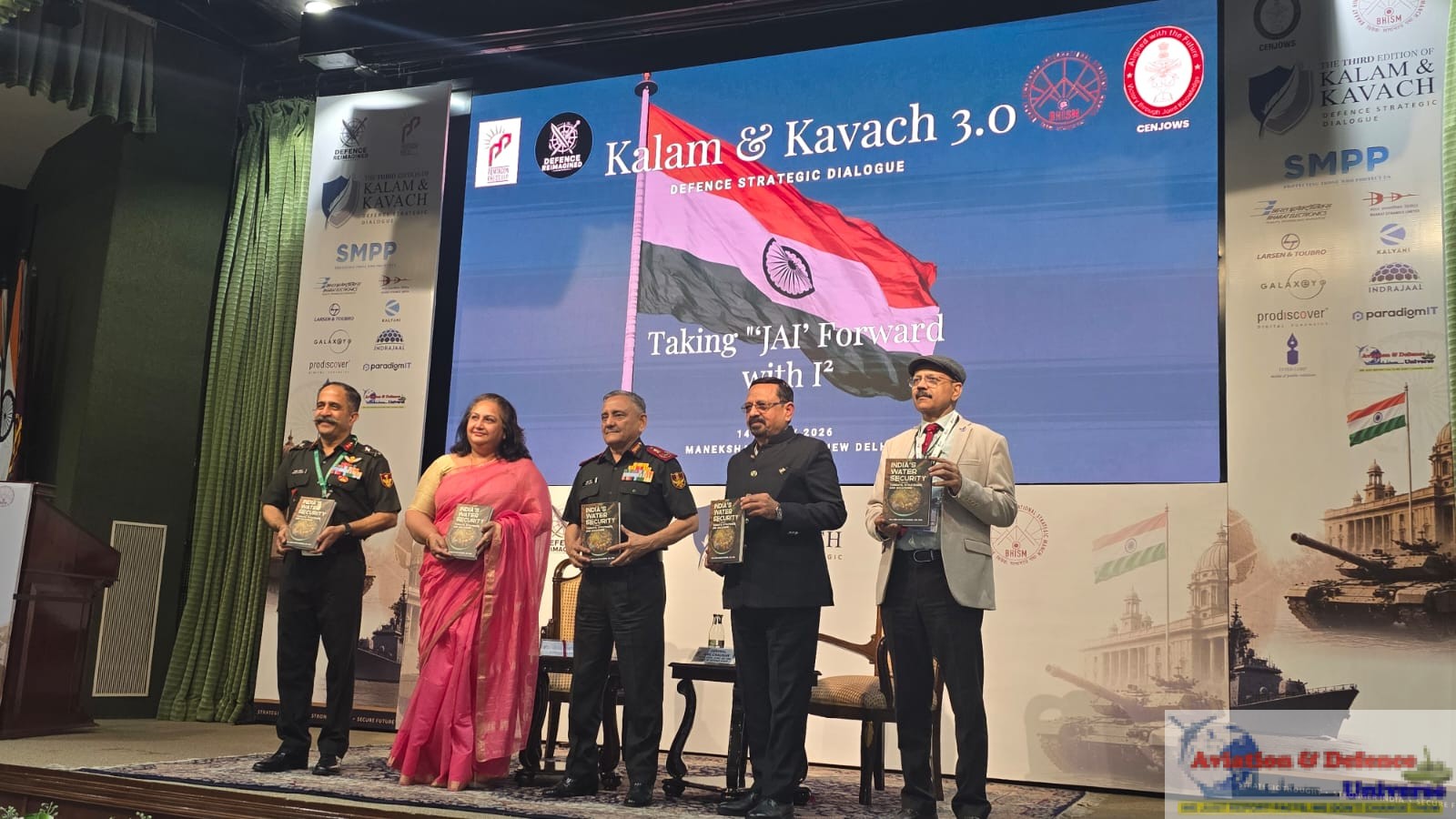 Concluding his address, the DG CENJOWS reiterated that India’s journey towards becoming a Viksit Bharat by 2047 would require a technologically advanced, integrated, and self-reliant national security architecture. “The future is not something we wait for — it is something we prepare for, shape, and secure together,” he concluded.
The closing address by Maj Gen (Dr) Ashok Kumar at Kalam & Kavach 3.0 encapsulated the central themes that defined the strategic dialogue throughout the day — jointness, future warfare, technological transformation, indigenous capability development, and integrated national preparedness. By emphasising the importance of multi-domain operations, theatre command integration, civil-military fusion, and emerging technologies, the DG CENJOWS highlighted the urgent need for India to adapt to the rapidly evolving character of warfare. His address reinforced the idea that achieving strategic autonomy and future readiness will depend on India’s ability to combine innovation, industrial self-reliance, and collaborative national effort into a unified defence vision.





































































-A4-Size-(2)_page-0001.jpg)