

















- Indian Navy Chief Outlines Multi-Domain Maritime Strategy for Future Conflicts
- From Seabed to Space: He Maps Future Maritime Battlespace
- Indian Navy Adapting to Networked, High-Speed Warfare: Navy Chief
By Sangeeta Saxena
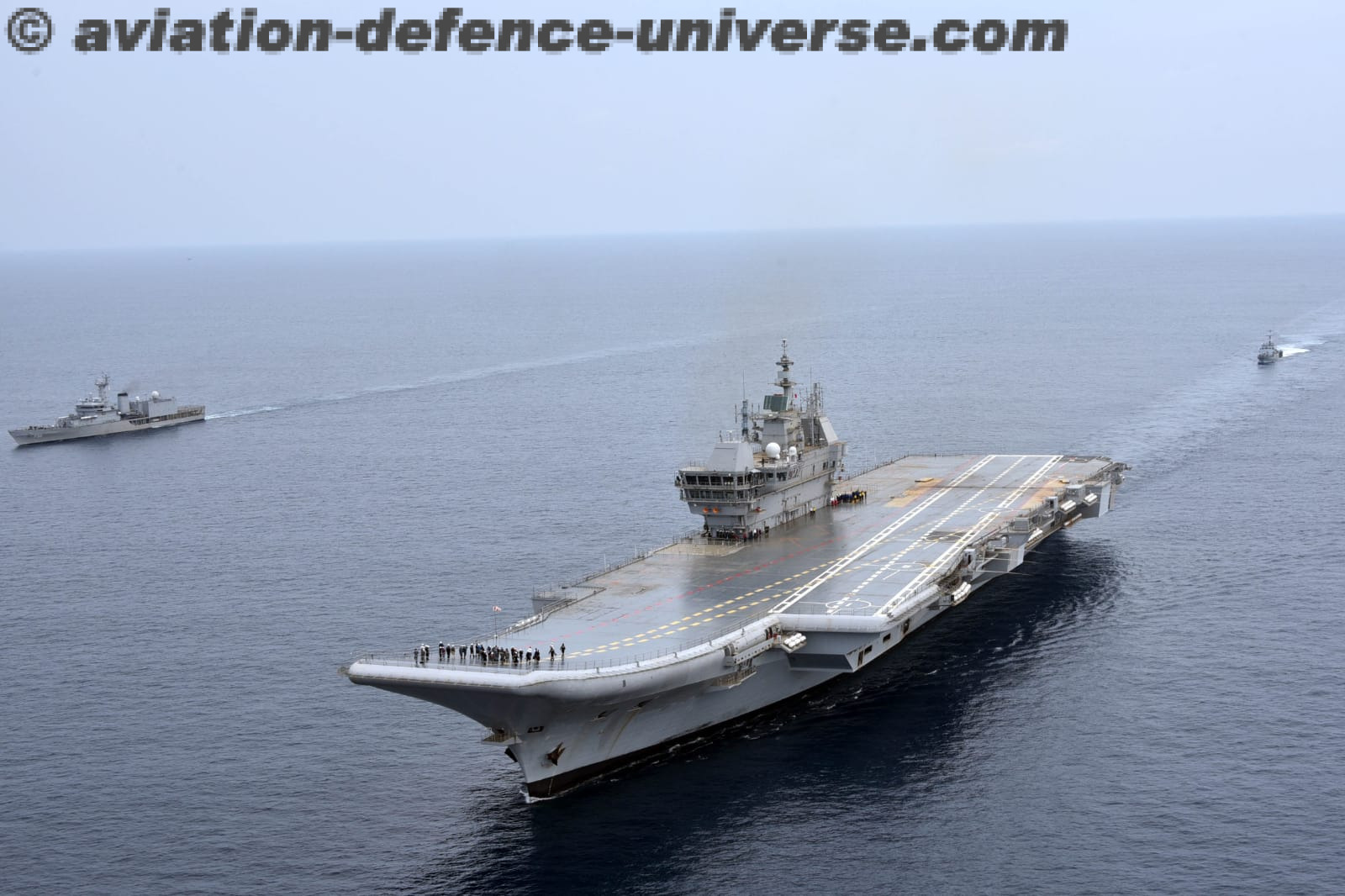
New Delhi. 10 April 2026. Multi-Domain Operations (MDO) have become central to modern navies worldwide as maritime security environments grow more complex, contested, and technology-driven. Today’s naval forces no longer operate solely on the surface or subsurface; they are deeply integrated with air, space, cyber, and electromagnetic domains, enabling real-time situational awareness and rapid decision-making. In turbulent geopolitical times—marked by conflicts in regions like the Indo-Pacific and West Asia—navies are leveraging MDO to project power, secure sea lines of communication, counter asymmetric threats and respond to hybrid warfare challenges. Carrier strike groups, unmanned systems, satellite-enabled surveillance and networked command-and-control architectures are all examples of how navies are synchronising effects across domains. This integration allows forces to operate with greater speed, precision and resilience, ensuring that they can deter adversaries, protect national interests and maintain strategic advantage in an increasingly interconnected battlespace.
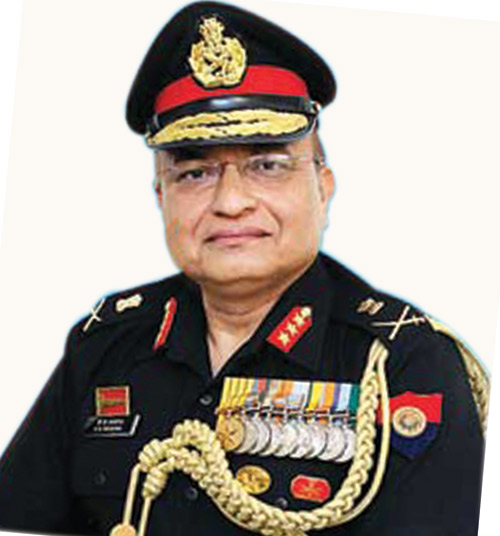
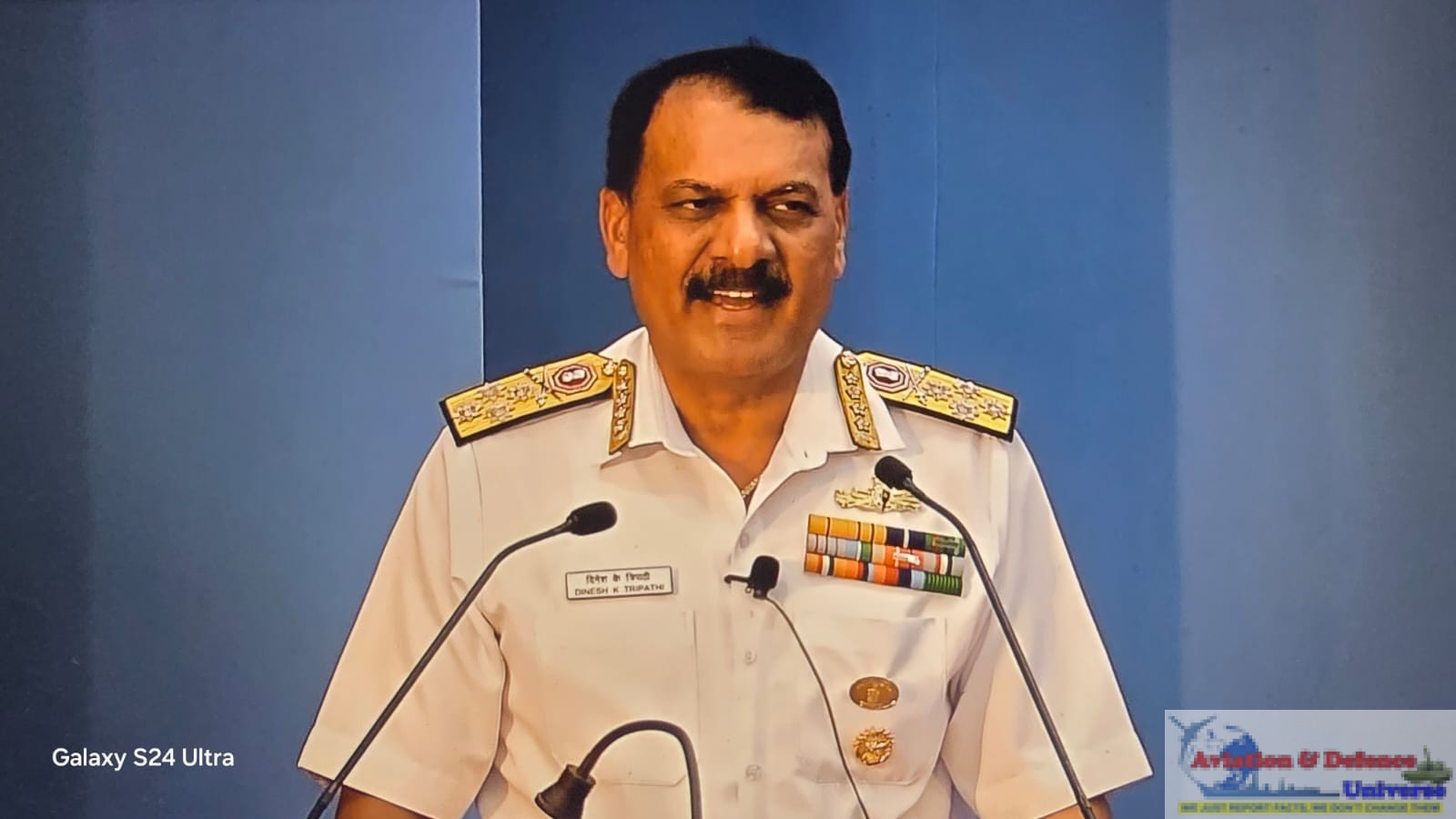
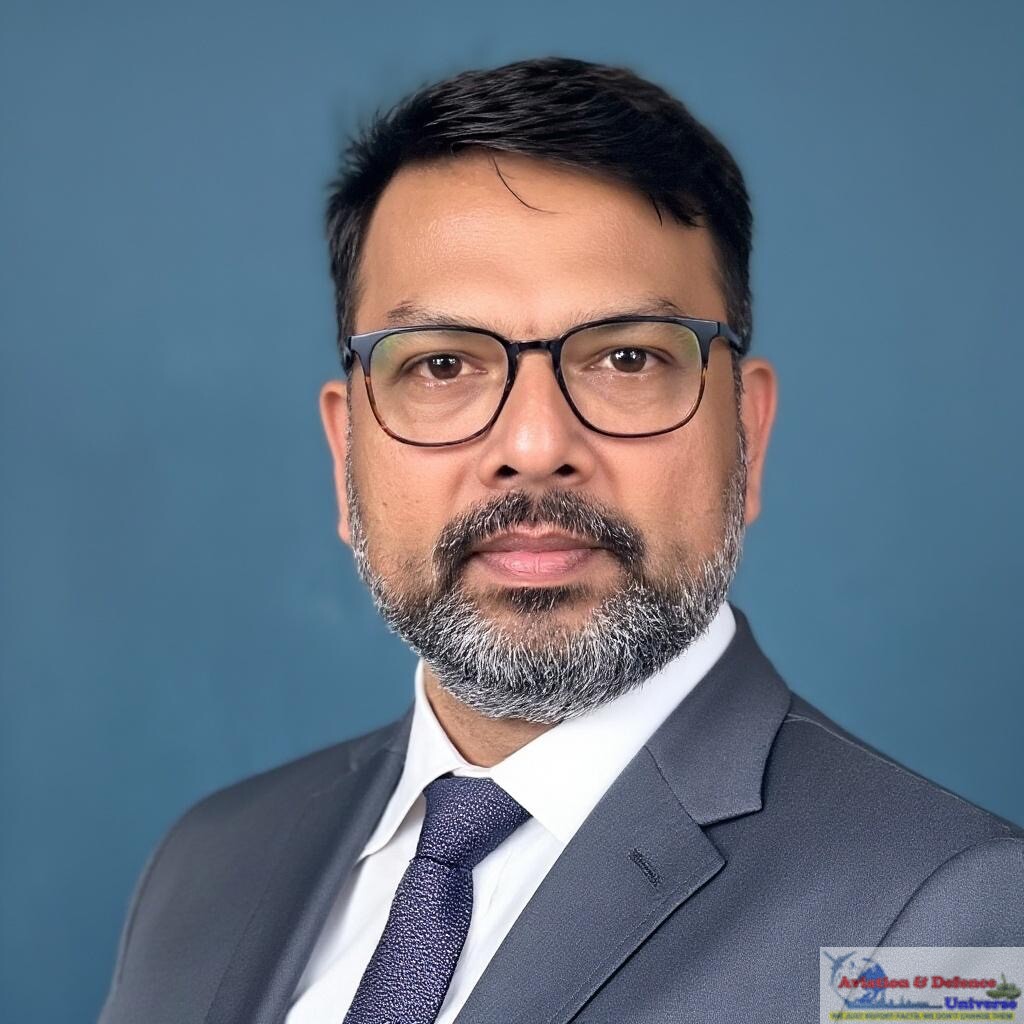
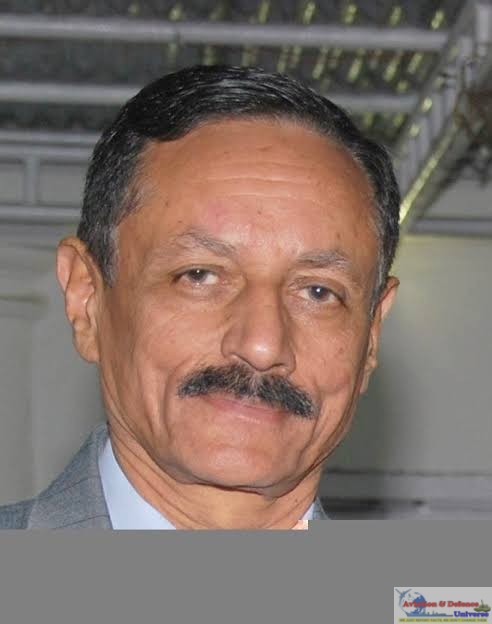
 Against the backdrop of evolving global conflicts and rapid technological transformation, Admiral Dinesh Kumar Tripathi delivered a comprehensive address at Ran Samwad 2026, outlining the Indian Navy’s vision for Multi-Domain Operations (MDO). His speech highlighted how maritime warfare is no longer confined to traditional sea-based engagements but has expanded into an interconnected battlespace spanning the seabed to space. Emphasising the need for integration, adaptability, and technological leverage, the Navy Chief presented a forward-looking roadmap for building a combat-ready, networked, and future-ready force.
Setting the strategic context, Admiral Tripathi stated, “Today we are meeting against the backdrop of continuing instability in our extended neighbourhood… the security is interconnected, persistent and unforgiving, where distance from conflict does not equate distance from its consequences.”
He underlined the changing nature of warfare, noting, “Today, there is no fixed system of war, no rigid doctrine that we can blindly rely upon.” Drawing from India’s strategic traditions, he said, “Multi-domain operations are not different from our civilisational wisdom, diplomacy, deception and military power operate together to achieve state objectives.”
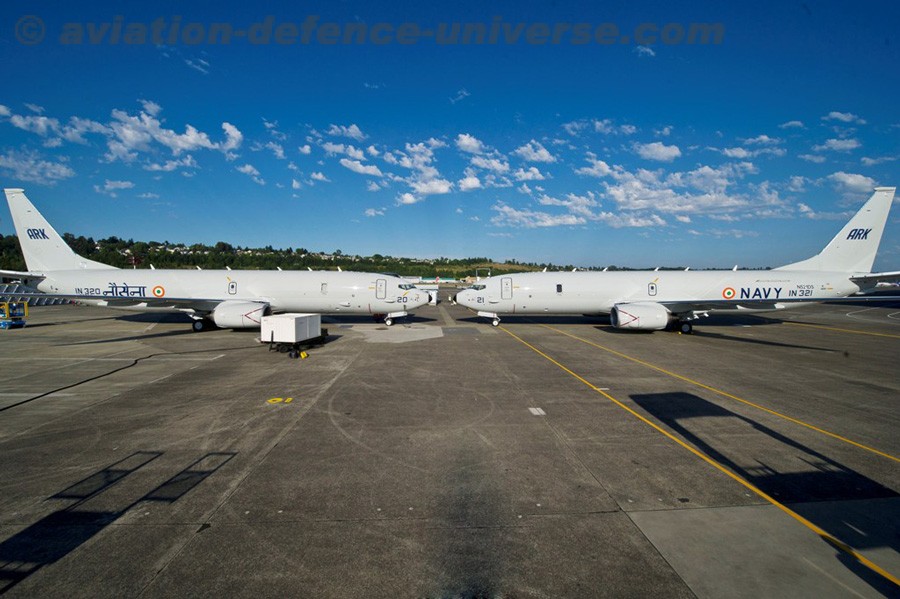 Multi-Domain Operations (MDO) are deeply embedded in the Indian Navy’s operational philosophy, given the inherently multi-layered nature of maritime warfare. Naval operations have always spanned the subsea, surface, and aerial domains, but are now expanding into cyber, space, electromagnetic, and cognitive dimensions. The Navy views the battlespace as an interconnected grid where sensors, platforms, and decision-makers operate in real time, enabling faster and more precise responses. By integrating manned and unmanned systems, leveraging artificial intelligence, and enhancing network-centric capabilities, the Indian Navy is transitioning from traditional linear engagements to dynamic, distributed operations—ensuring operational superiority in an environment defined by speed, scale, and simultaneity.
Describing the evolving maritime battlespace, he explained, “The maritime battle space can be visualised as a dense yet more transparent, layered yet deeply interconnected grid extending from the seabed to space domain.” On the defining characteristics of modern warfare, he emphasised, “Speed is no longer merely an enabler of warfare but a distinct capability.” Highlighting the transformation in operational dynamics, he stated, “We are witnessing a transition from linear kill chain to network kill webs… delivering instant effects across the vast expanse of the seas.”
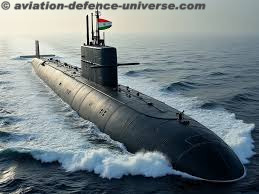 On the growing role of smaller platforms, he noted, “Lethality from micro-platforms is scaling macro-effectiveness. Addressing the complexity of the maritime environment, he remarked, “The interconnected maritime grid is witnessing enhanced military activity by states as well as non-state actors, complicating attribution of origin, intent and responsibility.”
Outlining the Navy’s operational approach, he said, “The future fleet will not be defined by platforms alone, but by the effects it can generate in an integrated manner. On self-reliance and capability development, he emphasised, “Our commitment to Aatmanirbharta ensures strategic autonomy and effective cross-domain integration through sovereign capabilities.” Discussing operational readiness, he highlighted, “Our exercises entail multi-domain operations under realistic conditions, integrating conventional, cyber and information dimensions.”
 On doctrinal evolution, he stated, “Our doctrine, strategies, and operational concepts are under continuous refinement.” Stressing the importance of human judgement, he said, “No algorithm can replicate the judgement, the instinct, and resilience of a well-trained sailor.” Concluding his address, he affirmed, “For the Indian Navy, multi-domain operations are intrinsic to our ethos to build a combat-ready, credible, cohesive, and future-ready force.”
Admiral Dinesh Kumar Tripathi’s address at Ran Samwad 2026 reiterated the Indian Navy’s transition toward a fully integrated, technology-driven warfighting model. His emphasis on speed, scale, simultaneity, and the human element highlighted a balanced approach to future warfare. As maritime security challenges grow increasingly complex and interconnected, the Indian Navy’s focus on multi-domain integration, indigenous capability development, and doctrinal evolution positions it to effectively safeguard national interests and remain future-ready in an evolving global security environment.













































































-A4-Size-(2)_page-0001.jpg)