

















- US–Iran Talks End Without Deal, Vance Says “Bad News for Iran”
- Vance: Iran Rejects US Terms as Islamabad Talks Collapse
- After 21 Hours of Talks, US Leaves Islamabad Without Agreement
- Nuclear Commitments Remain Sticking Point as Talks Fail: Vance
By Sangeeta Saxena
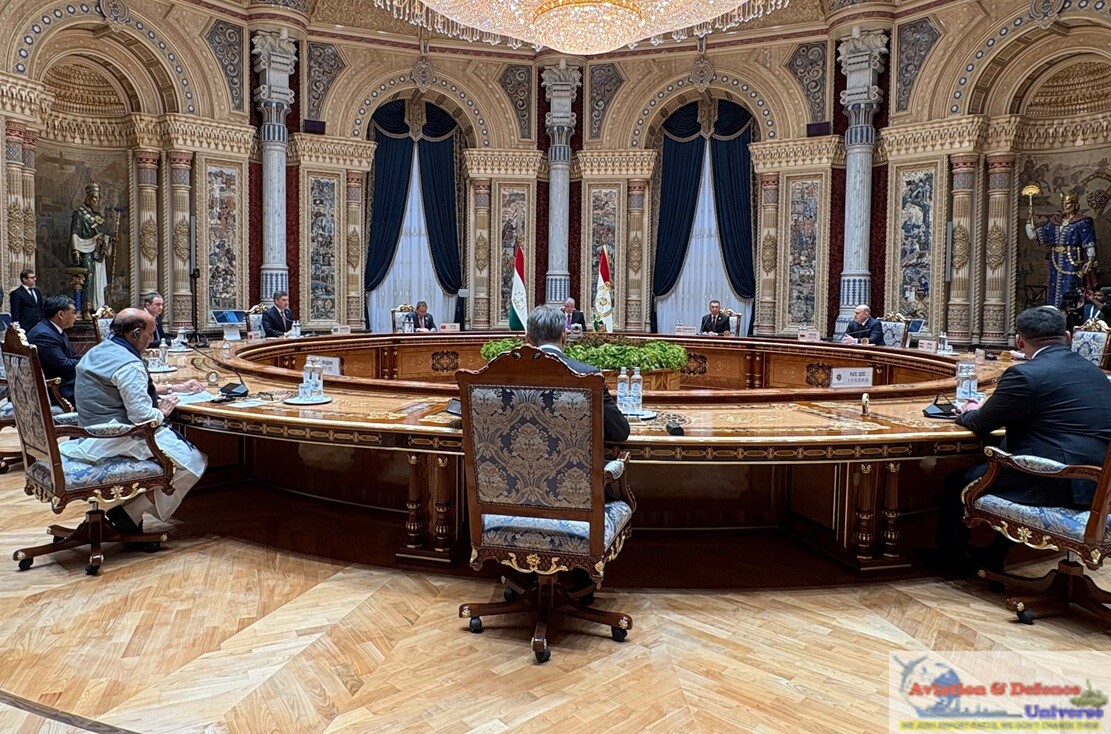
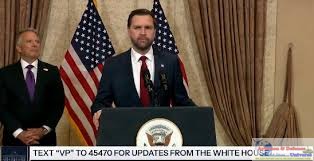
New Delhi. 12 April 2026. The United States confirmed the failure of high-stakes negotiations with Iran as Vice President JD Vance addressed the media following the conclusion of the Islamabad Talks. After nearly 21 hours of intensive discussions mediated by Pakistan, the two sides failed to reach an agreement, leaving the fragile ceasefire without a broader political framework.
He confirmed the outcome of the talks, saying, “We have been at it now for 21 hours… we’ve had a number of substantive discussions with the Iranians. That’s the good news. The bad news is that we have not reached an agreement.” Taking a firm position, he added, “I think that’s bad news for Iran much more than it’s bad news for the United States of America.”
The Vice President emphasised that the United States had clearly outlined its negotiating position, stating, “We’ve made very clear what our red lines are, what things we’re willing to accommodate them on, and what things we’re not willing to accommodate them on… and they have chosen not to accept our terms.”
At the core of the disagreement, Vance highlighted concerns over Iran’s nuclear ambitions. He said, “The simple fact is that we need to see an affirmative commitment that they will not seek a nuclear weapon and they will not seek the tools that would enable them to quickly achieve a nuclear weapon.”
He further clarified the long-term nature of US expectations, stating, “Do we see a fundamental commitment not just now, not just two years from now, but for the long term? We haven’t seen that yet. We hope that we will.”
When asked about broader issues such as frozen assets and frameworks for future negotiations, Vance noted that multiple topics were discussed but without progress: “We talked about all those issues but we just could not get to a situation where the Iranians were willing to accept our terms.”
He stressed that the US delegation had negotiated in good faith, stating, “The president told us you need to come here in good faith and make your best effort to get a deal. We did that unfortunately we weren’t able to make any headway.”
On coordination with Washington, Vance confirmed continuous engagement with President Donald Trump and the national security team, saying, “We were talking to the president consistently… a half dozen times, a dozen times over the past 21 hours we were constantly in communication.” He concluded by reiterating that the United States has placed its final offer on the table, stating, “We leave here with a very simple proposal… our final and best offer. We’ll see if the Iranians accept it.”
The statement by Vice President JD Vance put forth the deep divisions that continue to define US–Iran relations, particularly over nuclear commitments and long-term strategic assurances. While the talks marked a rare high-level engagement between the two countries, the absence of an agreement highlights the complexity of reaching a durable settlement. With the United States maintaining a firm stance and leaving its “final offer” on the table, the next phase of the crisis will depend on whether diplomatic channels can be revived—or whether tensions escalate further in an already volatile region.















































































-A4-Size-(2)_page-0001.jpg)