














- From Strategy to Cognitive Warfare: Defines New War Paradigm
- Every Soldier a Drone Pilot : Signals Shift in Future Combat Doctrine
- Preparing for Future Wars: Emphasises Multi-Domain Integration and Adaptability
By Sangeeta Saxena
New Delhi. 09 April 2026. As the character of warfare undergoes a fundamental transformation, armed forces across the world are shifting from platform-centric operations to Multi-Domain Operations (MDO)—an integrated approach that synchronises capabilities across land, air, sea, cyber, space, and the cognitive domain. MDO recognises that future conflicts will not be fought sequentially or within isolated domains, but through simultaneous, interconnected actions designed to create multiple dilemmas for the adversary. For the Indian Armed Forces, this shift is both necessary and urgent, given the complexity of its security environment, the possibility of multi-front contingencies, and the increasing role of emerging technologies such as artificial intelligence, autonomous systems, and networked warfare.
India’s approach to MDO is gradually taking shape, driven by theatre command reforms, civil-military fusion, and increased collaboration with industry and academia. While India can draw lessons from global models, its implementation must remain tailored to its unique operational realities—ranging from diverse terrain and contested borders to technological asymmetries and resource constraints. The emphasis, therefore, lies in developing a customised, indigenous MDO framework that combines global best practices with India’s strategic needs, ensuring faster decision-making, seamless integration, and enhanced operational effectiveness in future conflicts.
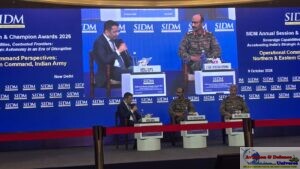
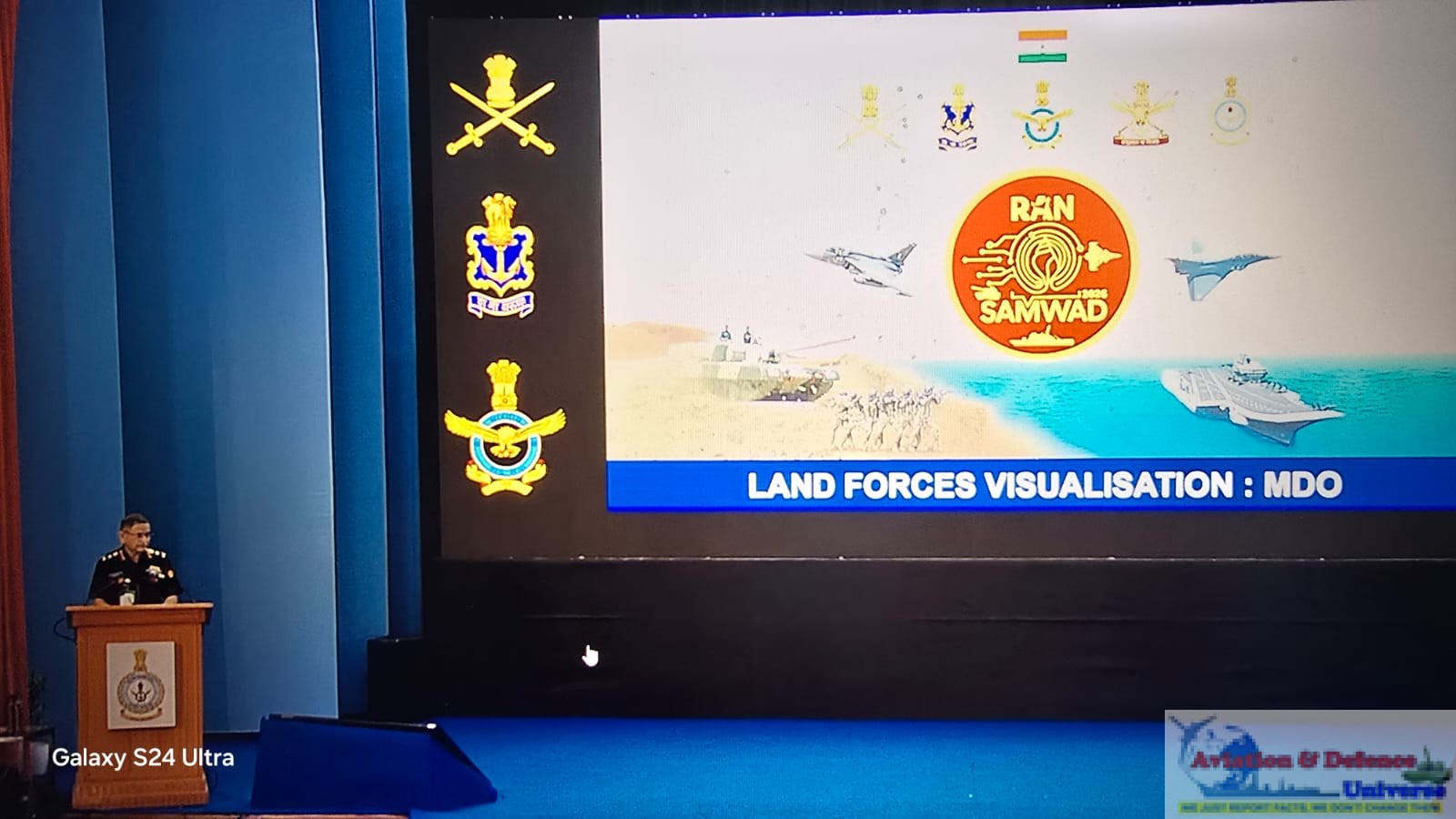
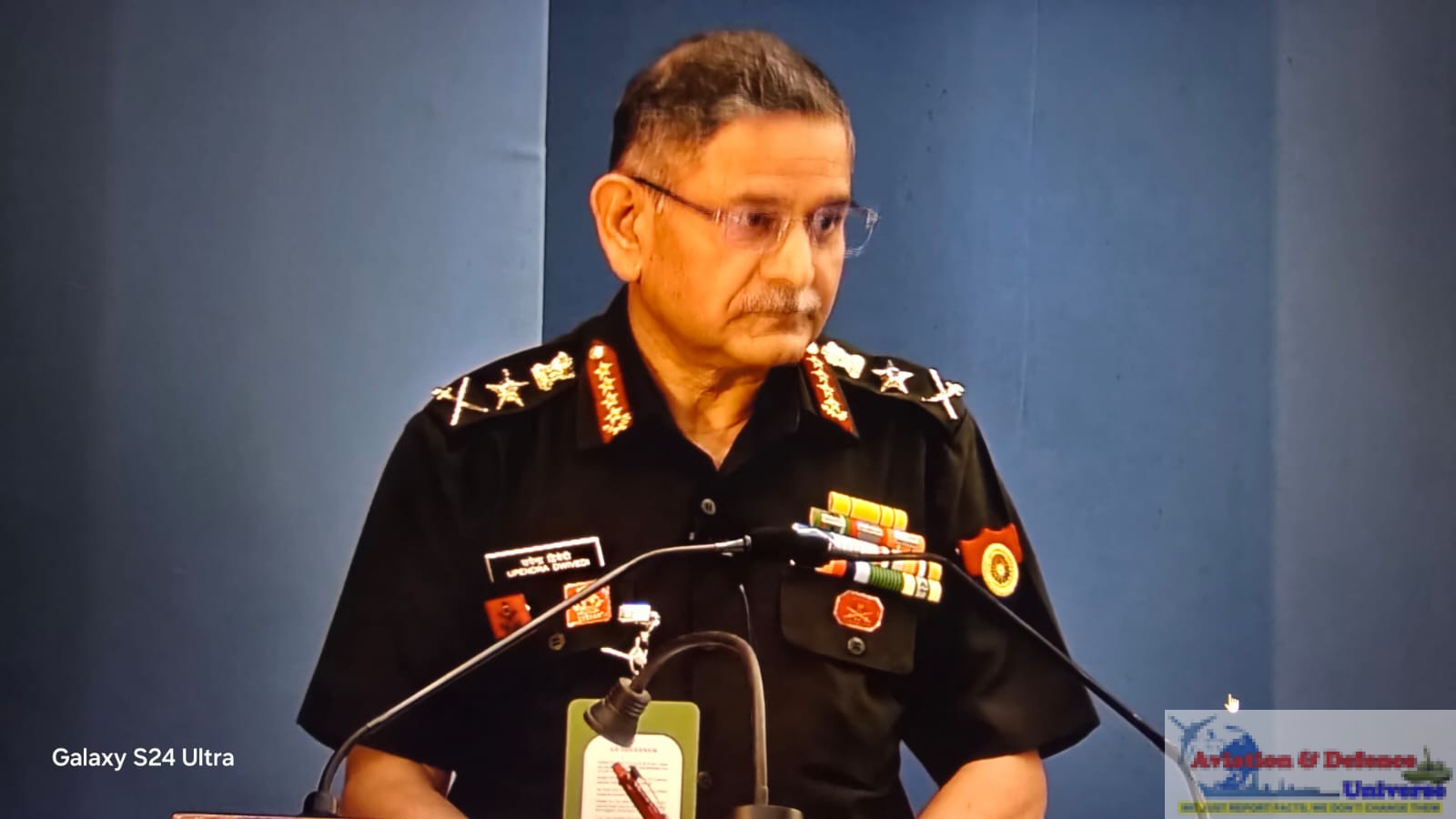 At a time when warfare is undergoing a profound transformation, General Upendra Dwivedi delivered a forward-looking address at Ran Samwad 2026, outlining how the Indian Army is preparing for future conflicts across multiple domains. His speech reflected a decisive shift from conventional force structures to a more integrated, technology-driven, and adaptive warfighting approach—anchored in jointness, civil-military fusion, and cognitive dominance. Multi-Domain Operations (MDO) emerged as the central theme of this year’s Ran Samvad, reflecting the Indian Armed Forces’ evolving approach to future warfare. The discussions put forth that conflicts are no longer confined to traditional battlefields but span across land, air, sea, cyber, space, and the cognitive domain, requiring seamless integration of capabilities. Ran Samvad 2026 is highlighting how jointness, technological integration, and civil-military fusion are critical to operationalising MDO in the Indian context. From drone warfare and artificial intelligence to information operations and decision-making frameworks, the dialogue focused on building a force that can operate simultaneously across domains, compress decision cycles, and maintain strategic advantage in an increasingly complex and fast-paced security environment.
Globally, leading militaries have already begun institutionalising MDO frameworks. The United States Army’s Multi-Domain Operations doctrine focuses on integrated joint force capabilities, rapid decision cycles, and cross-domain synergy to penetrate and disintegrate adversary systems. Similarly, China’s concept of “Intelligentised Warfare” emphasises the fusion of AI, cyber, space, and electronic warfare to achieve information dominance. Russia, on the other hand, has operationalised elements of MDO through its hybrid warfare model, blending conventional operations with cyber, information, and psychological warfare. NATO’s evolving doctrines also stress jointness, interoperability, and resilience across domains.
Addressing senior military leaders, strategists, and scholars, General Upendra Dwivedi emphasised that modern warfare demands openness in thinking and preparation, even on sensitive issues. He stated, “Even those issues which are being considered as taboo not to be discussed, those are being discussed so that the awareness is there because the nuclear is a reality along our both borders.” Highlighting the importance of continuous preparedness, he noted that the Army is actively engaging in war gaming and scenario planning, “In all our war games… we have been discussing this operation… looking at the offensive as well as the defensive plans and how are we required to take actions which are force preservation, force protection and even force orchestration.” He remarked, “This is about the cognitive domain NDMA and information broadcasting ministry joined hand during Covid 19, which were supposed to be most successful campaigns.” Drawing lessons from recent operations, he added, “We have learnt the lessons those mini rehearsals have been carried out at various stages so that in a future kind of action it will be more convergent.”
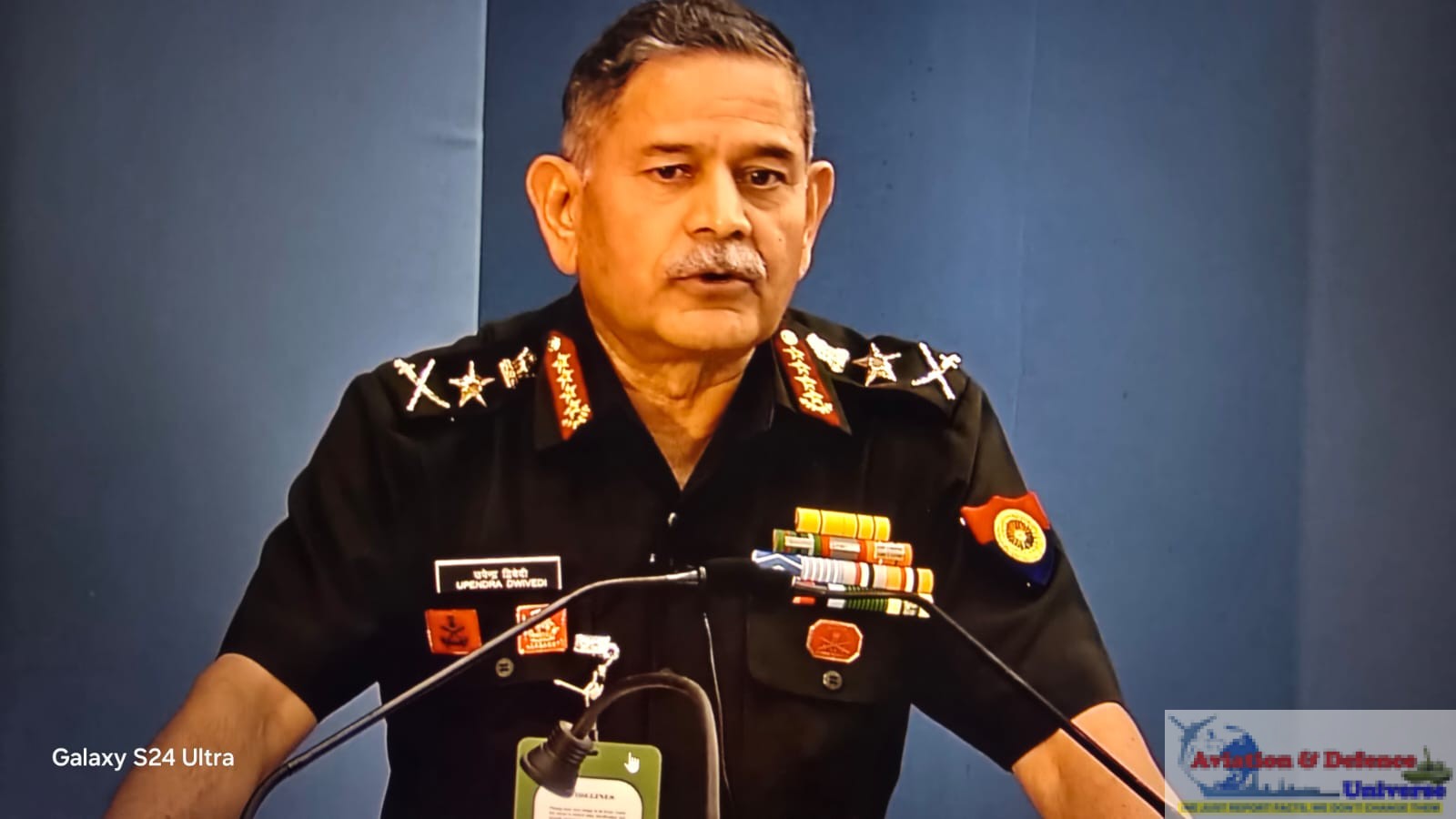 On emerging technologies, particularly drones, the Army Chief outlined a transformative vision, ” As far as today we are looking at approximately 15 regiments and about 34 batteries and of course 286 Ashni platoons, Seema platoons separately, then so on so forth. What is relevant today that the call sign which has been given is eagle on the arm. Every soldier should be able to fly a drone depending on what technology comes to us. If you see about three days back, we have the Indian Army released a book where all kinds of aspirations have been given out to the industry so that industry knows about it.” The Indian Army is raising a new platoon named ASHNI, dedicated to drone operations. The unit will field surveillance, loitering, medical delivery, and FPV drones. This will be enhancing tactical mobility and situational awareness on the battlefield.
On leadership and decision-making, he emphasised decentralisation and teamwork in modern operations, the Chief proclaimed, “One commander may not be able to give the decision of every OODA loop, there will be a team of people who will be fighting various OODA loops.” Discussing operational art, he provided a nuanced perspective, “The planning process starts with the regressive analysis the end state has to be identified first.” He further clarified his doctrinal stance, “Operational art can be made up at the strategic level, at the operational level and at the tactical level. I belong to the second school of thought.” General Dwivedi emphasised that preparing for war today goes beyond traditional force readiness. It involves continuous war gaming, scenario-based planning, and integration across domains—land, air, cyber, space, and cognitive. The focus is not just on offensive capabilities but also on force preservation, protection, and orchestration. Importantly, preparation now includes addressing previously avoided or sensitive topics, ensuring that military leadership is equipped to deal with complex realities such as nuclear deterrence and hybrid warfare. On civil-military integration, he highlighted ongoing collaboration, “Academia, industry, policy makers and the bureaucrats, everybody is joining hands as far as the MDO is concerned.”
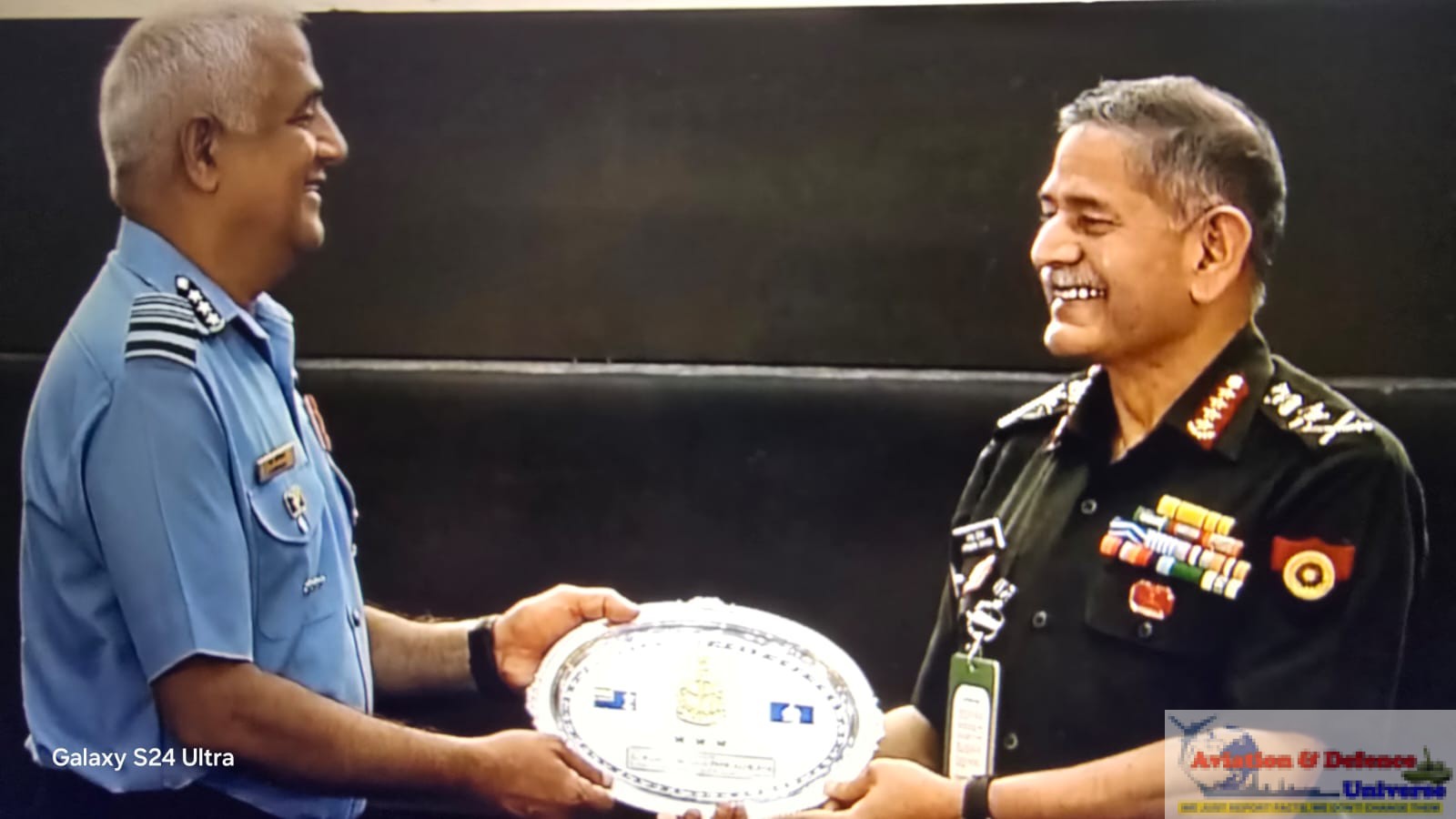 General Upendra Dwivedi’s address at Ran Samwad 2026 reiterated a transformative shift in India’s military thinking—from platform-centric warfare to networked, multi-domain operations driven by technology and adaptability. His emphasis on cognitive warfare, drone integration, civil-military fusion, and decentralised decision-making reflects a forward-looking doctrine aligned with emerging global conflict trends. As warfare becomes faster, more complex, and increasingly technology-driven, the Indian Army’s focus on innovation, integration, and preparedness positions it to meet future challenges with resilience and strategic clarity.











































































-A4-Size-(2)_page-0001.jpg)