













- Beyond the Cantonment: Witnessing Army Day Live on Jaipur’s Streets
- The People’s Parade: Through a Citizen’s Eyes From Salute to Spectacle
- When the Army Marched into the Heart of Jaipur: A First-Person View from Mahal Road
By Sangeeta Saxena
Mahal Road, Jaipur. 15 January 2026. Standing on Mahal Road in Jaipur, watching the 78th Indian Army Day Parade unfold live before my eyes, I was acutely aware that I was witnessing a moment of history. This was not just another ceremonial parade—it was the first time Army Day was being celebrated in the heart of a civilian city, outside a cantonment, and the atmosphere reflected that significance. The road, stretching from Akshay Patra Circle to Bombay Hospital, had been transformed into a living stage where the Army met the people face to face.
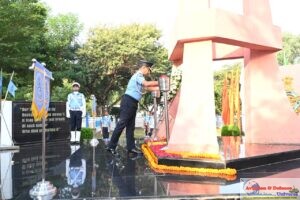
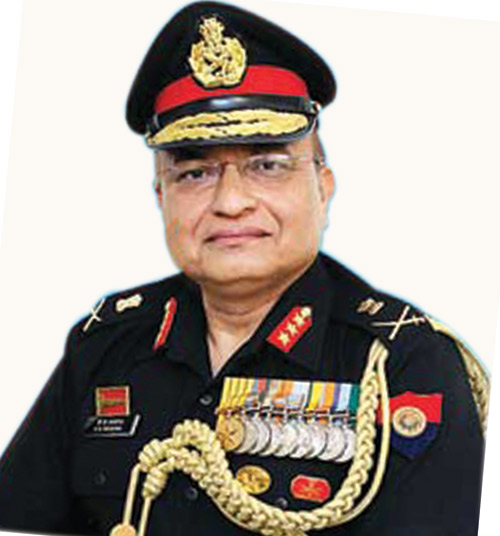
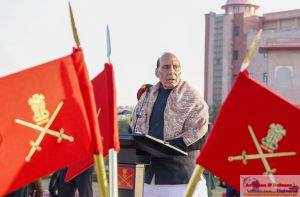
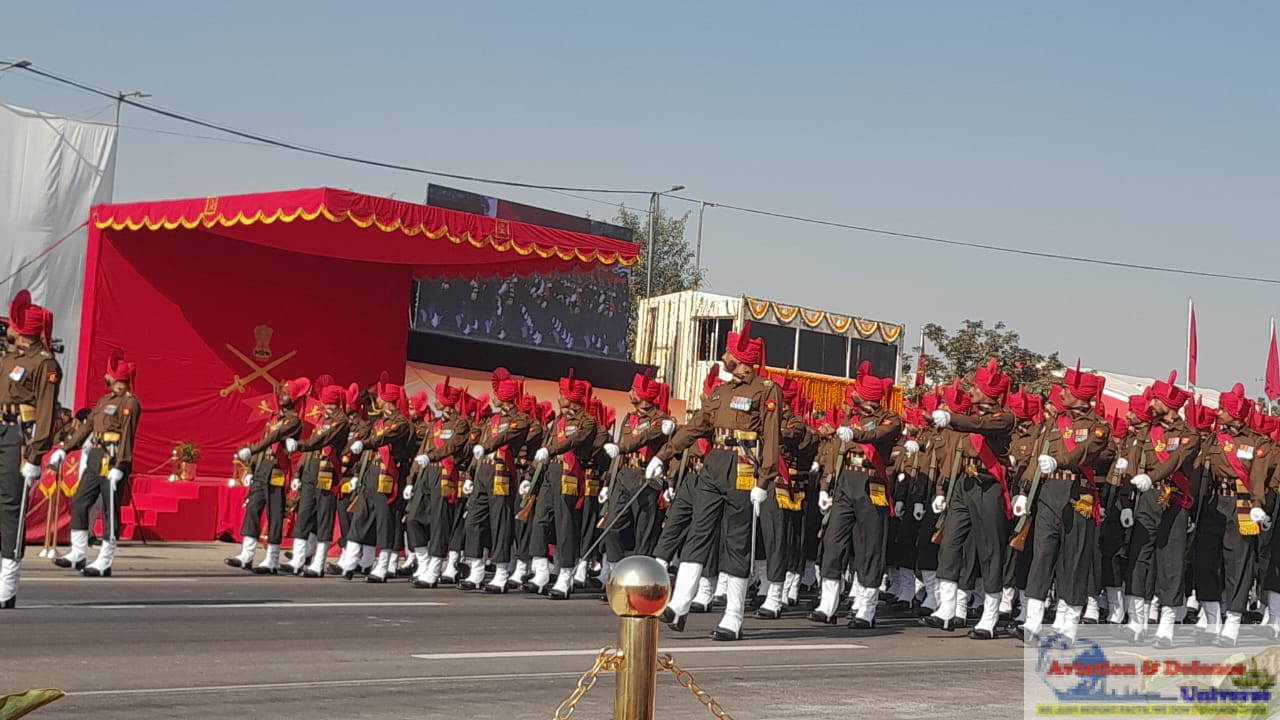 The day began on a solemn note with the wreath-laying ceremony at Prerna Sthal, honouring soldiers who made the supreme sacrifice. As the tribute was paid by the Chief of Defence Staff and the Chiefs of the three services, the mood among the spectators was one of quiet reverence. That sense of respect stayed with the crowd as the parade formally commenced and the Chief of the Army Staff, as the Reviewing Officer, took the salute.
What struck me immediately was the scale of public participation. The stands were filled to capacity, pavements overflowed with spectators, and more than a lakh people lined Mahal Road—families, veterans, students, and children—cheering with genuine pride. It was a rare sight: an Army parade unfolding not behind cantonment gates, but amid everyday city life, reinforcing the deep trust between the Army and the people.
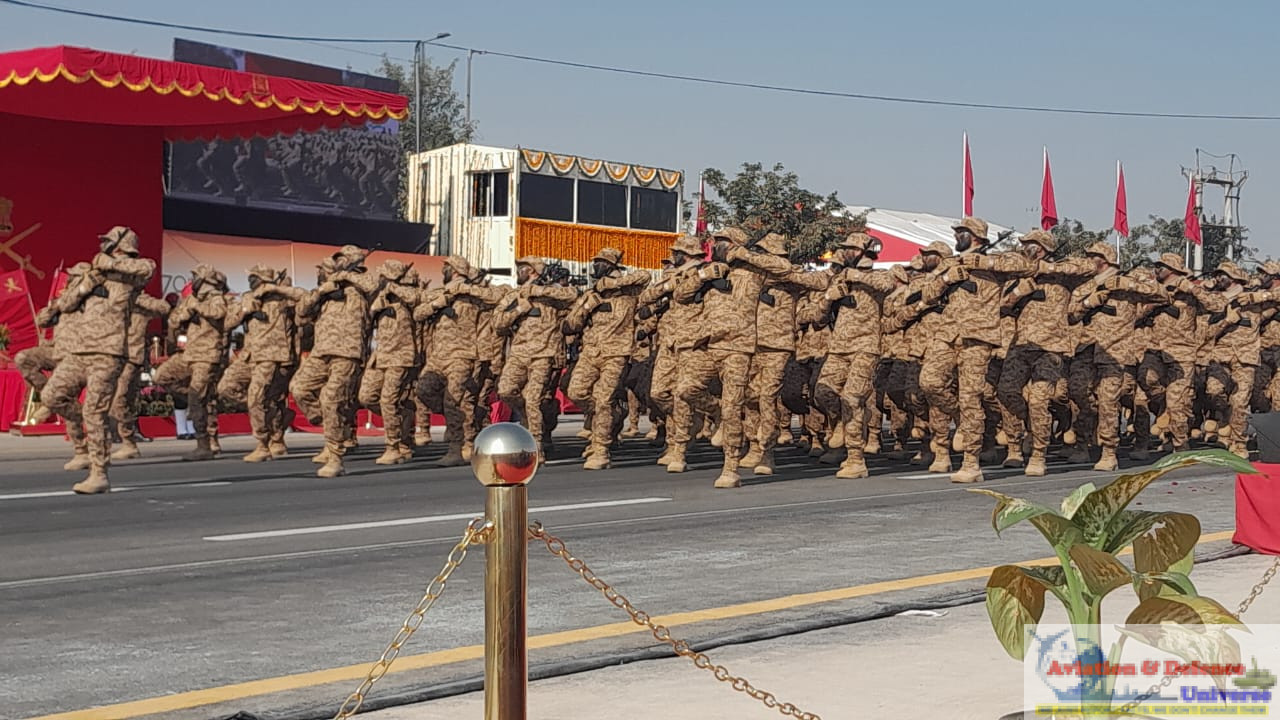
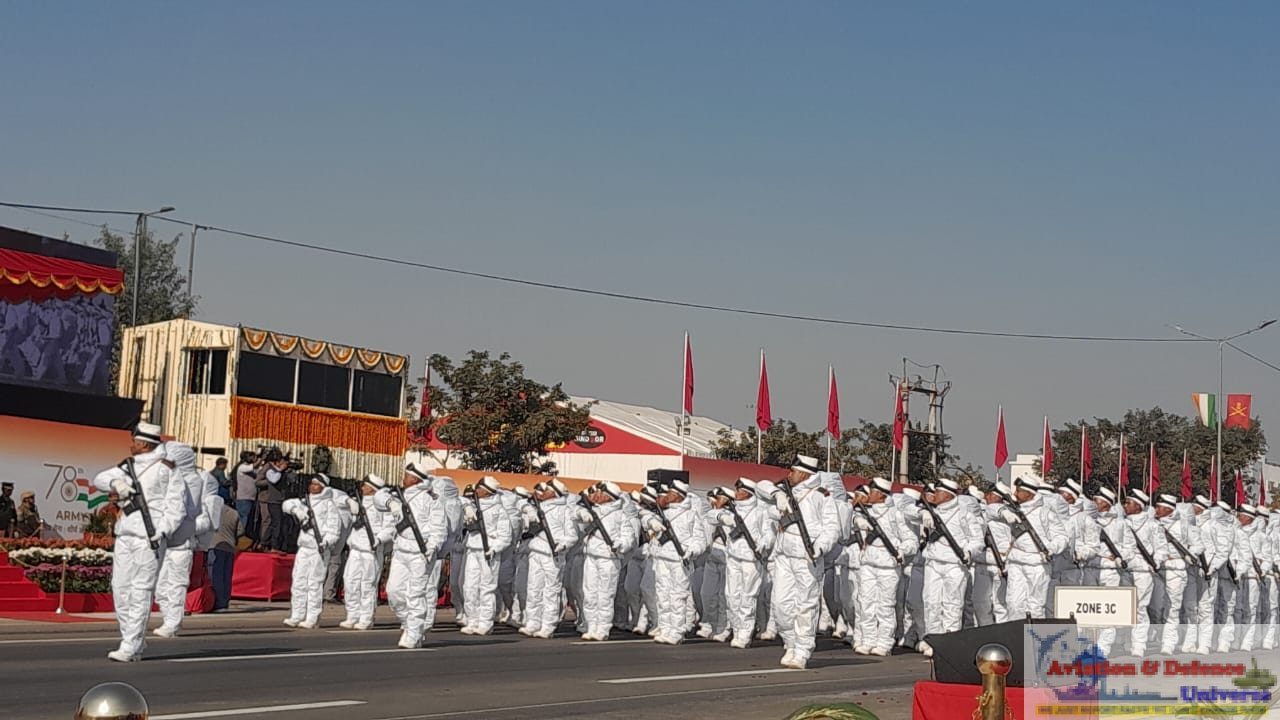
 The march-past was crisp and impressive. Seven distinguished marching contingents representing regimental centres such as MADRAS, RAJPUT, Artillery, Scouts and NCC girls moved past with impeccable drill. A defining highlight was the first-ever appearance of Bhairav Battalion contingents from RAJRIF and SIKH LI. Watching them march, it was evident that these units symbolised a new, sharper Army—lean, agile and designed for rapid, high-impact operations. Their presence conveyed a clear message: the Army is evolving to fight smarter and strike faster.
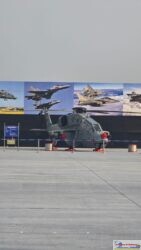
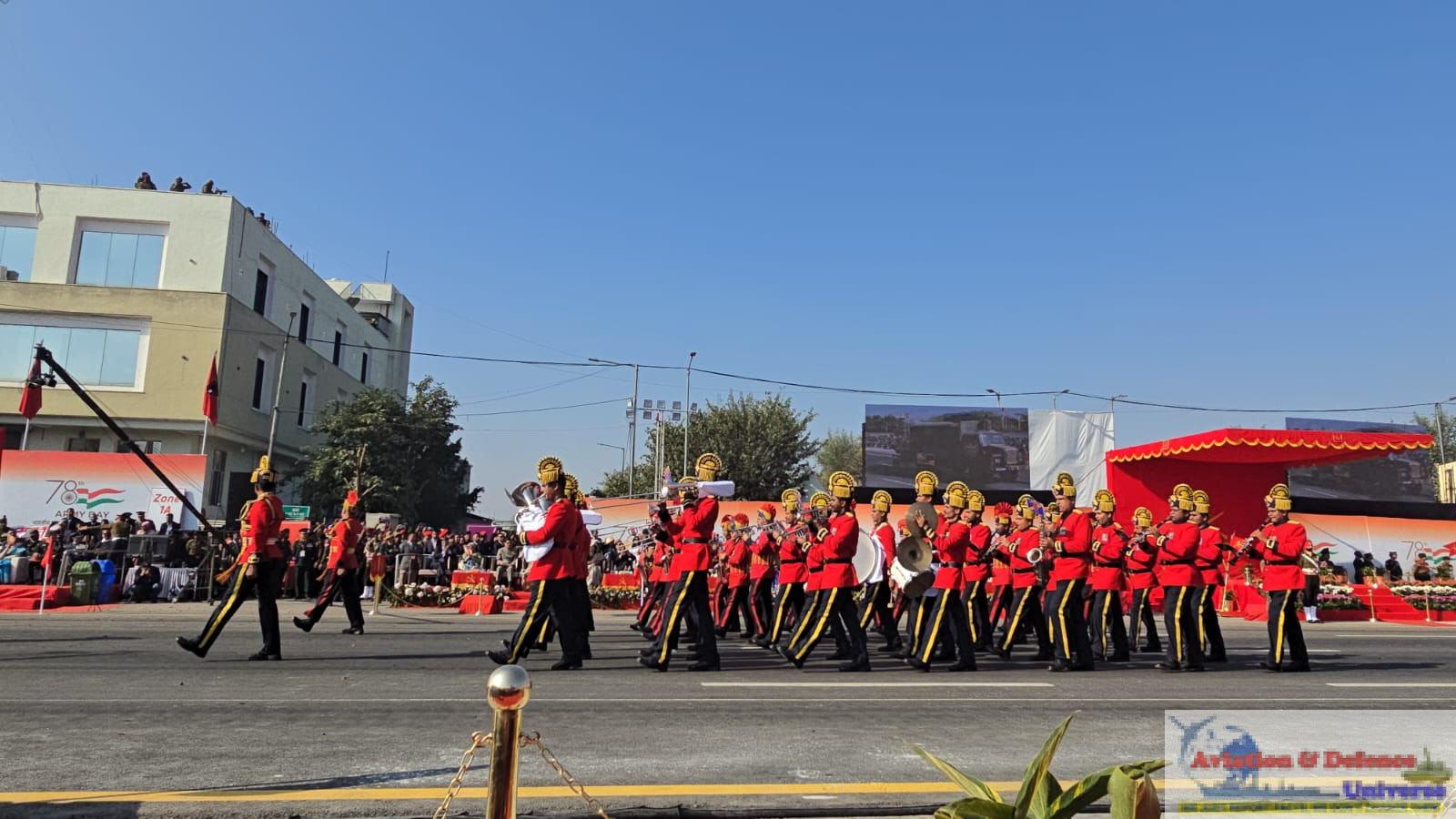 The aerial dimension added to the spectacle as Army helicopters—including LCH, ALH, WSI and Apache—roared overhead, drawing spontaneous applause. Equally moving was the participation of the Nepal Army Band, whose music echoed the shared military traditions and enduring friendship between the two armies. Seven Indian military bands followed, filling the parade route with rhythm and ceremony.
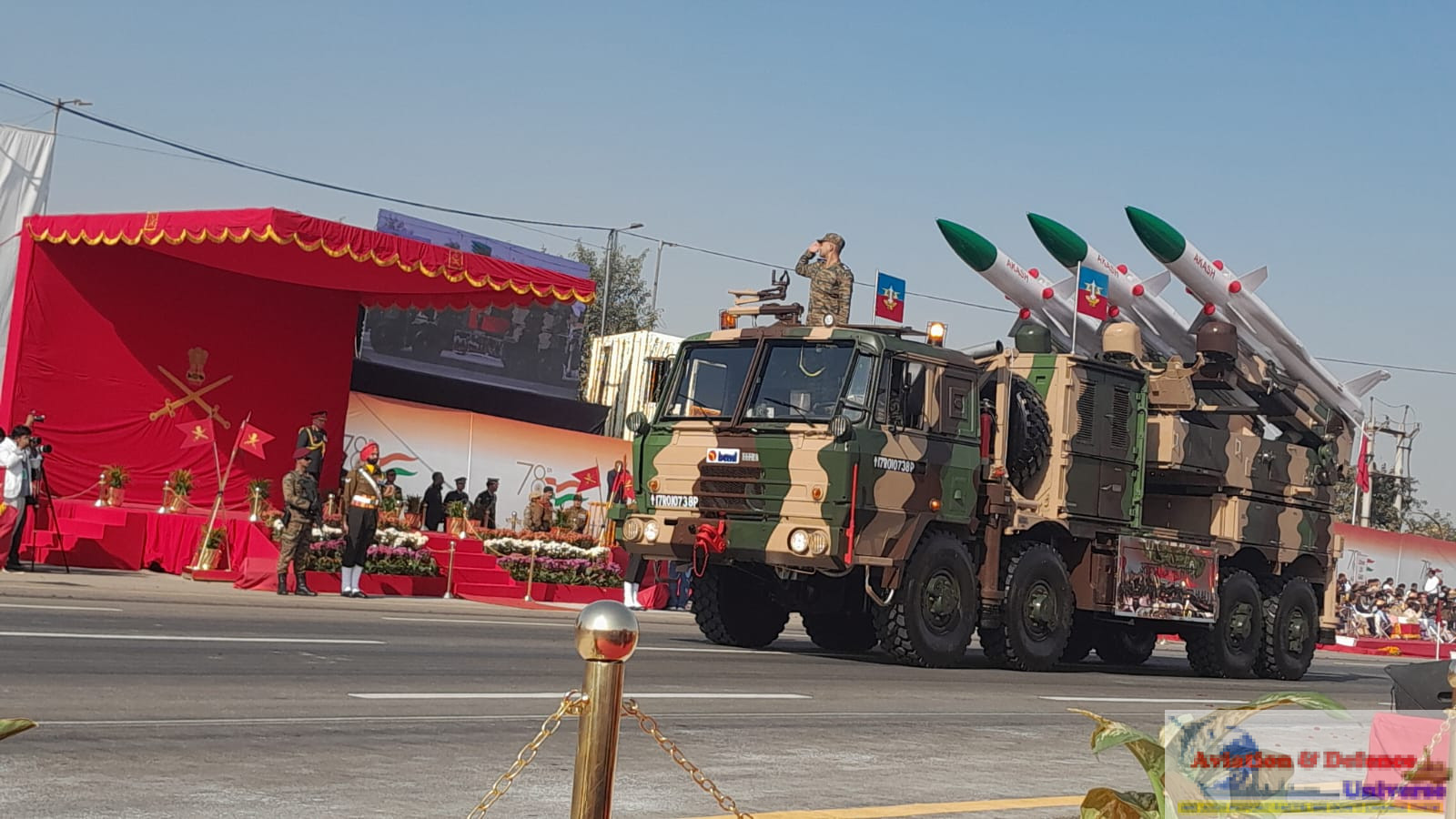
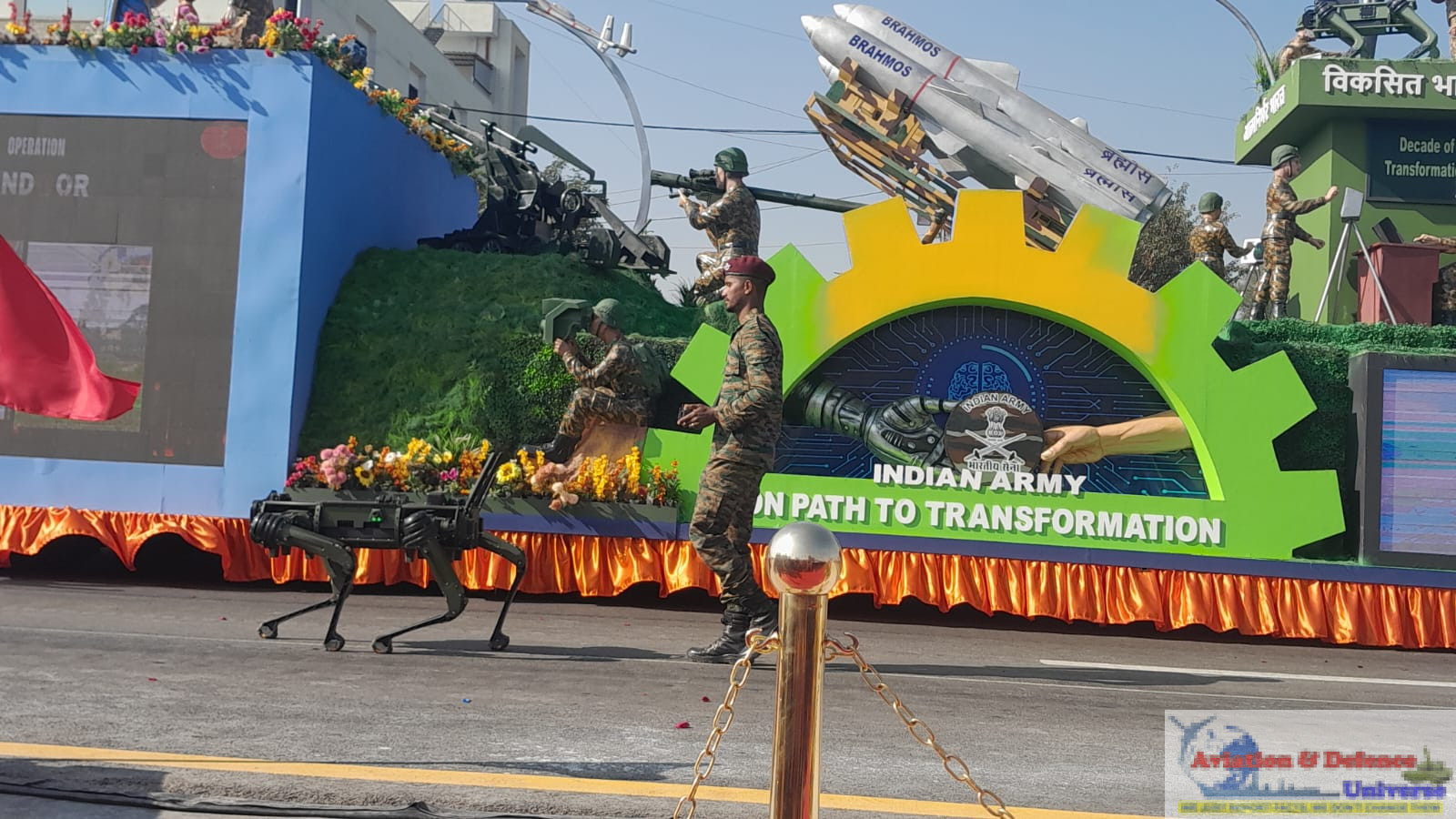
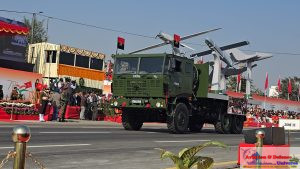
The most awe-inspiring segment for many of us was the display of equipment and technology. Heavy armour such as T-90s, Arjun tanks and BMP-2s rolled past, followed by formidable artillery and rocket systems including Pinaka, Smerch, K-9 Vajra, ATAGS and Dhanush. Air-defence systems, robotic mules, all-terrain vehicles, missile launchers, and an impressive array of drones and counter-UAS systems highlighted how technology now defines the modern battlefield. Seeing weapon systems used in Operation Sindoor showcased in a public setting brought home the Army’s operational readiness and indigenous capability.
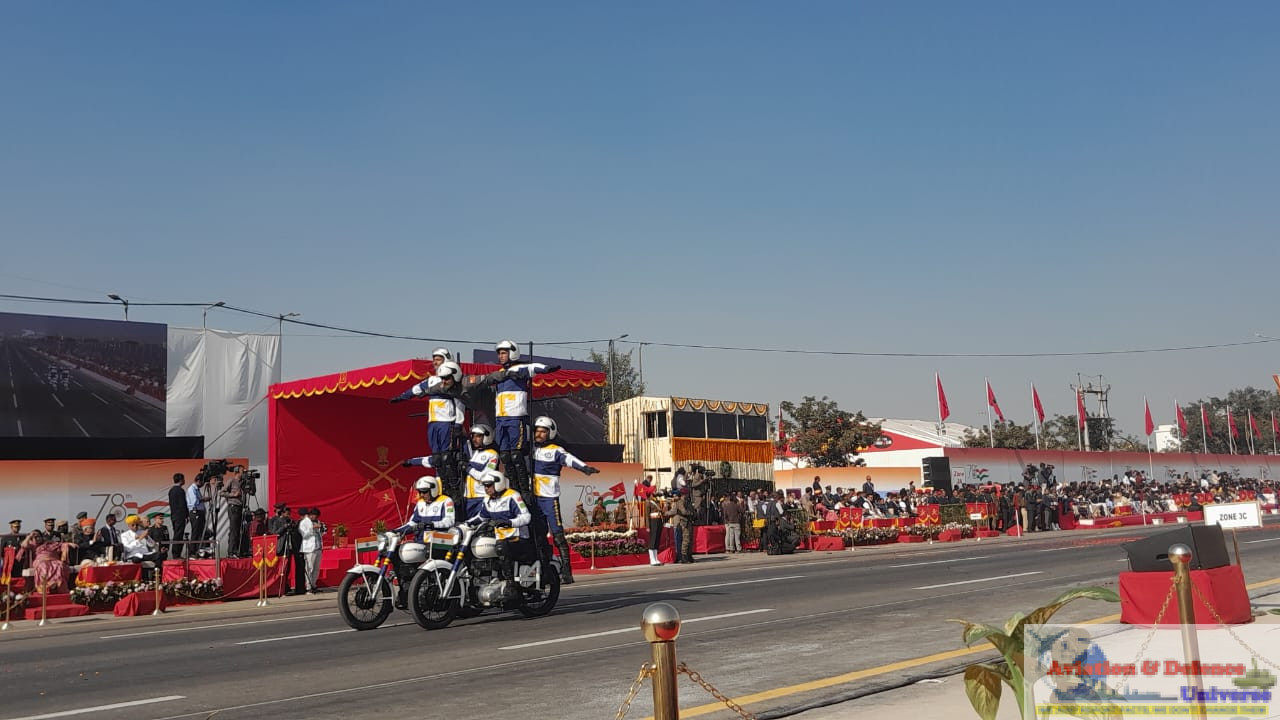 The Motorcycle Display drew thunderous applause as riders executed precision formations, while the Army Canine Display reminded everyone of the silent but critical role animals play in military operations. Thematic tableaus on Operation Sindoor and the Army’s Decade of Transformation added narrative depth, while a cultural tableau from Rajasthan celebrated local heritage. Folk dances like Kalbelia and Gair, along with the Chenda performance by the MADRAS Regiment, infused colour and regional pride into the military pageantry.
 Listening to the Chief of the Army Staff address the gathering later, the emphasis on transformation, self-reliance, technology, and the centrality of the soldier resonated strongly—especially after having just seen those ideas manifested on the road. The message was clear: technology is meant to empower the soldier, not replace him.
As the parade concluded, there was a shared sense among the crowd that this Army Day was different. By bringing the celebration into a civilian space, the Army had reinforced that it is not a force apart, but a force of the people. Watching it live from Mahal Road, amid cheering citizens and marching soldiers, I felt that the parade was as much about national unity as it was about military strength—a powerful reminder of why the Indian Army continues to command such deep respect across the country.
 As the final formations passed and the echoes of marching boots faded from Mahal Road, what lingered was a profound sense of connection. This Army Day parade was not merely a display of strength or technology; it was a statement of trust between the Indian Army and the nation. By bringing the celebration into a civilian space, the Army reaffirmed that it draws its greatest strength from the people themselves. Watching it unfold live, I came away convinced that the parade marked more than an anniversary—it marked a renewed bond, where discipline met admiration and national security felt shared, visible and deeply personal.











































































-A4-Size-(2)_page-0001.jpg)