















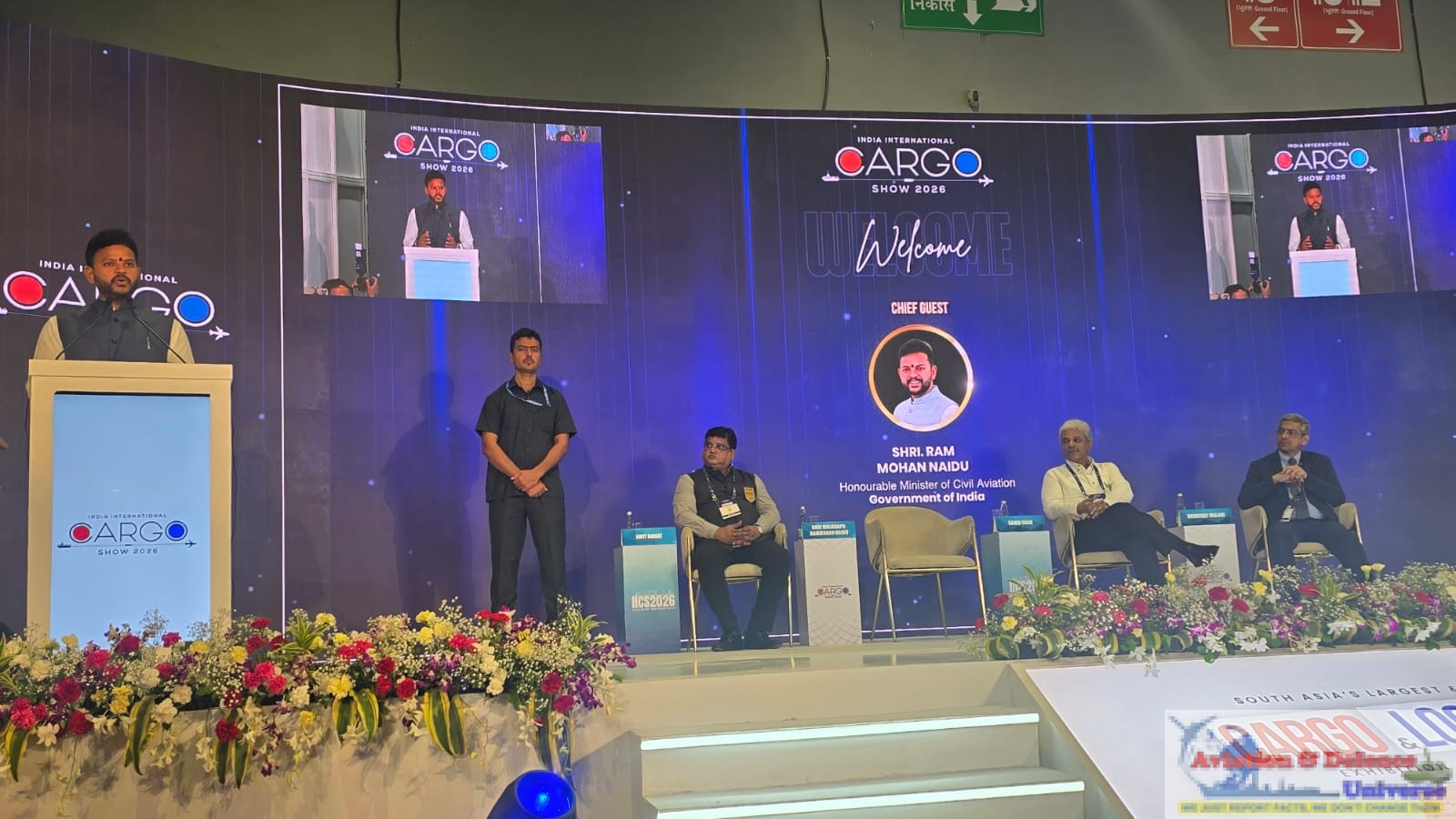
- He Unveiled Vision for India as a Global Logistics and Air Cargo Hub
- India International Cargo Show 2026 Opens with Call for Faster, Smarter and Integrated Logistics
- Logistics Sector Seeks Reforms, Collaboration and Infrastructure Push at India International Cargo Show
By Sangeeta Saxena
New Delhi. 04 June 2026. In an era where supply chains are increasingly shaping economic power and geopolitical influence, India’s logistics sector is emerging as a strategic enabler of national growth. This sentiment resonated throughout the inaugural session of the India International Cargo Show 2026 at Bharat Mandapam, New Delhi, where industry associations and government leaders joined forces to discuss reforms, infrastructure expansion and air cargo development aimed at transforming India into a globally competitive logistics hub.
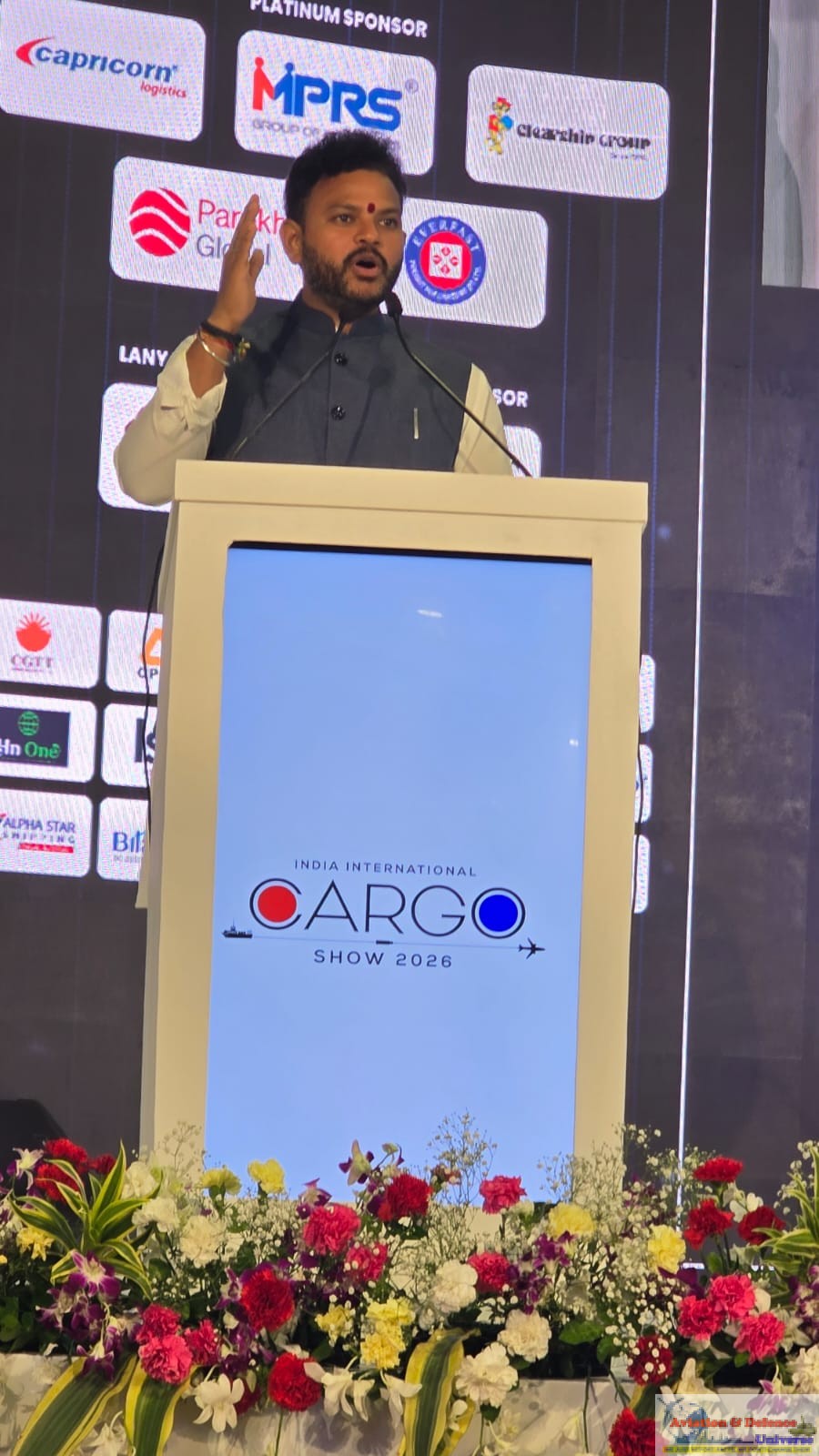 Delivering the inaugural address, Civil Aviation Minister Ram Mohan Naidu outlined the government’s vision of transforming India into both a global manufacturing hub and a global logistics hub. He noted that India’s logistics costs have reduced significantly and that the country’s ranking in the World Bank’s Logistics Performance Index has improved from 44th to 22nd position. He also highlighted India’s record exports of USD 863 billion in the last financial year despite global economic uncertainties.
The Minister credited initiatives such as PM Gati Shakti, the National Logistics Policy, GST, the E-Way Bill, and the Unified Logistics Interface Platform (ULIP) for fostering integration across transport modes and improving logistics efficiency. He noted that over 300 Gati Shakti Cargo Terminals have been approved and that substantial freight handling capacity has been created across the country.
Highlighting the growing importance of air cargo, Naidu said India’s cargo handling capacity has reached approximately eight million metric tonnes, growing at over 10 percent annually. The government has set ambitious targets of increasing air cargo capacity to 10 million metric tonnes by 2030 and over 21 million metric tonnes by 2047.
The Minister also reiterated the strategic importance of India’s geographical location, positioning the country as a potential global transshipment hub connecting Asia, Europe, Australasia and the Americas. He stressed that India must leverage this advantage by aligning systems and processes with global standards to attract international cargo flows.
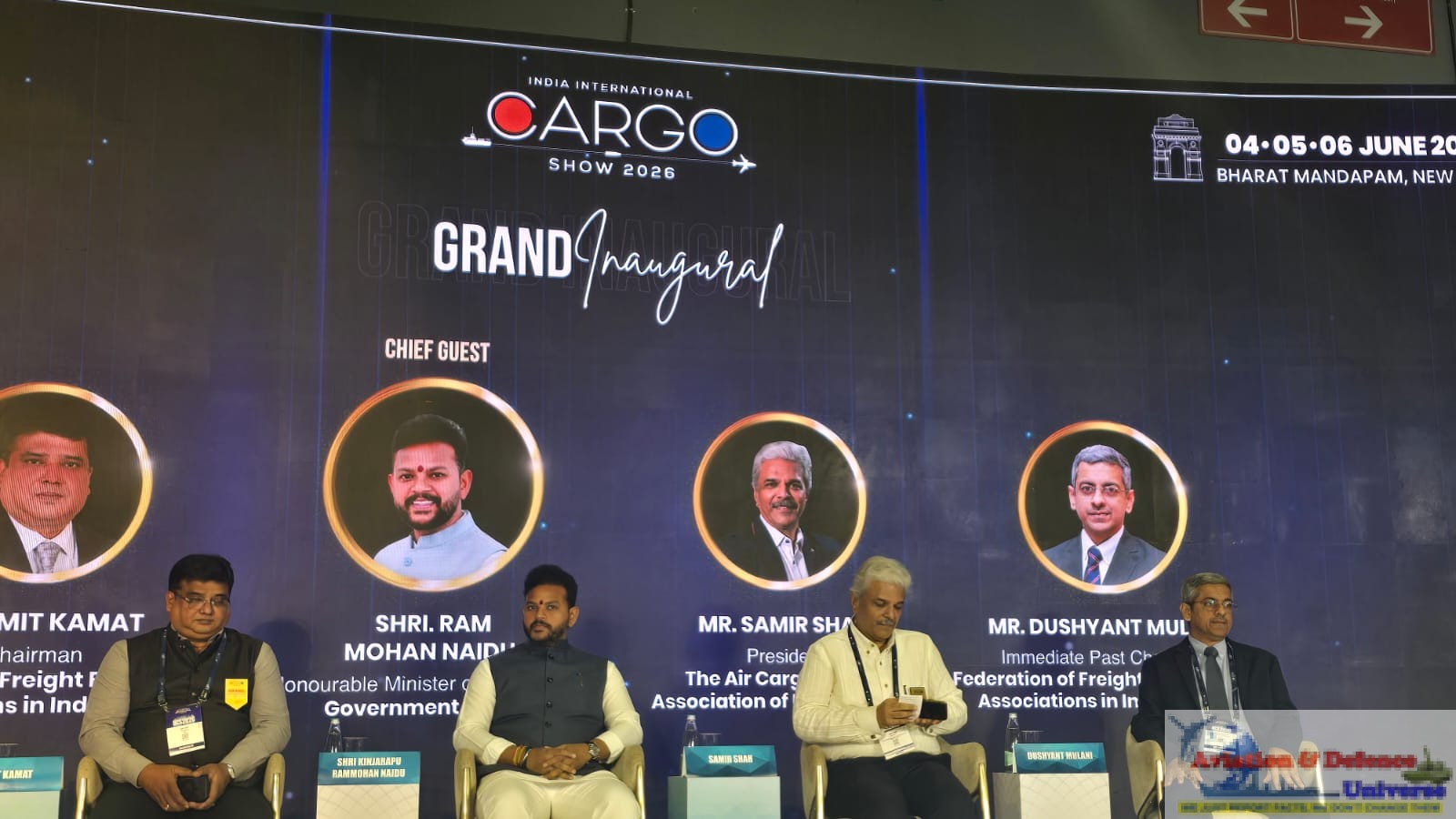 The inaugural session of the India International Cargo Show (IICS) 2026 at Bharat Mandapam brought together policymakers, logistics leaders, freight forwarders, air cargo operators and industry stakeholders to deliberate on the future of India’s logistics ecosystem. The event underscored the growing importance of integrated logistics, air cargo expansion, multimodal connectivity and policy reforms in supporting India’s ambition of becoming a global manufacturing and trade hub.
The session featured addresses by industry leaders including Sameer Shah, President of the Air Cargo Agents Association of India, Amit Kamat, Chairman of the Federation of Freight Forwarders’ Associations in India (FFFAI), and chief guest Kinjarapu Ram Mohan Naidu, Union Minister for Civil Aviation.
Opening the session, industry representatives highlighted the transformative impact of the National Logistics Policy launched in 2022 and stressed the need for stronger collaboration among customs authorities, terminal operators, airlines, shipping lines, freight forwarders and other stakeholders. They called for standardised timelines for import-export processes, a centralised escalation mechanism and wider adoption of digital technologies to improve efficiency and competitiveness.
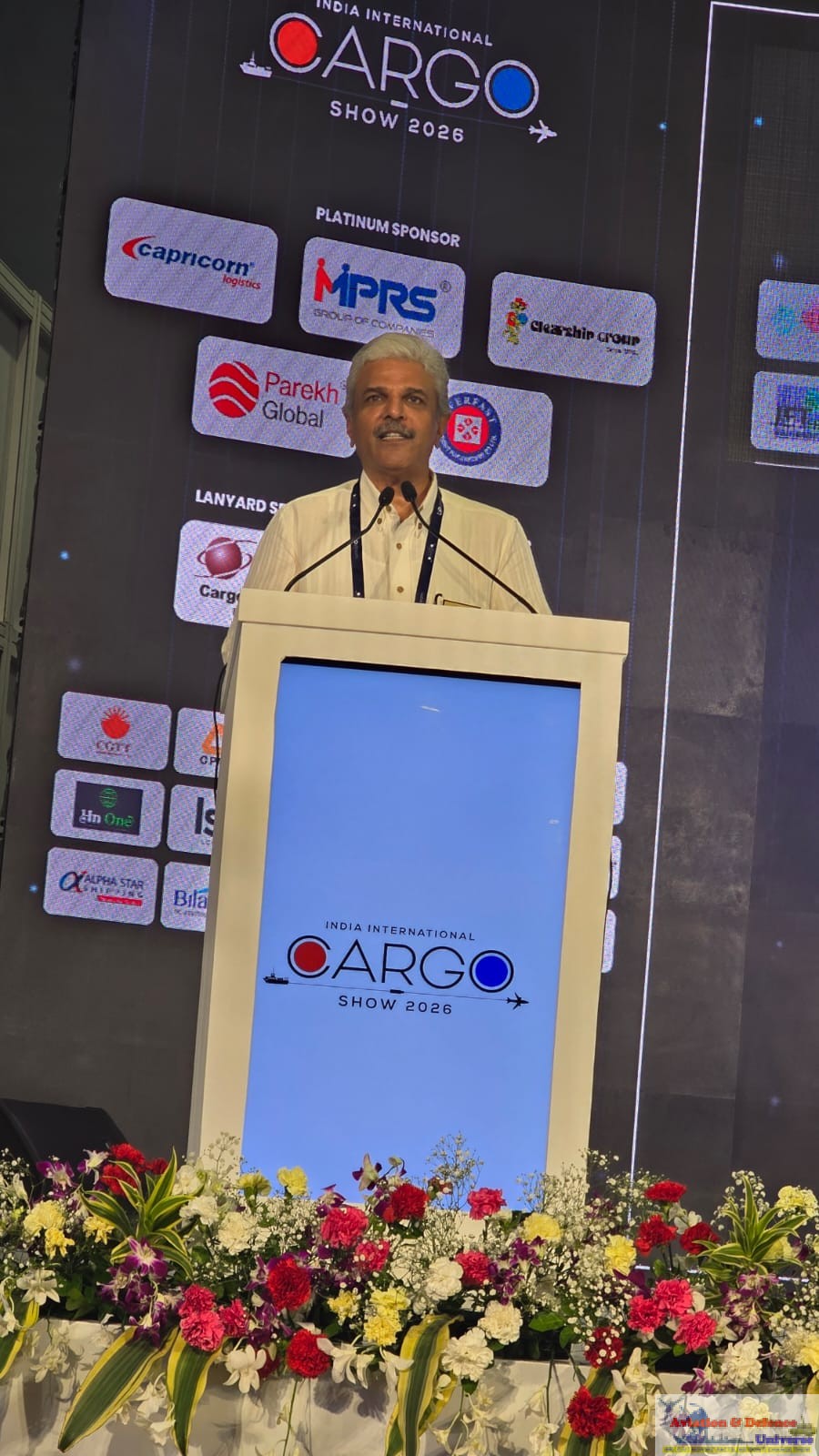 Speaking on behalf of the air cargo community, Sameer Shah noted that logistics has emerged as one of India’s largest employment-generating sectors and urged policymakers to dispel the perception that air cargo is prohibitively expensive. He advocated the development of additional air cargo hubs, smoother stakeholder coordination and expansion of customs-enabled cargo facilities across the country. Shah also highlighted the untapped potential of India becoming a major transshipment hub through integrated sea-air and air-sea cargo operations, particularly in light of evolving global trade dynamics.
He further pointed out that while India currently processes around 54,000 bills of entry and shipping bills daily, the country would need to nearly triple that figure to achieve its ambitions of becoming a global economic powerhouse.
FFFAI Chairman Amit Kamat described logistics as a strategic enabler of economic growth, trade competitiveness and industrial development. He highlighted ongoing investments in infrastructure, airport modernisation, dedicated freight corridors and multimodal logistics projects as key drivers of India’s transformation.
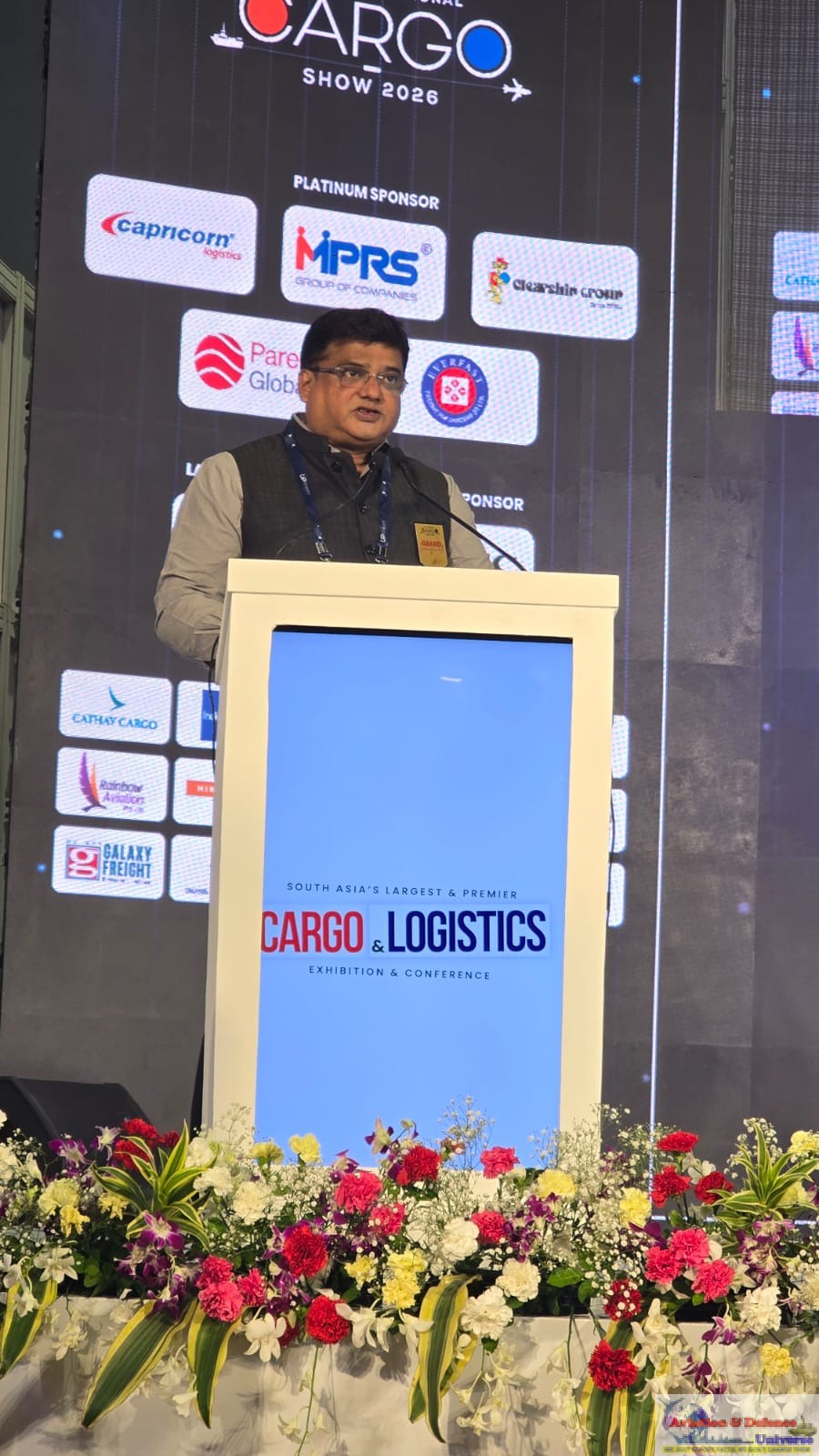 Kamat emphasised the need for stronger partnerships across the logistics value chain, greater multimodal integration and enhanced collaboration between industry and government to prepare India’s logistics ecosystem for growing trade volumes and increasingly complex global supply chains. He also called for the creation of multimodal logistics hubs capable of positioning India as a major transshipment centre.
Minister Naidu identified three key priorities for the sector – Increasing overall air cargo volumes, reducing dwell times at airports through process and policy reforms and lowering logistics costs to make air cargo more accessible to businesses of all sizes.To achieve these goals, he proposed extensive stakeholder consultations involving cargo operators, airlines, airport operators, customs authorities, security agencies and logistics providers. He also advocated stronger integration between air, road, rail and maritime logistics networks to create a seamless multimodal ecosystem.
He assured the industry of regular engagement with the Ministry of Civil Aviation and indicated that reforms to existing air freight station policies and other regulatory frameworks are under consideration to accelerate sector growth.
The inaugural session of the India International Cargo Show 2026 reflected a shared recognition among government and industry that logistics will play a pivotal role in India’s economic rise. While industry leaders called for infrastructure upgrades, streamlined processes and greater stakeholder coordination, the government reiterated its commitment to reforms, multimodal integration and air cargo expansion.
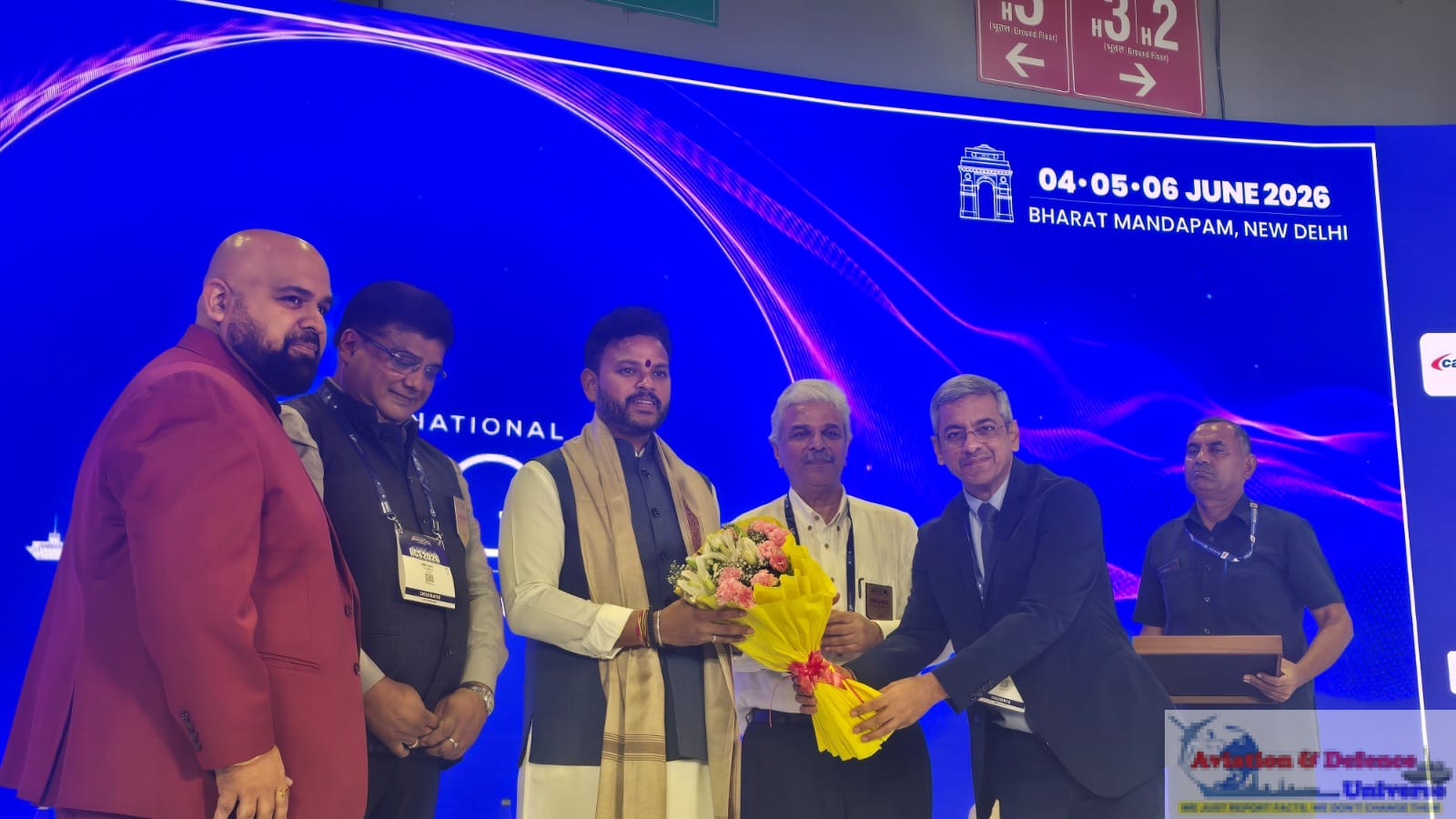 As India accelerates its journey towards becoming a global manufacturing and logistics hub, the India International Cargo Show 2026 opened with a strong message of collaboration, connectivity and competitiveness. Bringing together key stakeholders from the logistics, freight forwarding, air cargo and supply chain sectors, the inaugural session witnessed a shared commitment from industry and government to build a faster, smarter and more integrated logistics ecosystem capable of supporting India’s rising trade ambitions.
As the nation seeks to strengthen its position in global supply chains and achieve its vision of becoming a developed nation by 2047, the discussions at Bharat Mandapam reiterated that a world-class logistics ecosystem—powered by technology, collaboration and policy innovation—will be central to that journey.
































































-A4-Size-(2)_page-0001.jpg)