










- Targets British Aerospace Market After Building Trust with US and French Majors
- From Telecom to Flight-Critical Systems: Four-Decade Journey into Global Aerospace
- “Indian Engineers Are Really Capable”: Yashas Jaiveer on India’s Aerospace Moment
By Sangeeta Saxena
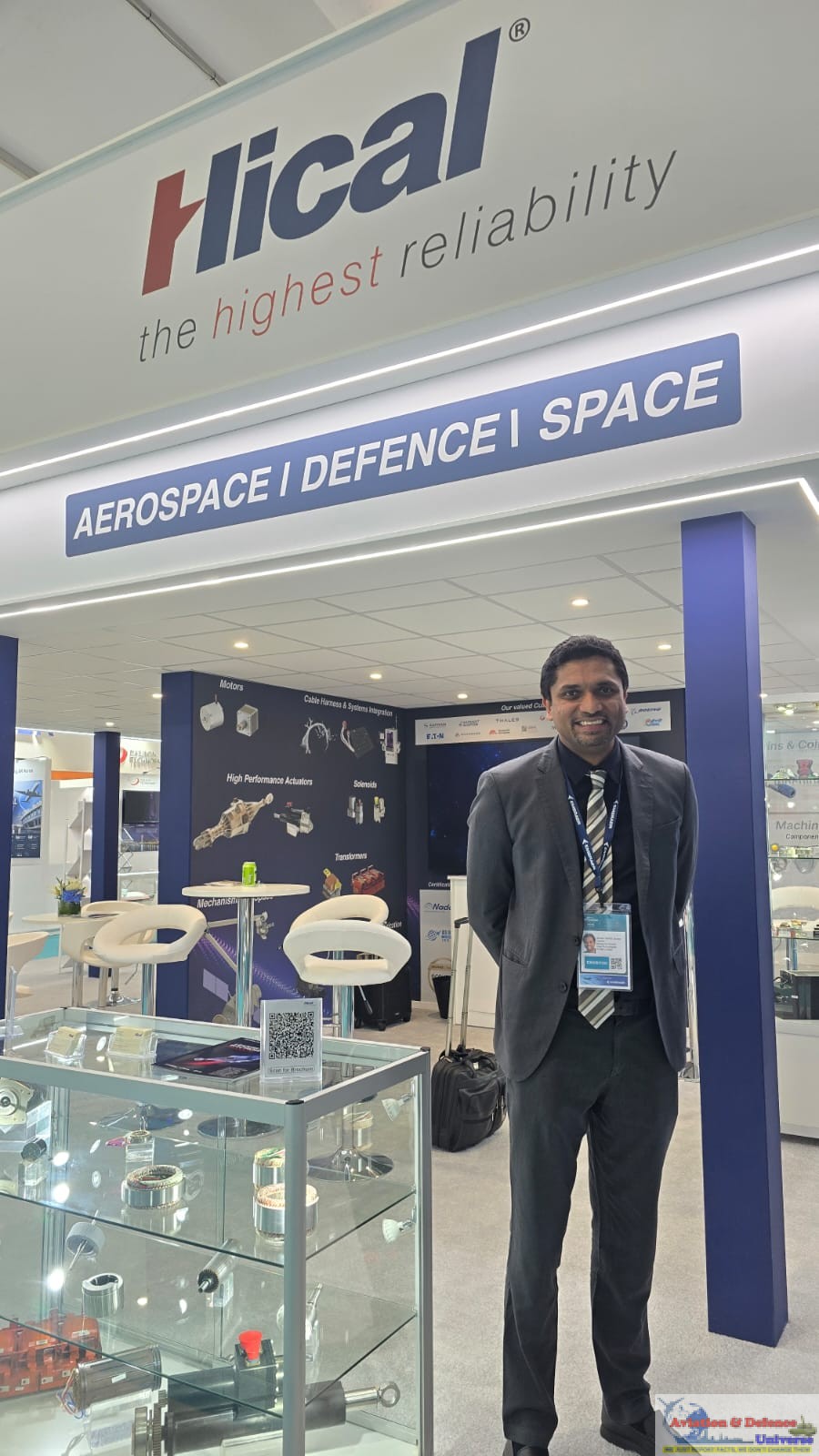
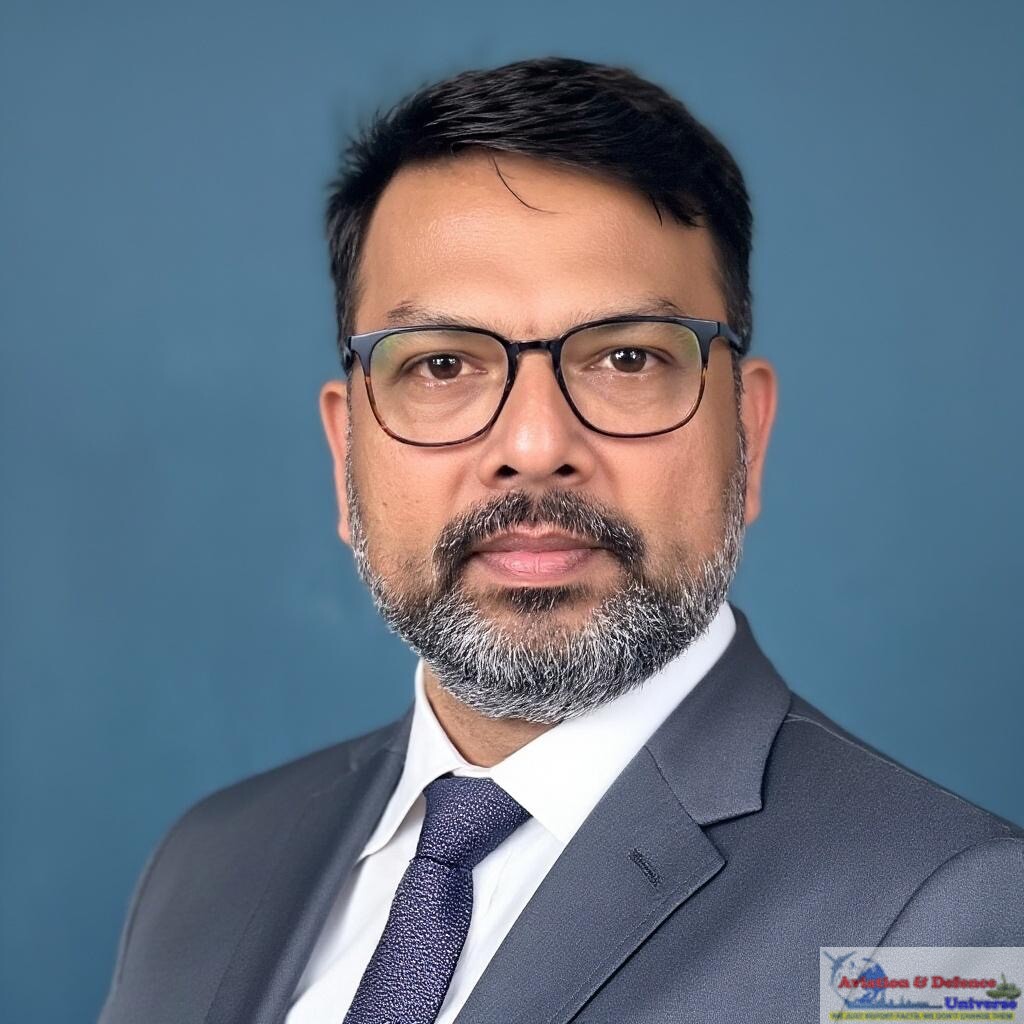
Farnborough, UK. 23 July 2026. From a family enterprise supplying India’s public sector four decades ago to a trusted manufacturer of complex electromechanical systems for some of the world’s biggest aerospace companies, Hical Technologies’ journey mirrors the remarkable transformation of India’s aerospace manufacturing ecosystem. The Bengaluru-headquartered company today designs and manufactures motors, solenoids, actuators and mechanisms for global aerospace customers and is expanding its manufacturing footprint as it records growth of around 40 per cent annually. Having established relationships across the US and French aerospace industries, Hical arrived at Farnborough International Airshow 2026 with another market firmly in its sights — the United Kingdom.
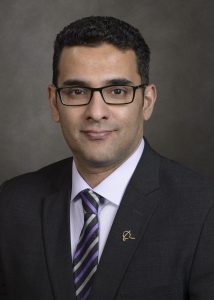
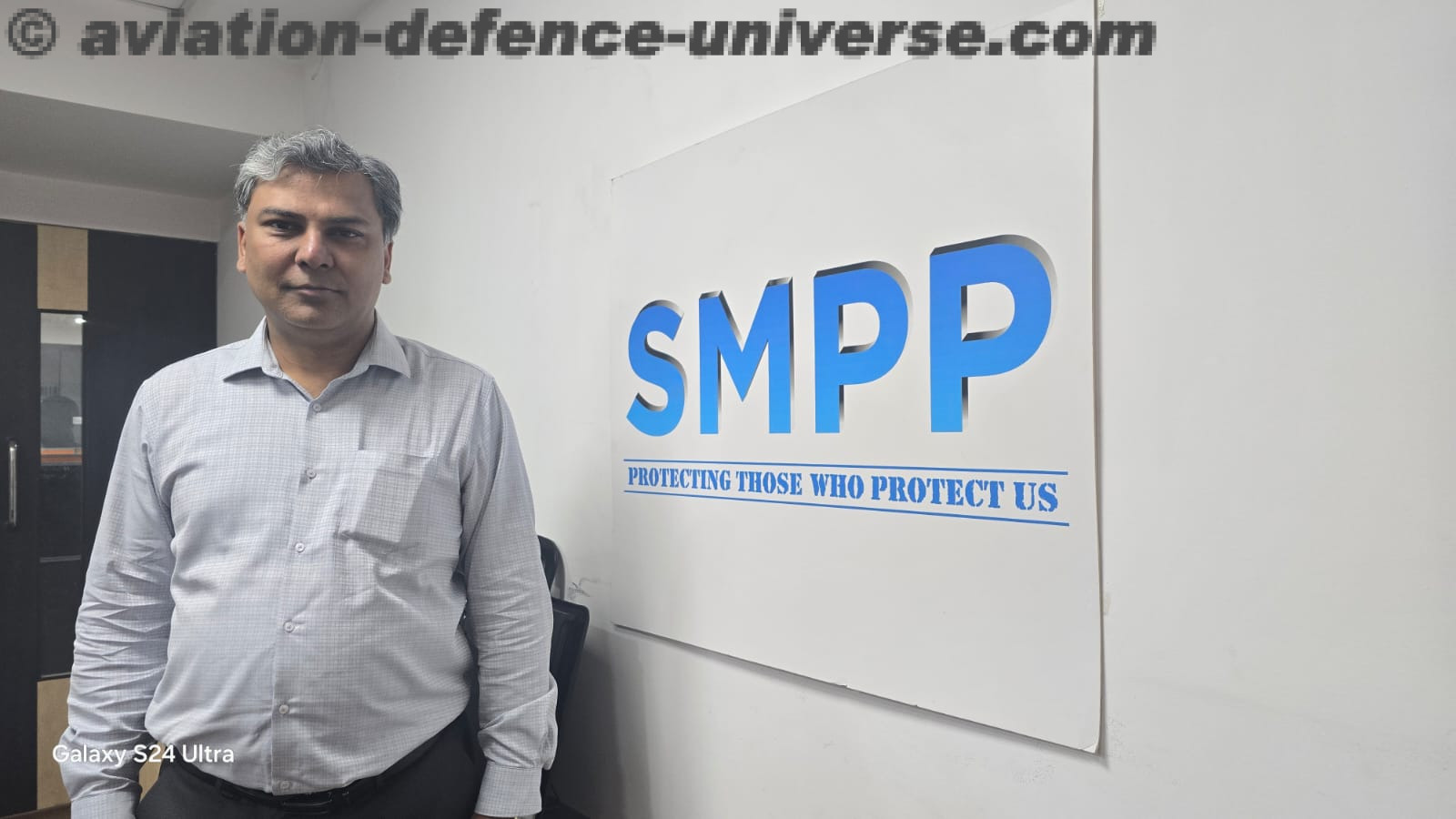
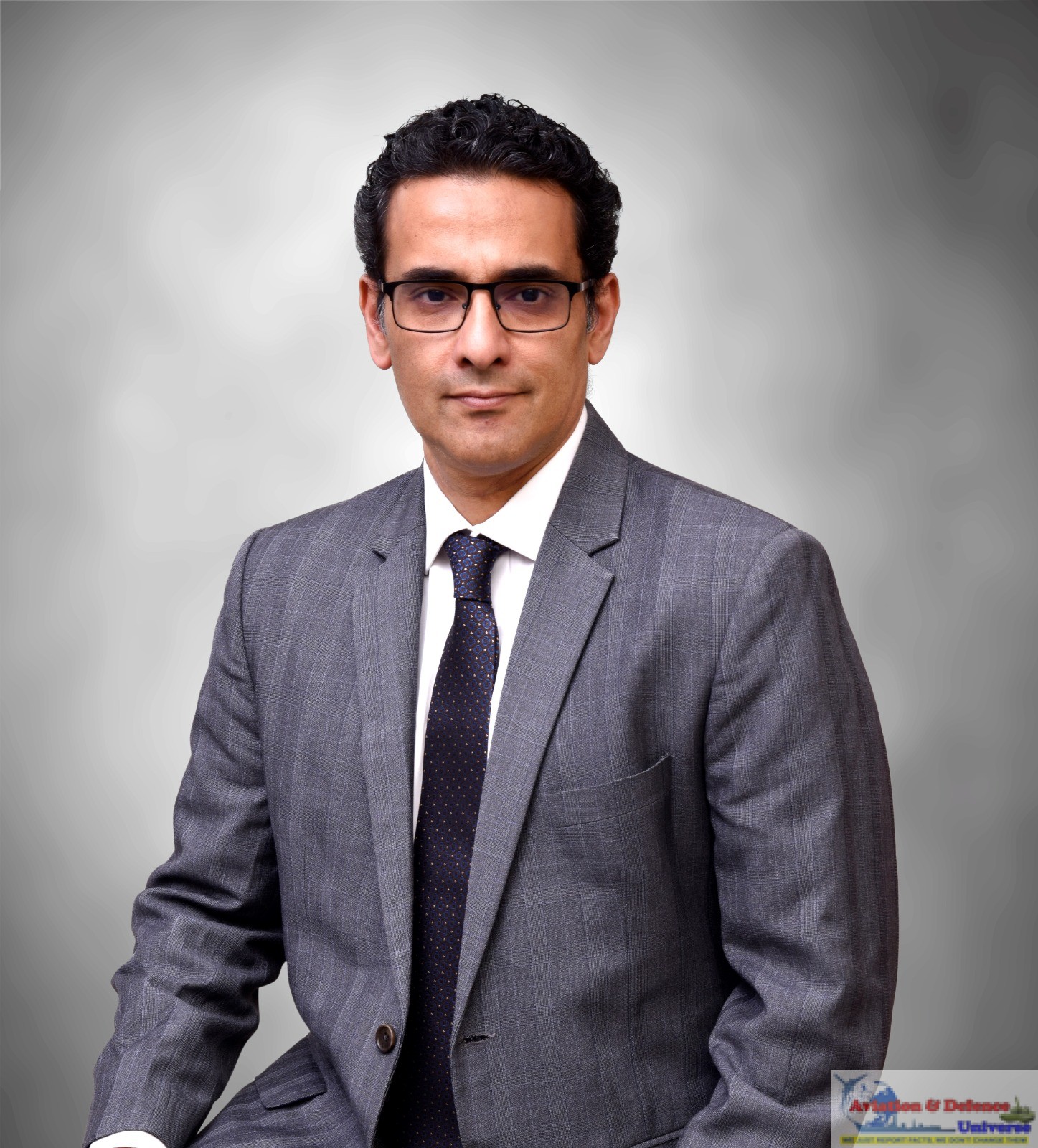
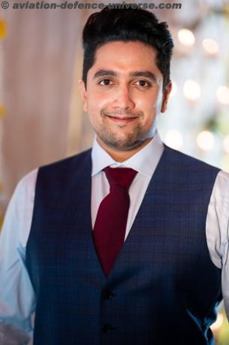
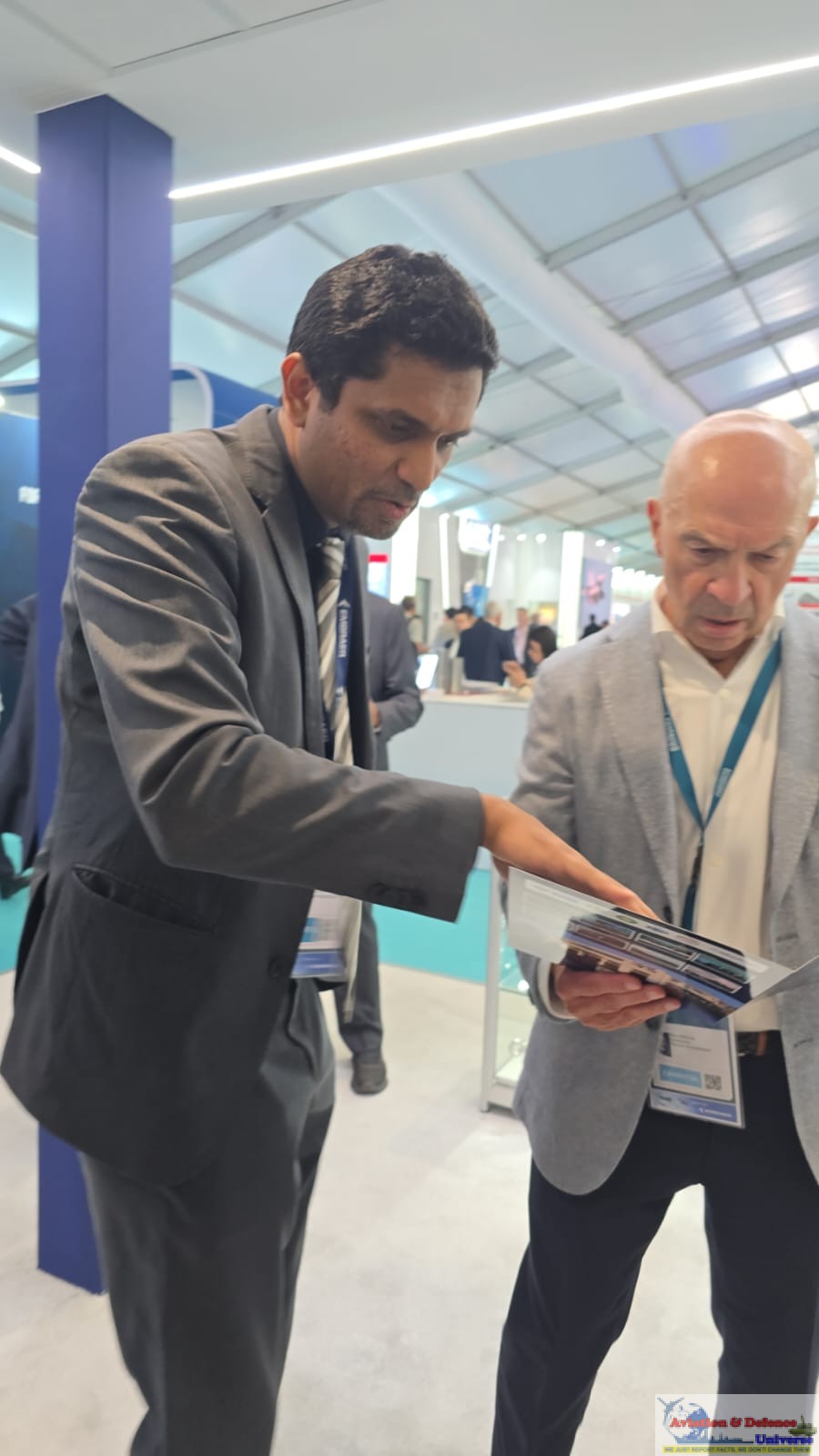 In an exclusive conversation with Aviation & Defence Universe (ADU) at Farnborough Airshow 2026, Yashas Jaiveer, Managing Director, Hical Technologies, spoke about the company’s 40-year journey, its transformation from telecommunications to high-reliability aerospace manufacturing, relationships with global OEMs, stringent quality culture, India’s aerospace supply chain and the importance of developing highly skilled talent for flight-safety-critical systems.
He also reflected on a changing global perception of Indian industry. After two decades spent building credibility and trust, Jaiveer believes India’s aerospace sector is entering a defining period in which international companies are increasingly willing to entrust Indian engineers with more sophisticated technologies and complete systems.
ADU. We are meeting here at Farnborough International Airshow 2026. What is Hical Technologies showcasing at the show, and what are you hoping to achieve through your presence here?
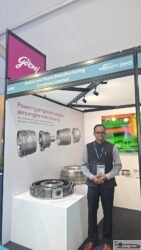
Yashas Jaiveer. We are showcasing the electromechanical actuation systems, motors, solenoids and mechanisms that we are able to design and manufacture for the global aerospace industry. We have already established ourselves strongly with French and US aerospace companies, and now we want to open up the British market and build the same kind of trust that we have developed with French and other global aerospace companies.
ADU. Before we discuss your products in greater detail, tell us about Hical’s journey. How did the company begin?
Yashas Jaiveer. I am the second generation in the business. My father started the company 40 years ago. Initially, the company began supplying organisations such as BEL and other major companies in India. Around 35 years ago, we began exporting to Swiss companies, with our focus primarily on electromagnetics for the telecommunications segment. Throughout that journey, there was a tremendous amount of learning in quality systems that we brought into Hical, both through our customers and other sources of knowledge. We worked extensively with German companies and implemented systems such as the Toyota production philosophy well before many other companies had adopted them. That experience eventually helped us transition into aerospace.
ADU. How did the transition from telecommunications to aerospace take place?
Yashas Jaiveer. Around 20 years ago, the telecom business collapsed for us, and we had to shift our focus 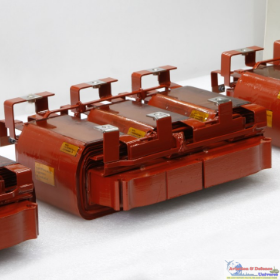 towards a much higher-reliability and higher-engineering segment. Fortunately, the ecosystem in Bengaluru and India supported that transition. When we entered aerospace, we expanded beyond our traditional strengths in electromagnetics and transformers. We moved into motors, solenoids and actuators, and now into complete mechanisms. That has been the evolution of our product portfolio.
ADU. Who was your first major international aerospace customer?
Yashas Jaiveer. Our aerospace journey began with what is today RTX, formerly United Technologies Corporation. They remain our biggest customer. They visited us and were very impressed with our facility and quality systems. We initially started working with the Hamilton Sundstrand division and subsequently expanded our relationships to Rockwell Collins, B/E Aerospace and additional divisions that are now part of Collins Aerospace.
An extremely important part of that journey was adapting to their quality systems, particularly the Achieving Competitive Excellence, or ACE, programme. It focuses extensively on lean manufacturing and advanced product quality planning. Everything is thought through upfront so that when you finally enter production, there is no room for error.
ADU. Hical was also recognised as a top supplier. What did that achievement mean for the company?
Yashas Jaiveer. We received their Supplier Gold recognition, where suppliers are measured every year on parameters including on-time delivery and quality. We achieved 100 per cent on-time delivery with zero defects or escapes to customers and became one of the few Gold suppliers globally. We maintained that position for 11 consecutive years.
That helped us build our brand as a trusted supplier capable of manufacturing complex electromechanical products for companies such as Collins while delivering 100 per cent on-time performance and zero defects. In aerospace, quality, ease of doing business and a long-term vision are all extremely important.
ADU. How has Hical’s global customer base expanded since then?
Yashas Jaiveer. We subsequently added Thales, with whom we have a very long-term contract, and other 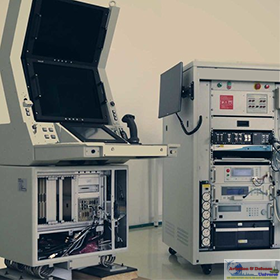 major customers including Honeywell, Boeing, Eaton and Safran from France, along with several other large companies.The journey has been similar with many of them. We start with a few part numbers, prove ourselves and then expand. Today, we manufacture almost 600 part numbers across these customers, and there is a significant growth plan ahead.
The message from our customers is that we have to think long term. In aerospace, you cannot think only three or five years ahead. You have to think at least 20 years ahead because that is the kind of lifecycle an aircraft has.
ADU. When did you personally join the family business, and what has your role been in its aerospace growth?
Yashas Jaiveer. I joined the business almost 16 years ago, when our aerospace journey was still relatively new. Since then, I have been instrumental in leading business development and helping bring in many of the customers we work with today.
ADU. Hical works with some of the world’s biggest aerospace OEMs. Is your own supply chain entirely Indian, or is it a combination of domestic and international sourcing?
Yashas Jaiveer. It is a combination of both. Some raw materials still have to be sourced internationally, particularly certain metals and mill products. Companies are in the process of approving Indian mills, and I believe that will increasingly happen as volumes grow. However, a significant amount of subcontracting is done locally. Here, I really have to thank India’s public-sector organisations, particularly HAL, DRDO, ISRO and BEL. They created a very strong aerospace ecosystem several decades ago. Because of that ecosystem, we have access to special-process providers, machining suppliers and fabrication companies across Bengaluru. We were able to capitalise on that ecosystem, and it helped us enormously.
ADU. How important was this existing Indian aerospace ecosystem when Hical entered the sector?
Yashas Jaiveer. It was extremely important because aerospace is very capital-intensive. When we were 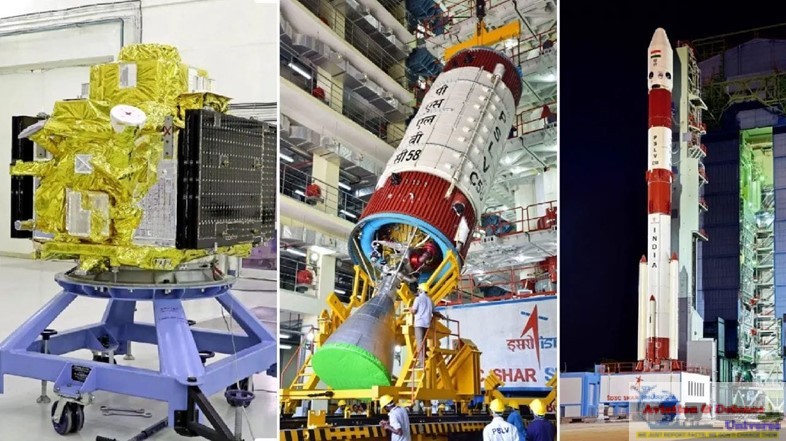 starting afresh in aerospace almost 20 years ago, if our entire focus had been on buying capital equipment and spending hundreds of crores on machines, instead of concentrating on our core engineering strengths, a tremendous amount of capital would have been blocked. Instead, the ecosystem that organisations such as HAL and DRDO helped develop allowed us to work with very capable suppliers and subcontractors. That enabled us to concentrate on our core strengths in engineering, design, build-to-specification and build-to-print products. Our supply chain today is therefore a combination. Some requirements are still sourced internationally, while we are also able to work extensively with local suppliers who understand aerospace quality requirements.
ADU. What is the current strength of Hical Technologies?
Yashas Jaiveer. We have a team of approximately 800 people. Our entry barrier is quite high because we need people with strong comprehension and technical capability. The basic qualification is generally a diploma, even for people involved directly in operations, and qualifications can go all the way up to master’s degrees. We also have scientists working with us on design and engineering.
ADU. Skilled manpower is one of the biggest challenges facing the aerospace industry. How does Hical address this issue?
Yashas Jaiveer. We are a fairly unique aerospace company because we focus on electromechanical systems, 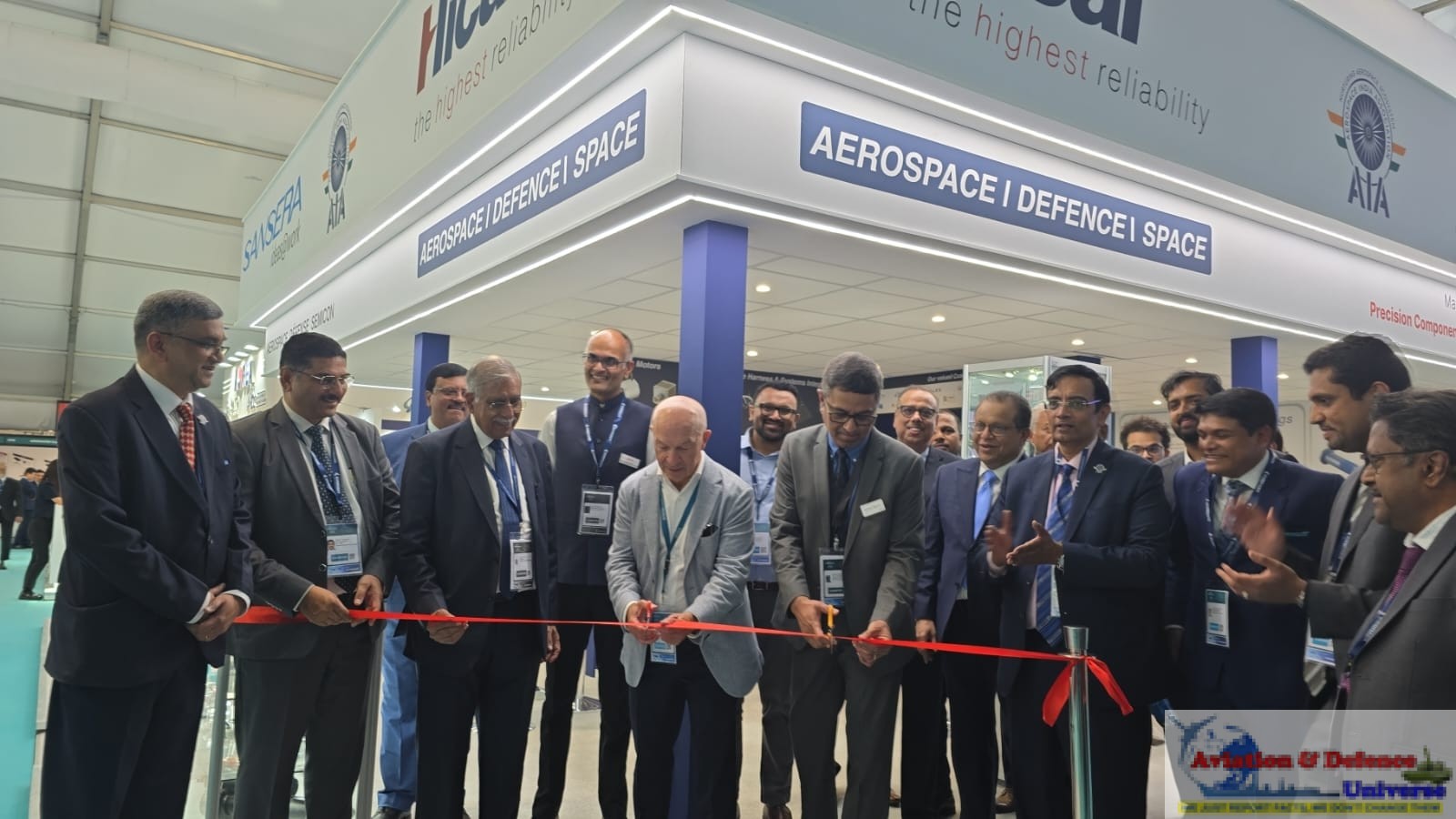 which require a great deal of engineering. These are moving components, and we manufacture flight-safety-critical parts, including components used in engines. Therefore, skill is absolutely critical. The required skills are not available in abundance, so you have to invest significantly in training. We have people at Hical who have been with us for many years and are technically very strong, particularly in areas such as process engineering. They transfer those skills to the next generation of employees joining the company.
We have very robust training systems and a rigorous skilling programme. Only when we are completely satisfied that an employee can successfully perform the required work on an example product do we allow that person to move into actual production.
ADU. When you manufacture flight-safety-critical systems, how important is organisational culture in maintaining quality?
Yashas Jaiveer. It is extremely important. The entry barrier has to be high because we are manufacturing flight-safety-critical components that also actuate and move. There is a significant safety dimension involved. It is not enough simply to have a good quality-system programme. The quality culture has to exist throughout the organisation because of the nature of the end application, whether we are supporting Indian defence programmes or the international aerospace industry.
We have to motivate our people and ensure that they follow every quality requirement demanded by aerospace. That is why we place such a strong focus on training, skills and continuous investment across our facilities.
ADU. Where are Hical’s manufacturing facilities located, and how are you expanding capacity to meet growing demand?
Yashas Jaiveer. We are headquartered in Electronic City, Bengaluru, and we are expanding significantly. We  are developing additional facilities in Devanahalli, Hosur and Hassan. We are growing at around 40 per cent annually, so we are adding capacity substantially to support that growth.
ADU. After spending two decades building credibility with international aerospace companies, how do you see the opportunity for Indian aerospace today?
Yashas Jaiveer. I think this is a very exciting time for Indian aerospace. There have been a few of us who have worked extremely hard over the past two decades to establish trust. In the earlier days, including during my father’s time, it was extremely difficult to bring these international customers to India. But today I see tremendous momentum. Our air shows are packed. Global companies genuinely want to work with Indian companies, and there is now much greater trust. India has a young population of highly qualified engineers. The average age of our workforce at Hical is in the 30s, and there are very strong engineering capabilities in the country.
ADU. Do you believe global OEMs are now prepared to entrust Indian companies with more sophisticated technologies and complete systems rather than individual components?
Yashas Jaiveer. Absolutely. That is already beginning to happen. For example, when Dassault visited our facility, we had never manufactured the entire actuation or control system of an aircraft. But they saw that our people had the ability to receive and comprehend the technology. They trusted that technology could be transferred to this company and that, eventually, within the next three years, we could manufacture the entire control system of an aircraft — something we had never done before. That says something very important about India’s capabilities. Indian engineers are extremely capable, and the Indian government is supportive. I would encourage companies to take advantage of the opportunities and government support available, learn from the first movers such as us and the many other Indian companies that have already established trust in the global market, and then take Indian aerospace forward while maintaining the same levels of quality.
Hical Technologies’ journey from electromagnetics and telecommunications to sophisticated, flight-safety-critical aerospace systems is also a story of how Indian manufacturing has evolved over the past four decades. What began with supplying Indian public-sector companies and exporting electromagnetic products has grown into relationships with some of the world’s largest aerospace names, a portfolio approaching 600 part numbers and an expanding manufacturing footprint designed to support annual growth of around 40 per cent.
But perhaps the more significant transformation is the change in how global aerospace companies view India. As Jaiveer pointed out, Indian companies spent years proving that they could consistently deliver quality, reliability and on-time performance. That hard-earned trust is now opening doors to more complex work — potentially moving Indian industry from manufacturing individual components to taking responsibility for sophisticated subsystems and complete control and actuation systems.
As Hical looks towards the British market from Farnborough 2026, its ambitions reflect a larger moment for Indian aerospace. With a mature supplier ecosystem, a young engineering workforce, growing global confidence and companies increasingly capable of absorbing advanced technologies, India is moving steadily up the aerospace value chain. For Hical, the next chapter is about converting four decades of manufacturing experience and two decades of aerospace credibility into deeper global partnerships — and proving that Indian engineering can increasingly take ownership of the complex systems that make modern aircraft fly.
As Told To Sangeeta Saxena


































-A4-Size-(2)_page-0001.jpg)