


 18th BRICS Summit

















- Connected, Personalised, Predictive: The Airport of Tomorrow Takes Shape
- The Airport That Knows Your Journey: STRATACACHE Unveils Connected Passenger Vision
- From Screens to Smart Journeys : Airport Technology Zooms to the Next Level
By Sangeeta Saxena
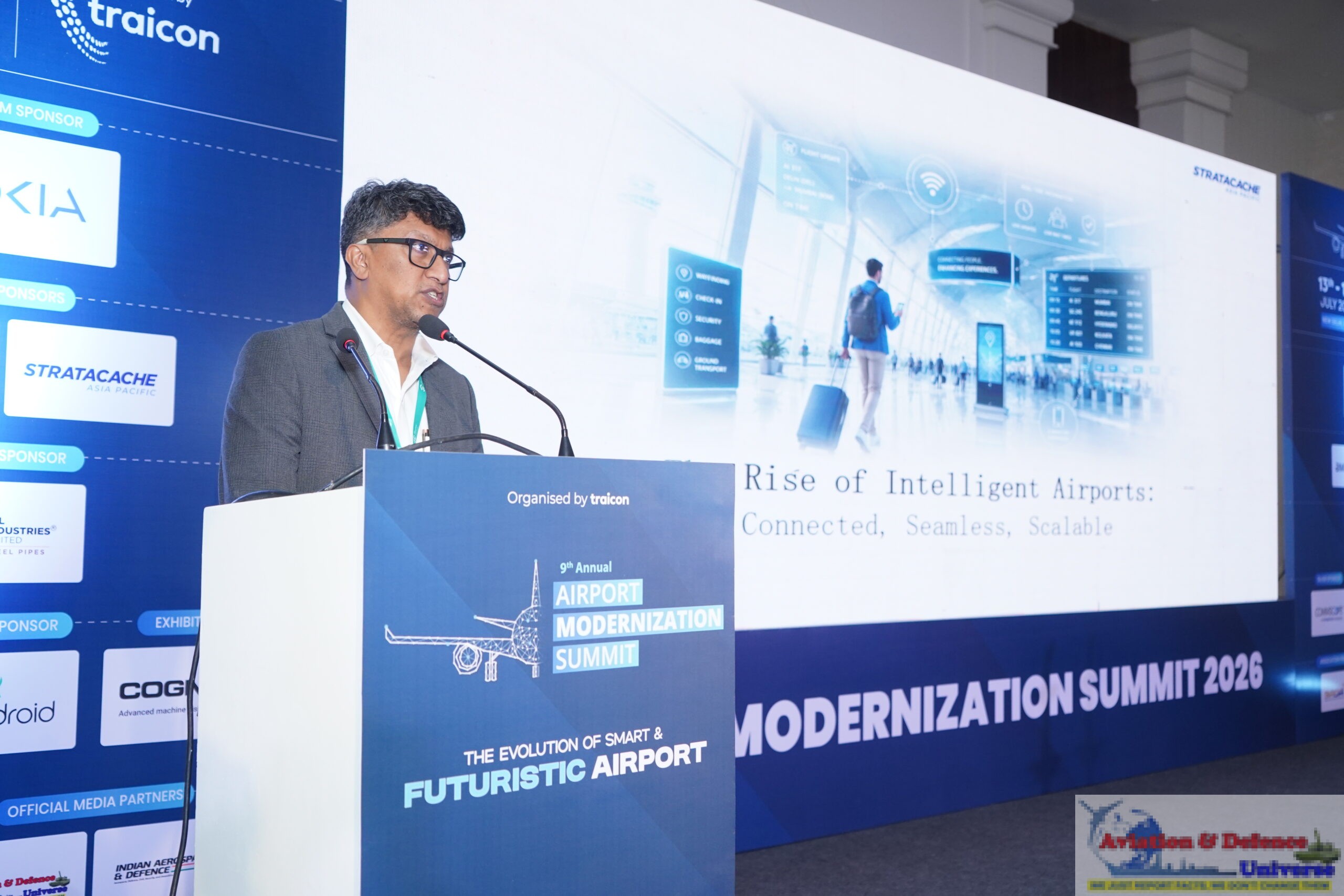
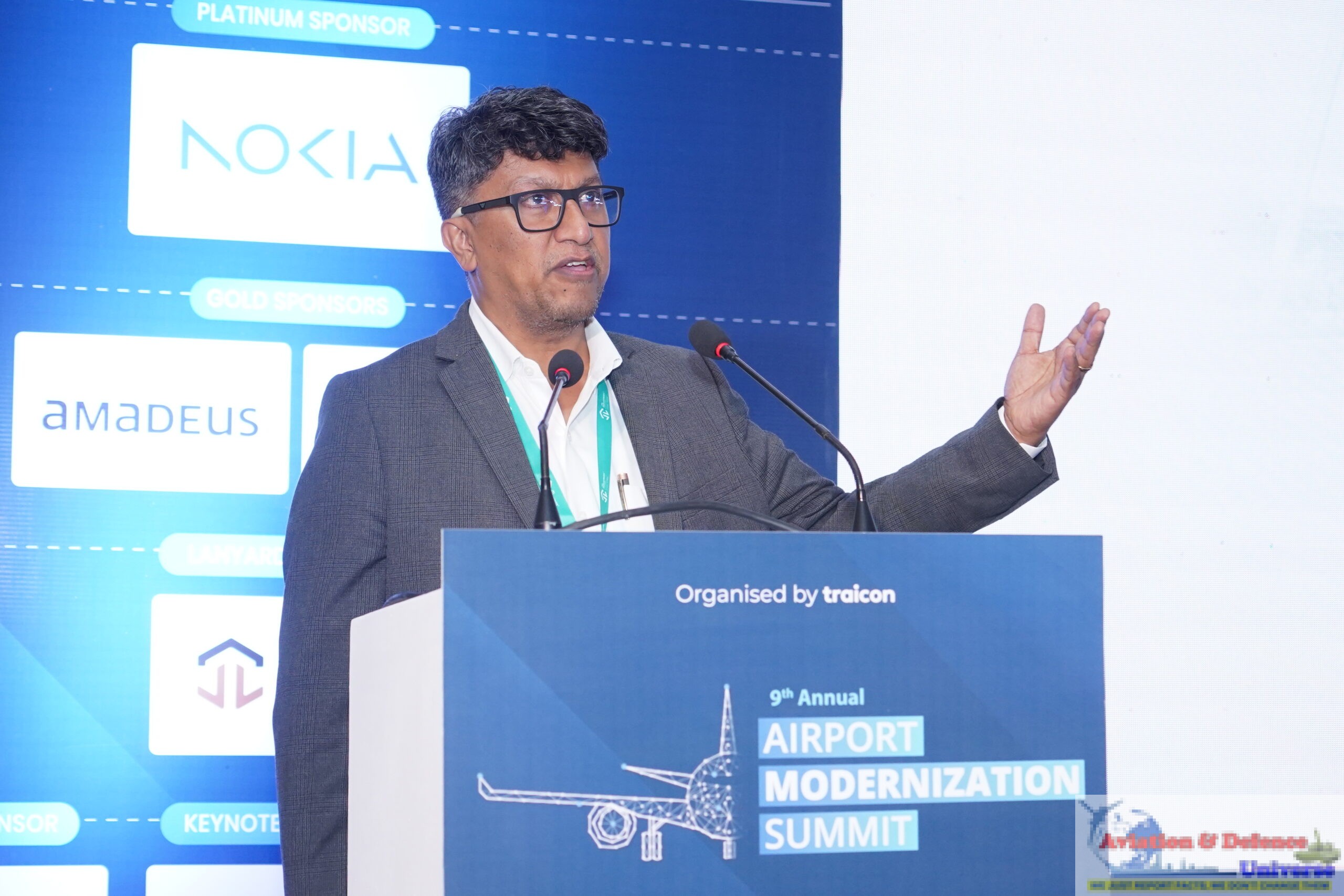
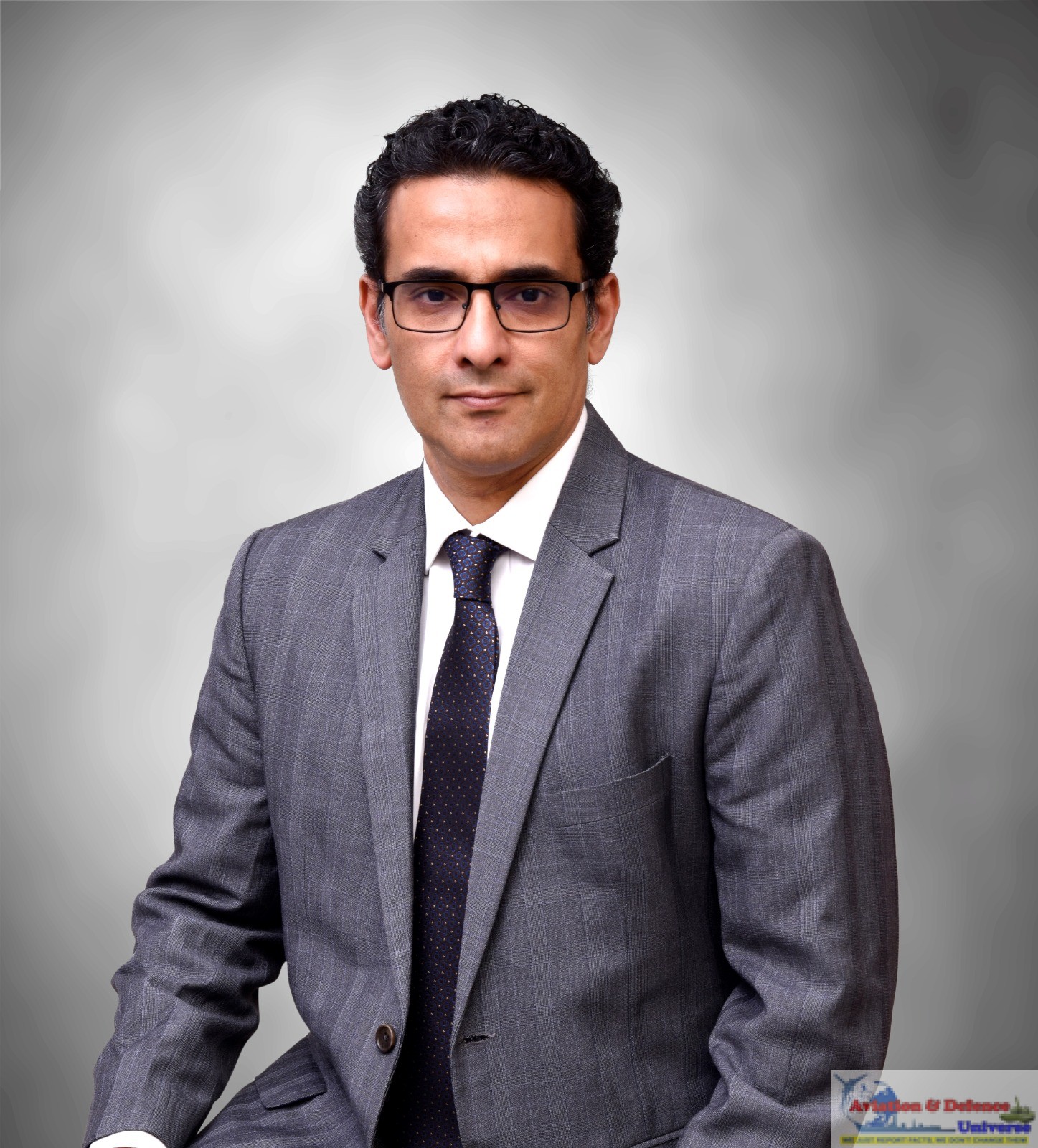
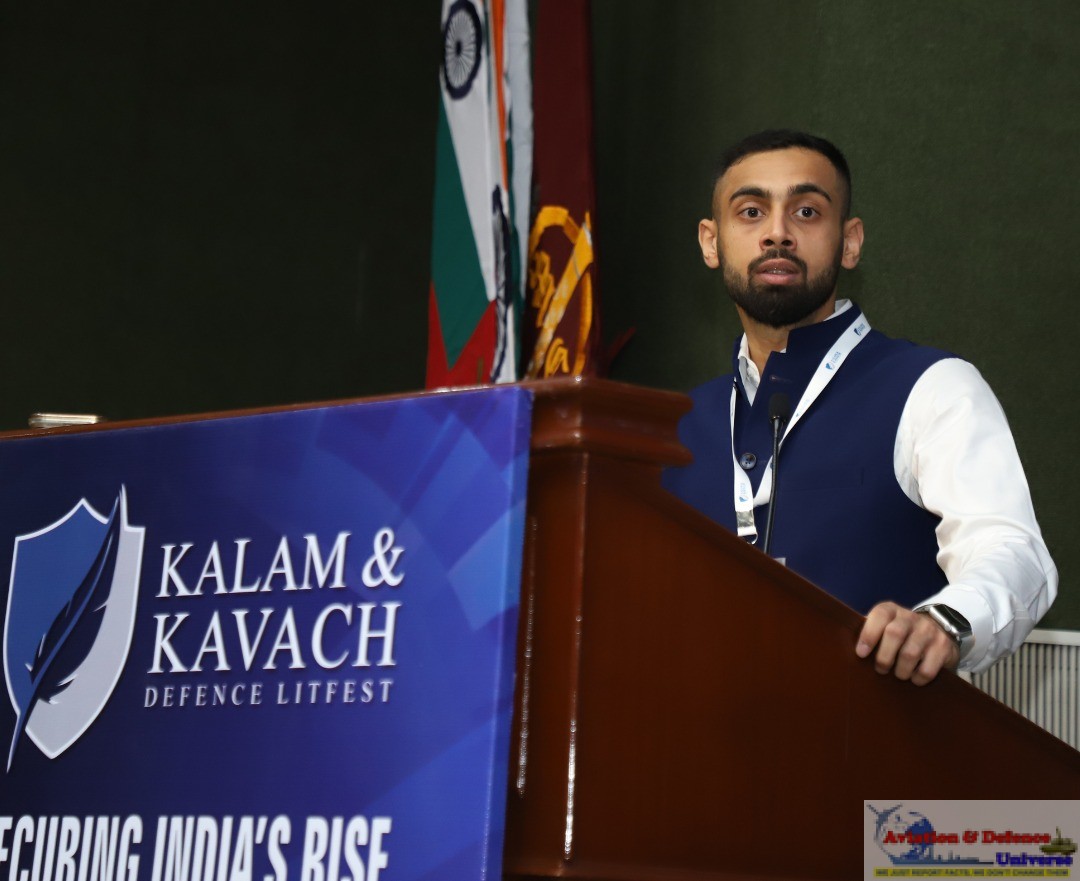
New Delhi. 15 July 2026. The airport of the future will not simply display information—it will understand the passenger, anticipate disruption and intelligently guide every traveller from the moment they enter the airport until they board their flight. Delivering his address at the Airport Modernisation Summit 2026, Manish Kumar, Managing Director, STRATACACHE Asia-Pacific, challenged the conventional understanding of airport modernisation and argued that bigger terminals and more digital screens alone cannot create the seamless passenger experience of tomorrow. Drawing on STRATACACHE’s technology deployments across more than 84 airports globally, he presented a vision of the intelligent airport—a connected ecosystem where flight information, personalised wayfinding, retail, baggage, security and real-time operational data converge to make the journey truly seamless.
 Kumar began his address with a simple question that immediately captured the challenge facing today’s airports. Addressing the audience, he asked, “How many of you have actually seen a screen before you have seen your phone?” The reality, he pointed out, is that passengers today often receive more relevant and timely information from their smartphones than from the airport environment around them.
Explaining this disconnect, he said, “Today what happens is your phone is more in tune with technology than the information which is available at the airport.” A passenger’s smartphone may already know the departure gate, alert them to a gate change or flight delay and even guide them through their journey. Airlines, too, possess extensive information about their passengers. Yet, Kumar argued, this wealth of data has not been fully integrated into the physical airport journey. Referring to DigiYatra CEO Suresh M. Khadakbhavi’s earlier description of a seamless airport experience, he said, “The journey—what an intelligent airport would like to be, like Mr. Suresh mentioned, a walk in the park—that is the part which is missing.”
Tracing STRATACACHE’s own technological journey, Kumar explained that the company has evolved continuously over more than three decades. “We have been in the business for 31 years—31 years evolving.” The company began by developing solutions for quick-service restaurants before expanding into retail and eventually recognising the transformative potential of airport infrastructure.
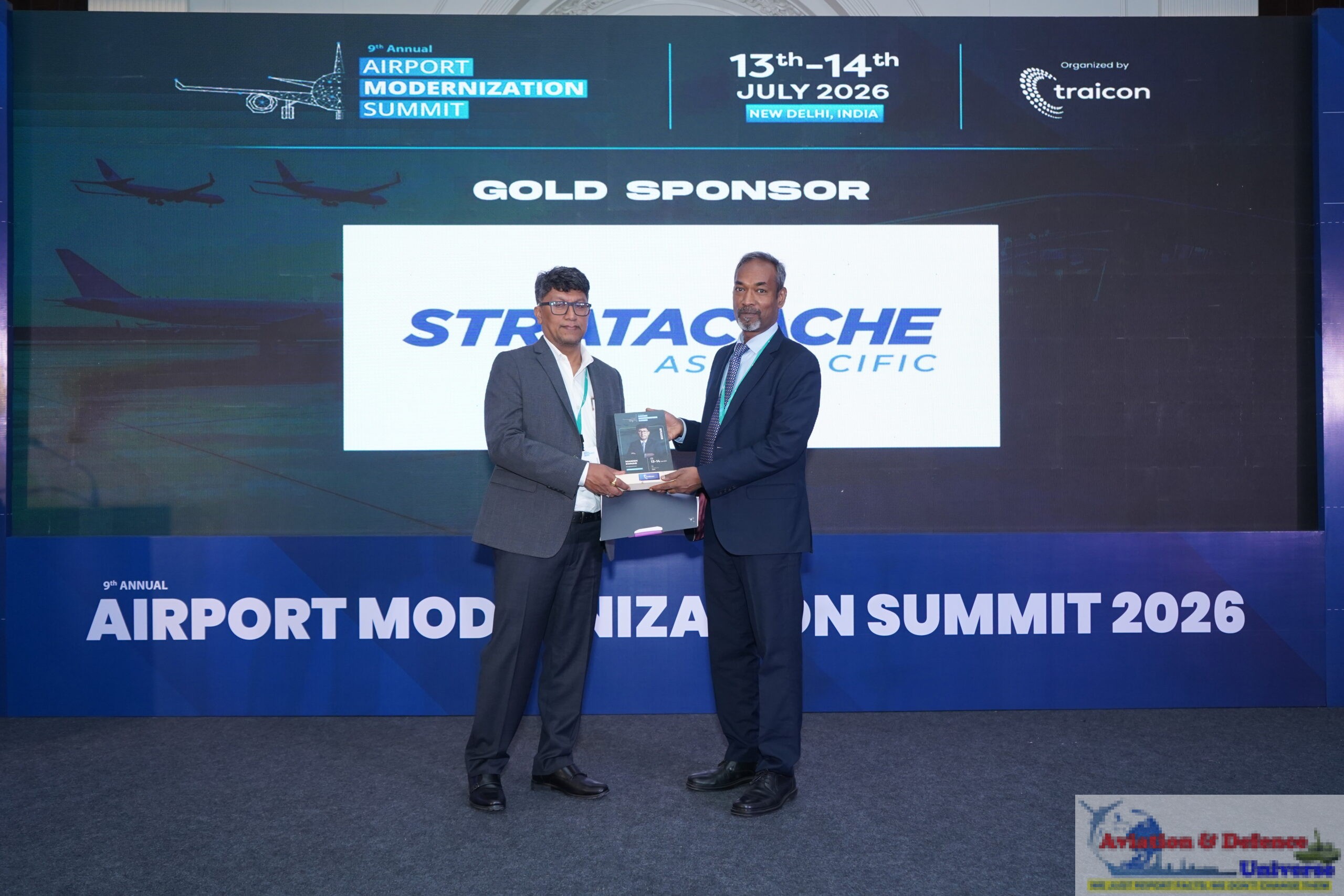 Today, through its technology platform, STRATACACHE provides solutions across more than 84 airports worldwide, ranging from digital information displays to comprehensive airport management systems. Kumar explained that the company’s growing aviation portfolio encompasses areas including flight information display systems, cargo management and connected passenger solutions.
“What is making a very big difference is the complete airport management system which we launched a couple of years back.” Looking back at the evolution of airports, Kumar observed that the sector has progressed through successive waves of physical expansion, mechanisation and automation. The next transformation, however, must be about intelligence. He argued that the industry’s understanding of modernisation needs to change. “Today modernisation means big buildings. I think we need to go beyond modernisation and talk about intelligence.”
This distinction between being merely digital and genuinely intelligent became the defining theme of his presentation. In one of the most striking observations of his address, Kumar said, “A digital airport collects information. An intelligent airport understands it.”Taking the thought further, he added, “A digital airport will tell you what happened. An intelligent airport predicts what will happen.” For Kumar, this ability to understand, anticipate and respond is what will ultimately distinguish the next generation of airports from today’s digitally enabled terminals.
Painting a picture of air travel five years from now, Kumar imagined an airport journey in which technology operates almost invisibly around the passenger. He said, “If I imagine air travel in five years’ time, what I would like to imagine is that we have reached a point where, if we walk into an airport, all we have to do is smile at the camera and keep moving.” The passenger, in this vision, would move effortlessly through the terminal while receiving personalised guidance and assurance tailored specifically to their journey. He continued, “Till we have boarded our flight, with guided assurance personalised for our journey—that is what’s going to make an intelligent, seamless airport.” The objective, therefore, is not simply to automate individual checkpoints but to connect the entire passenger journey into one intelligent experience.
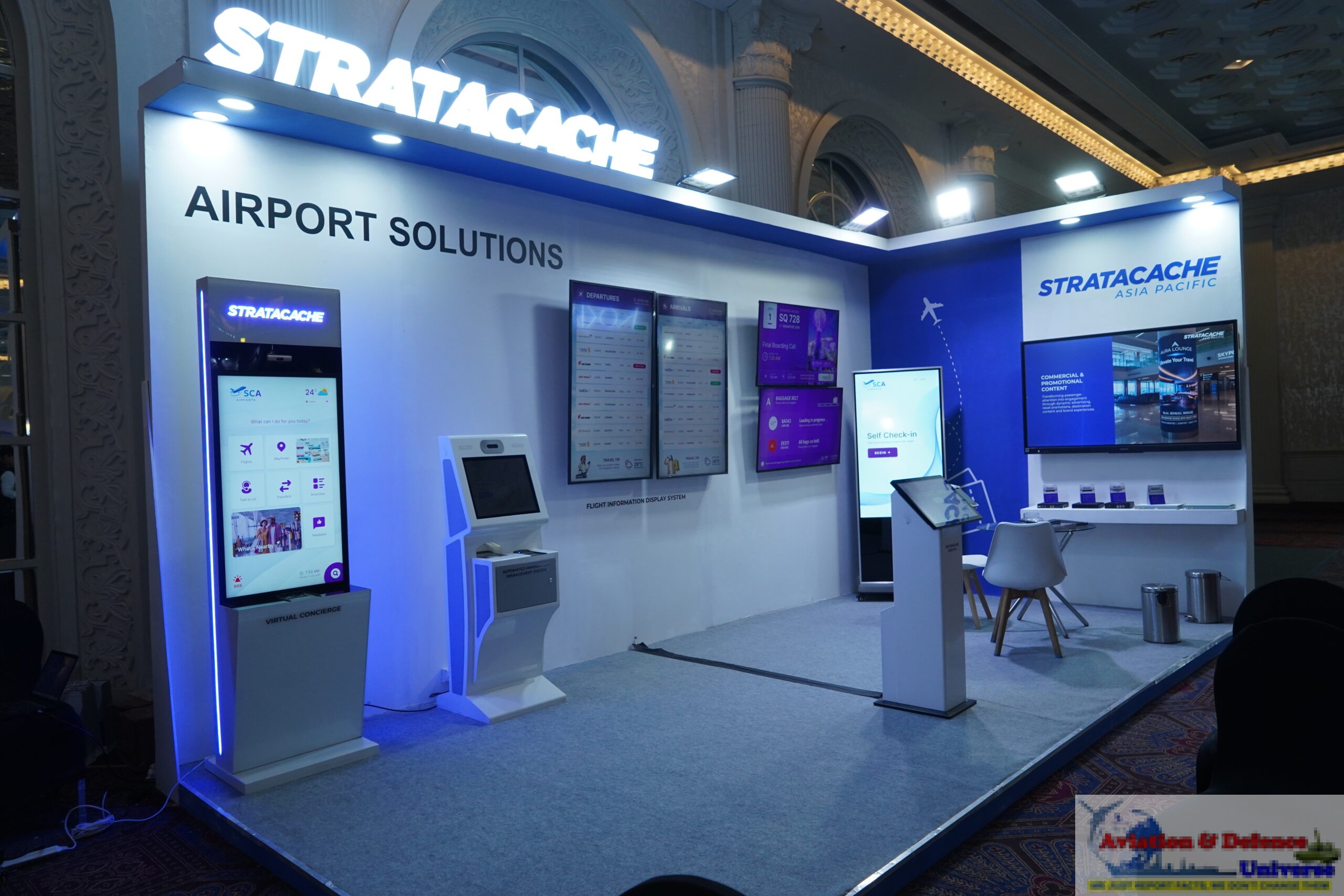
 Kumar explained that STRATACACHE is developing solutions designed to begin interacting with passengers from the moment they arrive at the airport car park and continue guiding them all the way to the boarding area. “We have now come to a point where we are going to make our solution right from when you enter the car park, and it will take you through a guided tour all the way to the boarding area.” The connected ecosystem would bring together a virtual concierge, flight information displays, personalised wayfinding, gate and boarding information and other passenger services. The virtual concierge could answer questions, while intelligent wayfinding would direct passengers towards their departure gates. But the real intelligence, Kumar explained, lies in understanding the traveller’s circumstances and responding dynamically.
If a flight is delayed or the passenger has sufficient time before boarding, the airport ecosystem could identify relevant retail opportunities along the passenger’s route and communicate personalised offers directly to their device. Explaining the concept, he said, “Your gate is six minutes away, but while you are walking you have these shops which come in the middle and you can always get benefits.” This would allow airports to simultaneously improve passenger experience and unlock new commercial opportunities for retailers.
While STRATACACHE has traditionally been associated with digital displays and media technology, Kumar emphasised that the company’s vision now extends far beyond screens. “It’s a seamless passenger journey which requires more than just digital displays.” The company’s approach, he explained, involves working directly with airport stakeholders to understand where technology can remove friction from the journey. “We are sitting with our stakeholders and understanding what it is that we can do to help make the experience of the journey from Point A to Point B more seamless.”
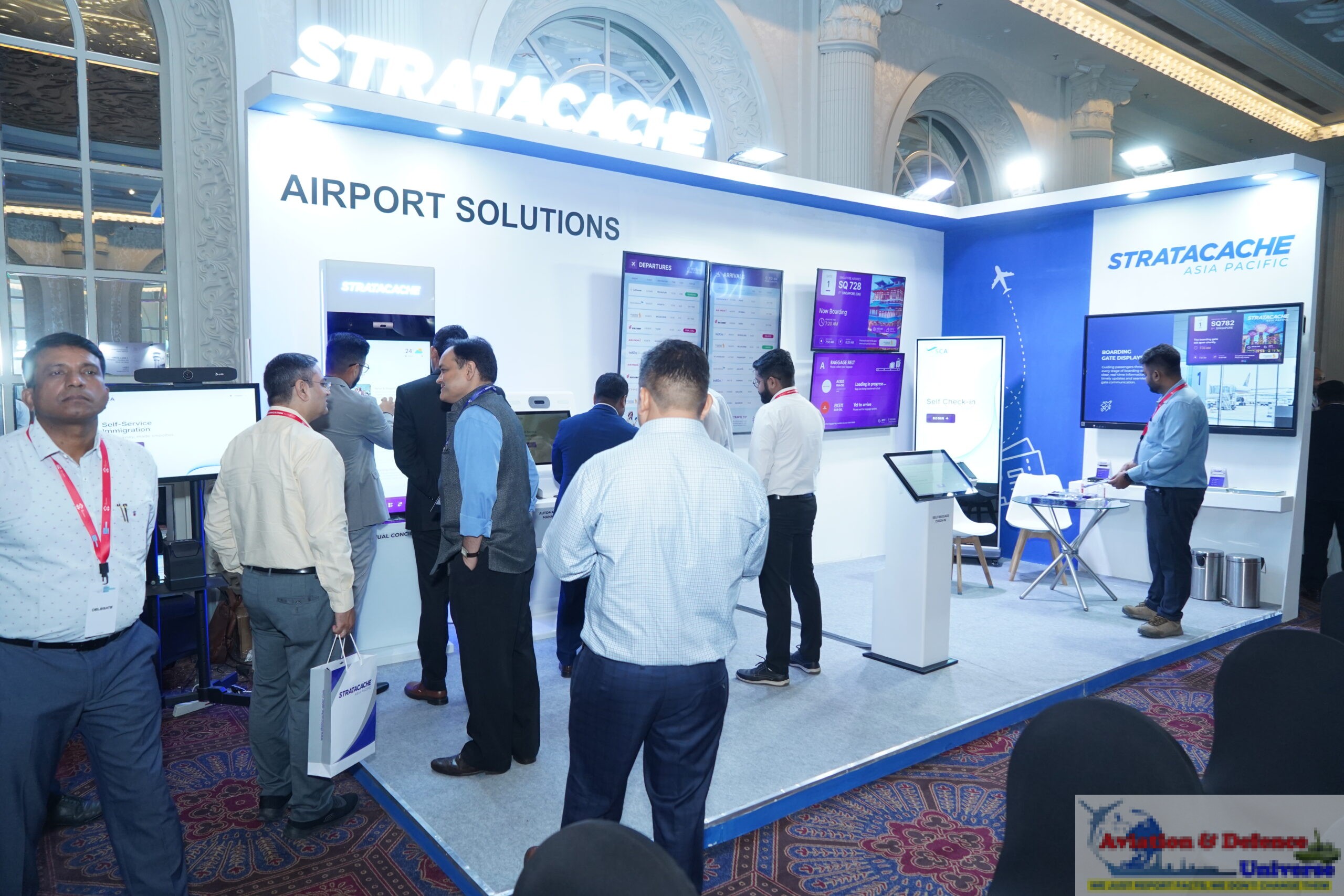 The intelligent ecosystem envisioned by STRATACACHE integrates multiple airport functions, including flight information, gate and boarding information, baggage information, check-in and security, interactive wayfinding, emergency alerts and passenger messaging. The result is intended to be a single connected platform capable of providing passengers with relevant information at precisely the moment they need it.
Kumar also acknowledged that intelligent airport applications cannot operate in isolation. They depend fundamentally on robust, scalable and secure network infrastructure. Referring to the connectivity discussion that preceded his presentation, he stressed that future airport ecosystems must be designed around dependable technological foundations. He said, “It is really important that, to achieve what we want to achieve, we have the network which is required, and our solutions are being built keeping in mind that the infrastructure our systems will run on is secure.” This interconnected approach, he suggested, will be critical as airports bring increasing numbers of passenger-facing and operational services onto common digital platforms.
Concluding , Kumar highlighted STRATACACHE’s growing international footprint, particularly across the Asia-Pacific region. With operations spanning markets including Singapore, Japan, India, Australia and the Philippines, the company is positioning itself to play a larger role in the transformation of airports across one of the world’s fastest-growing aviation regions.
Summing up the company’s ambition, Kumar said STRATACACHE aims to remain, “At the forefront of being a technologically advanced solution provider which helps the different stakeholders have what is required to achieve the goal.” The goal itself is increasingly clear – an airport where technology is not merely visible on screens but works intelligently in the background, anticipating passenger needs and connecting every stage of the journey.
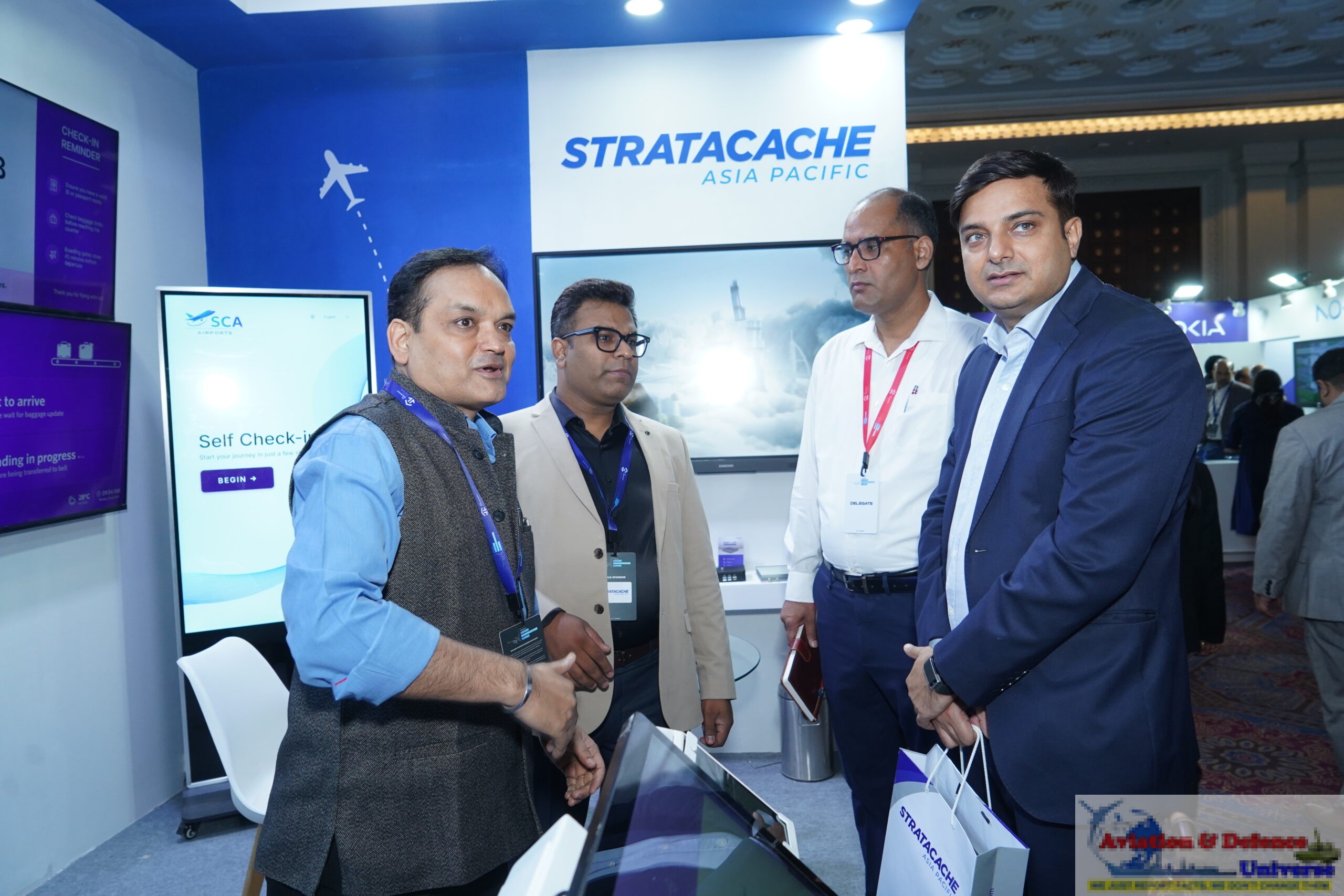 Manish Kumar’s address at the Airport Modernisation Summit 2026 offered a compelling challenge to the aviation industry: stop measuring airport modernisation merely by the size of terminals or the number of digital screens and begin measuring it by intelligence. The truly modern airport will be one that understands its passengers, predicts their needs and connects every touchpoint—from the car park and check-in to retail, security, wayfinding and boarding—into a personalised journey. As biometric identity, real-time data, intelligent displays and secure connectivity increasingly converge, the distinction between the physical airport and the passenger’s digital world will begin to disappear. In Kumar’s vision, the ultimate measure of success is remarkably simple: a traveller should be able to enter an airport, smile at a camera and simply keep moving. That may well be the defining promise of the intelligent airport age.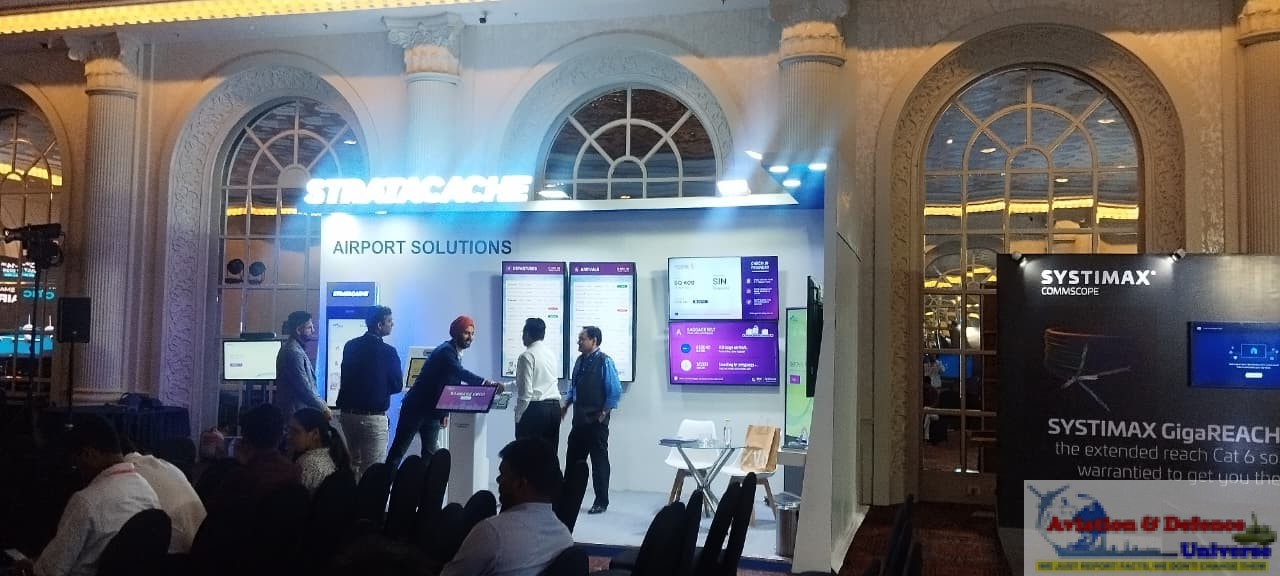















































































-A4-Size-(2)_page-0001.jpg)