


 18th BRICS Summit


















- From Manufacturing Hubs to Global Markets: Air Cargo Leaders Discuss India’s Rise
- Air Cargo Industry Eyes India’s Journey from 4 Million to 10 Million Tonnes
- Global Airlines, Logistics Giants and Shippers Back India’s Cargo Growth Story
- Bet Big on India as Export Growth Accelerates
By Sangeeta Saxena
New Delhi. 05 June 2026. Why Are Global Air Operators Betting on India for Cargo? A question, the answer to which is as enigmatic as it is consequential, reveals a story of rising exports, expanding airports, digital transformation and India’s growing ambition to become a central node in global supply chains.
 Global air cargo operators are increasingly investing in India because the country sits at the intersection of three powerful growth drivers: manufacturing expansion, rising domestic consumption, and strategic geographic positioning.
India is rapidly emerging as a major manufacturing hub for sectors such as electronics, pharmaceuticals, textiles, automotive components and e-commerce products. As multinational companies diversify supply chains beyond traditional manufacturing centres, India is becoming an increasingly important source market for global exports. This creates sustained demand for air cargo services, particularly for high-value and time-sensitive goods.
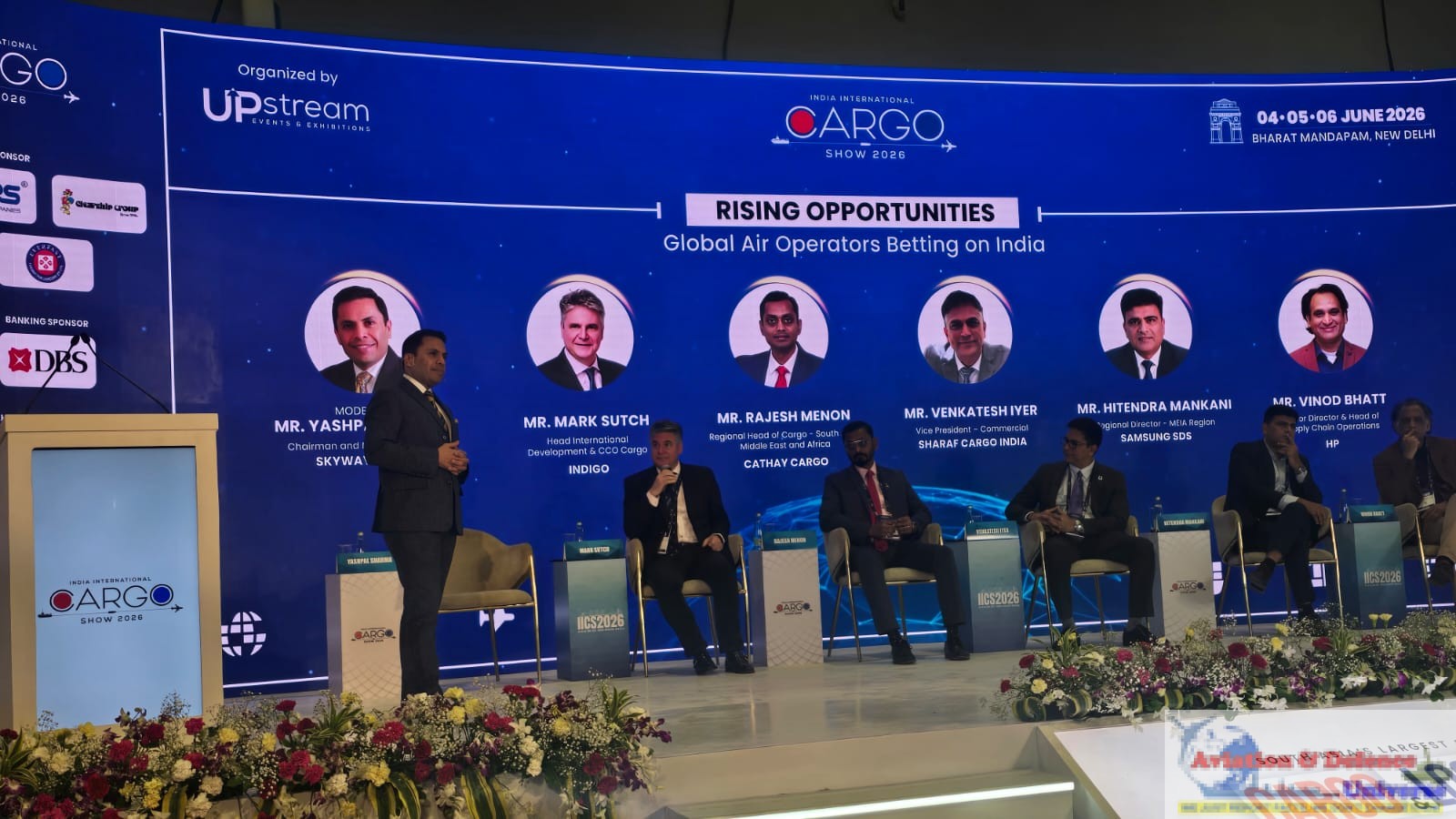
India’s rapidly expanding manufacturing base, growing export ambitions and rising consumer demand are making the country one of the most attractive markets for global air cargo operators. This was the central theme of the session titled “Rising Opportunities: Global Air Operators Betting on India” at the India International Cargo Show (IICS) 2026 held at Bharat Mandapam, New Delhi.
 Moderated by Yashpal Sharma, CMD, Skyways Group, the session brought together leading voices from airlines, logistics providers and global manufacturers, including Rajesh Menon, Regional Head of Cargo – South Asia, Middle East and Africa, Cathay Cargo; Mark Sutch, Head International Development & CCO Cargo, IndiGo; Venkatesh Iyer, Vice President – Commercial, Sharaf Cargo; Hitendra Mankani, Regional Director – MEIA Region, Samsung SDS; and Vinod Bhatt, Senior Director & Head, Supply Chain Operations, HP India.
The discussion focused on India’s growing role in global trade, the opportunities created by manufacturing expansion, multimodal connectivity, digitalisation, customer expectations and the investments needed to build a globally competitive air cargo ecosystem. Another major attraction is India’s vast and growing consumer market. With rising incomes and the expansion of e-commerce and quick-commerce platforms, cargo operators see significant opportunities not only in exports but also in imports and domestic cargo movement. As IndiGo Cargo’s Mark Sutch noted during the session, many Tier-II and Tier-III cities in India are larger than several European capitals, representing enormous untapped cargo potential.
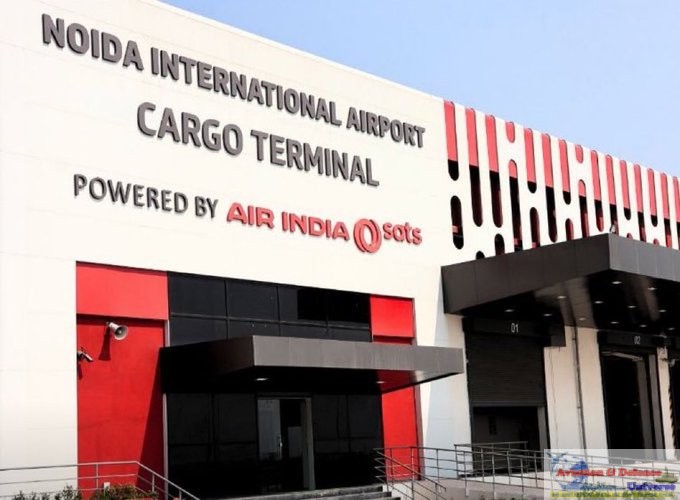 Global carriers are also drawn by India’s ambitious infrastructure development. New airports such as Noida International Airport, the upcoming Navi Mumbai International Airport, expanded cargo terminals, dedicated freight corridors and multimodal logistics initiatives are creating the foundation for more efficient cargo movement. These developments are expected to reduce transit times, improve connectivity and lower logistics costs. India’s strategic location between Europe, the Middle East, Africa and the Asia-Pacific region further enhances its attractiveness. The country has the potential to evolve into a major transshipment and cargo distribution hub connecting multiple global trade lanes.
Additionally, operators see opportunities arising from digitalisation, bonded trucking, road feeder services, AI-enabled supply chains and growing policy support for logistics modernisation. As cargo customers increasingly demand speed, visibility and predictability, India’s logistics ecosystem is gradually evolving to meet global standards. Perhaps most importantly, global operators view India as a long-term growth story. While mature cargo hubs such as Hong Kong, Singapore and Frankfurt continue to dominate international freight flows, India’s cargo market still has substantial room for expansion. As highlighted during the session, India’s air cargo sector currently handles around 4 million tonnes annually, but industry stakeholders believe it has the potential to exceed 10 million tonnes within the next decade.
 For airlines, freight operators and logistics providers, India is no longer just another market—it is increasingly being seen as one of the world’s most important future growth engines for air cargo. India today occupies a unique position in the global cargo landscape. While major cargo hubs such as Hong Kong, Dubai, Singapore and Frankfurt have long dominated international freight flows, India is increasingly emerging as both a major consumption market and a manufacturing powerhouse. The country is witnessing unprecedented growth in electronics manufacturing, pharmaceuticals, e-commerce, perishables and industrial exports, creating strong demand for reliable and efficient air cargo services.
For global operators, India is no longer merely a destination market—it is becoming a critical node in international supply chains. As companies diversify manufacturing beyond traditional hubs and global trade patterns evolve, India’s expanding airport network, policy reforms and infrastructure investments are positioning it as one of the most promising growth markets in the world. The challenge now is to develop the logistics ecosystem, multimodal connectivity and cargo infrastructure necessary to support this transformation.
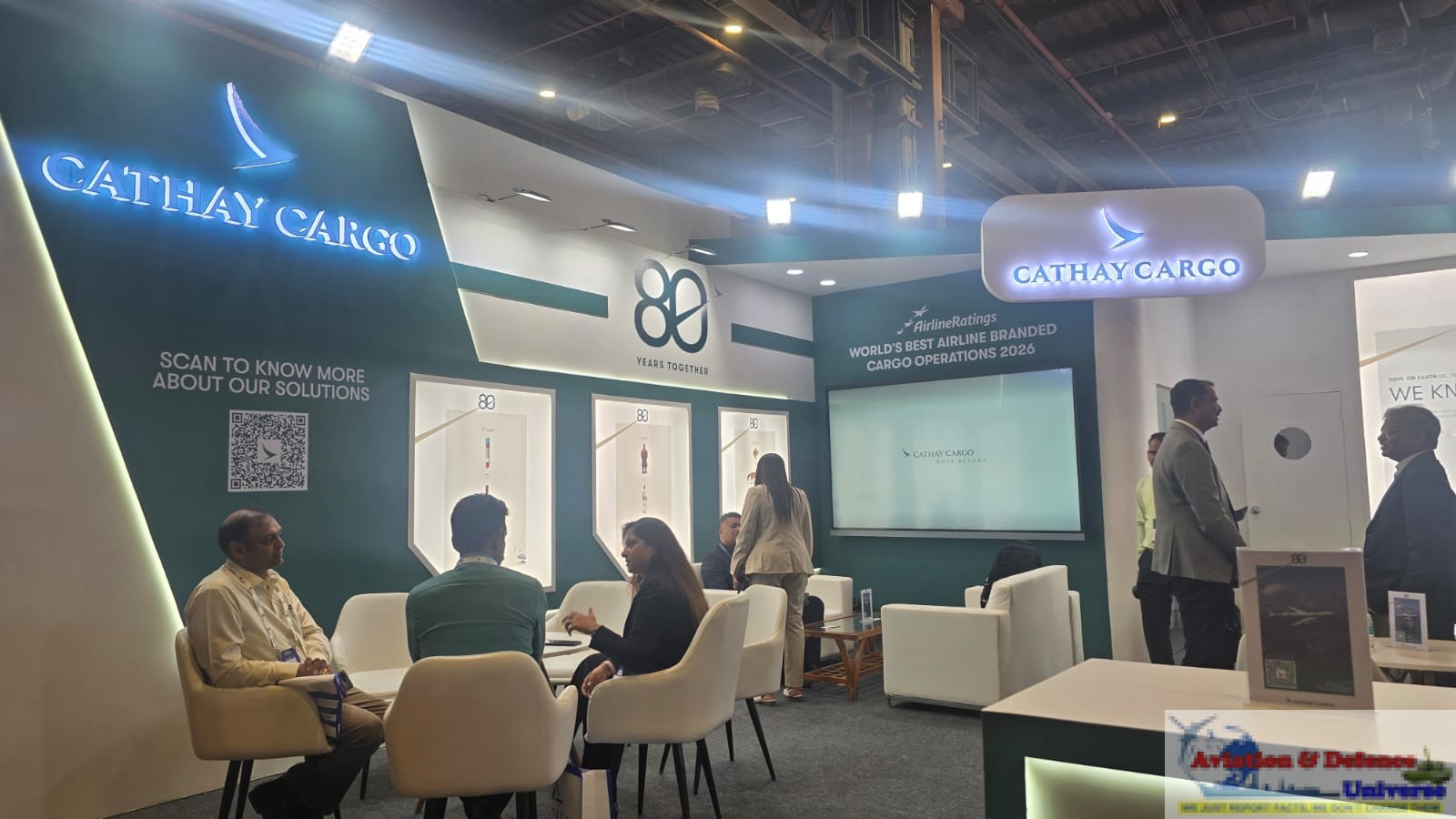
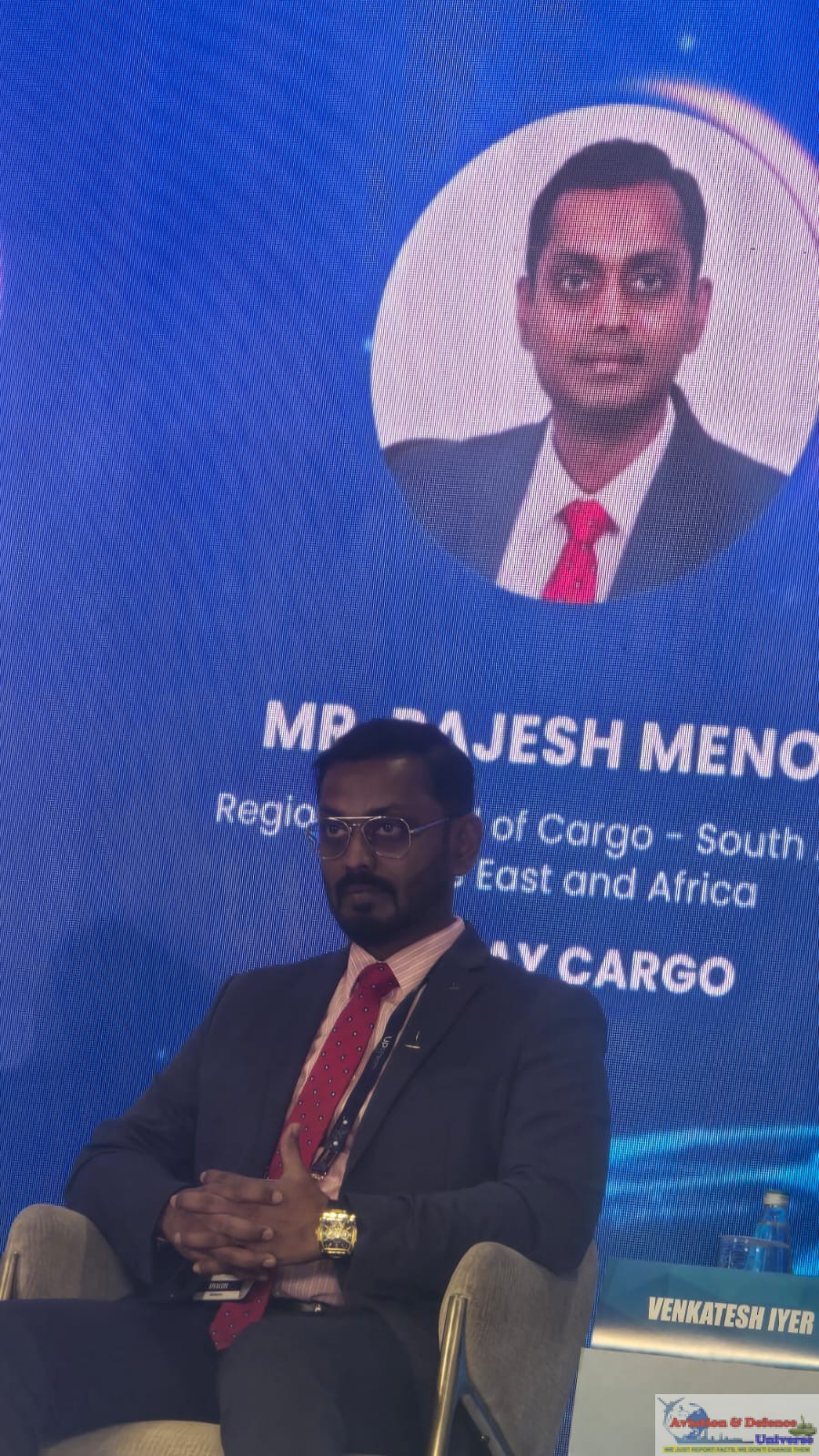 Rajesh Menon highlighted how successful cargo ecosystems are built through collaboration among airlines, logistics providers, governments and customs authorities. Drawing on Cathay Cargo’s experience in the Greater Bay Area in China, he explained how integrated sea-air and road-air solutions, supported by streamlined customs processes, have significantly enhanced cargo efficiency. “What we need here first is that ecosystem. It is not an airline solution alone. There is a trucking partner needed, there is government support needed, there are policy changes needed. Every partner involved in the logistics chain has to work together,” he said.
Menon noted that India has made progress through road feeder services (RFS), bonded trucking and consolidation models, but emphasised that significant room remains for improvement if India wishes to compete with leading global cargo hubs. A recurring theme throughout the session was the need to better connect manufacturing clusters with cargo gateways. The moderator Yashpal Sharma argued that air cargo’s biggest differentiator is speed and called for dedicated cargo corridors connecting manufacturing centres such as Noida, Pune and Tamil Nadu with major airports.
Supporting this view, Menon praised the logistics design of Noida International Airport, noting that proximity to manufacturing hubs and efficient highway connectivity could significantly reduce transit times and improve competitiveness. “The ecosystem is built so well within and the highways are so well connected to the airport. It will really reduce the logistics time which is spent unnecessarily,” he observed.
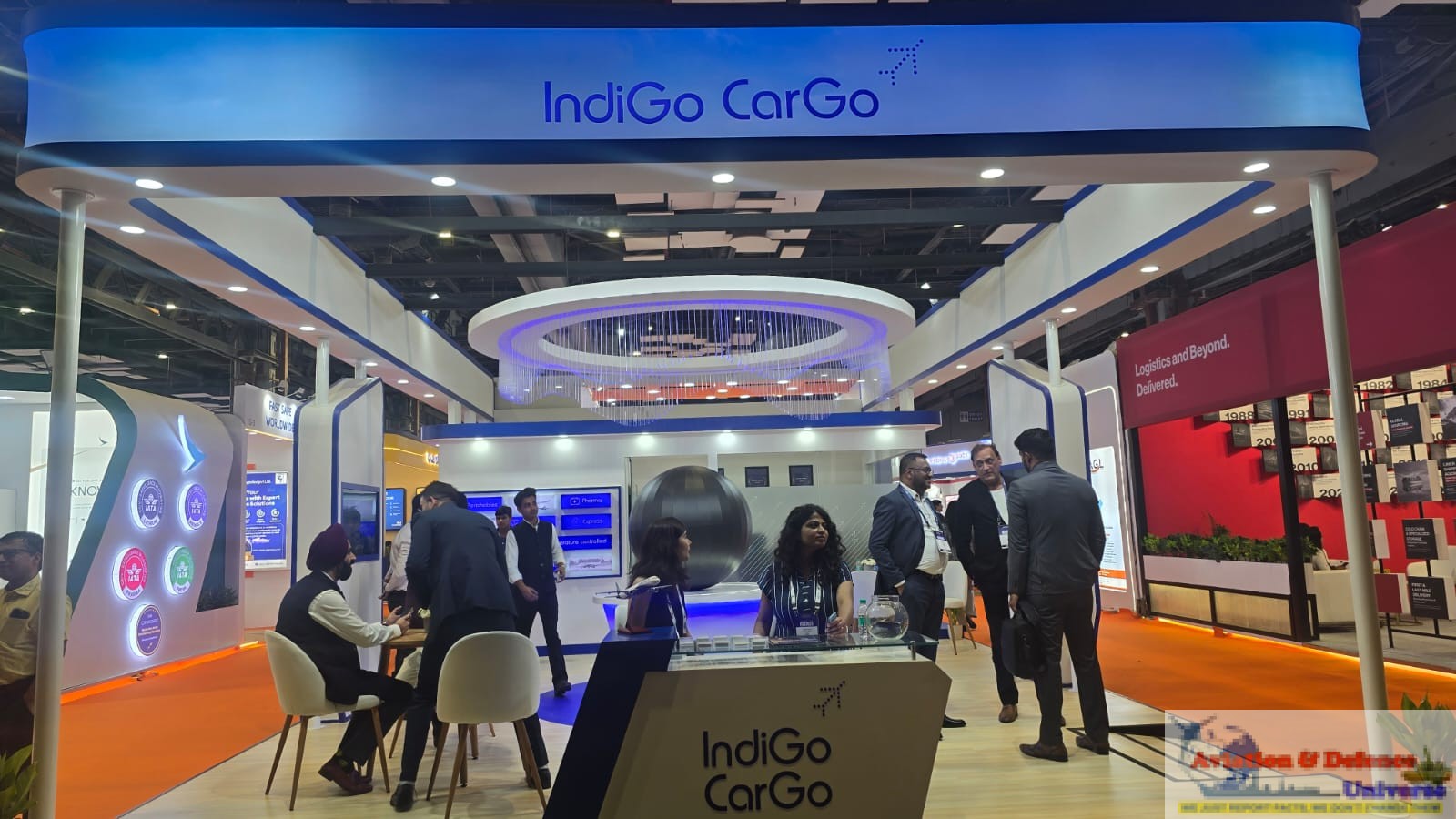
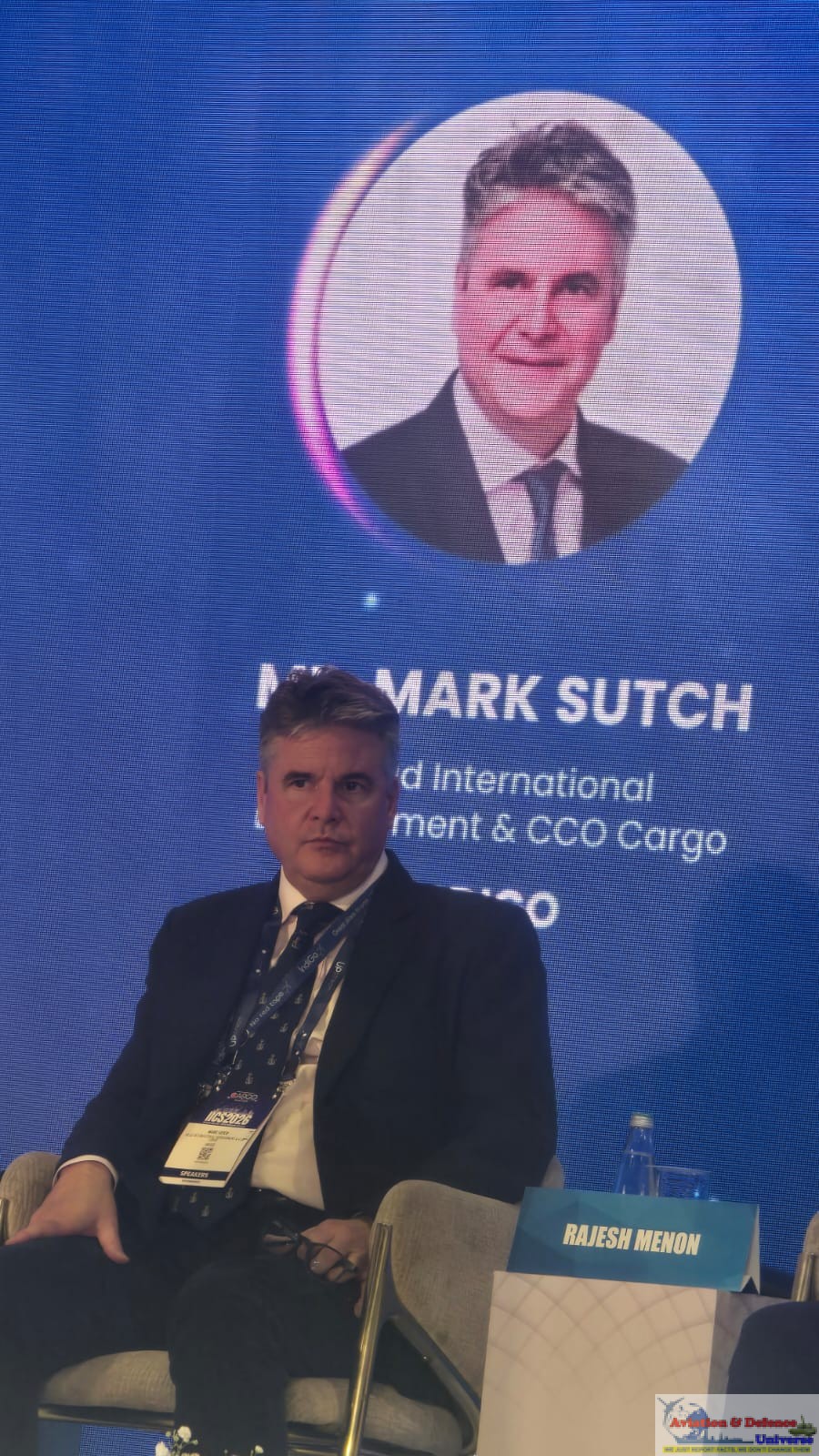 Mark Sutch highlighted the untapped opportunities beyond India’s metropolitan centres. “When you look at a Tier-II city in India, it’s usually bigger than most capital cities in Europe. There is so much potential there, not only for moving cargo but also because of consumption,” he said. He pointed out that while nearly 80 per cent of India’s air cargo remains concentrated in a handful of metro airports, future growth will increasingly come from smaller cities and regional manufacturing centres. IndiGo’s growing network of bonded cargo facilities and domestic connectivity is helping bridge this gap and create access to international markets for exporters located outside major metropolitan areas.
Sutch also stressed the need to reduce cargo dwell times. “If it takes five hours to fly from Hong Kong to Delhi and twelve hours to get from the cargo terminal to the highway outside, we’ve got a problem. We’ve got to speed that up,” he remarked.
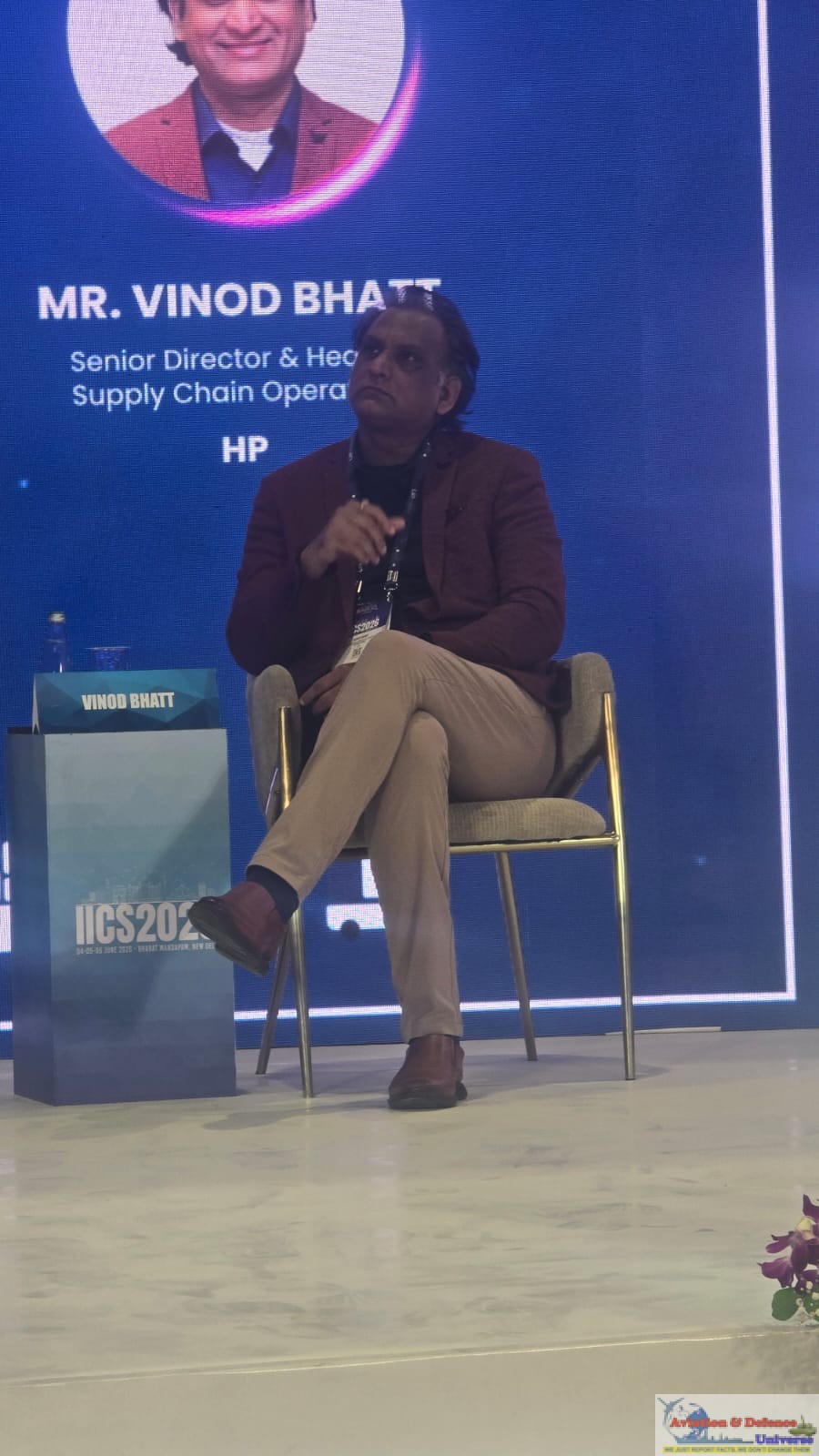 Representing the shipper perspective, Vinod Bhatt of HP India stressed that customers are increasingly focused on outcomes rather than transportation modes. “Customers don’t care how it comes. What they care about is speed, agility and predictability,” he said. Bhatt explained that HP increasingly uses hybrid logistics models combining air, sea and road transport to optimise cost, inventory management and delivery timelines. “The whole multimodal ecosystem should revolve around speed, agility and predictability,” he noted, emphasising that logistics performance is now a key factor in overall customer experience.
From strengthening connectivity between factories and airports to improving multimodal integration, embracing AI-driven visibility and learning from global e-commerce leaders, stakeholders stressed that India’s cargo ecosystem must evolve rapidly to meet future demand.
 Hitendra Mankani of Samsung SDS argued that today’s supply chains are driven as much by information as by physical movement. “If visibility is not travelling faster than your cargo, then there is no value to it,” he said. According to Mankani, supply chains have evolved from weekly forecasting to daily and increasingly hourly visibility requirements. Product launches, especially in electronics, depend heavily on precise delivery schedules and real-time information.
“It is all about integrated supply chains. Air freight plays a very important role because these businesses are driven solely by speed and visibility,” he said. The session also explored the impact of e-commerce and quick-commerce business models on traditional cargo operations. Panelists noted that companies such as Shein and Temu have transformed global logistics by integrating manufacturing, warehousing, transportation and digital platforms into a seamless ecosystem focused on speed.
Rajesh Menon highlighted how successful e-commerce companies invest heavily in airport-adjacent warehousing, block-space agreements with airlines and advanced tracking technologies. “If you need speed, you have to have strong warehousing facilities near airport terminals. You need space blocked with airlines because capacity is critical. Service comes at a price, and speed requires investment,” he said.
Technology emerged as one of the strongest themes of the discussion. Bhatt described logistics as increasingly becoming a technology business, while Mankani emphasised the transformative role of AI, predictive analytics and real-time visibility platforms. “Technology is just a start. AI is playing a vital role in logistics—not only in transportation but also in documentation, warehousing and planning,” Mankani said. He also advocated deeper digital integration between customs authorities, airlines and trade partners, particularly in the context of Free Trade Agreements (FTAs), to accelerate cargo movement and reduce administrative friction.
The discussion reflected growing confidence among global operators in India’s long-term cargo growth story. While infrastructure constraints, dwell times and regulatory complexities remain challenges, participants agreed that the country’s manufacturing expansion, rising exports, digital transformation and expanding airport network create a compelling opportunity for investment.
 As moderator Yashpal Sharma concluded, India’s air cargo sector currently handles around four million tonnes annually but has the potential to exceed 10 million tonnes in the coming decade. Achieving that target will require airlines, logistics providers, manufacturers and policymakers to work together in building a world-class ecosystem capable of connecting Indian products to consumers across the globe.
With global operators increasingly betting on India’s growth story, the session reinforced a clear message: India’s next leap in global trade will be powered not only by what it manufactures, but by how efficiently it moves those products to the world.
This is a particularly compelling topic because it sits at the crossroads of some of the most significant transformations taking place in the global economy—supply chain diversification, manufacturing growth, e-commerce expansion, geopolitical shifts and logistics modernisation.
Unlike discussions that focus solely on airlines or airports, the session “Rising Opportunities: Global Air Operators Betting on India” brought together every stakeholder in the cargo value chain—global airlines, airports, freight forwarders, logistics providers and multinational manufacturers. This allowed for a holistic conversation on why India is increasingly attracting the attention of the world’s leading cargo operators.
The topic is especially relevant today because India is transitioning from being primarily a consumption market to becoming a major manufacturing and export hub. Global companies are looking for alternatives and complements to traditional manufacturing centres, while India’s electronics, pharmaceuticals, textiles, perishables and e-commerce sectors are generating new cargo volumes. The question is no longer whether India will grow, but how quickly its cargo ecosystem can evolve to support that growth.
 What makes the discussion even more interesting is that air cargo is often an invisible enabler of economic development. Most people see airports as passenger hubs, but behind the scenes, air cargo drives exports, supports manufacturing, enables product launches, facilitates global supply chains and ensures the rapid movement of high-value goods. The session highlighted how factors such as cargo corridors, bonded trucking, multimodal logistics, AI, visibility platforms and quick-commerce models are reshaping the future of trade.
The discussion also offered a glimpse into the future. With India’s air cargo volumes expected to grow significantly over the next decade, stakeholders are debating fundamental questions: How can India become a global cargo hub? How can logistics costs be reduced? How can Tier-II and Tier-III cities be integrated into global supply chains? How can technology make cargo faster and more predictable?
Ultimately, it is a fascinating topic because it is not merely about moving freight—it is about how India can leverage logistics to strengthen exports, attract investment, create jobs, integrate into global value chains and enhance its competitiveness in the world economy. In many ways, the future of India’s trade ambitions will be closely linked to the future of its air cargo ecosystem.












































































-A4-Size-(2)_page-0001.jpg)