




























- Beyond Runways and Terminals: Why the Airport of Tomorrow Must Become an Economic Catalyst
- Noida International Airport: Building a New Gateway Around an Existing Market
- When Airports Grow, Regions Take Flight: Data, Collaboration and Connectivity are Drivers
By Sangeeta Saxena
New Delhi. 16 July 2026. Airports were once viewed largely as pieces of transport infrastructure—terminals through which passengers passed and runways from which airlines operated. That definition is rapidly becoming obsolete. As India’s aviation network becomes denser, passenger expectations evolve and economic activity spreads to new regions, airports are increasingly emerging as active participants in shaping connectivity, stimulating markets and accelerating regional growth.
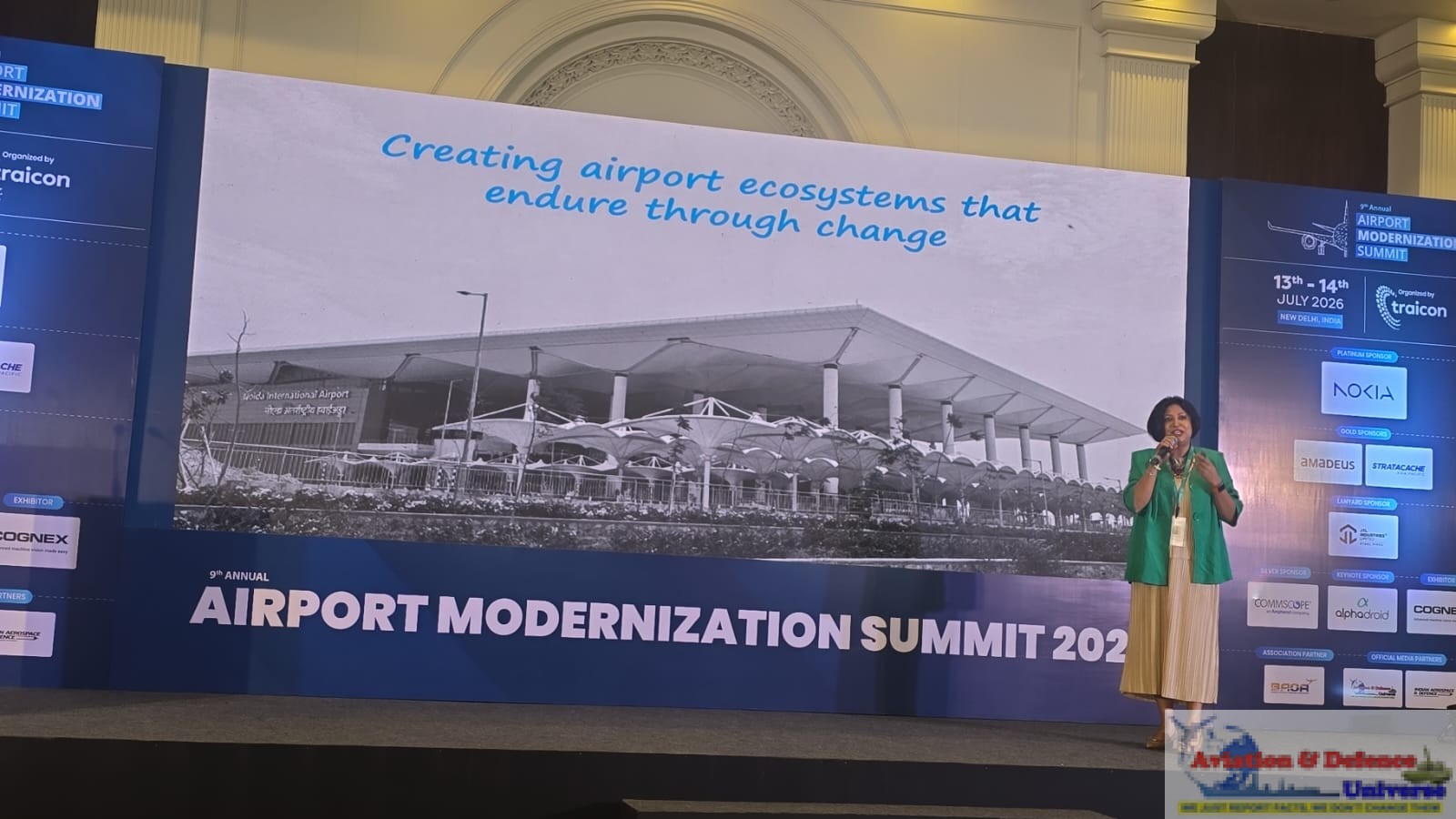
 Delivering an insightful address at the 9th Annual Airport Modernisation Summit in New Delhi, Surabhi Rana, IAP, Head – Aero Commercial, Noida International Airport, presented a compelling case for building resilient air networks that can withstand economic shocks, geopolitical uncertainties, airline disruptions and changing travel patterns while continuing to grow. Her central message was clear: aviation resilience is no longer about maintaining stability in an unpredictable world. It is about creating an ecosystem capable of adapting, collaborating and growing despite instability.
India’s Aviation Map is Getting Denser—and So Are the Challenges
Beginning with India’s dramatic expansion in air connectivity, Rana compared the country’s domestic aviation network of around a decade ago with the far denser network visible today. Connectivity has expanded from major metropolitan centres to Tier-II and Tier-III cities and regional destinations, creating one of the world’s fastest-growing domestic aviation markets.
But growth, she cautioned, inevitably brings pressure. As connectivity intensifies and flight frequencies increase, airports must continuously add resources and capabilities to accommodate demand. The challenge therefore extends beyond airlines and airports to the entire aviation ecosystem.
The industry, Rana noted, has already demonstrated an extraordinary ability to absorb disruption. Over the past two decades, Indian aviation has navigated airline collapses, macroeconomic turbulence, operational disruptions, network challenges and, most dramatically, the COVID-19 pandemic.Yet aviation continues to grow. Using global passenger traffic trends to reinforce her argument, she pointed out that despite continuing uncertainty and adverse market indicators, passenger demand has surpassed pre-pandemic levels. For Rana, this reveals the defining strength of aviation today: its growth is being driven not by stability, but by resilience.
Aviation Has Entered an Age of Continuous Construction
The rapid expansion of demand has created another reality for the aviation industry—airports are 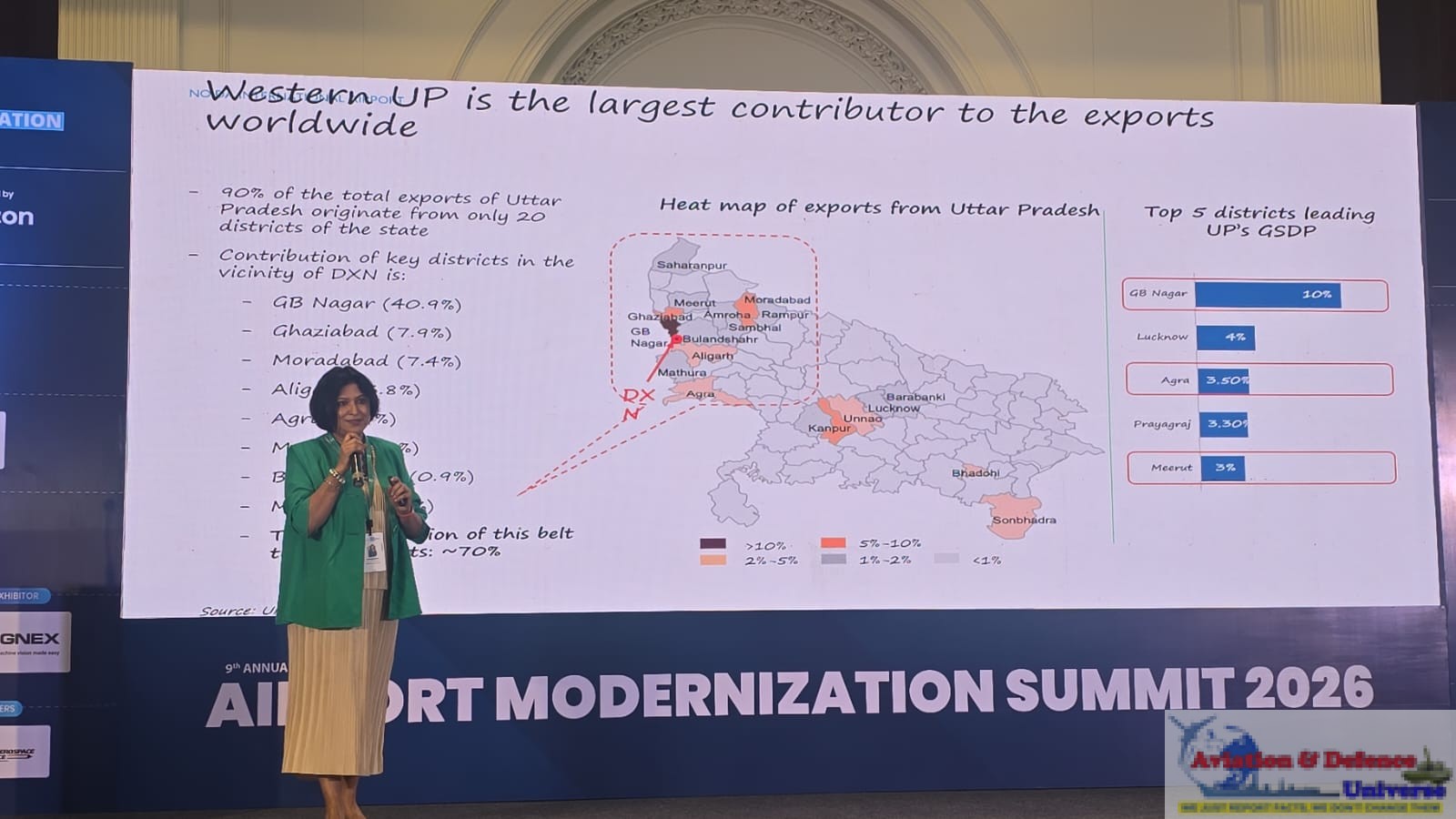 increasingly operating in what Rana described as an “age of continuous construction.” Infrastructure can no longer be built once and considered complete. As passenger volumes rise, airline networks evolve and new technologies emerge, airports must continually expand, modernise and reinvent themselves.
This creates an important question for airport operators: how can infrastructure grow without compromising the passenger experience? Past disruptions have repeatedly demonstrated that weaknesses anywhere in the aviation ecosystem—whether with an airline, airport, infrastructure provider or network—eventually affect the passenger. Building resilience therefore requires looking beyond individual organisations towards the performance of the ecosystem as a whole.
The Airport Mindset is Changing
One of the most significant shifts highlighted by Rana was the changing role of airport operators. Airports, she argued, can no longer consider themselves merely transport infrastructure or passenger-processing facilities.
“Airports are no longer just the transport infrastructure, not just the processors, where the job is just to build an airport, build an infrastructure, and let passengers go through it.” Instead, airport operators are becoming economic infrastructure providers, increasingly conscious of their contribution to the economic acceleration of the regions they serve. This represents a fundamental change in airport strategy. The airport of the future cannot simply wait for airlines to decide where they want to fly. It must understand its market, identify potential routes, study passenger demand and work proactively with carriers to create sustainable connectivity.
From Waiting for Airlines to Building Routes Together
Air service development, Rana explained, has consequently undergone a major transformation. The 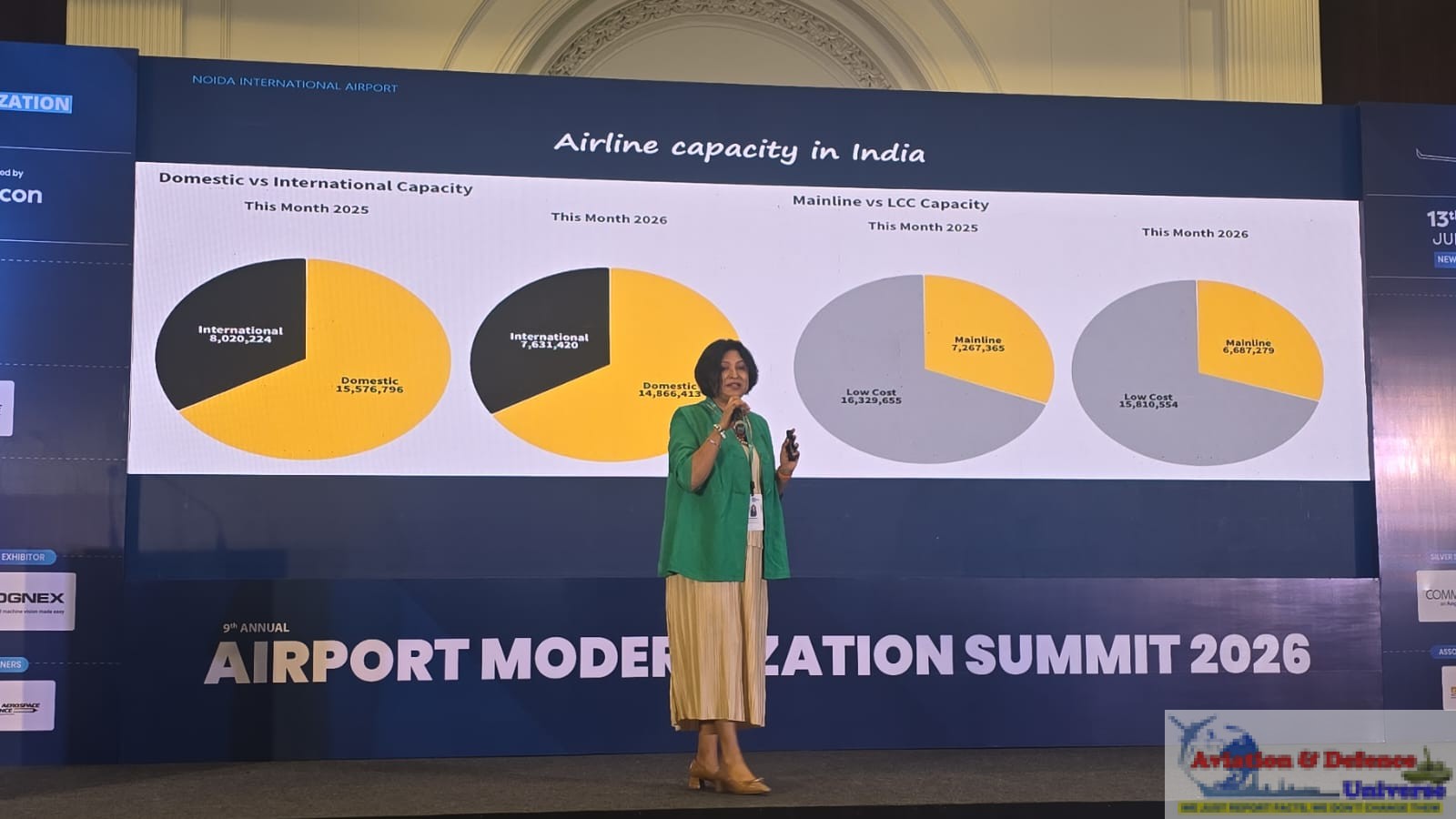 traditional approach was relatively passive: build an airport, invite airlines to operate and allow them to select routes according to their commercial priorities. That model is changing. Today’s airports increasingly work directly with airlines, presenting data and market intelligence to demonstrate the potential for new routes. They identify underserved city pairs, study passenger flows and highlight opportunities for nonstop connectivity to domestic and international markets.
For an airport serving a major catchment, this could mean demonstrating potential for direct services to Mumbai, Bengaluru and Hyderabad or identifying viable international links with Southeast Asia, the Middle East and Africa. The objective is not simply to launch a route. It is to ensure that the route makes commercial and operational sense for the airline and delivers value to the wider ecosystem.
A Successful Route Must Work Operationally Too
Commercial potential alone cannot sustain connectivity. Rana stressed that airlines must also find an airport operationally efficient. If day-to-day operations are difficult, the consequences will eventually reach the airline’s commercial decision-makers. Operational performance and commercial viability are therefore inseparable.
An airport seeking long-term connectivity must create an environment in which airlines can operate efficiently, passengers can move conveniently and other stakeholders—from concessionaires to cargo operators—can build sustainable businesses. This creates a wider definition of resilience encompassing commercial, operational and economic sustainability.
Data Must Drive the New Aviation Network
At the heart of modern air service development, Rana placed one critical resource: data. Traditional aviation analysis has often focused on passenger origin and destination, points of sale and existing traffic flows. But she argued that building future networks requires a much deeper understanding of markets.
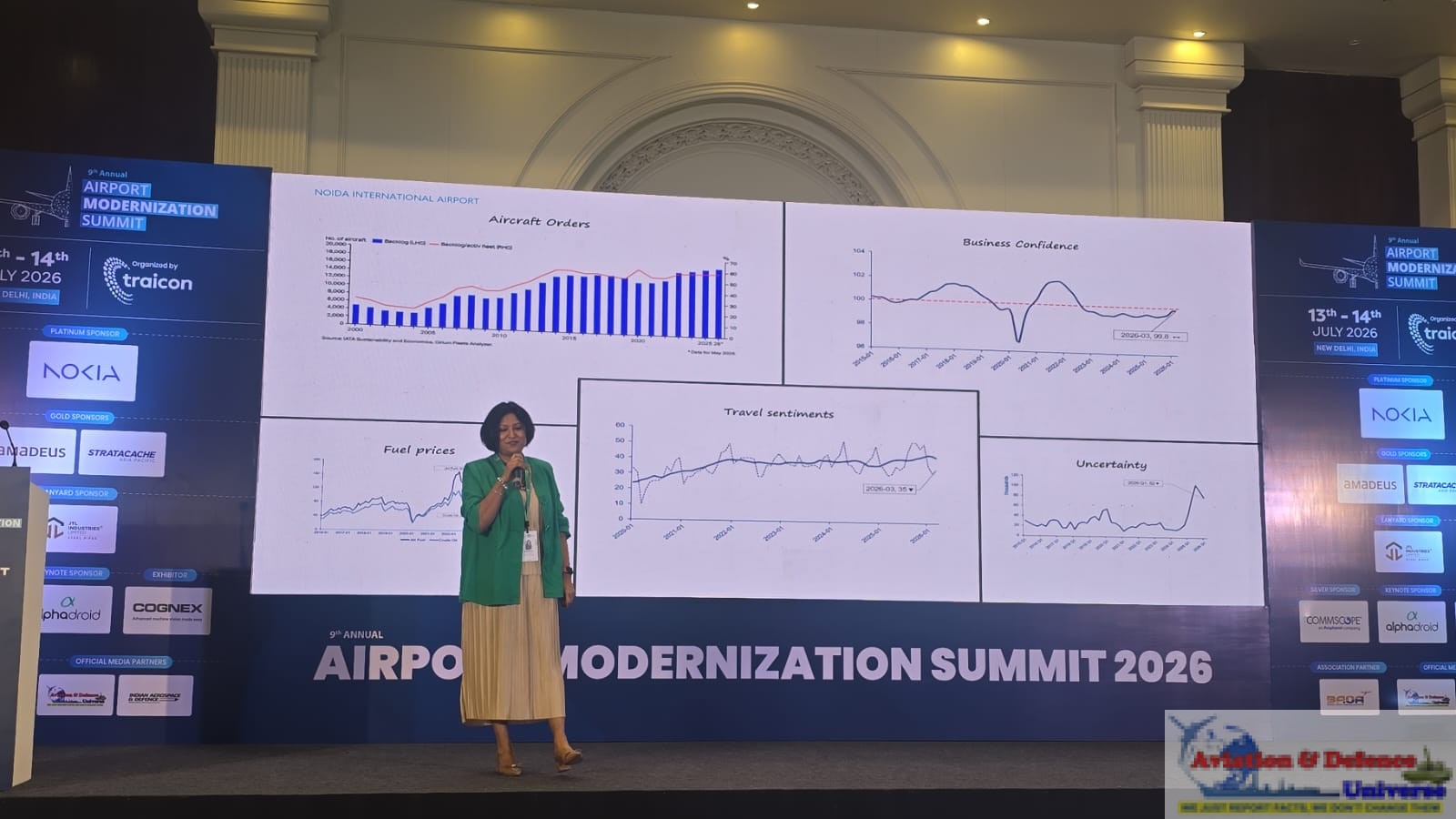 Macroeconomic conditions, consumer behaviour, regional industrial development and the underlying reasons why passengers travel must all become part of airport decision-making. “Data is the key.” For airports, the objective must be to identify the source of relevant data and use it intelligently to understand where genuine opportunities exist. This data-driven approach allows airports and airlines to move beyond assumptions and build routes around evidence—creating connectivity with a greater chance of surviving over the long term.
Connectivity Does Not Just Serve Demand—it Creates Demand
Rana also challenged the conventional assumption that airlines should launch services only when substantial passenger demand already exists. Using international route examples, she demonstrated how direct connectivity itself can stimulate markets. On one route connecting a Danish airport with Amsterdam, passenger demand reportedly increased almost fourfold after nonstop connectivity was introduced. Another regional example showed demand nearly doubling following the launch of a direct service. The lesson is important for emerging aviation markets: sometimes the route follows the market, but sometimes the route creates the market. Direct connectivity reduces travel friction, unlocks previously suppressed demand and can create new economic, tourism and business flows between regions.
An Airport Exists Because a Market Exists
Perhaps one of the most important ideas in Rana’s presentation was her reversal of a commonly held 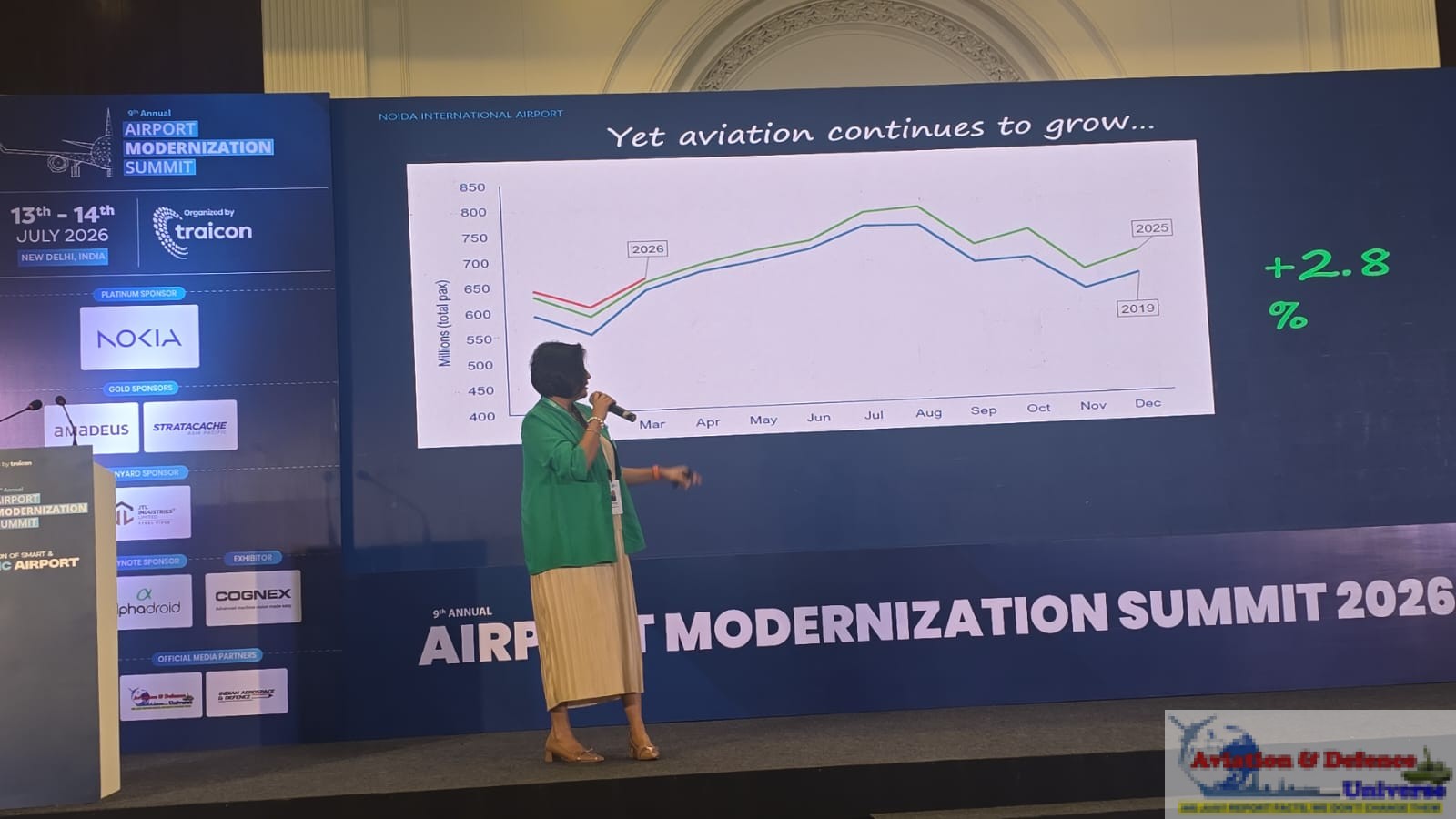 assumption about airports and regional growth. It is often said that airports create markets. Rana argued that the relationship begins in the opposite direction. “It is not the airport which is actually helping in the overall regional acceleration, but it is the other way around. Because a market exists, that’s where an airport exists.” This distinction is particularly relevant to the development of new greenfield airports.
A new airport is not created in isolation in the hope that passengers will eventually appear. It is developed because an existing catchment—passenger, industrial, commercial or cargo—requires additional capacity and better connectivity. The role of the airport is then to unlock that underlying economic potential.
Noida International Airport: Giving a Large Catchment a New Choice
Rana used Noida International Airport to illustrate this philosophy. The airport has been developed to serve a significant passenger and cargo catchment that previously faced long surface journeys to access air connectivity. For sections of the travelling community, reaching an airport could mean travelling for three to four hours.The new airport, she explained, provides this market with an alternative choice closer to its point of origin.
The opportunity extends beyond passengers. The surrounding region has substantial cargo potential, creating opportunities for manufacturers, freight operators, shippers and logistics companies to access aviation infrastructure more efficiently. For the airport, however, opening the doors is only the beginning.
Rana stressed the importance of continuously working with airlines, freight operators, shippers and other partners to understand their requirements and make operations as seamless as possible. “It’s a journey. We need the hand-holding of all our partners to ensure that we are able to develop a resilient network.”
Collaboration is the Foundation of Resilience
Throughout her presentation, Rana repeatedly returned to collaboration as perhaps the most important  ingredient in building a sustainable aviation network. A resilient airport ecosystem cannot be created by an airport operator acting alone. Airlines, regulators, concessionaires, cargo operators, logistics providers, surface transport agencies, passengers and the surrounding business community all have a role. Airports must therefore diversify their partnerships and understand the needs of every participant in the ecosystem.
The objective should be to create a system where every stakeholder has an opportunity to grow. That also means listening to the end user. Passenger expectations around transportation, airport facilities, convenience and service quality ultimately influence the sustainability of an airport’s network.
The Greenfield Advantage
For greenfield airports, Rana identified a unique opportunity: the ability to design resilience into the airport from the beginning. Unlike established airports constrained by legacy infrastructure, new airports can incorporate contemporary concepts into their original design philosophy. They can create infrastructure around operational efficiency and passenger experience, develop commercial propositions suited to modern aviation economics and build stronger integration with surrounding transportation systems.
This includes what Rana described as multimodal resilience—creating synergies between air travel, roads, railways and emerging forms of mobility. Such integration expands an airport’s effective catchment and makes it easier for passengers and cargo to reach the terminal, strengthening the sustainability of its network.
The Tenets of a Resilient Air Network
Rana’s address ultimately identified a series of interconnected foundations for resilience: strong air service 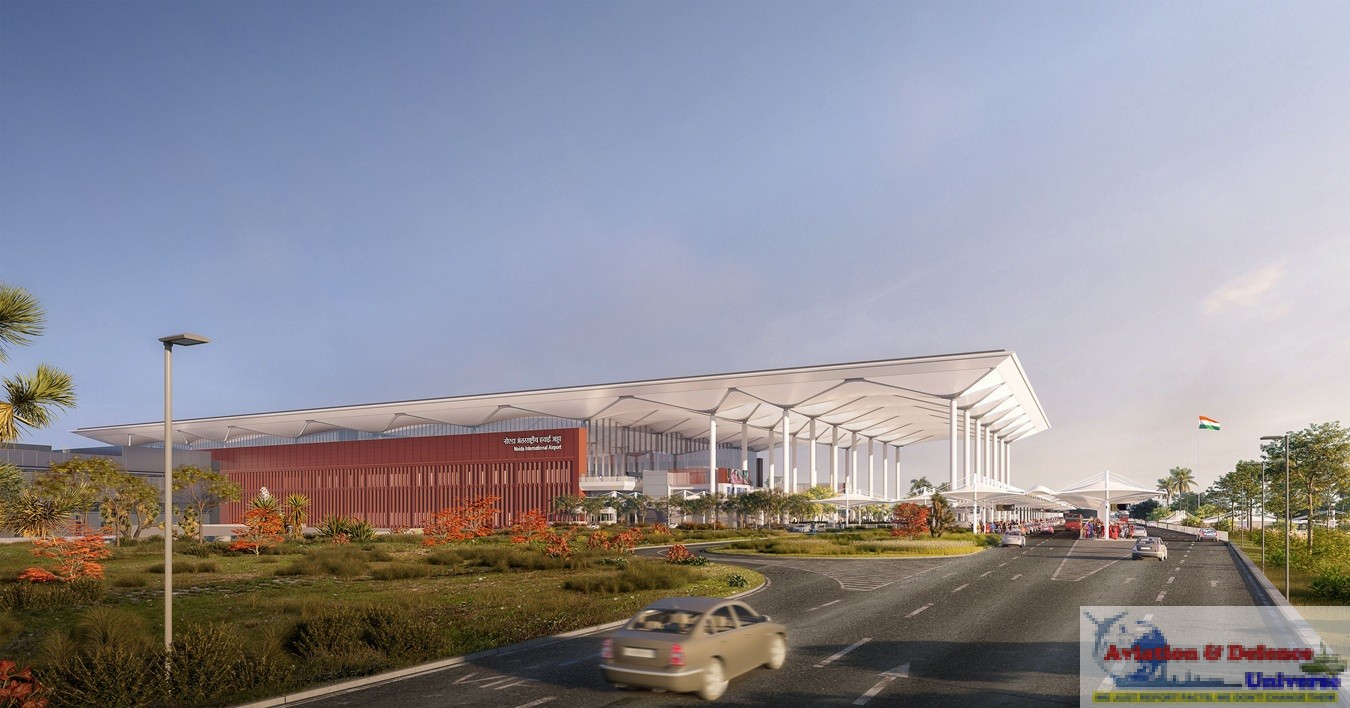 development, commercial viability, operational efficiency, economic sustainability, digital and data-driven decision-making, diversified partnerships, responsiveness to end-user needs, multimodal integration and, above all, stakeholder collaboration. None of these elements can operate effectively in isolation.
A route that is commercially attractive but operationally difficult may fail. An efficient airport without sufficient market demand will struggle. Strong passenger demand without adequate ground connectivity can undermine the travel experience. And infrastructure without stakeholder collaboration cannot achieve its full economic potential. Resilience, therefore, lies in the ability to connect all these pieces into one functioning ecosystem.
Connecting Economies, Not Just Destinations
Surabhi Rana’s address at the Airport Modernisation Summit offered a timely reminder that the future of  aviation will not be determined simply by how many airports India builds or how many new routes airlines launch. The real measure of success will be whether those airports and routes can withstand disruption, respond to changing markets and continue delivering value to passengers, businesses, airlines and the regions they serve.
For new-generation airports such as Noida International Airport, the opportunity lies in building resilience from the ground up—combining data-led air service development, operational efficiency, commercial viability, multimodal connectivity and deep stakeholder collaboration.And Rana left the audience with a thought that neatly captured the larger purpose of aviation infrastructure:
“Airports not just connect the destinations, they connect the larger economies. And that is what is going to define the next era of growth in aviation.” In an aviation market growing as rapidly as India’s, the airport of tomorrow will therefore be far more than a terminal and a runway. It will be a connector of markets, a stimulator of demand, a facilitator of trade and a catalyst for regional economic transformation.



















































































-A4-Size-(2)_page-0001.jpg)