















- Ankit Aerospace Story from ISRO to International Aerospace Supply
- India’s Aerospace Ecosystem Has Moved from Promise to Performance
- Supplying Airbus, Boeing and GE: Ankit Aerospace Charts India’s Manufacturing Rise
By Sangeeta Saxena
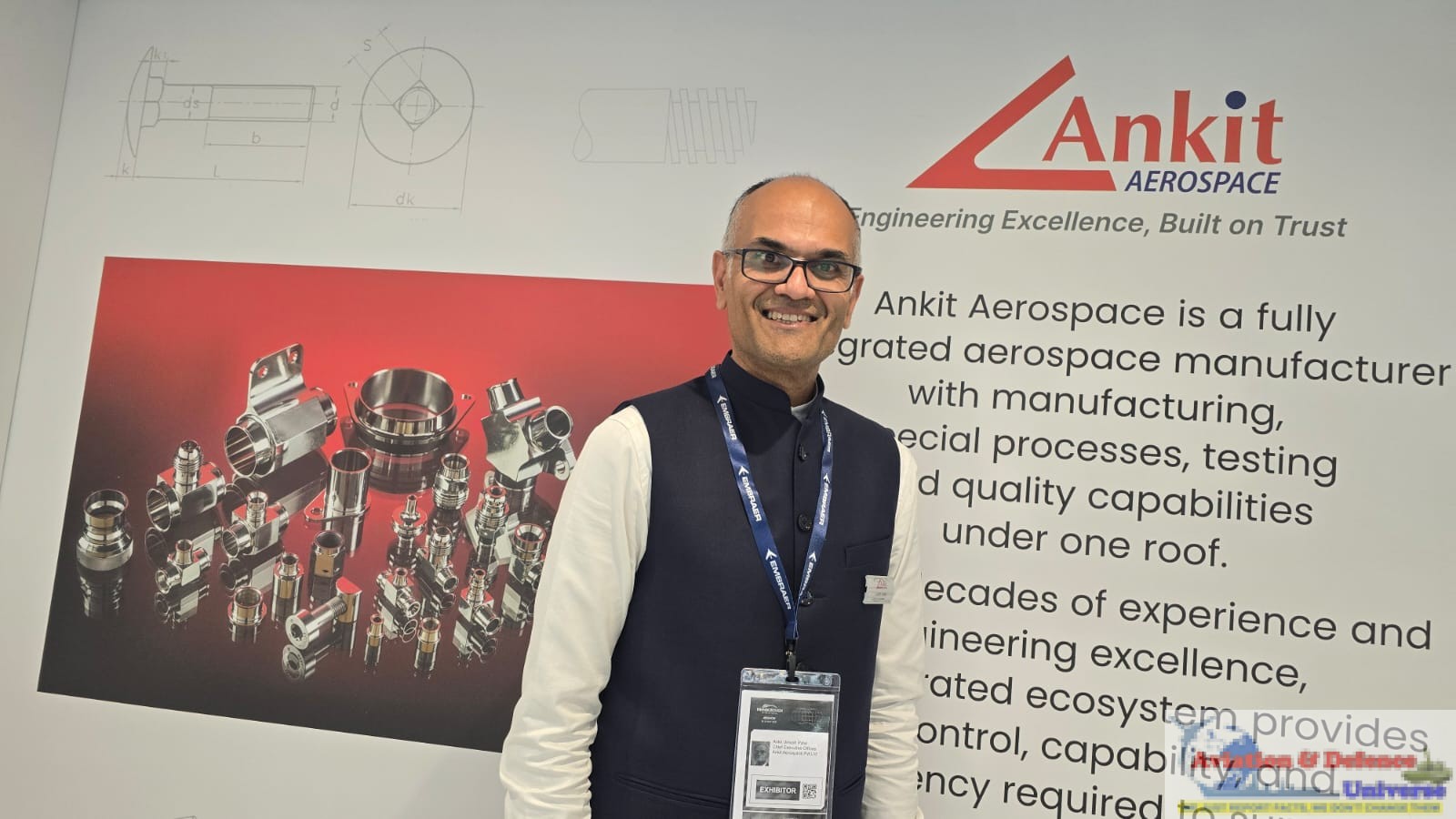
Farnborough, UK. 24 July 2026. Few stories illustrate the evolution of India’s aerospace manufacturing ecosystem as vividly as that of Ankit Aerospace. What began as a second-generation family business rooted in the automotive industry has grown into one of India’s leading manufacturers of aerospace fasteners and precision-engineered components, supplying global giants including Airbus, Boeing, GE and major international space programmes.
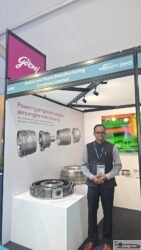
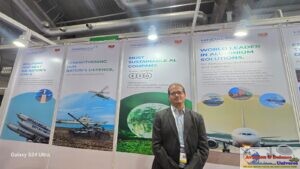
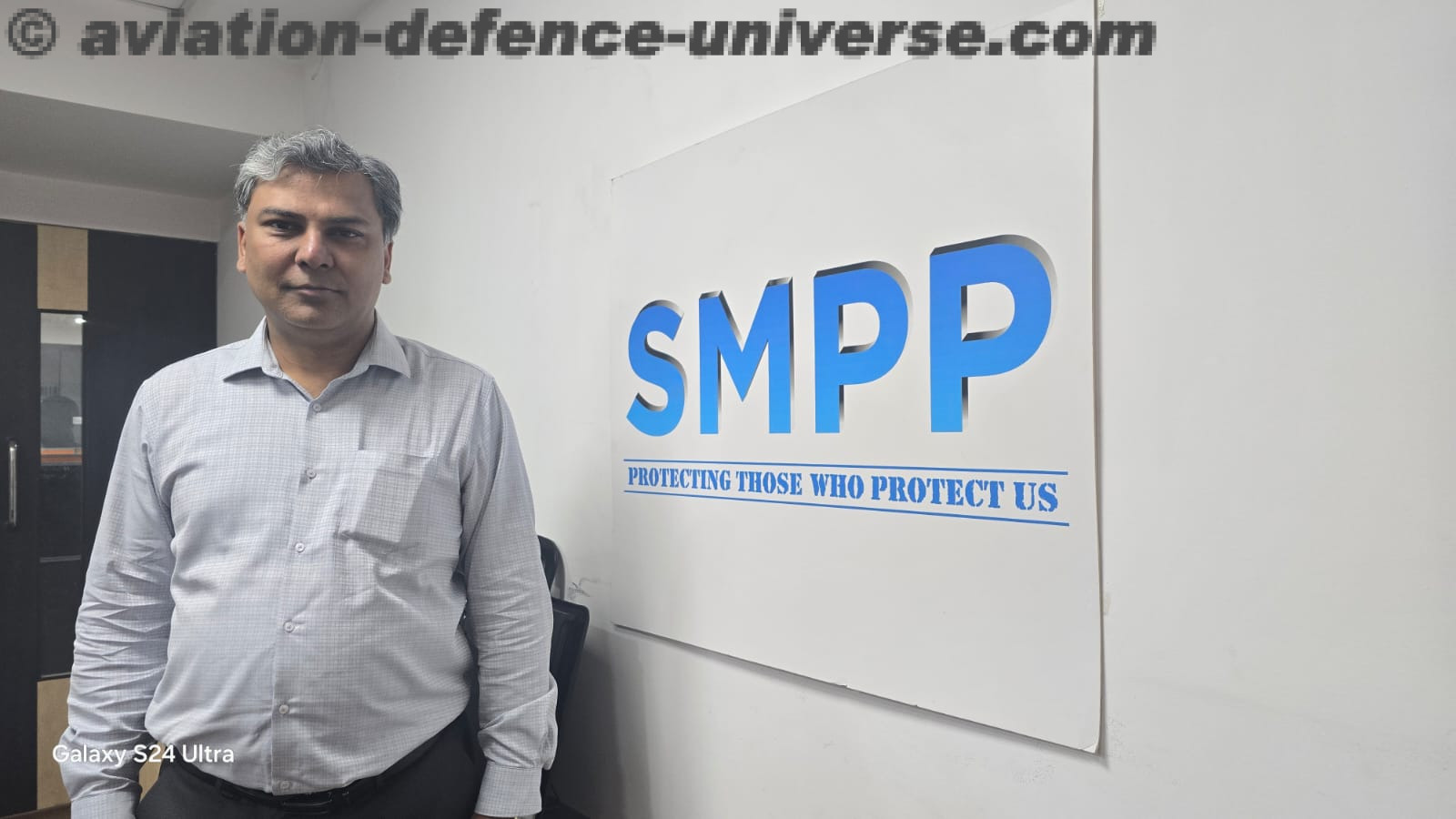
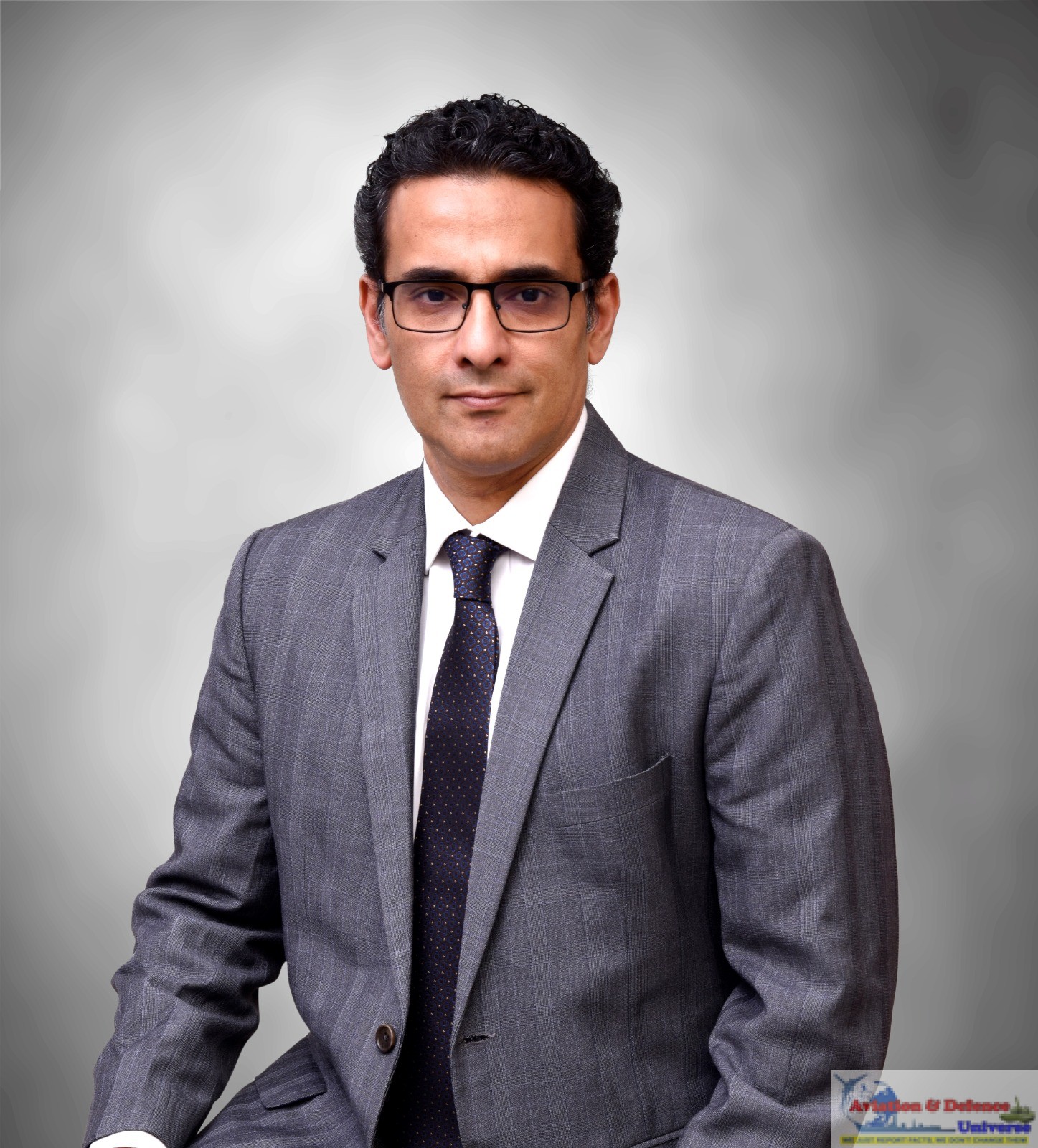
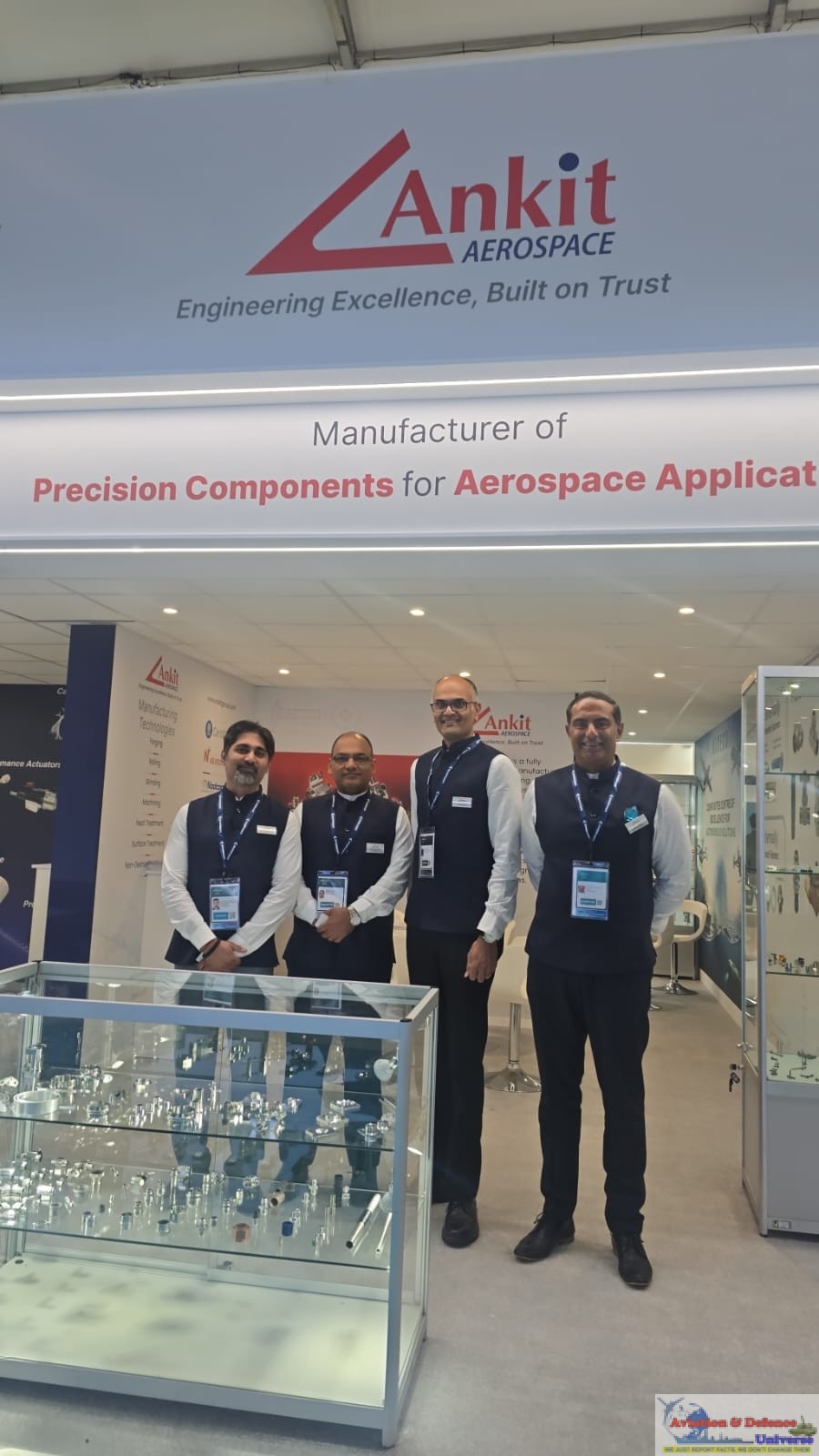 At Farnborough International Airshow 2026, Ankit Aerospace joined fellow Indian companies in presenting the country’s rapidly maturing aerospace capabilities to the global industry. For Chairman & CEO Ankit Patel, however, the exhibition represented much more than a business opportunity. It reflected three decades of perseverance, continuous investment in technology and skills, and a transformation driven by India’s expanding aerospace ecosystem.
The company today employs around 600 people, operates multiple manufacturing facilities in Bengaluru and is preparing for further expansion both within India and overseas. Yet Patel is quick to acknowledge the foundations of that journey, crediting ISRO for nurturing the company during its formative years and helping it develop capabilities that now serve some of the world’s most demanding aerospace customers.
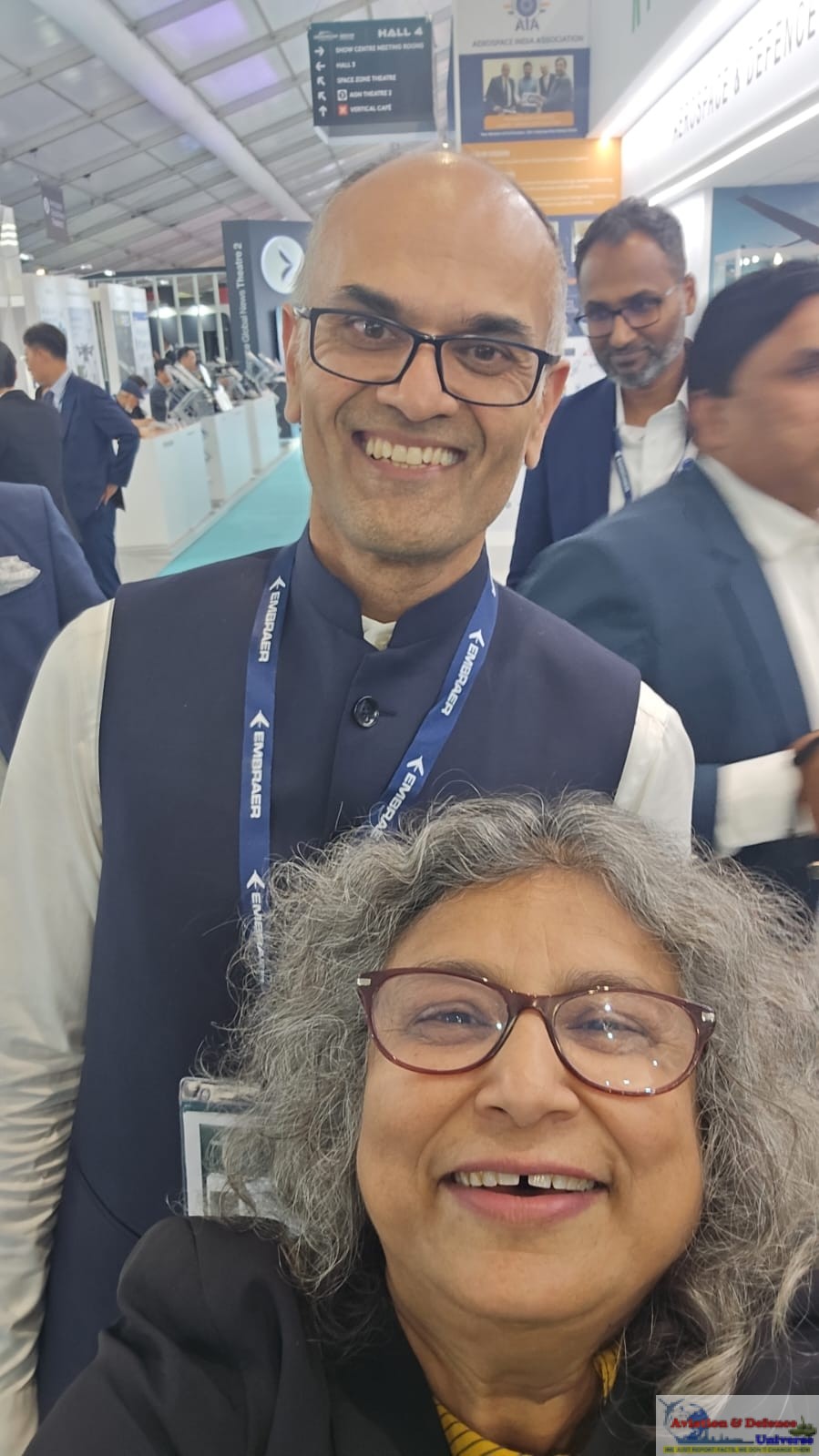
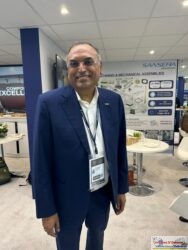
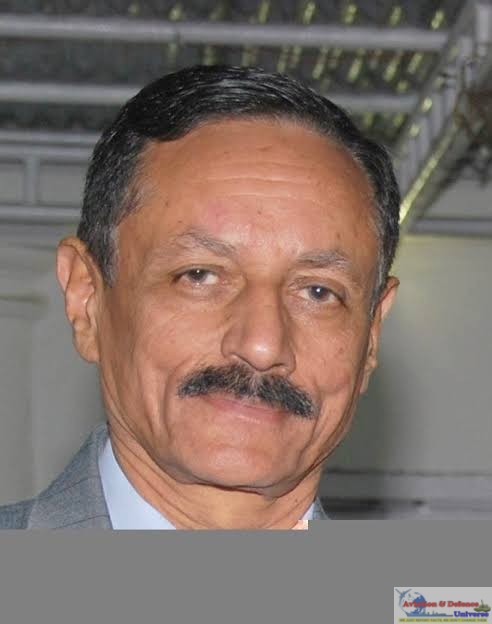
Speaking exclusively to Aviation & Defence Universe (ADU) at Farnborough International Airshow 2026, Ankit Patel, Chairman & CEO, Ankit Aerospace, discusses the company’s remarkable growth, the opportunities emerging for Indian aerospace manufacturers, the importance of skilling and quality, expanding global supply chains and why he believes the “India story” has moved beyond promise to proven performance.
ADU. We are here at Farnborough International Airshow 2026, where Ankit Aerospace is exhibiting in strength alongside other Indian companies. What are you showcasing here?
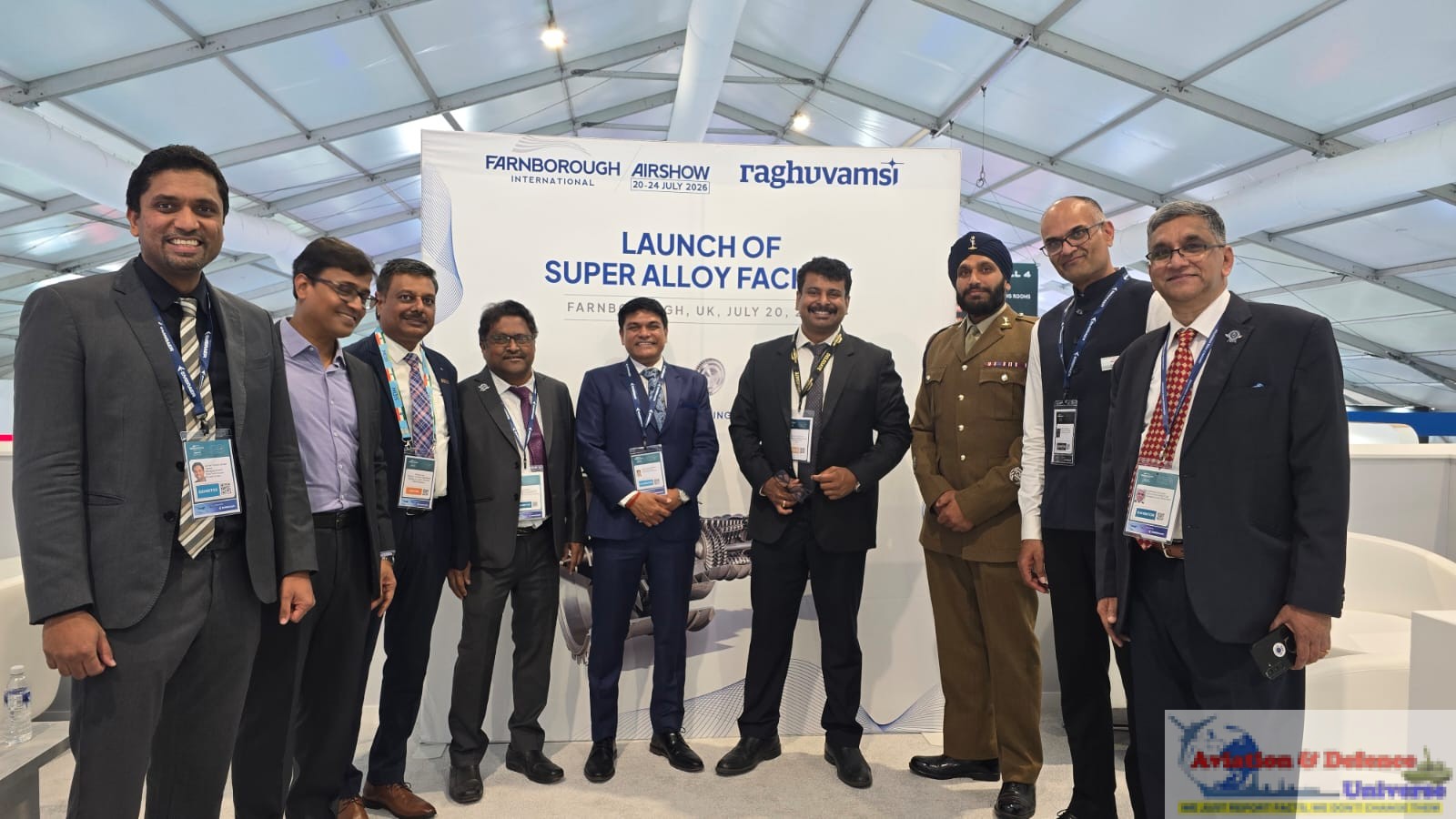
Ankit Patel. We are showcasing the development of the Indian aerospace industry. This is the first time we are exhibiting together outside India, and the idea behind coming together is to demonstrate that the capabilities available in India today are at par with anywhere else in the world.
We have been in the aerospace industry for nearly 30 years, but it is really the last decade that has transformed the business. The first 15 to 20 years were about learning the art of aerospace manufacturing—understanding the technologies, making mistakes and continuously improving.
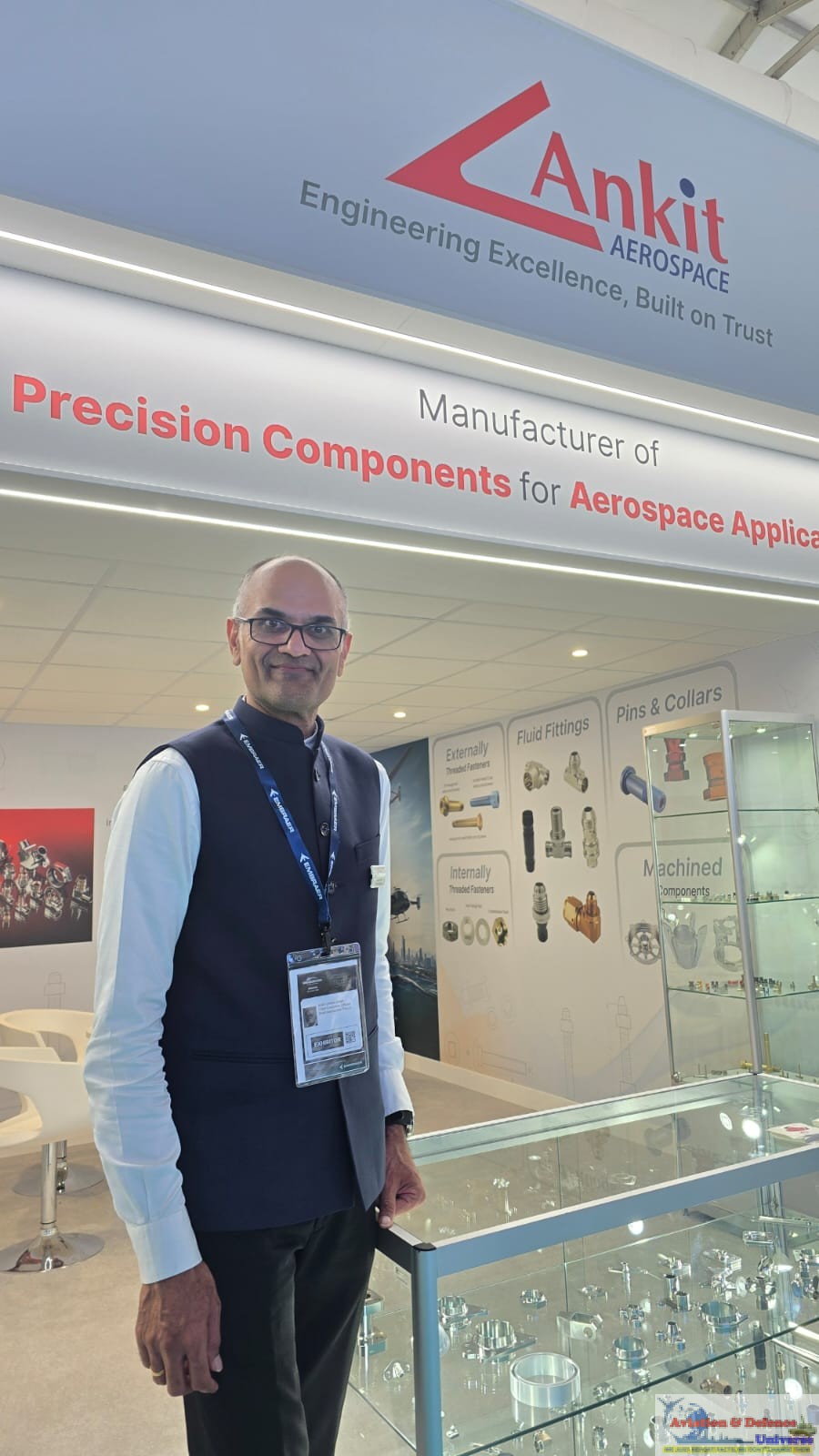 During the last ten years, as the ecosystem around us matured and more multinational companies established operations in India, the pace of growth accelerated significantly. The momentum became even stronger after COVID because global supply-chain disruptions encouraged OEMs to approve new suppliers, and Indian companies were ready to step in. That is why we are here today—to demonstrate that India has become a credible aerospace manufacturing destination.
ADU. Tell us about the journey of Ankit Aerospace. Is it a first-generation business?
Ankit Patel. No, I am a second-generation entrepreneur. My father started the business almost fifty years ago in the automotive fasteners industry. When I joined the business, we had carried out a few initial trials with ISRO. Around 2005 we entered aerospace in a much larger way.
It was a natural progression from automotive manufacturing, but it was also a strategic necessity because we were a relatively small player in automotive and faced much larger competitors. Around 20–25 years ago, we decided to focus on aerospace. ISRO became our biggest mentor. They supported us, taught us and guided us through the learning process.
I always say that we owe everything we are today to ISRO. They gave us the confidence and capability to grow. Of course, timing also helped. Between 2005 and 2007, India witnessed tremendous growth in aerospace, and we were fortunate to ride that wave. But even then, we did not realise that it would take another ten to twelve years to truly master the art of aerospace manufacturing. When I took over, we had only 18 employees. Today we are a team of nearly 600 people.
ADU. What are some of the milestones that make you most proud?
Ankit Patel. One of the achievements we are proudest of is helping solve India’s aerospace fastener requirement. Today, ISRO’s fastener requirements are fully indigenised. A large part of HAL’s requirements 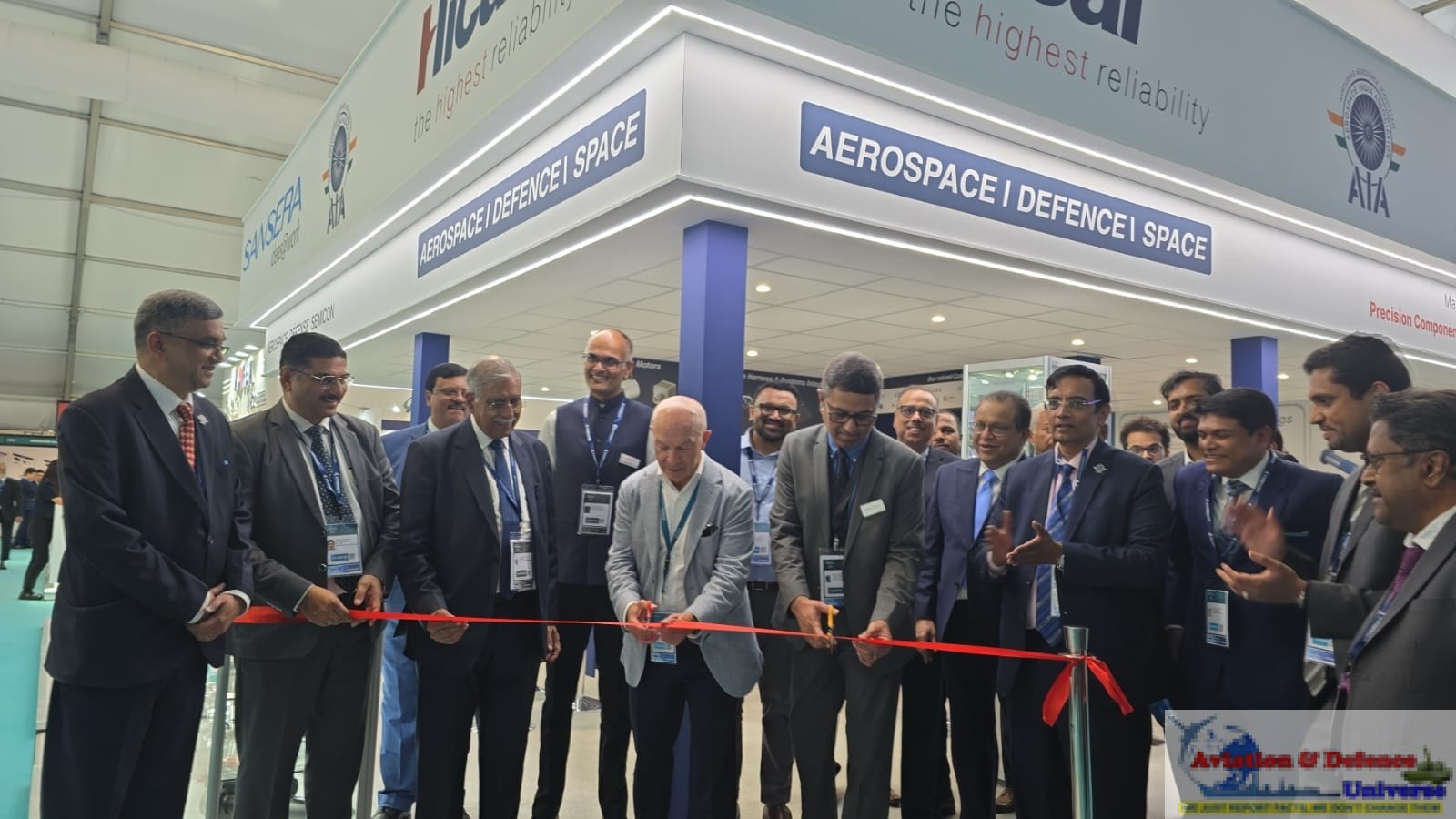 are also localised. The fasteners used in the new aerospace assembly lines being established in India are now manufactured domestically. That capability has also enabled us to supply internationally. Today we supply to Airbus, Boeing, GE and several major space programmes in the United States. Everything that we have achieved internationally has its roots in the support ISRO gave us nearly twenty-five years ago.
ADU. Where are your manufacturing facilities located?
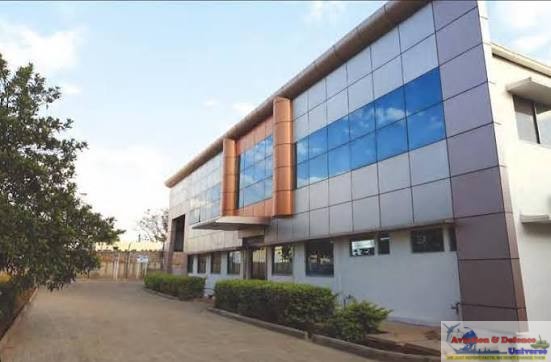
Ankit Patel. We currently have three manufacturing facilities in Bengaluru. We operate five product lines, and each product line eventually requires a dedicated facility. Within the next eighteen months, we expect to expand to five manufacturing facilities. At present, all our operations are located in Bengaluru, but in the longer term we see ourselves establishing facilities in both the United States and Europe. Given today’s geopolitical realities, companies increasingly need manufacturing capability in the regions where they intend to do business. That is very much part of our long-term vision.
ADU. Bengaluru is considered India’s aerospace capital. How important has that ecosystem been to your growth?
Ankit Patel. It has been extremely important. The ecosystem exists here because of organisations like HAL and ISRO. You also have India’s machine-tool industry here, and almost every major multinational aerospace company has engineering centres in Bengaluru.
 For example, one of the reasons we work so closely with GE is because their engineering organisation is located here. Whenever there is a technical issue, our engineers can literally drive across the city and resolve it. That level of collaboration simply isn’t possible everywhere. Having said that, our future facilities are likely to be outside Bengaluru because our customers are asking us to diversify geographically to reduce concentration risk. We are evaluating opportunities in other southern states and would certainly like to expand elsewhere in India when the required talent ecosystem develops.
ADU. Ankit Aerospace has grown into one of India’s leading aerospace manufacturers. What, in your view, has been the driving force behind this growth?
Ankit Patel. There are organisations that grow simply because the market grows with them, and there are organisations that grow because they consciously decide what kind of company they want to become. We chose the second path. From the beginning, we focused on building the right culture, investing in continuous improvement and creating capabilities that would stand the test of time. Our objective was never just to grow bigger, but to build a company that could compete with the best in global aerospace.
ADU. How have you translated that philosophy into building Ankit Aerospace as an organisation?
Ankit Patel. We have deliberately invested in developing talent from within and creating an organisation that possesses every critical capability in-house. Today, we are a team of more than 600 people operating across four facilities in Bengaluru. Over the years, we have built the processes, certifications and institutional knowledge required to support some of the world’s most demanding aerospace programmes. That strong foundation gives our customers confidence and allows us to deliver consistently at global standards. Around 30 years ago, we made a deliberate decision to build every critical manufacturing capability in-house. That strategy has given us complete ownership over our processes, quality standards and final outcomes. It has enabled us to steadily strengthen our indigenous manufacturing capabilities and reduce dependence on external sources. Today, that foundation supports an integrated manufacturing ecosystem spanning aerospace fasteners, fluid fittings and precision-machined components, all designed, manufactured and certified under one roof. This commitment to self-reliance and engineering excellence is what defines Ankit Aerospace and it is the value we are showcasing to our global customers at Farnborough International Airshow 2026.
ADU. Having witnessed India’s aerospace journey over the past two decades, how do you view the country’s growth and global acceptance today?
Ankit Patel. The transformation has been remarkable. In the early 2000s, we struggled to source even basic aerospace materials. I still remember going to France and the United States, almost pleading with suppliers to sell us titanium because nobody knew who we were or where we had come from. At that time, India was under sanctions, and even procuring specialised screws and bolts for aircraft and spacecraft was a challenge. We had to build an aerospace company from scratch, develop the ecosystem almost ourselves and retrain an automotive workforce to manufacture high-precision aerospace components. It wasn’t easy, but with persistence, government support and ISRO’s vision of Atmanirbharta, the situation has completely changed. Today, India is recognised as a trusted aerospace manufacturing destination. Our components are flying in commercial aircraft around the world and have even reached the Moon and Mars through India’s space missions. That acceptance is the biggest validation of how far Indian aerospace has come.
ADU. Based on your own journey, what message would you like to give to Indian MSMEs and manufacturers aspiring to become part of the global aerospace ecosystem?
Ankit Patel. My advice is not to chase short-term market trends but to focus on creating long-term 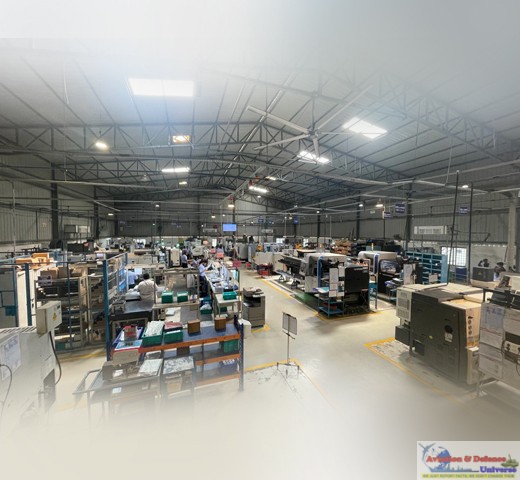 capability. We built our company by investing in expertise, technology and self-reliance rather than looking for quick wins. The future belongs to companies that can leapfrog traditional manufacturing methods by embracing advanced technologies and innovative processes. Indian MSMEs today have a unique opportunity—they don’t have to follow the same industrial evolution that other countries went through over decades. They can adopt the latest technologies from the outset and become globally competitive much faster. If we continue to build capabilities, strengthen our manufacturing ecosystem and think long term, India will not just participate in the global aerospace supply chain; it will increasingly help shape it.
For Ankit Patel, the rise of Ankit Aerospace is inseparable from the rise of India’s aerospace manufacturing ecosystem. From the early support provided by ISRO to partnerships with global OEMs and participation in international supply chains, the company’s journey reflects how Indian industry has steadily progressed from learning the fundamentals of aerospace manufacturing to becoming a trusted supplier of flight-critical components.
 His optimism about India’s future is grounded not in hype but in execution. Global aerospace companies are no longer looking at India merely as an alternative manufacturing destination; they are increasingly relying on Indian companies for quality, engineering excellence and dependable deliveries. At the same time, Patel believes continued investment in skilling, technology and capacity will be essential if India is to consolidate its position as a global aerospace manufacturing hub.
Perhaps his most telling observation came when reflecting on the country’s changing reputation. After decades spent building trust, he believes Indian aerospace has crossed an important threshold. The conversation is no longer about potential—it is about performance, deliveries and long-term partnerships. As he puts it, “The India story is here to stay.”
As Told To Sangeeta Saxena





































































-A4-Size-(2)_page-0001.jpg)