














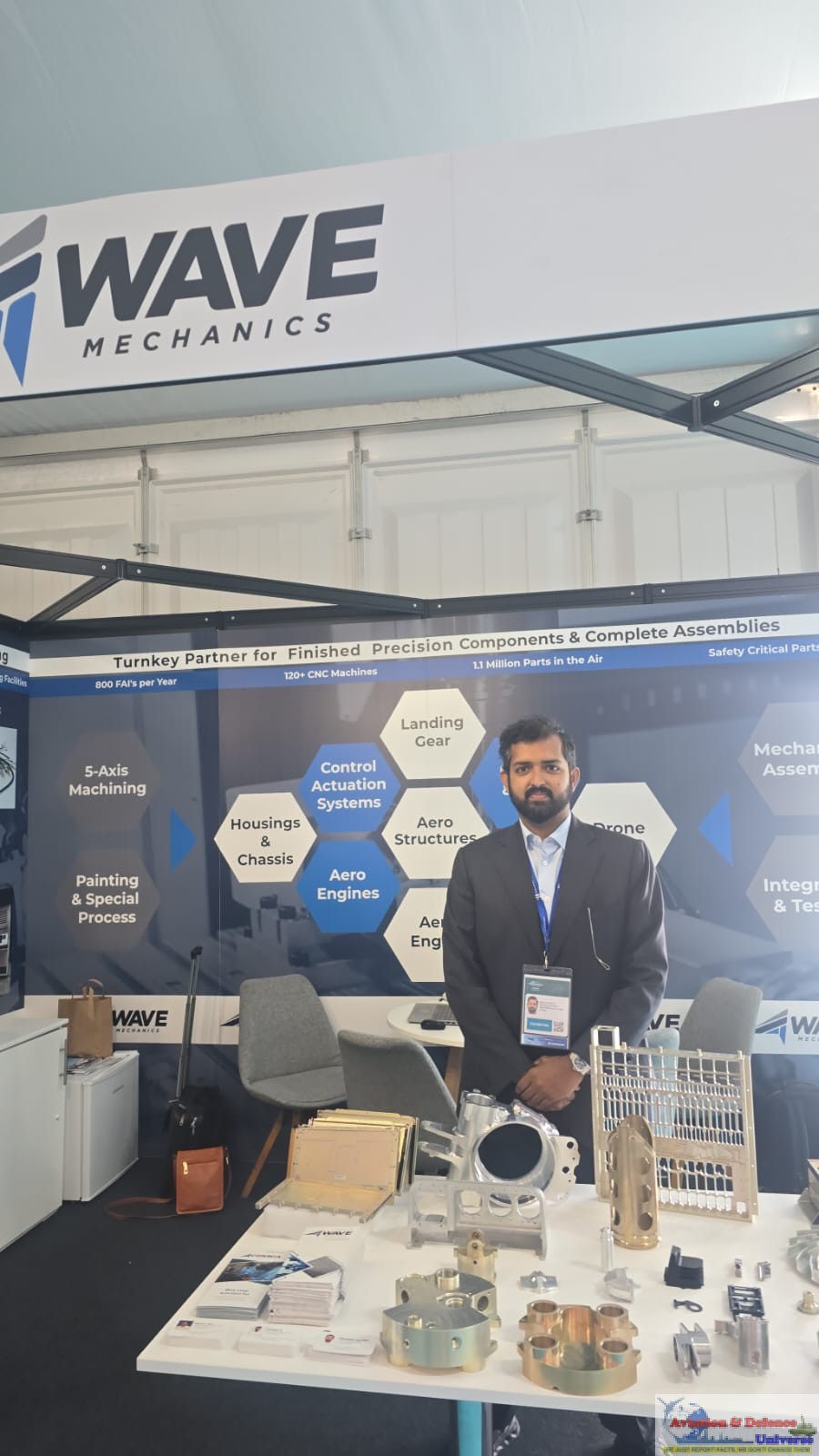
- “India is at an Inflexion Point”: Mayank Dalmia on the Future of Aerospace Manufacturing
- Wave Mechanics Bets on Collaboration to Build India’s Aerospace Ecosystem
- Why Collaboration Will Define the Next Chapter of Indian Aerospace
By Sangeeta Saxena
Farnborough, UK. 24 July 2026. As global aerospace supply chains continue to diversify, India’s precision engineering industry is steadily emerging as a trusted partner for some of the world’s largest aerospace and defence companies. Among the companies riding this wave is Wave Mechanics, which has built a strong reputation in complex five-axis precision machining, while its sister company Comavia Systems Technologies is expanding India’s capabilities in avionics integration, automated test equipment and ground support systems.
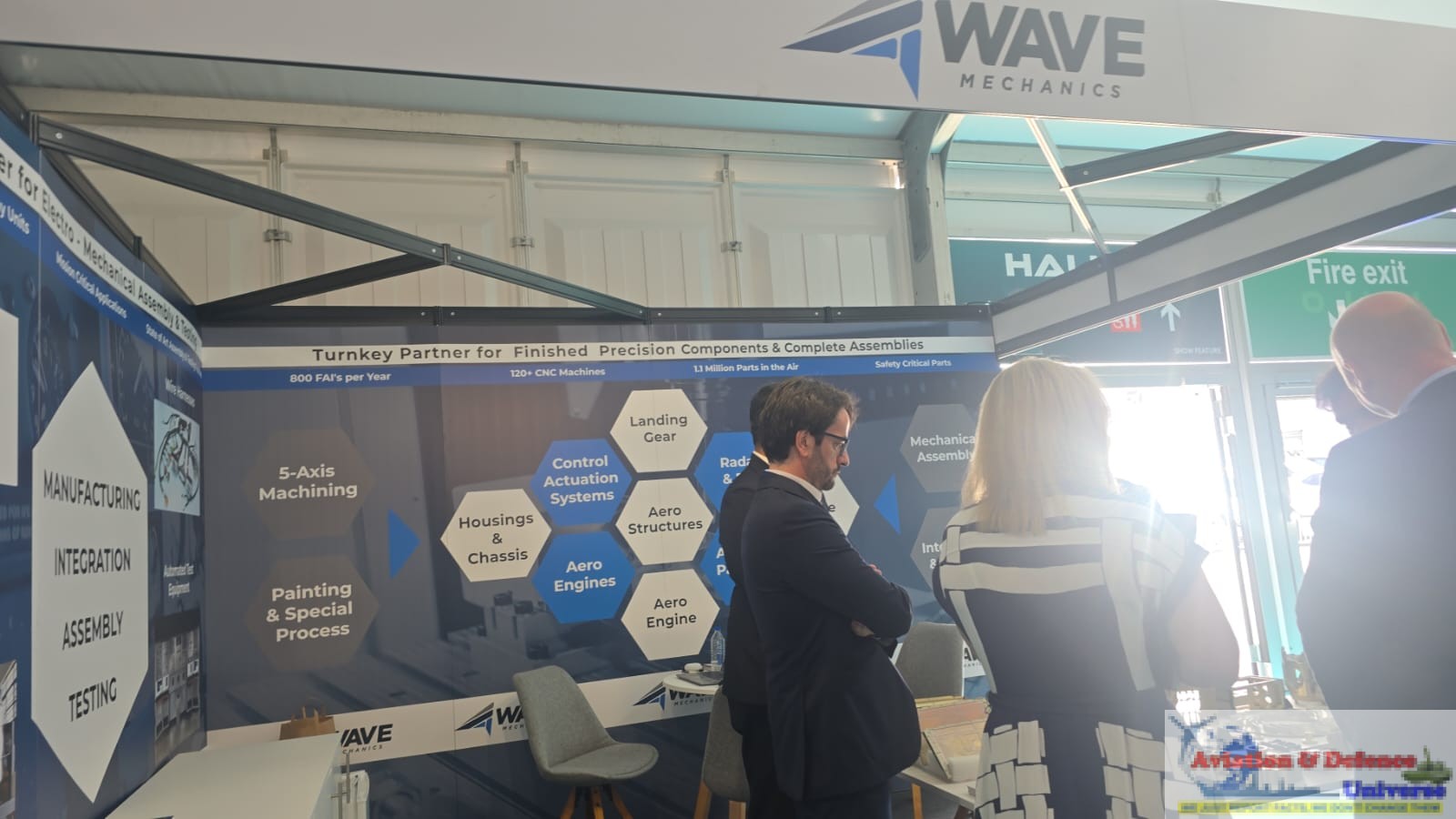 Returning to Farnborough International Airshow for the second consecutive edition, the Bengaluru-based companies are showcasing their growing capabilities to an international audience of OEMs and Tier-1 suppliers. Their ambitions, however, extend well beyond machining components. With expanding manufacturing infrastructure, increasing engagement with global defence primes and a growing role in India’s military aviation ecosystem, the companies are positioning themselves as long-term technology partners for both domestic and international aerospace programmes.
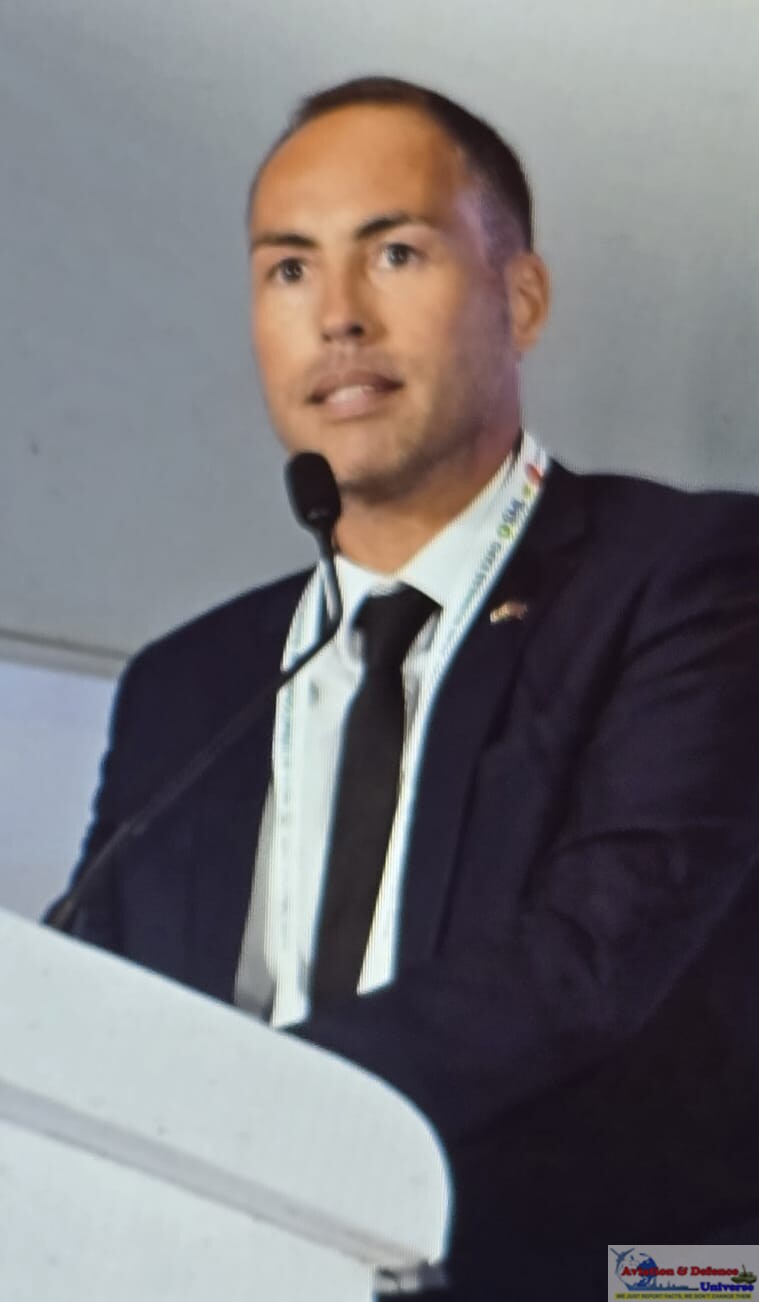
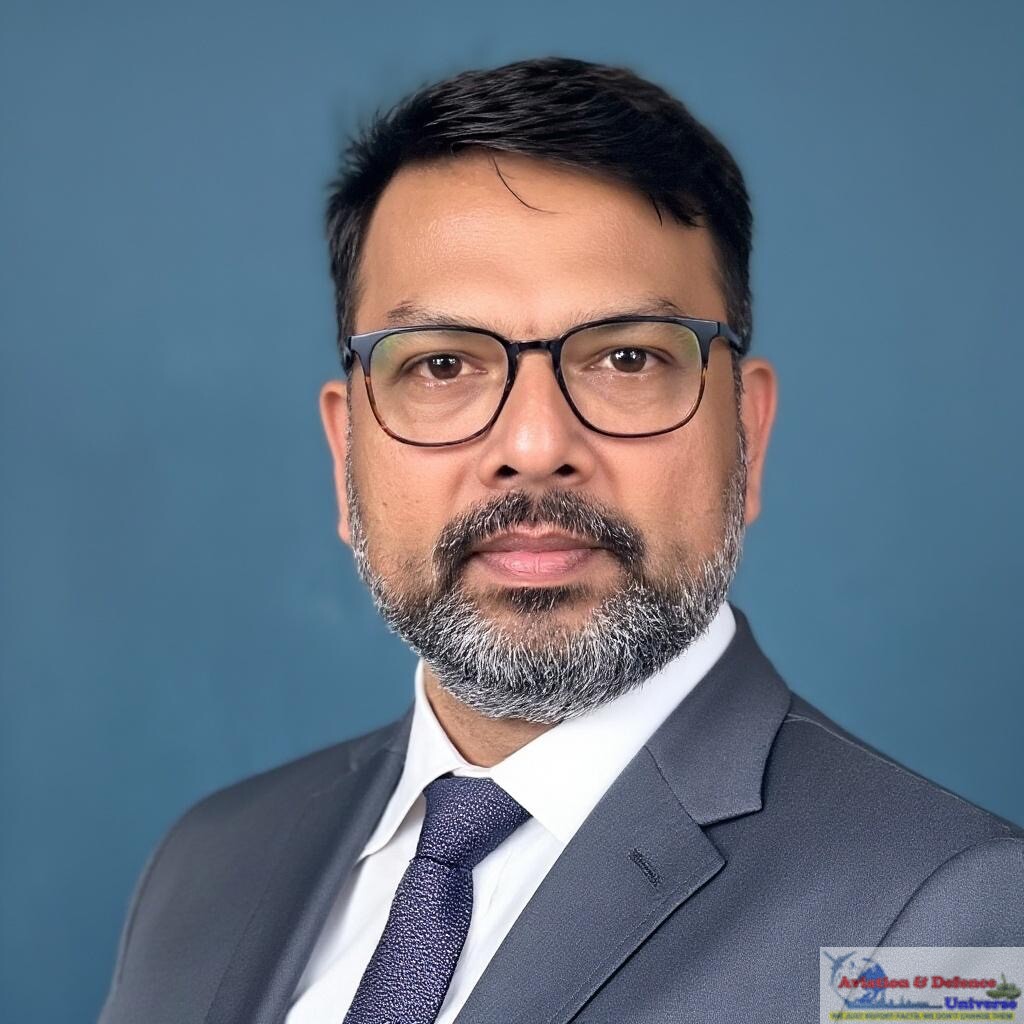
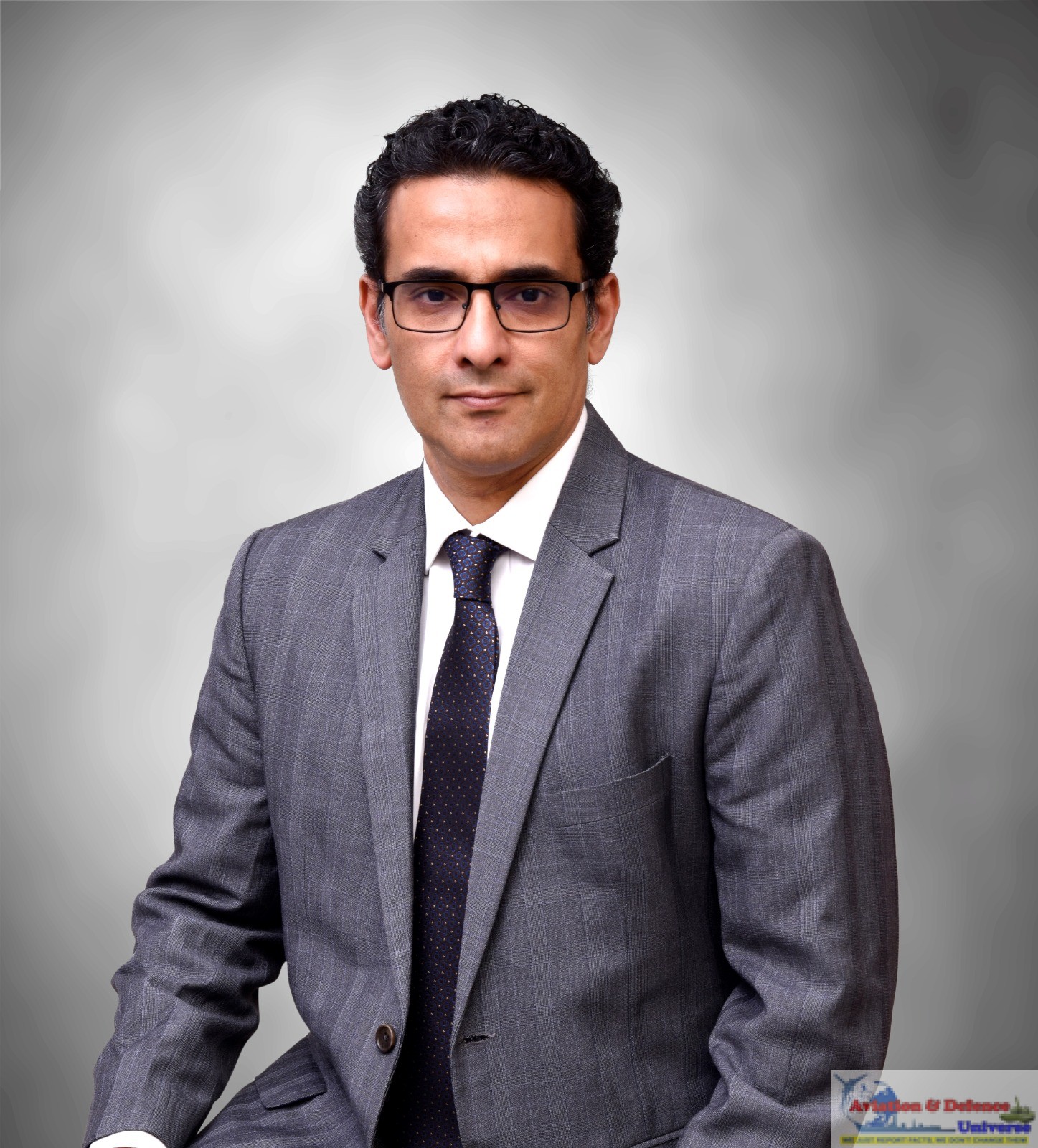
Speaking exclusively to Aviation & Defence Universe (ADU) at Farnborough International Airshow 2026, Mayank Dalmia, Co-founder & Chief Business Officer of Wave Mechanics and Comavia Systems Technologies, discusses the company’s precision manufacturing expertise, global customer base, collaborations across India’s aerospace ecosystem, expansion plans and his vision for making India a preferred destination for advanced aerospace manufacturing and engineering.
ADU. We are meeting here at Farnborough International Airshow 2026. Wave Mechanics seems to have been extremely busy since the opening of the show. What are you showcasing this year?
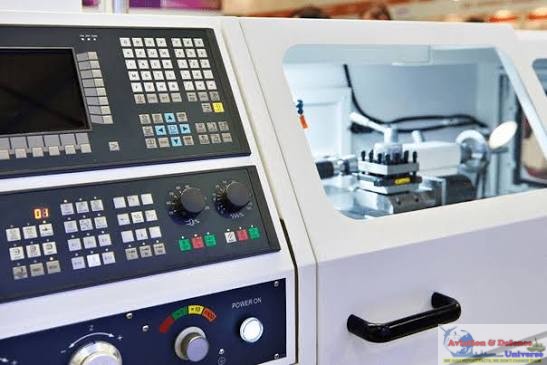
Mayank Dalmia. Thank you. This is Wave Mechanics’ second participation at Farnborough International Airshow. This year we are showcasing our complete precision machining capability. Our core strength today lies in complex five-axis machining, and we are displaying precision-engineered components and assemblies developed for both the aerospace and defence sectors. Alongside Wave Mechanics, we are also showcasing our sister company, Comavia Systems Technologies. Through Comavia we are presenting our capabilities in avionics, ground support equipment and automated test equipment. This business is focused primarily on supporting the Indian Air Force and the broader Indian aircraft ecosystem.
ADU. We are speaking on the morning of Day Three. How has the response been so far?
Mayank Dalmia. We are extremely pleased with the response. The footfall has been very good. We have 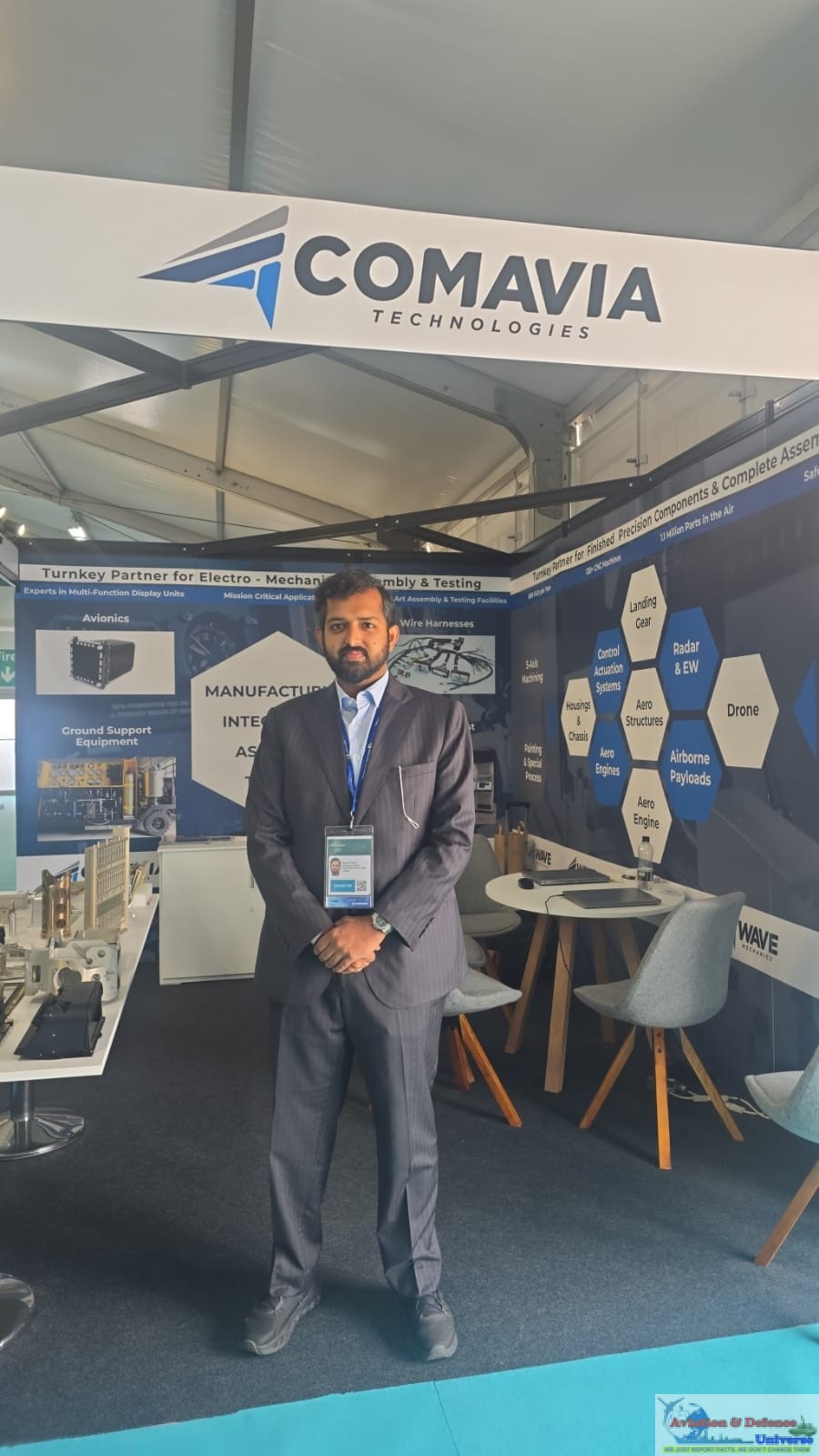 had a large number of pre-scheduled meetings with customers and partners, and we have also received excellent walk-in traffic from visitors who have shown genuine interest in our products and capabilities. Overall, the show has been very encouraging for us.
ADU. Your customer base extends beyond India. Who are your principal global customers?
Mayank Dalmia. We work directly with global OEMs and Tier-1 suppliers. On the defence side, one of our important customers is Lockheed Martin. We work with both the Rotary & Mission Systems division as well as the Missiles & Fire Control division. Apart from Lockheed Martin, we also work with a number of aircraft systems OEMs, which is really where our expertise lies. Another important area for us is radar and RF systems, where we work with leading companies such as HENSOLDT in Germany.
ADU. In India, are all three Services among your customers?
Mayank Dalmia. Through Comavia, our principal customer today is the Indian Air Force. At present we are not directly working with the Indian Navy or the Indian Army, although that is beginning to change through some new programmes that are currently underway.
ADU. Who are your major collaborators within India?
Mayank Dalmia. Collaboration has always been a very important part of our philosophy. Rather than trying to do everything ourselves, we prefer to work with companies that already possess specialised capabilities. For example, many of our closest collaborators are companies involved in surface treatment and special processes, such as Alcoats in Mysuru, Space Next in Bengaluru, ATPL, API and several others. Beyond that, we work with PCB assembly companies such as Smile Electronics. We have developed relationships with organisations across multiple specialist disciplines because we believe that when capable companies come together, they can build a much stronger solution than any one company working in isolation.
ADU. Every company has both short-term and long-term goals. What are yours?
Mayank Dalmia. Over the next five years our objective is to continue strengthening our capabilities in precision manufacturing. Today we manufacture components up to approximately 1.2 metres in size, and almost 90 per cent of the parts we manufacture ultimately fly—either on aircraft or in space. We want to build on that foundation by continuing to manufacture increasingly complex components and assemblies for both commercial and military aerospace applications. At the same time, we intend to expand beyond our current size limitations and add capabilities that go beyond CNC machining and assembly, which remain our core strengths today. Looking twenty years ahead, our ambition is much larger. We want Wave Mechanics to become the first-choice medium-sized manufacturing destination in India for global high-technology OEMs looking to establish manufacturing partnerships in the country. That is how we see the long-term future of the company.
ADU. At present, the Indian Air Force is your principal customer in India. What capabilities can you offer to the Indian Army and the Indian Navy?
Mayank Dalmia. In fact, we are already taking our first steps in that direction. We are currently working on  a programme for the Indian Army. I would prefer not to disclose the name of the programme at this stage, but it relates to an artillery platform. Under this programme, we will be manufacturing the complete rugged avionics display. It is a very significant project for us because we will be responsible for the complete manufacturing, integration, testing and final delivery of the product directly to the end user, which is the Indian Army. This is our first programme that gives us direct exposure to the Indian Army. It is also the first time that a foreign OEM has entrusted us with manufacturing, integrating and delivering its product directly to the Indian end user. We are extremely proud of the confidence they have shown in our capabilities.
Going forward, we would like to build on this experience and develop more products and programmes along similar lines. Electronics box building and rugged avionics are areas where we believe we can make significant contributions not only to the Indian Army but also to the Indian Navy.
ADU. Where are your manufacturing facilities located today?
Mayank Dalmia. At present we operate four manufacturing units in Bengaluru. Two facilities are dedicated to precision machining and manufacturing operations. One facility is dedicated to assembly and electronic integration. The fourth facility focuses on raw-material processing. Beyond these, we are currently developing two additional facilities within the Devanahalli Aerospace Park near Bengaluru.
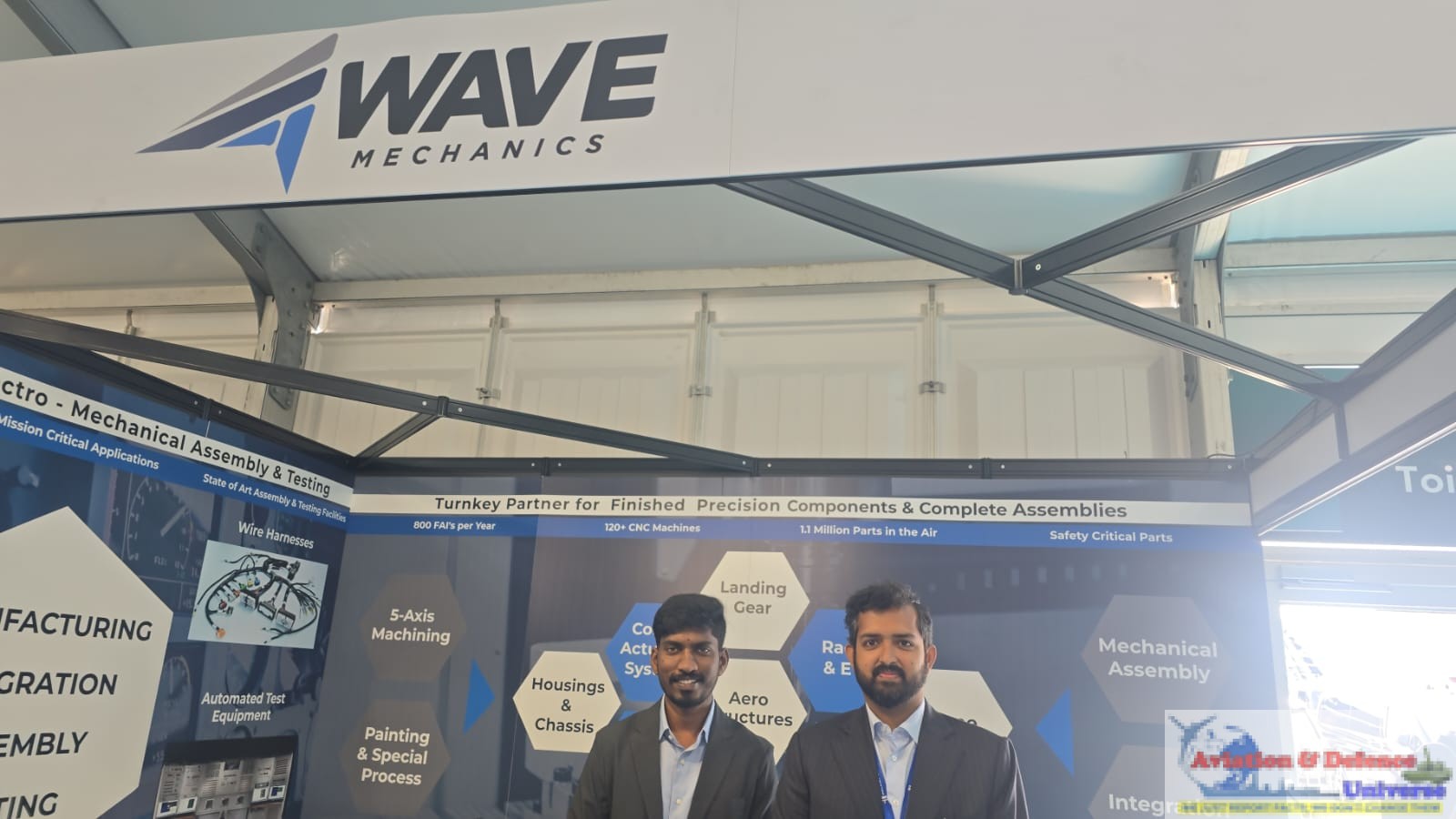 These are major infrastructure investments that will allow us to consolidate our existing operations while significantly expanding our manufacturing capabilities over the coming years. The objective is not merely to increase capacity but also to create infrastructure that supports the next stage of growth for both Wave Mechanics and Comavia.
ADU. Is there anything else you would like to share with our readers?
Mayank Dalmia. I genuinely believe this is a very exciting period for India’s aerospace and defence industry. We are standing at what I would describe as an inflexion point. Today there is tremendous interest from global aerospace and defence OEMs and prime contractors who are looking seriously at India. For companies like Wave Mechanics and Comavia, the focus is on making the most of this opportunity. At the same time, we strongly believe that success cannot be achieved in isolation. Our approach has always been one of collaboration—not only with our partners but also with other capable Indian companies, including, where appropriate, our competitors.
If we work together, we can collectively raise the technological capability of the Indian aerospace industry and increase the complexity and value of the work being executed in India. Ultimately, our objective goes far beyond growing our own company. We want to contribute towards putting India firmly on the global map as a leading aerospace, defence manufacturing and engineering nation. That is the larger vision we are working towards.
ADU. Comavia is also your own company?
Mayank Dalmia. Yes, Comavia Systems Technologies is also our own company, and together with Wave Mechanics it represents our broader vision of building advanced aerospace manufacturing and systems capabilities in India.
 For Mayank Dalmia, the future of Indian aerospace will not be determined solely by the growth of individual companies but by the strength of the ecosystem they build together. His emphasis on collaboration—between manufacturers, specialist suppliers, technology partners and even competitors—reflects a belief that India’s next leap in aerospace capability will come through collective industrial maturity rather than isolated success.
Wave Mechanics and Comavia exemplify that philosophy. While continuing to expand their expertise in precision machining, avionics integration and advanced manufacturing, the companies are steadily moving towards higher-value products, deeper systems integration and direct engagement with India’s armed forces. Their investment in new manufacturing infrastructure at Devanahalli Aerospace Park and their growing relationships with global OEMs demonstrate confidence in India’s emergence as a trusted aerospace manufacturing destination.
As global supply chains continue to diversify, Dalmia believes India stands at a defining moment. With increasing international confidence, strong engineering talent and a collaborative industrial mindset, the country has an opportunity not only to manufacture for the world but also to establish itself as a global centre for aerospace engineering, innovation and advanced defence technologies.
At Told To Sangeeta Saxena








































































-A4-Size-(2)_page-0001.jpg)