









- Precision, Partnerships and Purpose: Blueprint for India’s Aerospace Opportunity
- Why Collaboration, Not Competition, Will Shape India’s Aerospace Future
- “India Must Aim for 200%, Not 100% for Building a Global Aerospace Nation
By Sangeeta Saxena
Farnborough, UK. 24 July 2026. Few companies illustrate the evolution of India’s precision manufacturing industry as effectively as Sansera Engineering Limited. What began in 1987 as a modest automotive component manufacturer serving a single customer has grown into a diversified engineering company supplying some of the world’s leading aerospace manufacturers, including Boeing, Airbus, Collins Aerospace and Saab. Headquartered in Bengaluru with manufacturing facilities across India and Sweden, Sansera has steadily built its reputation through precision machining, engineering excellence and an unwavering focus on quality.
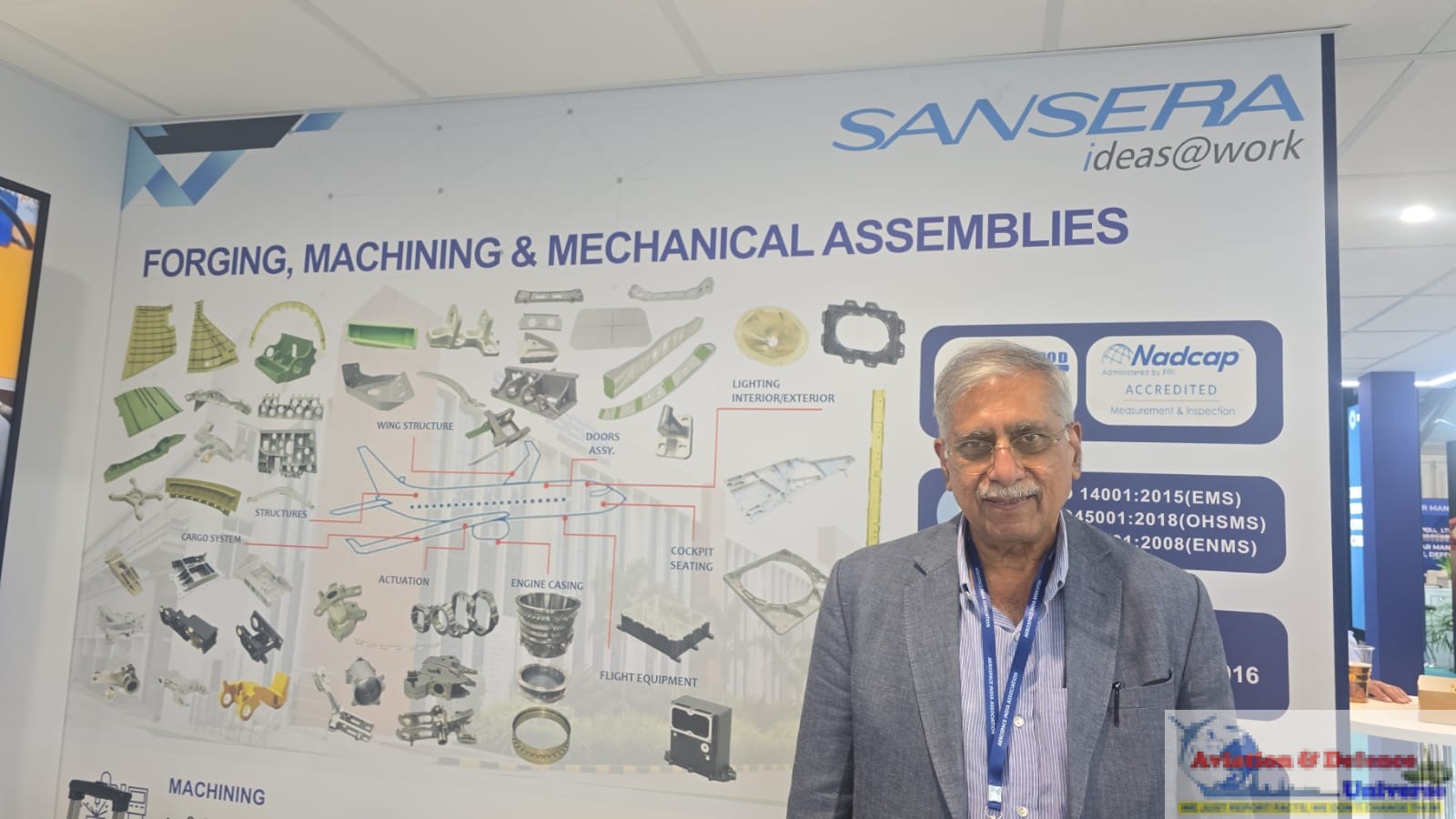
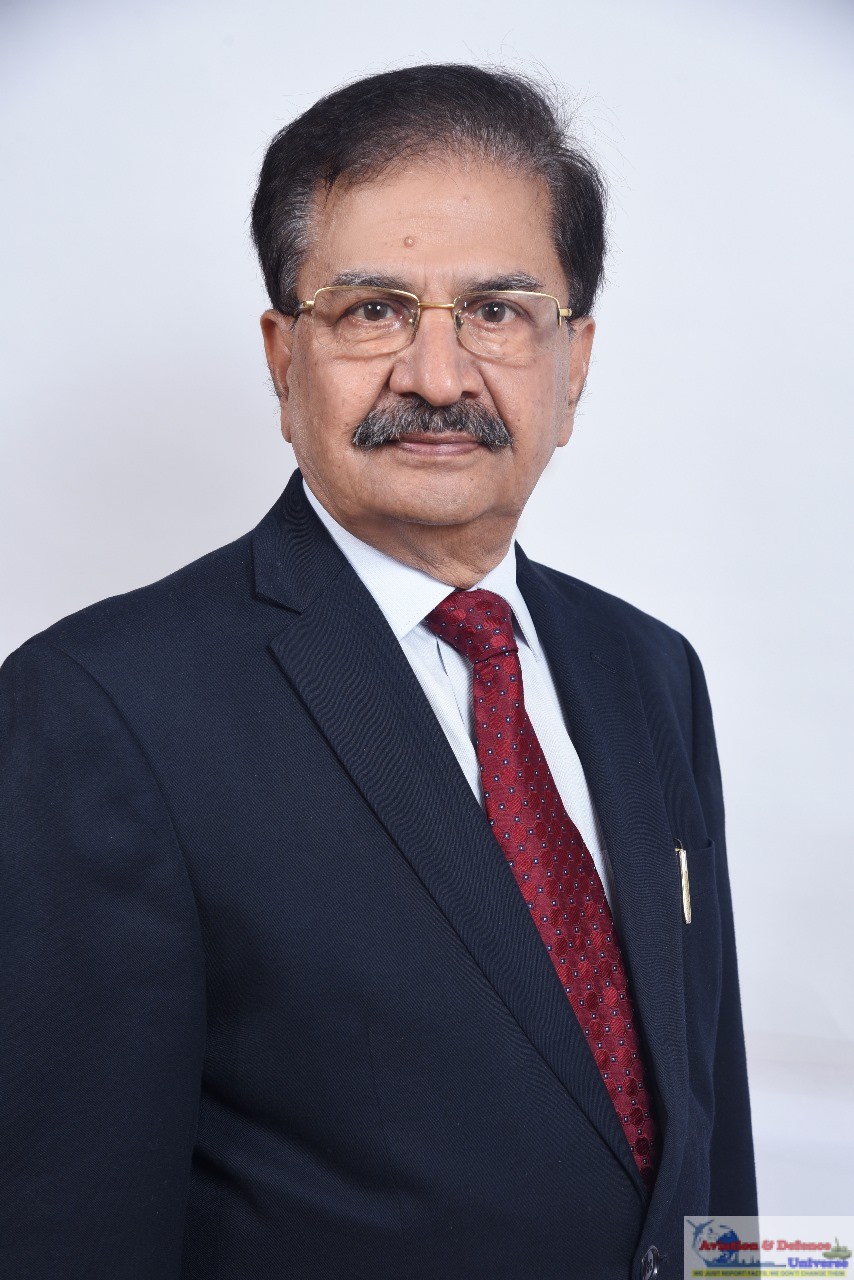
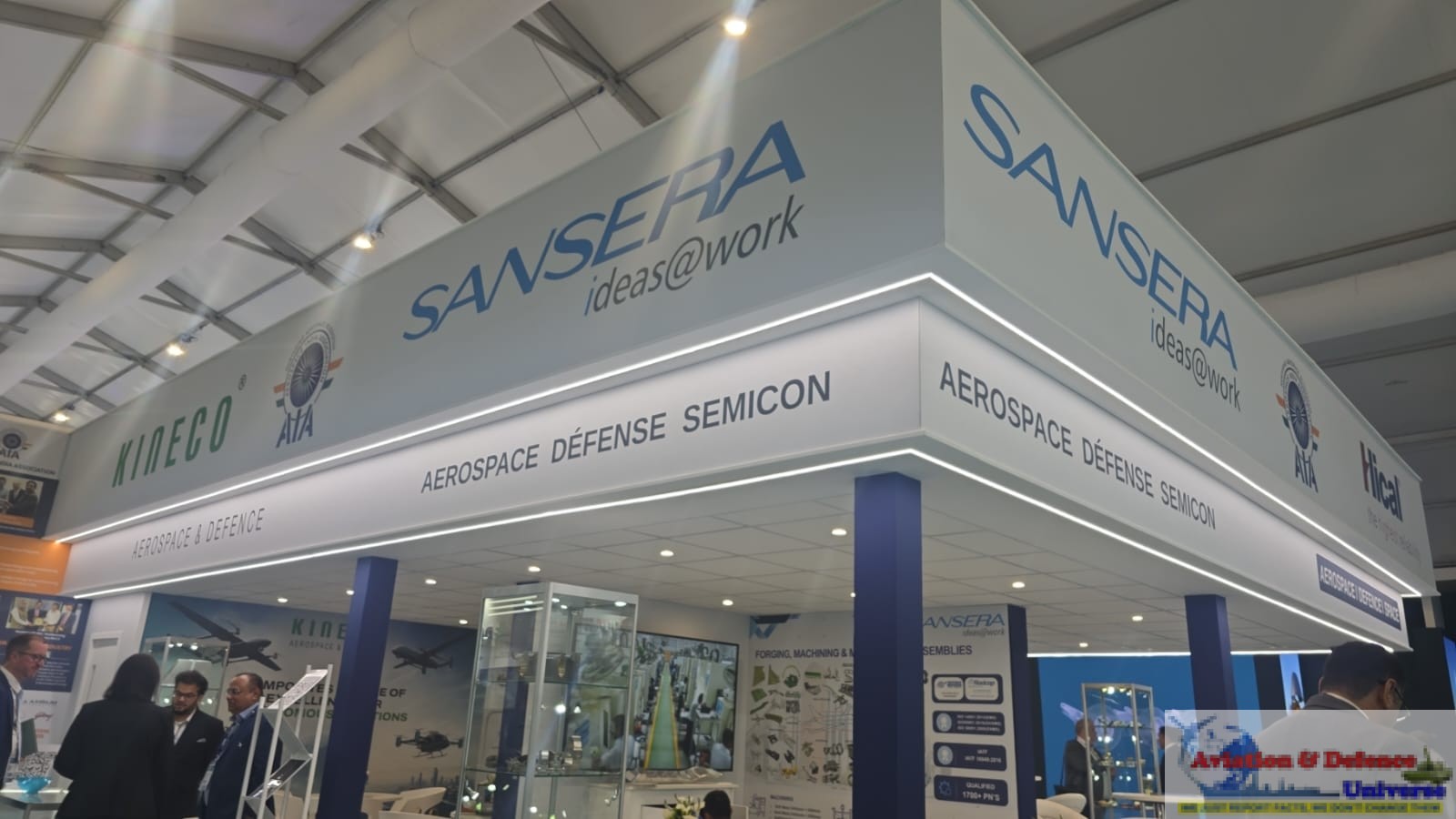 Equally significant has been the company’s role in shaping India’s broader aerospace ecosystem. As one of the founding members of the Aerospace India Association (AIA), FR Singhvi, Joint Managing Director and Co-promoter of Sansera Engineering, has been a strong advocate of collaboration over competition. He believes India’s aerospace ambitions can only be realised through a unified industry voice that works closely with the government to develop policies, infrastructure and capabilities required for long-term growth.
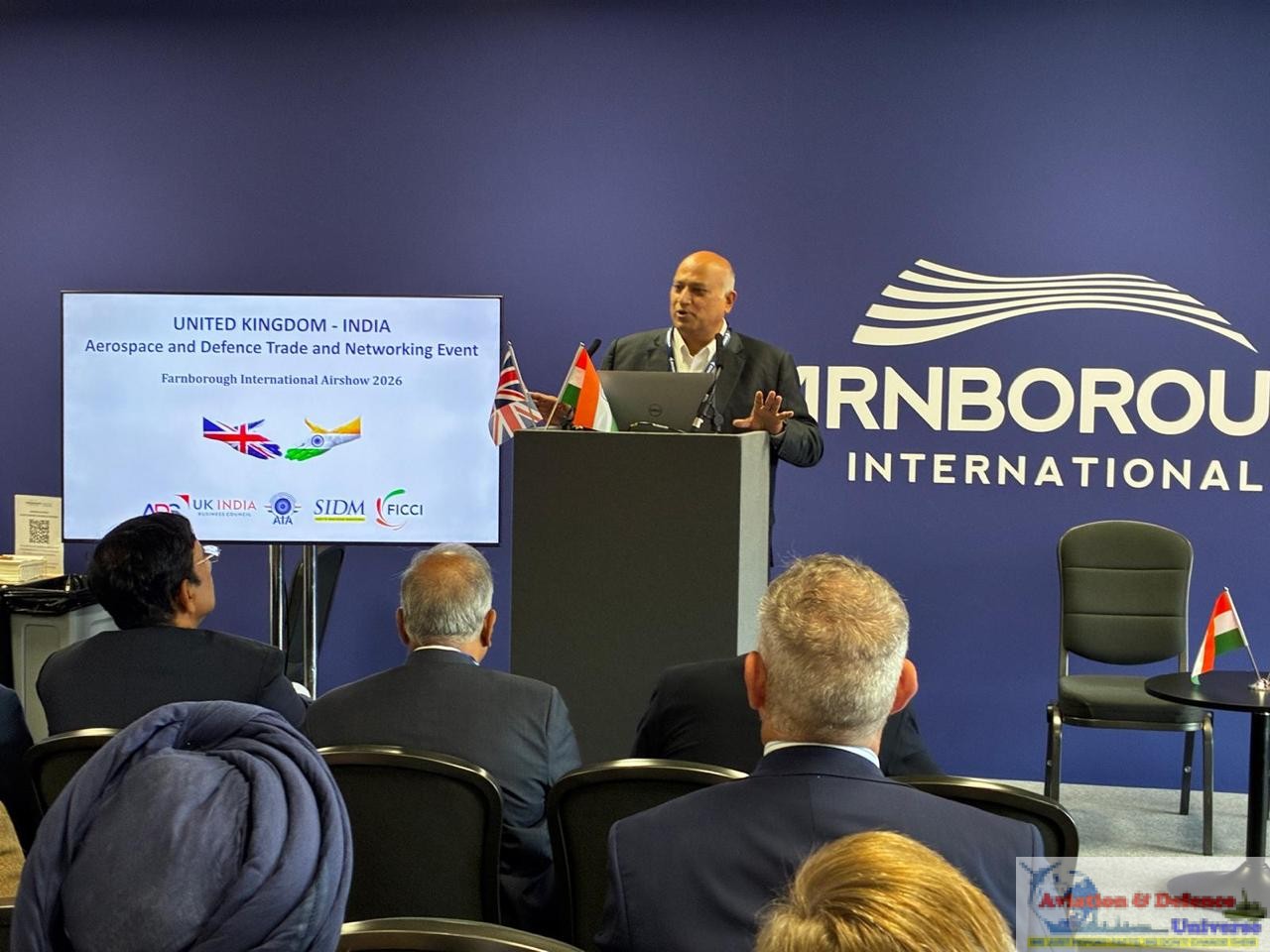
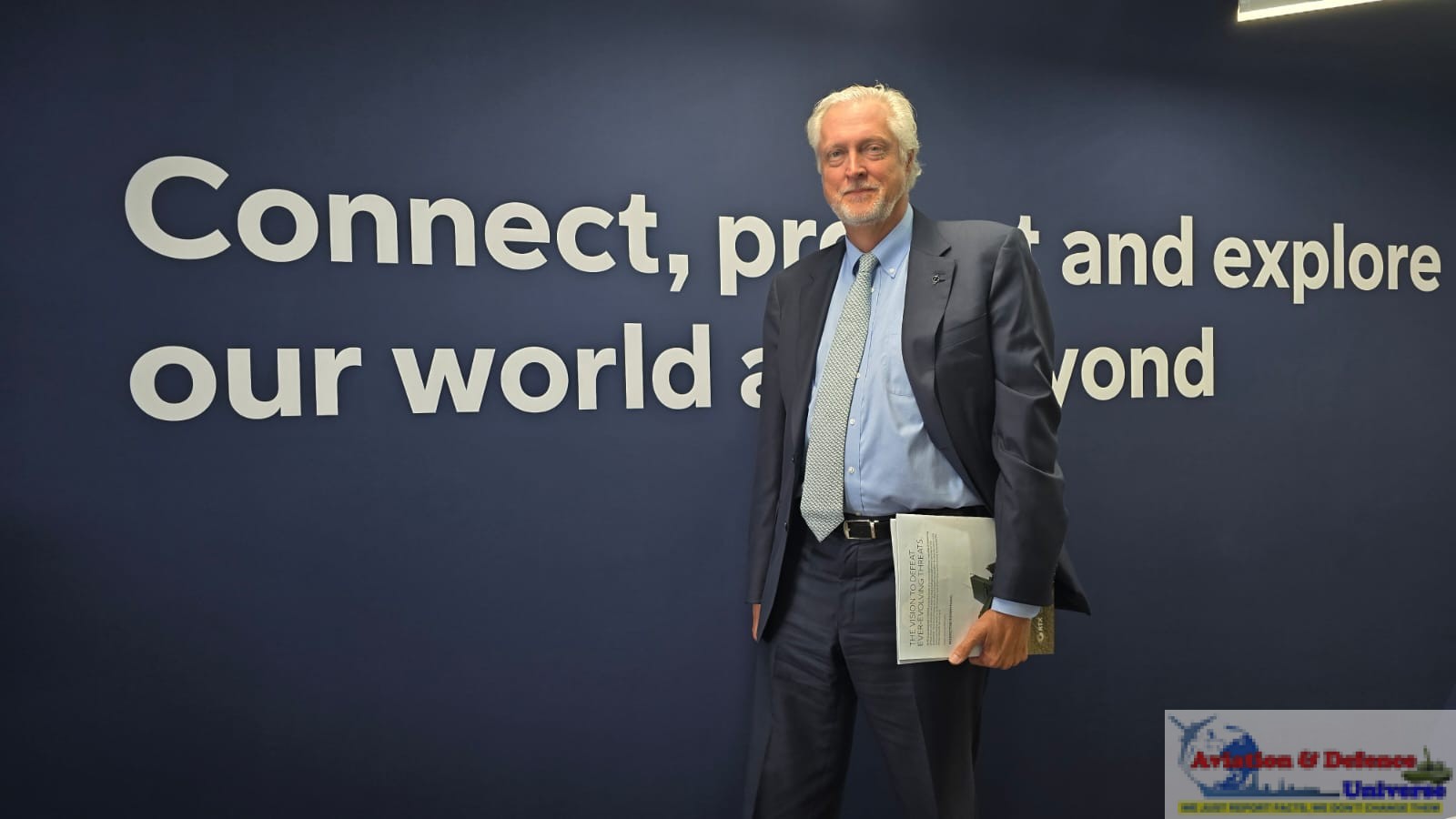
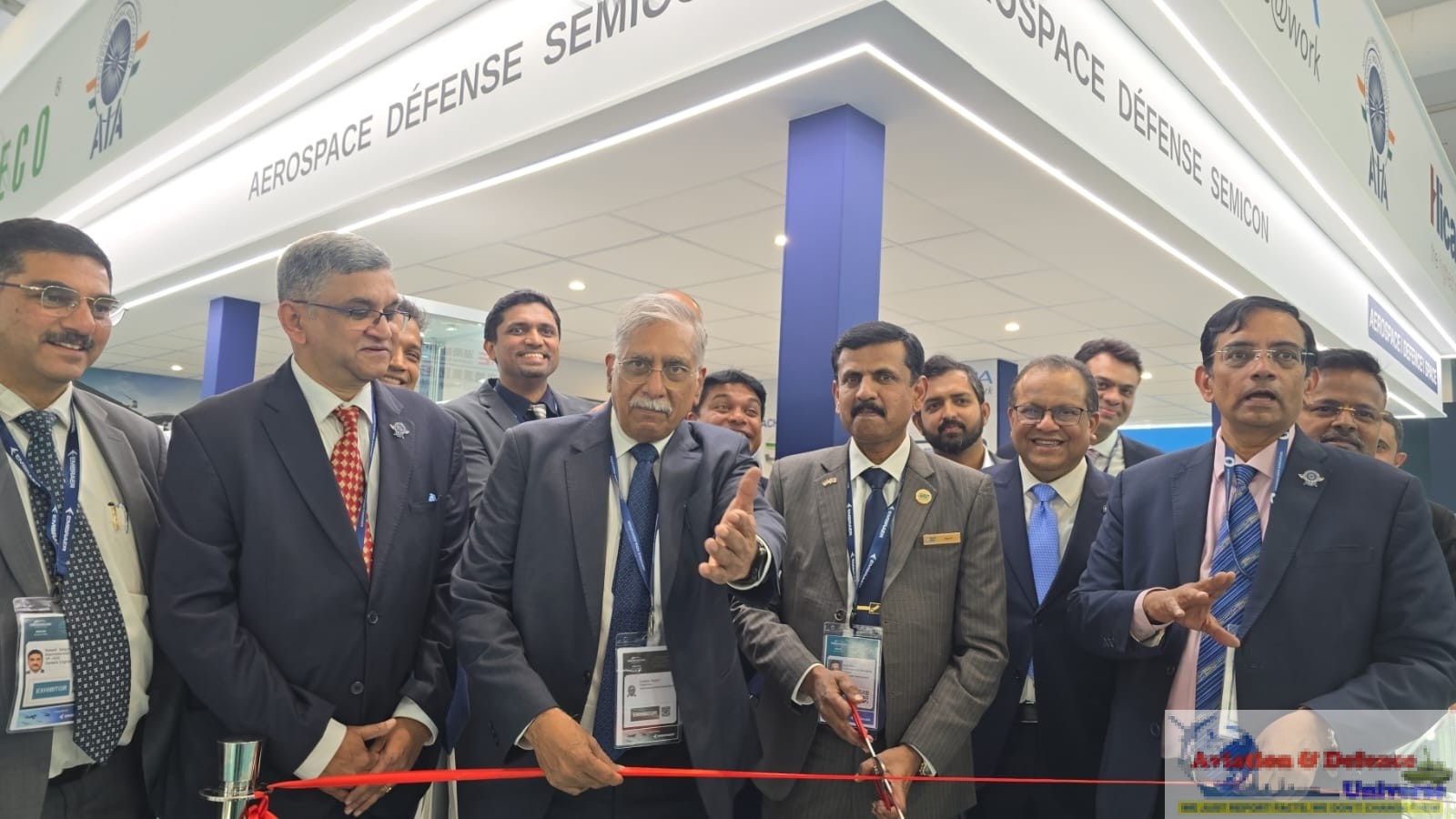
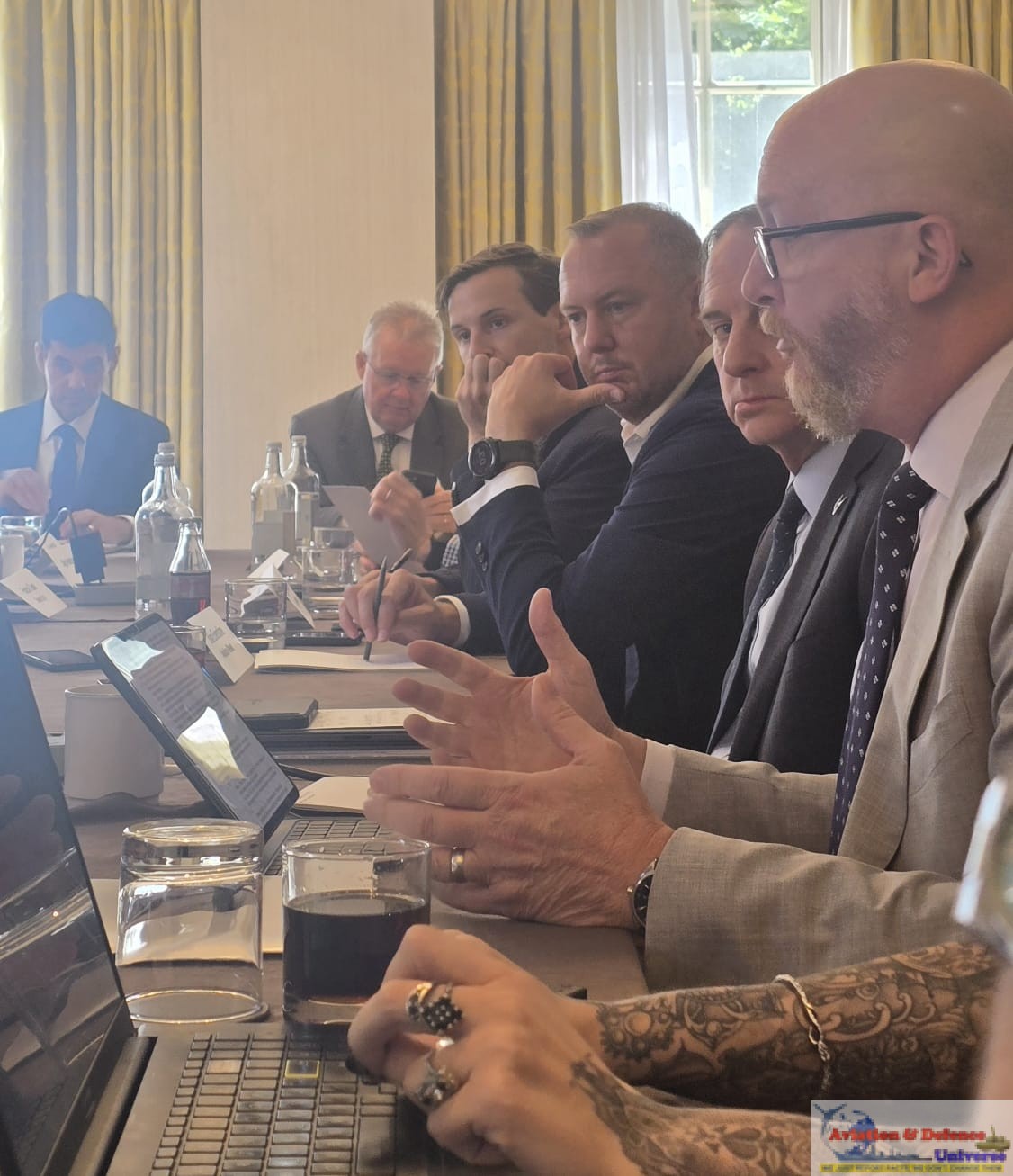
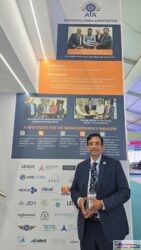
Speaking exclusively to Aviation & Defence Universe (ADU) at the Aerospace India Association Pavilion during Farnborough International Airshow 2026, FR Singhvi discusses Sansera’s remarkable journey, India’s growing aerospace ecosystem, the importance of industry collaboration and why India must aspire to become a global leader rather than merely a reliable supplier.
ADU. We are meeting here at the Aerospace India Association Pavilion during Farnborough International Airshow 2026. Could you tell us about yourself and what Sansera Engineering is showcasing here?
FR Singhvi. I am the Joint Managing Director and Co-promoter of Sansera Engineering Limited. Sansera is predominantly known as an automotive components company, but about twenty years ago we deliberately diversified into aerospace because we recognised the tremendous long-term opportunity in this sector. More importantly, we also realised that India’s aerospace industry required a collaborative ecosystem. No individual company—whether a supplier or a customer—can build that ecosystem alone.
That is precisely why several of us came together to establish the Aerospace India Association. Our objective was to create an organisation that could represent the collective interests of the industry, engage constructively with the Government and provide practical inputs on policy, investments and capability development.
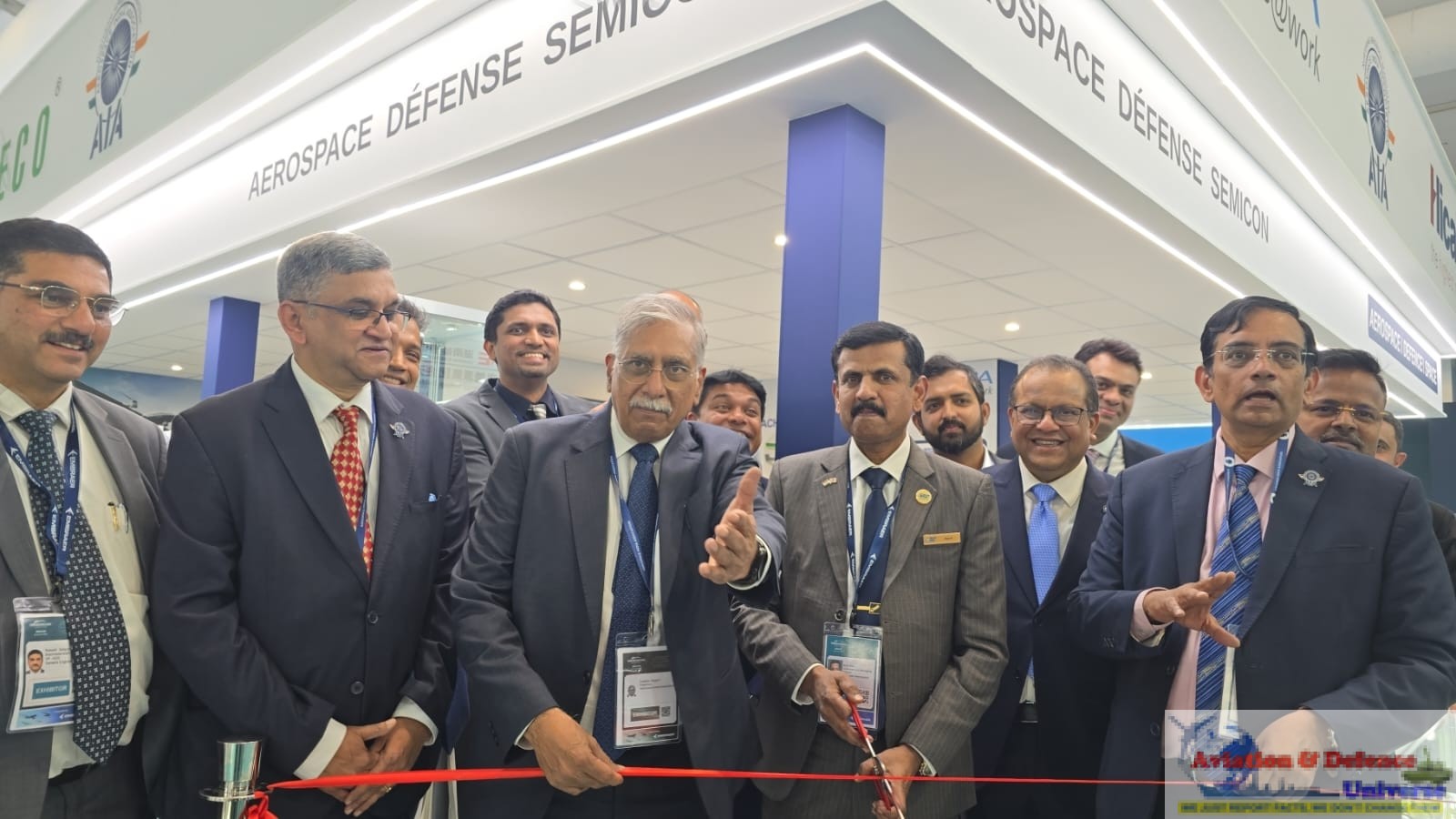 Governments naturally require industry feedback before framing policies. If every company approaches the government individually, that process becomes fragmented. But when the industry speaks through one representative platform, the government receives practical advice from people working on the ground. That was the thinking behind AIA. I was fortunate to be among the founding members. At that time we were very few in number, and we even decided that we would personally support and fund the association for the first two to three years until it became self-sustaining. I am extremely happy that within a year we have grown to a stage where membership has expanded substantially and we have even been able to reduce the annual membership fee. That itself shows the confidence industry has developed in the association.
ADU. Tell us about Sansera Engineering. How did the company begin, and what does it do today?
FR Singhvi. Sansera Engineering was founded by our Chairman and Managing Director, Mr. Shekhar Vasan. He started the company with a very modest investment. At that time I was his Chartered Accountant. Along with another colleague, we joined him as co-promoters in 1990. Initially we worked almost exclusively with Maruti Suzuki. For nearly five years we supplied essentially one component to one customer. From those beginnings, we have grown into a publicly listed engineering company. About twenty years ago we took the strategic decision to diversify into aerospace. The reason was straightforward. Aerospace demands the highest standards of precision, quality and process discipline.
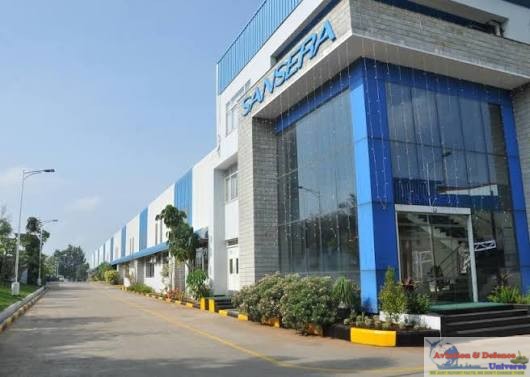 Developing those capabilities would not only help us enter a high-value sector but would also strengthen our automotive business by raising our overall manufacturing standards. Fortunately, around the same time civil aviation companies worldwide began looking seriously at India. Our first major breakthrough came with Goodrich, which subsequently became part of Collins Aerospace. That relationship became the foundation for our aerospace business. Today Collins remains one of our major customers. Over the years we have expanded our customer base significantly. Today we supply directly to Boeing, we have recently entered Airbus, and we also supply companies such as Saab and several other leading aerospace organisations. Our core capability lies in manufacturing highly precise machined components for the aerospace industry.
ADU. Where are Sansera’s manufacturing facilities located?
FR Singhvi. Our headquarters are in Bengaluru. Apart from Bengaluru, we have manufacturing facilities in Pune, Manesar and Pantnagar. Our Pantnagar facility was established when Bajaj Auto decided to build its manufacturing plant there and invited a number of suppliers to establish operations alongside them.That turned out to be a very successful decision. We have continued expanding there and commissioned another facility only about six months ago. Internationally, we acquired a manufacturing plant in Sweden in 2016. Within aerospace, our manufacturing operations are presently concentrated in Bengaluru. We are now constructing an additional aerospace facility adjoining our existing campus. In fact, we are already planning our third phase of aerospace expansion there because we see sustained long-term growth.
ADU. We are now towards the end of Day Three of Farnborough. How has the exhibition been for Sansera?
FR Singhvi. For us, Farnborough is not really about attracting walk-in customers. Most of our meetings are planned well in advance. Our regular customers come here, and this gives us an opportunity to discuss ongoing programmes, future opportunities and strengthen long-term relationships. Of course, we do meet a 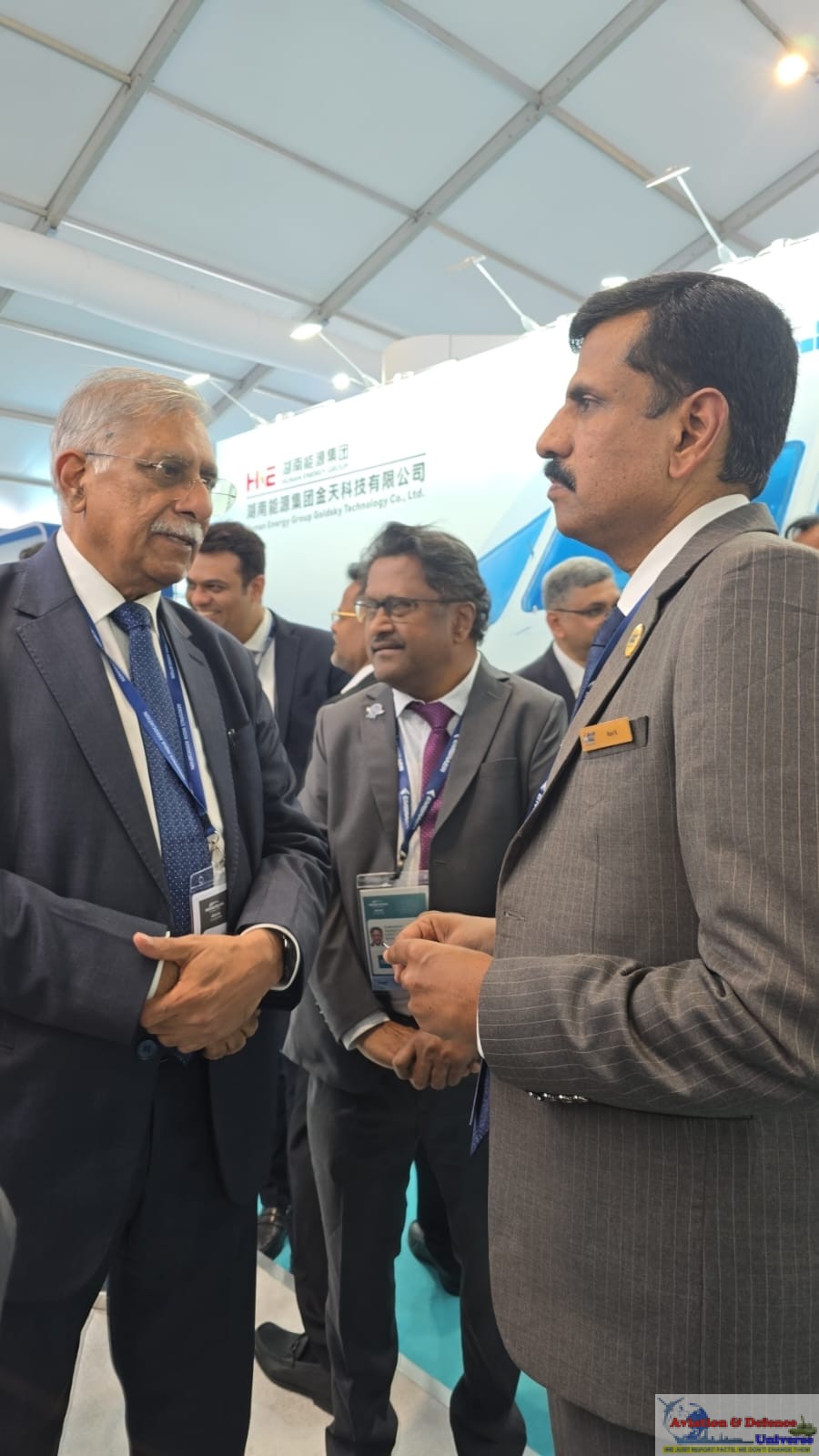 few new companies as well, but that is not the principal objective. Personally, however, my larger responsibility here has been different. As President of the Aerospace India Association, my objective has been to promote the Indian aerospace ecosystem collectively before the international industry. Being together with other Indian companies under one pavilion has been an extremely satisfying experience. I have genuinely enjoyed seeing the industry present itself as one united ecosystem.
ADU. As President of the Aerospace India Association, what message would you like to give to the Indian aerospace industry?
FR Singhvi. The message I would like to give is very simple. As Indians, we have intelligence, talent and capability in abundance. What we now need to improve is the way we execute. We need to become much more systematic and much more disciplined in the way we work. We must respect timelines. We must respect quality. We should aspire not merely to satisfy our customers but to become global leaders. Very often people aim for 100 per cent and eventually achieve only 95 per cent. My philosophy is different. Aim for 200 per cent. Even if you achieve only half of that, you will still reach 100 per cent. That should be India’s mindset. There is no reason why India cannot become a global leader. If we study our own history, we realise that India led the world in many areas centuries ago. Today, however, we have become comfortable following others. I believe we must once again develop the confidence to lead rather than merely follow.
ADU. As a founding member of AIA, how do you see the Association evolving over the coming years?
FR Singhvi. I sincerely hope the Association grows into something much bigger. The more companies that join under one umbrella, the stronger our collective voice becomes. The objective is not to replace other organisations. Every organisation has its own important role. However, aerospace is a specialised sector with 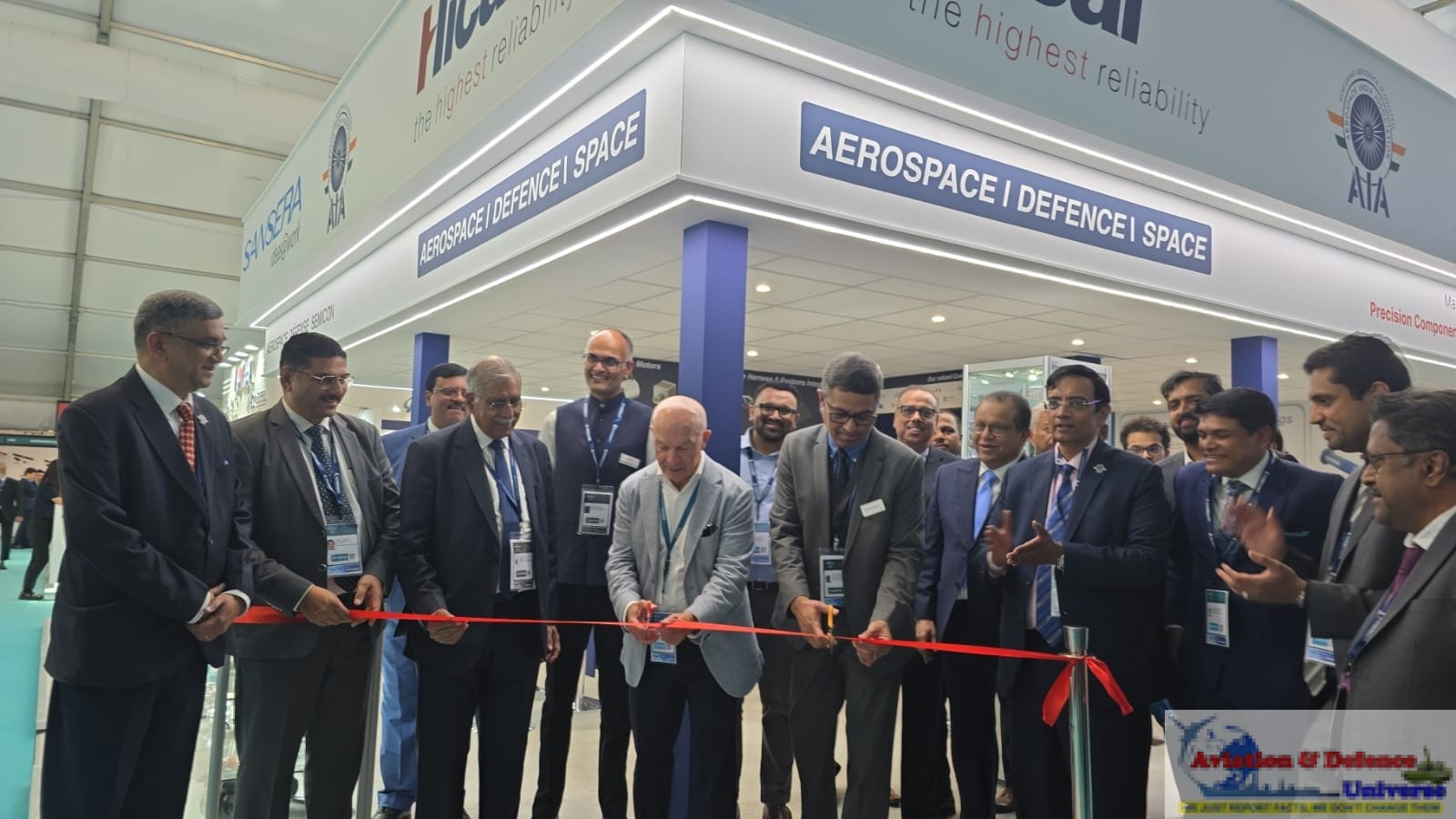 specialised requirements. That is why an industry-specific association becomes valuable. When the industry speaks collectively, government receives practical and focused inputs from people working directly in aerospace. That ultimately benefits the entire ecosystem.
ADU. Today the industry already has organisations such as FICCI, CII and SIDM. How do you see AIA working alongside them?
FR Singhvi. I do not see this as competition at all. Those organisations are extremely important and we need them. They represent multiple sectors of the economy. Naturally, they have to divide their attention across many industries. Aerospace, by comparison, is still a relatively specialised sector. Therefore, it needs an organisation that understands its specific challenges in detail. For example, smaller aerospace companies often find it difficult to have their voices heard in very large industry bodies. AIA provides that specialised platform.The way I look at it is very similar to the automotive sector. There are larger industry bodies, but there are also specialised associations representing component manufacturers, dealers and other stakeholders. 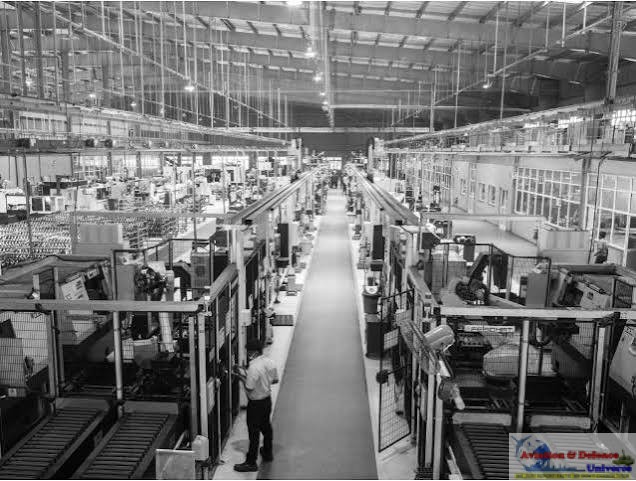 They all coexist. They collaborate. They complement one another. That is exactly how I see AIA functioning. We should work together with organisations like FICCI, CII and SIDM, learn from one another and collectively strengthen the aerospace ecosystem. In fact, we have already signed Memorandums of Understanding with a number of organisations and will continue building such partnerships. That collaborative approach will help us move much faster.
ADU. Finally, is there one message you would like to leave for the industry?
FR Singhvi. Aerospace is a long-term business.There are no shortcuts. There are no overnight successes. Everything is built on precision, quality, consistency and trust. If we continue working together, improve our execution, respect timelines and maintain world-class quality standards, I have absolutely no doubt that India can become one of the leading aerospace manufacturing nations in the world. That is the future we should all work towards.
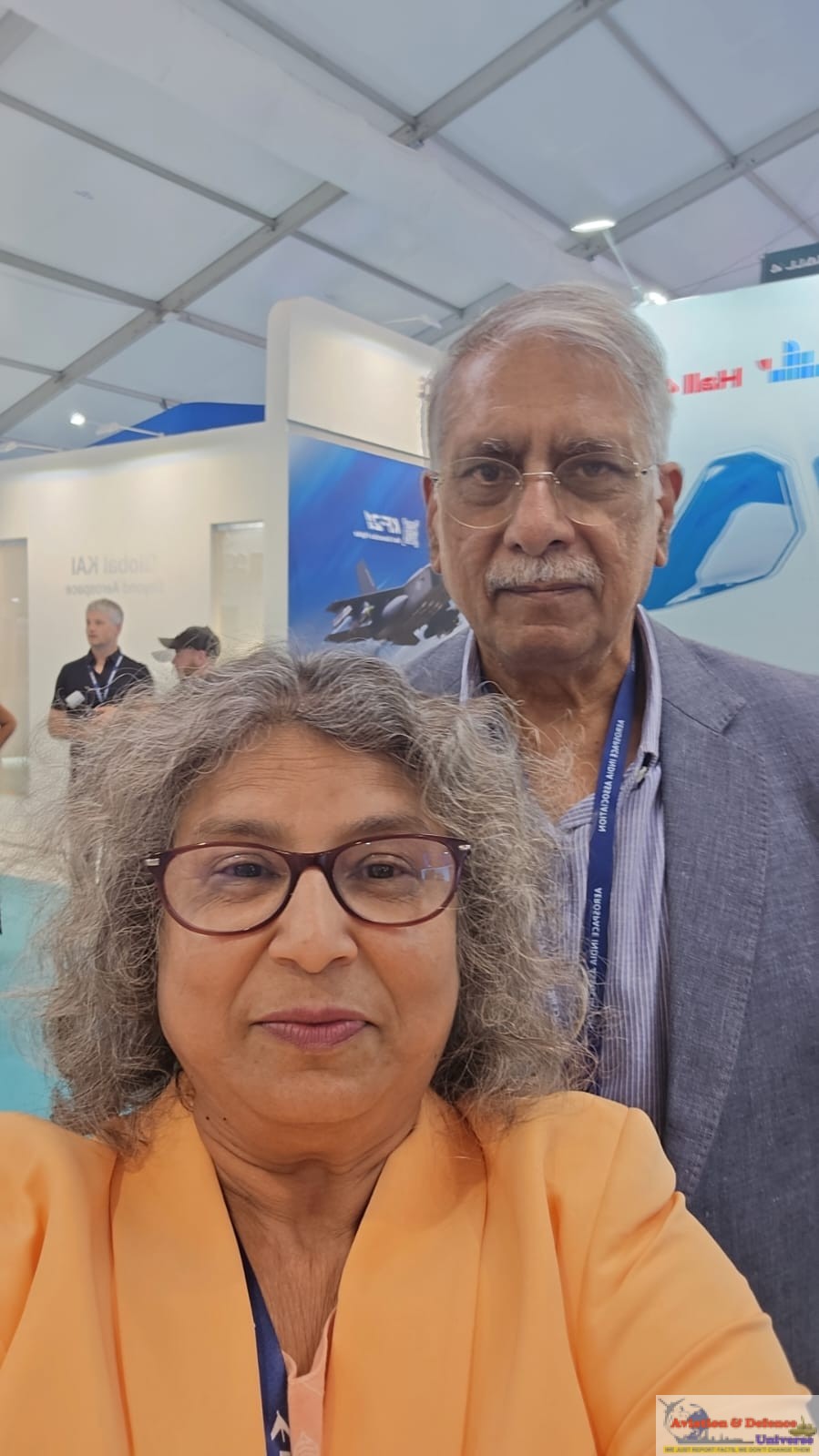
For FR Singhvi, Sansera Engineering’s transformation from a small automotive supplier serving a single customer into a global precision engineering company mirrors the broader evolution of Indian manufacturing itself. By entering aerospace two decades ago, the company not only diversified into a high-value sector but also elevated its own standards of precision, quality and engineering excellence. Today, with global customers such as Boeing, Airbus, Collins Aerospace and Saab, Sansera stands as an example of how Indian companies can successfully compete in one of the world’s most demanding industries.
Yet Singhvi’s vision extends well beyond the success of his own company. As one of the founding members and President of the Aerospace India Association, he believes India’s greatest strength lies in collaboration. Rather than working in isolation, companies, industry bodies and government must come together to build an ecosystem capable of supporting sustained aerospace growth. His call for India to aim not merely for compliance but for global leadership—by respecting quality, timelines and execution with the same seriousness as technology—captures both the opportunity and the challenge facing the country’s aerospace sector. As India seeks to establish itself as a leading aerospace manufacturing nation, Singhvi argues that the path forward lies in collective ambition, disciplined execution and the confidence to lead rather than follow.
As Told To Sangeeta Saxena
































































-A4-Size-(2)_page-0001.jpg)