














- Assumes Charge as 27th Chief of the Naval Staff
- Takes Charge Amid Expanding Maritime Challenges and Opportunities
- to Steer India’s Maritime Ambitions in an Era of Strategic Competition
By Sangeeta Saxena
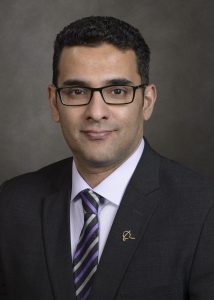
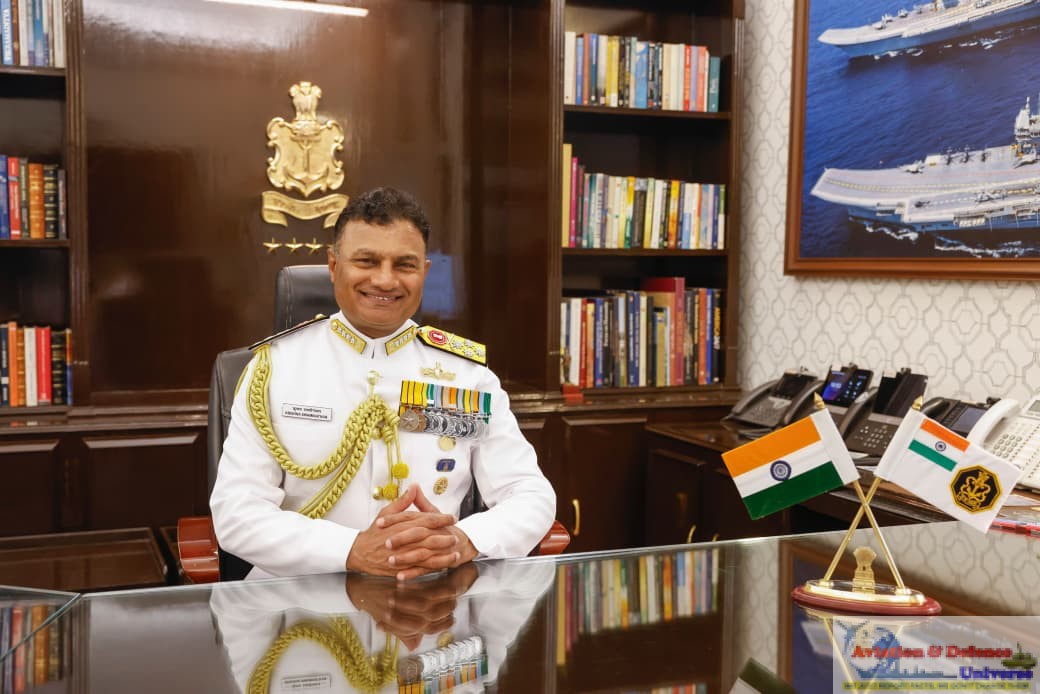
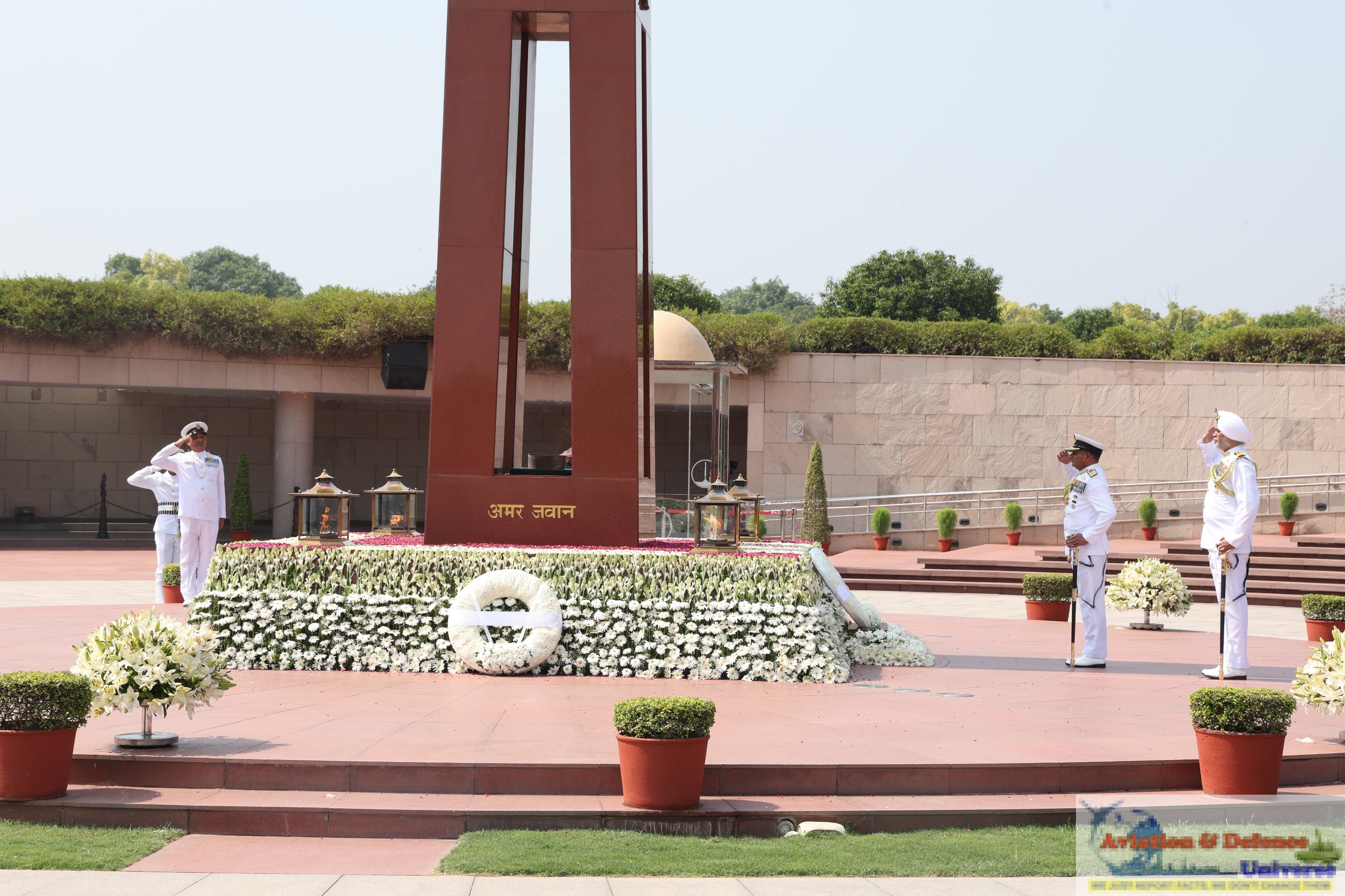
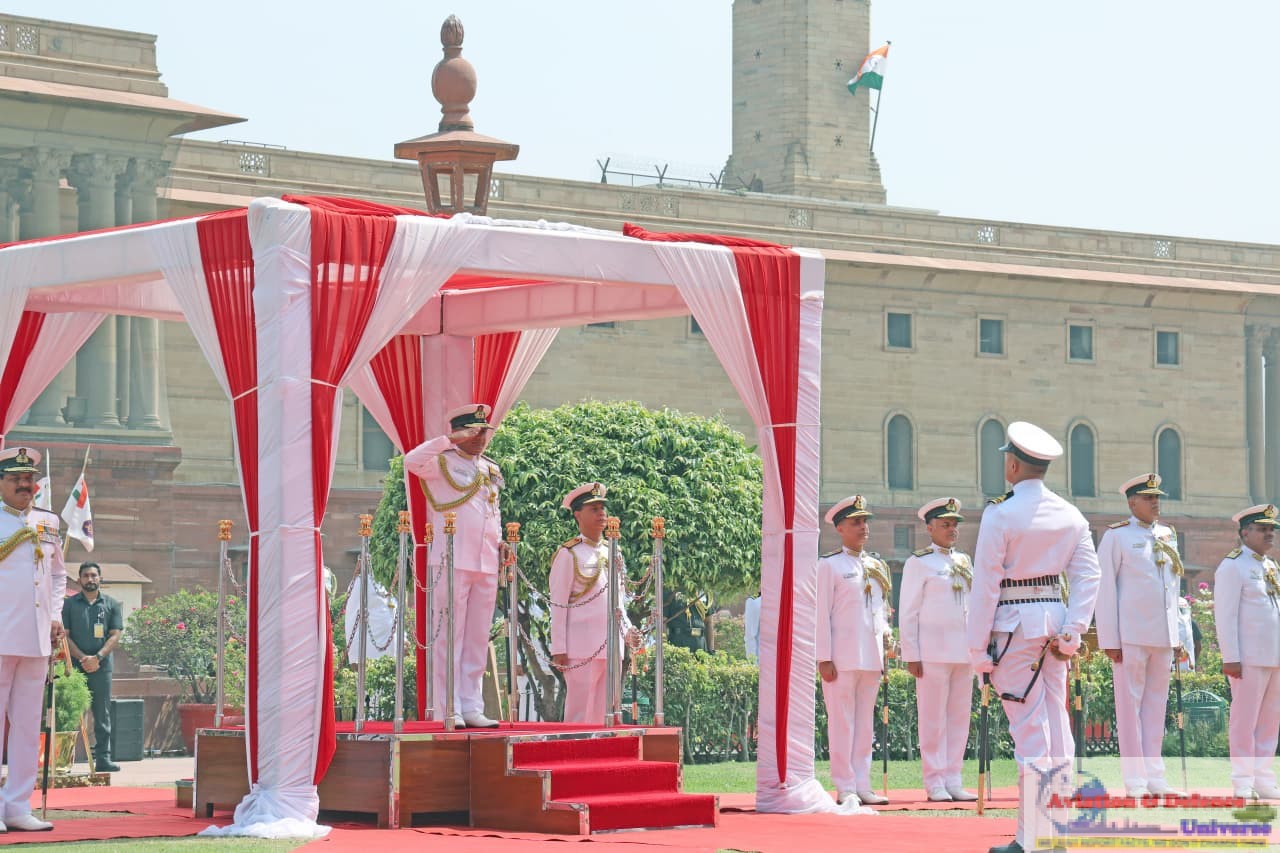
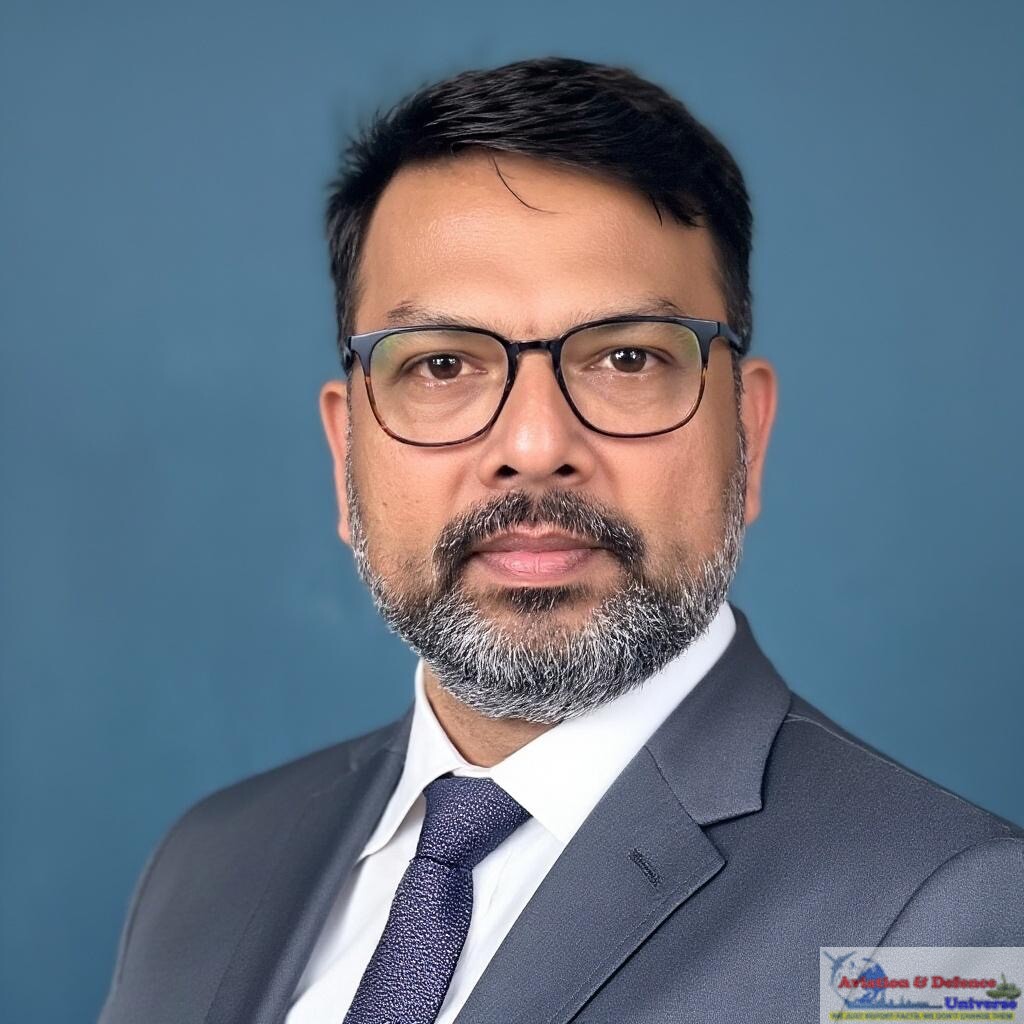
New Delhi. 31 May 2026. Admiral Krishna Swaminathan, PVSM, AVSM, VSM, on Saturday assumed charge as the 27th Chief of the Naval Staff (CNS), succeeding Admiral Dinesh Kumar Tripathi, who superannuated after more than four decades of distinguished service to the nation.
His appointment comes at a time when the Indian Navy is playing an increasingly critical role in safeguarding India’s maritime interests across the Indian Ocean Region and beyond. As India emerges as a leading global power and a key player in the Indo-Pacific, the Navy has become an essential instrument of national power, ensuring maritime security, protecting sea lines of communication, supporting strategic partnerships, and responding to evolving regional and global challenges.
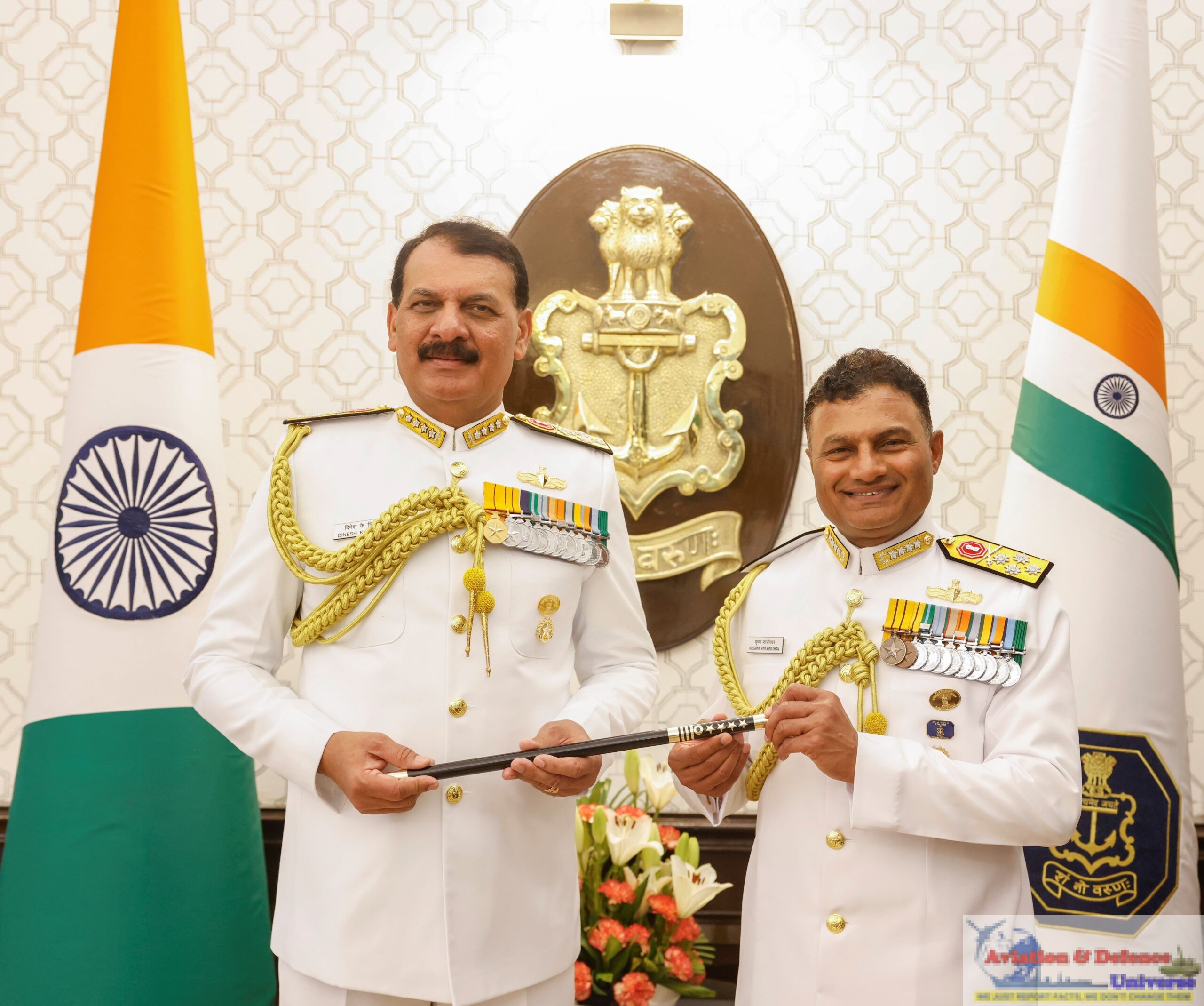 A specialist in Communication and Electronic Warfare, Admiral Swaminathan brings nearly four decades of operational, command and strategic experience to the Navy’s highest office. Commissioned into the Indian Navy on July 1, 1987, he has commanded a wide range of frontline warships, including INS Vidyut, INS Vinash, INS Kulish, INS Mysore and the aircraft carrier INS Vikramaditya, giving him extensive exposure to both tactical operations and carrier-based naval warfare.
His rise to the apex of naval leadership reflects a career marked by diverse command and staff appointments. As a Rear Admiral, he served as Chief Staff Officer (Training) at Southern Naval Command before being appointed Flag Officer Sea Training and later Flag Officer Commanding Western Fleet, often referred to as the “Sword Arm” of the Indian Navy. He subsequently served as Flag Officer Offshore Defence Advisory Group and Advisor, Offshore Security and Defence to the Government of India.
Upon promotion to Vice Admiral, he held key appointments including Chief of Staff, Western Naval Command; Controller Personnel Services; Chief of Personnel; Vice Chief of the Naval Staff; and most recently Flag Officer Commanding-in-Chief, Western Naval Command, one of the Indian Navy’s most strategically significant operational commands.
Admiral Swaminathan takes charge at a time when maritime security has become central to global geopolitics. The Indian Ocean Region has witnessed increasing strategic competition, growing naval deployments by extra-regional powers, disruptions to maritime trade routes, and emerging challenges ranging from piracy and terrorism to grey-zone warfare and cyber threats.
Recent conflicts in Europe and West Asia have underscored the importance of sea power in sustaining economies, protecting energy supplies and ensuring strategic deterrence. As nations increasingly recognise the maritime domain as a critical theatre of competition, India’s Navy has assumed a larger role in shaping regional stability and safeguarding national interests.
 For India, whose economic growth and energy security are heavily dependent on maritime trade, the Navy’s mission extends beyond traditional warfighting. It encompasses maritime diplomacy, humanitarian assistance and disaster relief, anti-piracy operations, evacuation missions, maritime domain awareness and ensuring a free, open and rules-based Indo-Pacific.
Admiral Swaminathan inherits a Navy that has undergone significant transformation over the past decade. The force today operates advanced aircraft carriers, nuclear submarines, guided missile destroyers, frigates, maritime reconnaissance aircraft and a growing fleet of indigenous platforms.
The Indian Navy has also emerged as one of the country’s strongest examples of defence self-reliance, with the majority of its major warships now designed and built in India. With projects such as next-generation destroyers, submarines, aircraft carriers and unmanned systems under development, the Navy is expected to play a leading role in advancing the government’s vision of Atmanirbhar Bharat in defence.
The new Naval Chief is expected to continue efforts towards force modernisation, capability enhancement, integration of emerging technologies such as artificial intelligence and autonomous systems, and strengthening India’s maritime partnerships with like-minded nations.
 Apart from his operational achievements, Admiral Swaminathan possesses an exceptional academic background. He is an alumnus of the National Defence Academy, Joint Services Command and Staff College in the United Kingdom, College of Naval Warfare and the United States Naval War College.
His academic credentials include degrees in science, telecommunications, defence studies, strategic studies and a PhD in International Studies. This combination of operational experience and strategic scholarship is expected to serve him well as the Navy navigates increasingly complex geopolitical and technological challenges.
He has been awarded the Param Vishisht Seva Medal (PVSM), Ati Vishisht Seva Medal (AVSM) and Vishisht Seva Medal (VSM) in recognition of his distinguished service to the nation.
As Admiral Krishna Swaminathan takes over as the 27th Chief of the Naval Staff, he assumes leadership of a Navy that is larger, more capable and more strategically relevant than ever before. At a time when maritime power is becoming a decisive factor in global politics and economic security, his leadership will be critical in shaping the next phase of India’s naval growth and maritime strategy.
The Indian Navy has emerged as a leading example of defence indigenisation in India, with a significant majority of its platforms now designed, developed and built domestically. Guided by the principles of Atmanirbhar Bharat, the Navy has pursued self-reliance across all three dimensions of maritime capability—Float, Move and Fight. In the “Float” category, India has successfully constructed indigenous aircraft carriers, destroyers, frigates, corvettes and submarines through public and private shipyards. The “Move”  component has witnessed growing indigenous content in propulsion systems, auxiliary machinery, navigation equipment and aviation assets, while the “Fight” segment has seen the integration of home-grown missiles, torpedoes, combat management systems, electronic warfare suites, radars and network-centric warfare capabilities. Today, over 95 per cent of the Navy’s warships on order are being built in Indian shipyards, creating a robust ecosystem involving DRDO, DPSUs, private industry, MSMEs and start-ups. This sustained focus on indigenous design, procurement and manufacturing has not only strengthened India’s maritime capabilities but has also positioned the Indian Navy as a catalyst for the country’s defence industrial growth and technological self-reliance.
With extensive operational experience, a deep understanding of emerging technologies and a strong strategic outlook, Admiral Swaminathan is well-positioned to guide the Indian Navy through an era marked by geopolitical uncertainty, rapid technological change and India’s growing aspirations as a leading maritime power. Under his stewardship, the Navy is expected to further strengthen its role as a combat-ready, technologically advanced and globally respected force committed to protecting India’s interests across the world’s oceans.
































































-A4-Size-(2)_page-0001.jpg)