 18th BRICS Summit









- ‘The Only Way to Understand the Madness Is Through Conversations’
- Continental Group Expands Aerospace Footprint with European Partnerships
- Navigating Uncertainty with ease in cargo
- Confidence in Trade and India’s Logistics Future
By Sangeeta Saxena
New Delhi. 05 June 2026. In an era where startups often dominate headlines, family-run businesses continue to remain the backbone of many industries, carrying forward not just commercial success but also decades of values, relationships and institutional knowledge. The true strength of a family enterprise lies in its ability to evolve across generations while preserving the legacy built by its founders. For heirs, inheriting a business is not merely about taking over operations; it is about safeguarding a vision, honouring years of hard work and adapting the enterprise to meet the demands of a changing world. When successive generations successfully blend tradition with innovation, they transform a family business from a commercial venture into a lasting institution, ensuring that the legacy of those who laid its foundation continues to thrive for decades to come.
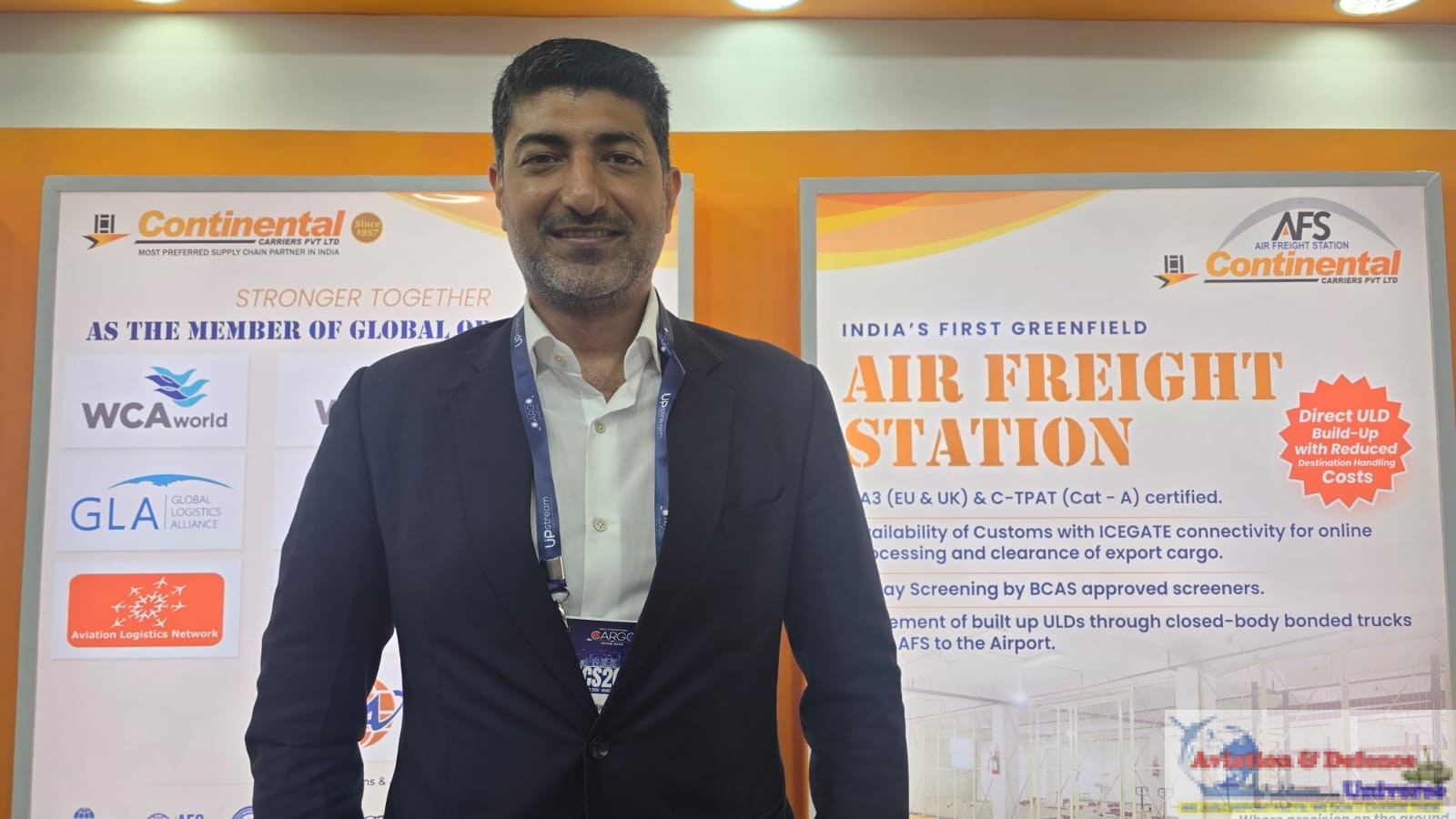
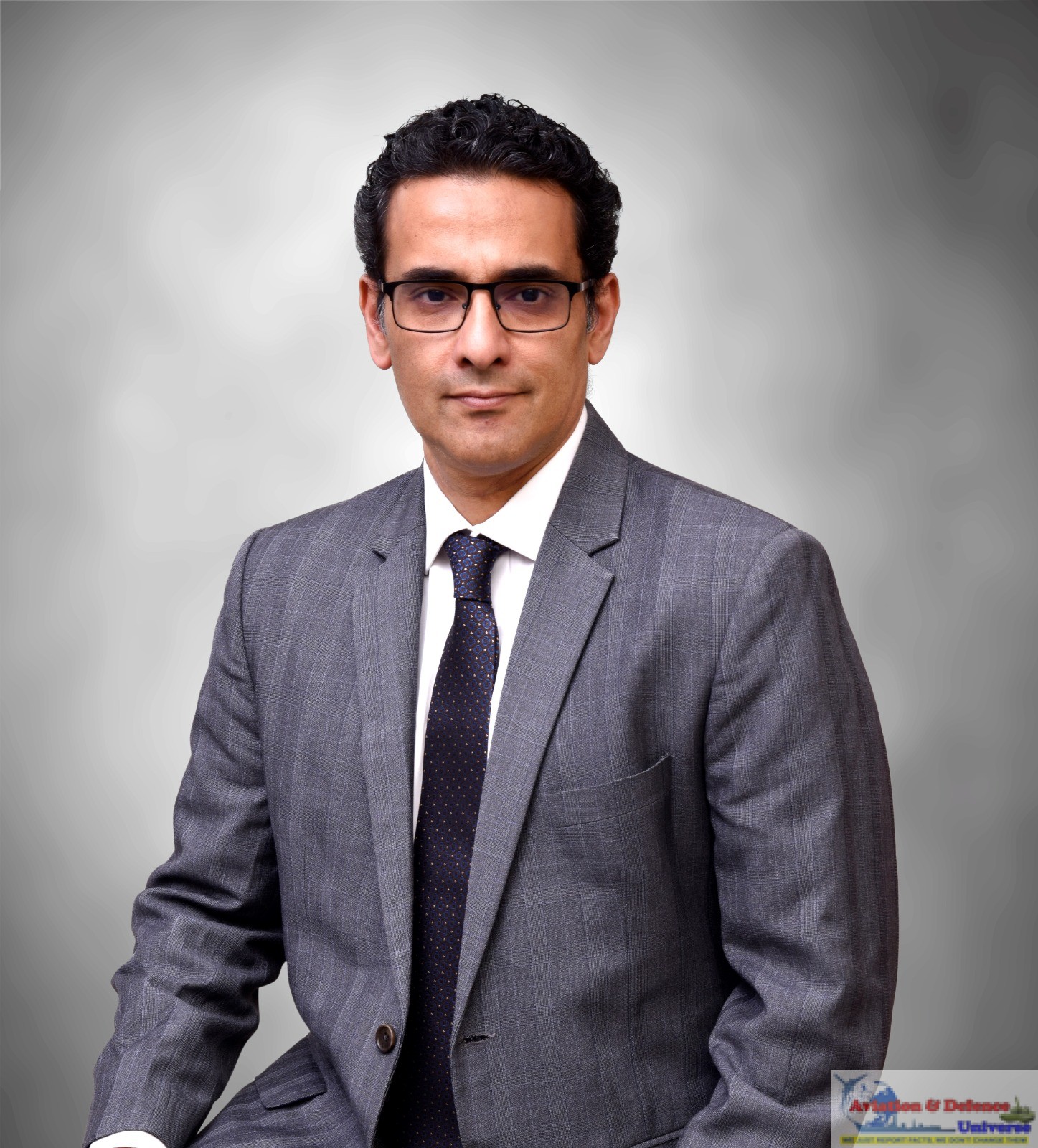
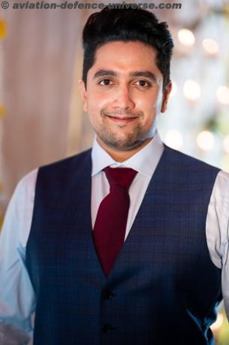
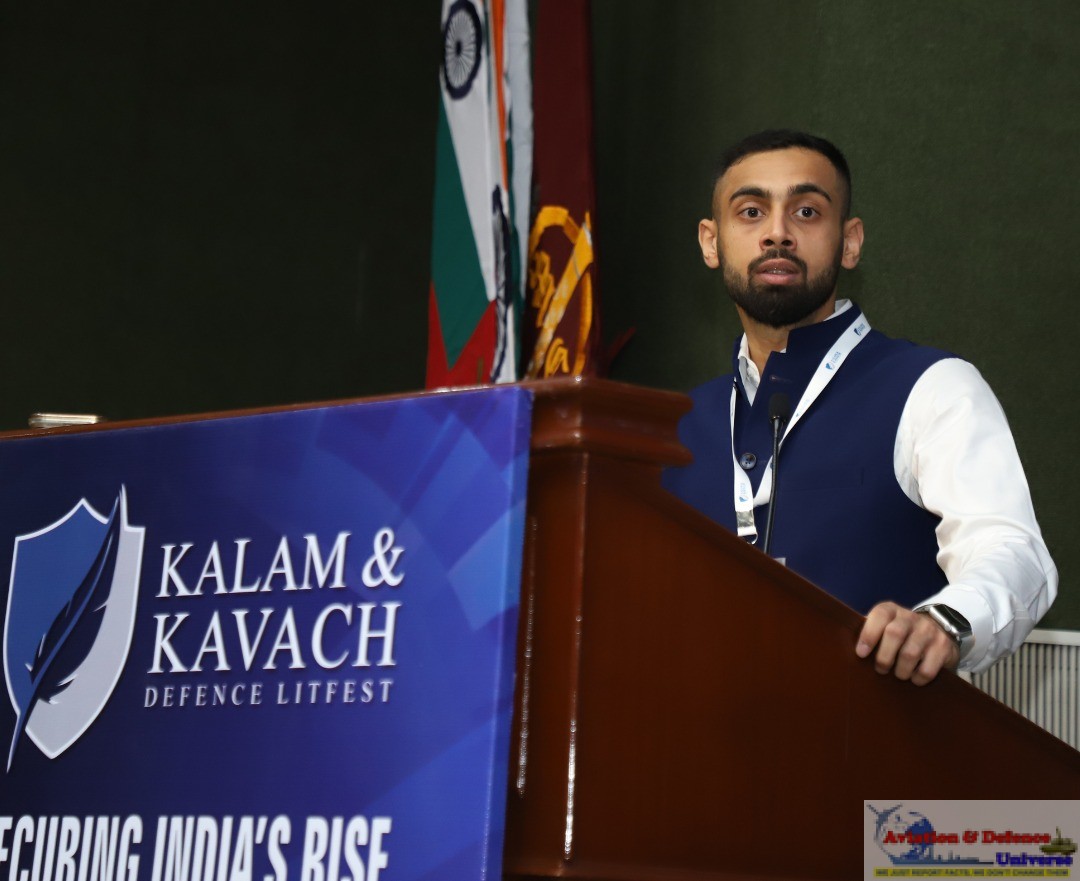
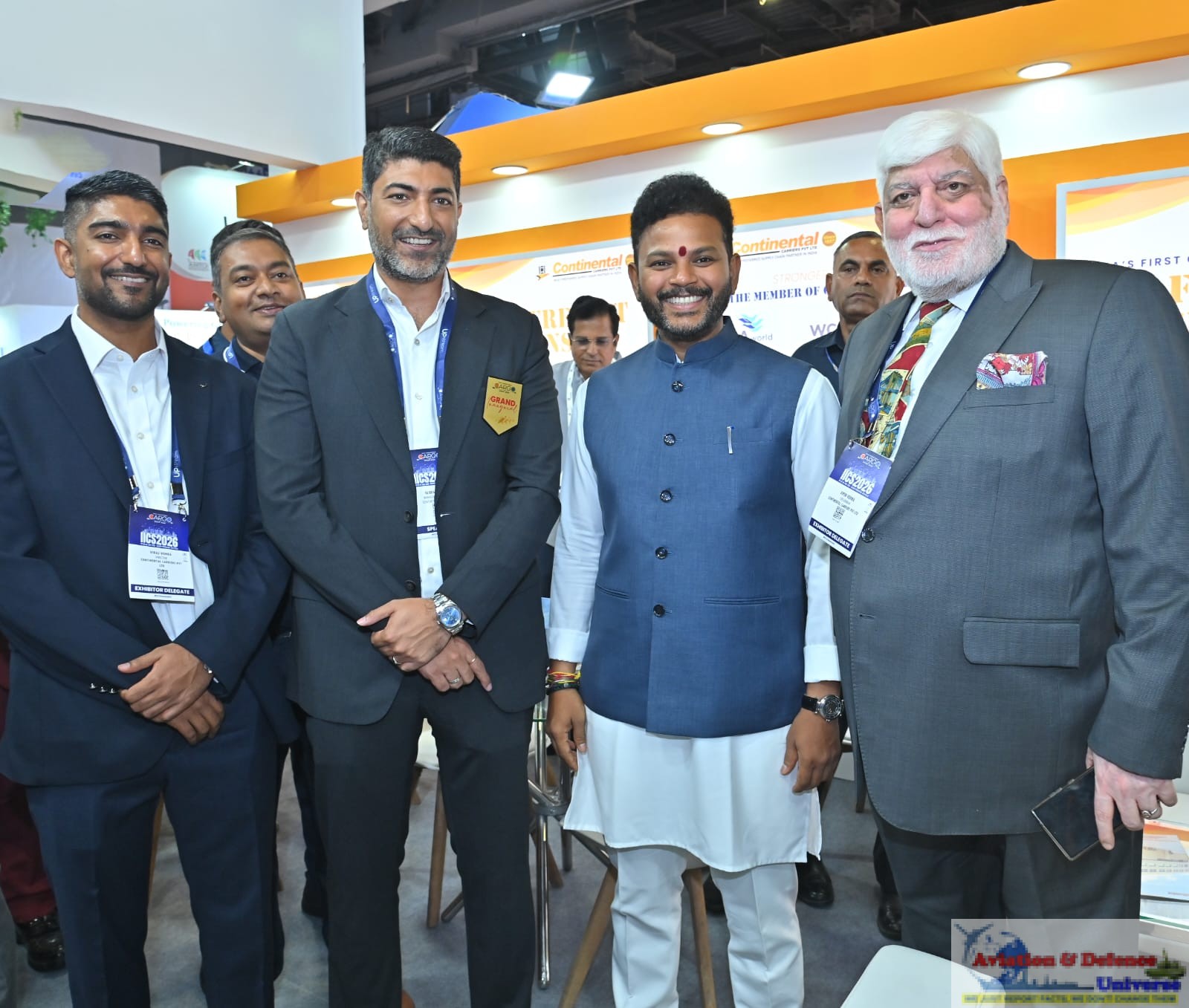 Among India’s enduring family-owned enterprises, the Vohra family stands as a testament to the power of legacy, resilience and adaptation. Founded in 1957, Continental Carriers has grown from a modest logistics venture into one of the country’s leading supply chain and freight forwarding organisations, navigating decades of economic shifts, technological transformation and changing global trade dynamics. Today, the mantle of leadership rests with the third generation of the family, represented by Vaibhav & Viraj who are steering the company into new frontiers such as aerospace, defence and global supply chain solutions. While embracing innovation and expanding the company’s international footprint, Vaibhav Vohra remains deeply rooted in the values and entrepreneurial spirit established by his grandfather and nurtured by his father. His journey reflects the delicate balance that many family businesses strive to achieve—preserving a proud legacy while continuously reinventing themselves to remain relevant in an increasingly competitive and interconnected world. Here is an in-depth conversation on Continental Carriers’ global footprint, with him.
ADU. How has the show been for you?
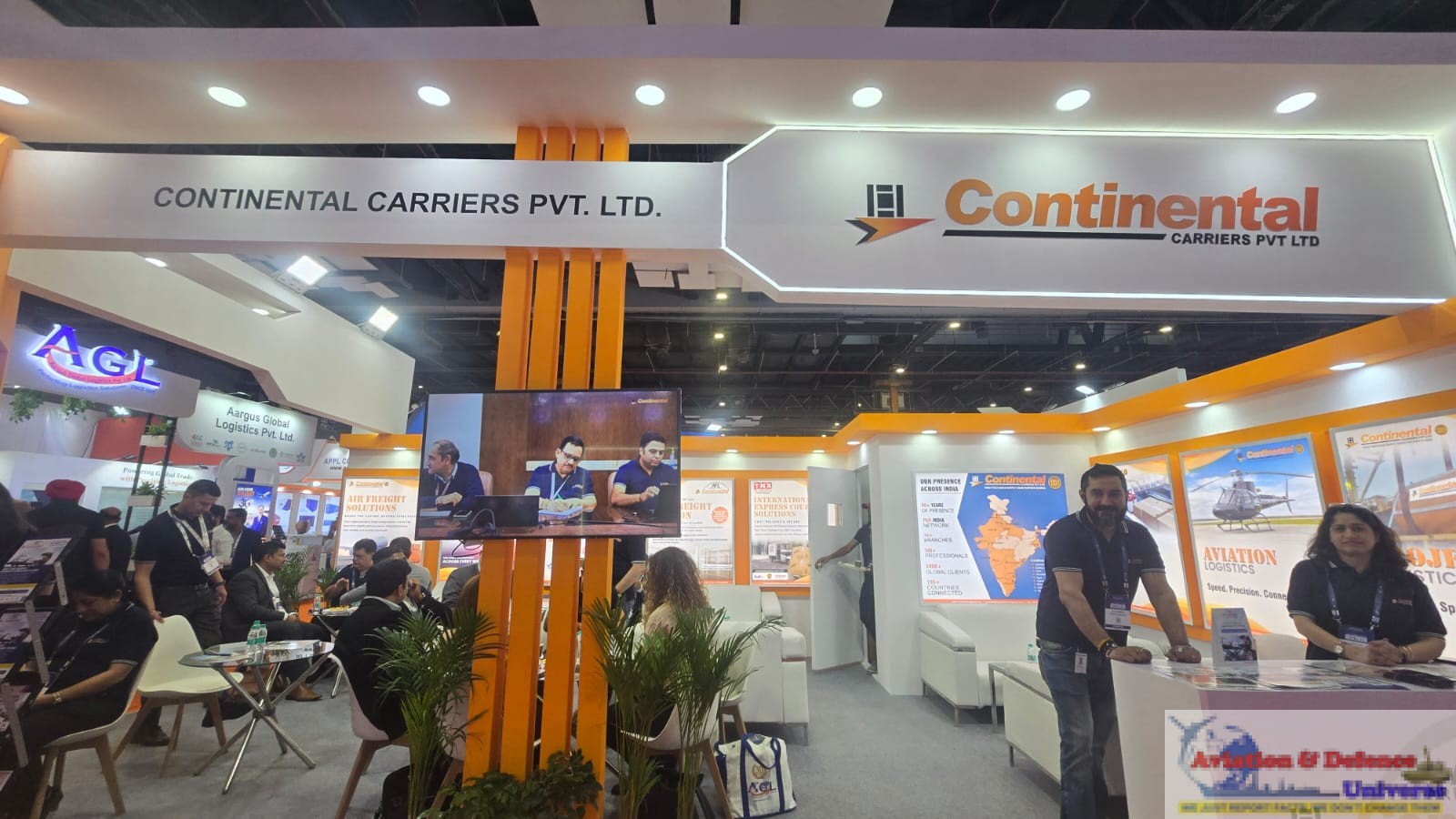
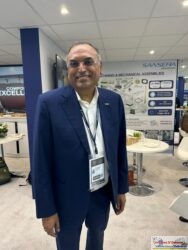
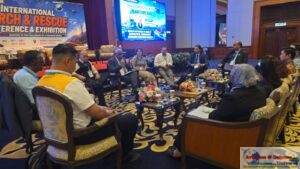
Vaibhav Vohra. The show has actually been very, very successful. We’re on Day Two and I thought the first day saw absolutely tremendous footfall. We met many of our carrier partners, airlines and shipping lines. Today as well, we’ve had extensive interactions with customers from across India who have taken the opportunity to come to Delhi. We are happy to host them here. Having everyone in one location has been action-packed. In two days, we’ve covered so much ground that it would have normally taken us much longer to do individually. Being under one roof allows us to correlate many of the discussions we’re having. We’ve been able to gather inputs from customers, airlines, shipping lines and other partners, which gives us greater clarity on what needs to be done in the immediate future. Given everything happening around the world, the only way to put a method around the madness is to have conversations and understand how developments are impacting everyone.
ADU. Has the changing geopolitical situation affected business? How are the conflicts impacting the freight business?
 Vaibhav Vohra. They are definitely affecting business. Predictability has become a challenge. While some regular cargo flows have been impacted, ad-hoc flows have emerged. The disruption is real. There is a lot of unpredictability in cargo volumes and planning. Shippers and customers are not able to provide confirmed forecasts. Freight rates remain elevated, particularly due to higher bunker and fuel costs.
Customers are struggling to determine whether they can absorb these costs or pass them on. Ultimately, as service providers, we cannot absorb all these costs ourselves. They have to be passed on either to shippers or importers.This process has taken time, which is why it’s difficult to define what ‘normal’ looks like today. I believe this situation will continue for some time. We are operating at a grassroots level, relying heavily on transactions and close customer engagement. This challenge affects everyone—airlines, shipping lines, airports, seaports and logistics providers. Success today depends on agility and the ability to manoeuvre quickly. For those who can adapt rapidly, these disruptions create opportunities. For those who cannot, they will face the consequences.
ADU. The last time we spoke, there was a development on your aviation front involving France. How is that progressing?
Vaibhav Vohra. It’s very interesting. We have recently signed an agreement in Spain as well. We have entered into an MOU with a Spanish company and formed a joint venture specifically to support Airbus ecosystem business in India.We are already doing significant business within the aerospace industry, particularly on the supply chain side. We are growing, expanding our footprint and hoping to make a meaningful impact in this sector. We have decades of expertise, and now the focus is on moving further upstream and downstream in the value chain while supporting the ecosystem responsibly.
ADU. With aerospace engagements like ILA & Farnborough coming up, will you be participating?
Vaibhav Vohra. Absolutely. We will be participating and many of our partners will be joining us. Our French partners will be there, along with Spanish and German stakeholders. In fact, we are currently engaged in discussions with several companies across Europe. As India develops stronger aerospace and defence manufacturing ecosystems, many European companies see India as a serious market. They are looking for serious partners and players who can support their operations and supply chains.
ADU. What about the United States?
Vaibhav Vohra. The US is an interesting ecosystem, but historically its engagement with India in this space has been somewhat limited compared to Europe and Israel. We have had stronger inroads with European and Israeli companies. However, we remain open to exploring more opportunities with US companies as the market evolves.
ADU. Have tariffs affected your industry?
 Vaibhav Vohra. They did create some slowdown during the last two quarters of the previous financial year, particularly when tariff levels approached 50 per cent. High-volume sectors such as textiles were especially affected. However, the situation has largely stabilised. There are ongoing discussions regarding tariffs and preferential trade arrangements with countries such as Mexico and Canada, but I believe the environment is becoming more balanced. The depreciation of the rupee has also helped exporters because they receive more rupees for every dollar earned. While trade has stabilised, only time will tell how things evolve. Tariffs were one challenge, but disposable income is another. While Indian goods have become more affordable internationally due to exchange rates, consumers in Europe and the Americas are facing rising utility and living costs. This may influence whether they spend more on goods or focus on essential expenses. If consumers do not buy goods, goods do not move.
ADU. How important is Latin America as a market?
Vaibhav Vohra. Latin America is a very strong and promising market. There is substantial business with countries such as Brazil, Mexico and Colombia. I was in Brazil recently and the opportunities are significant. India-Brazil trade has grown from around USD 5 billion to approximately USD 18 billion over the past 10 to 15 years. We see increasing demand, particularly in pharmaceuticals, agricultural equipment and industrial products. It is a growing trade corridor and we are well-positioned to support it. The strong relationship between the leadership of both countries further strengthens business prospects.
ADU. What about the UK market?
 Vaibhav Vohra. We have always had a strong relationship with the UK and I expect trade to improve further following the Free Trade Agreement. The UK has historically been an important market for Continental, and with the FTA now in place, trade flows should increase significantly. Many of the new FTAs being signed today will provide a major boost to the logistics sector because they facilitate both imports and exports. As countries look for alternative markets and diversify trade relationships, logistics providers will play an increasingly important role.
ADU. How do you view Africa as a market?
Vaibhav Vohra. Africa has always been a challenging market from a supply chain perspective because infrastructure remains limited in many areas. That said, we have had reasonable success in pharmaceuticals and industrial goods. Africa remains an area of interest and one where we would like to expand further. We have previously explored the Middle East as a gateway into Africa, and depending on how regional conditions evolve, we may revisit those plans in the future.
ADU. Has the Middle East situation affected your business?
Vaibhav Vohra. It was a decent market for us and there was some disruption. However, the market is gradually recovering. Consumption is returning and cargo volumes are improving.The main challenge was the increase in costs, but those are now normalising and trade activity is picking up once again.
ADU. Anything you would like to add?
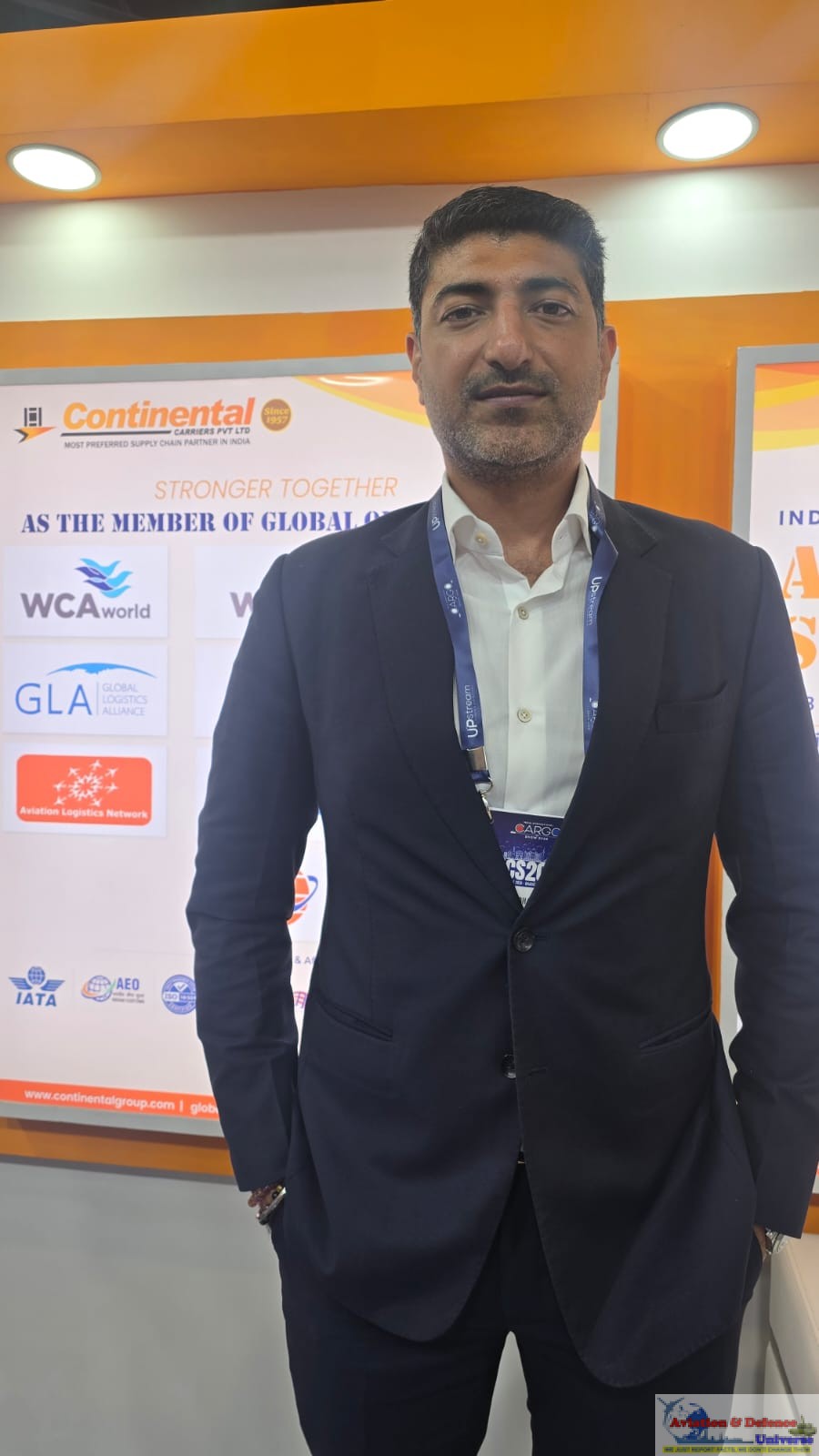 Vaibhav Vohra. These are certainly interesting times. We are doing our best to put our best foot forward and continue supporting trade and industry.India remains a vibrant and exciting market. It is important to maintain positivity and motivation despite the challenges. I agree with recent observations that businesses must focus on investing and growing rather than becoming overly cautious. The opportunities are there, and I believe the logistics industry has a major role to play in supporting India’s growth story.
ADU. Tell us a little about Continental Group’s journey.
Vaibhav Vohra. Continental Group was founded by my grandfather in 1957, making us nearly a 70-year-old organisation. My father joined the business in 1975 and currently serves as Chairman. I joined in 2007 and have been Managing Director for the past decade. My brother joined in 2013 and is also actively involved in the business. Today, we represent the third generation of the family leading the company, with responsibilities divided across functions, geographies and overseas networks.
Despite ongoing geopolitical uncertainty, fluctuating freight rates and evolving trade dynamics, Vaibhav Vohra remains optimistic about the future of logistics and supply chain management. From expanding aerospace partnerships across Europe and strengthening trade links with Latin America to leveraging new FTAs and exploring emerging markets, Continental Group is positioning itself for long-term growth. His emphasis on agility, collaboration and continuous investment reflects a broader industry sentiment. while global disruptions may redefine trade routes and supply chains, they also create opportunities for those willing to adapt and innovate. As India deepens its integration into global value chains, companies like Continental Group are looking to play an increasingly strategic role in enabling trade, industry and economic growth.
As told to Sangeeta Saxena






































































-A4-Size-(2)_page-0001.jpg)