


















Armed Forces 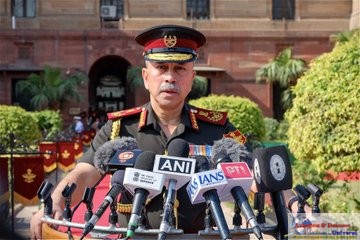
- Commits to Accelerating Defence Reforms
- Vows Greater Synergy and Indigenous Capability
- Pledges Focus on Jointness and Atmanirbharta
By Sangeeta Saxena
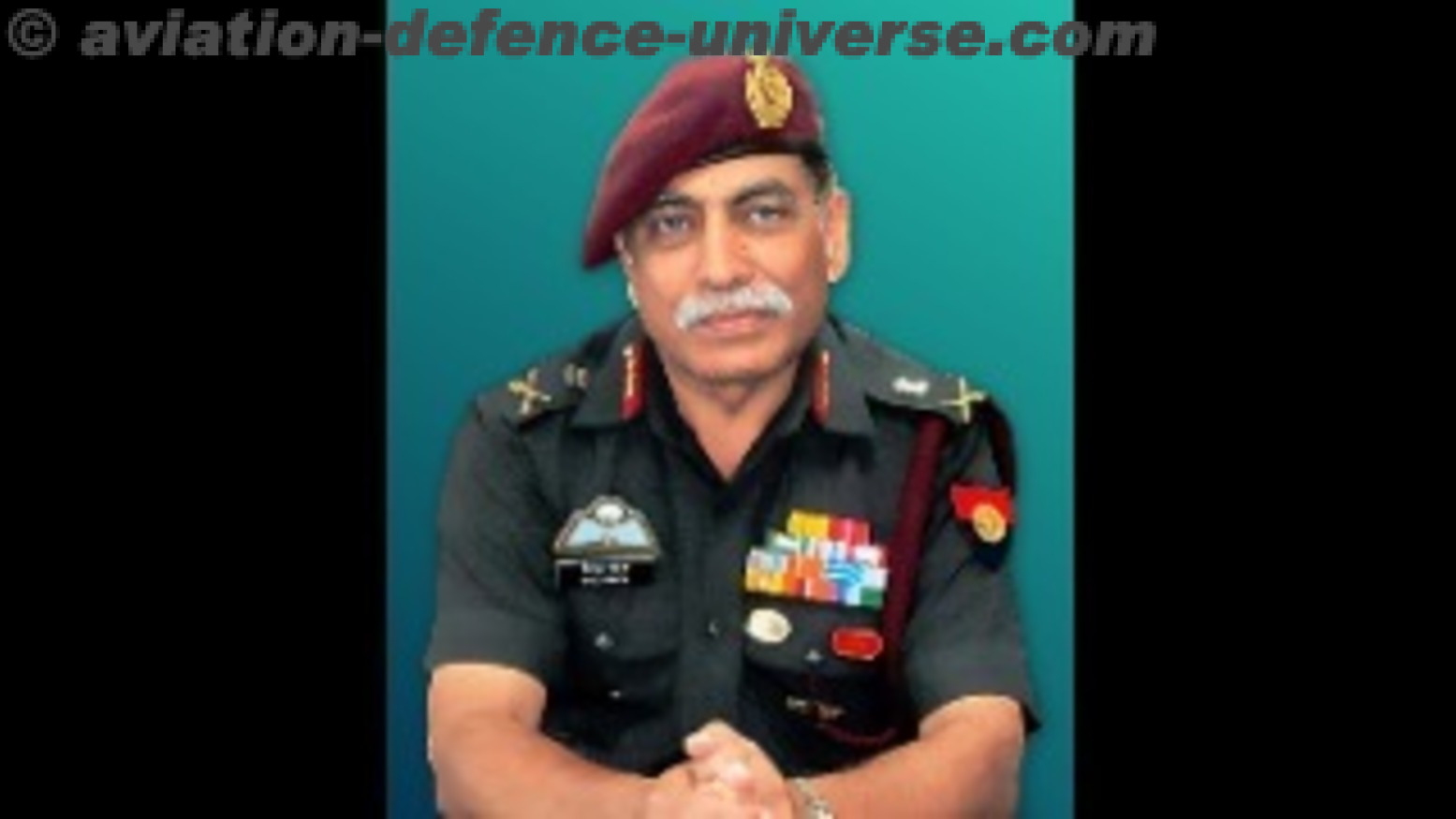
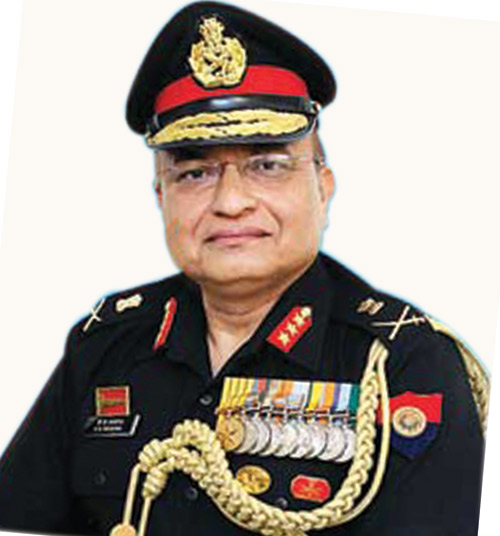
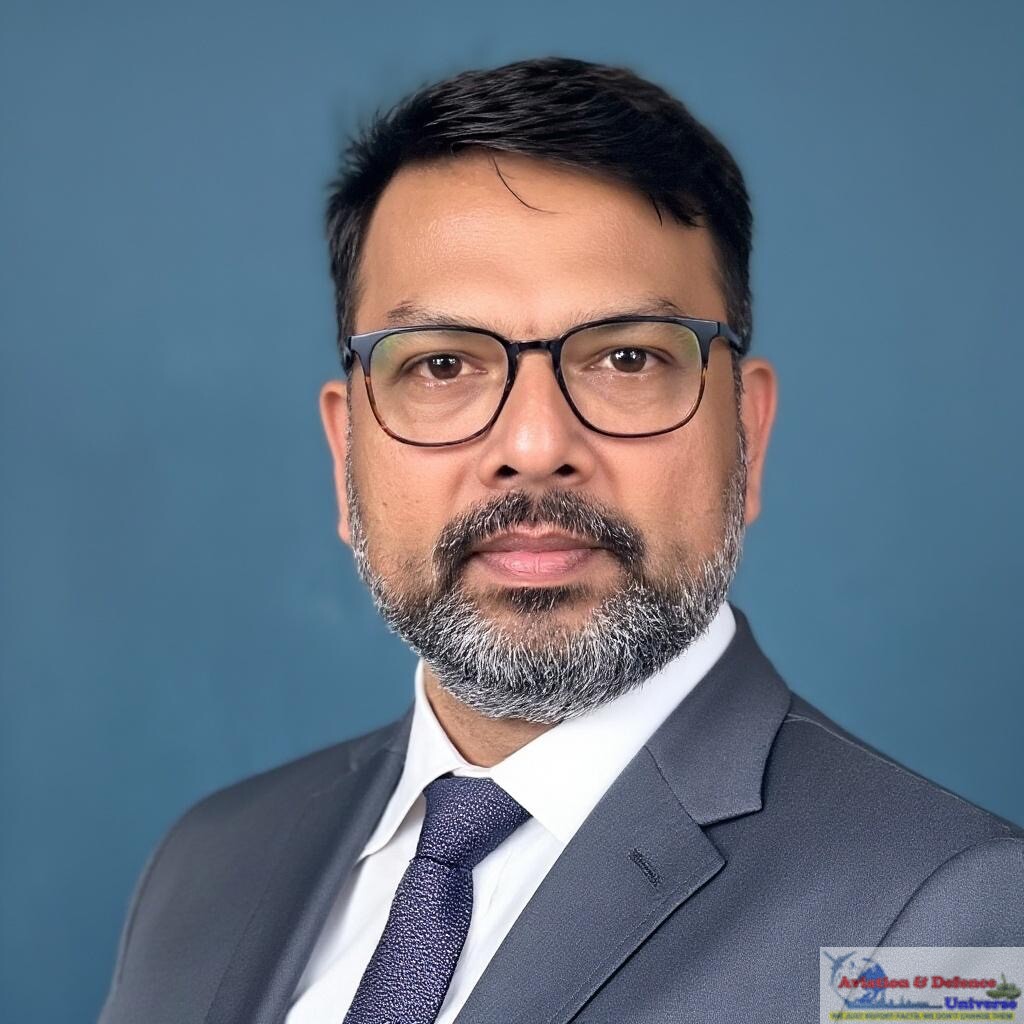
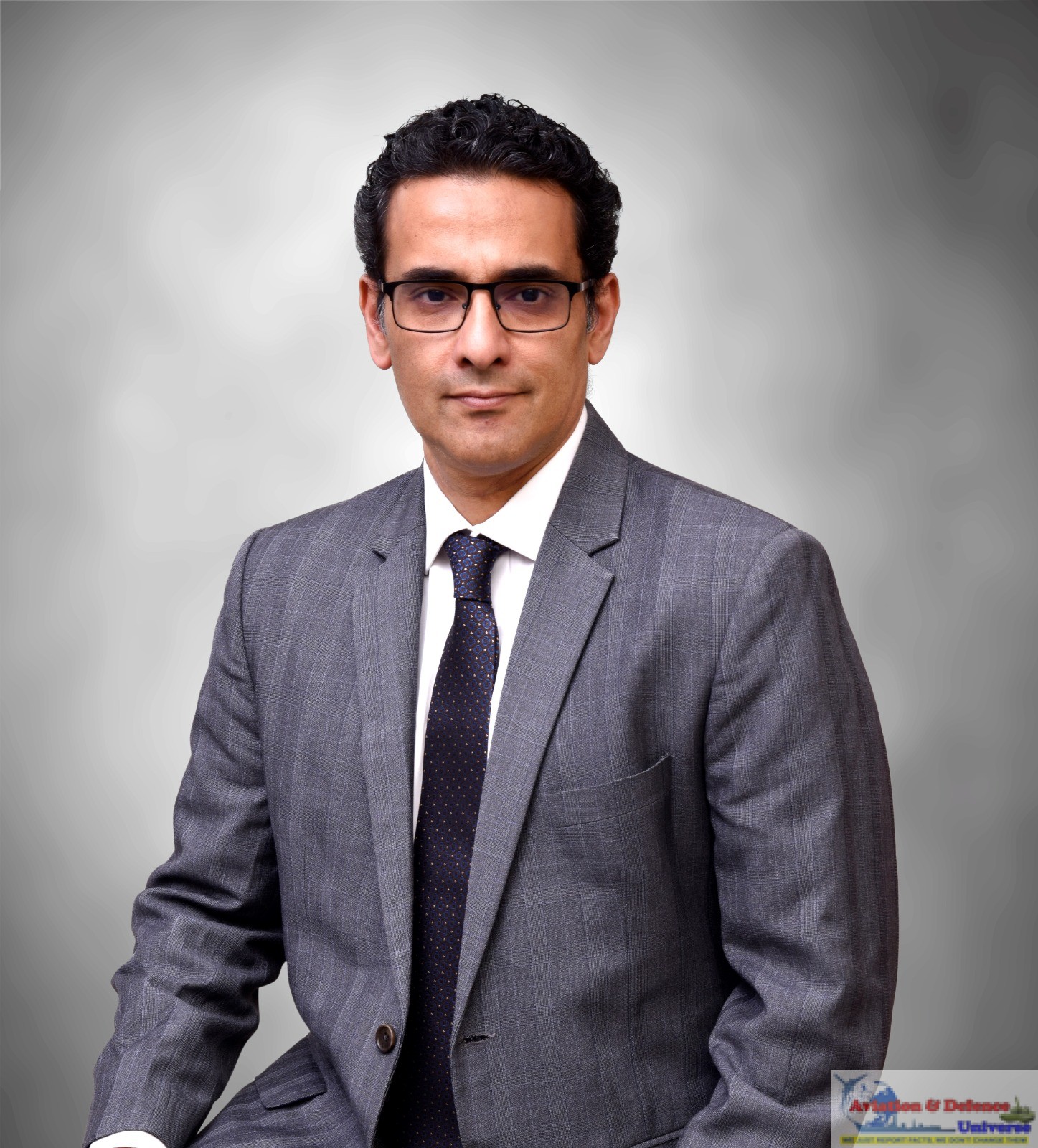
New Delhi. 31 May 2026. The baton of India’s highest military office has passed into new hands. As India navigates an increasingly complex security landscape and accelerates military transformation, a new chapter has begun in the nation’s defence leadership. General NS Raja Subramani has assumed office as India’s third Chief of Defence Staff (CDS), taking charge at a crucial juncture when the Armed Forces are pursuing greater jointness, theatre command reforms, indigenous capability development and technological modernisation. His appointment signals continuity in India’s vision of an integrated and future-ready military force.
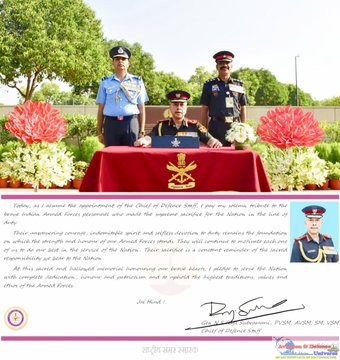 With his appointment, General NS Subramani becomes the third officer to hold the post created to enhance integration among the Army, Navy and Air Force and to provide single-point military advice to the Government. In his first address after taking over, General Subramani expressed gratitude for the confidence reposed in the Armed Forces by the nation and underscored the importance of a unified approach to national security.
“We are grateful to the nation for the trust it holds in the armed forces. We, the Indian Army, Navy, Air Force, Ministry of Defence, Strategic Institutions and all stakeholders stand united as part of the whole-of-nation approach to strengthen India’s security. We are committed to implement the vision of our Honourable Prime Minister,” he said.
Outlining his priorities as CDS, General Subramani identified jointness, self-reliance and innovation as the three pillars that would guide the Armed Forces in the coming years. “Jointness, Atma Nirbharta and Innovation. Transformation of the armed forces and organisational reforms to enhance jointness, synergy and integration will be the primary focus. Atma Nirbharta is a central pillar of our national security,” he stated.
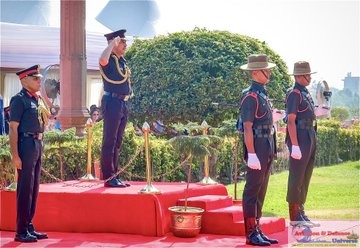 The new CDS emphasised that indigenous capability development would remain a key focus area as India seeks to reduce dependence on imports and strengthen its domestic defence industrial base. “We will accelerate the development, induction and integration of indigenous weapons in our armed forces. Innovation in thought and action will drive our capability development. Greater collaboration between the military, the industry, academia, start-ups and the research ecosystem will be the key enabler for modernisation,” he said.
General Subramani also highlighted the professionalism and operational readiness demonstrated by the Armed Forces across multiple domains and theatres. “Our armed forces have consistently demonstrated professionalism and operational decisiveness in safeguarding our national interests. We remain committed to protecting the sovereignty and territorial integrity of our country,” he said.
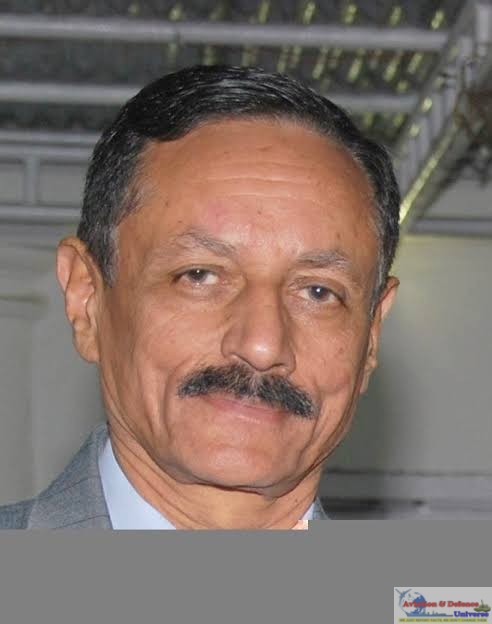
Paying tribute to the leadership that preceded him, General Subramani acknowledged the contributions of India’s first CDS, the late General Bipin Rawat, and his immediate predecessor, General Anil Chauhan. “I express my sincere gratitude to late General Bipin Rawat and General Anil Chauhan, my illustrious predecessors, for their exemplary leadership and contribution in this journey,” he remarked. The new CDS also placed significant emphasis on personnel welfare, recognising the sacrifices made by serving personnel, veterans and their families.
“We acknowledge the courage and professionalism of our soldiers, sailors and air warriors. Their training and welfare will be our foremost priority. We pay homage to our brave hearts, whose valour, sacrifice and dedication to the nation continue to inspire us. We are committed to the welfare of our veterans and veer naris,” he said.
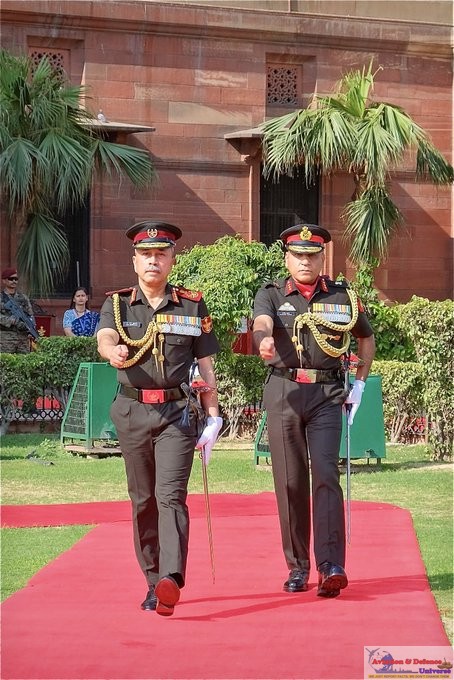 The appointment comes at a crucial juncture as the Armed Forces continue efforts towards greater integration, capability enhancement, force modernisation and indigenous defence production. The CDS is expected to play a pivotal role in advancing theatre command reforms, strengthening tri-service synergy and facilitating closer coordination between the Services, the Ministry of Defence and the defence industrial ecosystem.
As General Raja Subramani assumes office as India’s third Chief of Defence Staff, he inherits a transformative agenda initiated by his predecessors while facing an increasingly complex security environment. His emphasis on jointness, organisational reform, indigenous capability development and innovation signals continuity in India’s pursuit of a modern, integrated and self-reliant military force. With a commitment to strengthening operational readiness, personnel welfare and national security, General Subramani’s tenure is set to play a critical role in shaping the next phase of India’s defence transformation.
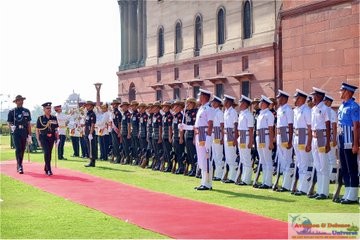 Concluding his address, the new CDS assured the nation of the Armed Forces’ unwavering commitment to duty and service. “I assure the citizens of India that the armed forces will continue to serve the nation with dedication, courage, honour and professionalism. Jai Hind.”
At a time when the Indian Armed Forces are redefining warfare through integration, innovation and self-reliance, General Raja Subramani has been entrusted with steering the military’s transformation agenda, he assumes leadership of a force focused on enhancing tri-service synergy, accelerating indigenous defence production and preparing for the challenges of an increasingly contested geopolitical environment.









































































-A4-Size-(2)_page-0001.jpg)