











- Beyond Build-to-Print: Indian MSMEs Seek a Bigger Role in Global Defence
- People, Processes and Partnerships: Building Export-Ready Defence MSMEs
- The Mother Duck Model: Why Defence Giants Must Help MSMEs Take Flight
By Sangeeta Saxena
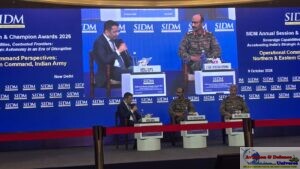
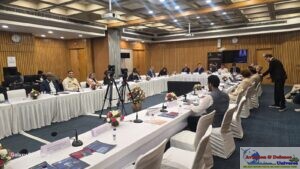
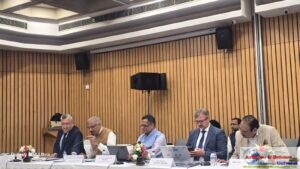
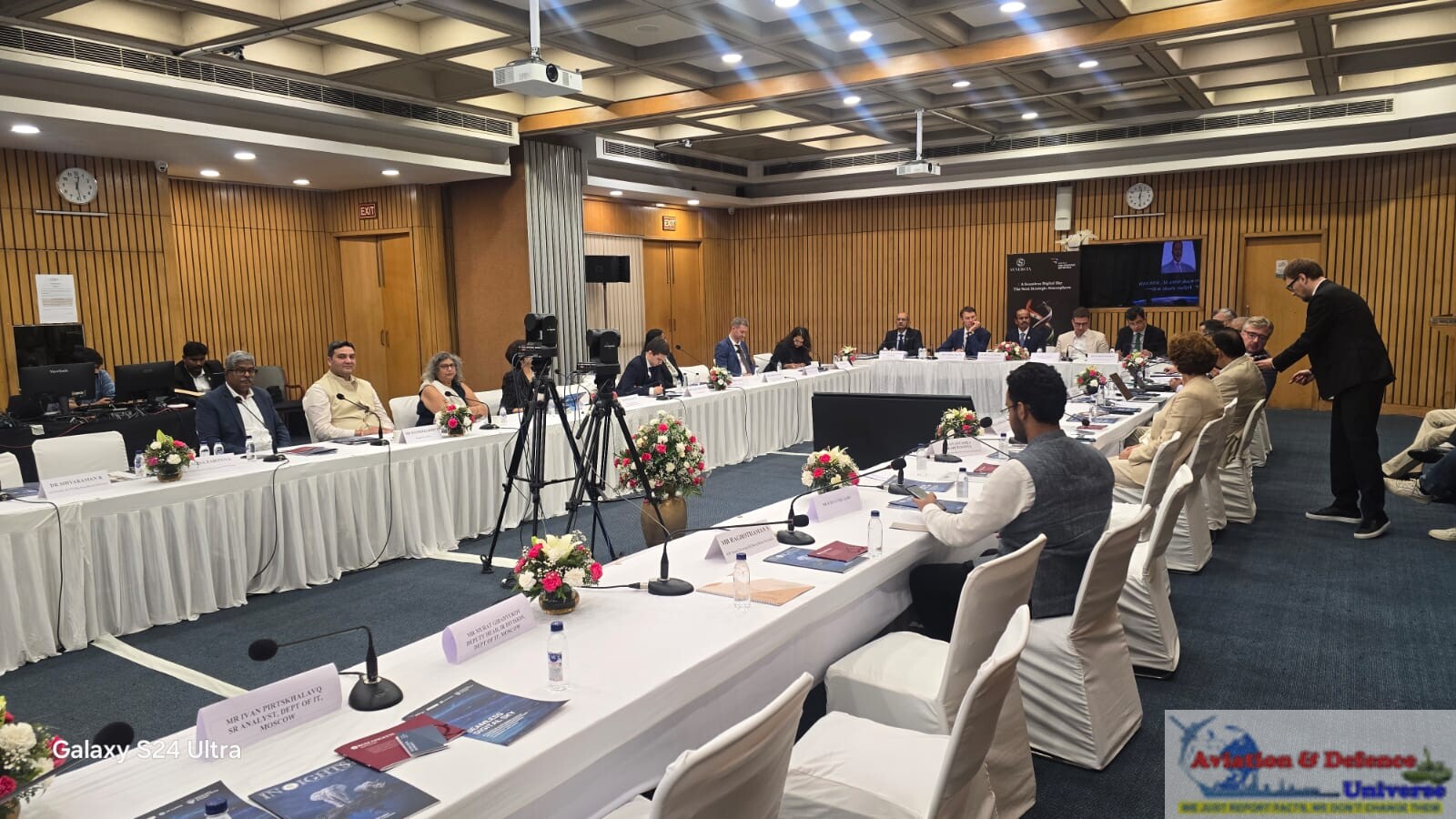
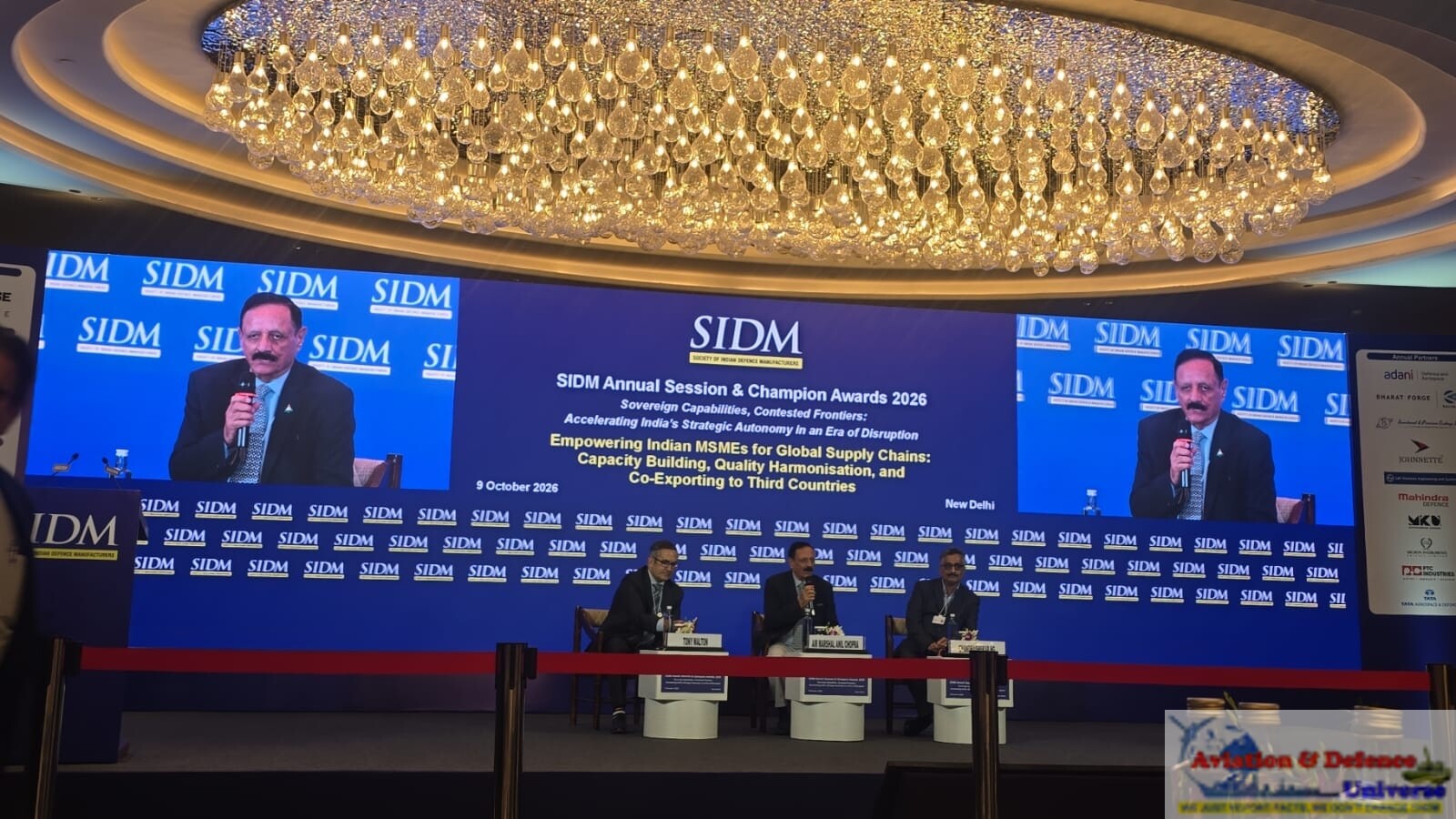
New Delhi. 11 October 2026. Small enterprises can carry big strategic ambitions—but entering global defence supply chains takes more than a promising product. It requires the capacity to scale, quality that meets international standards and partnerships that open doors to overseas markets. India’s defence MSMEs have the ambition to enter global supply chains. What they need next is a stronger bridge between innovation and sustained international business—built through engineering partnerships, recognised quality standards, capable project teams and access to finance. At SIDM’s Annual Conclave and Awards, a session on “Empowering Indian MSMEs for Global Supply Chains: Capacity Building, Quality Harmonisation and Co-Exporting to Third Countries” examined how large manufacturers and smaller enterprises could build that bridge together.
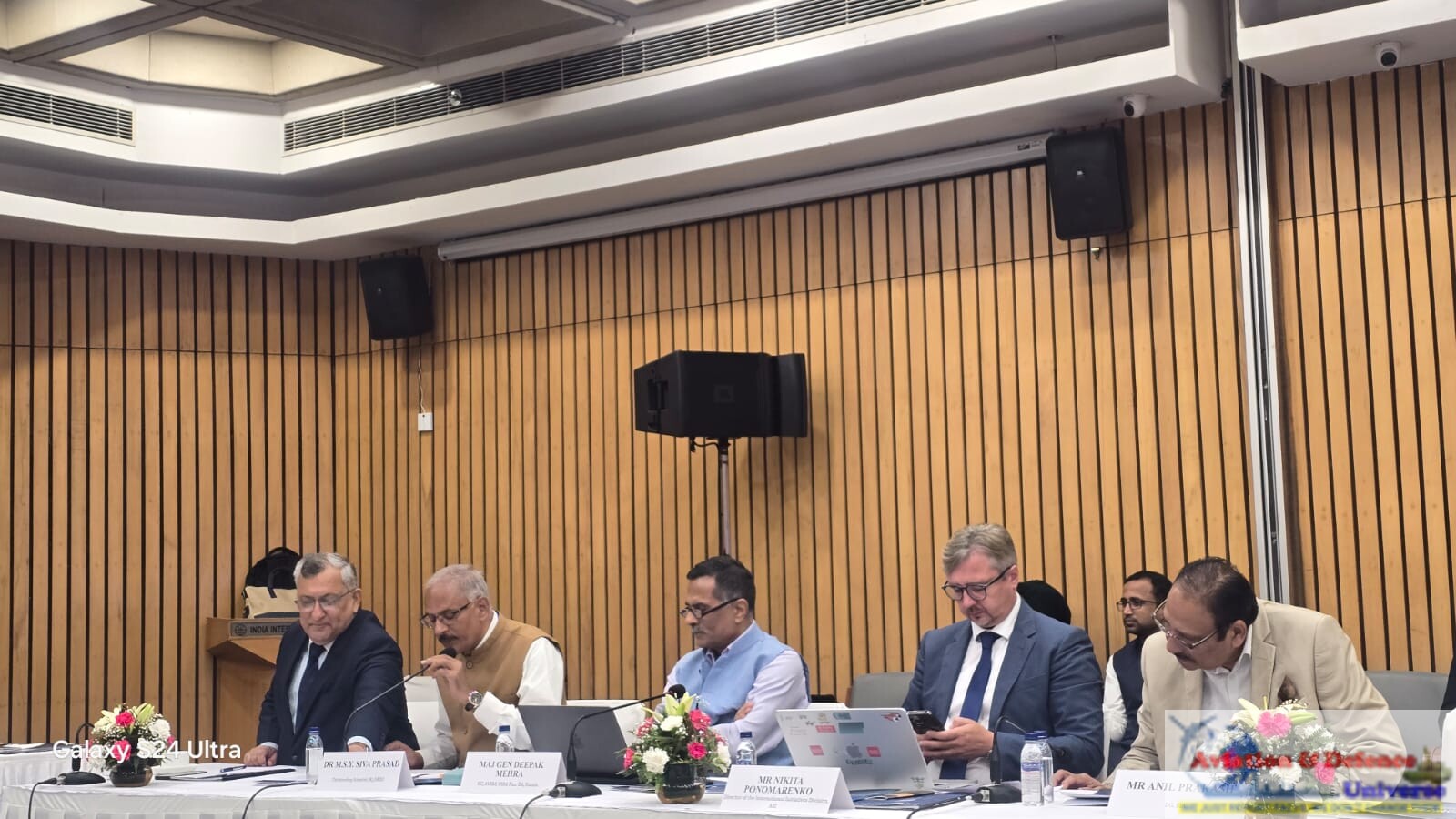
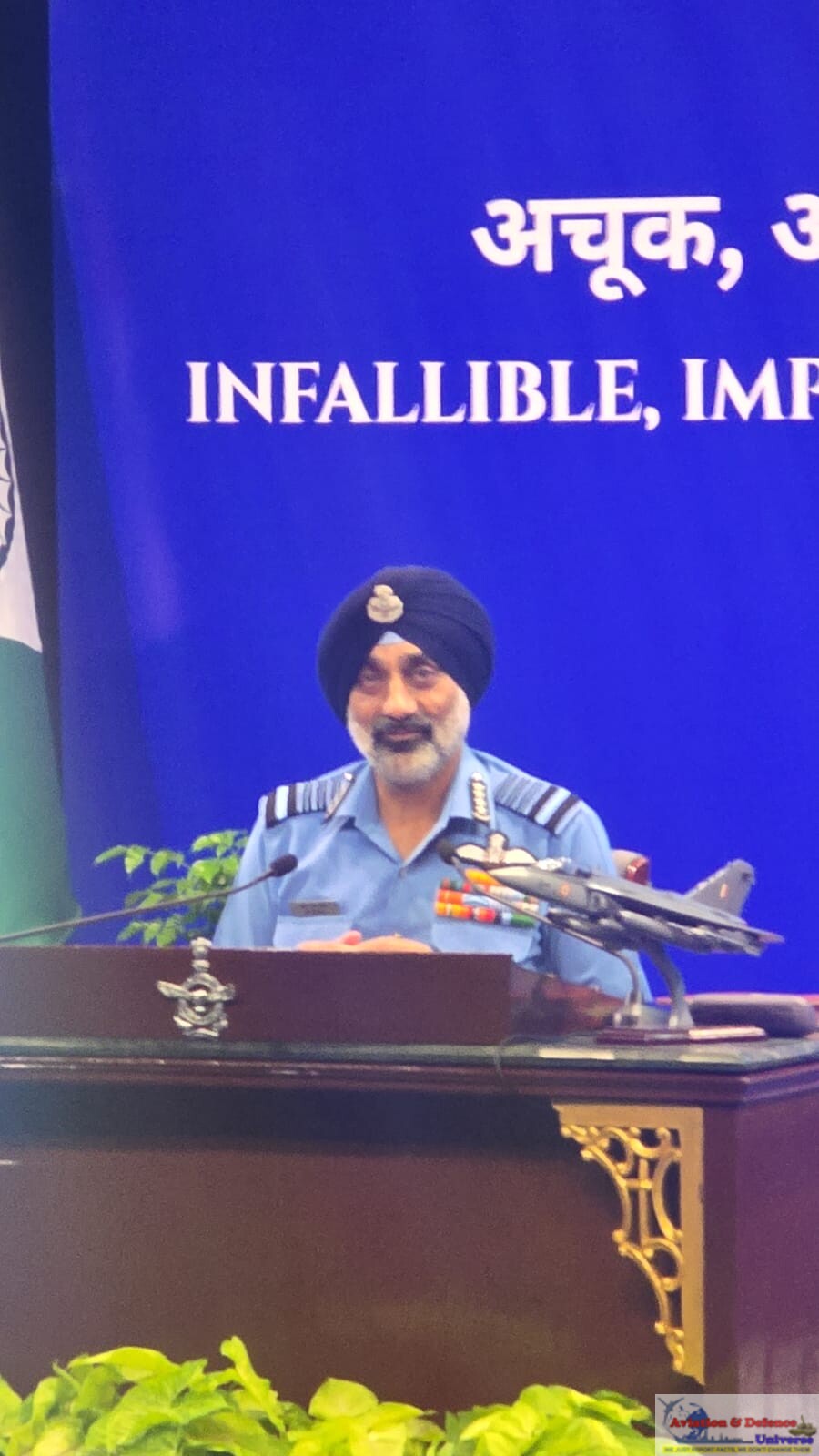
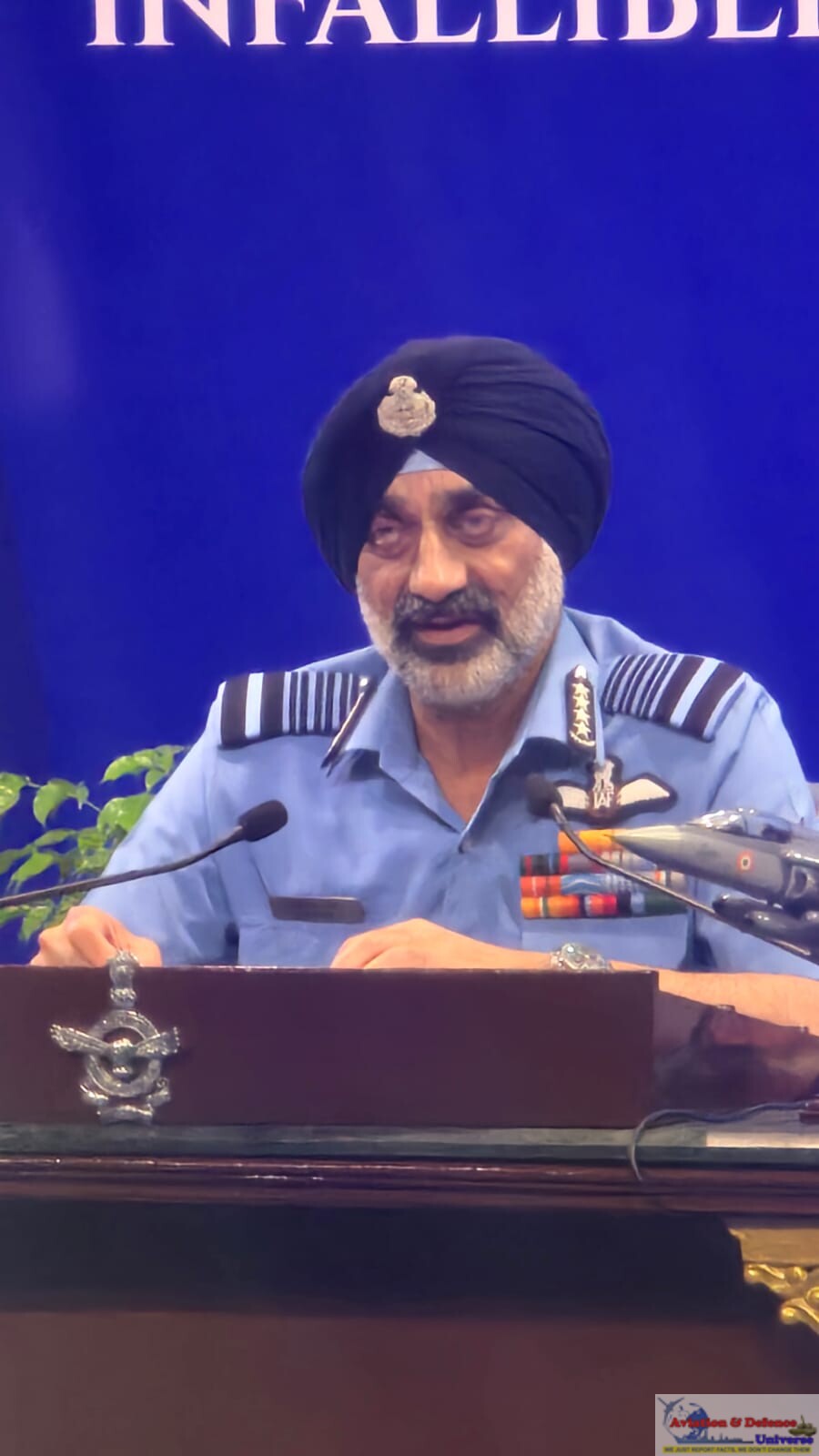
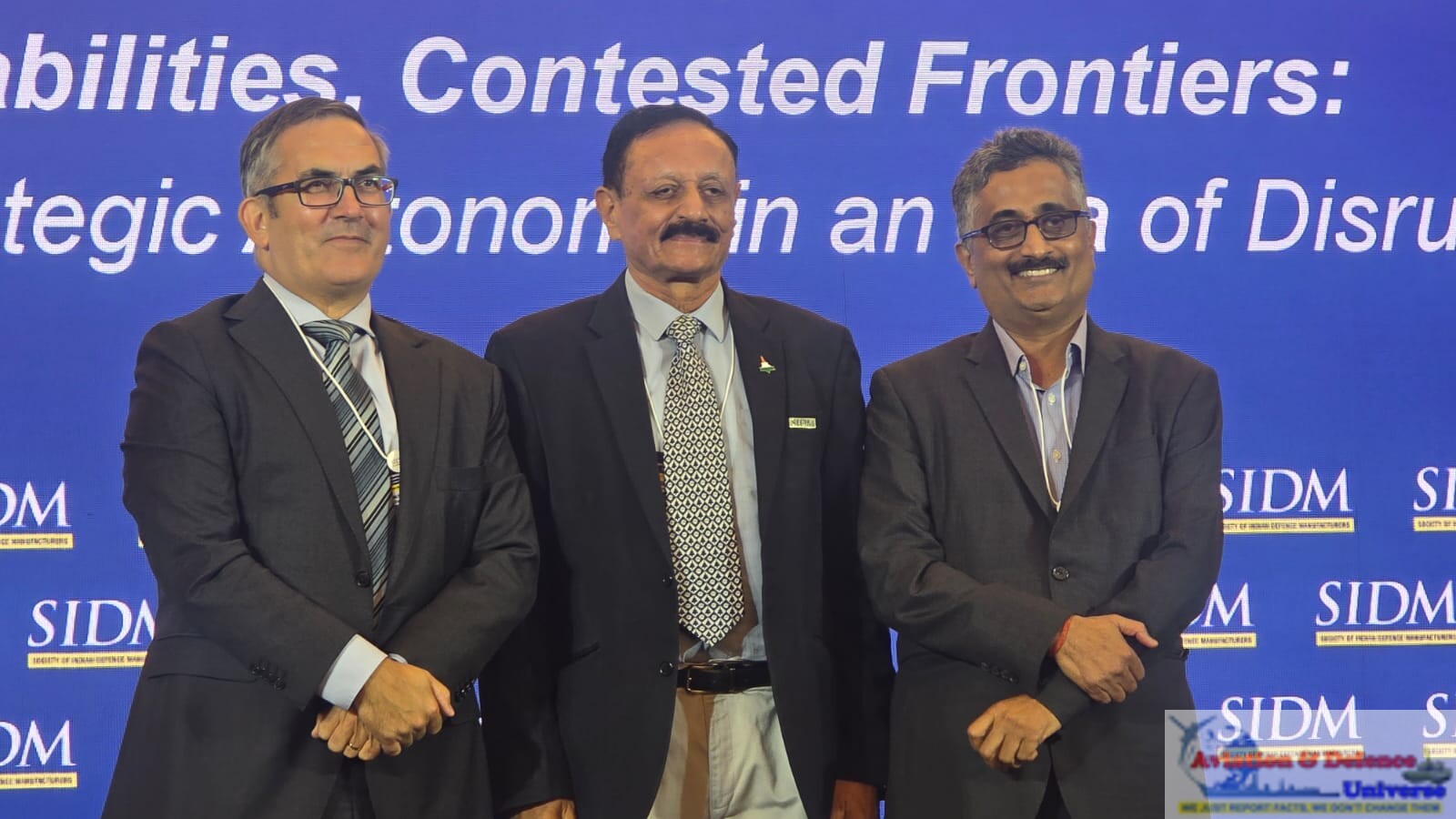
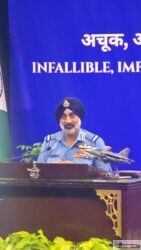
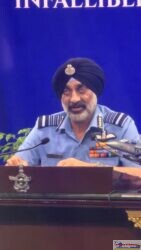
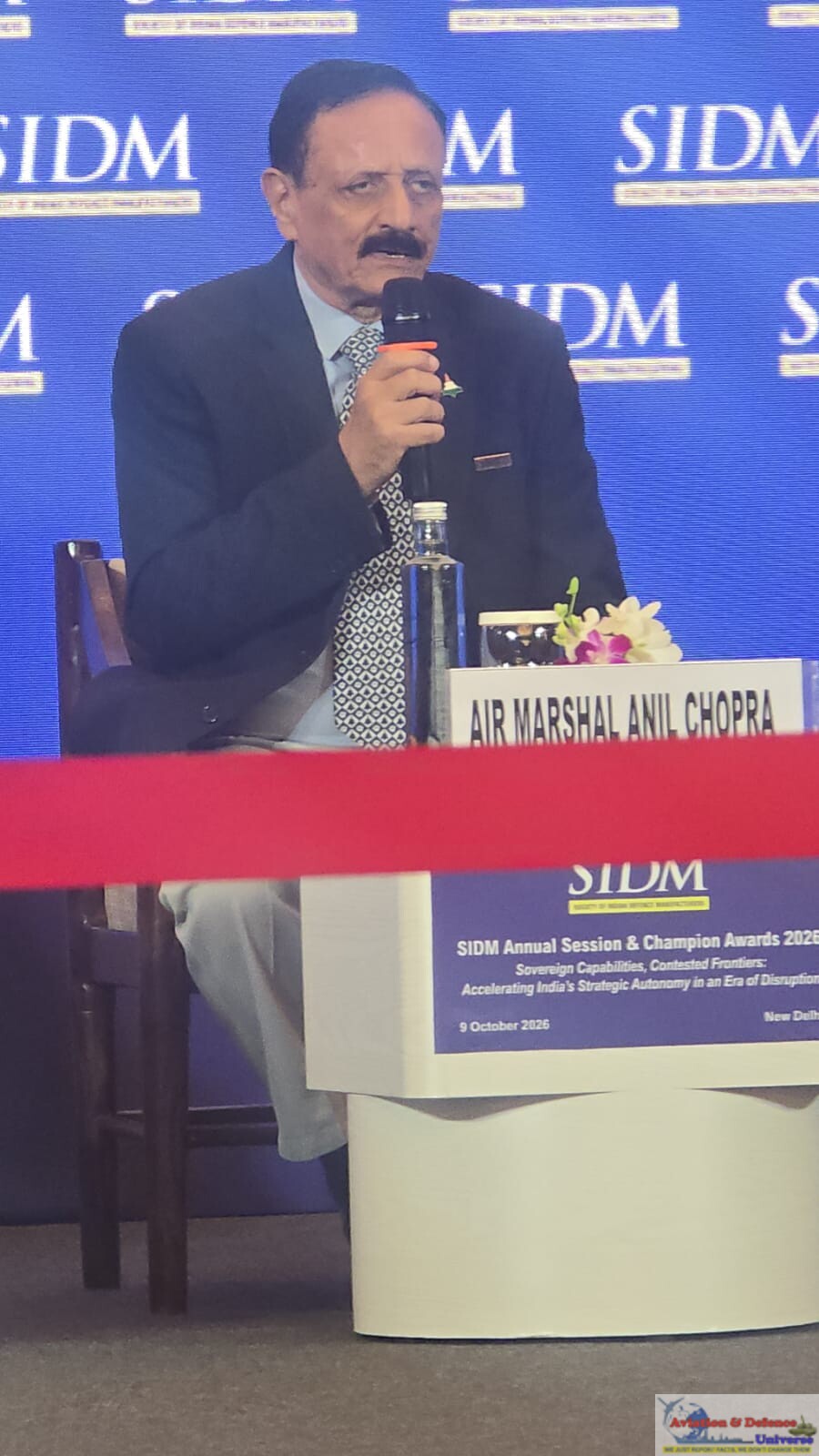 Chaired by Air Marshal Anil Chopra (Retd.), Strategic Advisor, SIDM, the discussion featured Tony Walton, Managing Director, BAE Systems India, and Chandrashekhar HG, Founder and Managing Director, SASMOS HET Technologies Ltd. Their exchanges brought together the perspective of an international defence company seeking industrial partners and an Indian enterprise that had developed an international business through engineering capability, customer diversification and collaboration.
The central message was clear: participation in global defence manufacturing requires more than machines and competitive prices. It demands sustained investment in people, processes, quality assurance and relationships that allow suppliers to become dependable partners. Air Marshal Chopra opened by placing the discussion against the backdrop of conflicts and disrupted supply chains. With MSMEs constituting approximately 70 per cent of SIDM’s membership, he said, their development was central to the association’s agenda.
He used the image of a mother duck nurturing her ducklings to describe the responsibility of large Indian and foreign manufacturers. Established companies should identify promising MSMEs, help them develop capabilities, support testing and qualification, and prepare them to pursue opportunities independently.
His proposed pathway extended from partnership and jointly developed intellectual property to manufacturing, quality assurance and a product for which a real market existed. He also highlighted the capabilities emerging from Tier-II and Tier-III cities, arguing that India’s industrial opportunity reached well beyond its established manufacturing centres.
BAE Systems: from local production to deeper collaboration
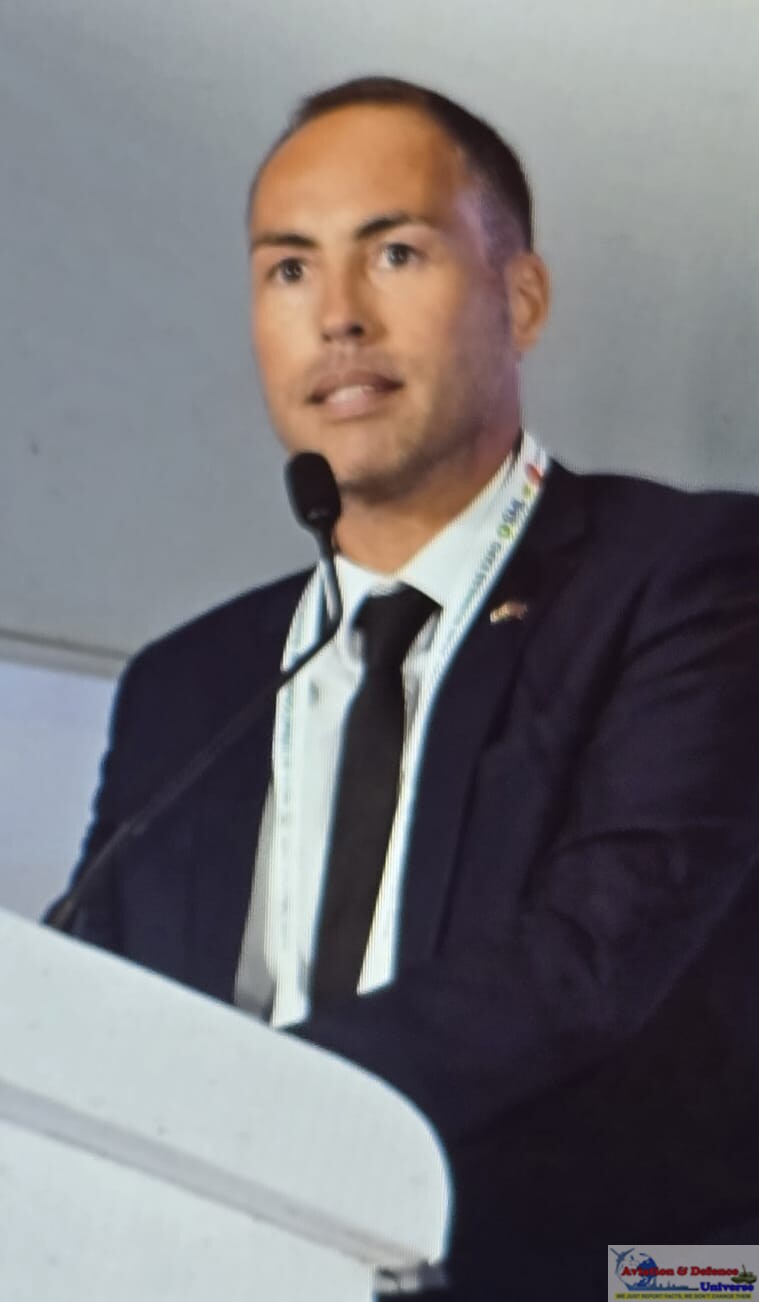
Tony Walton described industrial collaboration as the focus of BAE Systems’ engagement in India. The relationship, he explained, had evolved from supplying equipment towards technology transfer and local production, with increasing interest in co-development and co-production.
For Walton, India offered opportunities both to manufacture existing products and to improve them through collaboration. Production constraints in Europe made additional capacity and responsiveness particularly valuable. BAE Systems was looking for Indian companies that could lead programmes, with the international company contributing technology and working alongside them for Indian and export markets.
He also emphasised the importance of bringing Indian suppliers into global supply chains. A company serving only a limited domestic requirement might struggle to sustain its capabilities between orders. Access to multiple programmes and markets could provide a more enduring business base. India’s long equipment-service cycles added another consideration. Walton observed that military systems could remain in use for decades, making local industrial capability important for their continuing support.
Support innovation without overwhelming it
Walton acknowledged that the procedures of a large defence company could burden a smaller enterprise. Quality controls, schedules and disciplined processes were necessary, but their application should avoid suppressing the innovation that made smaller companies attractive partners.
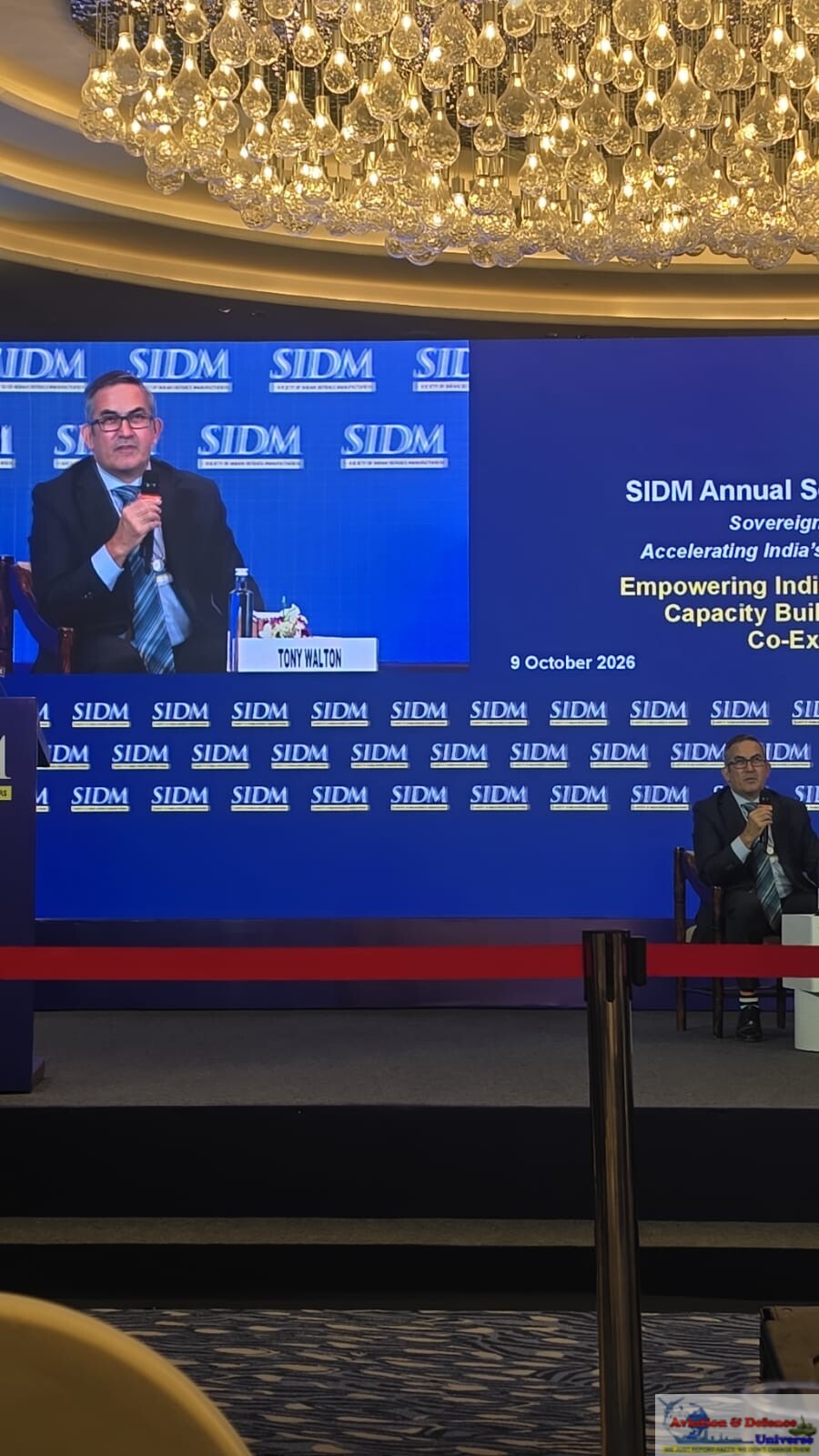 He described an approach in which some smaller businesses within BAE Systems retained operational independence to preserve their agility. Responding to Air Marshal Chopra’s question about supplier selection, nurturing and joint development, Walton said the approach depended on the product and capability required. “We are looking for innovative SMEs,” he said, particularly those able to address problems involving capacity, cost, quality or a combination of these factors. He expressed willingness to invest in developing promising companies and took particular note of the discussion on strengthening MSME project-management skills.
Quality harmonisation must enable exports
The panel examined the balance between demanding standards and the compliance burden faced by smaller firms. Walton cautioned that export ambitions required adherence to international standards. Products developed or co-developed in India needed to meet the requirements of the markets into which they would be sold. While paperwork could appear excessive, reducing compliance indiscriminately could undermine export opportunities. The challenge was to help suppliers meet the necessary requirements effectively.
The exchange on manufacturing costs also introduced an important qualification. Air Marshal Chopra referred to substantial savings possible through production in India, but Walton noted that the advantage varied by product. Some manufacturing activities could be more expensive locally, even though savings existed in general. The discussion therefore positioned India’s competitiveness around a combination of cost, capacity, quality and delivery performance, rather than a universal price advantage.
SASMOS: think strategically from the beginning
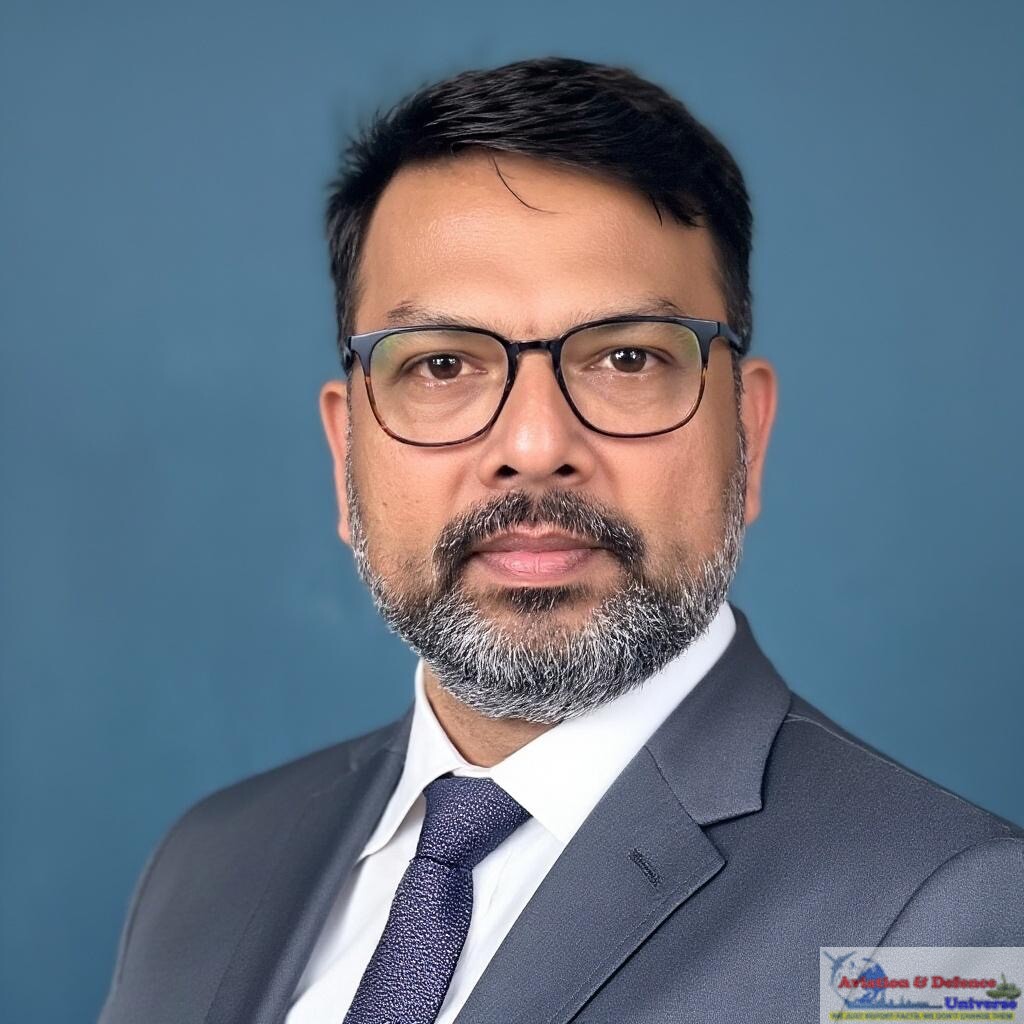
Chandrashekhar HG offered an entrepreneurial perspective, explaining that SASMOS had begun in 2007 with an intention to participate in defence and aerospace exports. He said the company’s international growth had been accompanied by close engagement with Indian manufacturers, including Larsen & Toubro, Tata and Mahindra. He also cited exports exceeding ₹800 crore, without specifying the reporting period in the discussion. His broader argument was that an MSME should approach the sector with the strategic discipline of a larger organisation. Defence and aerospace customers required long-term reliability, engineering understanding and the ability to interpret complex documentation—even when the work involved contract manufacturing. The relationship with an OEM, he said, should develop beyond a transactional exchange into a partnership contributing to the customer’s manufacturing and engineering objectives.
Invest in people and processes alongside machines
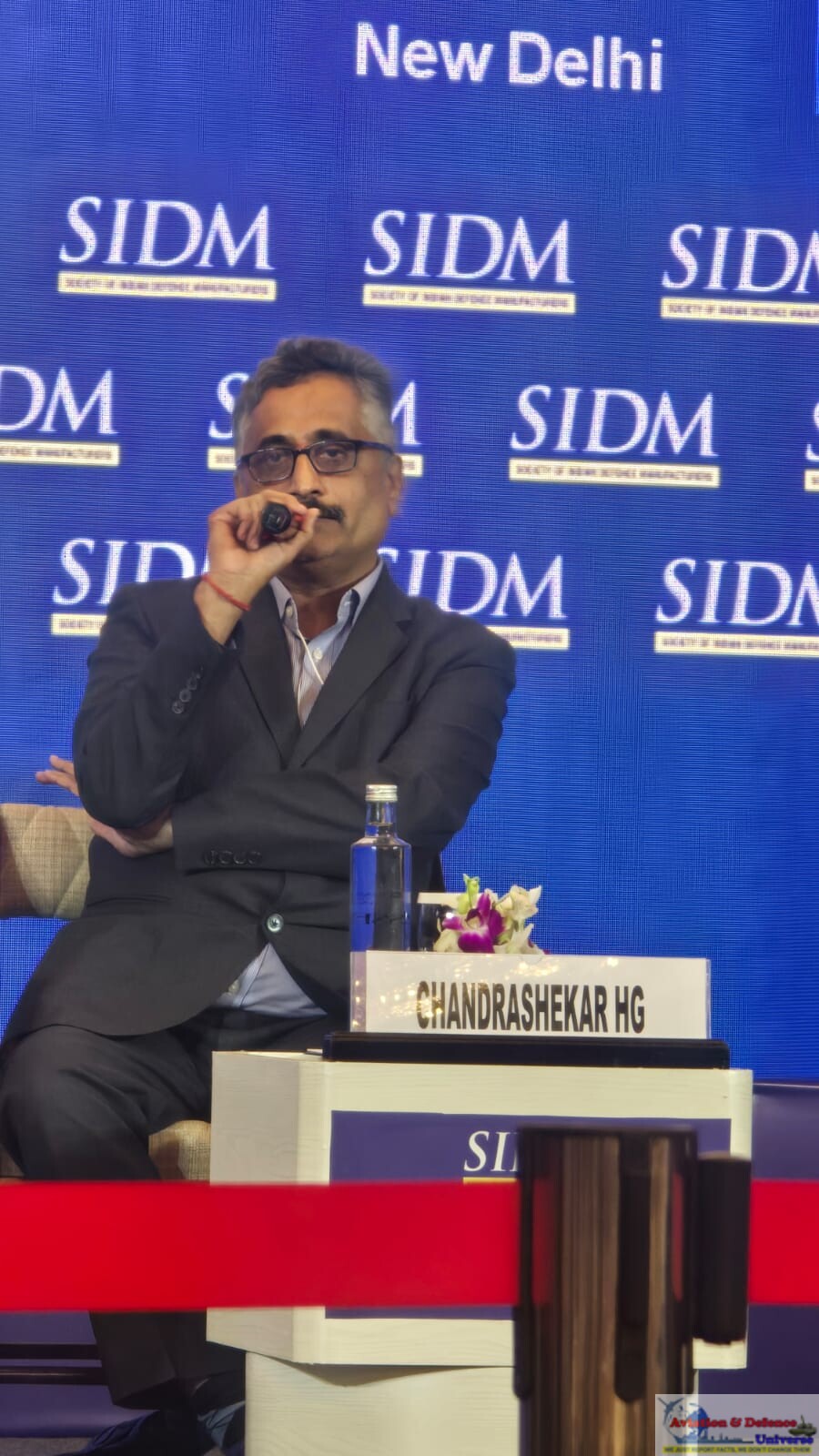 A major theme of Chandrashekhar’s presentation was the need to build organisational capability. “We need to invest in the people and the processes, and it is not just on machines,” he said. Scaling a business supplying engineered products and subsystems required a capable management team, disciplined execution and project-management skills aligned with international expectations.
Owners needed to look beyond equipment purchases and develop the people who would manage schedules, customer requirements, engineering changes and delivery commitments. These capabilities helped convert technical competence into a dependable export business.
He described SASMOS’ development through three connected priorities: establishing a clear entry strategy, adding value through related capabilities and partnerships, and investing in engineering and design to move towards more complex offerings.
Diversification as a business safeguard
Chandrashekhar explained that SASMOS had deliberately sought customers across India, Israel, France, the United Kingdom and the United States, with a strategy of maintaining at least two customers in each market. The intention was to reduce dependence on a single geography or relationship, particularly when geopolitical developments could affect business. He also described the company’s acquisition of a UK business as part of its international expansion. Establishing a presence overseas allowed SASMOS to contribute to local supply chains while meeting the regulatory and industrial requirements of that market. The example demonstrated that globalisation could involve both exports from India and investment in capabilities closer to customers abroad.
MSME clusters can deliver integrated value
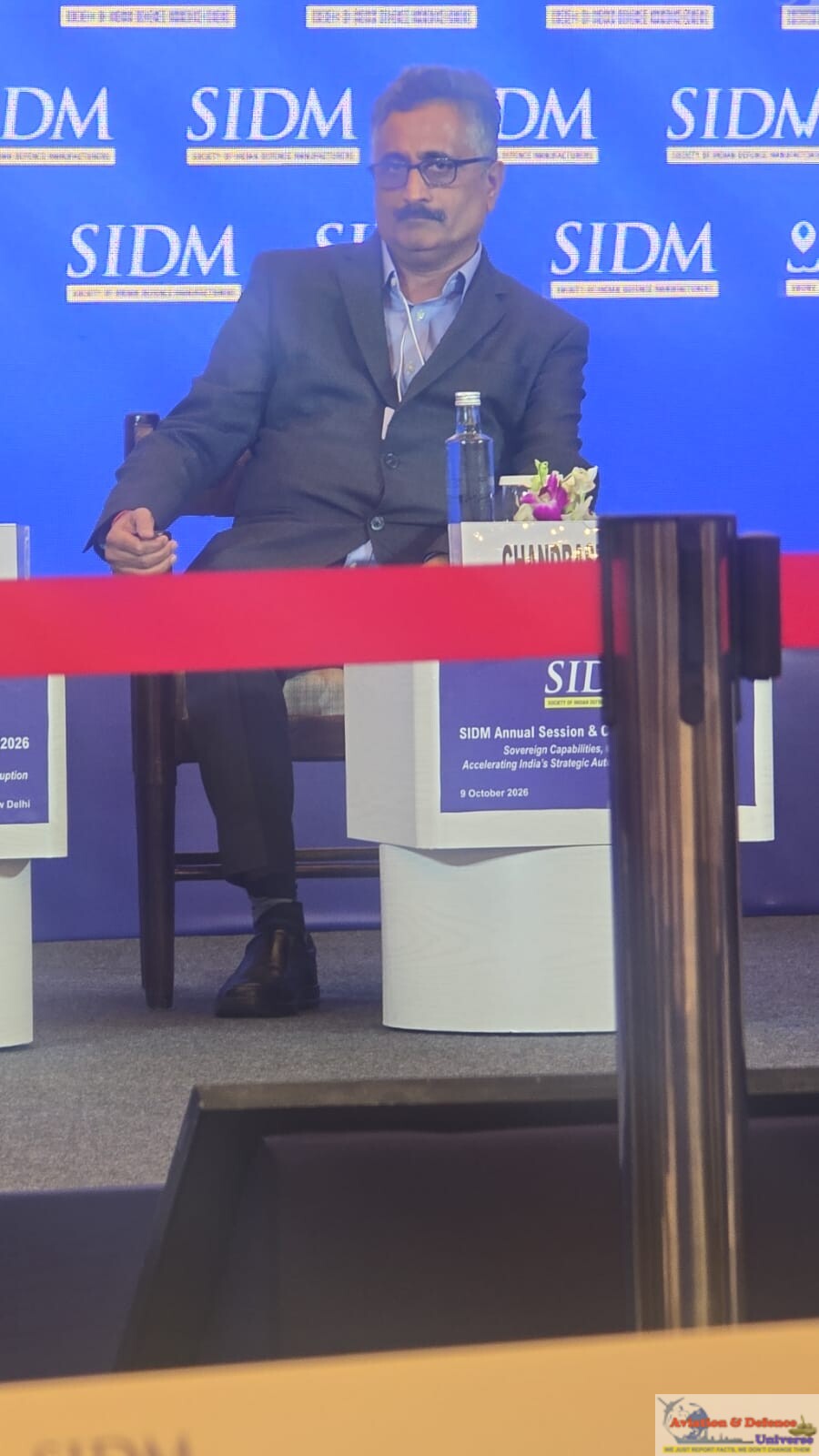 An audience suggestion to organise MSMEs into clusters or consortia prompted one of the session’s most concrete examples. Chandrashekhar said SASMOS had supplied more than 8,000 electro-mechanical panels for Boeing F-15 and F/A-18 programmes over roughly a decade, working with a network of approximately 12 MSMEs. SASMOS acted as an integrator and project manager, coordinating the participating firms against customer expectations for processes, quality and delivery, while also attending to their financial requirements.
He said the arrangement had enabled an eight-week production lead time, compared with approximately 26 weeks previously in the supply arrangement he described. The example illustrated how coordinated smaller businesses could offer a customer an integrated product, rather than a collection of disconnected components. Such collaboration depended on clear responsibility and effective management across the supplier network.
Academia must connect with customer demand
The discussion also considered India’s growing links between defence start-ups and academic institutions. Asked whether BAE Systems would draw more extensively on this innovation ecosystem, Walton responded positively. “We want to do it. We need to do it more,” he said.
He added that collaboration had to connect with an identifiable customer requirement, whether in India or overseas. India, he acknowledged, was not yet as well integrated into BAE Systems’ global technology network as it should be, and improving that connection was on his agenda. The exchange highlighted an opportunity to combine academic research and product development with the market access and programme experience of established manufacturers.
Co-development and the meaning of self-reliance
An audience question examined how foreign OEMs could support India’s sovereign-capability ambitions. 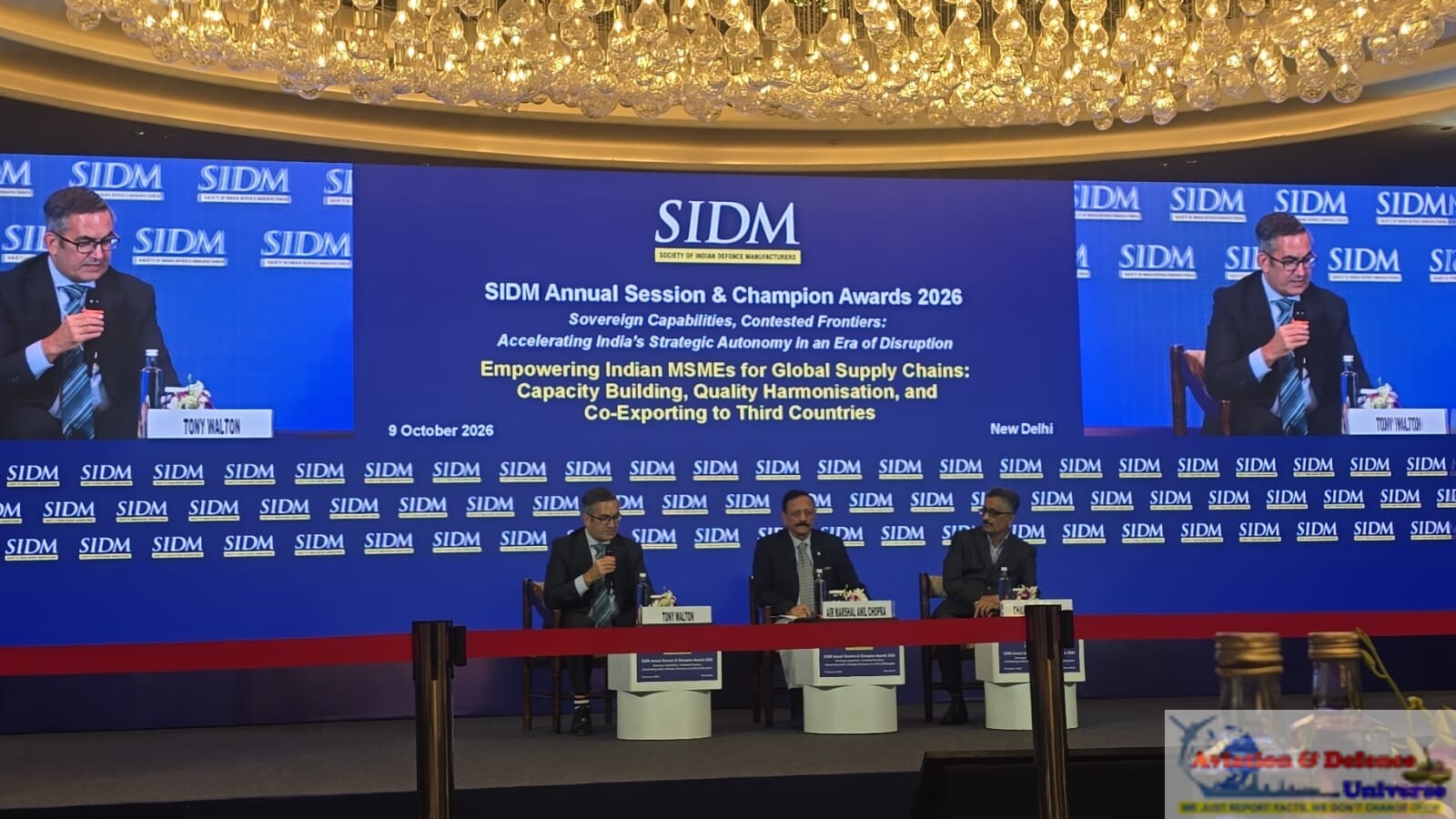 Walton said foreign companies were willing to collaborate, while asking how India wished to define the level of self-reliance it sought. An Indian supply chain supporting a foreign OEM established locally could contribute to that objective, he argued.
He distinguished between capabilities over which national control might be especially important—such as autonomous or command-and-control software—and products available through diversified international sources. His remarks presented self-reliance as a question of deliberate choices about technological control and supply-chain security, rather than assuming that every component had to be sourced from one country.
Industry jointness requires openness
On collaboration among Indian companies, Chandrashekhar supported a project-level consortium approach. Partners needed to understand the final system requirement, discuss their strengths and limitations candidly, and align their engineering work and schedules. Commercial arrangements mattered, but effective execution required a shared understanding of the technical objective.
He called for more formal and transparent engagement between Indian OEMs and smaller enterprises, helping each participant take responsibility for its part of an integrated programme. Such cooperation could create a practical route to co-exporting: complementary companies delivering a qualified product together, supported by clear programme leadership.
Finance must reflect defence-project realities
Access to capital remained a significant constraint. Chandrashekhar recalled the difficulties of financing SASMOS during its early years, when lenders were reluctant to support the risks associated with building a defence business. He proposed stronger project-funding mechanisms linked to milestones and achievements, reflecting the long development and delivery cycles of the sector. He also suggested that OEMs consider ways to support financing for specific projects. His own experience had included bringing in capital through an external partnership before the business developed further.
 The financing discussion reinforced the session’s central argument: asking MSMEs to scale requires an ecosystem that supports the journey from investment and qualification to production and payment. Returning to his opening analogy, Air Marshal Chopra concluded that large Indian and foreign OEMs must help smaller enterprises develop and accompany them into wider markets.
The session’s message was that global supply-chain entry is earned through capability—and sustained through partnership. Indian MSMEs can grow from component suppliers into engineering collaborators and subsystem integrators, but that progression needs recognised quality, capable teams, patient finance and dependable programme management. For larger manufacturers, nurturing those capabilities is an investment in the strength and responsiveness of their own supply chains.
The path to global competitiveness rests on a shared commitment, MSMEs must strengthen engineering, project management and delivery, while larger manufacturers must support qualification, capability development and meaningful participation in international programmes. Access to suitable finance and transparent collaboration will be essential to sustaining that progress. The opportunity extends beyond individual export orders to an industrial ecosystem capable of co-developing, producing and supporting defence products for third-country markets. Empowering India’s MSMEs means building the partnerships that allow their capabilities—and India’s industrial reach—to grow together.

































































-A4-Size-(2)_page-0001.jpg)