













By Anna Jordy
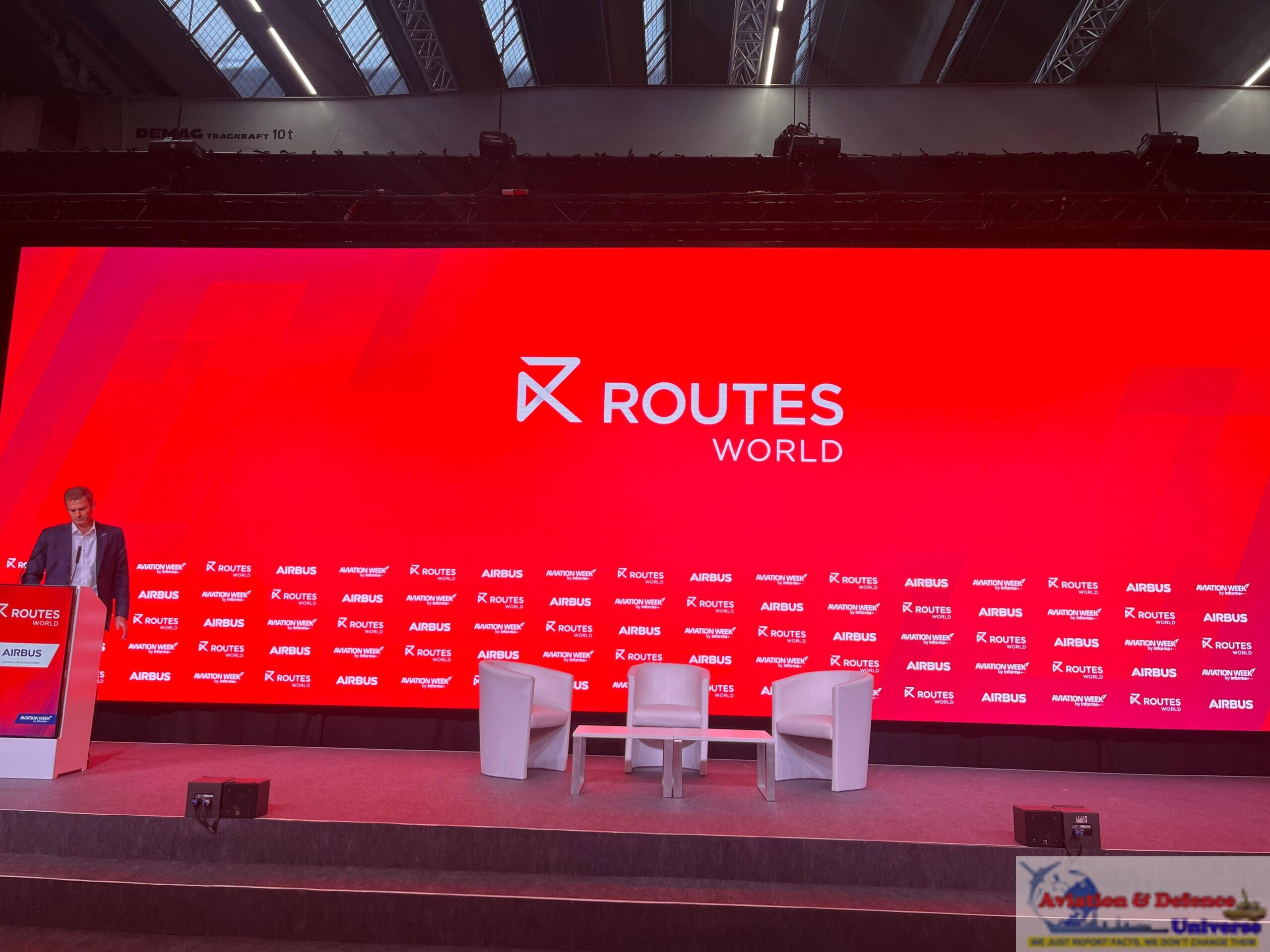
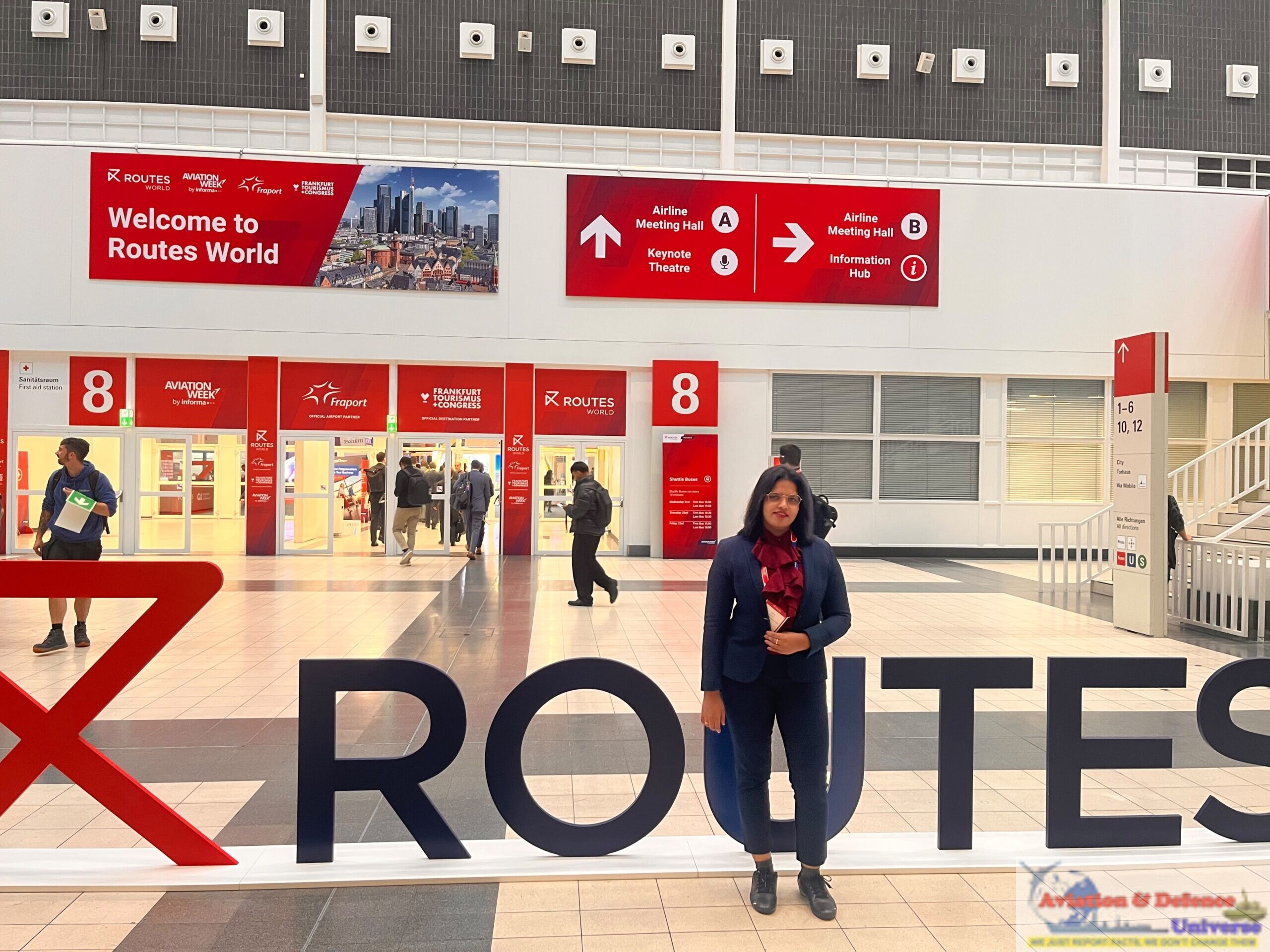
Frankfurt, Germany. 21 October 2026. Winning the next air route demanded more than an attractive destination—it required an airport that worked efficiently, a convincing business case and partners prepared to navigate uncertainty together. That challenge framed the opening day of Routes World 2026 in Frankfurt, where aviation leaders gathered to examine how operational improvements and commercial cooperation could support the industry’s next phase of growth.
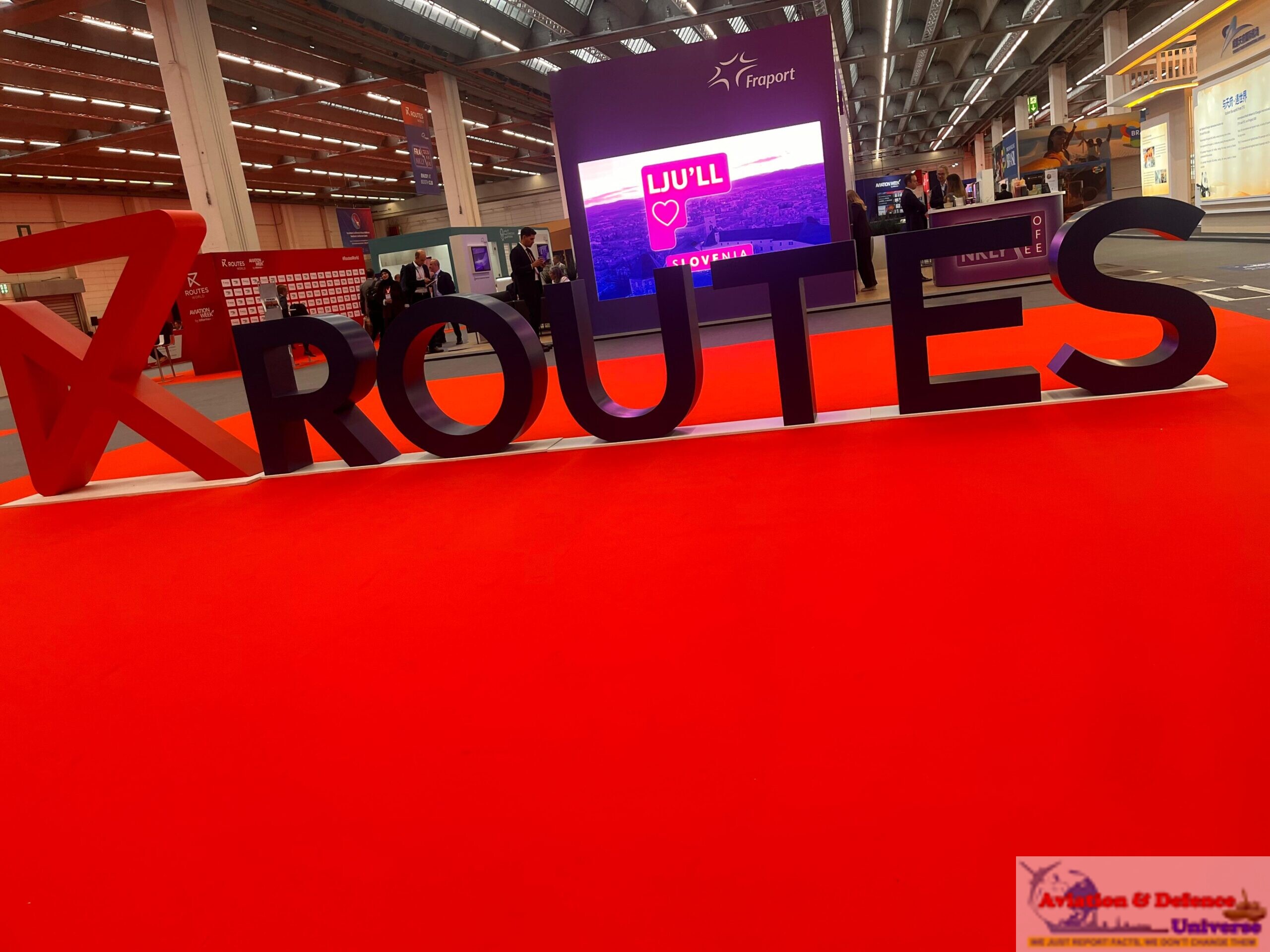
The 31st edition of the global route development gathering opened at Messe Frankfurt with a programme spanning airport transformation, airline strategy, destination partnerships and the pressures confronting international connectivity. Frankfurt’s own response to those challenges provided an early focus, as Fraport outlined how technology, automation and closer collaboration with airlines were reshaping its principal hub.
An Opening Focus on Resilience
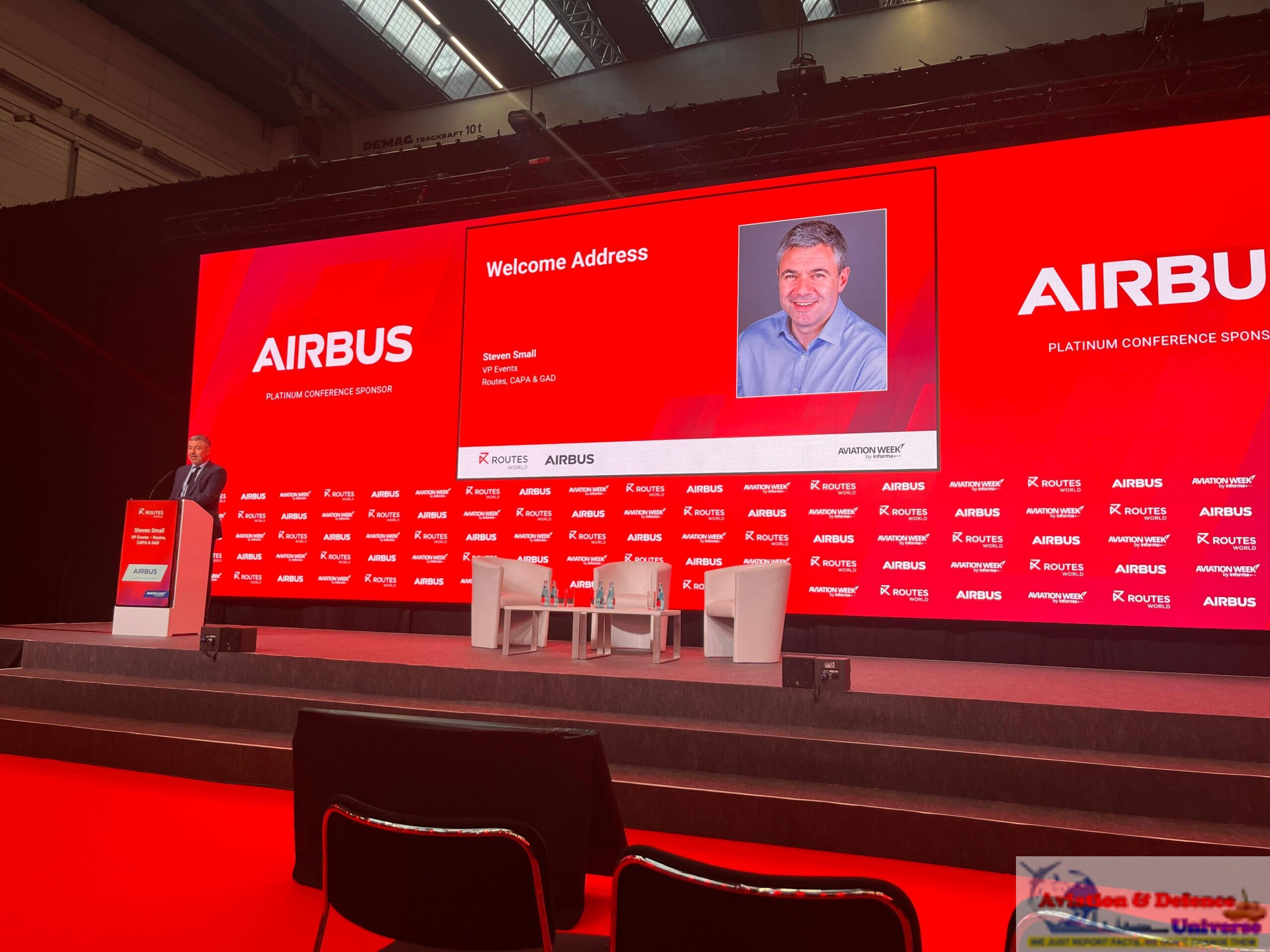
Steven Small, Vice President Events, Routes, CAPA & GAD, delivered the welcome address, setting the context for three days of meetings and industry dialogue. The opening message presented volatile operating conditions as an enduring reality for aviation, placing resilience and cooperation at the centre of the gathering.
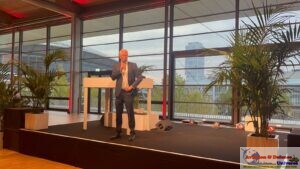
Alexander Laukenmann, Senior Executive Vice President for Aviation at Fraport AG, followed with opening remarks and the spotlight session, Fraport’s Vision for the Next Era of Aviation.
His presentation advanced a practical argument: while Frankfurt could not independently remove the burden of Germany’s regulatory costs, it could improve the processes within its control. Faster passenger handling, more reliable aircraft turnarounds and greater automation formed the foundation of that approach.
Laukenmann also acknowledged the difficult circumstances faced by Fraport’s Saudi colleagues, describing their response as “resilience in real life”, and expressed interest in participating in a future Routes gathering in Riyadh.
Fraport Put Operational Change in the Spotlight
Recalling Frankfurt’s lengthy security queues in 2018 and 2019, Laukenmann explained how taking 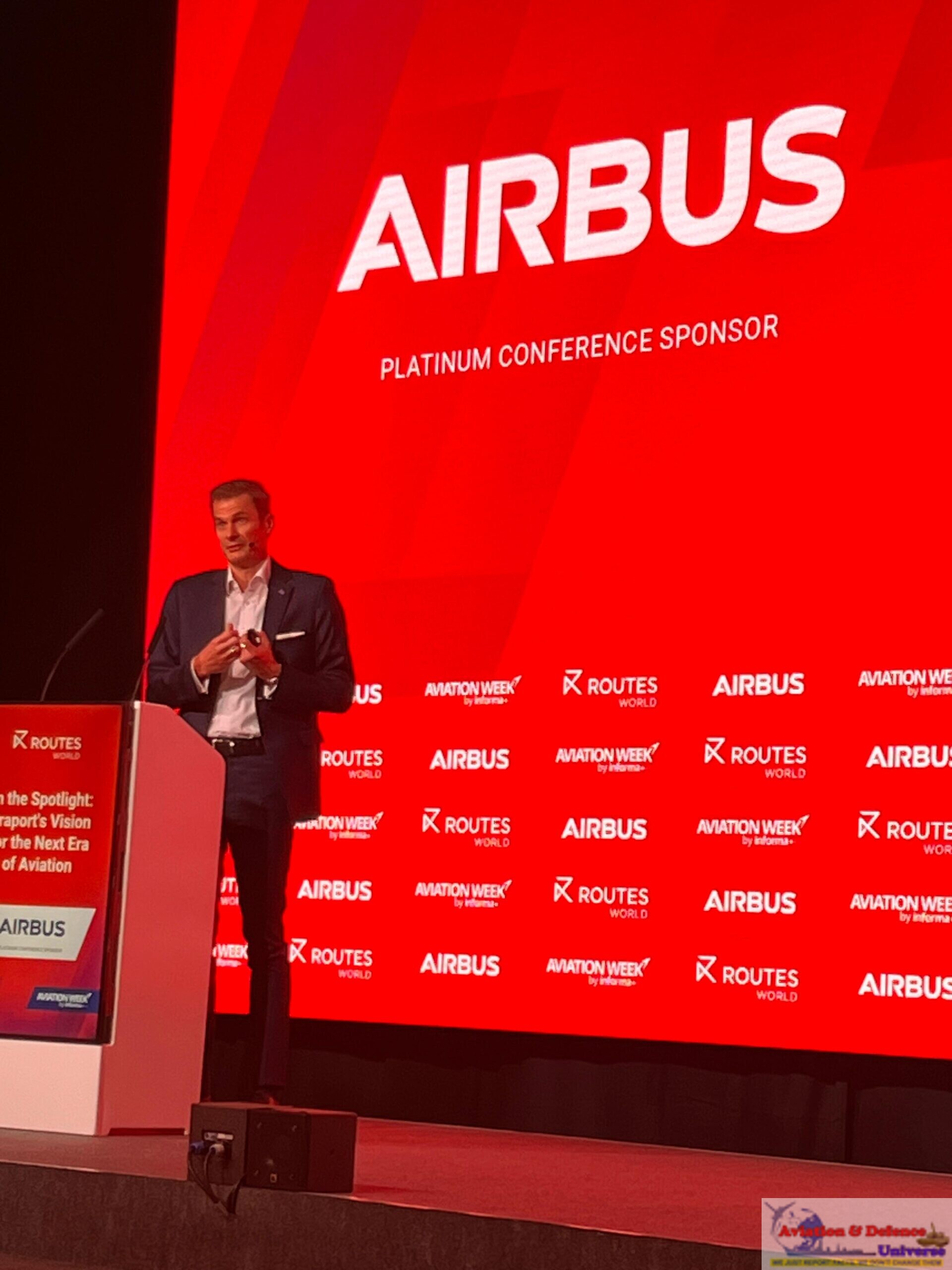 responsibility for passenger security screening in 2023 had enabled Fraport to change its approach. Federal police oversight continued, while the airport gained greater scope to invest in staffing, equipment and checkpoint processes.
According to the presentation, CT scanners across the terminals allowed passengers to leave liquids and electronic devices inside their bags. New body scanners also formed part of the modernisation effort. Laukenmann cited an order placed in 2024 for 100 Rohde & Schwarz units and described continued investment as essential to improving the passenger experience.
The operational changes extended beyond security. Fraport outlined a computer-vision system developed with Lufthansa to monitor aircraft turnarounds and anticipate delays. By identifying emerging problems earlier, the airport aimed to limit disruption spreading through subsequent flights.
Robotics represented another element of the strategy. Applications included terminal activities and airfield perimeter patrols, with a patrol robot used to identify damage and possible intrusions.
Automated baggage handling provided a further example of investment pursued through difficult conditions. Laukenmann recalled that Fraport had committed to automated bag-drop facilities during the pandemic, when daily passenger numbers had fallen from approximately 240,000 to around 5,000.
He said roughly half of Frankfurt’s passengers now used automated bag drop, with adoption reaching 80–90 per cent for some airlines. The technology reduced reliance on staffed counters and offered passengers a way to avoid queues, including those travelling in business class.
Terminal Development Followed the Airline Partnership Model
Laukenmann described airline involvement as a central feature of Terminal 3’s development. The same collaborative approach informed preparations for Condor’s planned move to the terminal in summer 2027 and the renovation of Terminal 1 while it remained operational.
Terminal 2 offered a different opportunity: the ability to vacate the facility before undertaking its redevelopment.
Passenger experience and commercial performance were also connected through terminal design. Fraport’s “Surprisingly German” concept incorporated distinctive artwork, family spaces and retail arrangements intended to make time spent in the terminal more enjoyable while supporting spending.
The wider message was that airport competitiveness depended on the combined performance of infrastructure, technology, staff and airline relationships.
Airline Strategy and Public Policy Broadened the Agenda
 The morning programme also featured a CEO keynote interview with Peter Gerber, Chief Executive Officer of Condor Airlines, moderated by David Casey, Editor in Chief of Routes.
A ministerial address by Kaweh Mansoori, Minister of Economic Affairs, Energy, Transport and Rural Areas and Deputy Minister-President of Hesse, brought the regional policy perspective into the opening programme.
Together, these sessions placed the airport discussion within the broader relationship between airline development, infrastructure and the economic interests of the host region.
Partnerships Took Their Place at the Centre of Route Development
The session Securing Routes: How to Build Strong Partnerships Between Airlines, Airports, and Destinations brought together perspectives from tourism, airport development, airline planning and economic analysis.
Moderated by Tony Griffin, Senior Vice President Consulting, ASM Global Route Development, the panel listed Alisha Reynolds, President and CEO of Tourism Calgary; Denis Bugrov, Chief Transformation Officer of Gia Binh International Airport; Joery Strijtveen, Head of Aviation Partnerships at Royal Schiphol Group; Eszter Rozsahegyi, Head of Airport Development for West and South at Wizz Air; and Dave Goodger, Managing Director of Tourism Economics.
The session’s stated focus was the increasingly demanding task of securing airline capacity. Its agenda covered evidence-based route proposals, joint marketing, risk-sharing, sustained demand development and performance measurement—elements that linked the ambitions of destinations with airlines’ commercial requirements.
Aircraft, Long-Haul Networks and Recovery Shaped the Afternoon Programme
Following lunch, the programme included an Airbus keynote by Grainne Van den Berg, Head of Commercial Aircraft Sales and Vice President Middle East.
 A subsequent CEO keynote interview paired Sir Tim Clark, President of Emirates Airline, with Victoria Moores, European Editor and Bureau Chief of Air Transport World. The scheduled discussion encompassed long-haul demand, aircraft availability, delivery delays, premium travel and geopolitical uncertainty.
British Airways’ network priorities formed the subject of What’s Next for British Airways?, a fireside chat featuring Neil Chernoff, Chief Planning and Strategy Officer, moderated by Edmond Rose, Director of Aviation Consulting at ASM Global Route Development. The programme identified network expansion, the roles of Heathrow and Gatwick, customer investment and operational resilience among its themes.
The final scheduled panel, Navigating Turbulence: Middle East Airlines, Airports, and Tourism Strategies for Recovery, brought Martin Gauss, Chief Executive Officer of Gulf Air, and Carsten Nørland, Chief Commercial Officer of Abu Dhabi Airports, into a discussion moderated by Rose. Its agenda examined network adaptation, traveller confidence and the protection of connectivity during regional disruption.
From Frankfurt’s Processes to Aviation’s Possibilities
Across the opening programme, the central challenge was clear: aviation’s growth ambitions depended on the industry’s ability to deliver dependable operations and durable partnerships. Fraport’s presentation gave that challenge a concrete expression, connecting better security, predictive technology, automation and terminal planning with the needs of airlines and passengers.
One of the most eyeball catching discussion was the one on West Asia/Middle East. The Middle East remained one of the world’s most important aviation crossroads, but the geopolitical crisis in the region meant that airlines and airports faced a far more difficult operating landscape. IATA expected Middle East airlines to move from a $7.2 billion profit in 2025 to a $4.3 billion loss in 2026, with demand forecast to fall 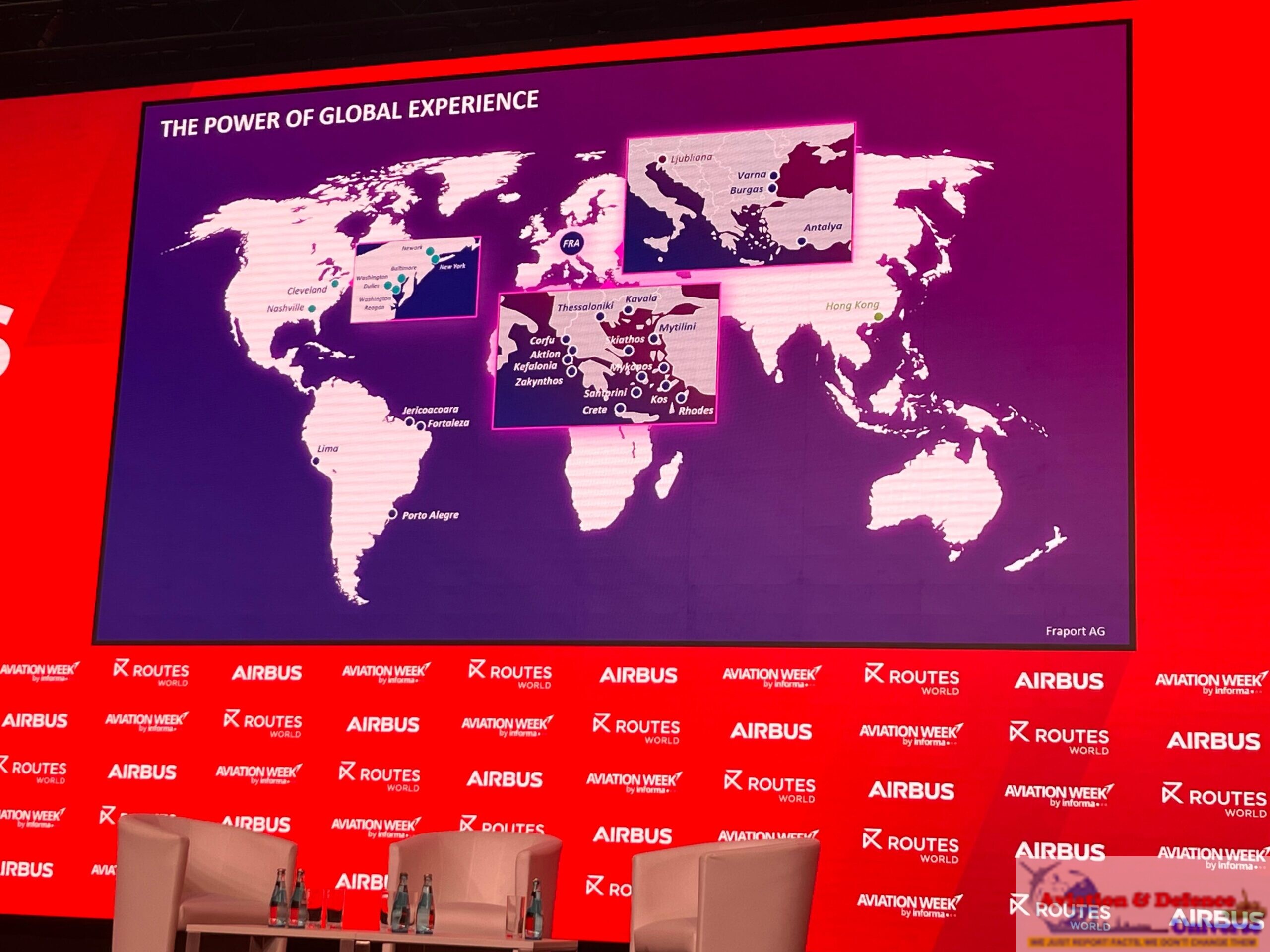 by 11.4% and capacity by 4.4%, as airspace disruption, weaker transfer flows, elevated fuel costs and shifting demand patterns tested the resilience of the region’s aviation and tourism sectors. The panel examined how Middle East airlines, airports and tourism authorities were responding to near-term disruption while protecting the long-term strengths that had underpinned the region’s growth: geographic advantage, world-class infrastructure, strong hub connectivity and deep airline-tourism partnerships. Panellists discussed how networks were being adapted, how destinations were working to rebuild confidence, and how airports and carriers could maintain connectivity amid operational uncertainty. The discussion also explored whether the region’s hub-based model was being reshaped by prevailing pressures, where new opportunities were emerging, and what strategies would be needed to support a more resilient and sustainable aviation and tourism ecosystem.
Frankfurt opened the gathering with a proposition that reached beyond its own terminals: the groundwork for tomorrow’s routes had to be laid through decisions made today. The next connection would be won through confidence—and confidence had to be earned, from the first partnership discussion to the final aircraft departure.