























- Space Becomes Strategic: How India Is Building Capability Beyond ISRO
- Aryabhata to Atmanirbharta: The Making of India’s Space Ecosystem
- From Space Programme to Space Power: India’s Next Great Leap
By Theertha Panachoor

New Delhi. 06 September 2026. In 1975, India’s first satellite Aryabhata travelled to orbit aboard a Soviet rocket. Fifty-one years later, India is not merely launching satellites—it is building an entire economy, industrial base and strategic ecosystem around space. What began as a resource-constrained national programme has evolved into something far bigger: a growing network of launch companies, satellite manufacturers, start-ups, defence agencies, investors, universities, state governments and international partners, all orbiting around the formidable technological foundations created by ISRO.
For decades, India’s space story was synonymous with ISRO—and with good reason. From Aryabhata and PSLV to Mangalyaan and Chandrayaan-3, the organisation created not only missions that captured global attention but also something less visible and arguably more consequential: generations of engineers, sophisticated suppliers, precision-manufacturing capabilities and a national reservoir of technological knowledge. A rocket programme, after all, leaves behind much more than rockets.
Now that accumulated capability is spilling beyond the walls of the organisation that created it. The opening of the sector to private participation in 2020, the creation of IN-SPACe and the Indian Space Policy 2023 have begun rewriting the architecture of Indian space. By August 2026, India had around 440 registered space start-ups compared with just one in 2014, while private investment had risen sharply. Launch vehicles, satellite constellations, Earth-observation platforms and space-data services are increasingly becoming commercial propositions. India is moving from possessing a national space programme to building a space market.
But this transformation is about much more than commerce. Space is becoming intertwined with industrial policy, Atmanirbharta, national security and military preparedness. Communications, navigation, surveillance and battlefield awareness increasingly depend upon assets in orbit, while private industry is widening the pool of capabilities available to the state. India’s next space leap, therefore, may not be defined by one spectacular mission or one organisation. It could be defined by how successfully the country turns decades of ISRO-led technological achievement into a resilient national space power.
The Institution that made the rest possible
India’s space story is often told through the missions that made headlines: Aryabhata in 1975, the first PSLV launch in 1993, Mangalyaan reaching Mars in 2014 and Chandrayaan-3 landing near the lunar south pole in 2023. But the more useful story sits in the steady accumulation of capabilities that made each mission possible. When Vikram Sarabhai began laying the foundations of India’s space programme, the country had little money, limited access to advanced technology and no indigenous launch capability to speak of. Space therefore had to solve problems on the ground. Communications, weather forecasting, agriculture, education and disaster management were central to why India was building the programme in the first place.
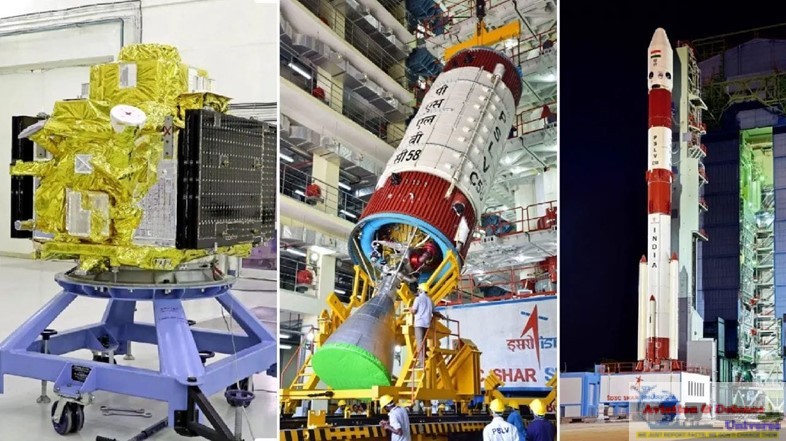 That thinking gave ISRO an unusual combination of ambition and restraint. The PSLV was developed as a dependable workhorse, while the GSLV spent years moving through failures and redesigns before becoming a reliable part of India’s launch programme. The PSLV has since flown 64 missions, 59 of them fully successful, while missions such as Mangalyaan showed how far the organisation could stretch limited resources.
Every programme leaves behind engineers who have worked through difficult technical problems, suppliers who have learned to manufacture to increasingly demanding specifications and companies that understand what it takes to build something that has to survive the trip into orbit and keep working once it gets there. A rocket programme leaves behind more than rockets and over fifty years those engineers, suppliers and manufacturing relationships have begun to form an industry around the programme itself.
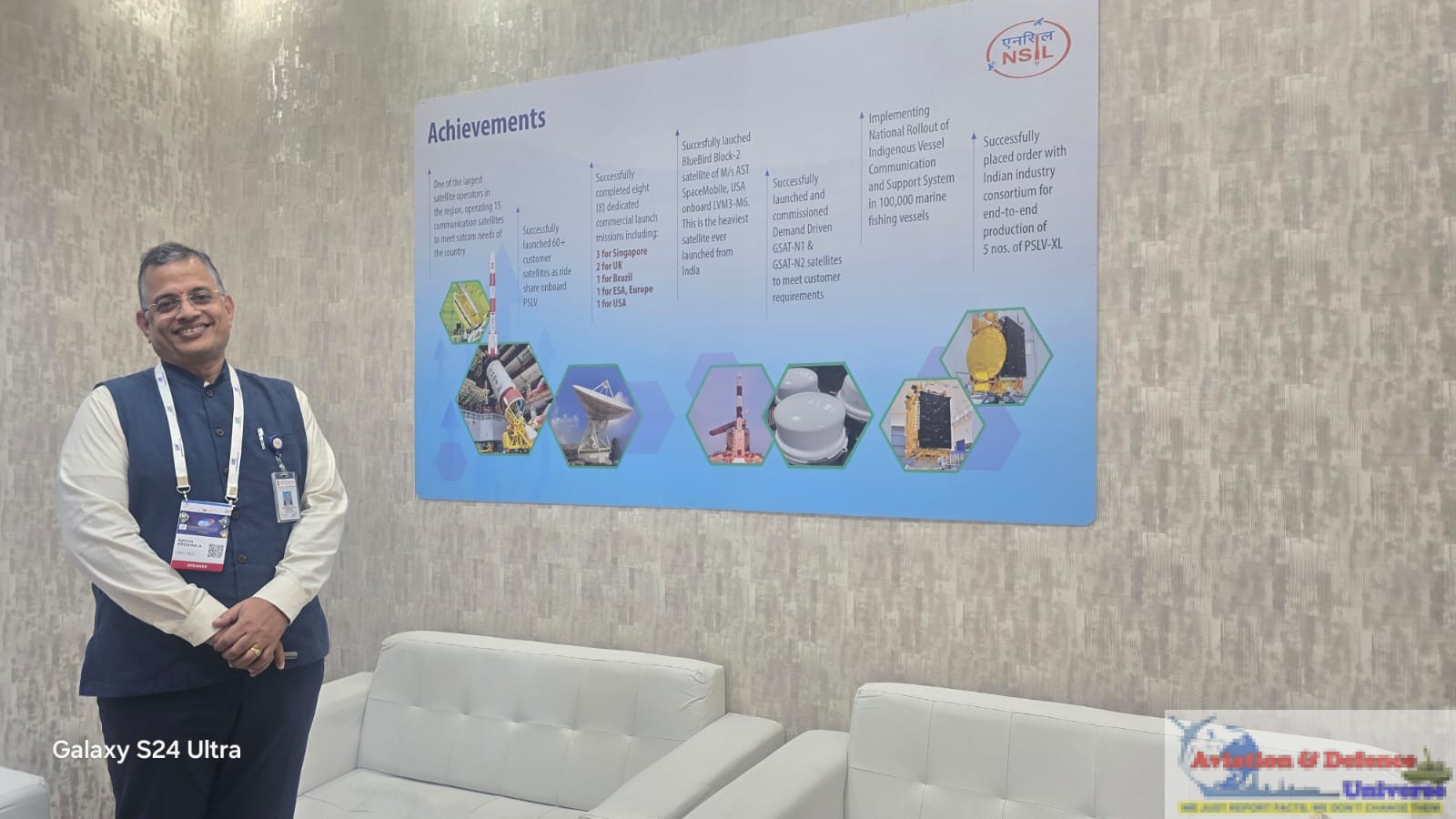
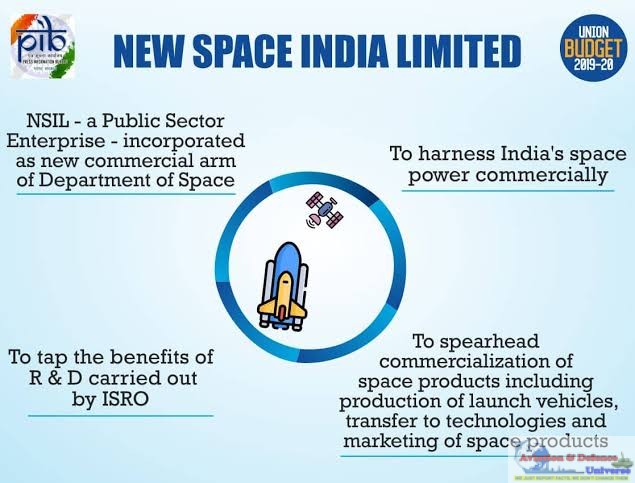
India’s launch numbers give some sense of that accumulation. Between January 2004 and December 2013, ISRO launched 54 satellites, 31 for foreign customers. Between January 2014 and November 2025, it launched 454, including 398 foreign satellites, according to figures presented by the government to Parliament. NewSpace India Limited had launched 141 satellites for overseas customers by July 2026 and increased its revenue tenfold over the decade.
NavIC is another example. Developed with strategic and defence requirements in mind, India’s regional navigation system is finding applications in vehicle tracking, railways, fisheries and other civilian services. A capability built for one purpose has gradually become part of infrastructure used for several others. That is the base on which the next phase of India’s space programme is being built.
The programme gets bigger than the organisation
For most of its history, there was little private competition in Indian space, largely because there was no private industry capable of doing the job at the scale and complexity that space demanded. Private companies supplied parts but the programme itself remained firmly in government hands. That began to change in 2020, when New Delhi opened the sector to private participation and created IN-SPACe to bring non-government players into everything from satellite manufacturing to launch services. The Indian Space Policy of 2023 formalised the shift, giving ISRO a more focused role in research and development while IN-SPACe took on regulation and facilitation and NewSpace India Limited handled commercialisation.
The industry that has emerged since is already sizeable. India had around 440 registered space startups by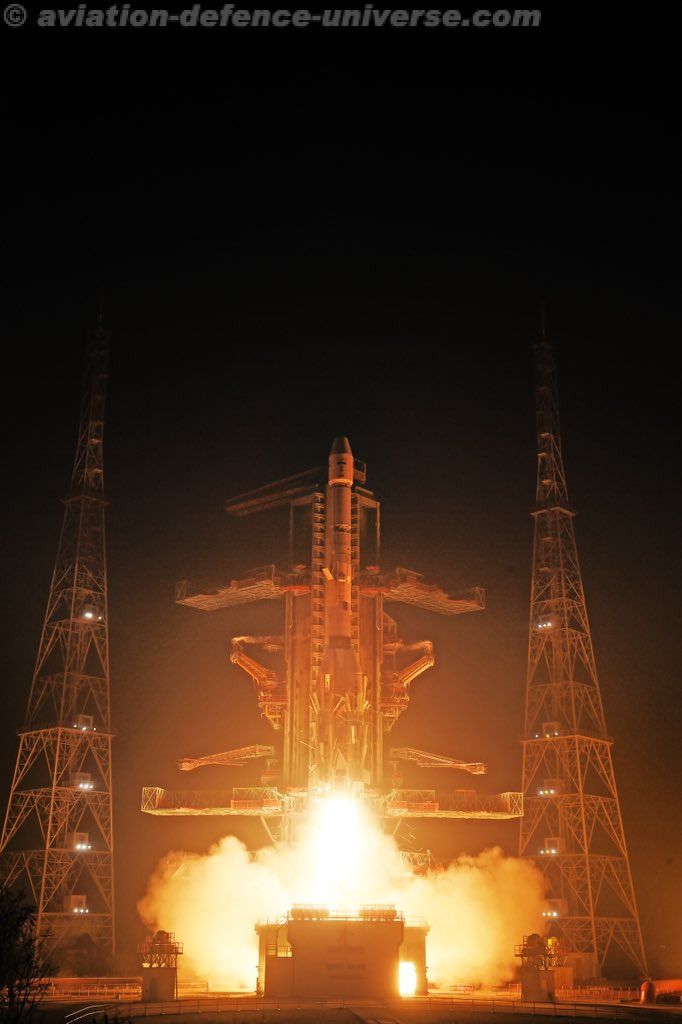 August 2026, compared with just one in 2014. Private investment rose from $100.5 million in 2021-22 to $618.5 million by March 2026, with another $187 million coming in during 2026 alone. Skyroot Aerospace has become India’s first space unicorn, Pixxel is building a hyperspectral imaging constellation, Agnikul Cosmos is developing its own launch vehicle and Dhruva Space is working across satellite systems and related technologies. NSIL has signed more than 70 technology-transfer agreements, taking technologies developed inside the public system into commercial hands.
The interesting part is that launch vehicles, satellite constellations, Earth-observation platforms and space-based data services are becoming commercial propositions. India is moving from having a national space programme to having a space market.
That market exists because of what came before it, but it no longer has to remain concentrated within one institution. A startup developing a launch vehicle has access to decades of Indian experience in propulsion, avionics, materials and testing. A satellite company can draw on an established supplier base and a workforce shaped by generations of space missions. The private sector is taking capabilities that took the state decades to develop and putting them into more hands.
For defence, that creates more than another procurement channel. It creates options.
Space has become part of the military
Modern military operations are dependent on systems in orbit even when the operation itself takes place on land, at sea or in the air. Communications, navigation, surveillance, missile warning, weather information and battlefield awareness all rely to varying degrees on space-based infrastructure.
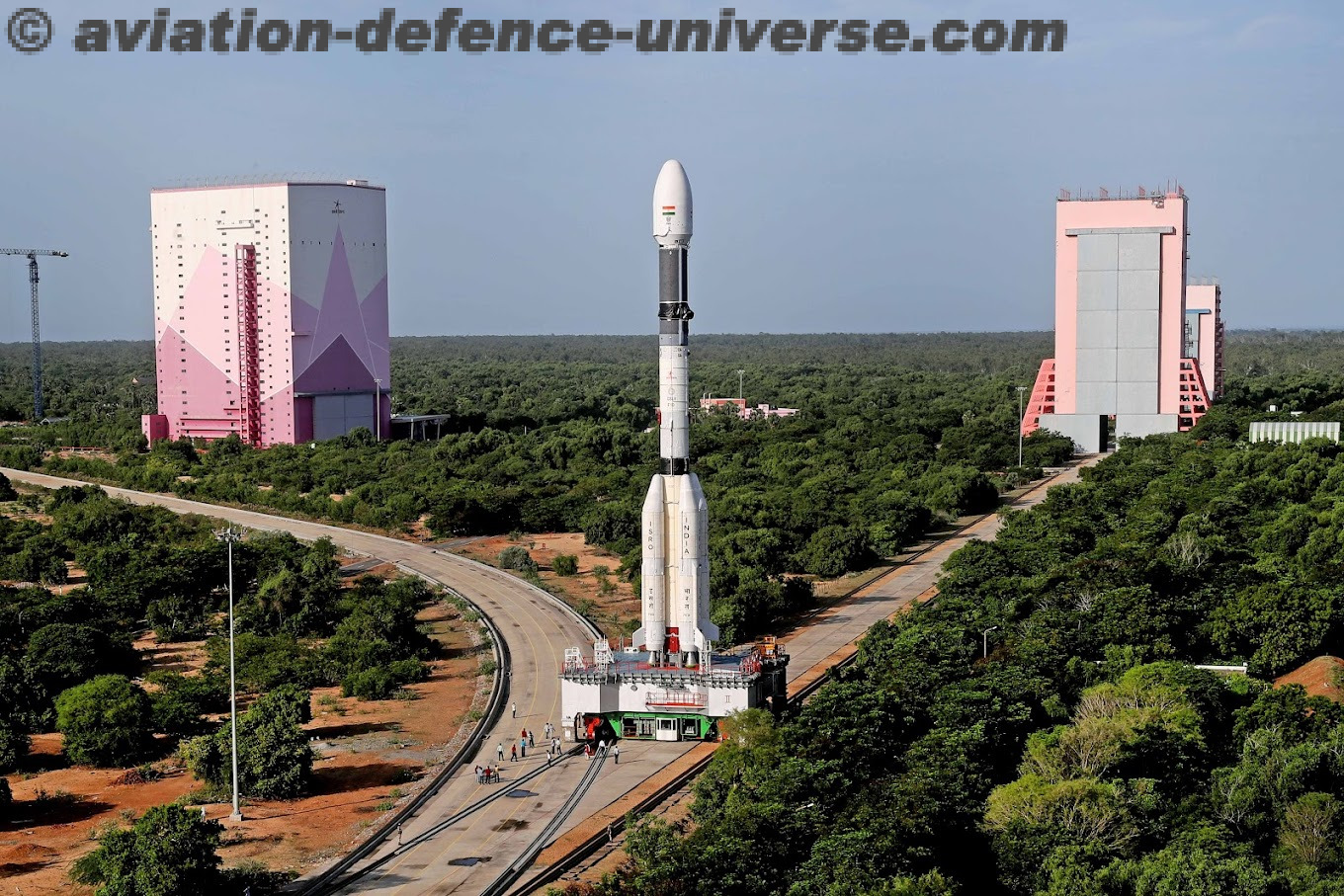 The Defence Space Agency, established in 2019 under the Integrated Defence Staff, coordinates a growing set of military-space activities. The Space-Based Surveillance Phase-III programme is one of the clearest examples of where this is heading. The programme is expected to comprise 52 satellites, with a budget of around Rs 26968 crore, 31 of them to be built by private Indian companies and 21 by ISRO.
Recent conflicts have made the vulnerability of space-based systems rather less theoretical. Satellites can be jammed, disrupted or destroyed, and the loss of one can quickly become a problem on the ground. Communications suffer, navigation becomes harder and commanders lose part of the information they depend on. In that environment, the ability to replace a satellite starts to matter almost as much as the sophistication of the satellite itself.
India’s expanding space industry gives it more room to do that. A constellation spread across several manufacturers is less dependent on one production line, while commercial operators can add imagery and communications capacity when the state needs it. As more Indian companies develop sensors, electronics, propulsion and satellite systems, expertise that was once concentrated inside ISRO is also spreading across a much wider industrial base.
For defence, that may be the most useful thing the private sector brings to space: not a smaller role for the state, but more choices when the stakes are higher.
A space economy is also an industrial policy
The effects of India’s space push are beginning to show up well beyond Bengaluru and Sriharikota. Tamil Nadu’s Space Industrial Policy, approved in 2025, targets Rs 10000 crore in investment and 10000 jobs across manufacturing clusters in Madurai, Thoothukudi, Tirunelveli and Virudhunagar. Space is starting to look more like an industry that states can compete to attract, with factories, suppliers, skilled workers and investment following behind.
Little of the space economy is exclusively about space. Satellites need electronics and semiconductors; launch vehicles need propulsion, materials and precision engineering; constellations need software, data-processing systems and ground infrastructure. The same companies and supply chains can serve aerospace and defence.
 A company building high-resolution Earth-observation systems for agriculture can produce imagery useful for maritime surveillance, while satellite electronics and launch technologies can feed into defence systems. The point is not to turn every space company into a defence contractor, but to build enough domestic capacity that the government has companies to turn to when a strategic requirement emerges.
That is a more practical way of thinking about self-reliance. India does not need to manufacture every component or shut itself off from foreign technology; it needs enough depth in the supply chain that losing one supplier, foreign relationship or production line does not leave a capability stranded.
India is learning to work with others without outsourcing the ambition
The same pragmatism is beginning to shape how India works with other countries. NISAR, the joint NASA-ISRO mission launched in July 2025, carries a NASA-built L-band radar and an ISRO-built S-band radar, bringing the two systems together to track changes on Earth’s surface with unusual precision. It also marked the first time a GSLV placed a payload into a sun-synchronous polar orbit. India was not simply buying access to American technology or accepting a finished capability. It was building a sophisticated Earth-observation mission alongside one.
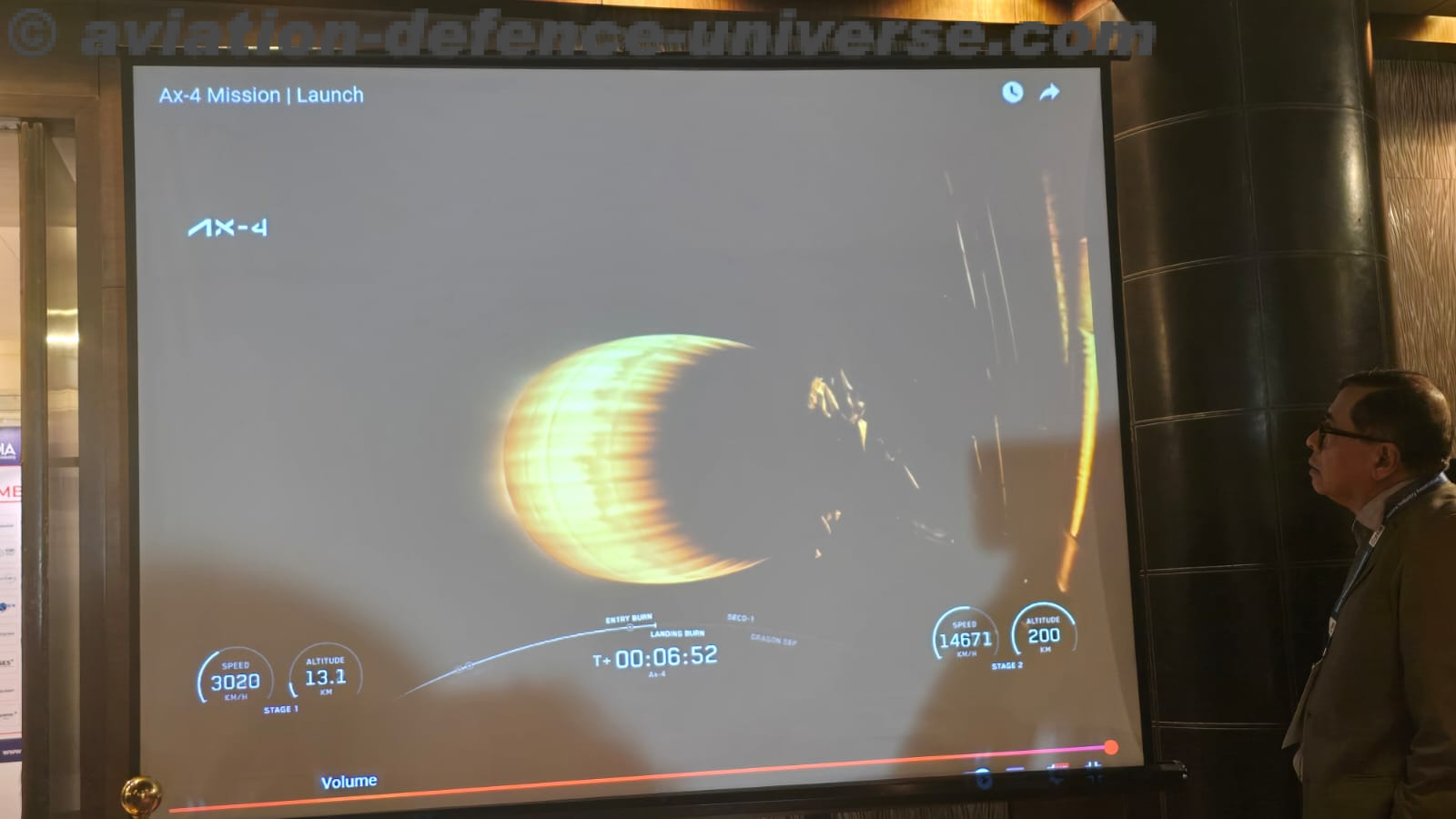
 The same approach was visible in Axiom-4, which took Indian Air Force pilot Shubhanshu Shukla to the International Space Station in 2025. The mission gave India access to an existing commercial platform while allowing the experience and data from the flight to feed into its own human-spaceflight ambitions and Gaganyaan.
India doesn’t have to choose between strategic autonomy and cooperation. A country still developing capabilities across launch, human spaceflight, deep-space exploration and advanced Earth observation would gain little by trying to build every piece alone. The more useful calculation is whether a partnership leaves India with greater capability than it had before, whether that means technology, engineering experience, operational knowledge or access to infrastructure that would otherwise take years to build.
What comes next
The next few years will be busy with Gaganyaan is moving towards a crewed flight in 2027, the first module of the Bharatiya Antariksh Station is planned for 2028, while Chandrayaan-4, the Venus Orbiter Mission and the Next Generation Launch Vehicle will take India into programmes considerably harder than putting a satellite into orbit.
The rockets will get most of the attention. The economics will depend on rather less exciting things: testing facilities, insurance, financing, component manufacturing and whether anyone is willing to sign the cheque. FICCI-EY expects India’s space economy to grow from $8.4 billion in 2022 to $44 billion by 2033, but getting there will require an industry capable of producing satellites in volume, launchers often enough to support them, engineers to keep the sector moving and customers willing to buy what companies are building.
 Defence will be one of those customers, and it will also be one of the reasons the capacity matters. A satellite is useful while it is working. An industry that can build another one when it is not is useful in a rather different way. The programme that began with a Soviet rocket in 1975 has therefore become something much larger than a sequence of launches. It now includes factories, startups, satellites, navigation systems, defence requirements, foreign partnerships and states competing to attract the industry around them. The real story of the years to come may not be how far India reaches into space but how much of India gets built on the way there.
India’s space journey has come full circle—but on a vastly larger orbit. The country that once needed a foreign rocket to launch its first satellite is now contemplating human spaceflight, its own space station, Chandrayaan-4, a Venus mission and a Next Generation Launch Vehicle, while simultaneously nurturing hundreds of private space companies and creating an industrial ecosystem that extends far beyond Bengaluru and Sriharikota. Yet the next phase will be measured by more than spectacular launches. The less glamorous pieces—testing infrastructure, financing, insurance, component manufacturing, supply-chain depth, skilled manpower and paying customers—will determine whether India can turn technological success into sustainable space power. The projected expansion of the space economy will require satellites to be manufactured at scale, launchers to fly frequently enough to sustain them and companies capable of converting engineering excellence into commercially viable products.
There is also a strategic dimension. Modern military capability increasingly depends upon space for communications, navigation, surveillance and situational awareness. India’s expanding private industrial base gives the country something strategically invaluable: options, redundancy and the capacity to replace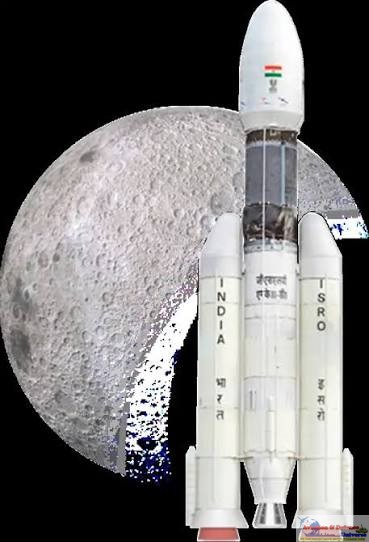 what may be lost in a crisis. Self-reliance in space is therefore not necessarily about making every component domestically; it is about ensuring that the loss of one supplier, production line or foreign relationship cannot strand a critical national capability.
Nor does strategic autonomy require India to travel alone. Partnerships such as NISAR and the experience gained through Axiom-4 demonstrate a different model—cooperate internationally, absorb knowledge and experience, but retain ownership of the national ambition. The real test of a partnership is whether India emerges from it with greater technological, engineering and operational capability than it possessed before. Aryabhata represented a nation learning how to reach space. The emerging ecosystem represents a nation learning how to build power through space. And perhaps that is the biggest transformation of all. India’s next space story may not simply be about how far it travels beyond Earth—but about how much technology, industry, resilience and national capability it builds on Earth while getting there.














































































-A4-Size-(2)_page-0001.jpg)