


 18th BRICS Summit


















- From Sarcedo to Bengaluru: Optics Meets Opportunity
- Sees ‘Tremendous Opportunities’ for Space Collaboration
- Wants to Co-Create the Future of Space with India
By Sangeeta Saxena
Bengaluru. 09 September 2026. As India accelerates its journey from an established space power to an increasingly ambitious global space and defence technology hub, European companies are looking beyond market access towards deeper technological and industrial partnerships. Among them is Italy’s Officina Stellare S.p.A., an international engineering company specialising in advanced opto-mechanical and aerospace instrumentation for ground- and space-based applications.
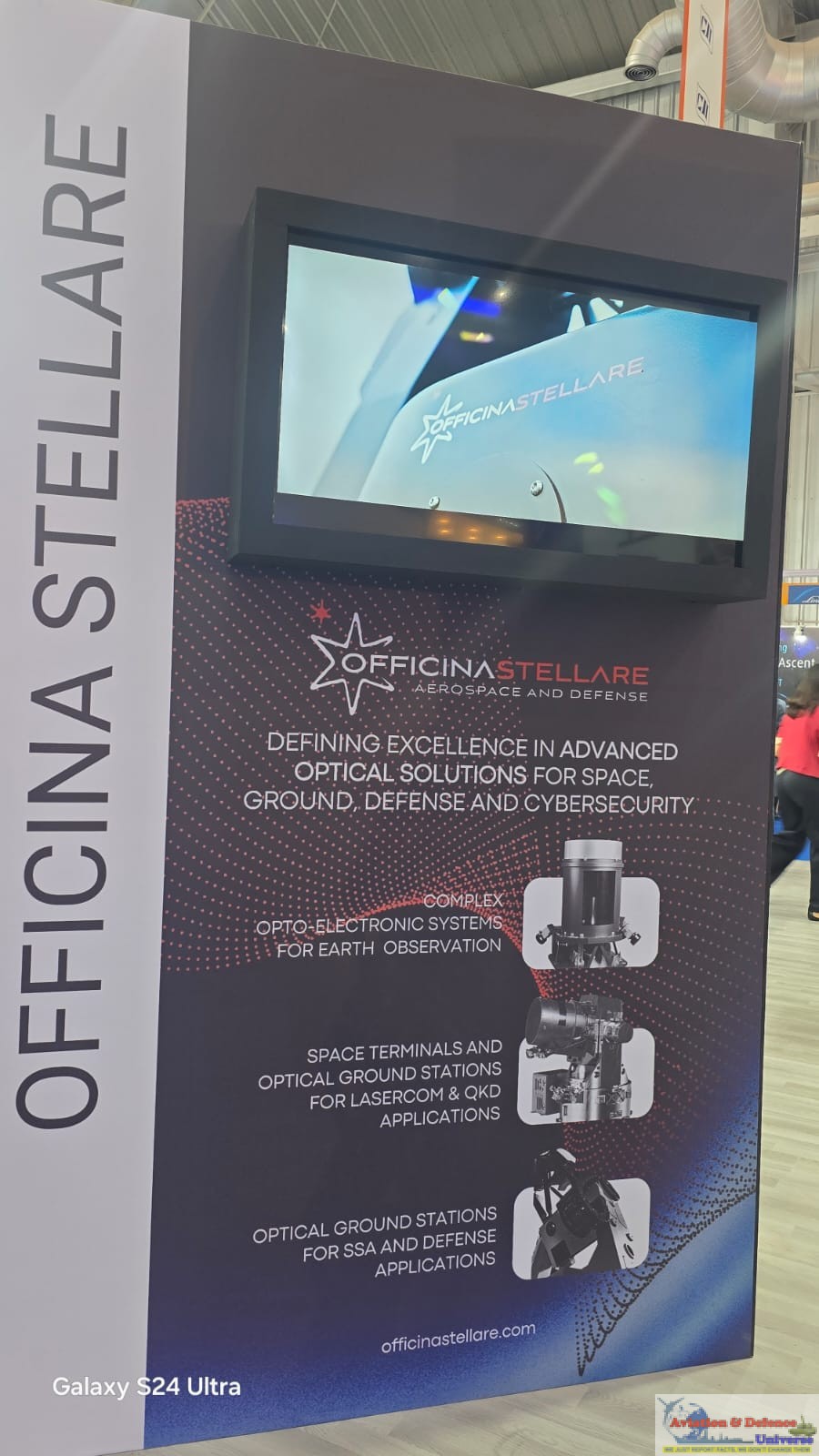 Headquartered in Sarcedo, Vicenza and listed on Euronext Growth Milan, Officina Stellare has steadily transformed itself from a specialist manufacturer of high-performance optical systems into a wider mission-critical technology provider. Its growing portfolio now spans space, aerospace, defence, maritime and security applications, placing the company at the intersection of some of the fastest-evolving technology domains globally.
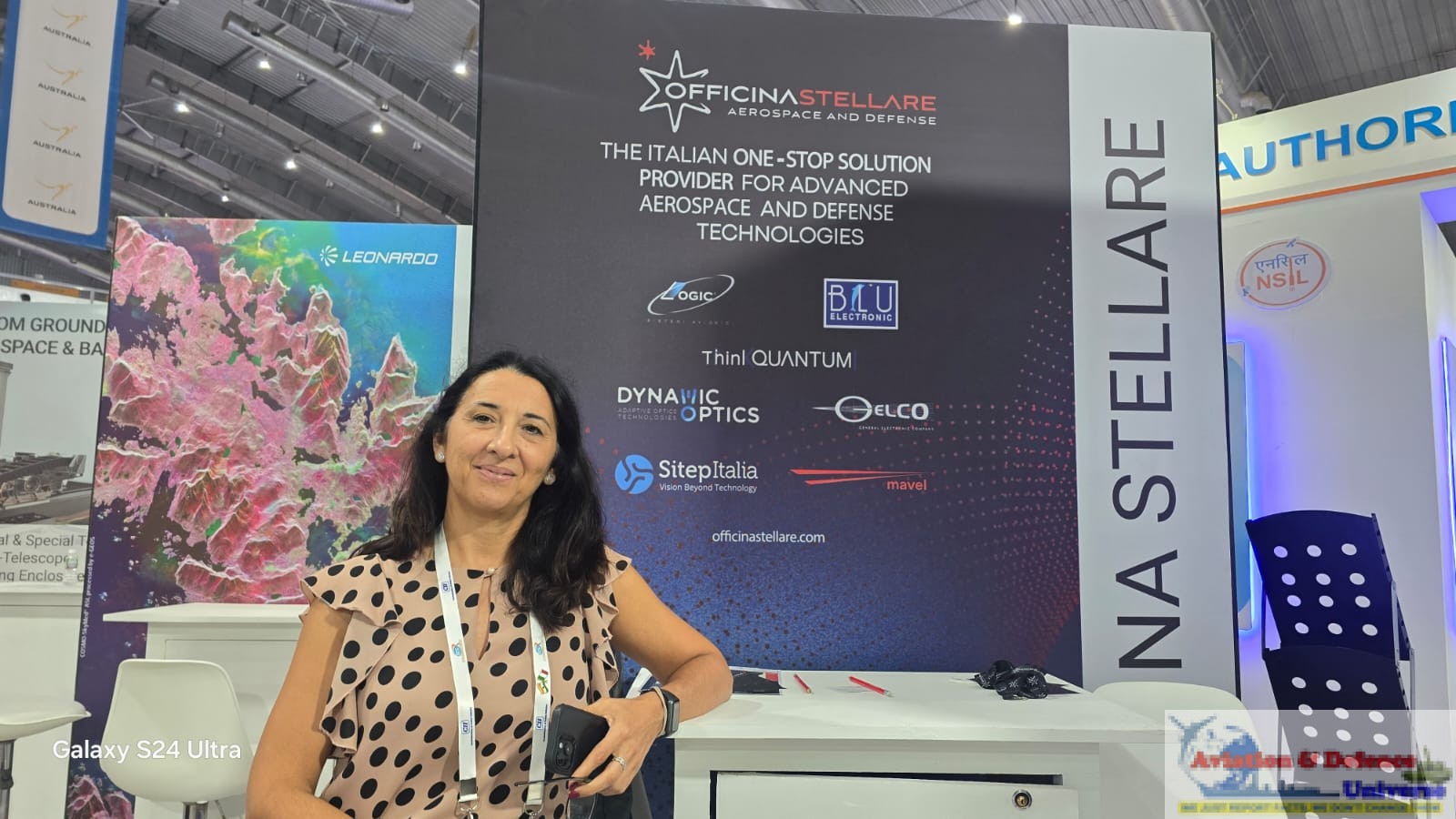
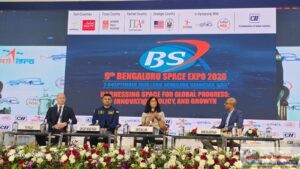
At BSX 2026 in Bengaluru, where Officina Stellare participated for the third time, Aviation & Defence Universe (ADU) caught up with Lisa Maretto, Marketing & Communication Manager, Officina Stellare, to understand the company’s transformation, its emerging technology priorities and, importantly, why India is becoming an increasingly significant part of its international strategy.
ADU. How has Officina Stellare evolved from its origins as a specialist optical systems company?
Lisa Maretto. Over the last few years, Officina Stellare has evolved from a specialist in high-performance optical systems into a broader mission-critical technology provider serving the space, aerospace, defence, maritime and security sectors. This evolution reflects our ambition to play an increasingly strategic role in markets where technological excellence, reliability and operational performance are essential. Our strategic priority is to strengthen our position as a vertically integrated provider of advanced optical, electro-optical and electronic solutions across both the space and ground segments.
ADU. What are the key technology areas driving the company’s growth in the space sector?
Lisa Maretto. In space, we are expanding our capabilities in Earth Observation, Laser Communications, Optical Ground Stations, Space Situational Awareness and next-generation optical payloads for institutional and commercial programmes. At the same time, the broader capabilities of the Officina Stellare Group allow us to address opportunities in aerospace and maritime applications, leveraging a combination of precision optics, high-reliability electronics and mission-critical technologies.
ADU. Which emerging technologies will be particularly important for Officina Stellare over the coming years?
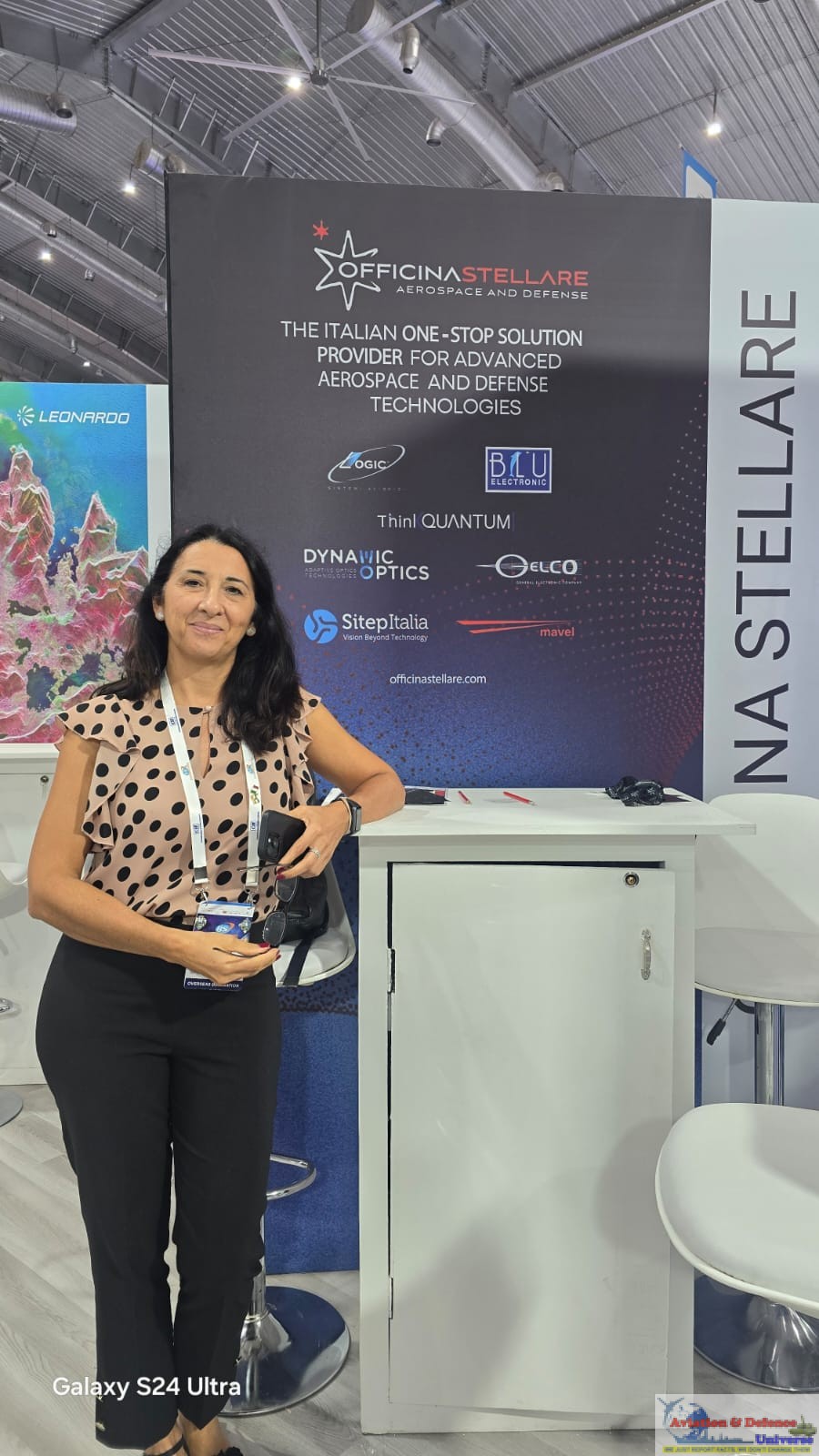 Lisa Maretto. A key focus for the coming years will be the industrialisation and scaling of technologies that are becoming increasingly important for the future of space infrastructures, particularly optical communications, quantum-enabled secure communications, advanced Earth Observation systems and Space Traffic Management solutions. Through continuous investment in innovation, manufacturing capabilities and vertical integration, we aim to support the growing demand for sovereign and resilient technologies in Europe and internationally.
ADU. Where does Officina Stellare see its strongest future growth opportunities?
Lisa Maretto. Looking ahead, we see strong growth opportunities at the intersection of Earth Observation, secure communications, defence and critical infrastructure. Our ambition is to be recognised as a leading European technology partner capable of delivering integrated solutions across space, aerospace, defence, maritime and cybersecurity domains, enabling customers to address increasingly complex operational and strategic challenges.
ADU. BSX 2026 marks Officina Stellare’s third participation in Bengaluru. What makes India important to the company?
Lisa Maretto. Attending BSX in Bengaluru for the third time reflects Officina Stellare’s long-term commitment to expanding its international footprint and strengthening relationships with emerging space powers such as India. We believe that the growing Indian market offers significant opportunities for collaboration across Earth Observation, space surveillance, communications, scientific missions and defence-related applications.
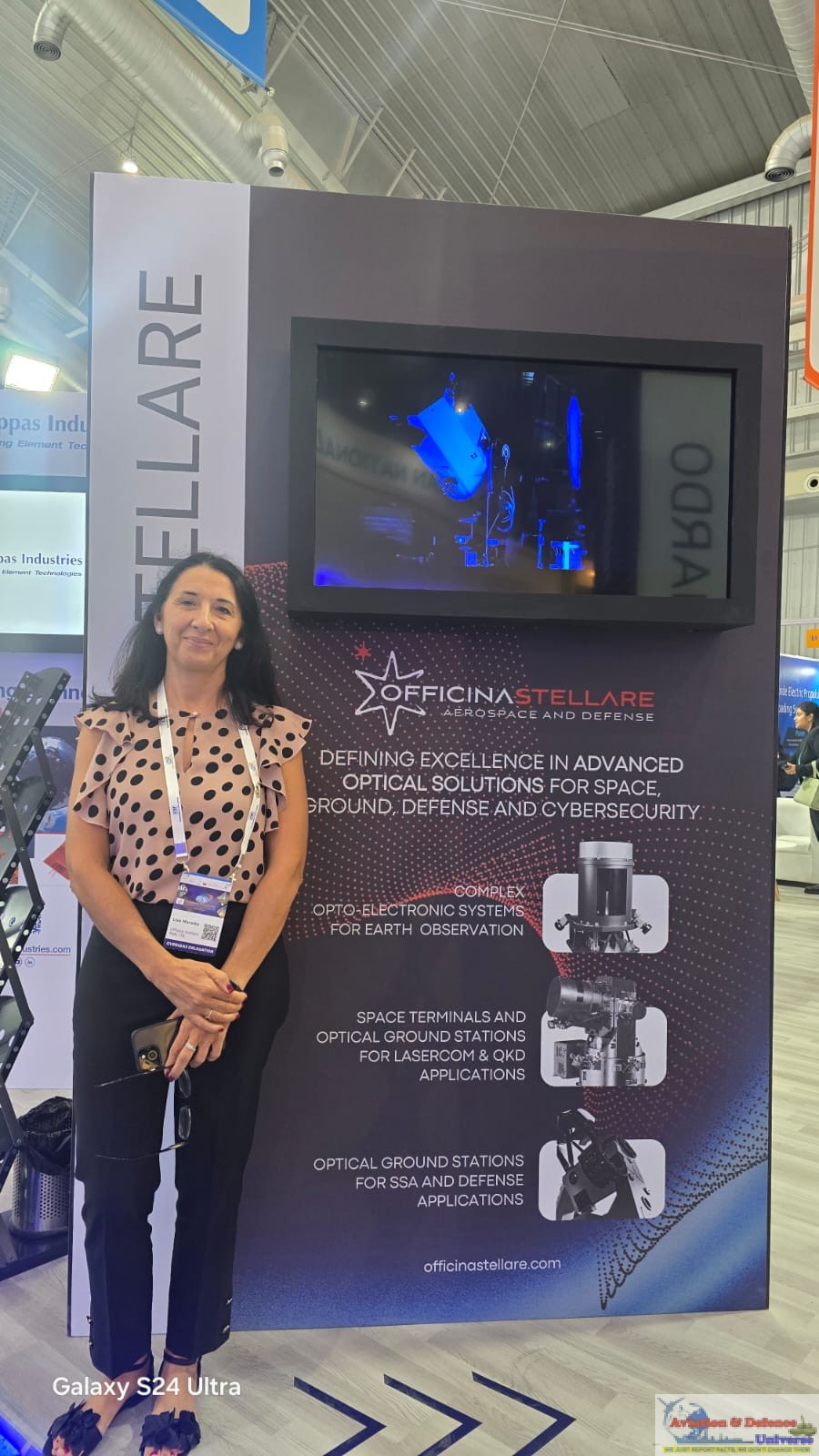 India is an established player in the global space sector, characterised by dynamic and ambitious customers and partners, making BSX 2026 a particularly important event for us. It is an ideal platform to engage with key decision-makers, explore strategic partnerships and contribute to the growth of the Indian space ecosystem through advanced, mission-critical technologies.
ADU. What kind of partnerships does Officina Stellare envisage with the Indian space and defence ecosystem?
Lisa Maretto. We see tremendous opportunities for collaboration with Indian institutions, commercial operators and industrial partners as they continue to expand their space and defence capabilities. Officina Stellare brings a unique combination of expertise in ground-based telescope systems, space-borne optical payloads and laser communication solutions, supported by the ability to manage the entire development cycle from concept to commissioning. We were very happy to showcase our technologies at BSX 2026, build new partnerships and contribute to future programmes that will shape the next generation of space infrastructure.
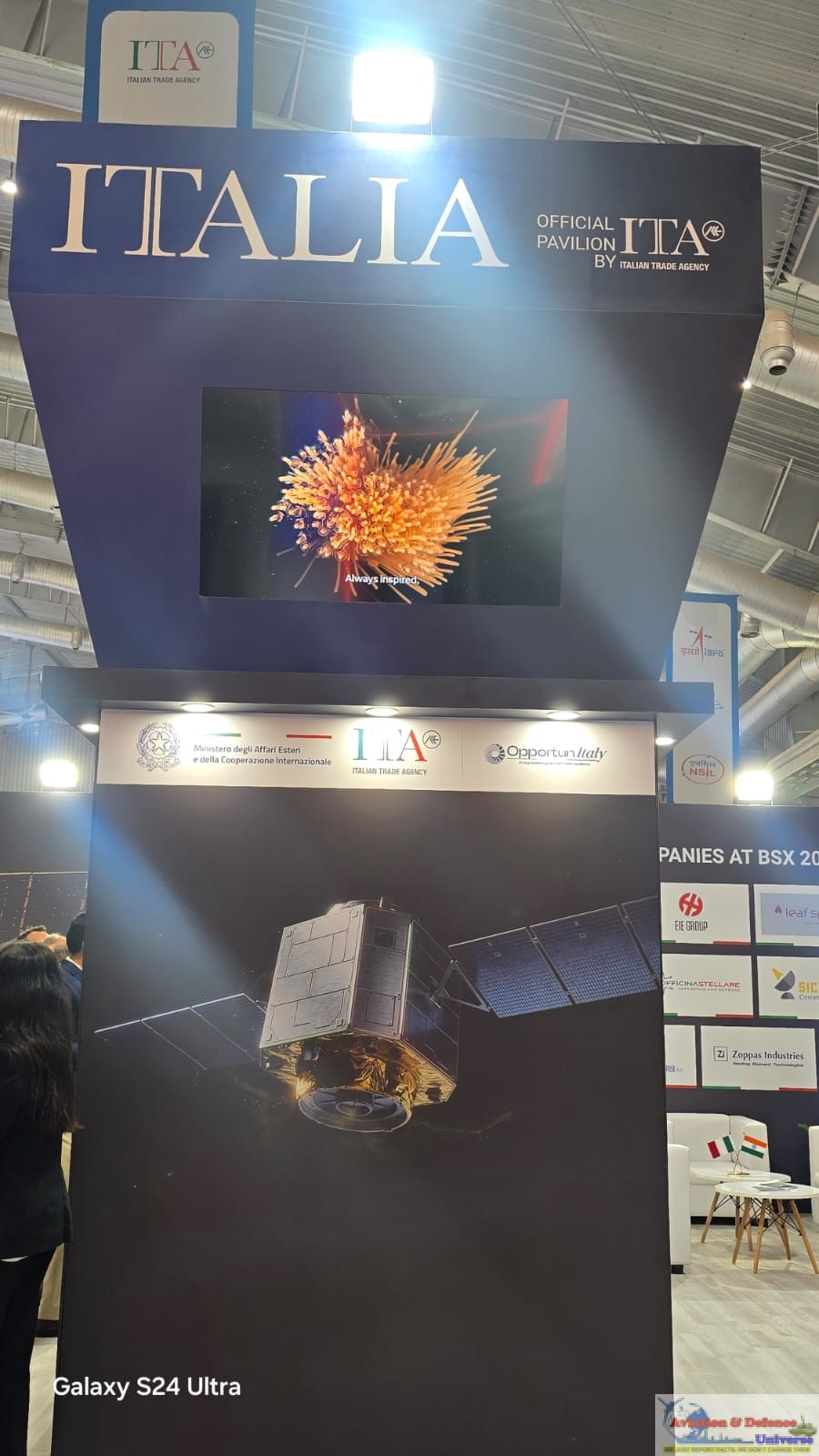 From Sarcedo to Bengaluru: Optics Meets Opportunity
Officina Stellare’s third appearance at BSX is more than another exhibition stop on an international calendar. It signals an Italian technology company’s sustained interest in being part of India’s rapidly expanding space ecosystem. From telescopes and optical payloads to laser and quantum-enabled communications, Earth Observation and Space Situational Awareness, the company’s technology roadmap closely intersects with areas in which India is building both sovereign capability and commercial scale.
For Officina Stellare, therefore, India represents more than a market—it represents the possibility of co-creating the next generation of space infrastructure. And as Bengaluru brings together India’s NewSpace ambitions with global technological expertise, the conversation with Lisa Maretto leaves a clear message: precision optics may have been where Officina Stellare began, but integrated, mission-critical technology—and international partnership—is where it intends to go next.
As sent in writing to ADU

















































































-A4-Size-(2)_page-0001.jpg)