 18th BRICS Summit







- 11 Companies, 30 Years, One India Opportunity: Meet Italy’s SAM
- Start Small, Think Space-Big: Renato Aurigemma Maps SAM’s India Ambitions
- From Imagery to Intelligence: SAM Brings AI-Powered Earth Observation to BSX 2026
By Sangeeta Saxena
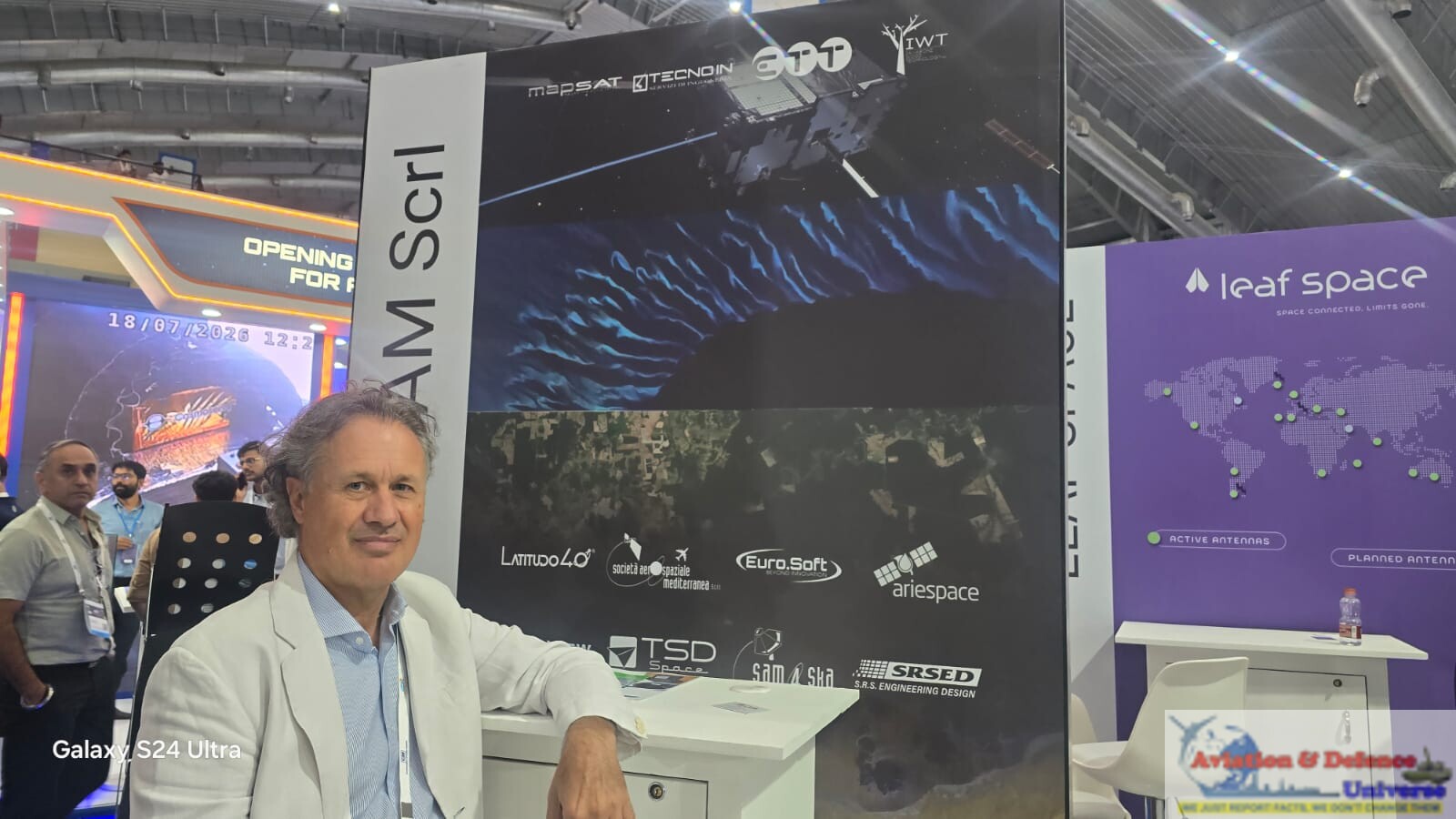
Bengaluru. 09 September 2026. Space is no longer only about putting satellites into orbit. Increasingly, its value lies in what happens after the data comes down—how satellite imagery is combined, analysed and transformed into information that can help manage farms, cities, coastlines, forests, disasters and the environment. That is precisely where Italy’s Società Aerospaziale Mediterranea (SAM) sees an opportunity in India. A consortium of 11 small and medium-sized Italian companies, SAM brings together capabilities spanning space components, payloads and downstream applications. Its particular strength lies in Earth Observation—combining data from multiple sources and converting it into actionable information tailored to the needs of governments, municipalities, insurers and private customers.
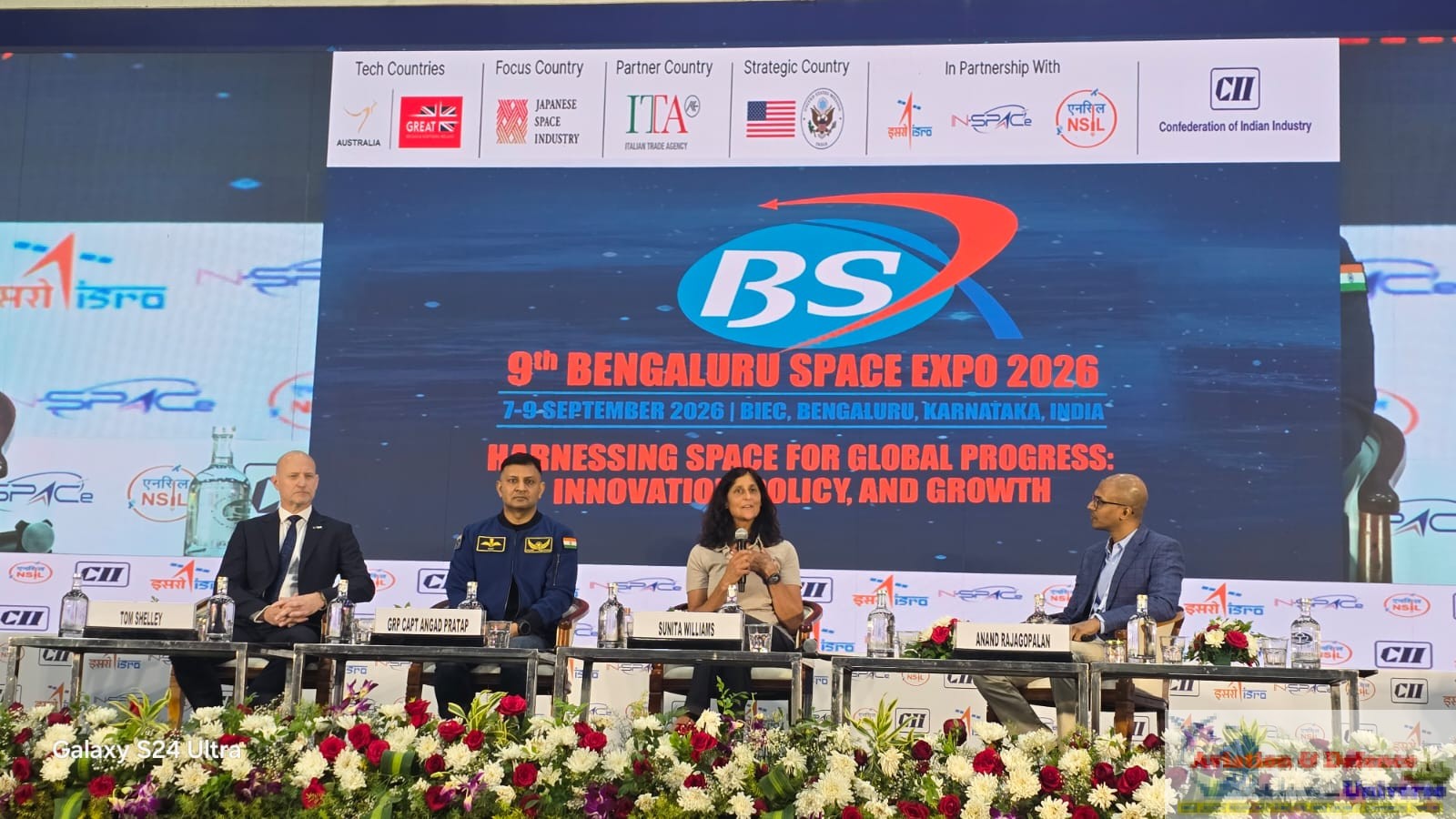
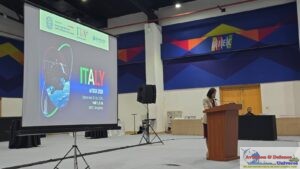
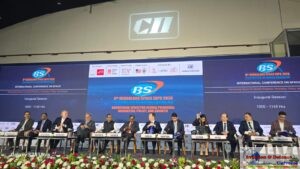
At BSX 2026 in Bengaluru, where SAM participated in the Italian showcase, Aviation & Defence Universe (ADU) spoke with Renato Aurigemma, Technical Director, Società Aerospaziale Mediterranea, about the consortium’s three-decade journey, its Earth Observation capabilities, its participation in Italy’s IRIDE programme and, importantly, why India has caught its attention. For SAM, India is not yet an established market. That is exactly what makes the story interesting. Aurigemma sees possibilities for collaboration with Indian companies, access to India’s growing satellite-data ecosystem and potentially even a small demonstration project that could become the starting point for something much bigger.
ADU. We are meeting at BSX 2026, where you are part of the Italian showcase. Could you begin by telling us about Società Aerospaziale Mediterranea?
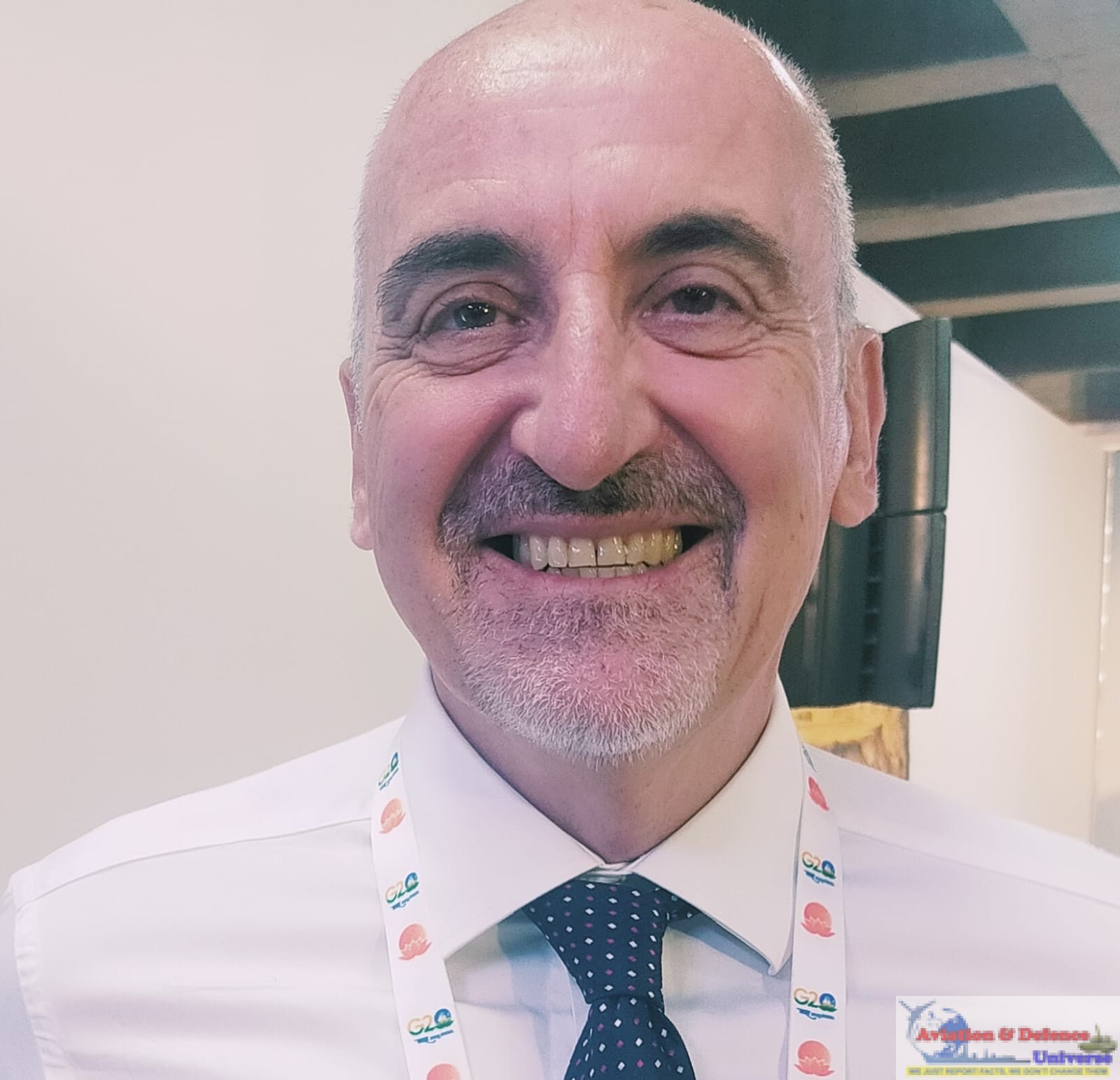
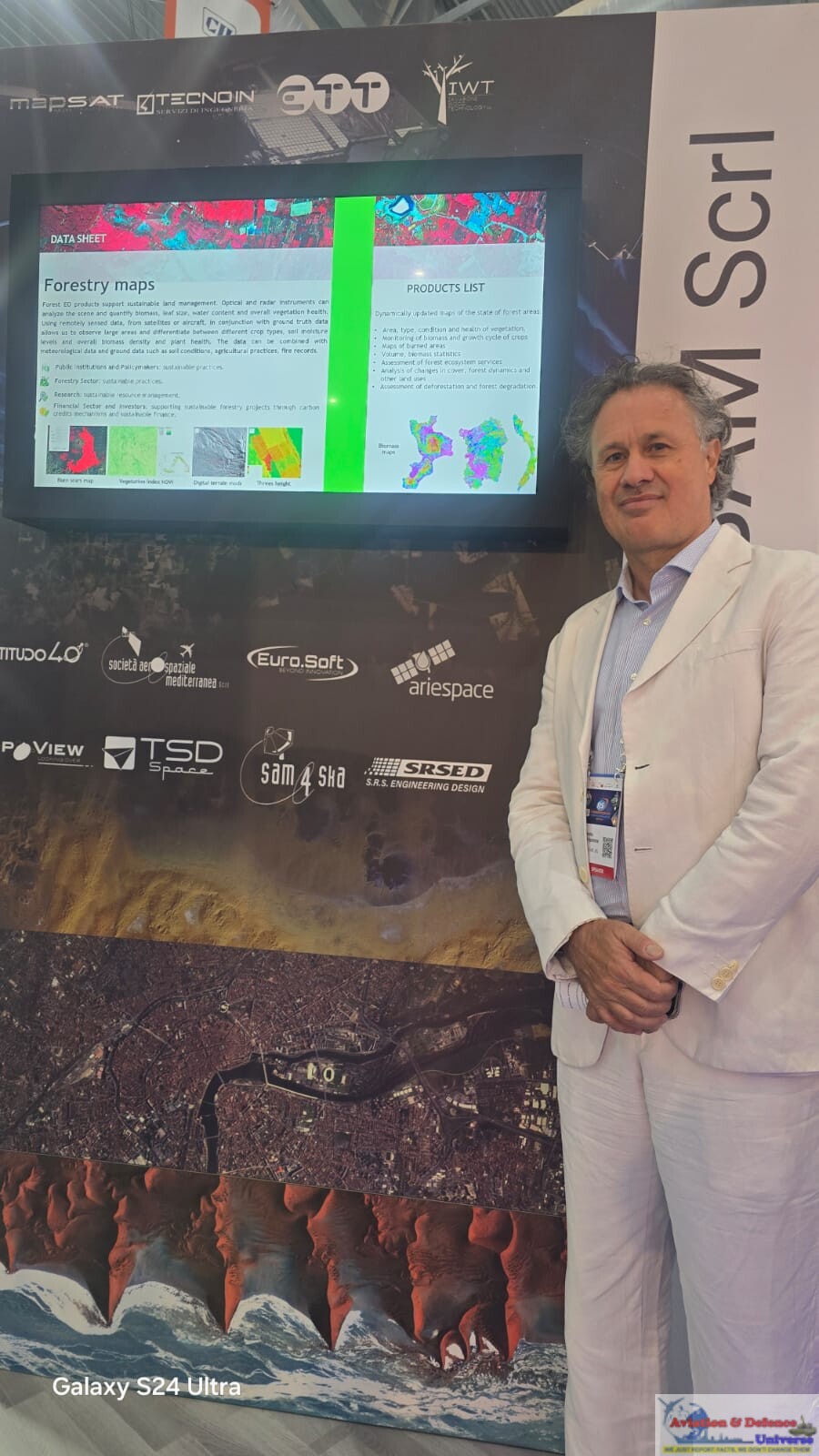
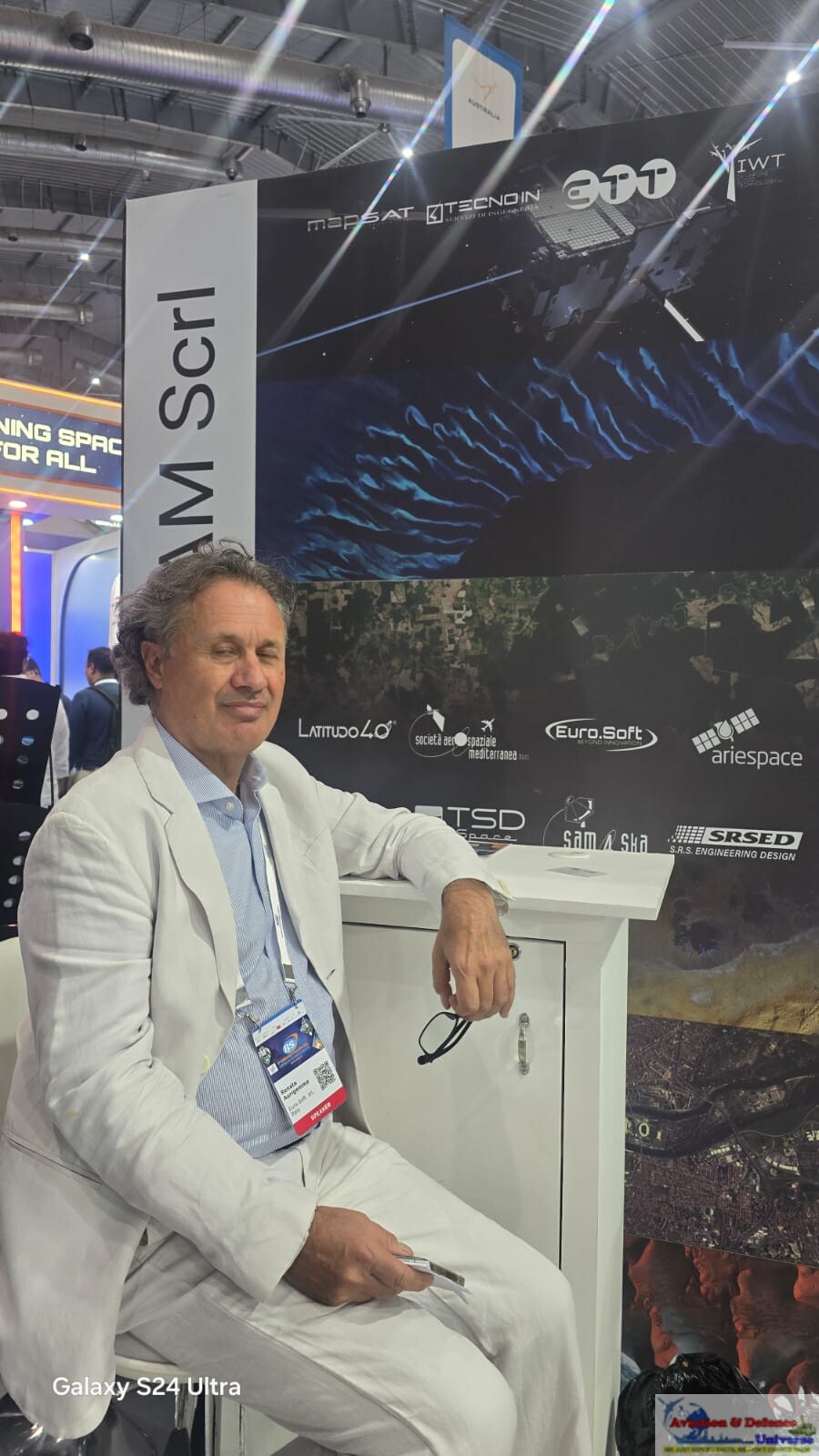
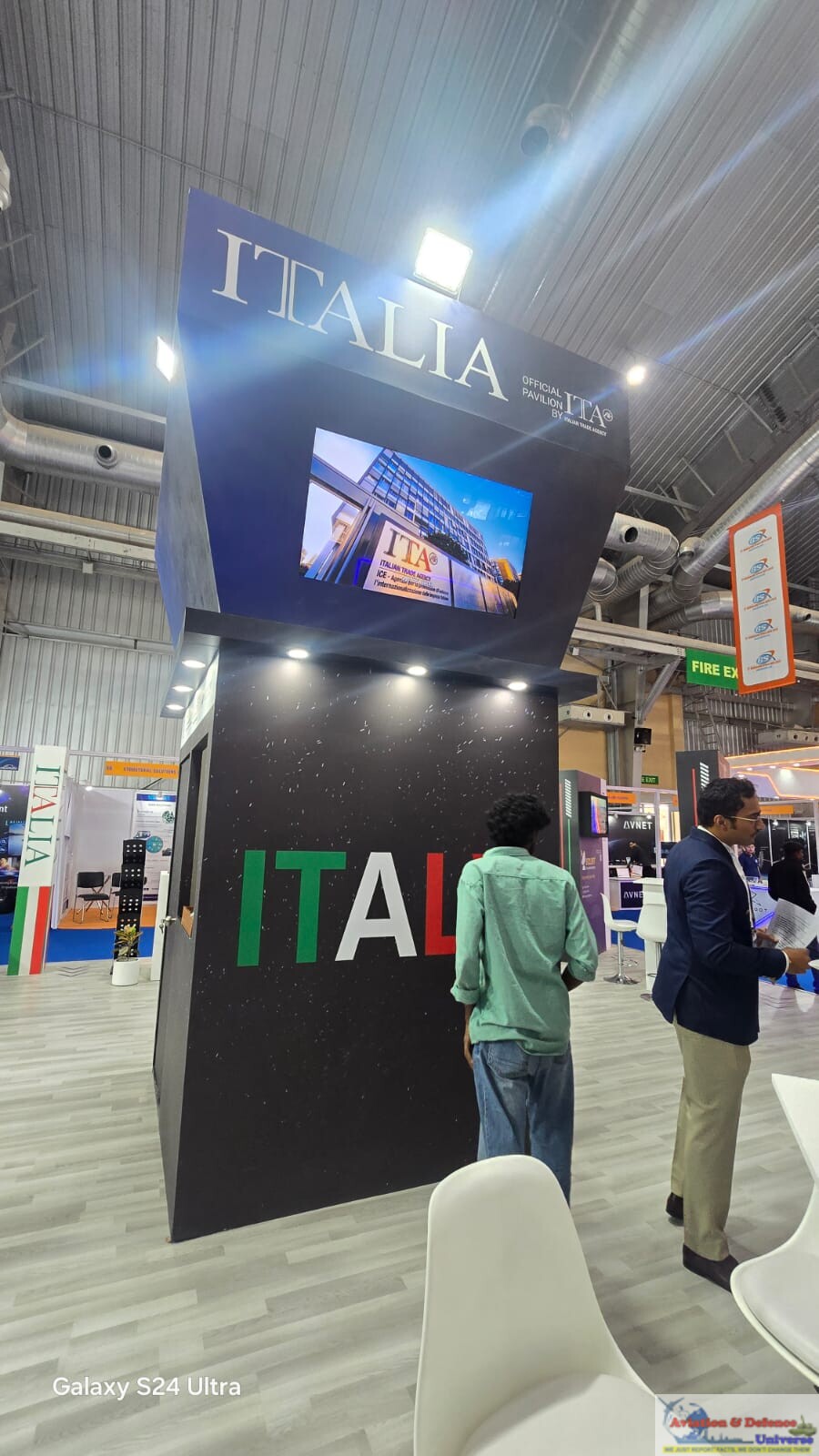 Renato Aurigemma. I am the Technical Director of SAM. In Italian, it is Società Aerospaziale Mediterranea, or Mediterranean Space Company. We have been established for more than 30 years in Naples in southern Italy. We are a stable consortium of 11 companies working in several sectors related to space applications and space components. We have capabilities related to the production of payloads and onboard components, particularly image-processing payloads and telecommunication payloads. However, most of our companies work on space applications, especially Earth Observation applications.
ADU. What kind of Earth Observation services does SAM provide?
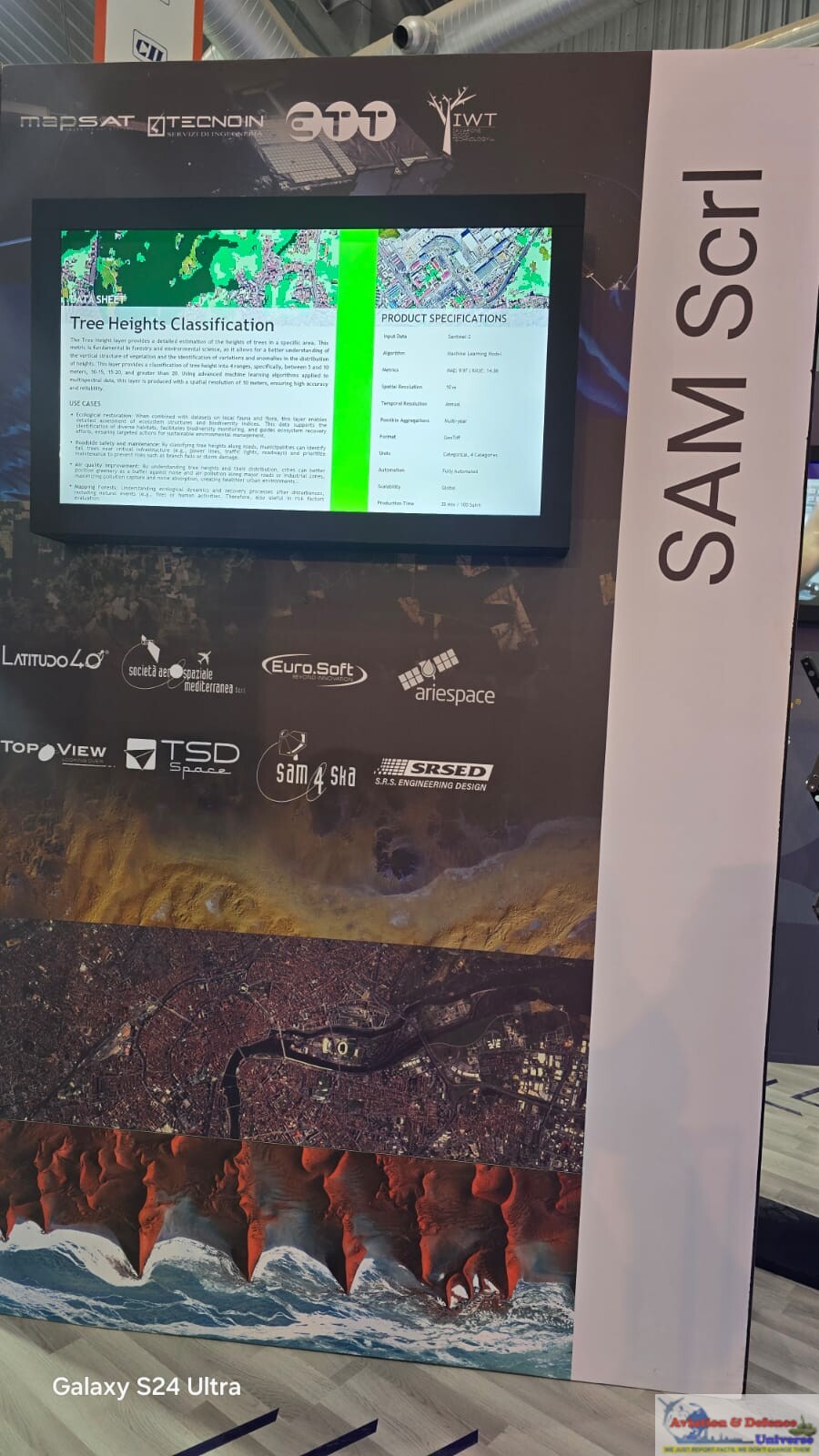
Renato Aurigemma. We provide services to final customers that can include public administrations, municipalities, insurance companies and other private companies across different sectors where Earth Observation can be applied. For example, one of our companies specialises in agricultural mapping. Another works in environmental observation. We have applications for urban management and urban planning, including monitoring heat islands in cities and green urban areas. We also have disaster-management tools, including applications related to forest fires.
ADU. Do your capabilities extend to the maritime sector as well?
Renato Aurigemma. Yes. We also have capabilities in maritime applications. So, we cover a wide range of space applications. We use different kinds of data. Some data is freely available and some we purchase, but our capability lies in putting together different sources of data and ultimately providing the information that the final customer actually needs.
ADU. SAM is also involved in Italy’s IRIDE programme. What is your role there?
Renato Aurigemma. We are involved in the major Italian programme called IRIDE. We provide operational services in several fields for public administration, including both local and central public administrations.
ADU. Coming to India, do you already have business associations or ongoing projects here?
 Renato Aurigemma. We have had some very preliminary contacts through Leonardo, which is our national player in space, particularly in areas related to environmental monitoring and water monitoring. But at the moment, we do not have contracts or activities running in India.
ADU. What, then, makes India an interesting market for SAM?
Renato Aurigemma. I know that India is a very interesting market because there are many companies with which we could potentially collaborate. We could work together through joint ventures or other activities to provide services. India has a territory that is very large and very diverse, and that makes it a very good environment for the kinds of activities and applications that we provide.
ADU. So are you actively looking for Indian partners?
Renato Aurigemma. Yes. We would like to collaborate with Indian companies. We also hope that the agreements between Italy and India will facilitate this kind of collaboration. I have had many meetings during the one-and-a-half days that I have been here at BSX.
ADU. Have you received a positive response from Indian companies and potential partners at BSX?
Renato Aurigemma. Yes, absolutely. There has been considerable interest.
ADU. India is seeing the emergence of several new satellite constellations. Is SAM interested only in selling services here, or could you also source satellite data from India?
 Renato Aurigemma. We are also interested in buying data. I discovered that there are many new constellations and a lot of very good-quality imagery available here, which is very important for us. Our particular skill is putting together many different sources of data in order to produce better information.
ADU. What kinds of satellite data do you combine?
Renato Aurigemma. We use SAR data, optical data and hyperspectral data, bringing them together. With artificial-intelligence processing, we can elaborate these different data sources and provide a final solution with a better degree of accuracy and one that better meets the customer’s requirements.
ADU. SAM is essentially a consortium of 11 companies. How does that model work?
Renato Aurigemma. Yes, SAM is a consortium of 11 companies. It was created more than 30 years ago, and the fact that it continues to operate successfully as a consortium demonstrates that the companies have been able to collaborate effectively. Each company is specialised in a particular area. For Earth Observation, for example, we have capabilities covering disaster management, urban planning, environmental monitoring, maritime applications and agriculture.
ADU. What advantage does the consortium structure provide to the individual companies?
Renato Aurigemma. We have a central office that provides coordination for projects. All the companies are small and medium enterprises, and there are some activities that a single small company could not undertake by itself. There are examples of large contracts that we have secured by bringing together three, four or five companies from within the consortium. That allows us to combine different capabilities depending on the requirements of a particular project.
 ADU. Could the same consortium approach potentially be extended to partnerships with Indian SMEs?
Renato Aurigemma. I hope that we will have the possibility to collaborate. Perhaps it would be possible to begin with a small demonstration project or a small activity so that we can get to know each other and understand how we can work together. For consortia to work properly, they have to be well established, with clear rules regarding intellectual property and the activities of each partner. It could therefore be good to begin with a small activity, perhaps with an Indian SME.
ADU. So a demonstration project could become SAM’s first real step into the Indian market?
Renato Aurigemma. Yes. That would be a good starting point for me. Then I hope we can have the possibility to offer operational services in India.
Start Small, Think Space-Big
Renato Aurigemma’s proposition at BSX 2026 is refreshingly practical. SAM is not arriving in India announcing a giant programme or promising an instant joint venture. It wants to find the right partner, establish the rules, understand each other’s capabilities and perhaps begin with a small demonstration project. But behind that small beginning lies a much larger opportunity. India generates enormous requirements for precisely the applications SAM specialises in—agriculture, urban planning, environmental monitoring, maritime awareness and disaster management. At the same time, India’s expanding satellite constellations and improving imagery create an interesting two-way proposition: SAM could potentially bring its analytics and application expertise to India while sourcing Indian space data for its own solutions.
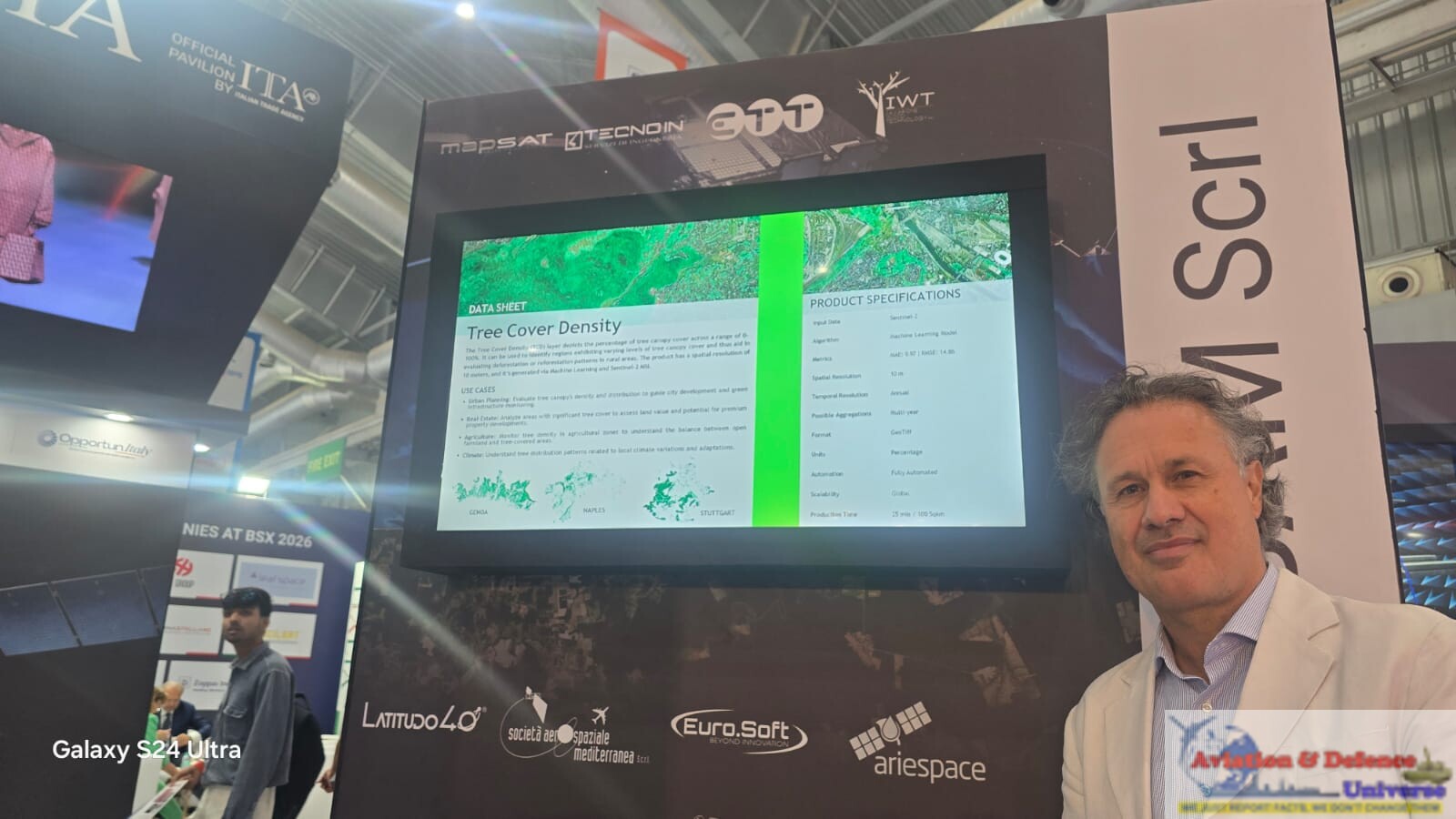 Its ability to combine SAR, optical and hyperspectral data with artificial intelligence is particularly relevant. The satellite may collect the image, but the real commercial value increasingly lies in transforming multiple streams of imagery into the precise information a farmer, city planner, disaster-management agency, maritime authority or government actually needs.
And perhaps SAM’s own history offers a clue to how an India partnership could evolve. Eleven Italian SMEs have worked together under one consortium for more than three decades, combining specialised capabilities to pursue projects that individual companies could not undertake alone. At BSX 2026, SAM came to India looking for collaborators rather than simply customers. Aurigemma’s formula is straightforward: start with a small project, build trust, combine capabilities—and let the partnership grow from there.
As Told To Sangeeta Saxena

































































-A4-Size-(2)_page-0001.jpg)