


 18th BRICS Summit











- Faenza’s NewSpace Challenger Lands in Bengaluru: 2NDS Space Eyes Indian Partnerships
- Only 5% Customers at Home: Italian Start-up 2NDS Space Builds a Global Space Business
By Sangeeta Saxena
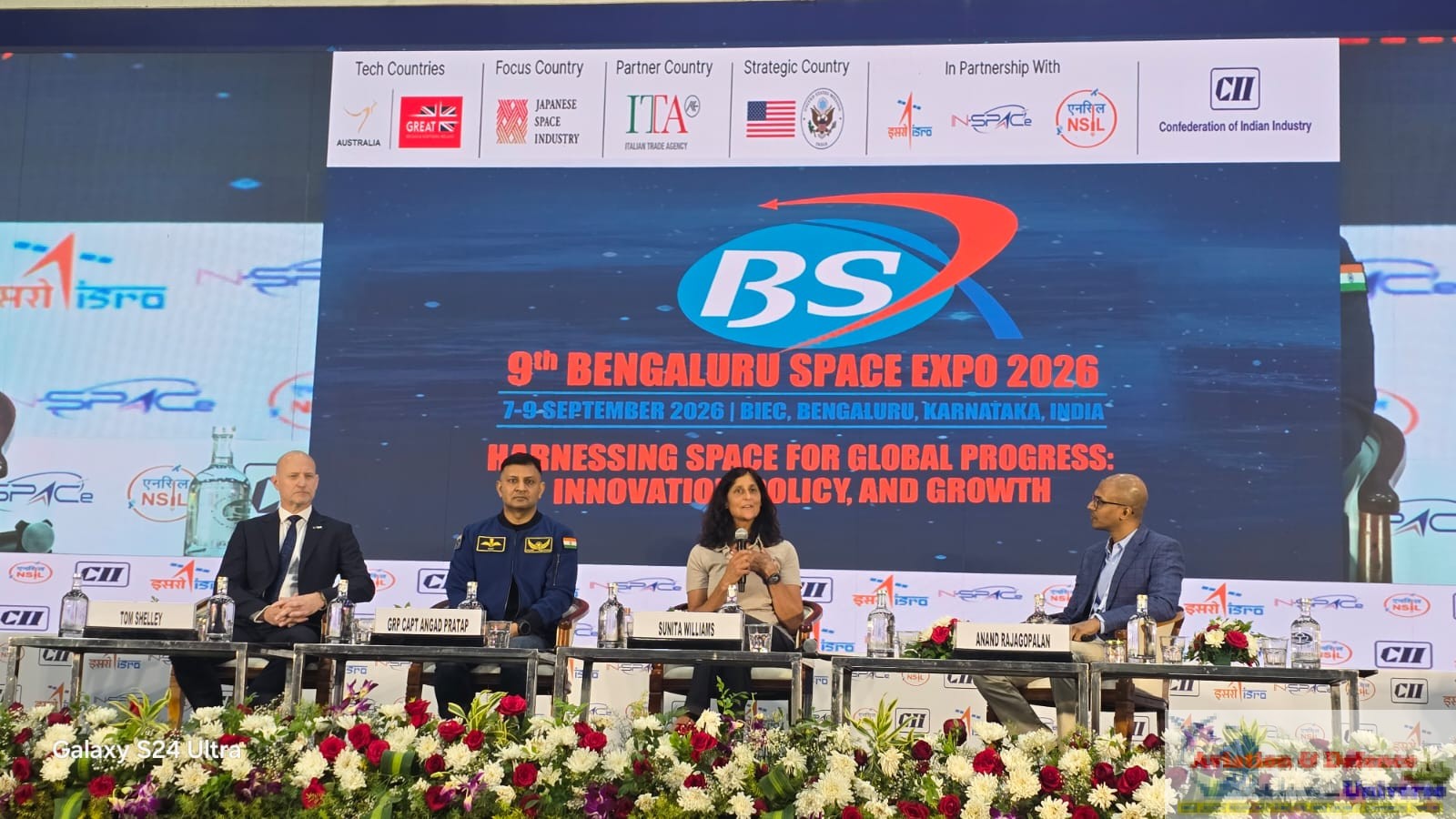
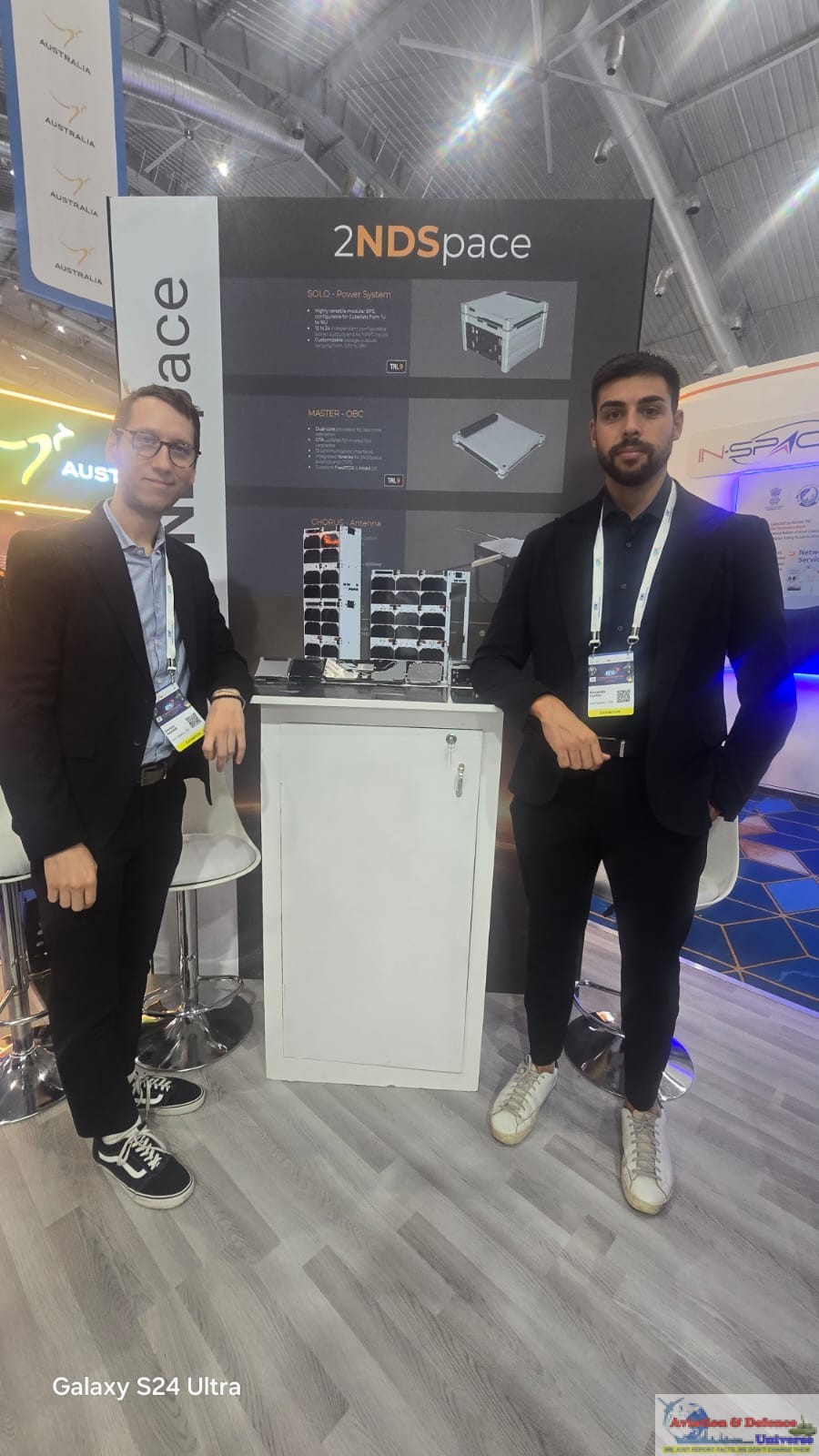
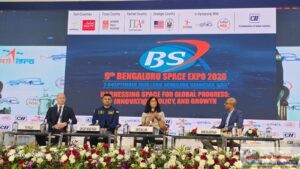
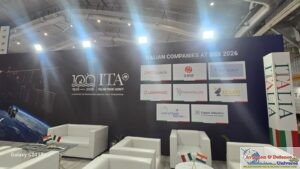
Bengaluru. 08 September 2026. Sometimes the most interesting stories at a space exhibition are not only about giant rockets and headline-making missions. They are also about the smaller companies quietly building the hardware without which satellites cannot fly. At BSX 2026 in Bengaluru, ADU found one such story at the booth of 2NDS Space, a young Italian aerospace company from Faenza, near Bologna. Barely three years old, the company says nearly 100 of its subsystems are already flying in orbit, while its customer footprint stretches from Europe and the United States to Southeast Asia and the Middle East. India is now firmly on its radar.
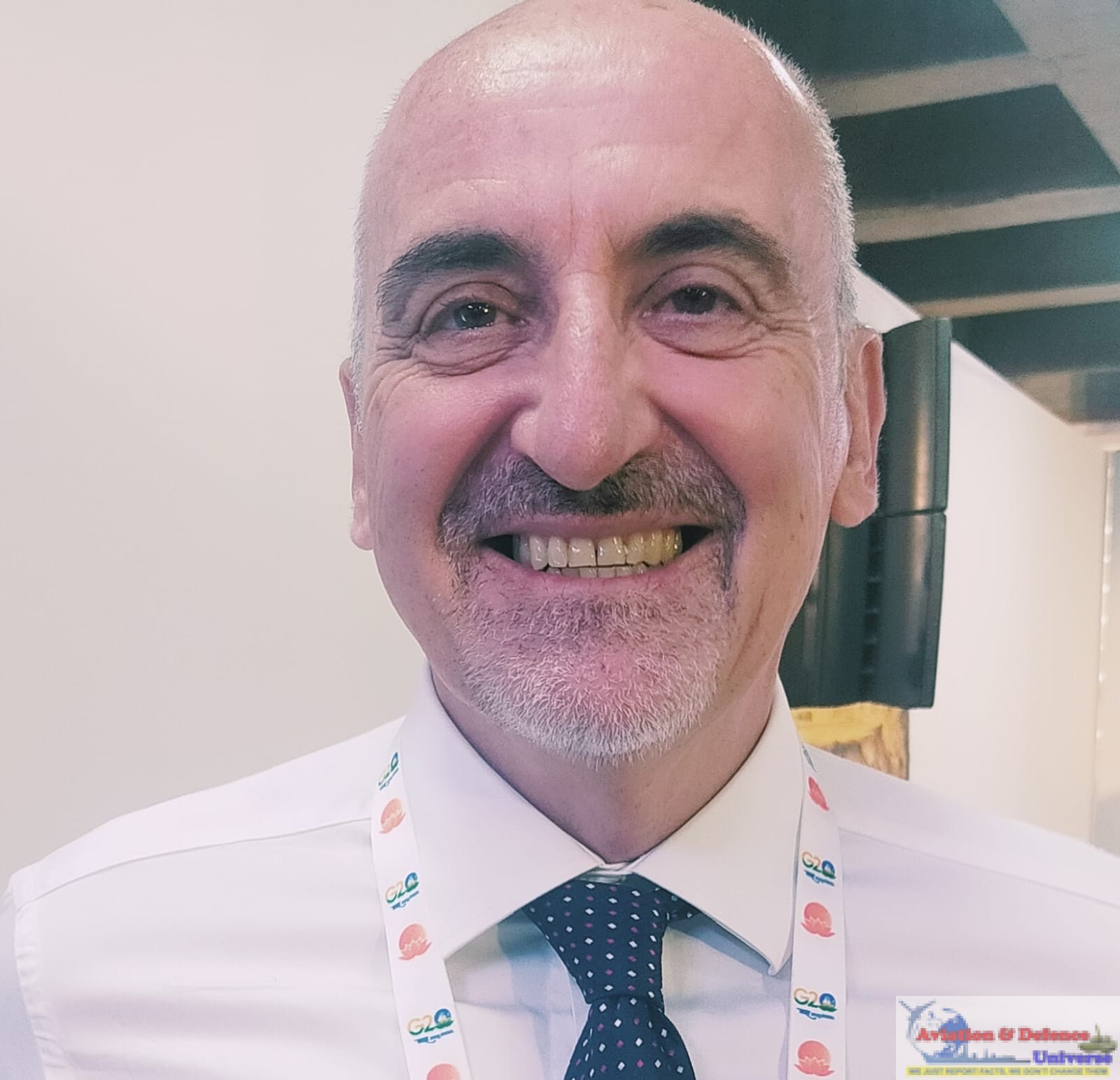
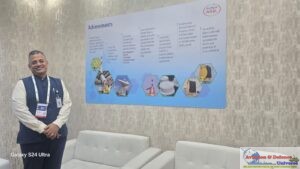
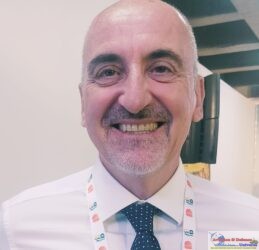
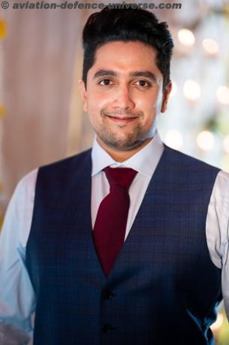
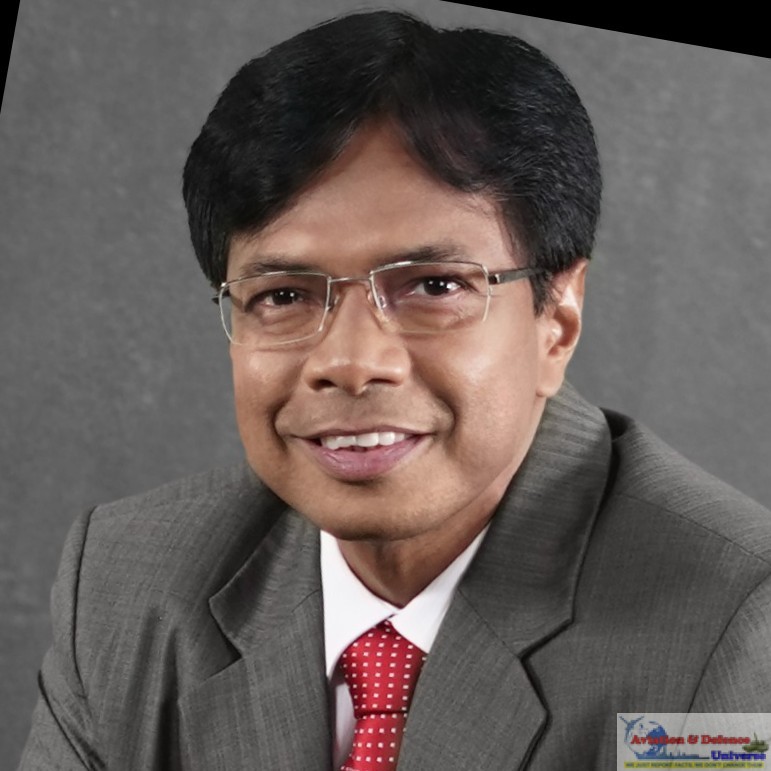
For Davide Rastelli, Co-founder & CTO, and Riccardo Carlini, Chief Innovation Officer and Partner 2NDS Space, at BSX 2026 offered their first opportunity to exhibit in India and test the pulse of a new space ecosystem they describe as growing exponentially. From satellite structures, solar panels and avionics to power systems, antennas, deployers and complete satellite buses, 2NDS Space wants to bring its flight-proven subsystems to Indian private space companies pursuing increasingly ambitious missions.
In this exclusive conversation with Aviation & Defence Universe (ADU), the two Italian space entrepreneurs discuss their company, international markets, dual-use technologies, their first experience of India’s bustling space industry and why they believe India could become an important market for 2NDS Space.
ADU. Let us begin with introductions. Riccardo, tell us about yourself and 2NDS Space.
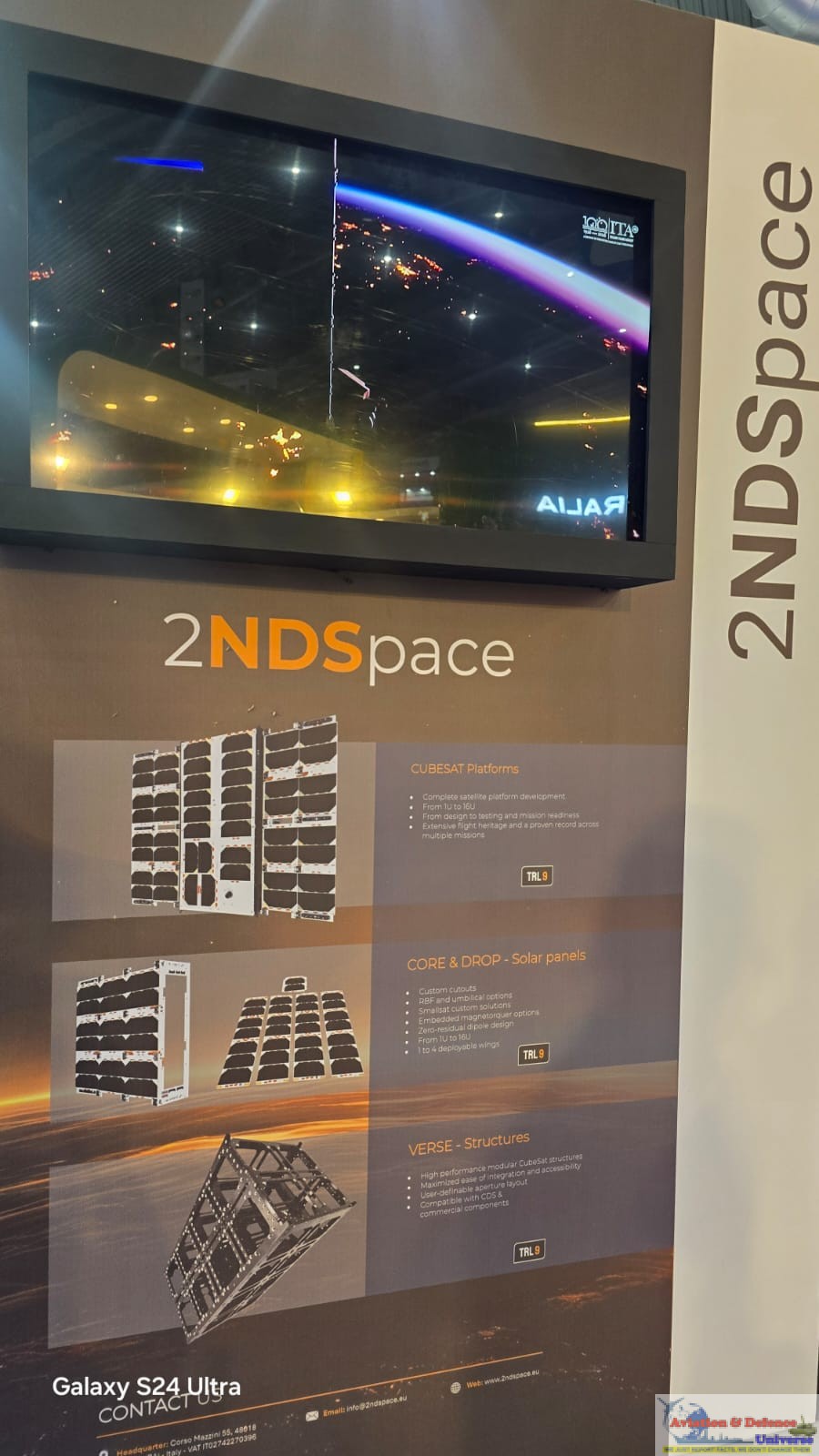
Riccardo Carlini. Hello, my name is Riccardo Carlini. I’m the Chief Innovation Officer of Second Space and Partner. This is Second Space. We are an aerospace company in the NewSpace economy. We 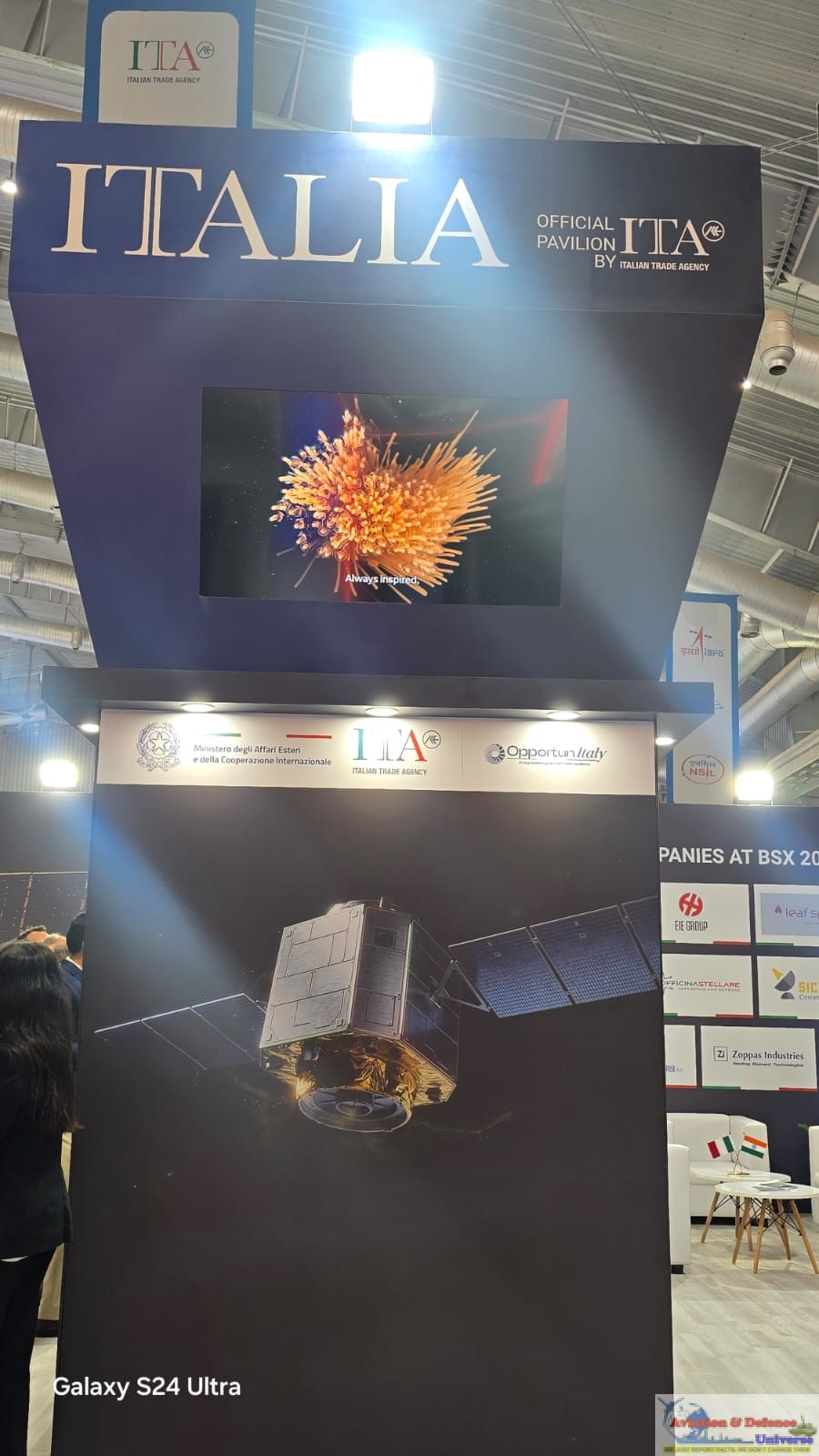 manufacture groups of components ranging from structures from one unit to 16 units, solar panels—body-mounted ones, deployable ones up to 16 units and up to four wings. Then we have in our catalogue a lot of avionics, starting from onboard computers, payload onboard computers, antennas, deployable antennas, UHF, VHF for three units, one unit, and the ones for 12 units and 16 units. And then we have power distribution, EPS and also deployers. We can also provide the full bus for the customer, integrating all our components and also those of our partners.
ADU. Davide, please introduce yourself and tell us what you would add to that portfolio.
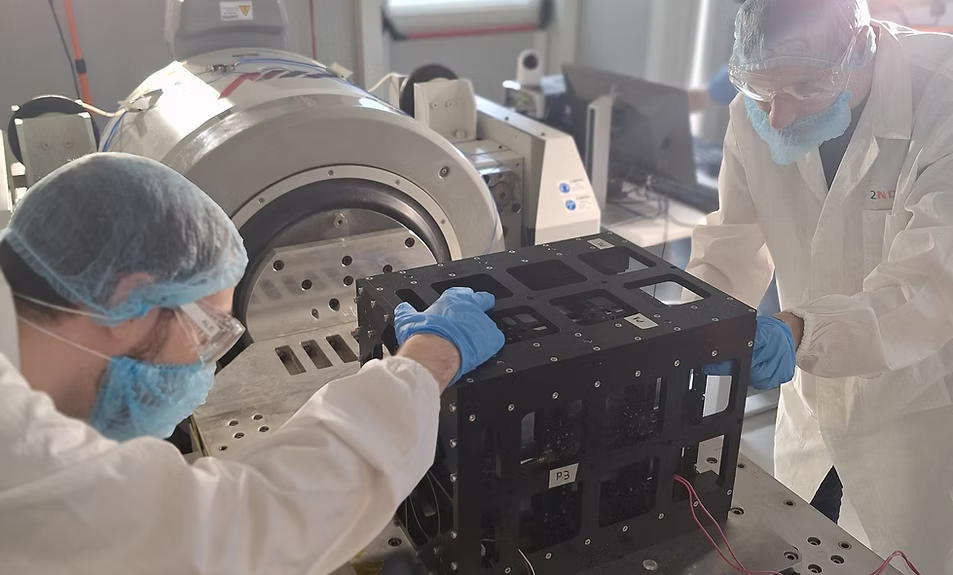
Davide Rastelli. I’m Davide Rastelli. I’m co-founder and the CTO at Second Space. We have a strong heritage. All our subsystems flew on different missions. We have almost 100 of them in orbit flying, and we are currently also working on full satellites for customers for in-orbit demonstrations.
ADU. Are your customers primarily Italian, or has 2NDS Space already developed an export market?
Davide Rastelli. Actually, no. I can say that five per cent of our customers come from Italy; the rest is overseas and in the rest of Europe. We are a three-year-old company, but we have a lot of traction everywhere in the world, actually—from the US to Southeast Asia and the Middle East. So, we are basically selling everywhere.
ADU. Is this your first visit to India?
Davide Rastelli. It’s our first time with our booth in India, and we’re trying to sense the market here.
ADU. And how has the footfall been? BSX has been extremely crowded. Are visitors showing interest in your products?
 Davide Rastelli. Yeah, there are a lot of people actually coming by. They’re showing interest in our products, asking many, many questions and interested in knowing what’s coming from the other side of the world, basically. And, yeah, we’re very happy.
ADU. When you talk about these products and subsystems, is the market restricted to civilian space? Could there also be military applications?
Riccardo Carlini. Yes. All of our products qualify for civilian applications and also for military applications. We haven’t done any military applications so far, but of course a satellite can be used in both ways. So, mainly civilian, mainly commercial for us—civilian missions for private companies that want to do Earth observation, space observation and testing their own components in space.
ADU. Davide, would you describe the technology itself as inherently dual-use?
Davide Rastelli. Maybe I can add something. By nature, satellites and hardware are dual-use technologies. So even a solar cell—which is basically a solar cell that you can find on the roof of a house—for space has a dual-use nature. We are not doing military applications, but by nature what we’re doing is dual-use.
ADU. So, if there were eventually a military requirement, would 2NDS Space have the capability to address it?
Davide Rastelli. Yeah, of course, with all the procedures we need to comply with.
Riccardo Carlini. Yeah, that in military is required. By nature, even, like I said, a single solar cell is configured as a dual-use item. So every time we export, we need to require a specific set of paperwork. Licensing—a lot of things happen.
ADU. Where exactly are you based in Italy?
2NDS Space. We are based in Faenza, which is close to Bologna.
ADU. And now that you are here in India, what kind of business opportunity do you see in the Indian space sector?
Davide Rastelli. India is a growing market in terms of the private space sector, with a lot of government funds. We have seen in the last years an exponential growth of private companies, and they are doing very ambitious programmes. So it’s absolutely remarkable. What we are trying to do is work with these companies, providing our subsystems which have a strong flight heritage and trying to support them in their missions.
 Joint interviews with co-founders can be great fun because they reveal not just the company, but the chemistry behind the company. One begins an answer, the other jumps in with a missing detail; one talks technology while the other brings in business; sometimes they agree instantly, sometimes they good-naturedly correct each other—and the conversation becomes far more spontaneous than a conventional one-to-one interview. My conversation with Davide Rastelli and Riccardo Carlini of 2NDS Space at BSX 2026 had exactly that flavour: technology, markets, satellites and India flowed easily between the two, with each adding another layer to the other’s response. A joint interview can therefore become more than a Q&A—it offers a glimpse into the partnership, shared enthusiasm and complementary thinking that often sit behind a start-up’s journey. A Young Italian Company 2NDS Space represents the increasingly important layer of Italy’s NewSpace ecosystem formed by specialised companies developing the building blocks that allow smaller and more agile satellite missions to move from design boards into orbit. Its portfolio spans satellite structures, body-mounted and deployable solar panels, onboard and payload computers, UHF and VHF antennas, deployable antennas, electrical power systems and deployers. It can also integrate these technologies, together with partner components, into complete satellite buses.
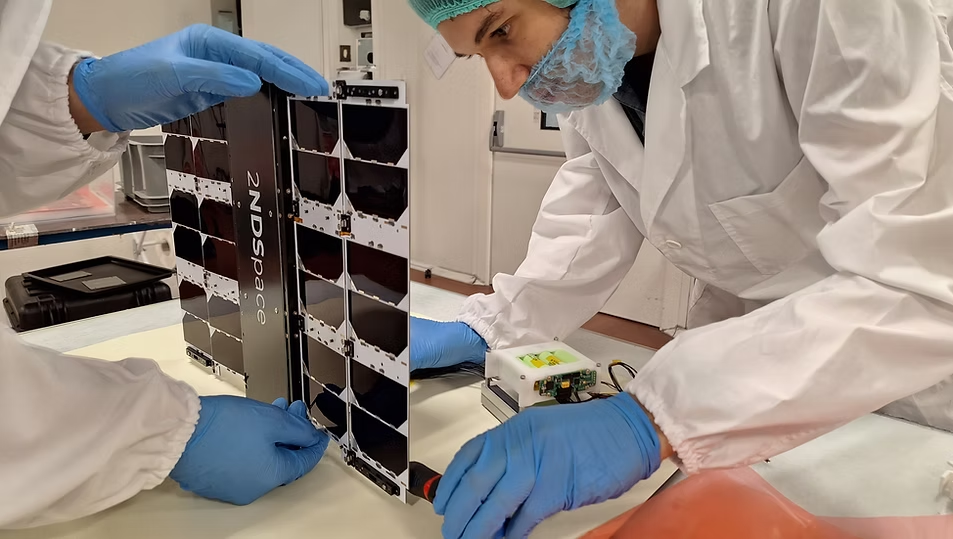 What makes its profile particularly interesting for such a young company is its international orientation. For 2NDS Space, India appears to be more than another pin on an export map. Rastelli’s description of the country’s private space-sector growth as “exponential” and its programmes as “very ambitious” explains why the Italian start-up chose BSX to test the market. Its proposition is straightforward. Indian companies should not have to begin every mission by reinventing every subsystem. 2NDS Space wants to bring flight heritage—structures, solar panels, avionics, antennas, power systems, deployers and ultimately complete buses—to companies that want to concentrate on getting their missions into orbit.
And perhaps therein lies the larger India-Italy opportunity. When Indian ambition meets Italian engineering and flight heritage, the relationship need not remain buyer and seller—it could potentially evolve towards collaboration, integration and joint participation in the global small-satellite economy. For their first exhibition in India, Rastelli and Carlini came to BSX to “sense the market.” Judging by their description of crowded aisles, constant questions and enthusiastic interest, Bengaluru appears to have answered. From Faenza to Bengaluru and from components to complete satellites, 2NDS Space may be small and young—but its ambitions are already very much in orbit.
As Told To Sangeeta Saxena

























































-A4-Size-(2)_page-0001.jpg)