


 18th BRICS Summit















- 16 Japanese Companies at BSX : JAXA Eyes New Partnerships and New Markets in India
- Moon Missions & New Markets. JAXA’s Ishii Yasuo on Why India Matters to Japan
- A Japanese Rover, an Indian Lunar Mission. JAXA Maps the Next Chapter with ISRO
By Sangeeta Saxena
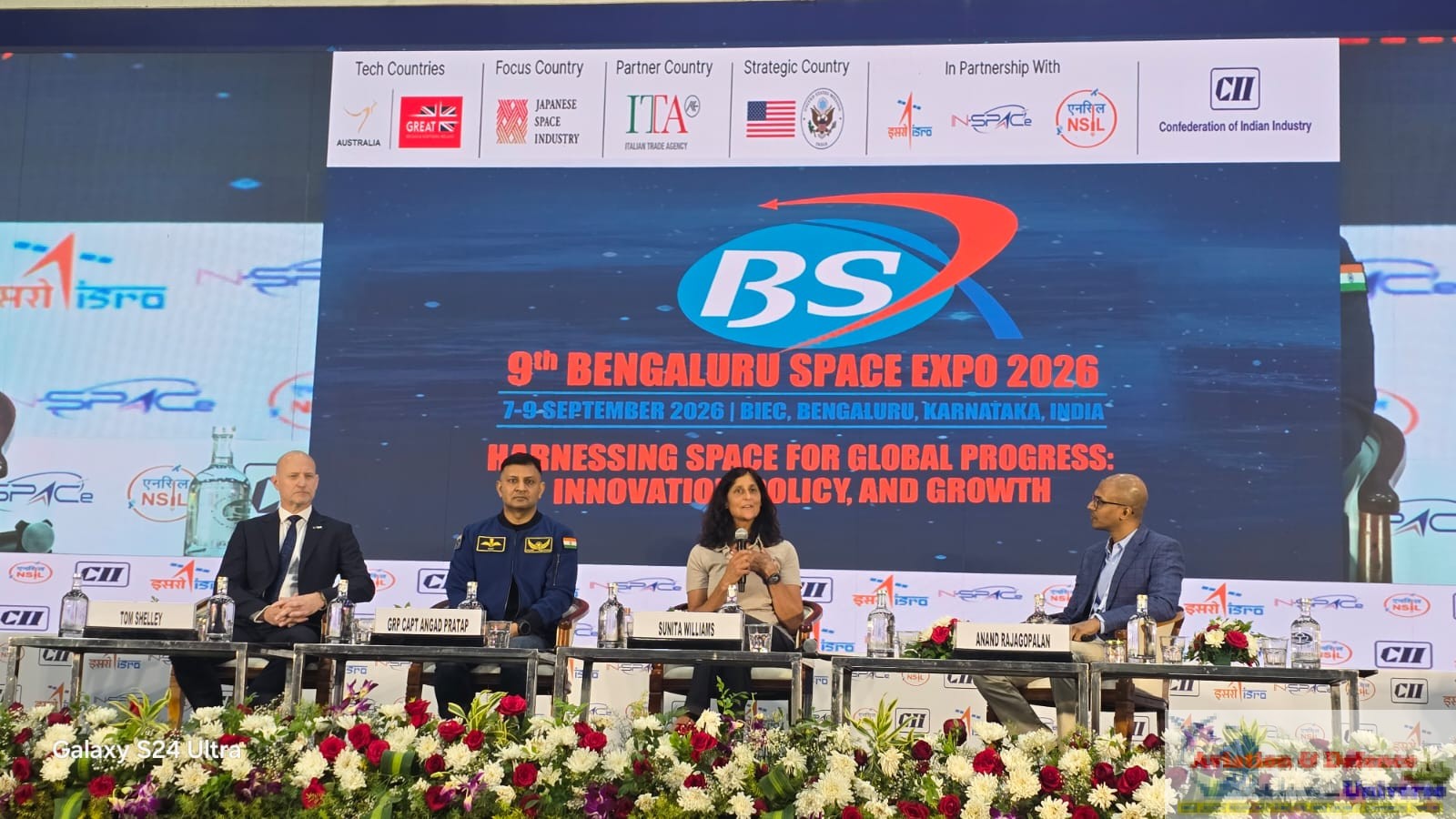
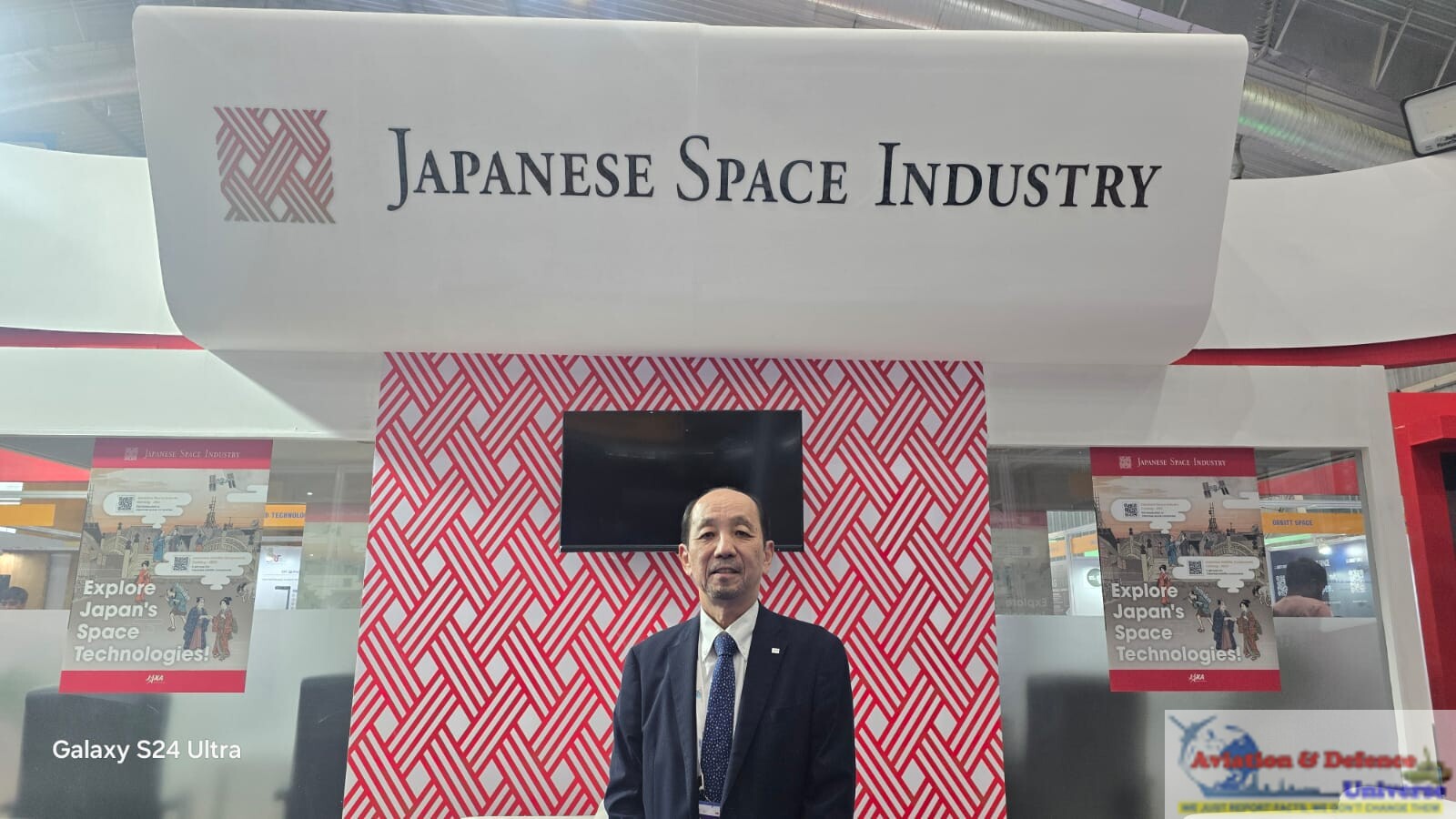
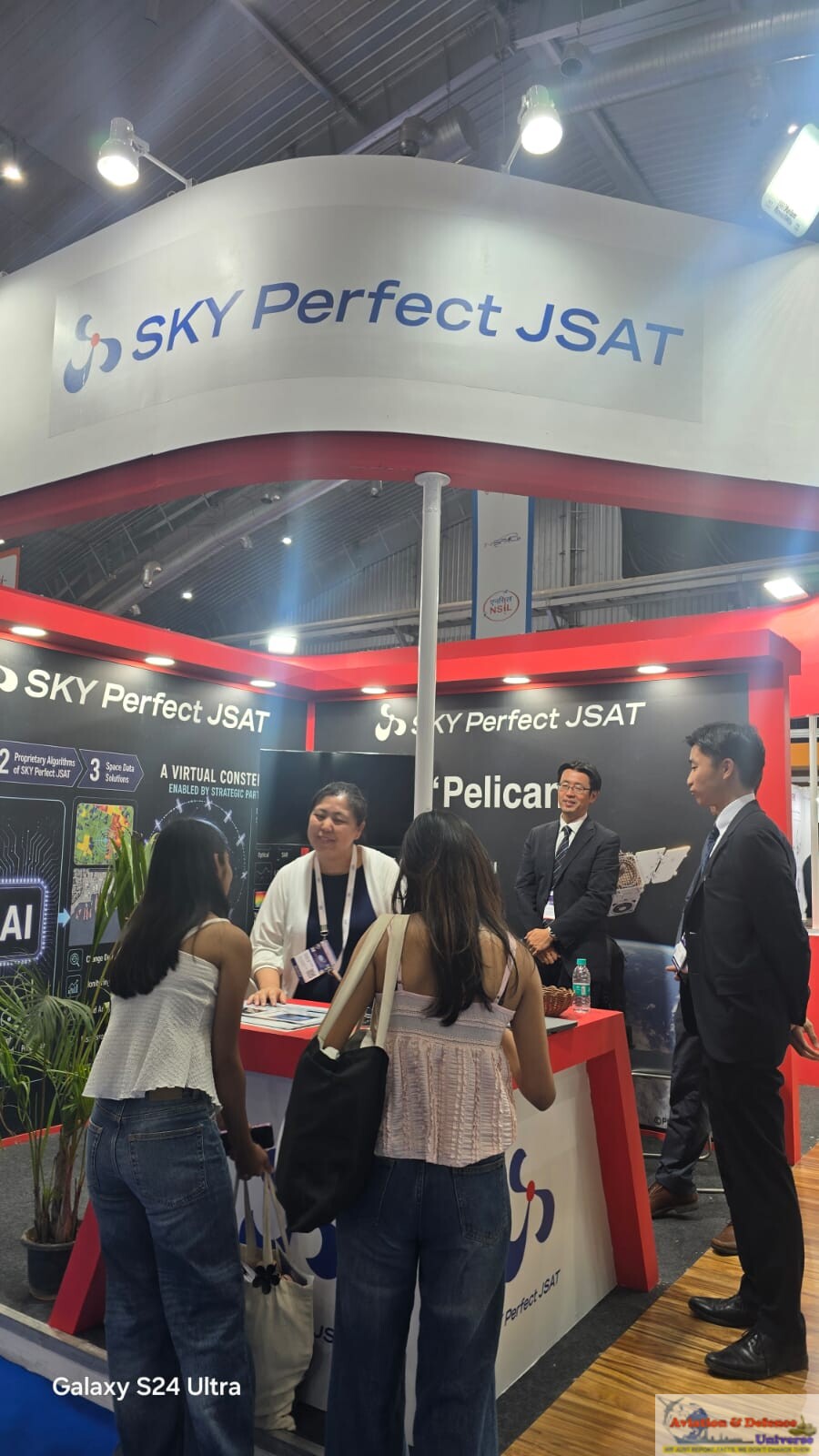
Bengaluru. 09 September 2026. Japan came to BSX 2026 with more than technology on display—it came looking for partners. With a prominent Japanese presence and a delegation of 16 companies at the Bengaluru space event, Japan demonstrated its growing interest in engaging with India’s rapidly expanding space ecosystem.
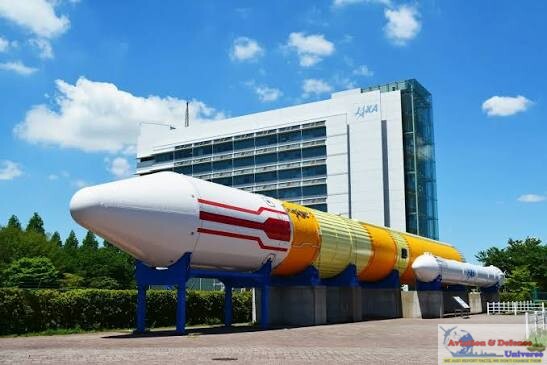
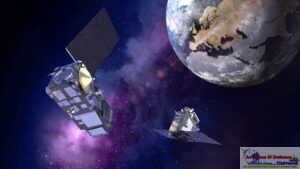
 At the centre of this engagement is the Japan Aerospace Exploration Agency (JAXA), the implementing agency for Japan’s space policy and a research and development organisation with capabilities extending across launch systems, satellites, Earth Observation, optical communications, space science and exploration.
India is emerging as an important part of this international outreach. Japanese industry sees India’s long experience in space, competitive costs and technological capabilities as offering significant possibilities for complementary partnerships. And beyond industry lies an even more ambitious symbol of India–Japan cooperation—a joint lunar endeavour involving ISRO and JAXA.
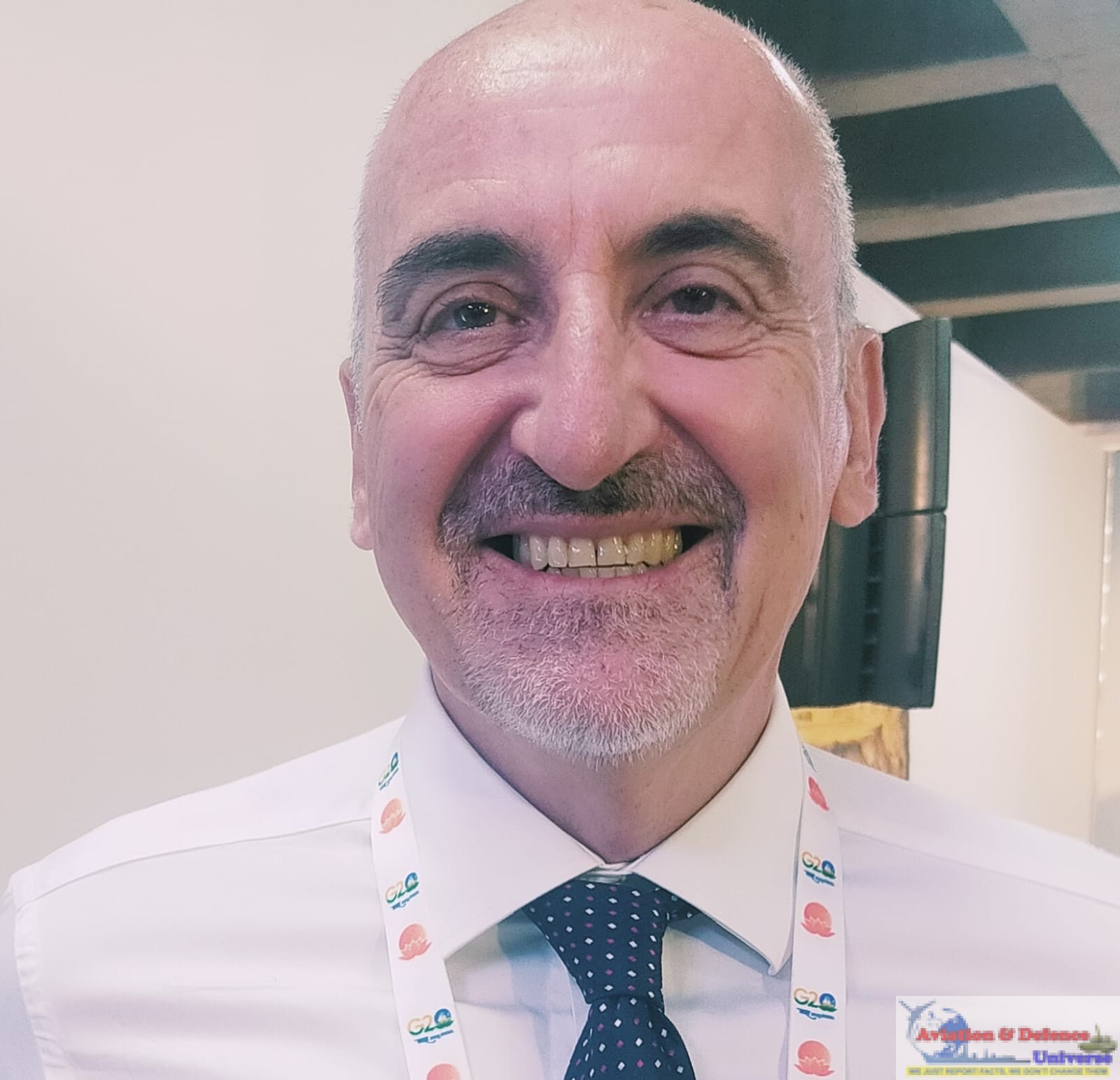
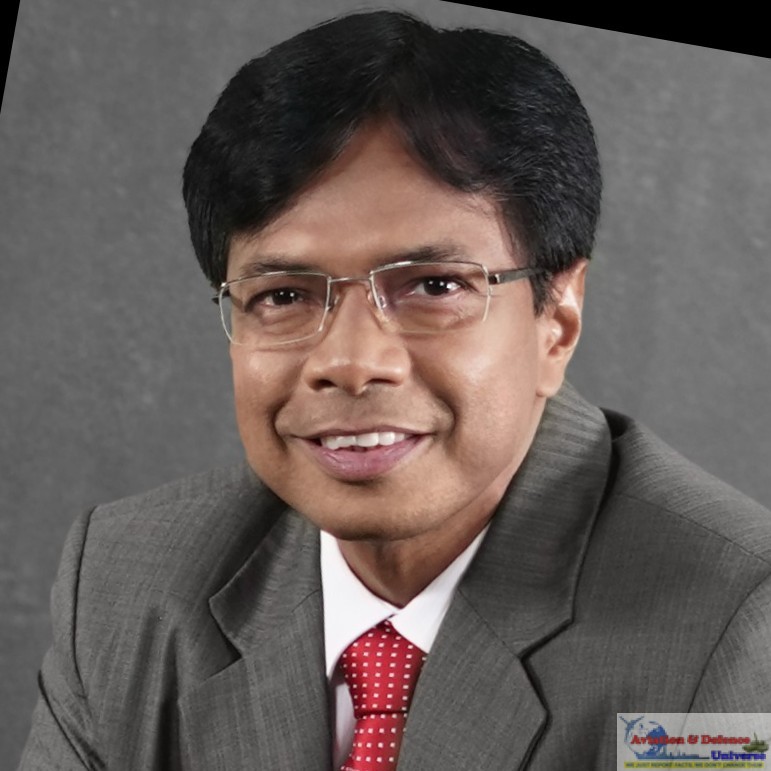
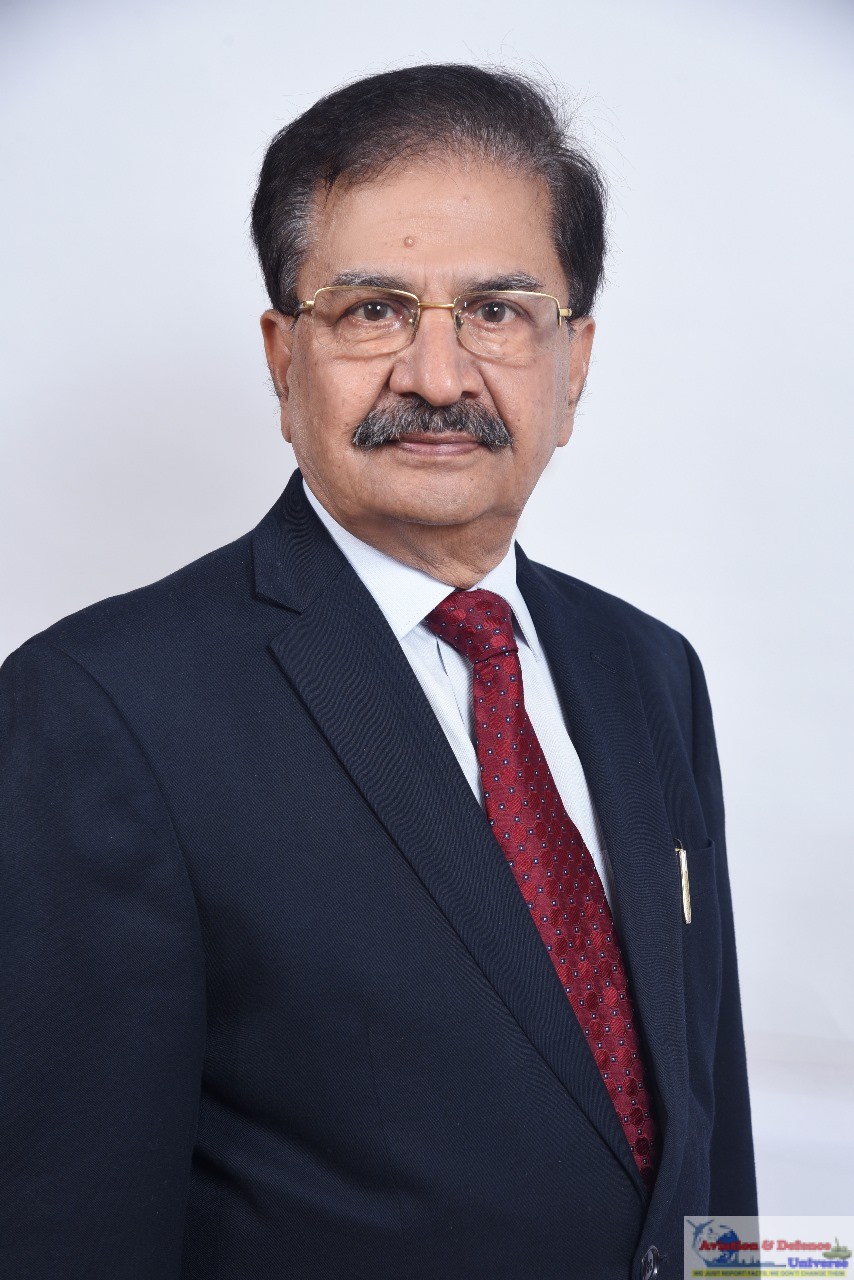
At BSX 2026, Aviation & Defence Universe (ADU) spoke with Ishii Yasuo, Senior Vice President, Japan Aerospace Exploration Agency (JAXA), about JAXA’s role in Japan’s space ecosystem, its partnership with ISRO, the growing interest of Japanese industry in India, opportunities emerging from BSX and the road from Bengaluru to the Moon.
ADU. To begin with, could you give us some background on JAXA and explain its role within Japan’s space ecosystem?
Ishii Yasuo. JAXA is not a Japanese company itself, but we are the implementing agency for Japanese space policy. Many ministries have space-related activities—for example, the Ministry of Defence, Ministry of Environment and Ministry of Science and Technology. Each has space programmes, and they need an implementing agency. That is JAXA. We are also a research and development agency. We consist of engineers, scientists and management people. Japan has more than 70 years of history in space technology, while JAXA has more than 20 years of history. We are developing a launch system called the H3 rocket. We also develop and operate satellites for Earth Observation and optical communications. And, of course, we are involved in space science. We carried out the asteroid sample-return mission called Hayabusa and became the first country in the world to return samples from an asteroid.
ADU. JAXA’s role has expanded in recent years to include supporting Japanese industry and universities. How does that work?
 Ishii Yasuo. In addition to our research and development and implementation capabilities, around three years ago we added a new function as a funding agency to support Japanese industry and universities. The fund is a significant amount of money, and that money cannot be used for JAXA itself. JAXA is in a position to manage the budget and funding and organise the selection and evaluation committees. We also provide technical assistance to the space industry. Space business today is global. Japanese space companies want to enter the global market with their businesses, and for that they need international partners.
ADU. Why is India particularly interesting to the Japanese space industry?
Ishii Yasuo. India is one of the countries in which Japanese industry is very interested. India has a long history and considerable experience, and the cost is very competitive. Sometimes our technologies are very complementary to each other. India is also an advanced country in Earth Observation. There are many reasons for this interest. That is why we decided to have this kind of delegation coming to BSX. I have had a very good impression of BSX and Indian industries.
ADU. JAXA and ISRO already have an established partnership. How has this relationship developed over the years?
Ishii Yasuo. Of course, we have a partnership with ISRO. We agreed on a revised MoU in 2016, and the signing ceremony took place in front of Prime Minister Modi and Prime Minister Abe. That was a very important moment. After that, we tried to further strengthen our collaboration with ISRO. Even before that, we had a long history of collaboration in the area of Earth Observation. We then expanded the scope to space exploration, covering the Moon.
ADU. The Moon is now becoming an important part of India–Japan cooperation. What can you tell us about the joint lunar effort?
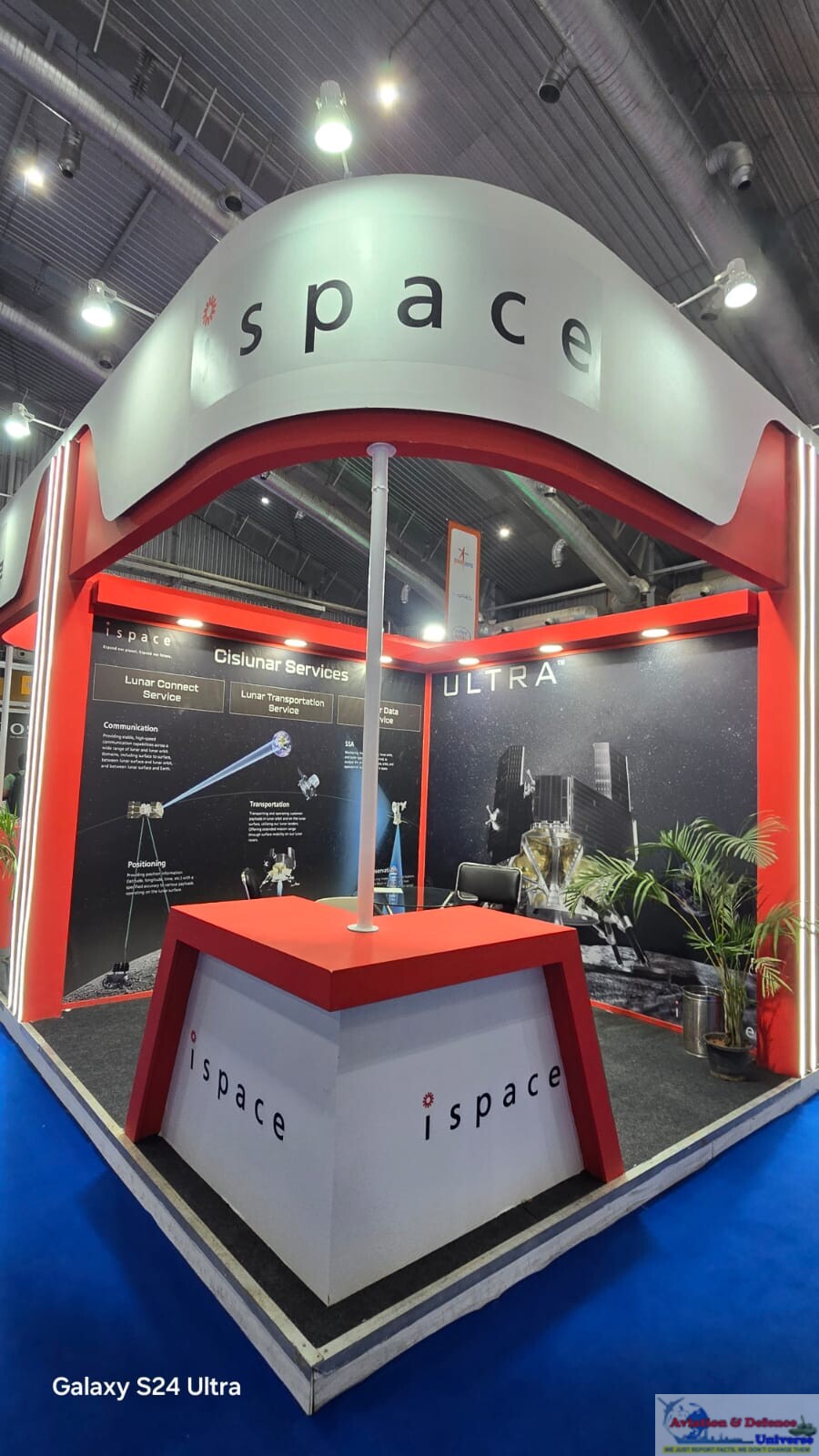 Ishii Yasuo. India is the fourth country in the world to land on the Moon. We have agreed to go to the Moon together with ISRO. We will provide a lunar rover. The rover will be made in Japan, while ISRO will provide Chandrayaan-5 and the landing capability to the Moon. They will carry our lunar rover to the south polar region of the Moon. It is a joint effort.
ADU. Who will be involved in developing the Japanese rover?
Ishii Yasuo. I think Mitsubishi Heavy Industries is involved. Of course, it cannot be done by one company alone. There is a supply chain and collaboration with other companies, including companies providing capabilities related to software, electrical systems and communications.
ADU. What is the target timeframe for Chandrayaan-5 and the lunar rover?
Ishii Yasuo. The target year for Chandrayaan-5 and the lunar rover is 2028. The programme is already progressing through its development process, including the critical design phase and towards manufacturing the flight model.
ADU. Japan brought 16 companies to BSX 2026. After three days at the event, what has been your impression of the response?
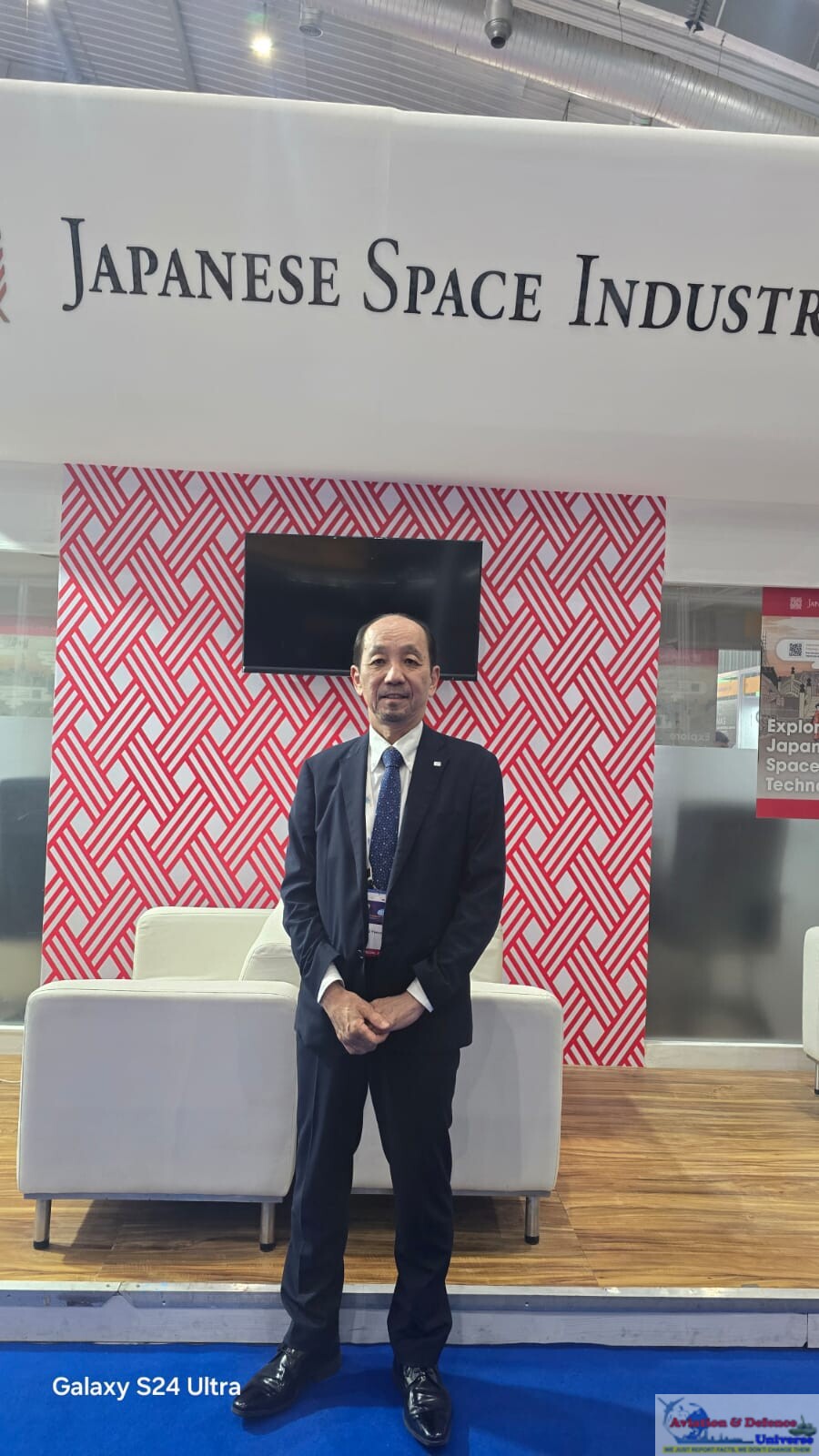 Ishii Yasuo. Sixteen companies came to BSX. I have not yet received the final reports about the results from all the participants, but the atmosphere has been very good. It seems that they are finding new opportunities, and maybe some are getting closer to good partners. I also had a meeting with Dr. Goenka at IN-SPACe. We explained our Japanese technologies and industries, and we have already identified some possibilities for good collaboration between India and Japan in space. We will try to coordinate these opportunities, although it will take time.
ADU. Are some of these Japanese companies already collaborating with Indian companies?
Ishii Yasuo. I heard about a number of MoUs that have already been signed. At the show itself, one was signed, while other MoUs and collaborations are already being worked upon.
ADU. JAXA is primarily known as a space research and development organisation. Does your mandate also include defence-related space activities?
Ishii Yasuo. As I said, we are an implementing agency. We can receive requests or contracts from the Ministry of Defence for their missions. So, we can cover defence activities as well, but only on a contract basis. The responsibility for operations remains with the Ministry of Defence, while we can provide space capabilities to them.
ADU. Does JAXA also look at international markets and partnerships outside Japan?
Ishii Yasuo. Of course. From the Japanese side, Asia is a very important area for the market. There may also be possibilities for collaboration and creating markets with international partners in Asia, especially East Asia.
ADU. What about JAXA’s research and development collaboration with other countries?
 Ishii Yasuo. We have international collaboration, but in many cases an important part of this is capacity building that we can provide to countries.
ADU. Finally, what would you like to say about India and the future of India–Japan space cooperation?
Ishii Yasuo. I would like to stress again that Japanese industry is very much interested in Indian space technology and the Indian space market.I am very much looking forward to having new collaborations and creating new markets with Indian companies.
From Cooperation to Co-Creation
The conversation with Ishii Yasuo at BSX 2026 reflected a relationship that is steadily widening in scope. India and Japan already have a history of cooperation in Earth Observation; today, that engagement encompasses lunar exploration and is increasingly opening doors for their respective industries to work together. The presence of 16 Japanese companies at BSX 2026 is significant in this context. Japanese industry is not merely observing India’s space growth from the sidelines. It is exploring partners, technologies and commercial opportunities within an ecosystem that Ishii sees as experienced, competitive and technologically complementary to Japan.
And then there is the Moon.
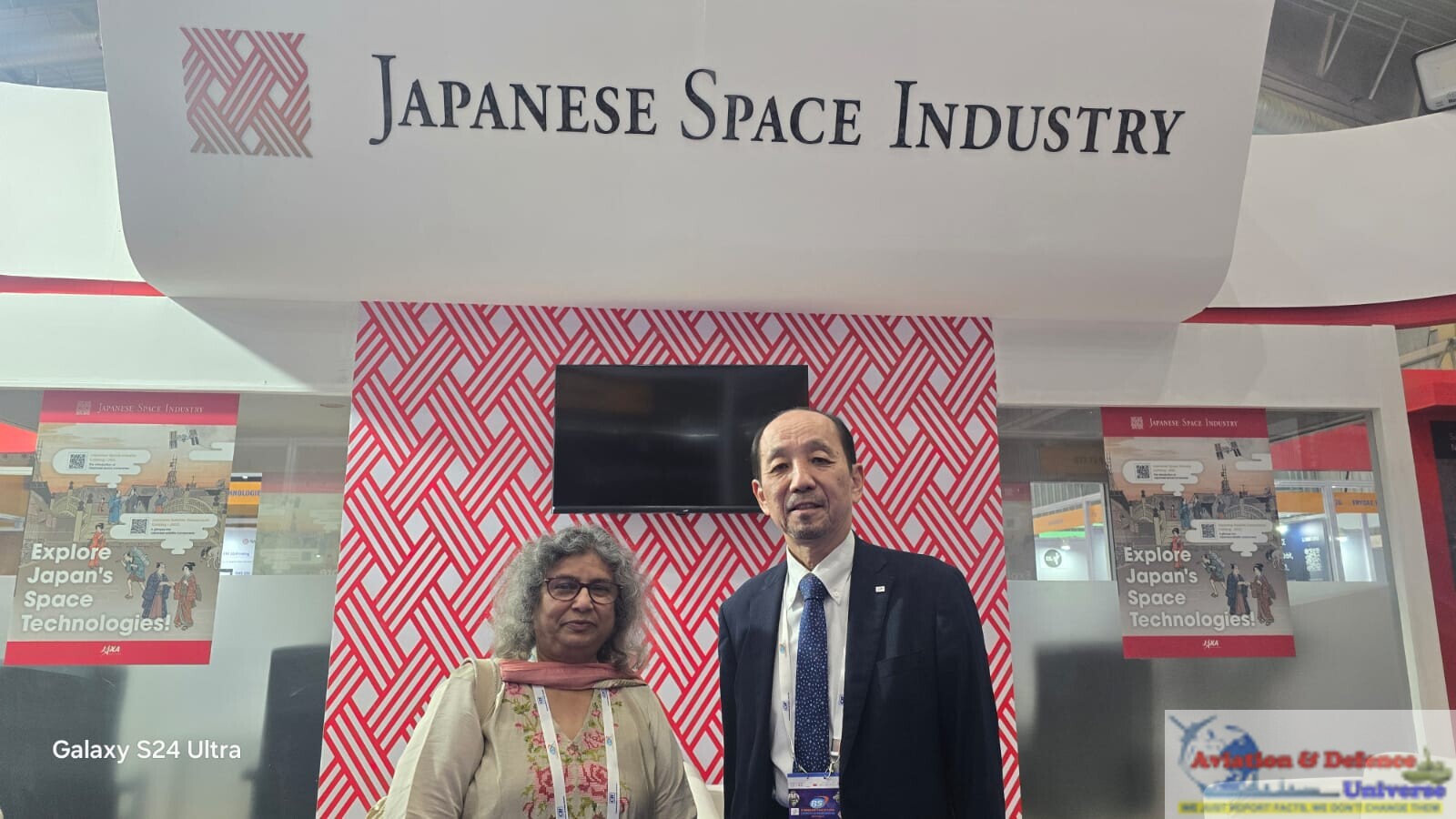 A Japanese rover travelling aboard an Indian lunar mission towards the Moon’s south polar region would be a powerful demonstration of how technological strengths from the two countries can converge around a common objective. But Ishii’s conversation at BSX also brought the story back from the Moon to the marketplace. His repeated emphasis on Japanese industry’s interest in Indian technology, partnerships and new markets suggests that the next phase of the relationship could increasingly involve companies alongside space agencies.
From Earth Observation to lunar exploration, and from Bengaluru’s exhibition halls to the Moon’s south polar region, India and Japan are expanding the boundaries of their space partnership. The next chapter could be as much about co-creating technologies and markets on Earth as exploring new frontiers beyond it.
As Told To Sangeeta Saxena












































































-A4-Size-(2)_page-0001.jpg)