












- “We Are Excited About the Opportunity”: Lockheed Martin on India’s MTA Programme
- Lockheed Martin Outlines Why the C-130J is the Right Fit for India’s Medium Transport Aircraft Programme
- MRO and Make in India: Lockheed Martin Shares Its Vision for India’s Airlift Future
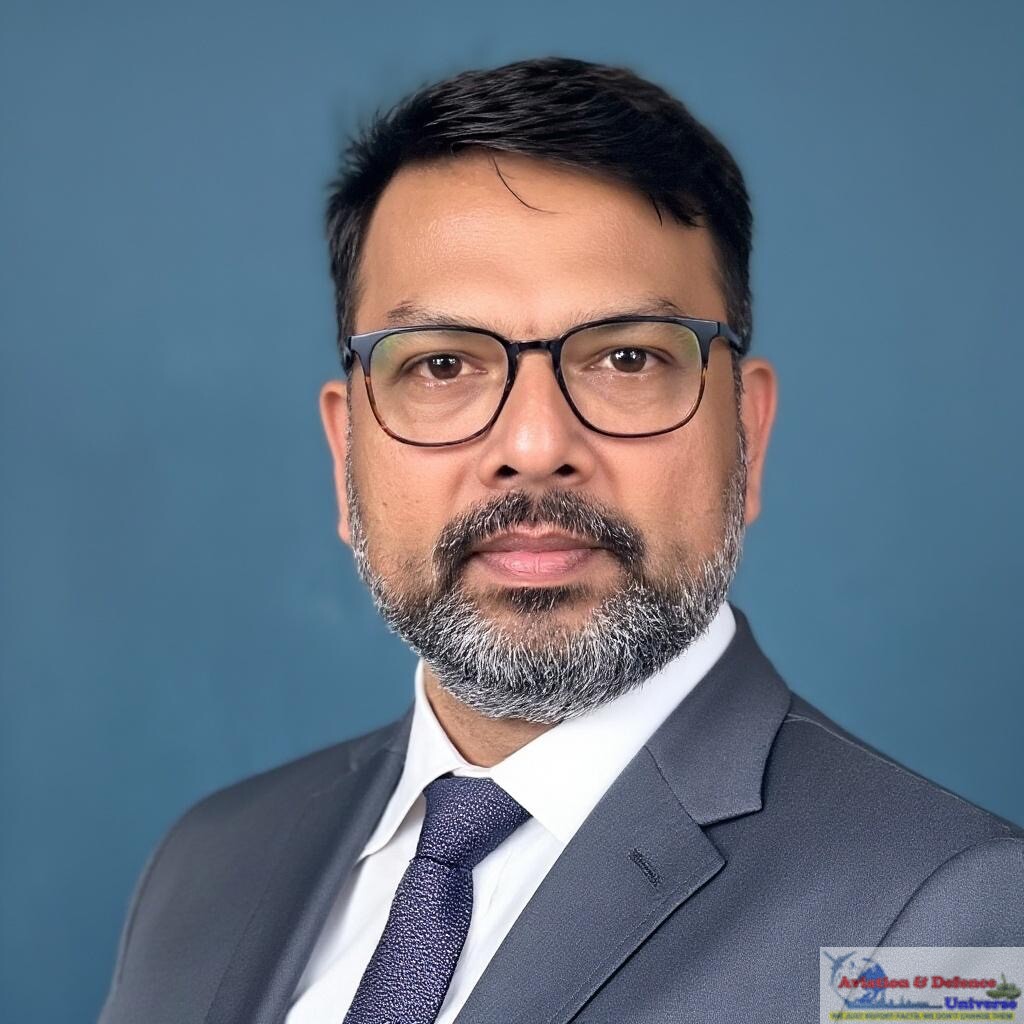
By Sangeeta Saxena
Farnborough. 26 July 2026. Lockheed Martin’s relationship with India is a story of partnership built over more than three decades, evolving from a customer-supplier engagement into one of industrial collaboration, capability development and long-term strategic cooperation. From supporting the Indian Air Force’s fleet of C-130J Super Hercules aircraft to establishing world-class manufacturing facilities with Tata Advanced Systems Limited (TASL) in Hyderabad, the company has steadily expanded its footprint in India’s aerospace ecosystem. Indian industry today manufactures critical aerostructures for Lockheed Martin’s global 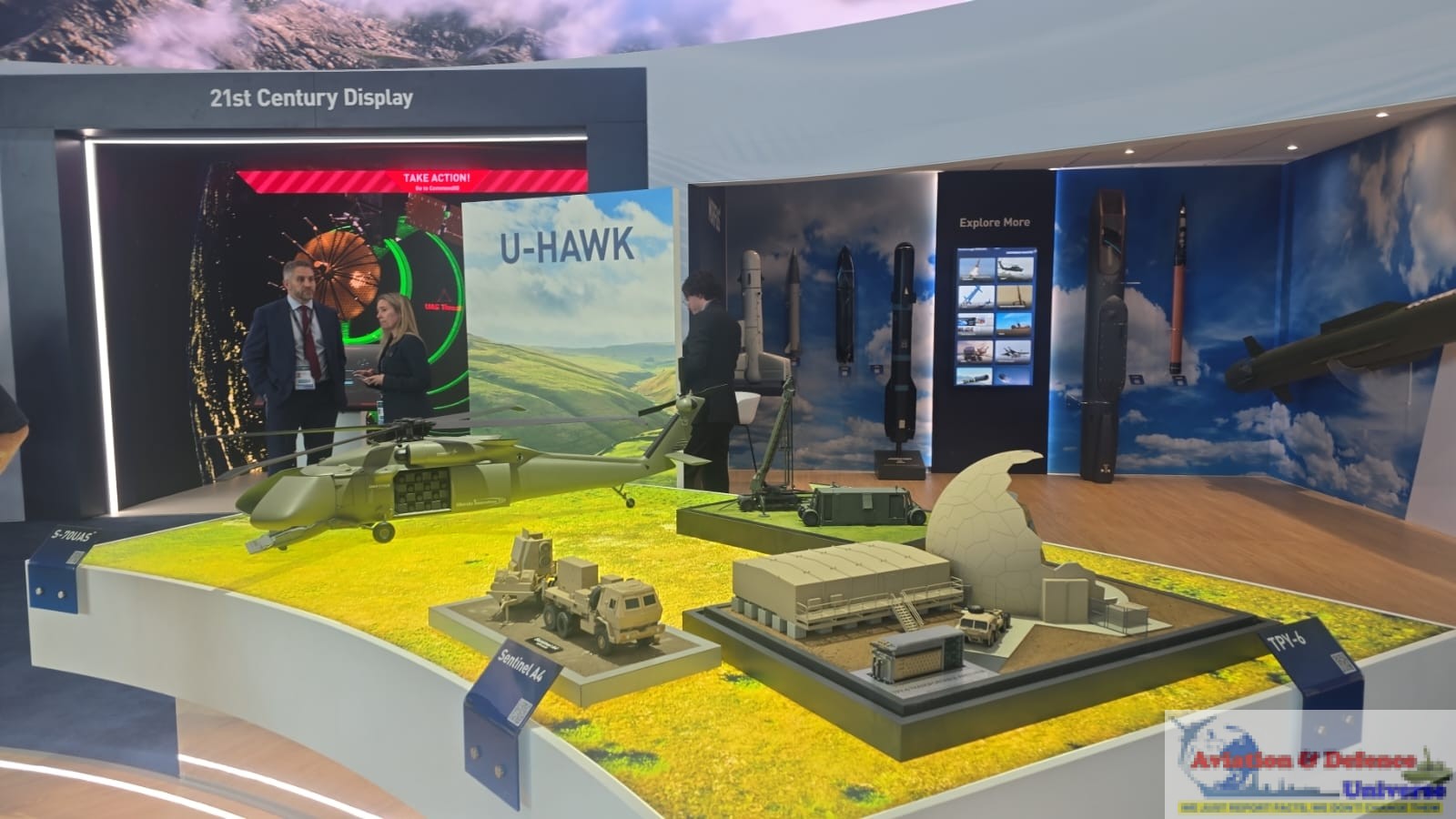 programmes, while the company’s investments in technology transfer, skill development, MSME participation and supply-chain integration have contributed significantly to strengthening the country’s aerospace manufacturing capabilities. With the proposed Medium Transport Aircraft (MTA) programme, a dedicated C-130J MRO facility in Bengaluru, and the possibility of establishing the first C-130J production line outside the United States, Lockheed Martin’s India journey is poised to enter an even more transformative phase—aligning closely with India’s vision of Aatmanirbhar Bharat and positioning the country as a key node in the global aerospace and defence supply chain.
And the story does not end here. Sikorsky’s presence in India has become one of the strongest examples of Indo-US aerospace industrial collaboration. Through its long-standing joint venture with Tata Advanced Systems Limited (TASL) in Hyderabad, Sikorsky has helped establish India as a key manufacturing hub within its global supply chain. The state-of-the-art facility manufactures complex aerostructures, including cabins for the S-92 multi-role helicopter, which are exported for final assembly and operation worldwide. Beyond manufacturing, the partnership has fostered technology transfer, precision engineering, workforce development and the growth of a robust network of Indian MSMEs, significantly enhancing the country’s aerospace capabilities. As a Lockheed Martin company, Sikorsky’s investments reflect a long-term commitment to India’s vision of Aatmanirbhar Bharat, demonstrating how global collaboration can create high-value manufacturing, strengthen indigenous capabilities and integrate Indian industry into the international aerospace ecosystem.
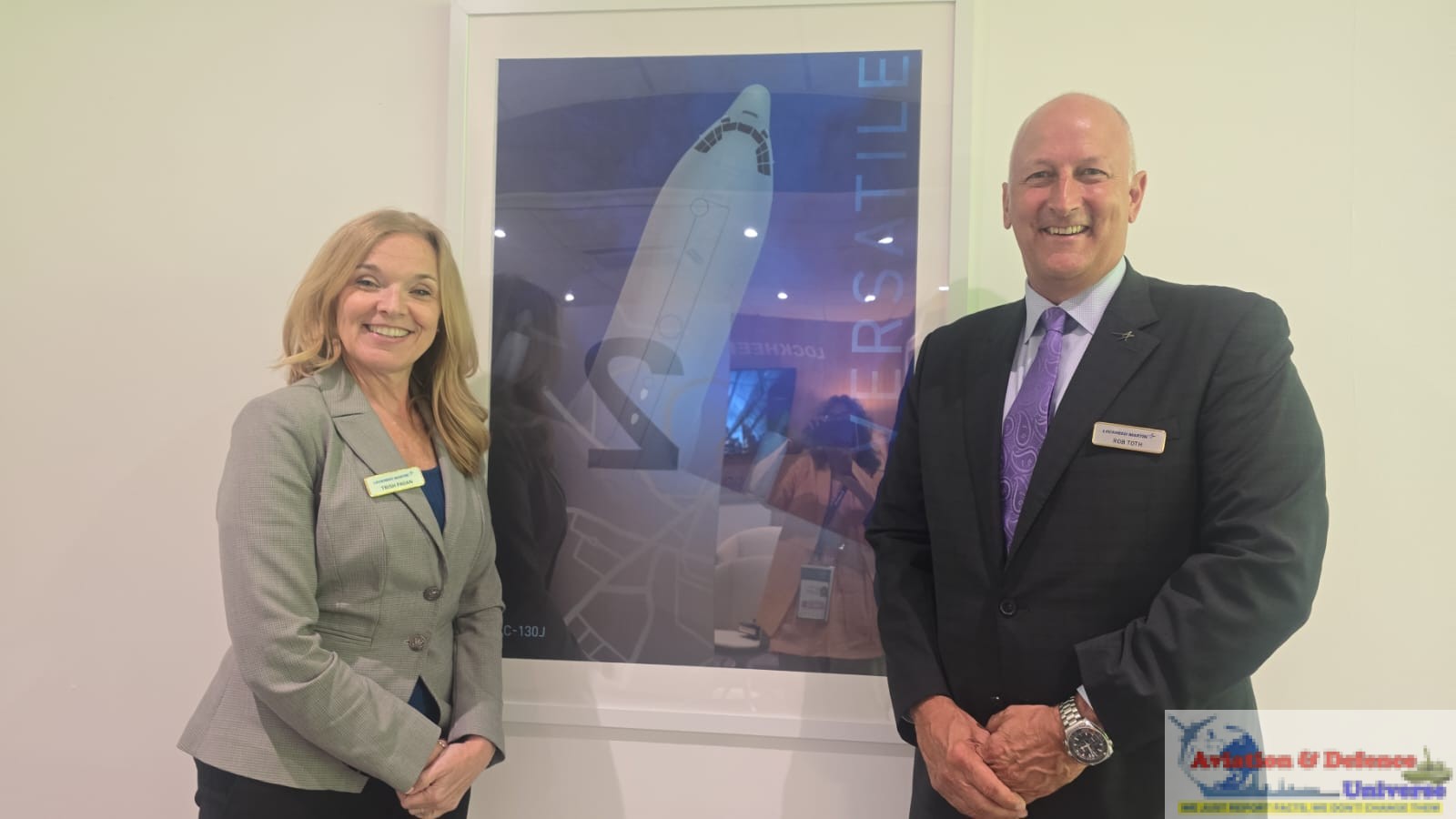
At the Farnborough International Airshow 2026, Aviation & Defence Universe (ADU) sat down for an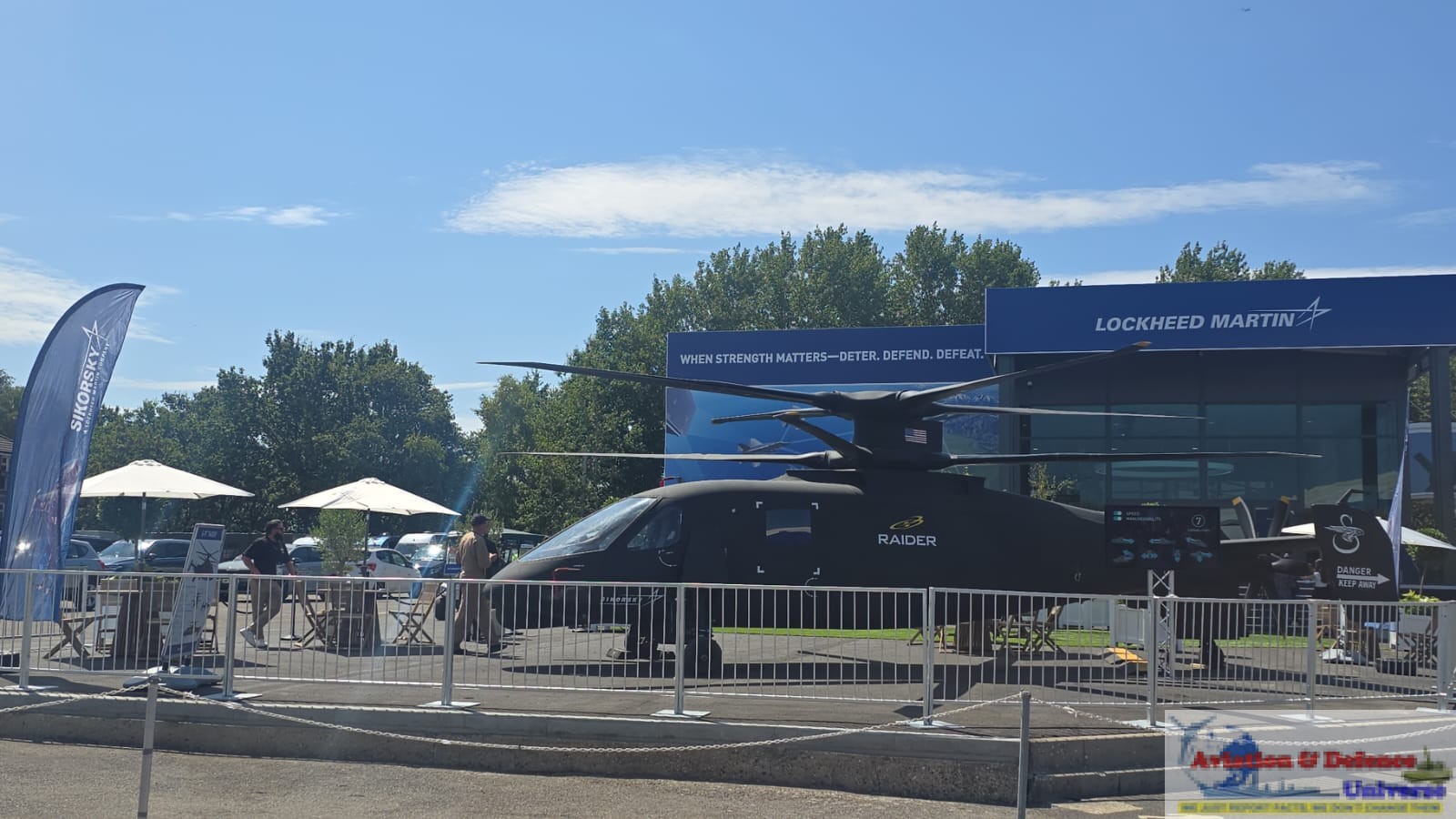 exclusive joint interview with Trish Pagan, Vice President, Air Mobility & Maritime Missions, and Rob Toth, Vice President, Air Mobility & Maritime Missions Business Development & Strategy, Lockheed Martin. The discussion centred on the C-130J Super Hercules, India’s forthcoming Medium Transport Aircraft (MTA) programme, Lockheed Martin’s expanding industrial footprint in India, the company’s long-standing partnership with Tata, the upcoming Maintenance, Repair and Overhaul (MRO) facility in Bengaluru, supply-chain opportunities, indigenous manufacturing and the future evolution of the world’s most successful tactical transport aircraft. Confident that the C-130J has already demonstrated its worth in Indian service, both executives explained why they believe it remains the ideal platform for India’s future airlift requirements.
ADU. The C-130J has always been close to India’s heart. What is new regarding the C-130J programme and India’s Medium Transport Aircraft (MTA) requirement?
Trish Pagan. We are very excited about the opportunity to compete the C-130J in India. The aircraft has a 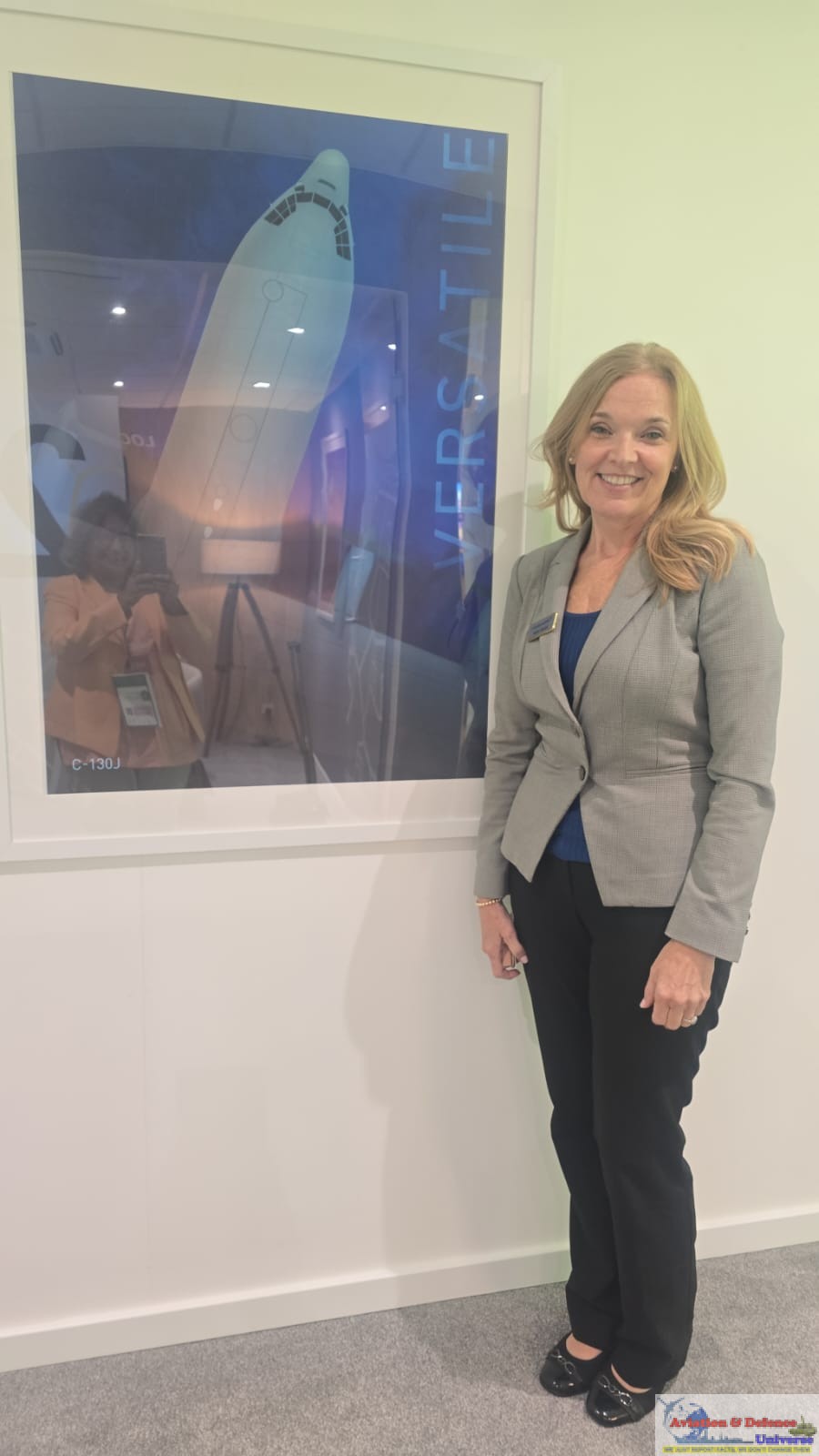 long history with the Indian Air Force and Lockheed Martin has been present in India for over three decades. More than 15 years ago, we began our partnership with Tata through our Sikorsky-Lockheed Martin joint venture in Hyderabad. Together we have helped build India’s aerospace and defence ecosystem by investing in technology, working with MSMEs and expanding manufacturing capability.
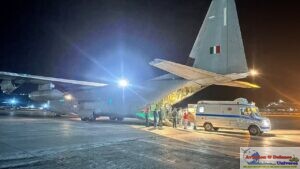
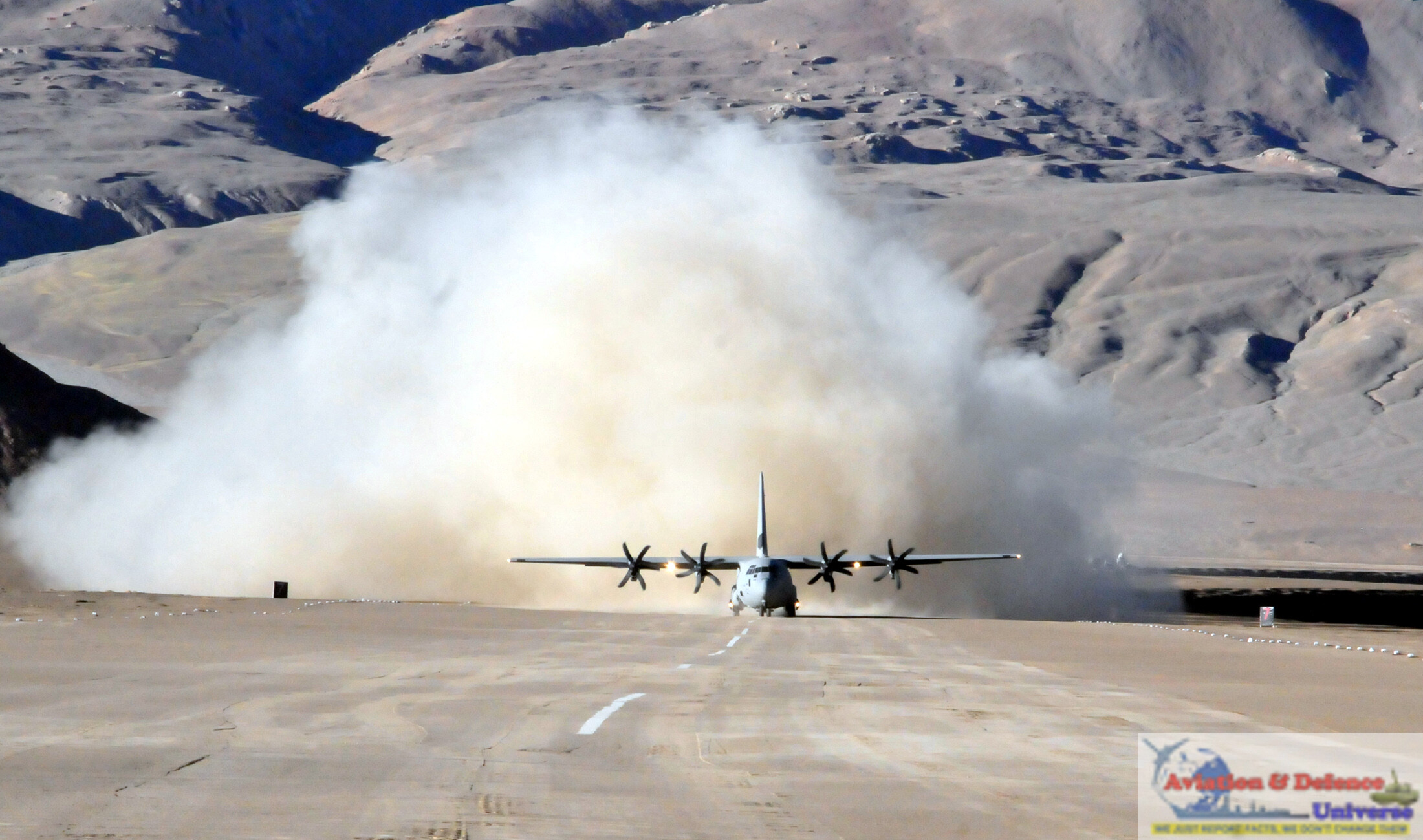
The Indian Air Force’s fleet of 12 C-130Js has flown more than 53,000 hours, maintaining a mission-capable rate of over 85 per cent. These aircraft have successfully undertaken humanitarian assistance, evacuations from Sudan and Afghanistan, rescue missions at extreme altitudes and operations at Daulat Beg Oldie. We believe the Indian Air Force has clearly demonstrated the capability and value of the C-130J, making it the ideal aircraft for India’s future requirements. We are also optimistic that the Request for Proposal (RFP) for the MTA programme will be issued soon.
ADU. What makes the C-130J stand apart from its competitors for the MTA programme?
Rob Toth. The biggest differentiator is that the capability has already been proven by the Indian Air Force. India’s C-130Js have accumulated almost three times the flying hours of our nearest competitor’s fleet. Operationally, the aircraft delivers more value. Compared to competing platforms, the C-130J carries approximately 15 per cent more palletised cargo, 60 per cent more passengers, 45 per cent more combat-equipped paratroopers and 30 per cent more medical evacuation litters. When logistics, disaster relief, humanitarian assistance or military operations are involved, throughput is everything—and the C-130J simply moves more people and equipment in every sortie.
ADU. Since the Indian Air Force already operates the C-130J fleet, how important is the existing support ecosystem?
Trish Pagan. That is one of our strengths. We are currently constructing a dedicated C-130J MRO facility in Bengaluru, which is around 40 per cent complete. It is expected to be ready by the end of this year, with the first Indian Air Force aircraft likely to enter the facility during the first quarter of 2027. The facility will support the existing fleet while also providing capacity for future aircraft under the MTA programme. It reinforces our long-term commitment to sustaining and upgrading the fleet within India.
ADU. Is there anything else you would like to add about why the C-130J is the right choice?
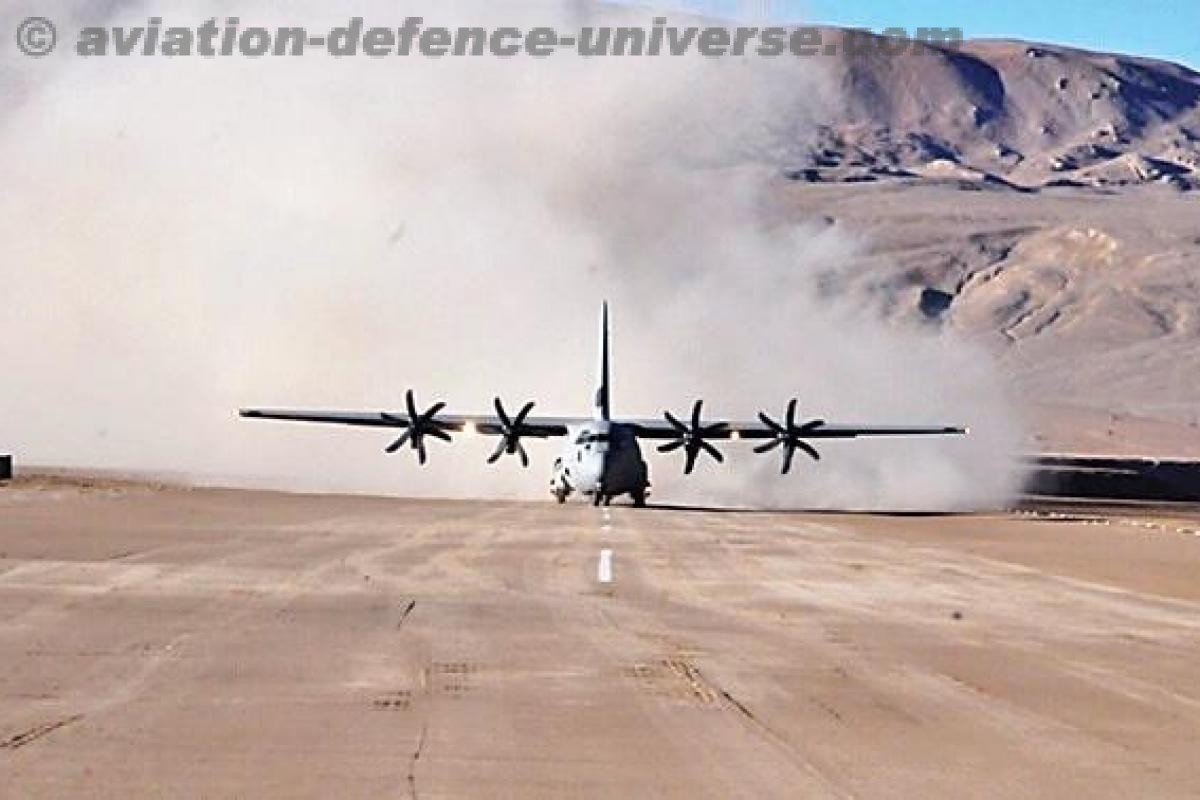 Rob Toth. When customers buy the C-130J, they are not simply buying an aircraft—they are gaining access to the entire Lockheed Martin enterprise. We continuously upgrade the aircraft based on operational experience and evolving threats. The C-130J is certified for 20 different mission sets and has demonstrated interoperability across multiple fleets worldwide. We often describe it as the workhorse of the world because it provides capability not only for one country but for many partners globally. We are confident it meets or exceeds every requirement of India’s Medium Transport Aircraft programme.
Trish Pagan. We often say the C-130J is “Built to Deliver and Built to Last.” It has been manufactured for more than 70 years, yet we continue to modernise and innovate the platform. We look forward to partnering with the Government of India as the aircraft continues to evolve.
ADU. Search and Rescue (SAR) is an important requirement for the MTA programme. How capable is the C-130J in this role?
Rob Toth. Search and Rescue has always been one of the C-130J’s defining strengths. It is not a capability 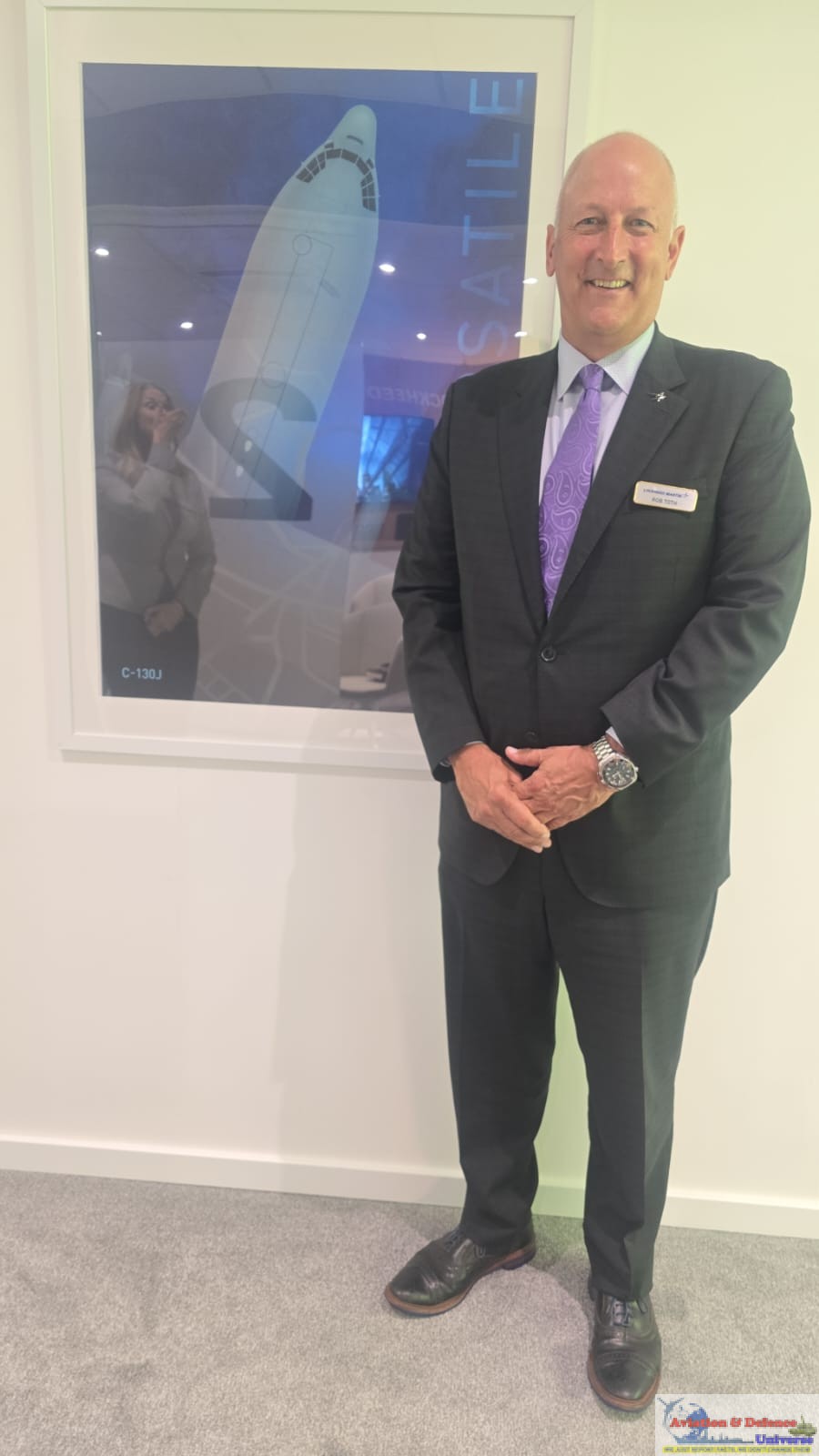 we are proposing—it is one that has already been certified and demonstrated operationally. The aircraft has been used extensively in real-world SAR missions around the world, including the recent rescue operations in Iran, where C-130 aircraft played a crucial role. Over decades of service, SAR has remained one of the platform’s cornerstone capabilities.
ADU. Lockheed Martin already has a strong industrial presence in India. How do you see the Indian supply chain growing?
Trish Pagan. Today our Indian partners manufacture the empennage for the C-130J, and we are looking to expand production of additional structural components by leveraging India’s highly capable workforce.
Rob Toth. The C-130 has one of the largest and most robust global supply chains in its class. Through our partnerships with Tata and Sikorsky in Hyderabad, we see enormous scope for expanding India’s role. If selected for the MTA programme, we intend to establish the first C-130J production line outside Marietta, Georgia, in India. That would be historic for the programme.
Trish Pagan. This would not only strengthen India’s aerospace manufacturing capability but also enhance the resilience of Lockheed Martin’s global supply chain. It would be a win for both India and the United States.
ADU. How much intellectual property and technology will Lockheed Martin transfer as part of the C-130J offering for India’s Medium Transport Aircraft programme?
Trish Pagan. Under the programme requirements, Lockheed Martin will fully comply with the Government of India’s transfer of technology (ToT) requirements. We will work closely with Tata Advanced Systems Limited (TASL) and our partners in India, sharing the manufacturing data and technology necessary to manufacture and build the C-130J in India. This transfer will include tooling, detailed parts manufacturing, major assembly and final assembly, enabling the establishment of a comprehensive production capability within the country. The objective is not merely to assemble aircraft in India but to build a sustainable indigenous manufacturing ecosystem that strengthens India’s aerospace industrial base while supporting long-term partnership and capability development.
ADU. Is the C-130J compatible with Sustainable Aviation Fuel (SAF) or synthetic fuels as part of the MTA offering?
Rob Toth. Yes. Lockheed Martin has conducted extensive studies on synthetic fuels, and the C-130J is fully  compatible with Sustainable Aviation Fuel (SAF). Expanding synthetic fuel capability across the C-130 Hercules fleet further strengthens our commitment to energy resilience, sustainability and mission readiness. Importantly, these fuels are already compliant with the C-130J’s operating specifications, meaning the aircraft can operate on SAF without requiring modifications, while maintaining the same levels of performance and reliability expected by operators worldwide.
The conversation with Trish Pagan and Rob Toth reflected Lockheed Martin’s confidence in both the C-130J platform and India’s growing aerospace ecosystem. Having established a strong industrial presence over more than three decades, the company sees the upcoming MTA programme as an opportunity to deepen its partnership with India through indigenous manufacturing, expanded supply chains, in-country MRO capability and technology transfer. With a proven operational record in Indian Air Force service, multi-mission versatility, an evolving global support ecosystem and the prospect of establishing the first C-130J production line outside the United States, Lockheed Martin believes the Super Hercules remains uniquely positioned to meet India’s future medium airlift requirements while simultaneously strengthening the country’s aerospace manufacturing base.
As Told To Sangeeta Saxena




















































-A4-Size-(2)_page-0001.jpg)