 18th BRICS Summit
















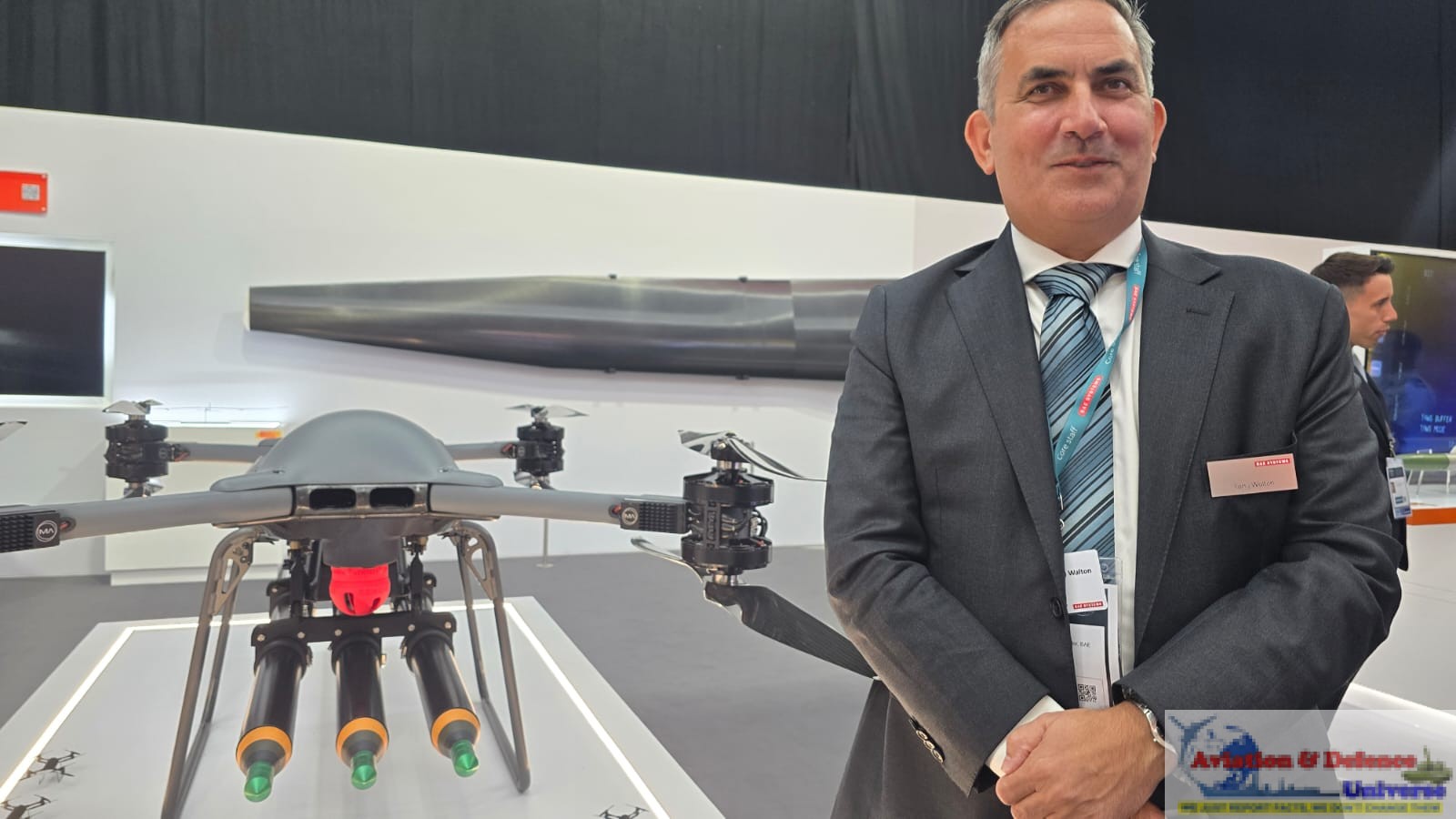
- ‘The Scale of India’s Modernisation is Incredible’: Tony Walton
- Creates New Opportunities for BAE Systems
- Building the Next Chapter of Indo-UK Defence Cooperation: BAE Systems in India
By Sangeeta Saxena
Farnborough. 29 July 2026. BAE Systems’ relationship with India spans several decades and reflects the steady evolution of the broader Indo-UK defence partnership. The company has contributed to some of the Indian Armed Forces’ most significant capability-building programmes, from supporting the Hawk Advanced Jet Trainer, which has played a vital role in training generations of Indian Air Force and Indian Navy pilots, to supplying the M777 Ultra Lightweight Howitzer, a system that has transformed India’s high-altitude artillery capability. Beyond supplying equipment, BAE Systems has progressively deepened its industrial engagement through technology transfer, indigenous manufacturing and long-term partnerships with Indian industry, including companies such as Hindustan Aeronautics Limited (HAL) and Larsen & Toubro (L&T). Today, the company’s focus extends beyond fulfilling offset obligations to integrating Indian MSMEs and larger manufacturers into its global supply chain, supporting the objectives of Aatmanirbhar Bharat while strengthening India’s position as an emerging global defence manufacturing hub.
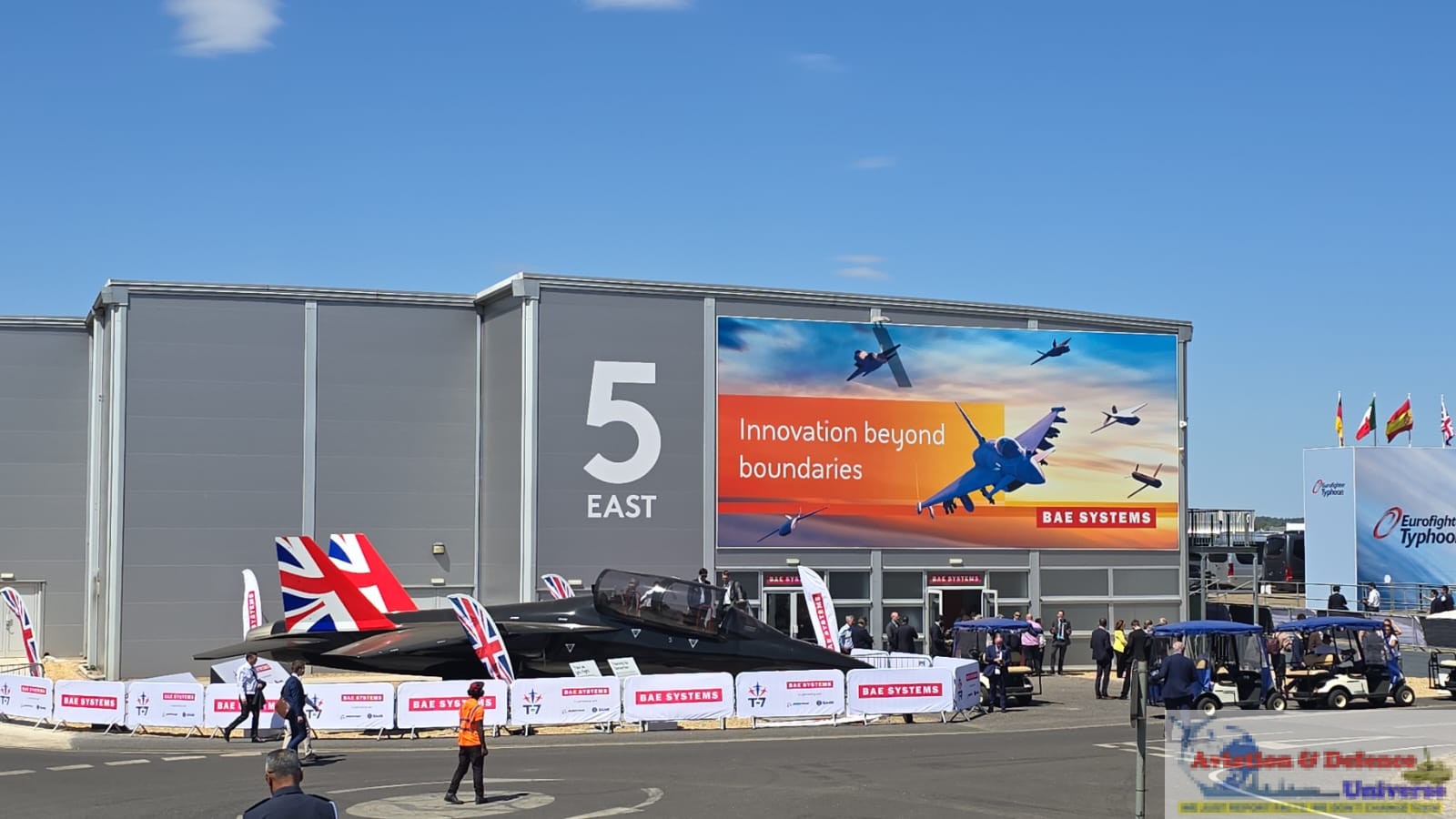 Few global defence companies have enjoyed as long and as enduring a relationship with India as BAE Systems. It has steadily expanded its role in one of the world’s fastest-growing defence markets. At the Farnborough International Airshow 2026, Aviation & Defence Universe (ADU) spoke exclusively with Anthony (Tony) Walton, Managing Director – India, BAE Systems, just three months after he assumed charge of the company’s India operations. In an insightful conversation, Walton discussed India’s ambitious military modernisation programme, emerging counter-drone and air-defence requirements, technology transfer, indigenous manufacturing, supply-chain development and his vision of transforming India from a customer into a regional manufacturing and export hub for BAE Systems.
ADU. We are meeting here Tony at Farnborough International Airshow 2026. Looking across the wide range of BAE Systems capabilities on display, what do you see here that is particularly relevant for India?
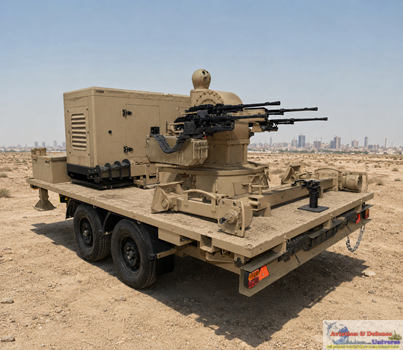
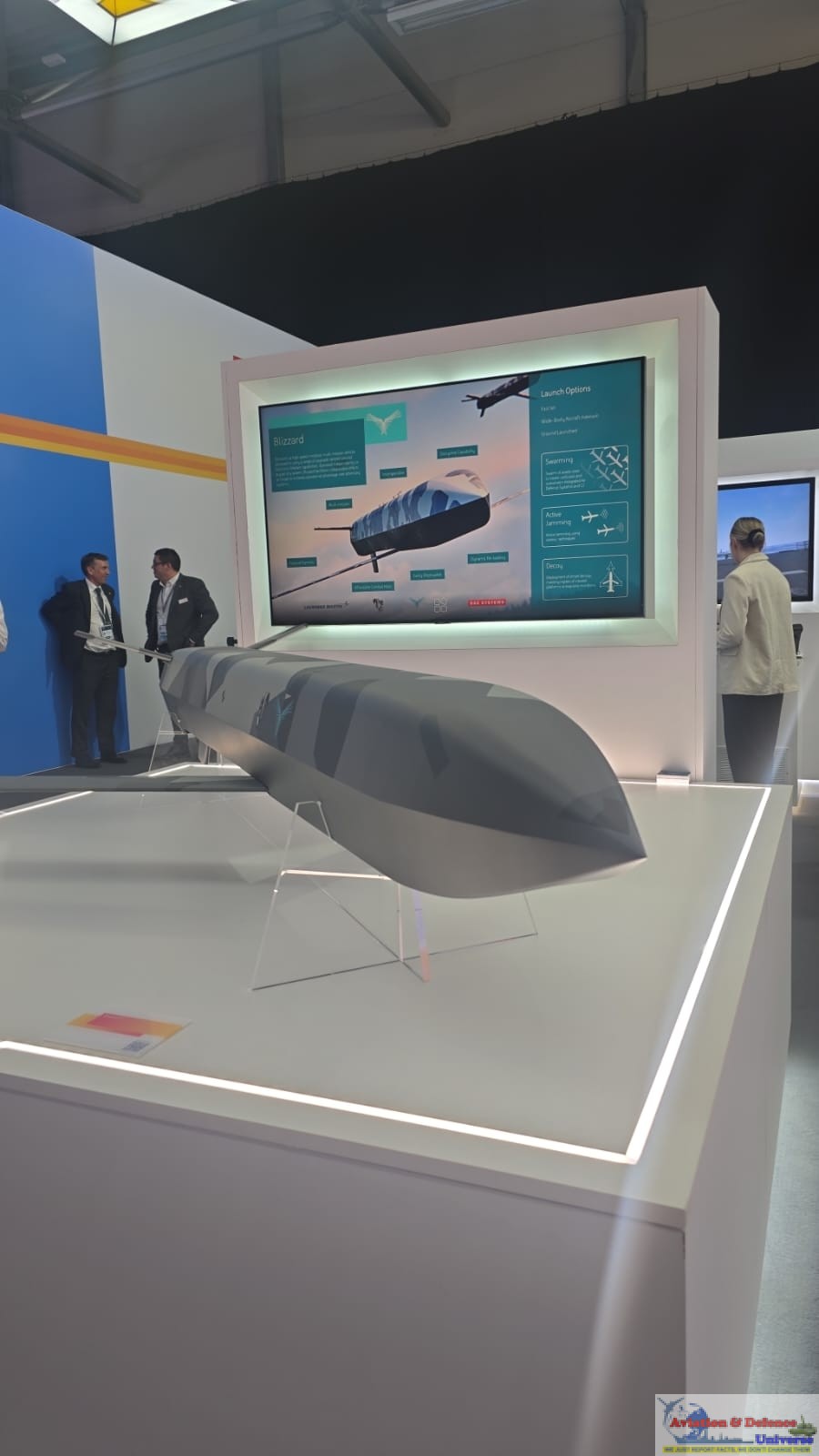
Anthony Walton. This is my first time at Farnborough, so I am enjoying it very much. There is a whole suite of BAE Systems capabilities on display. A lot of it is obviously relevant to India, although some of it isn’t. It has been really good to get across and see what we are doing on the air side, particularly with the 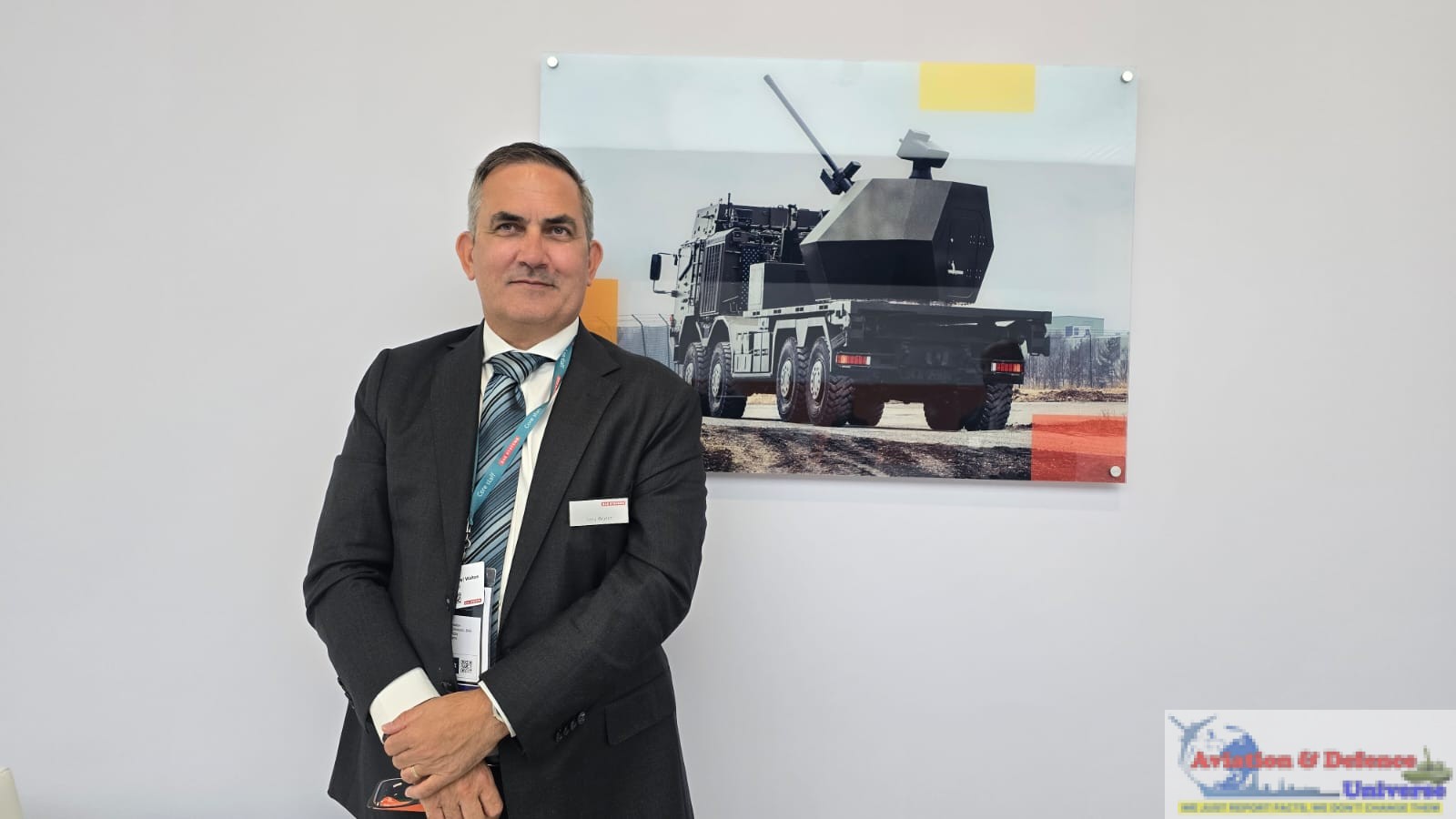 unveiling of the mock-up of the Brontanax Collaborative Combat Aircraft, for the Royal Airforce More relevant for India, though, are the drone and counter-drone capabilities. There are a number of different products that I think are highly relevant for India. We have a product called the Tridon Mk2 which is a truck mounted 40mm anti-aircraft gun system. Sweden and Denmark have both signed contracts to acquire it recently and are expecting their first deliveries shortly. I think that is certainly relevant given the lessons from recent operations and the focus on counter-drone technologies.
Then there are land-based radar systems. BAE Systems produces a suite of land-based radars. We also have a product called BATS, which is a software system for combining various drone sensors and effectors — both kinetic and non-kinetic — into a network. It enables information sharing and, depending on the level of effect required, allows drones to be countered through either non-kinetic or ultimately kinetic means.
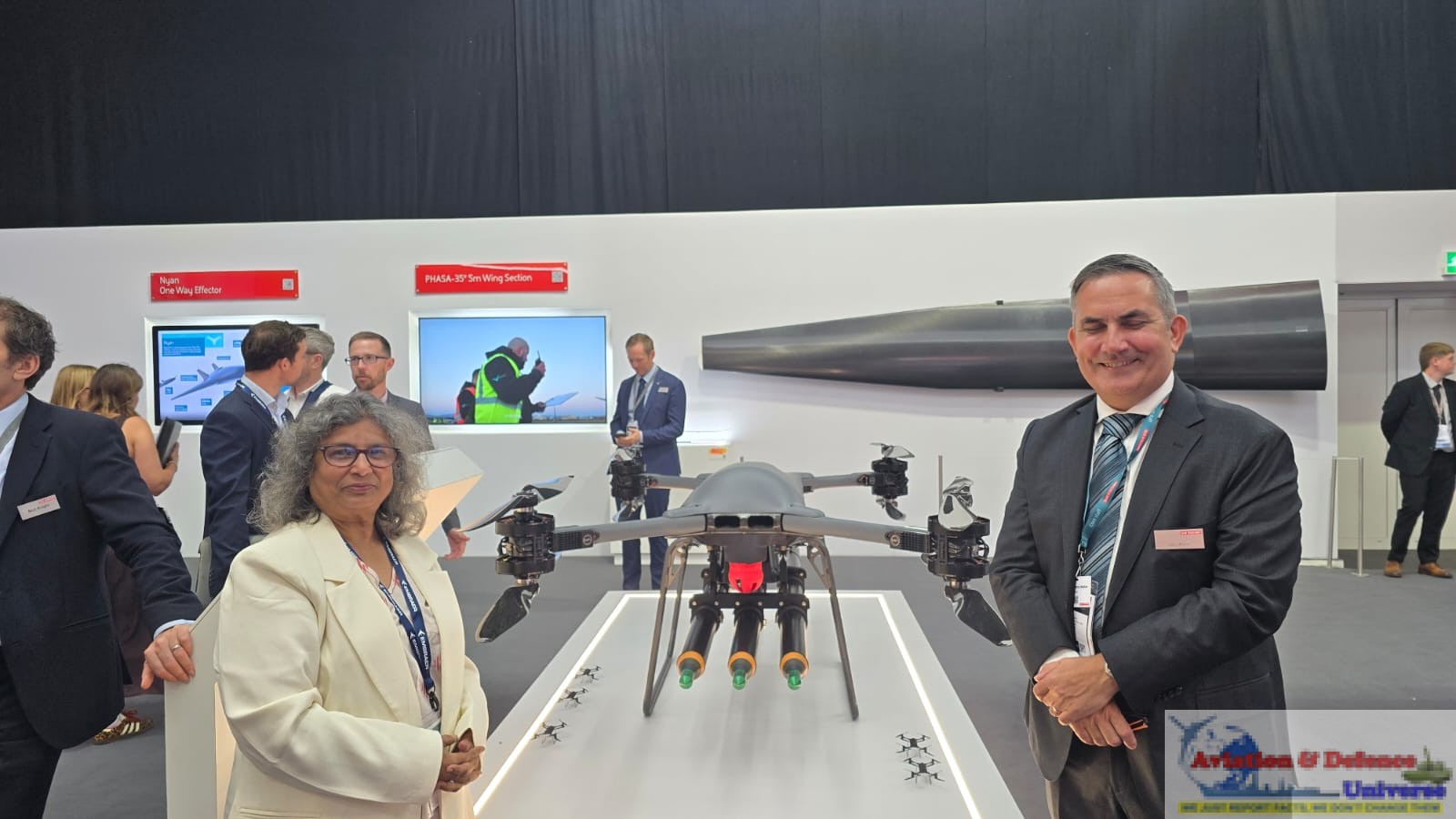
On the unmanned systems front, we have the T-150 from Malloy, a logistics drone. You can see it displayed here with 2.75-inch rockets. It has been fired with APKWS in a counter-drone capacity. More fundamentally, it also has the ability to operate as a logistics drone, particularly for transferring last-mile logistics to the frontline. Then there are some of the new products from Callen Lenz and FalconWorks, including one-way effectors. On display is a one-way effector that is being supplied to the UK military and is proving to be an effective one-way munition.
And, of course, there is space. We have Azalea and teams from Space & Mission Systems in the US and Digital Intelligence in the UK with a comprehensive space offering. There is a lot here that is relevant to India.
ADU. It has been around three months since you took over as Managing Director of BAE Systems India. How has the experience been, and what have you understood about India’s defence requirements so far?
Anthony Walton. I have only been there for three months, and I am absolutely loving it. I have a very good 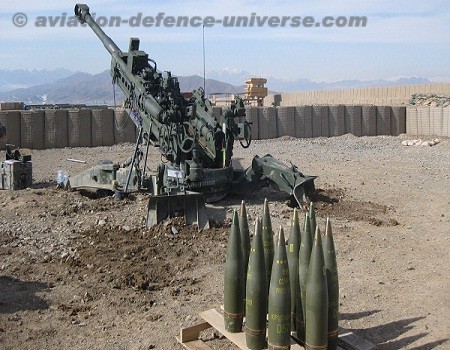 team that is well engaged with the Indian Armed Forces. I am still getting up to speed on the requirements, but I certainly understand that there is a strong focus on drone and counter-drone capabilities. What has really impressed me is the sheer scale of modernisation that India is going through, particularly on the naval front, along with the revitalisation of land equipment and investment in air capabilities.
It is such a dynamic environment, and the level of modernisation is incredible, particularly when viewed from my previous experience in Australia. The fact that India can commission three ships in one weekend is particularly impressive.
ADU. BAE Systems has had a long journey in India. As the new India head, what are your priorities in the short term and where would you like to see the company over the longer term?
Anthony Walton. We have a lot going on in India at the moment. My short-term plans are really centred around supporting the equipment that we have already delivered into India and finding opportunities aligned with the current requirements of the Indian Armed Forces. The question is. what are their current needs and how can we help them meet those needs?
Another major priority is building our supply chain. When we successfully delivered the M777 programme and met all the offset requirements, we saw very good cost savings and high-quality output from Indian companies. As a result, we decided to retain that team and move it from focusing on offsets to developing the supply chain. That team is now tasked with identifying SMEs and other companies in India that can feed into our global supply chain. We are looking for opportunities to grow that effort.
While it initially started with land systems and is now spreading into other parts of the business, we are also looking at providing more support into maritime programmes, including in Australia, and growing this capability across the company by demonstrating the benefits of working with India.
ADU. What are the specific programmes that will form part of your immediate focus in India?
Anthony Walton. Product-wise, there is Hawk. We will continue supporting HAL and, particularly, the Indian Navy and Indian Air Force with Hawk. Then there is the M777, which is already in service. We are looking forward to the finalisation of the long-term support programme under the Foreign Military Sales framework. We hope to have that in place by the end of the year to support the transition from the acquisition phase into the long-term support phase.
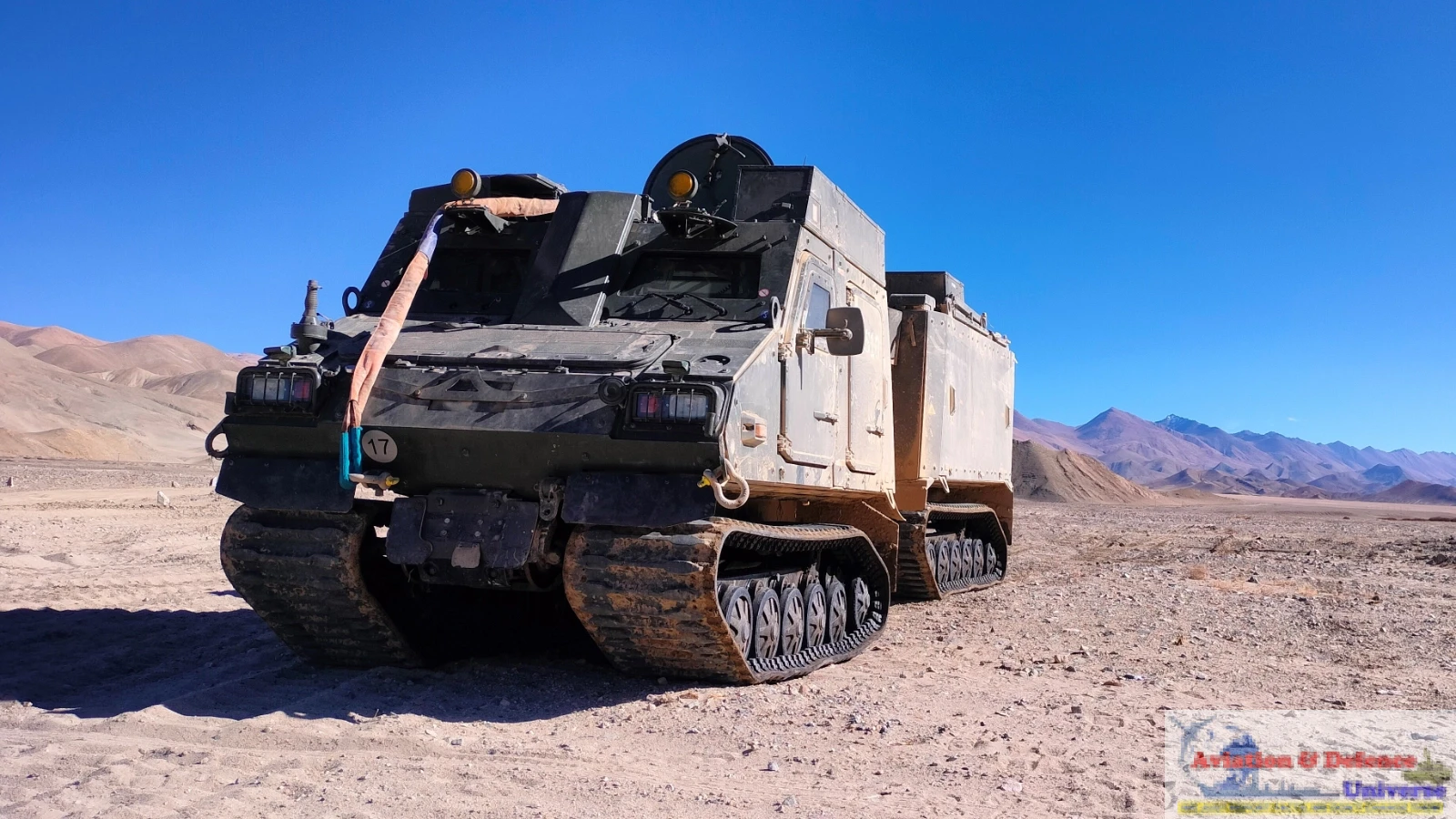 We also have L&T manufacturing the BvS10, with 13 vehicles under contract. We are looking forward to seeing those roll out and demonstrate their capability. Our hope is that once the Indian Army gets that capability into its hands and sees its value, it will lead to further opportunities. There is also the Tridon Mk2 air-defence platform, where we are engaging.
In another area, Hanwha, together with L&T, is looking to offer the Biho tracked self-propelled anti-aircraft capability. BAE Systems is looking to be the supplier of the 30mm ammunition for that programme. We would transfer the technology and undertake full production of the ammunition in India.
ADU. In the longer term, do you see India becoming more than a domestic manufacturing base for BAE Systems and potentially emerging as an export hub?
Anthony Walton. Ultimately, I see India becoming a manufacturing hub for the wider region. It is not just about supplying components and assemblies through our global supply chain into various products. For platforms such as the BvS10, when there is demand in Southeast Asia, there is the potential to produce vehicles in India and sell them into Southeast Asian markets from India. The opportunity is to partner and export. We have been involved in co-production and technology transfer for quite some time. The BvS10 is also a very good example of co-development, where L&T took our product and further developed it for operations in Ladakh and similar high-altitude areas. They invested in the product, and the result is a fantastic capability that we hope to supply in greater numbers to India and potentially export. The next step is to identify more opportunities for co-development and ultimately export to the global market.
ADU. How significant is India’s potential to become part of BAE Systems’ global supply chain?
Anthony Walton. The capacity that exists within India is incredible. We certainly see opportunities over the 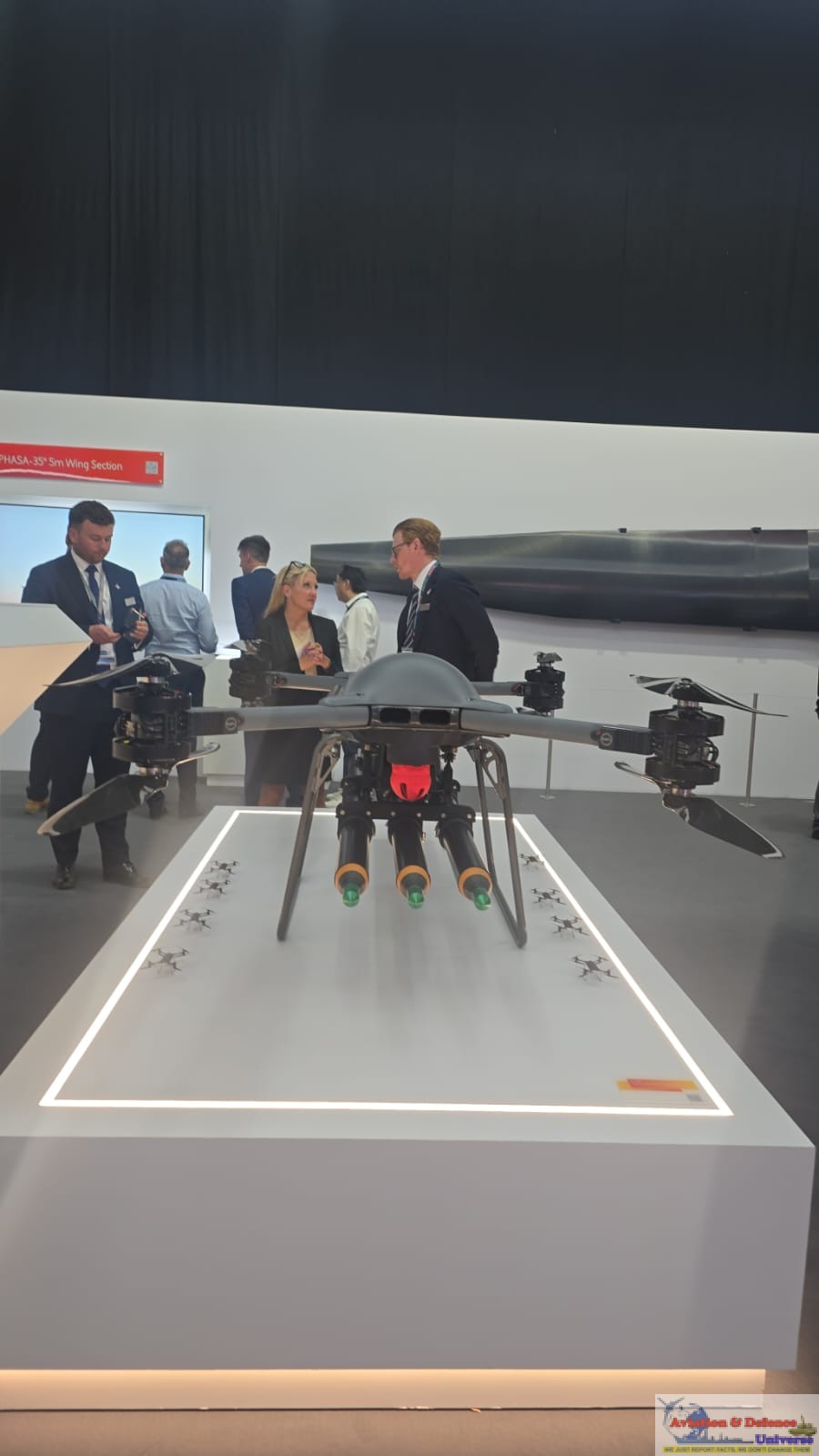 medium term to supply into the global market from India. The M777 supply chain is a very good example. Castings, forgings and components that were originally sourced in India for the M777 are now going into global products that are being supplied to other customers. Those components are coming from India, and that demonstrates the potential.
ADU. When BAE Systems transfers technology for a world-class product to be manufactured in India, how do you ensure that the Indian workforce receives the necessary skills and training?
Anthony Walton. As part of the technology transfer programme for the BvS10, we took L&T employees to Hägglunds in Sweden, where they underwent training. They then returned to India and implemented that training. A team from Hägglunds subsequently came to India to make sure that the technology and information had been transferred correctly and that everything was being done in the right way. That is essentially how the process works. The Indian team receives the training, returns and implements what it has learnt, and then our team works with them to ensure that the technology has been correctly understood and applied. L&T is a highly skilled company, and from everything I understand, the process has gone very well.
ADU. Farnborough has also brought a significant Indian industry presence. Do you see opportunities to bring more Indian companies into BAE Systems’ global supply chain?
Anthony Walton. Absolutely. We had a delegation of around 20 representatives from SIDM visit us, and we 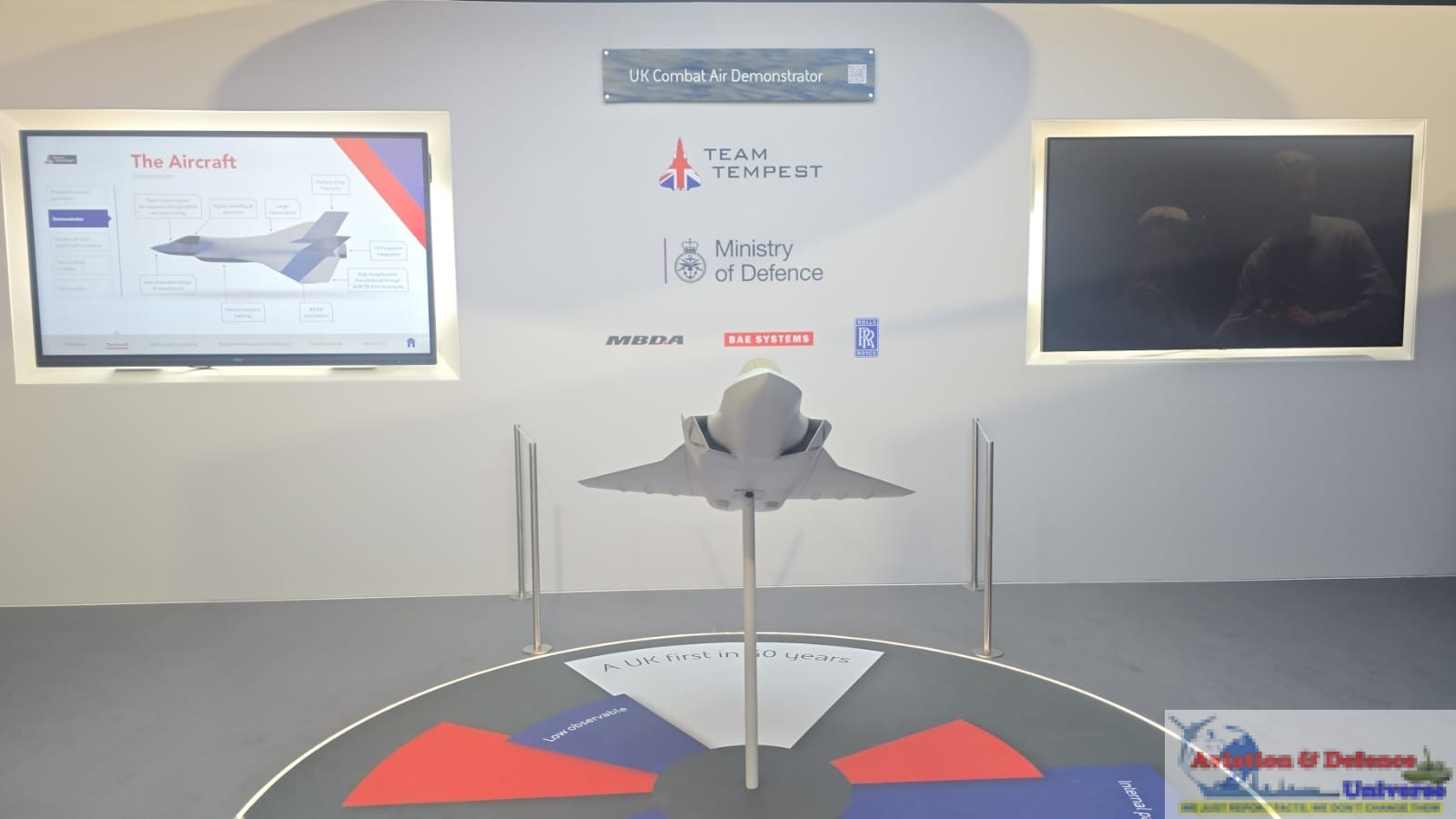 discussed their capabilities. I expect there will be a number of follow-up conversations. One of the actions I have taken is to look at holding a fireside chat with industry when I return to India. The idea is to articulate our priorities clearly so that Indian suppliers can align their capabilities with our requirements. For example, if we need composites for UAVs or thermal imaging cameras, companies that can deliver those capabilities should understand what our priorities are. We already have quite a few Indian suppliers in our global supply chain, but we are aiming to grow that number.
Part of the challenge is finding the right suppliers in India, but another part is promoting India’s capabilities within BAE Systems itself. Some parts of our business are already very comfortable working with the Indian supply chain because of their experience, while for other parts of the business Indian suppliers are relatively new.
ADU. Which new areas within BAE Systems could potentially benefit from Indian suppliers?
Anthony Walton. We are currently doing some work with our maritime and Australian businesses looking at valves and other maritime components to investigate Indian capabilities. We know that India can produce naval ships and that the scale is amazing. What we need to do is demonstrate those capabilities to our maritime businesses. Once they understand the scale, quality and competitiveness available in India, I think there will be significant opportunities. The price point is important, but the quality of the product is also excellent. Because India has scale, it can be highly competitive.
ADU. BAE Systems’ naval capabilities are perhaps less widely recognised in India than programmes such as the M777. Do you see opportunities to expand the company’s maritime engagement with India?
Anthony Walton. We absolutely have significant naval capabilities. We are building Type 26 anti-submarine 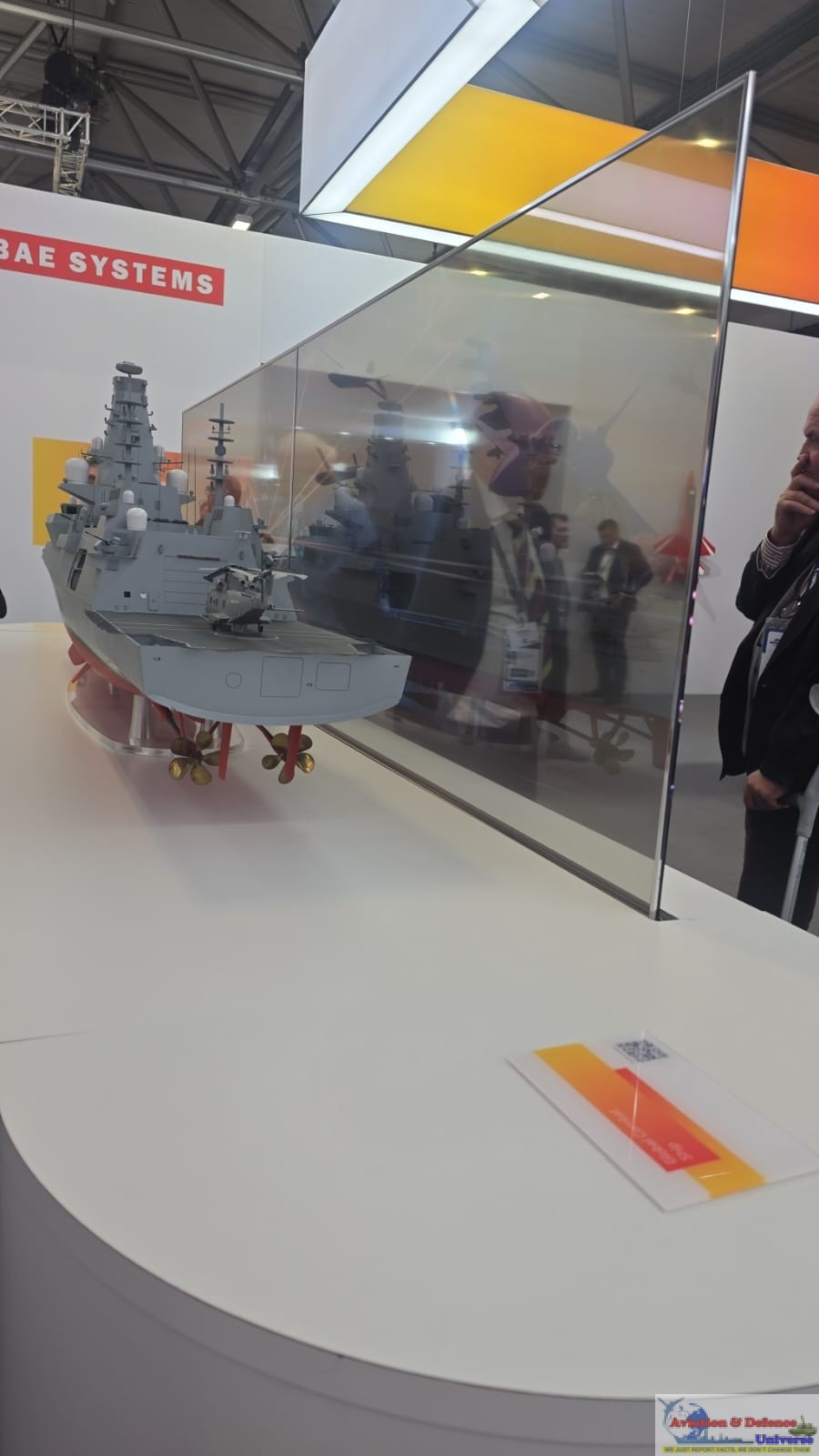 warfare ships and nuclear-powered submarines, and we have extensive capabilities across naval guns, radars, combat management and other systems. There are also potential synergies with products such as our 40mm cannon. The air-defence gun has significant commonality with the naval gun, and there could be opportunities, particularly for smaller Indian naval and coast guard vessels. We should certainly talk more about our wider naval capabilities.
ADU. You also recently visited BAE Systems facilities in the UK. Did you identify any additional capabilities that could be particularly relevant to India?
Anthony Walton. Yes. Before coming to Farnborough, I took the opportunity to visit a number of our sites. I met the Hawk team, and we are very interested in supporting HAL to pursue life-extension opportunities for Hawk in India. The BAE Systems team has successfully undertaken life-extension programmes for other customers, so we believe there is a strong offering that could increase the service life of India’s in-service Hawk airframes. I also visited the facility where we manufacture the 30mm ammunition that we are looking to offer for the Biho programme. They have just commissioned a brand-new 30mm production line.
I initially thought we might be looking at transferring existing technology into India for local production. But what I saw was a completely new production line, and that is the technology they would potentially be looking to transfer. The team has also recently gone through a programme of transferring 155mm technology to Poland. So we have a team that is experienced in transferring technology internationally and has just commissioned a new production line. It is therefore an excellent time to consider how a new 30mm production capability could be transferred to India.
ADU. Are there emerging BAE Systems technologies that you believe could address future requirements of the Indian Navy?
Anthony Walton. I also visited the team working on the Herne extra-large autonomous underwater vehicles. It is a very exciting capability that is coming along, and I think it has real potential to meet the needs of the Indian Navy. BAE Systems has a very broad maritime portfolio. We are building advanced naval vessels and submarines, while also working across autonomous underwater systems, naval guns, radars and other technologies. There is considerable potential for deeper engagement with India across these areas.
 Defence and aerospace have become one of the defining pillars of the modern India-United Kingdom strategic partnership. Both countries are increasingly collaborating across advanced defence technologies, maritime security, aerospace manufacturing, cyber security, innovation and industrial cooperation. British companies such as BAE Systems are playing an important role in this journey by bringing advanced technologies, encouraging co-development, facilitating technology transfer and investing in local manufacturing capabilities. At the same time, India’s rapidly expanding defence industrial base offers British industry access to a highly skilled workforce, globally competitive manufacturing and a growing ecosystem of innovative suppliers. As both nations seek to strengthen resilient supply chains and diversify global manufacturing networks, partnerships such as those fostered by BAE Systems are transforming the Indo-British relationship from a traditional buyer-seller model into one centred on co-development, co-production, innovation and exports, creating long-term strategic value for both countries.
Tony Walton’s vision for BAE Systems in India is one of partnership rather than procurement. While supporting legacy programmes such as the Hawk and M777 remains a priority, the company’s ambitions clearly extend much further—to building resilient supply chains, transferring advanced technologies, developing Indian manufacturing capability and positioning India as a regional production and export hub for sophisticated defence systems. His emphasis on co-development, indigenous manufacturing and integrating Indian industry into BAE Systems’ global supply chain reflects the changing nature of international defence cooperation. As India continues one of the world’s most ambitious military modernisation programmes, BAE Systems sees an opportunity not only to contribute cutting-edge technologies across land, air and maritime domains, but also to become a long-term partner in strengthening India’s defence industrial ecosystem. The interview underscores a broader reality: the future of Indo-British defence cooperation will be built not merely on platforms, but on shared innovation, industrial collaboration and strategic trust.
As Told To Sangeeta Saxena














































































-A4-Size-(2)_page-0001.jpg)