


 18th BRICS Summit














- 72 Satellites, One Ambition: Wants to Connect the Unconnected
- No More Black Spots: Plans Space-Based Aircraft Tracking Across the Oceans
- Catch It, Control It, Bring It Down: Samtel Enters the Space-Debris Challenge
By Sangeeta Saxena
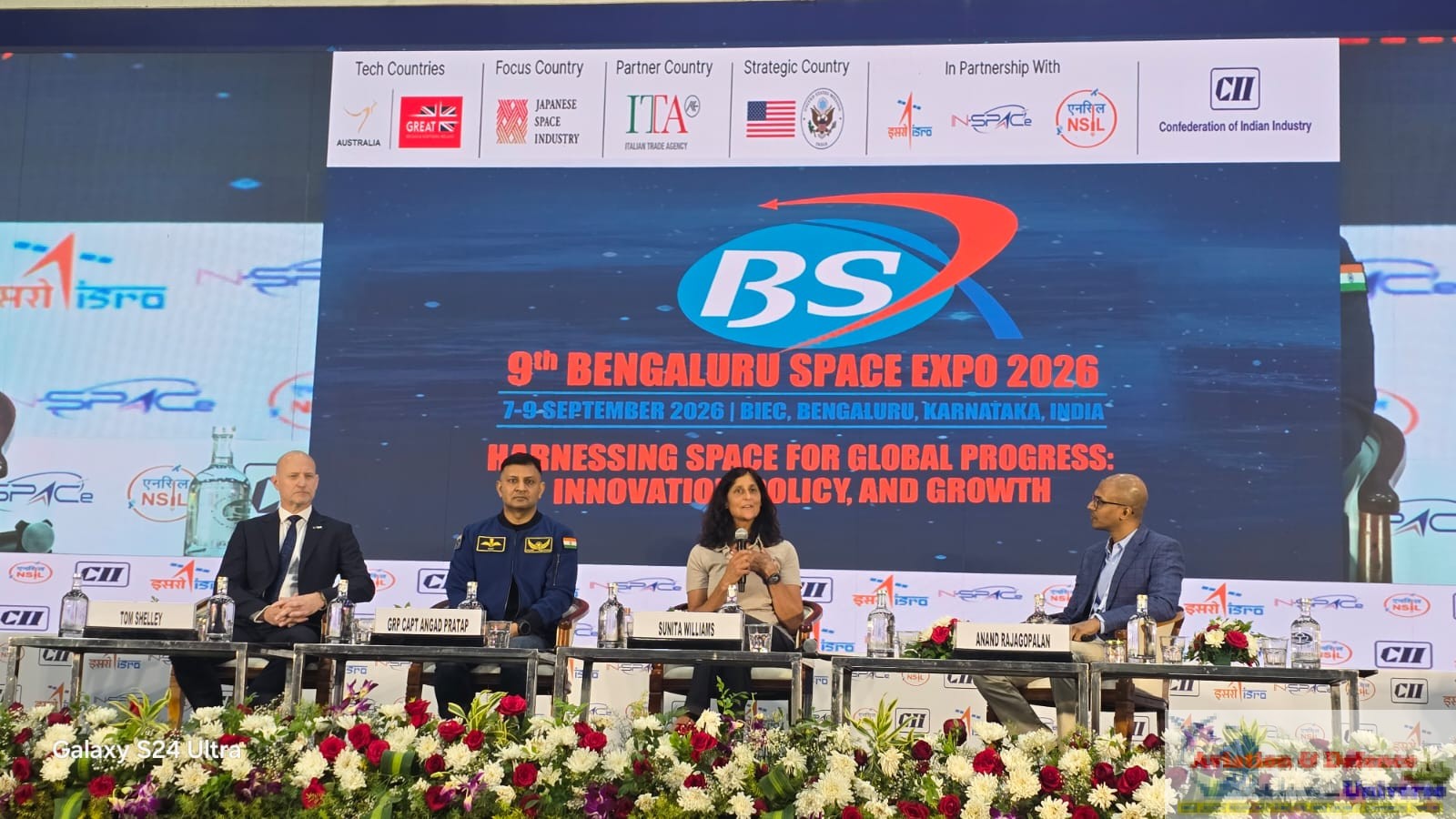
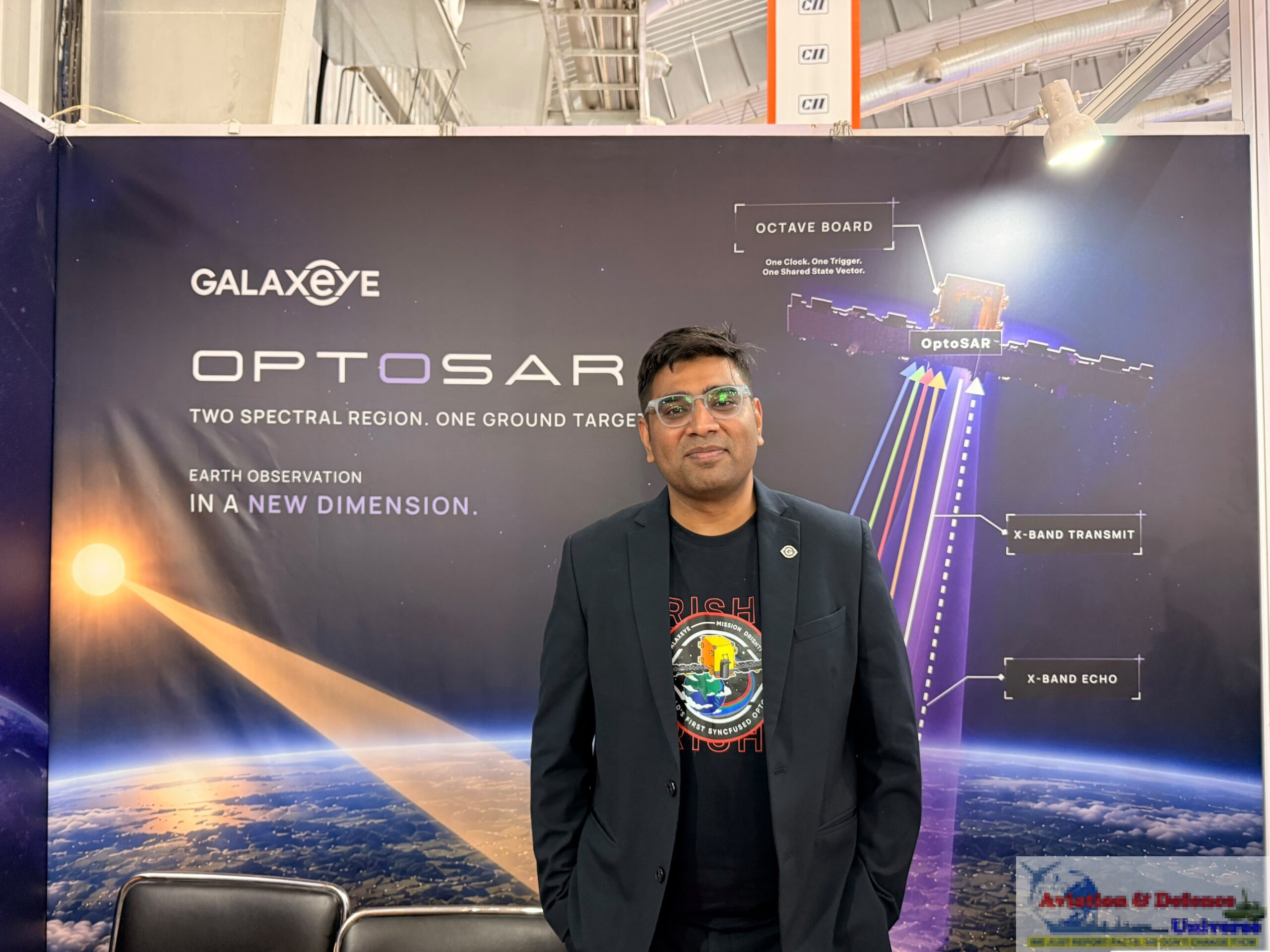
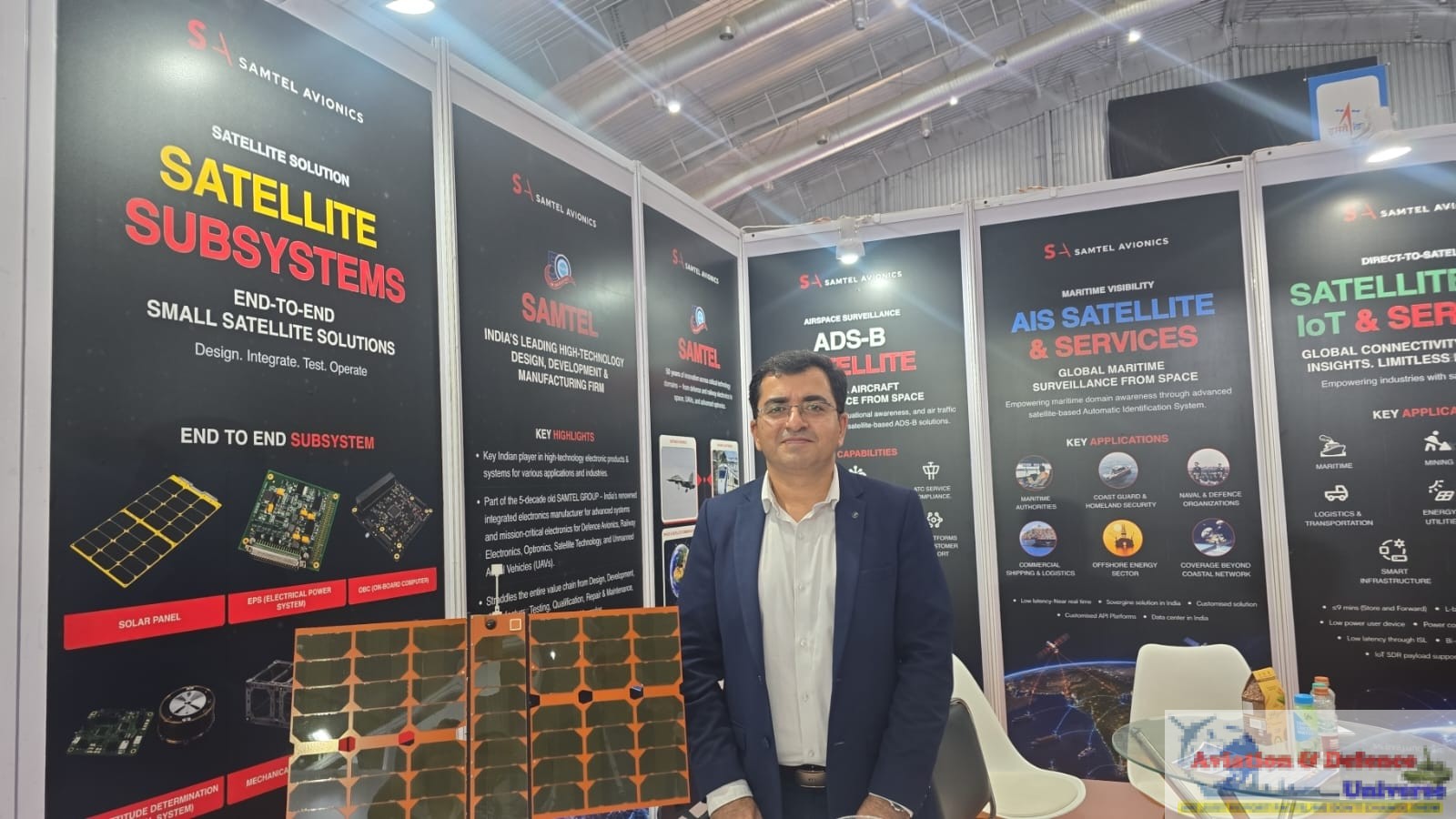
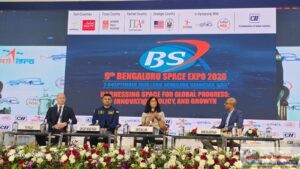
Bengaluru. 08 September 2026. For more than five decades, Samtel has evolved with India’s electronics journey—from commercial electronics to defence avionics and indigenous hardware for fighter aircraft. Now, it is looking upwards. At Bengaluru Space Expo (BSX) 2026, Samtel Avionics unveiled an ambitious transition from aviation electronics into space, with plans spanning CubeSats, narrowband satellite communications, IoT connectivity, aircraft and ship tracking and even active space-debris removal. At the heart of the strategy is an audacious plan for a 72-satellite Low-Earth Orbit constellation designed to connect assets across land, sea and air.
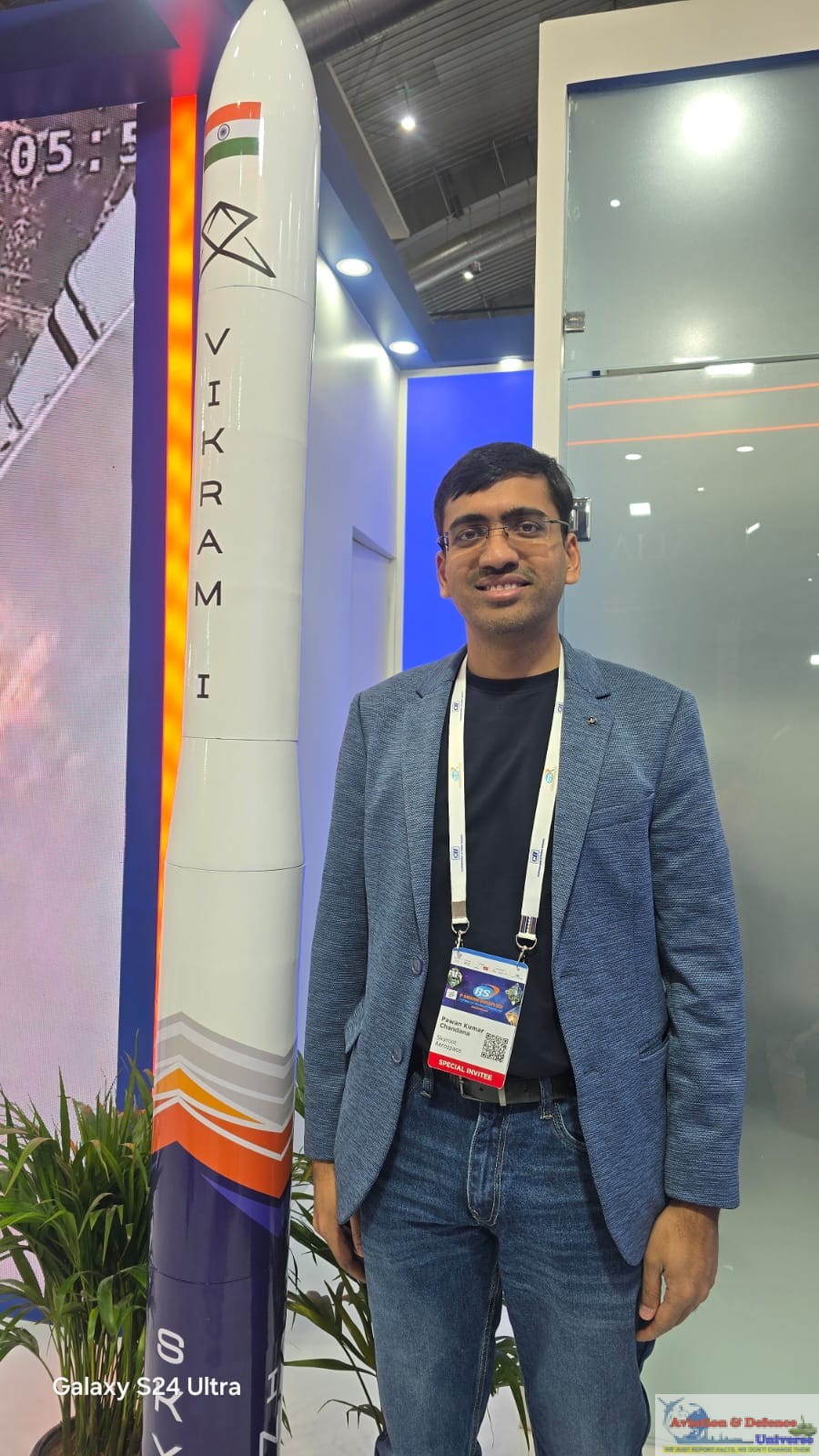
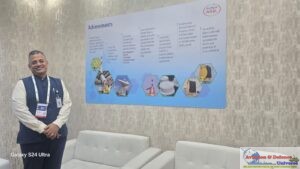
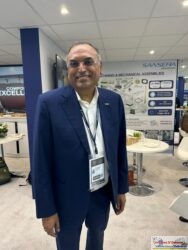
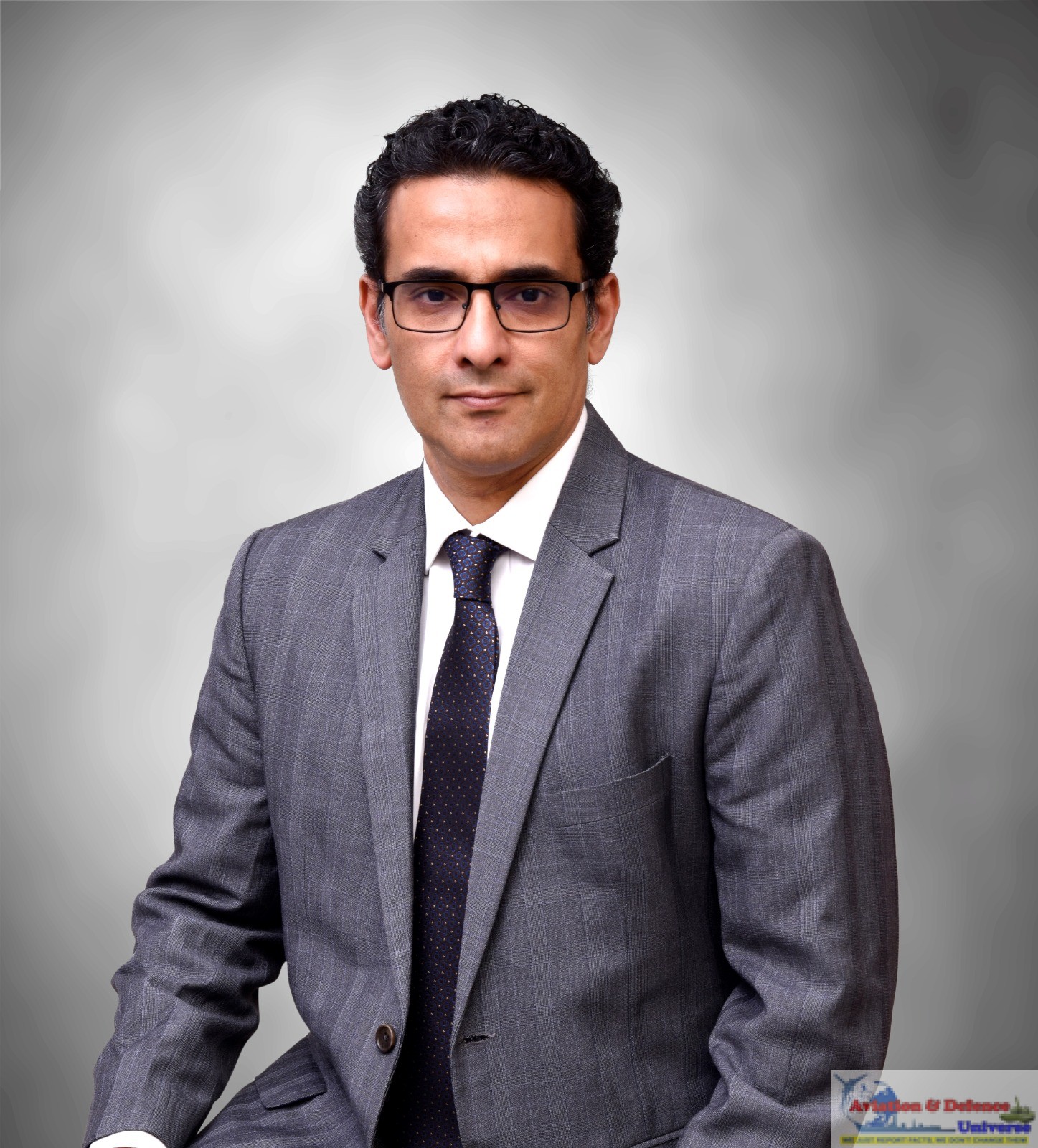
For Rakesh Bhan, CEO–Space, Samtel Avionics Ltd., the move is not an abrupt diversification but a “natural transition” for a company whose engineering DNA has been built around designing and indigenising complex technologies in India. Samtel is also moving towards acquiring technology and assets in Switzerland, developing manufacturing capability in India and creating services for markets extending from India to Australia and Brazil. In this exclusive conversation with Aviation & Defence Universe (ADU) at BSX 2026, Bhan explains why Samtel wants satellites to connect the unconnected, eliminate tracking black spots over oceans and eventually help clean up the increasingly crowded orbital environment.
ADU. Rakesh, we are meeting here at BSX 2026 and Samtel is showcasing heavily on the space front. What are you showing here?
Rakesh Bhan. Let me first introduce what we are doing and what we have been doing for the last one year. Samtel, being a more than 50-year-old company, was classically doing commercial electronics. Then we started doing defence electronics for fighter jets, and we have gone through a lot of evolution. We were part of the journey of indigenising hardware from scratch in India, benchmarking and building patented sorts of solutions in India. Having that attitude of build-to-spec and build-to-design systems actually fits into the way space works. For space, there is nothing called getting the technology from outside and it will work for you. You have to actually incubate the technology. Having that DNA of building for aviation for three-plus decades in India, Samtel’s journey into space is actually a natural transition.
ADU. So where did you identify the opportunity for Samtel in space?
Rakesh Bhan. Over the last year we had a lot of brainstorming inside Samtel about what we should do for space. We ended up finding a niche where there is a dearth of CubeSats and Narrowband SATCOM applications, not only in India but across the world. We earmarked a gap area called IoT or MSS. IoT is Internet of Things and MSS is Mobile Satellite System. It is communication between ground and ground through short messaging.
If you put a device on a moving platform—a truck, wagon, ship or railway bogie—or on a fixed asset such as sensors in mining or farmland where there is no connectivity, you can track those assets. The uses are enormous. maritime safety, water security, mine health and many other things. So, we are connecting the unconnected. It is like last-mile connectivity.
ADU. What technology will enable that connectivity?
Rakesh Bhan. We have a small payload on a CubeSat. A satellite is around five to six kilograms and goes into orbit at around 600 kilometres in LEO, or Low-Earth Orbit. The devices on the ground are around 400 to 500 grams. That device connects to the satellite from anywhere. We did a lot of system simulation to see how many satellites we would require to cover the whole globe. We have right now baselined our study at 72 satellites.
ADU. Seventy-two satellites is a major constellation. Do you have the manufacturing capability for that?
Rakesh Bhan. Definitely. Through this process we are also acquiring a company and its assets in Switzerland. The deal should be finalised in the next two to three months. We are acquiring not only the company but the technology and trying to build it in India. The technology already in place in the Switzerland unit will not just be sent to space as it is. We are going to upgrade it, refit it to our needs and then send it to space. We are going to mass-produce satellites in India and build the whole constellation over the next two-and-a-half to three years.
ADU. Will you wait for all 72 satellites before offering services?
Rakesh Bhan. No. As the constellation grows—four satellites, 16 satellites, 32 satellites and another 32—we will start rolling out services accordingly. A few customers will start putting our devices at their customer ends in the next three to four months. After that, as our constellation grows, we will start expanding. Not only in India. We have some customers in Australia to serve, and we have customers and prospective customers in Brazil, typically in mining.
ADU. How do you see Samtel fitting into India’s growing space ecosystem?
Rakesh Bhan. We are looking to work with NSIL. We had an engaging meeting with NSIL today and are hoping to work with Indian PSUs through it. We are trying to become part of the ecosystem in India. Of course, we cannot build the whole satellite system in India alone. We need competent manufacturing partners and suppliers. For our MSS-IoT solutions, we see applications with fisheries for vessel tracking, the Railways for tracking assets, and oil and natural gas for pipeline and distributed-asset monitoring where connectivity may not exist. We are also trying to be part of the ecosystem through IN-SPACe. They are the guiding agency for us.
ADU. IoT is one part of the story. What else are you planning to put on this constellation?
Rakesh Bhan. Other than IoT and MSS, we are exploring ADS-B—Aircraft Broadcast Surveillance System—for tracking aircraft. In India, out of around 400 start-ups, and including the national space agency, nobody is doing ADS-B. This has been a requirement of the Airports Authority of India for quite some time. We believe there is only one American company serving much of the world, with more than 60 per cent market share, and there is no alternative for customers. So we are trying to build an ADS-B ecosystem for aircraft tracking.
ADU. Why is space-based aircraft tracking important?
Rakesh Bhan. Commercial aircraft can be tracked from the ground. But as soon as you go towards the sea, there is no tracking device on the sea, so it goes black. I’ll give you the example of MH370, the Malaysian Airlines aircraft which vanished without tracking and was never traced. These are the black spots across the seas where airline routes exist. We are trying to see aircraft from space through ADS-B, so your flights are tracked all along wherever they are—whether over the poles, the sea or anywhere else. That is the solution we are trying to produce through this 72-satellite constellation.
ADU. So land and air are covered. What about the oceans?
Rakesh Bhan. The third thing is AIS for ship tracking. Authorities monitoring the seas mandate AIS on ships so that they are traceable and their locations can be identified. But although ships are transmitting that data, you need devices to receive it. It cannot always be captured from shore because the shore is too far away. It has to be caught from the sky. We are therefore trying to put a small AIS payload on the same constellation. So, we can monitor assets on the ground through IoT, aircraft in the sky through ADS-B and ships at sea through AIS. We are producing all three solutions.
ADU. Where will this manufacturing take place?
Rakesh Bhan. We are trying primarily to be in Gurgaon, and if required, elsewhere as well.
ADU. You mentioned the company in Switzerland. Where is it located, and will it focus entirely on space?
Rakesh Bhan. We have already registered Samtel Switzerland. We are in Lausanne, and we are acquiring the assets through that Switzerland company. It will be typically space only. We are trying to establish a footprint in Switzerland through that company.
ADU. How international is the network you are creating?
Rakesh Bhan. We already have frequency landing rights in Switzerland, Brazil and Australia, and are working across a much larger number of countries. We are yet to get the landing rights in India for this frequency.
ADU. You have covered land, sea and air. But Samtel is also entering a very different area—space-debris management. Tell us about that.
Rakesh Bhan. We are doing something very niche called space-debris management. Whatever goes into space—satellites, for example—after its life is finished becomes debris. Eventually it may come back towards Earth, but it takes time. You cannot allow these satellites to roam freely because there is a probability that they can hit another live satellite. If this space pollution happens, it’s a disaster. It can generate many smaller particles. With the number of satellites going into space, eventually somebody has to clean that and bring it back faster.
ADU. How can satellites actually be removed from orbit?
Rakesh Bhan. There are different ways. One technology can be attached to a satellite before it goes into space. It remains attached, and after the satellite’s life is finished—four years, five years or ten years—you reactivate the device and bring the satellite down. That’s one way. But thousands and thousands of satellites are already in space without this technology. Somebody has to go into space, capture the satellite and bring it down. That is called active debris removal. The system attached before launch is passive debris removal. We are into active debris removal. We go to space, capture the satellite and push it down.
ADU. That sounds extraordinarily complex.
Rakesh Bhan. It looks very easy when I say it, but it is very complicated because you have to go to space. Every piece of debris may be moving at around 7.5 kilometres per second. Imagine the kinetic energy. It is a critical operation. Everything cannot be monitored live from the ground, so everything has to be autonomous and AI-based—identify the debris, approach it, and because the debris may be rotating on its axis, detangle it, slowly capture it and then push it down to the point where it can burn up quickly. We are building the technology for active debris removal. We are not there yet. We have to build it over the next few years.
ADU. And where does your Japanese collaboration fit into this?
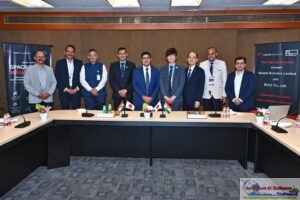
Rakesh Bhan. The Japanese company is making passive debris-removal devices, while we are doing active debris removal. We thought, let us collaborate. They are doing passive; we are doing active. Whenever we go to a customer, we have all the technologies ready. It’s a complete solution.
ADU. We are at the end of Day Two at BSX 2026. How has the response been?
Rakesh Bhan. It has been great. The traction has been great. The more we appear at these types of conferences, the better it is because we get to know what is happening in the world. That is very important. We are looking for solutions and manufacturing partners. We also get to see where we stand and whether our solution is going to work and where we need to improve. And we get to understand what the customer needs, because finally everybody has to know what the customer ultimately needs. We fine-tune our path accordingly. We had a lot of good interaction with NSIL, customers and government bodies, and many people wanted to know what we are doing. It’s customer outreach and partner outreach.
From Fighter Cockpits to a Constellation Above Earth
For a company whose technological roots run through India’s electronics and fighter-aircraft ecosystem, Samtel’s move into space represents an intriguing next chapter. What Rakesh Bhan described at BSX 2026 is not merely a plan to manufacture a few CubeSats. It is an attempt to create an integrated space-based connectivity and tracking architecture across land, air and sea—IoT for terrestrial assets, ADS-B for aircraft and AIS for ships—all riding on a planned 72-satellite constellation.
There is also an unmistakable Atmanirbhar Bharat thread running through the conversation. Samtel intends to acquire technology and assets internationally, adapt and upgrade them, manufacture satellites in India and develop an Indian supplier ecosystem rather than simply import finished solutions. As Bhan put it, space is a domain where technology cannot simply be brought from outside and expected to work: “You will have to actually incubate the technology.”
But perhaps the most futuristic element of the conversation came after discussing connectivity. As hundreds and eventually thousands more satellites populate Low-Earth Orbit, putting spacecraft into space will be only half the responsibility. Someone will also have to clean up after them. Samtel’s ambition to develop autonomous, AI-enabled active debris-removal technology consequently takes its space journey beyond exploiting orbit to thinking about sustaining it.
For ADU, the conversation offered an interesting glimpse of how India’s established aerospace and defence companies are responding to the NewSpace revolution. Samtel spent decades helping build electronics for machines that fly through India’s skies. Its next ambition is to place a constellation above them—connecting the unconnected below while ultimately helping keep the orbital highways above clean.
As Told To Sangeeta Saxena






























































-A4-Size-(2)_page-0001.jpg)