 18th BRICS Summit













- From Gaganyaan and satellite propulsion to NewSpace partnerships and Make in India
- “Building in India Is Very Important” : Noel Ballot Maps Safran’s Space Strategy
By Sangeeta Saxena
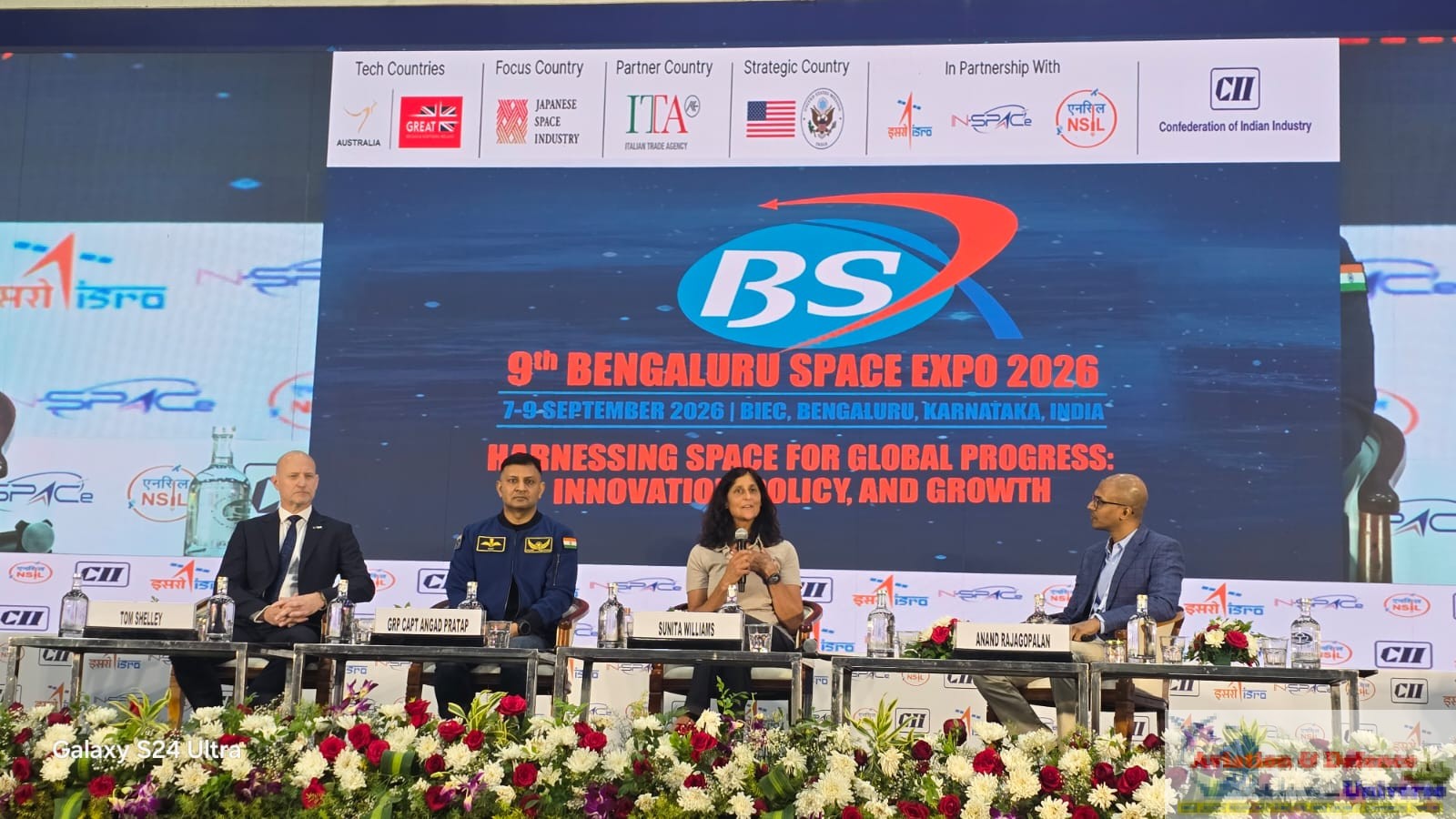
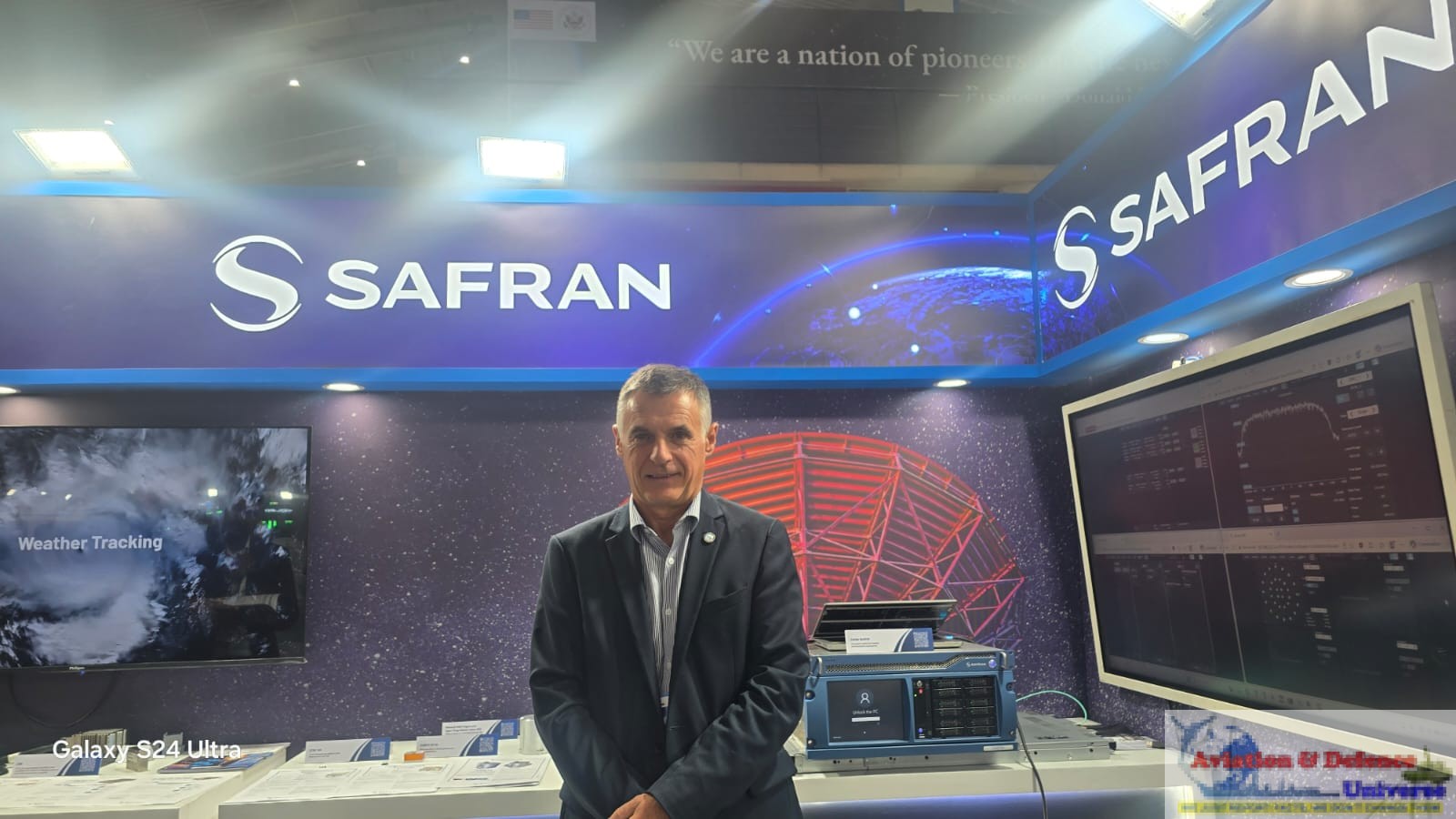
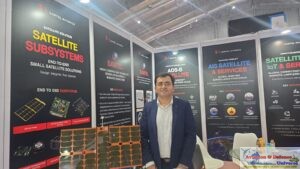
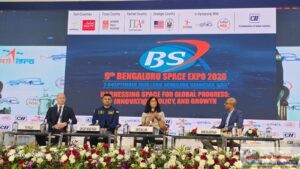
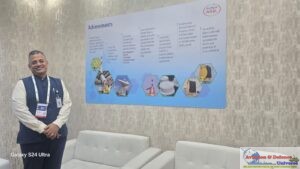
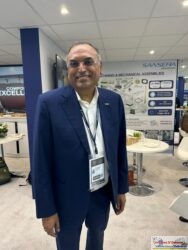
Bengaluru. 08 September 2026. The crowds around the space exhibits at BSX 2026 told their own story. Established space majors stood alongside ambitious Indian start-ups, young engineers packed the aisles, partnerships were being discussed and MoUs seemed to be arriving by the hour. At the busy Safran stand, the story was equally about transition—from a decades-old relationship with India’s government space establishment to a rapidly expanding engagement with private NewSpace companies, defence users and an increasingly indigenous supply chain.
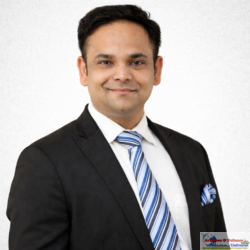
For Noel Ballot, SVP Sales & Marketing, International Business Partners, Space GBU, Safran, India is no longer simply an important customer market. It could become an important manufacturing and supply-chain base as global demand for satellite constellations accelerates. Safran already manufactures selected space products in India, plans to localise satellite modems and is examining the possibility of bringing electrical-propulsion manufacturing to the country. Ballot believes India’s space ecosystem is maturing so rapidly that the country could eventually become “number 2 or at least number 3” worldwide.
In this exclusive conversation with Aviation & Defence Universe (ADU) at BSX 2026, Ballot discusses Safran’s work with ISRO and Gaganyaan, its partnerships with Indian NewSpace companies, satellite propulsion, space situational awareness, Make in India, supply-chain challenges and why the extraordinary enthusiasm of India’s youngsters convinced him that the country’s space moment has truly arrived.
ADU. We are meeting here at BSX 2026 in Bengaluru, and it seems to have been raining MoUs since yesterday. The Safran stall has also been absolutely jam-packed most of the time. What is Safran showcasing here?
Noel Ballot. Safran Space is showcasing most of the equipment that we are already providing to the Indian ecosystem, either directly to governmental organisations or through our activities with defence organisations. One thing which is very important is that we are collaborating with many NewSpace companies which are using our equipment for building reliable solutions for applications for the Armed Forces and to serve the Indian government’s safety requirements.
ADU. It is Day Two of the event. How has the footfall and response been for Safran?
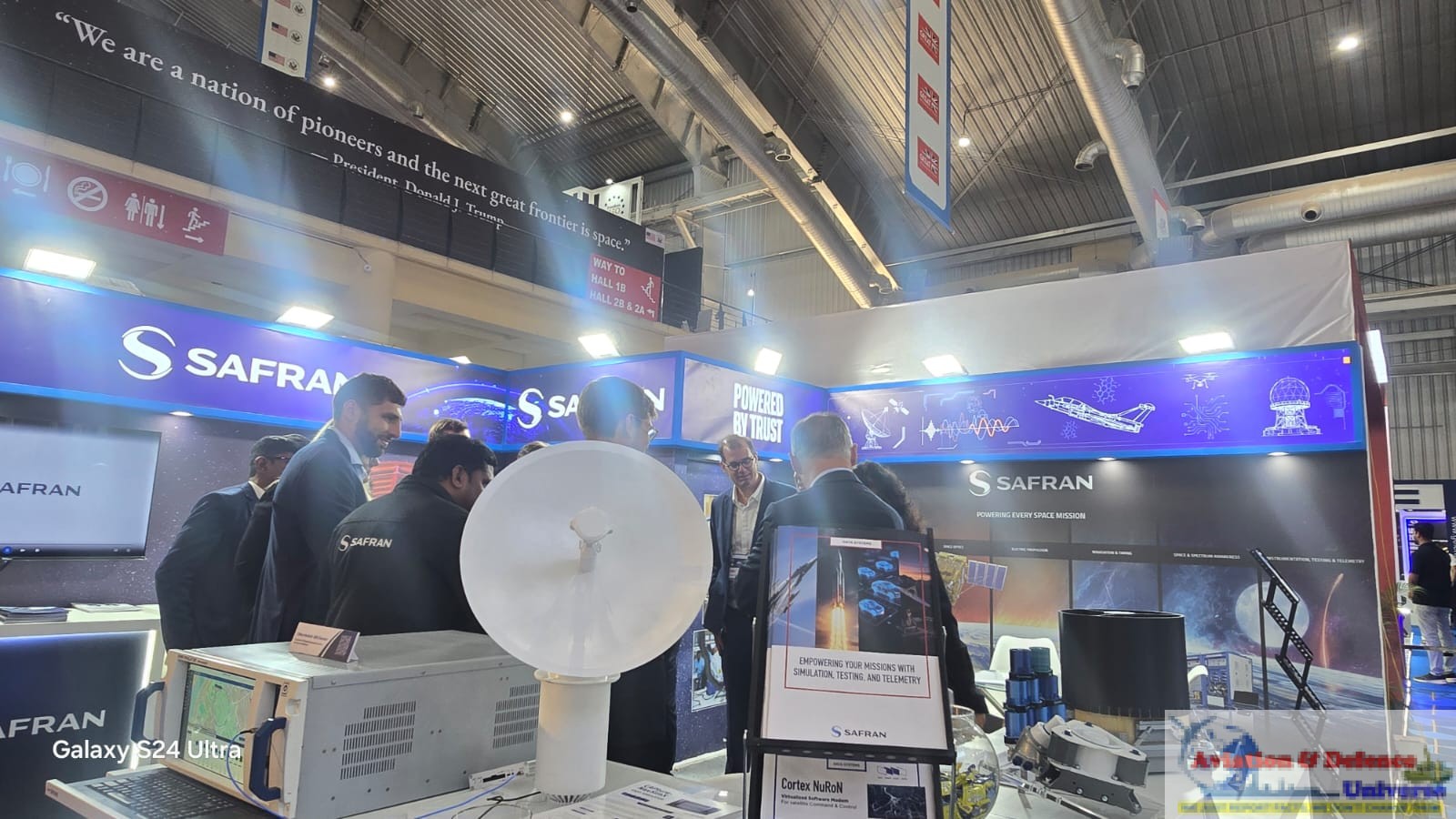 Noel Ballot. We have had visits from many customers who already have new needs and want evolutions of what they have. We have also seen many customers and many potential partners because building in India for us is something very important. We have our own subsidiary based in Bengaluru, but we are also working with other companies such as Aventel and Larsen & Toubro to provide solutions and more integrated systems to the space ecosystem and defence generally speaking.
ADU. For our readers, what exactly does Safran do in space? What products and systems do you provide?
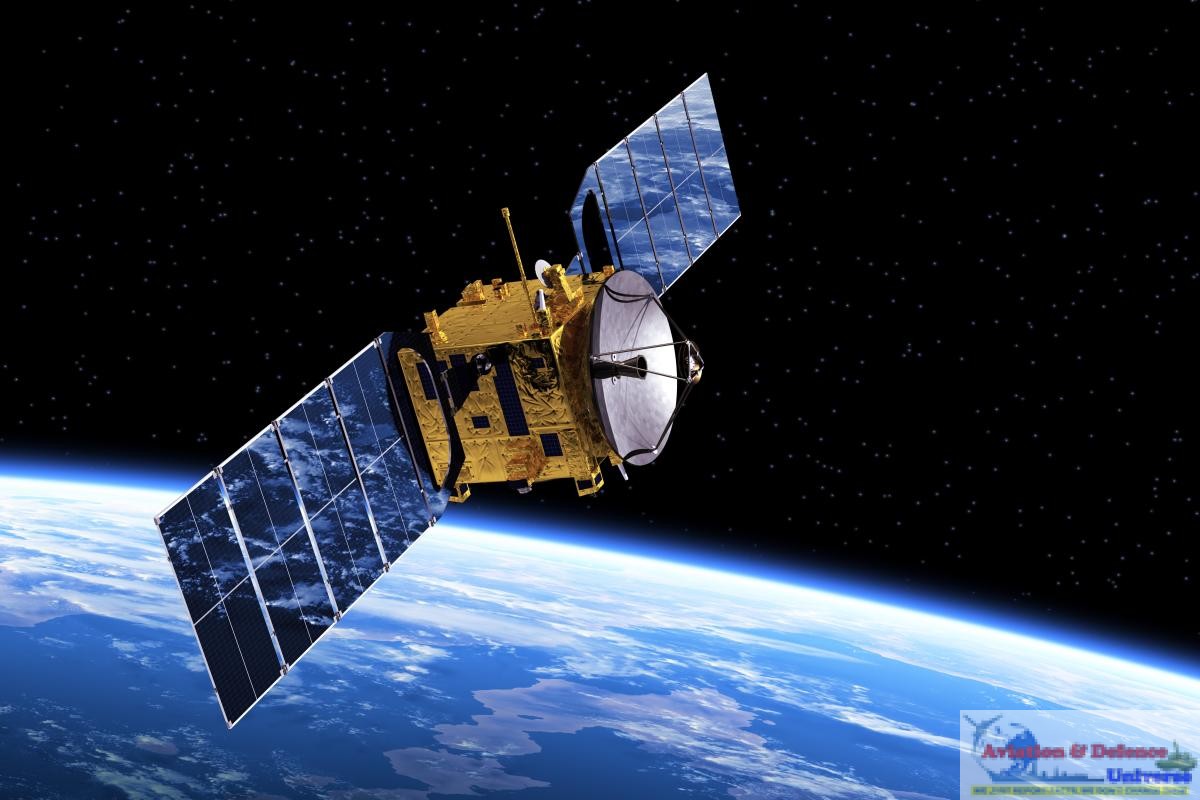
Noel Ballot. They are key elements between the satellite and the onboard electronics. We provide key elements for positioning satellites and for payloads—for example, optical payloads and equipment for knowing where the satellite is. We have IMUs and INS for moving satellites, electrical thrusters, and the link to the ground. We also have command-and-control for positioning satellites and the ground segment. For collecting data from satellite payloads, we have the equivalent systems on the ground.
So it is a complete solution which is fully compliant with international standards. We provide these kinds of solutions to many governments—Japan, with whom India is working quite closely, Korea, the United States and, of course, Europe.
ADU. You also work in protecting satellites and space assets?
Noel Ballot. Yes. We also have solutions for Space Situational Awareness. Basically, it is about having information on the precise locations of satellites wherever they are, and we can do that in a completely non-cooperative way. We don’t need to talk to the satellite. It is pure RF-based. We have a worldwide network of sensors and can tell an operator if other satellites are getting too close to their satellite. They can then take potential action and talk to the other operators if there is a potential threat. We also offer special versions of that for certain defence-related applications.
ADU. Among India’s Armed Forces, are the Army, Navy and Air Force all Safran customers?
Noel Ballot. It is mainly the Air Force and Intelligence.
ADU. ISRO has historically been your customer in the space sector. Are Indian private companies now becoming customers and partners as well?
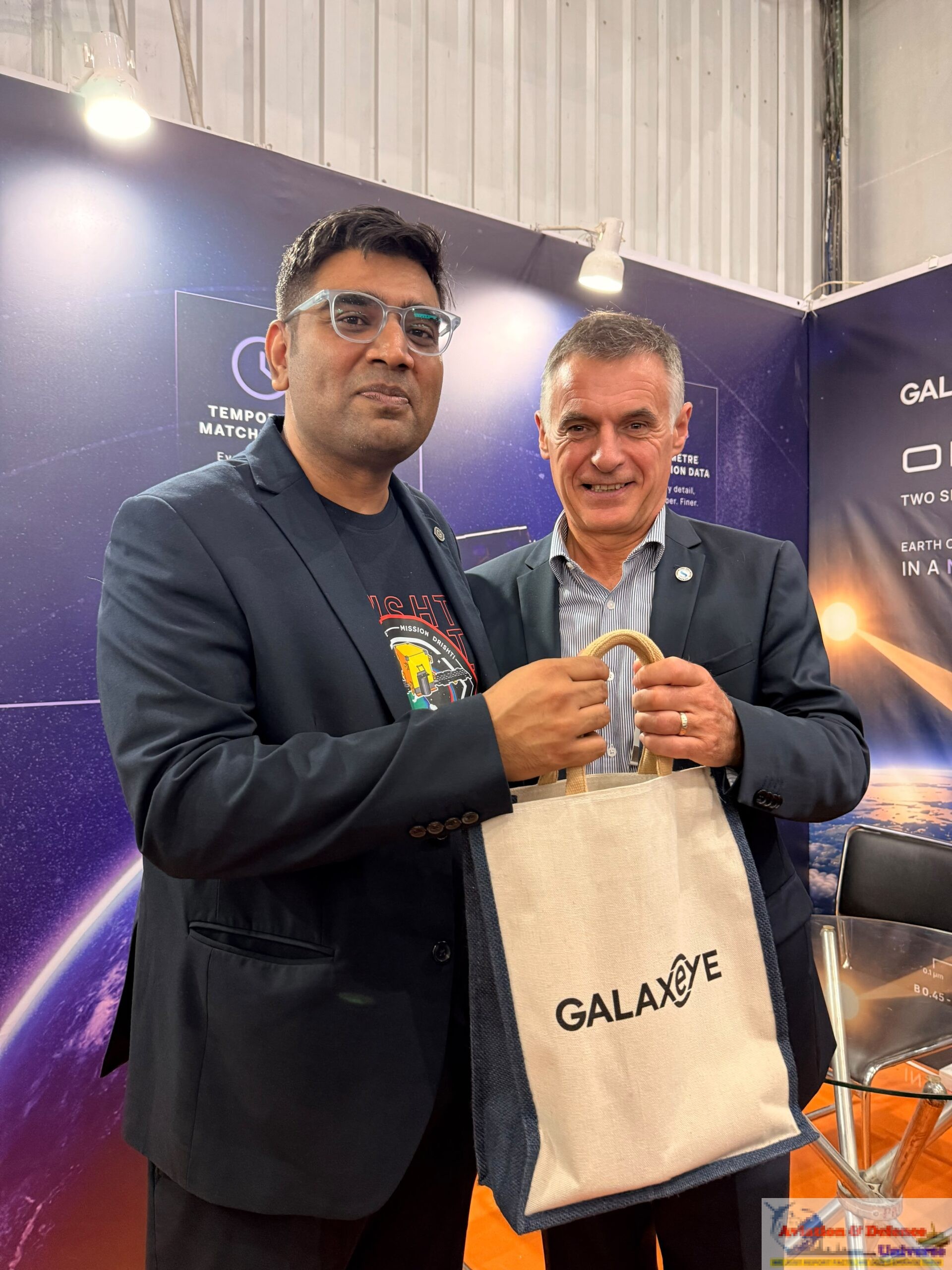
Noel Ballot. ISRO is historical for us. We have been working with ISTRAC, URSC and SAC, and more recently with HSFC on the Gaganyaan programme, for which we are also providing critical equipment. But we are definitely working with the private sector. We work with companies such as Larsen & Toubro and Aventel, not only as customers but also as partners. And then there are start-ups—GalaxEye, Digantara, Dhruva and many others. We have close links with some of these private-sector companies and are providing complete solutions for the government.
ADU. Is everything that Safran supplies currently manufactured in France, or is manufacturing already taking place in India?
Noel Ballot. No, I would not say that everything is manufactured in France. We are manufacturing the PORTEX base, GNSS simulation equipment and some antennas in India. We are now manufacturing antennas in India and are on the way to manufacturing satellite modems in India as well. For propulsion, we are talking about it. That might take a little more time.
ADU. Why would manufacturing propulsion systems in India make strategic sense for Safran?
Noel Ballot. Manufacturing in India is definitely important for Indian content, but it is also about securing our supply chain and having more capabilities. For thrusters and electrical propulsion, we already have a manufacturing facility in France and another facility in the United States, close to Denver. Combined, the two can manufacture around 500 to 600 electrical propulsion systems a year. If we duplicate the manufacturing chain in India, that would help us reach around 1,000 thrusters. This is a level of demand we see coming in the next two or three years as more and more countries work on constellations.
ADU. So the rise of satellite constellations is becoming a major opportunity?
Noel Ballot. Yes. When you look at the number of satellites required, we are talking about thousands and thousands of satellites. We have a good product to fulfil the requirements of such constellations, and we want to serve that market. We are an industrial company and we know how to handle the scale-up, along with the quality and implementation required for these kinds of applications.
ADU. If we look at the next five years, what are Safran Space’s expansion plans for India?
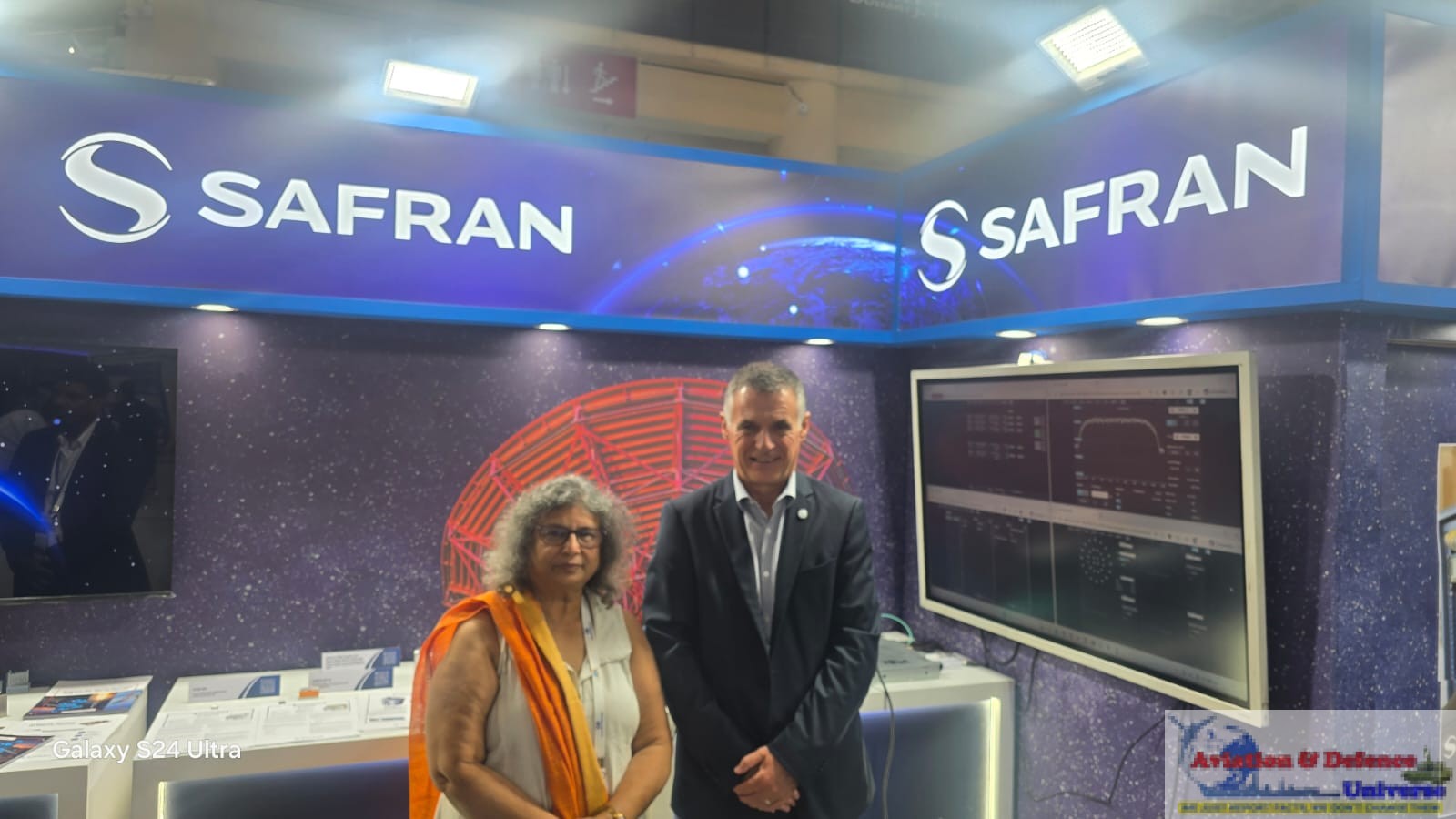
 Noel Ballot. Definitely, in the next three years we see a big increase in both government and NewSpace companies. I think the ecosystem is maturing. There is still a gap, from my point of view, in adding component manufacturing here in India because space is demanding in terms of component quality. To develop more sovereignty, manufacturing quality has to reach the right level. Some companies are already at the right level. But we believe strongly as Safran in the future of India in space. Why not have India becoming number 2, or at least number 3—maybe number 2—worldwide?
ADU. So at present, Safran’s supply chain for India remains a mixture of Indian and international suppliers?
Noel Ballot. That’s absolutely true.
ADU. Approximately how many Indian suppliers do you have?
Noel Ballot. I don’t have a figure.On mechanics, metal coating and some areas such as the quality of painting, we still have some issues. But from an electronics point of view, you have good EMS companies. We have qualified some of them, so there is no issue there. On the mechanical side, there are still some improvements needed, but it’s coming.
ADU. Is there anything else you would like to add that we may have missed?
Noel Ballot. I would say congratulations to the organisation of BSX. I was here four years ago. I was here two years ago, and two years ago I was already impressed. But this year—massive, incredible India! This time, it’s a real crowd. It’s really, wow! Space attracts attention, but I really didn’t know it would attract so much attention. And the youngsters!
ADU. The enthusiasm among youngsters has indeed been remarkable. Yesterday there were such crowds at some of the exhibits that access had to be managed. And the astronauts have generated enormous excitement too.
Noel Ballot. Yes, absolutely. It is also the success of companies such as Skyroot, and Agnikul is pushing hard. ISRO and NSIL are there too. It’s also the passion which is delivering, which is absolutely fabulous.
From Supplier to Partner, Safran Sees India Moving Up the Space League
For ADU, the conversation with Noel Ballot reflected something larger than Safran’s own expansion plans. It captured the transition underway in India’s space ecosystem itself. ISRO remains the historic anchor, Gaganyaan represents the next great national milestone, NewSpace companies are rapidly creating another layer of demand, and manufacturing is increasingly becoming part of the conversation. Safran’s engagement now stretches across this spectrum—from critical equipment and satellite navigation to propulsion, ground systems, Space Situational Awareness and partnerships with Indian private companies.
 Perhaps the most significant Make in India possibility is propulsion. Safran’s existing French and American facilities together can produce around 500–600 electrical propulsion systems annually. Ballot’s suggestion that an Indian manufacturing chain could help lift global capacity towards 1,000 thrusters a year makes localisation more than a market-access proposition. India could potentially become part of Safran’s global industrial response to the coming constellation boom.
There are challenges. Ballot was candid that India’s component ecosystem still needs to mature in certain areas, particularly where the unforgiving quality requirements of space hardware are concerned. But his assessment of India’s destination was striking. “Why not have India becoming number 2, or at least number 3—maybe number 2—worldwide?”
And perhaps the most memorable endorsement came not from a contract or production forecast, but from the crowds around him. Having attended BSX four years ago and again two years ago, Ballot looked at the packed 2026 edition and exclaimed. “Massive, incredible India!”
That enthusiasm—particularly among India’s youngsters—may ultimately be as important as the satellites, thrusters and MoUs on display. A country does not become a global space power through hardware alone. It needs technology, manufacturing, industry, investment, partnerships and, above all, a generation that wants to look upwards. At BSX 2026, all of them seemed to be converging.
As Told To Sangeeta Saxena












































































-A4-Size-(2)_page-0001.jpg)