 18th BRICS Summit











- Next Gen SAR: Adapting to the Challenges of a Changing World
- Countdown Begins : Getting Ready for Tomorrow
By Sangeeta Saxena
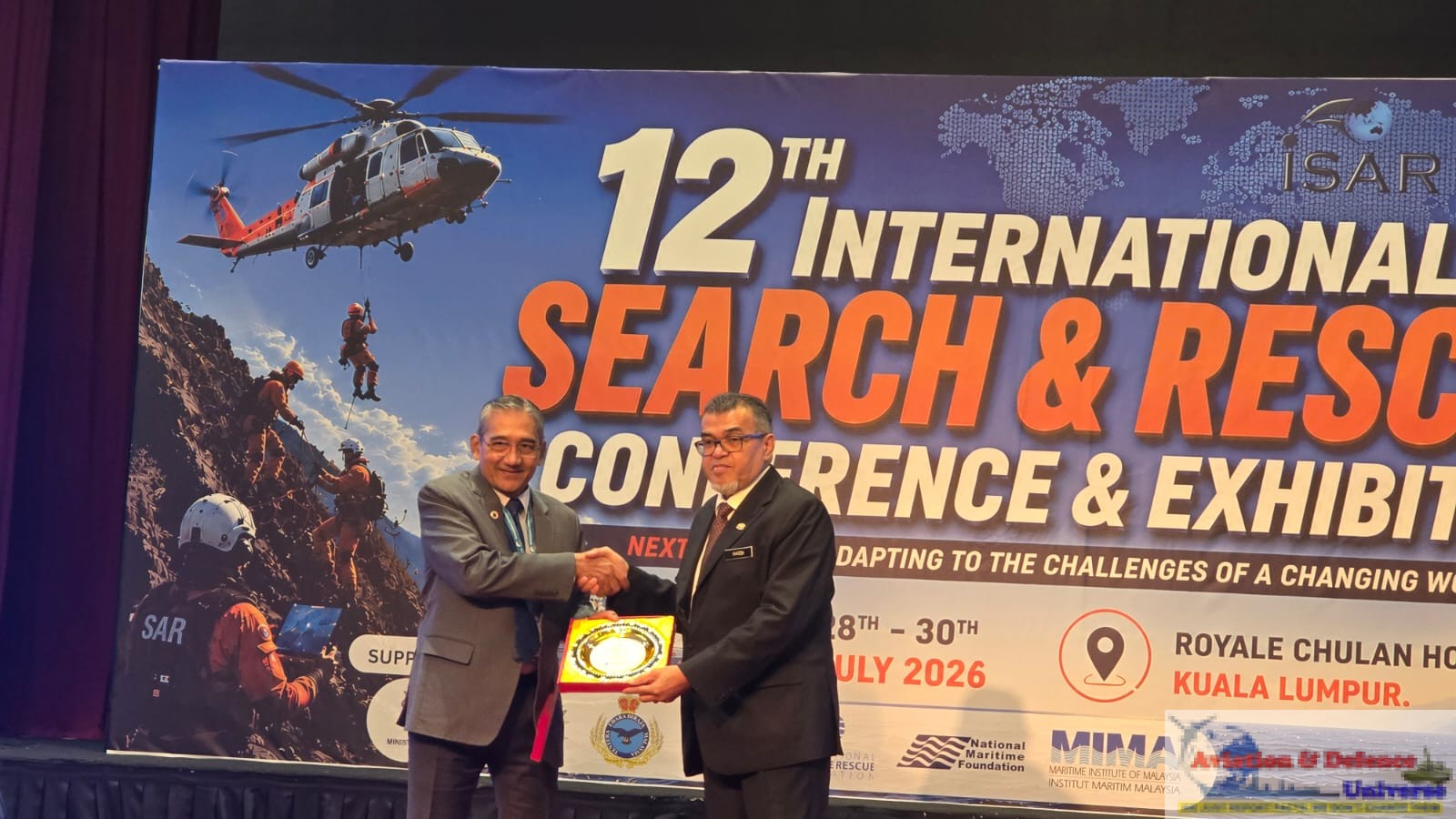
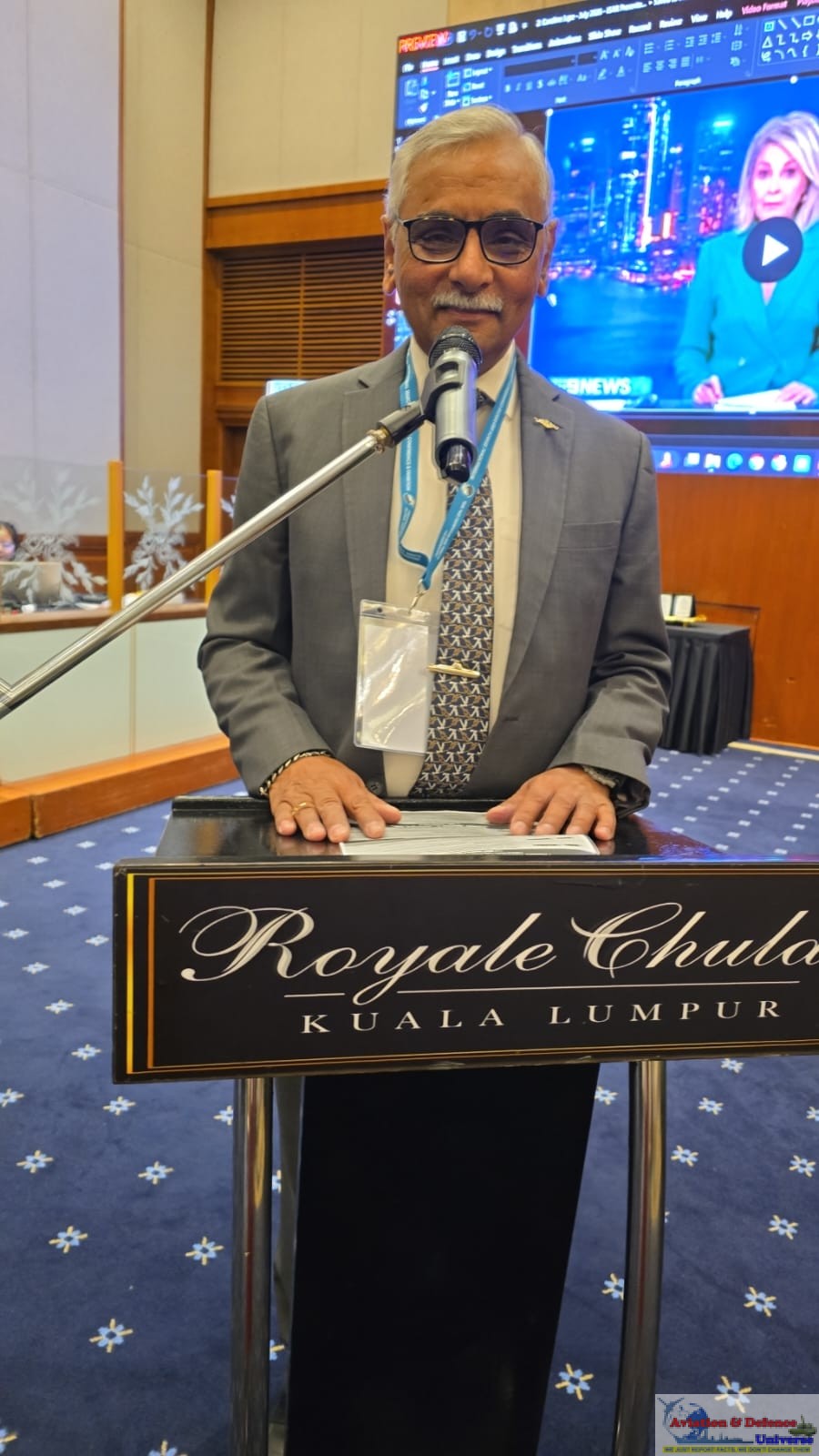
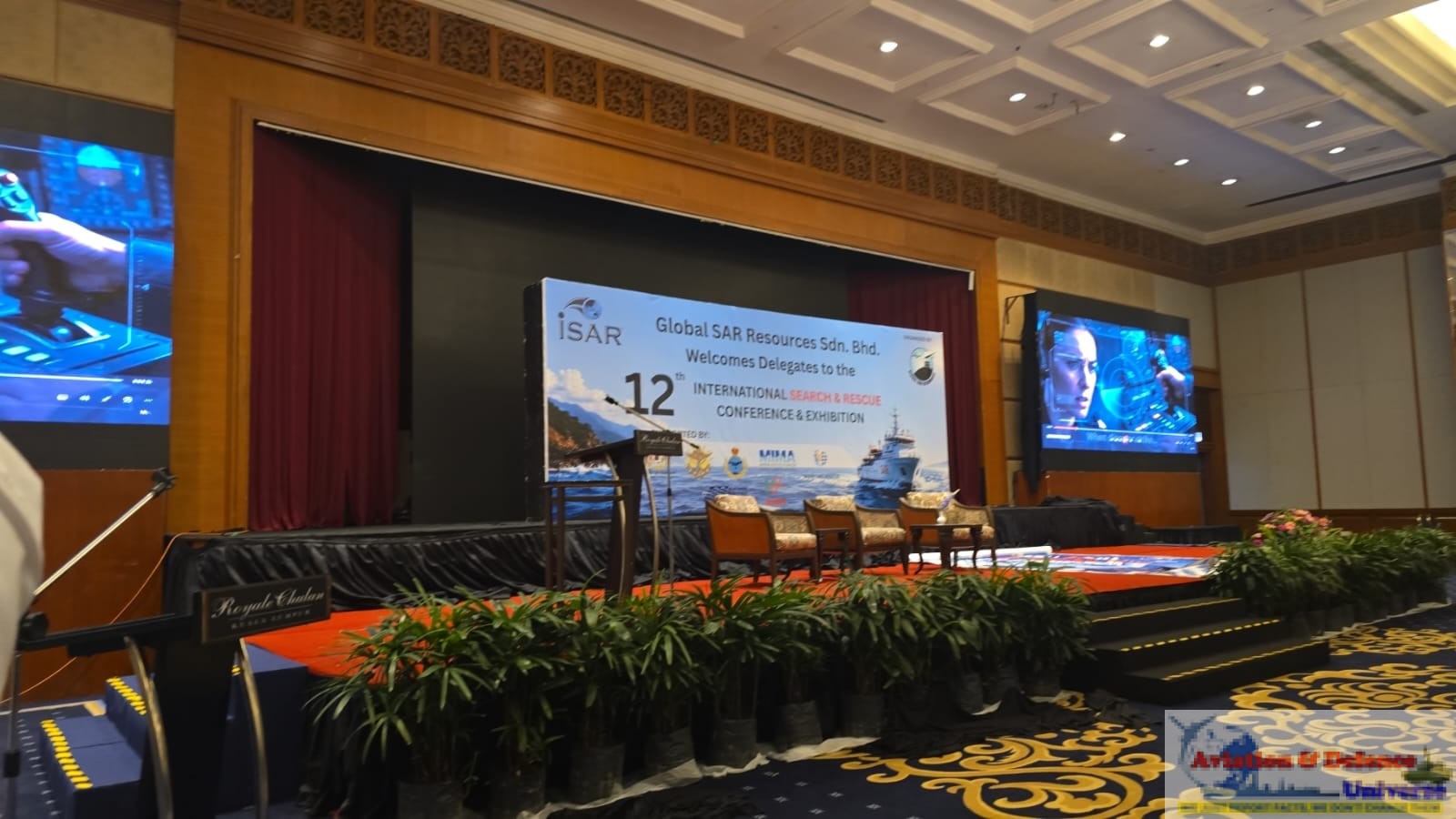
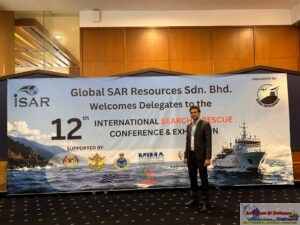
Kuala Lumpur. 27 July 2026. Kuala Lumpur is set to become the global capital of Search and Rescue (SAR) later this month as the 12th International Search and Rescue Conference & Exhibition (iSAR 2026) opens at the Royale Chulan Hotel from July 28 to 30. Organised by Global SAR Resources under the theme “Next Gen SAR: Adapting to the Challenges of a Changing World,” the three-day conference comes at a time when disaster response, maritime safety, aviation emergencies and humanitarian operations are becoming increasingly complex amid climate change, geopolitical instability and rapid technological evolution.
Now in its twelfth edition, iSAR has established itself as one of the world’s premier forums dedicated exclusively to search and rescue. Bringing together government agencies, armed forces, coast guards, civil aviation authorities, maritime organisations, emergency responders, technology providers, academia and industry experts, the conference provides a unique platform for sharing operational experiences, emerging technologies and best practices aimed at saving lives in increasingly challenging environments.
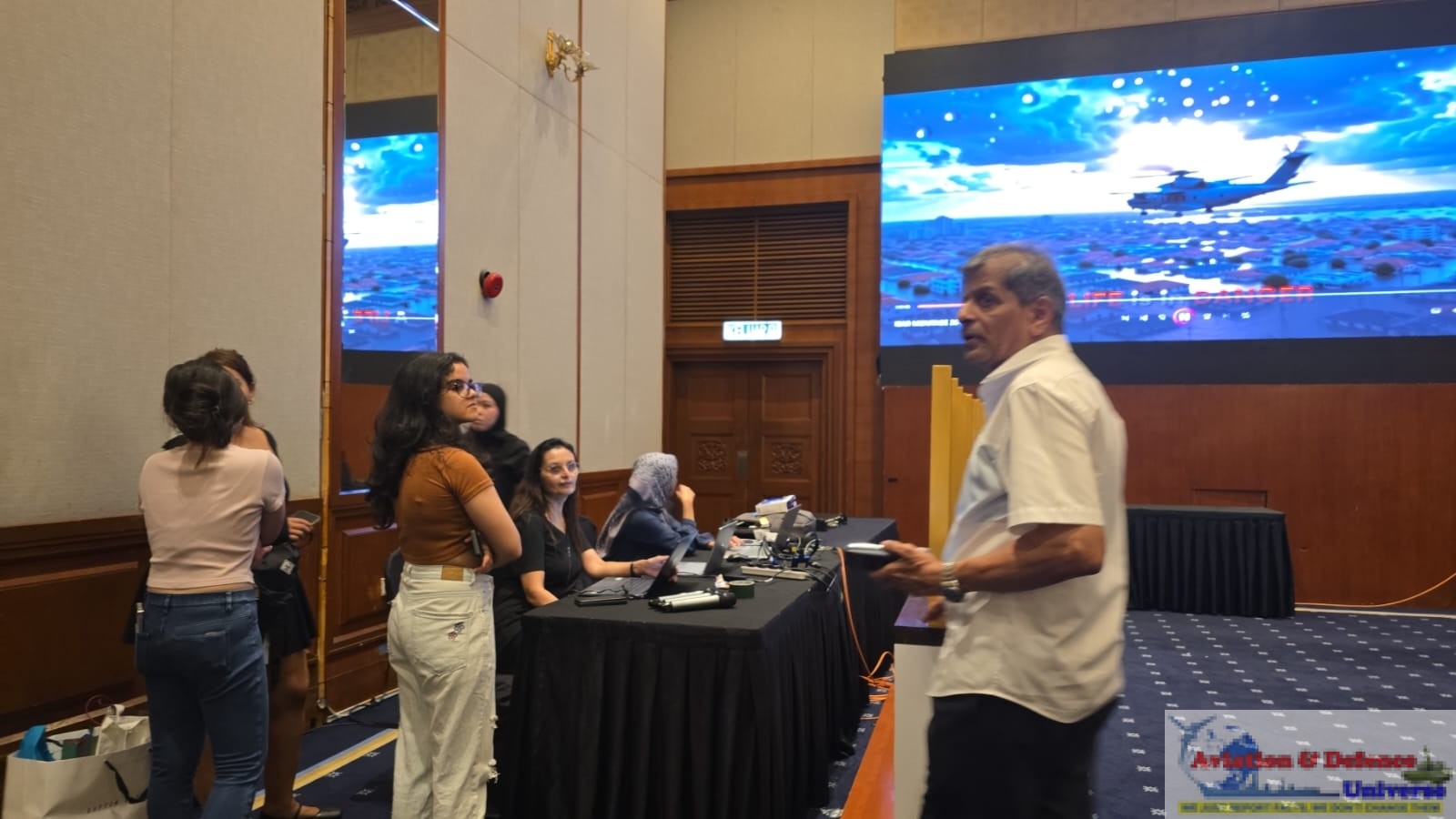 The conference will open on July 28 with a series of keynote addresses by senior Malaysian leaders, including Lt Gen Datuk Dr William Stevenson (Retd.), Chairman of Global SAR Resources, Dato’ Mohamed Suffian Bin Awang, Chairman of the Maritime Institute of Malaysia, Lt Jen Dato’ Masro Bin Kaliwon, Commander of Air Operations, Royal Malaysian Air Force, and Datuk Haji Hasbi Bin Haji Habibollah, Deputy Minister of Transport, Malaysia, before delegates move into technical sessions and the exhibition.
The conference programme reflects the increasingly multidisciplinary nature of modern SAR operations. Day One will focus on Maritime Search and Rescue, SAR Technologies and Aviation SAR, covering subjects ranging from submarine rescue and mass rescue operations to night-time maritime SAR, artificial intelligence, digital coordination platforms, cross-border cooperation, simulation-based pilot training and national SAR capabilities. Experts from India, the United Kingdom, China, Poland, France, Hong Kong, Oman, Indonesia and Malaysia will share operational experiences and technological innovations that are shaping next-generation rescue missions.
A dedicated parallel technical programme in Hall Taming Sari 2 will examine emerging technologies and operational innovations, including the role of civil aviation authorities in regional SAR preparedness, the use of everyday digital signals for locating missing persons, underwater search and rescue using remotely operated vehicles (ROVs), disaster medicine, undersea sensing infrastructure and satellite-enabled distress marker buoys. India will be represented by EyeROV Technologies, which will present its work on transforming underwater search and rescue through remotely operated vehicles.
The second day broadens the discussion to encompass Disaster Management, Oil & Gas SAR, Maritime SAR and strategic policy issues. Sessions will explore Japan’s evolving disaster response mechanisms, the science of search and rescue, offshore emergency response, humanitarian maritime rescue operations, professionalisation of SAR coordination, women in search and rescue, and strengthening resilience within the global maritime SAR system.
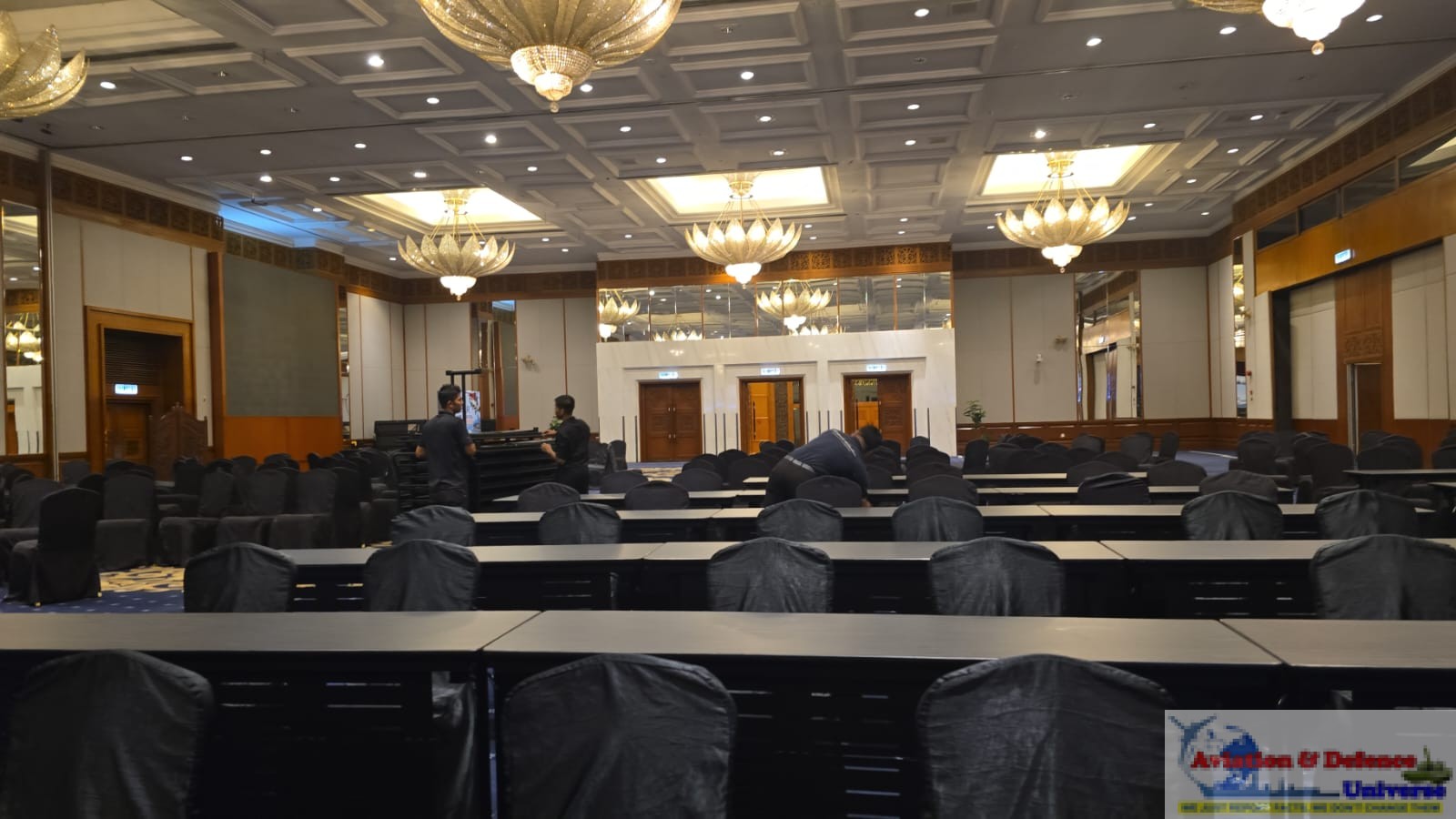 One of the highlights of Day Two will be a series of colloquium discussions addressing some of the most pressing issues confronting rescue organisations worldwide. These include Search and Rescue in Times of Geopolitical Turbulence: Navigating Uncertain Waters, Civil-Military Cooperation in Aviation SAR: Building a Unified Response Framework, and From Data to Decision: AI and Digital Innovation for Search and Rescue Coordination. These discussions underscore how search and rescue has evolved beyond operational response into a multidisciplinary domain requiring international cooperation, technological innovation and integrated civil-military planning.
The conference will conclude on July 30 with field visits to Malaysian Search and Rescue agencies and RMAF Subang Air Base, where delegates will witness SAR demonstrations and static displays featuring aircraft integral to Malaysian rescue operations, including the Airbus A400M, Eurocopter EC725, Beechcraft 200T, C-130 Hercules and AgustaWestland AW139. The programme also includes a Kuala Lumpur city tour, providing international delegates an opportunity to experience Malaysia’s capital.
More than just a conference, iSAR 2026 reflects the growing recognition that effective search and rescue is becoming a strategic national capability. From submarine rescue and offshore energy installations to aviation emergencies, humanitarian disasters and climate-induced catastrophes, rescue organisations today operate in an environment where speed, interoperability, digital technologies and international cooperation can make the difference between life and death.
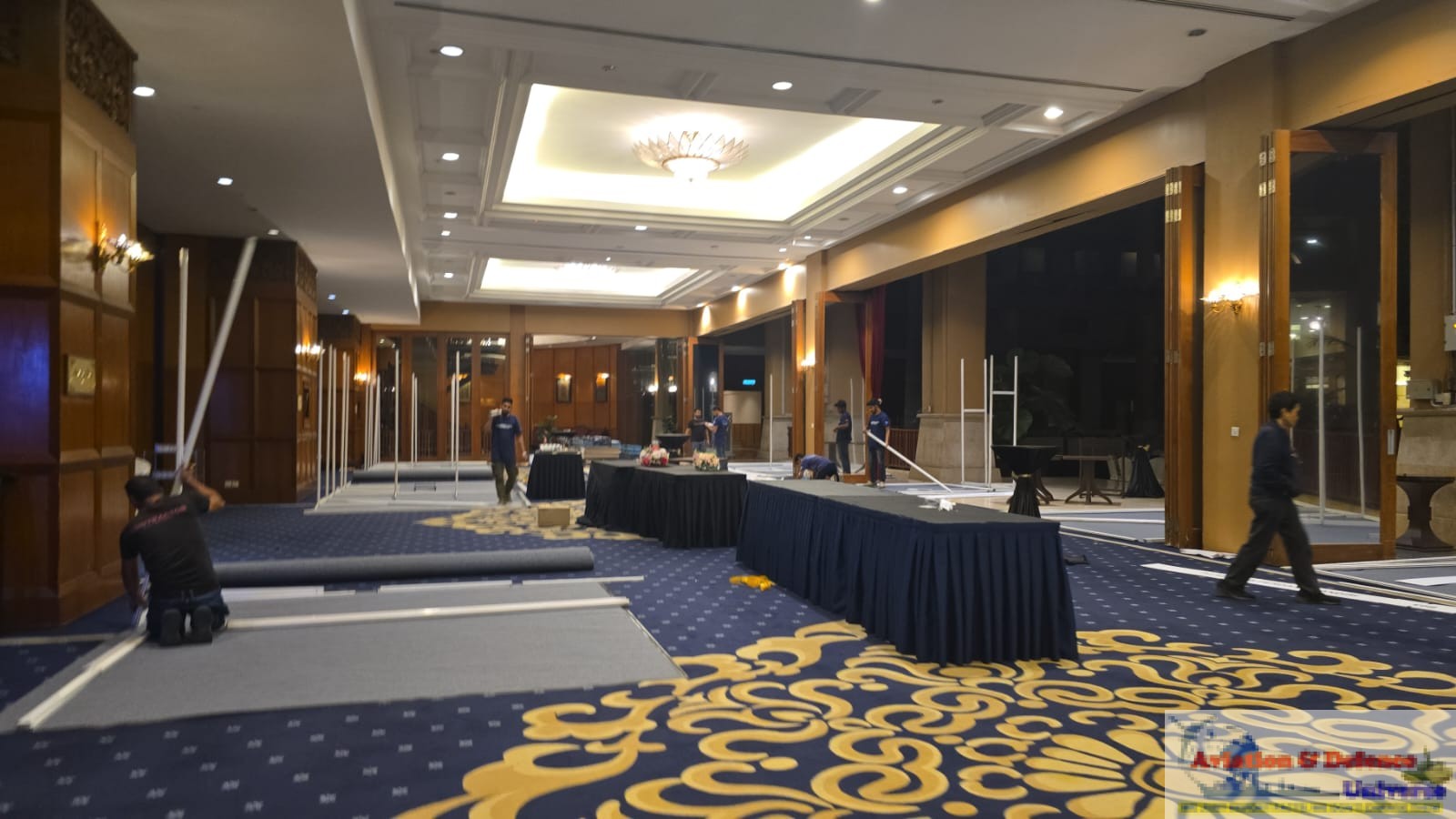 Malaysia’s hosting of iSAR once again reinforces its position as a regional leader in search and rescue preparedness and its commitment to fostering international collaboration across maritime, aviation and disaster response communities. As governments increasingly invest in resilience and emergency preparedness, iSAR 2026 promises to provide an important platform where technology, operational expertise and global partnerships converge to shape the future of search and rescue.
Against the backdrop of an increasingly unpredictable global security and disaster environment, iSAR 2026 arrives with a timely and forward-looking agenda. Over three days, experts from around the world will examine how artificial intelligence, digital technologies, civil-military cooperation, advanced aviation platforms and international partnerships can redefine the future of search and rescue. As Kuala Lumpur welcomes the global SAR community, the conference is expected to generate fresh ideas, stronger collaboration and practical solutions that will ultimately contribute to one common objective—saving more lives through faster, smarter and better coordinated search and rescue operations.






































































-A4-Size-(2)_page-0001.jpg)