 18th BRICS Summit


















- From Ideas to Induction: Maj Gen Channan (Retd.) Maps India’s Defence Innovation Landscape
- From Make in India to Atmanirbhar Bharat: The Evolution of India’s Defence Industrial Strategy
By Sangeeta Saxena
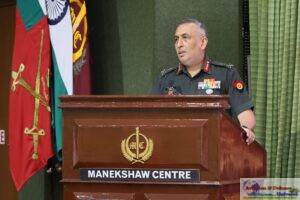
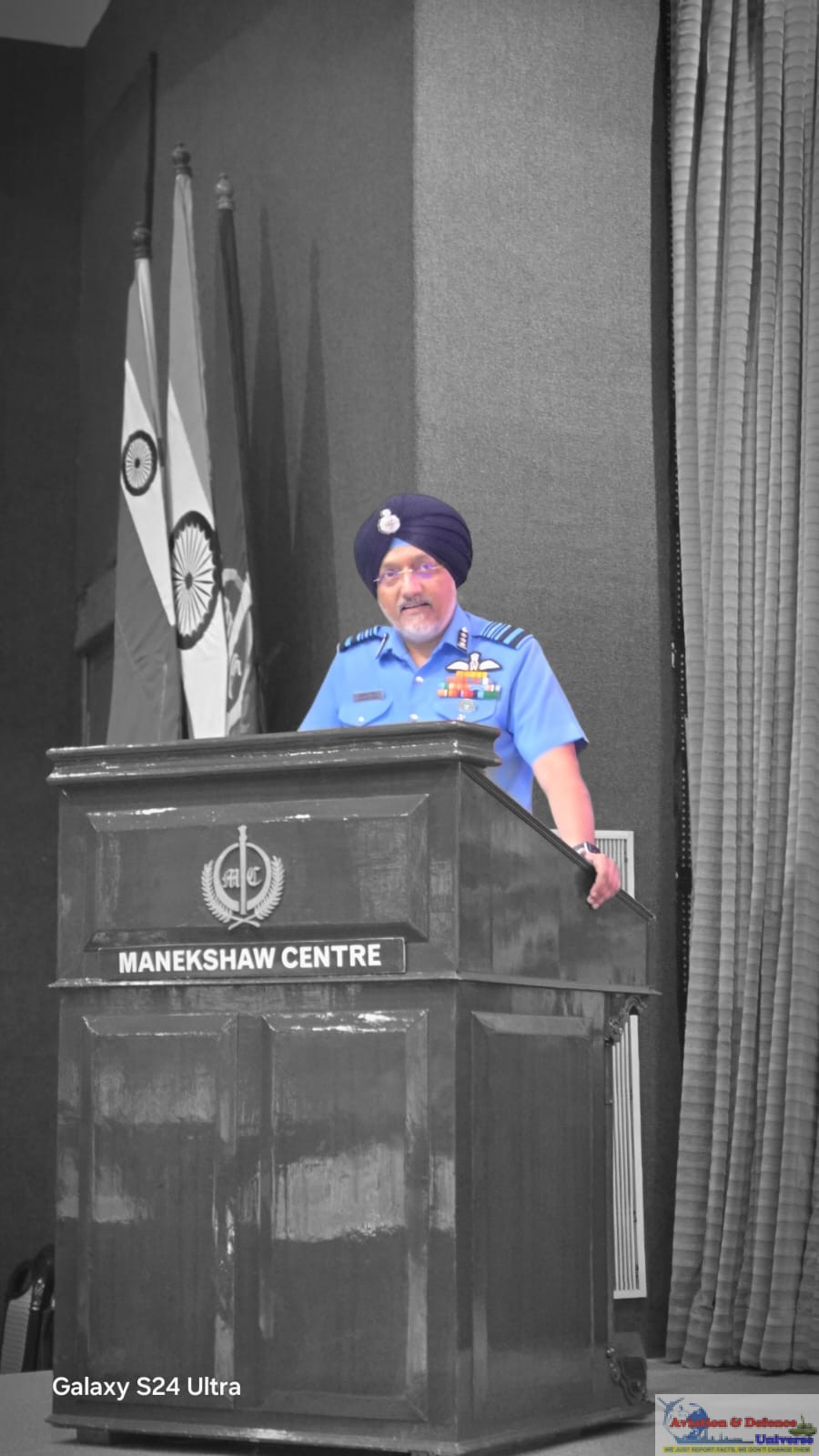
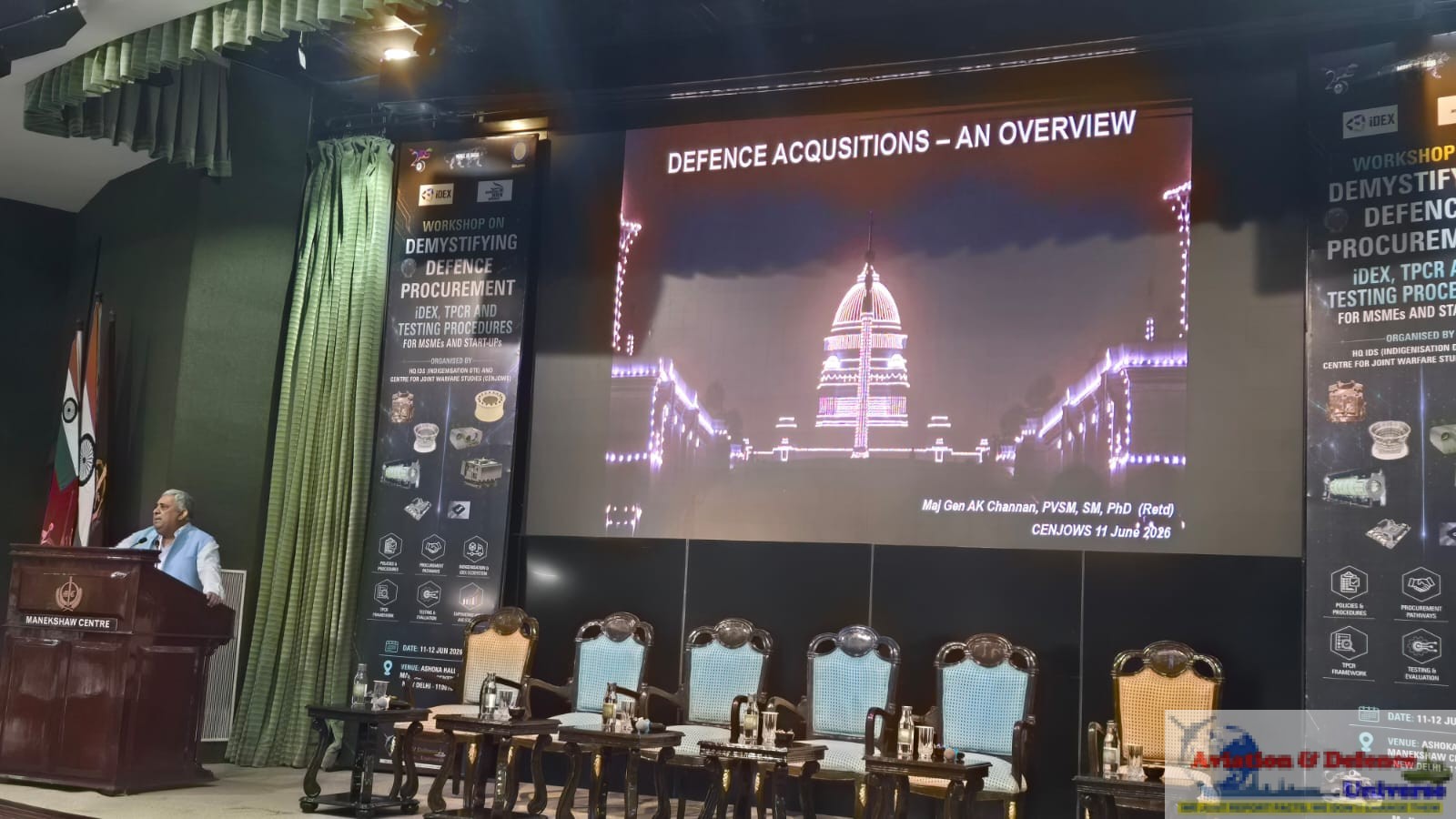
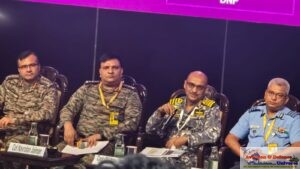
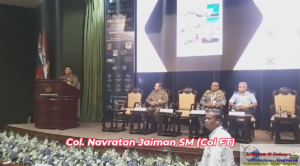
New Delhi. 11 June 2026. For many entrepreneurs, startups and MSMEs, India’s defence procurement ecosystem appears complex, bureaucratic and difficult to navigate. Yet behind the terminology, policies and procedures lies a straightforward objective—equipping the armed forces with reliable indigenous capabilities while building a globally competitive defence industrial base. This message resonated strongly during the address by Maj Gen A.K. Channan (Retd.) at the workshop titled “Demystifying Defence Procurement, iDEX, TPCR and Testing Procedures for MSMEs and Start-ups,” organised by CENJOWS in collaboration with HQ IDS.
A key architect behind several defence innovation initiatives, including the iDEX platform and the Make-II procedure, Maj Gen Channan provided participants with a strategic overview of India’s journey from Make in India to Atmanirbhar Bharat, while highlighting how policy, technology, testing, innovation and funding mechanisms have evolved to support indigenous capability development.
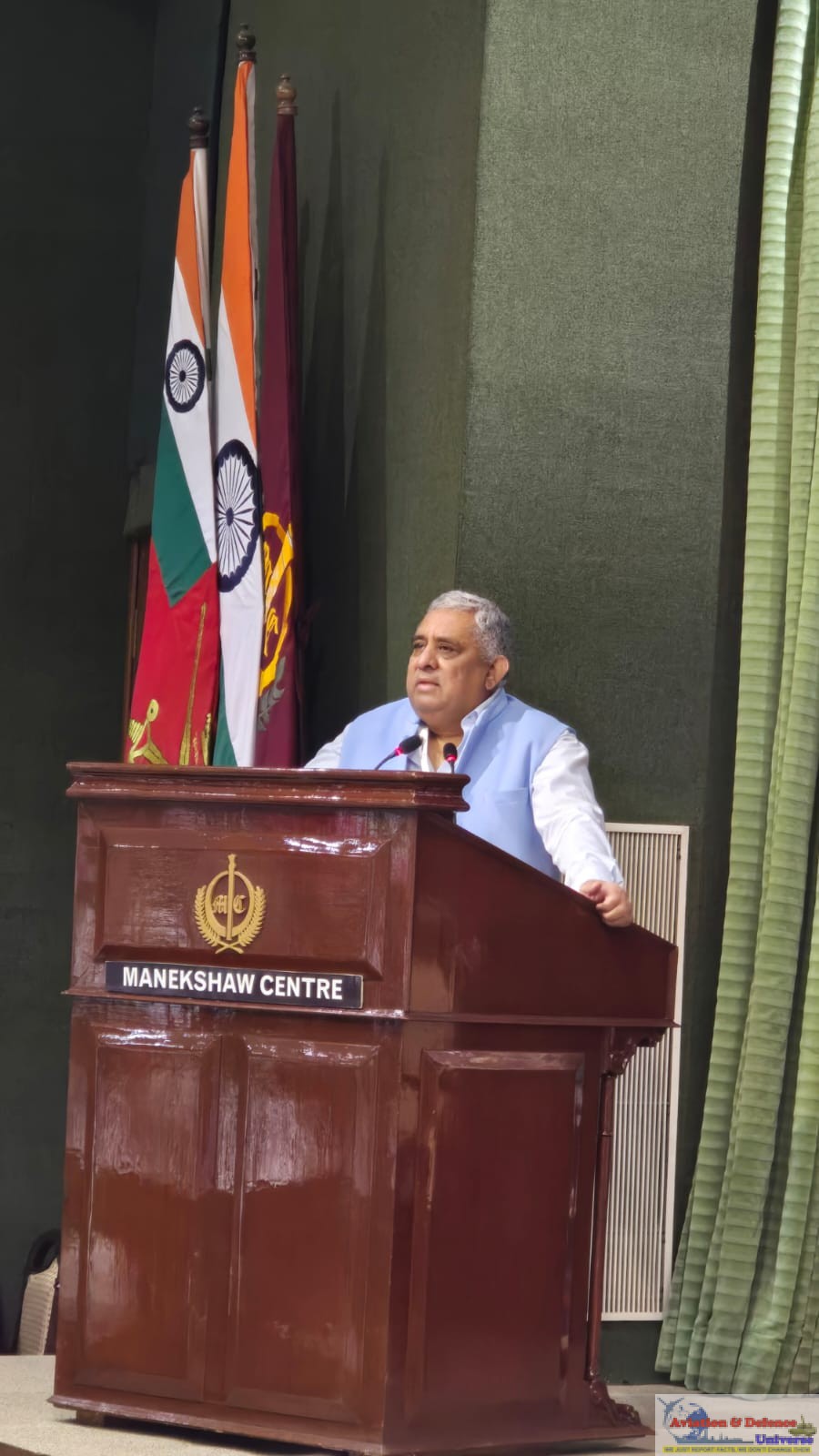 Beginning his address, Maj Gen Channan traced the origins of India’s manufacturing push. “Make in India was actually started somewhere in 2001. But I guess the impetus to Make in India happened around 2014 when the Honourable Prime Minister said, ‘Let us make in India.'” He explained that the initial objective was to establish India as a defence manufacturing hub by encouraging large industrial players to enter the sector. “In the defence sector, Make in India looked at creating a defence manufacturing hub and encouraging larger players to enter into the field of defence.”
According to him, the focus during the early years was on localisation of manufacturing, technology absorption, offsets, creation of defence OEMs and preferential market access for indigenous products. However, a major shift occurred when India transitioned towards the broader vision of Atmanirbhar Bharat.
“When we went into Atmanirbhar Bharat, the focus actually became broader. We started looking at building technologies, creating our own designs, creating our own IPRs and also looking at our own standards and certification ecosystem.” He highlighted that this transition marked a move from manufacturing-centric localisation towards technology ownership and indigenous innovation.
Maj Gen Channan explained that India recognised early that not all technologies would be available through conventional acquisition channels. “There are technologies available all over the world. You need to have a good scouting mechanism to get hold of those technologies. There are some technologies which will not come to you. You need to incubate them, seed them and nurture them.”
To address this challenge, the government initiated multiple mechanisms for technology scouting and innovation. “We started issuing problem statements. We started issuing challenges to people. We started taking people into the field to make them acquaint with operational conditions. We started a system called Suo Moto. If you have any bright idea, just throw it back at us.” These initiatives, he explained, gradually expanded the innovation ecosystem.
“We started with seven innovators and today it has grown into a very large ecosystem. The incubation framework also evolved significantly.Initially every service headquarters had about ₹50 lakh. In 2016 we increased it substantially and eventually the Technology Development Fund grew significantly. TDF has now gone up to ₹50 crore if you have the right kind of project,” he said.
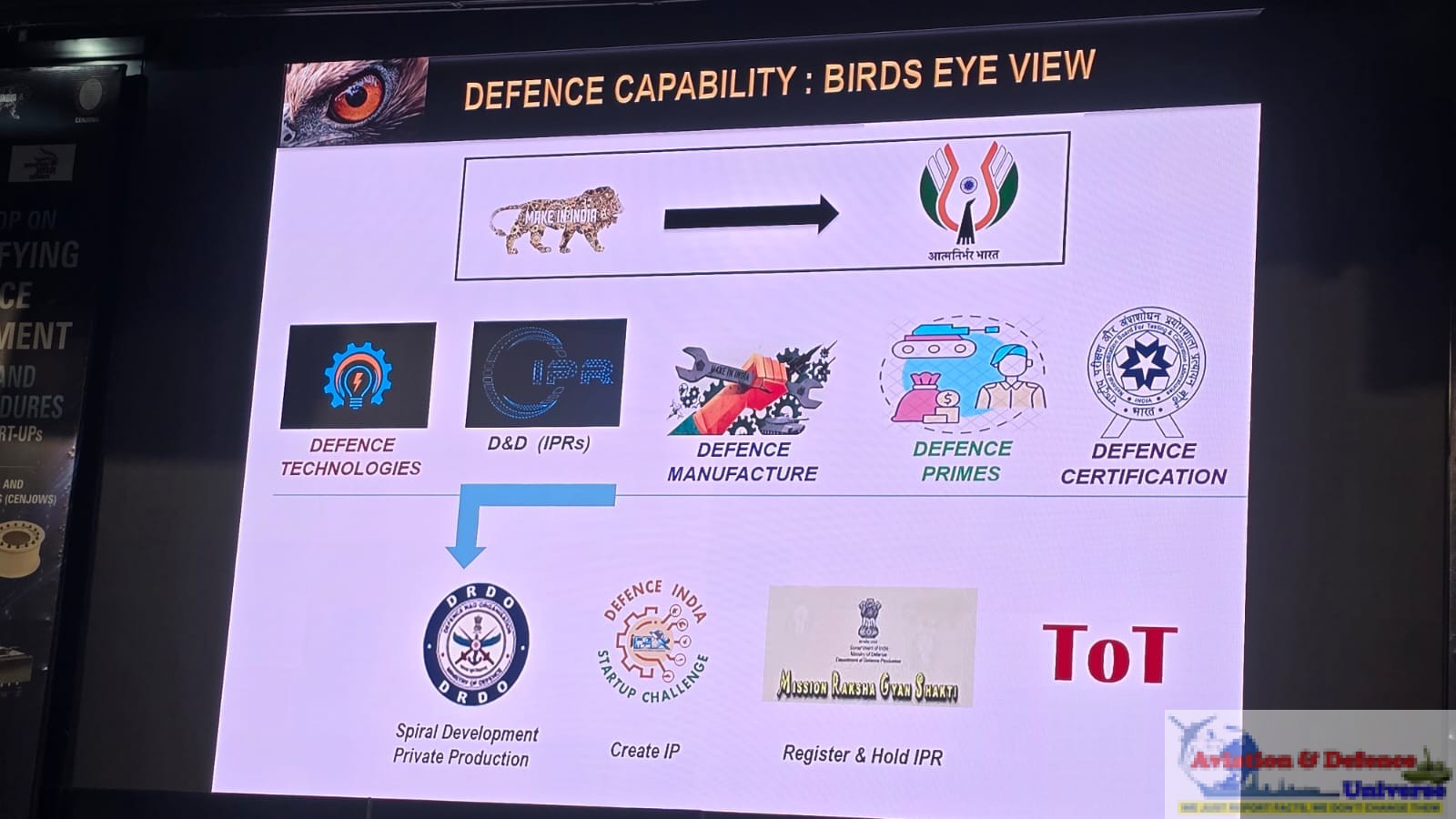 One of the most significant developments in India’s defence innovation journey was the creation of the Innovations for Defence Excellence (iDEX) platform. Maj Gen Channan recalled how service-level innovation initiatives revealed a critical insight. “When somebody inside the services creates an innovation, he is actually talking about a problem statement. Outside, people are working towards giving innovation, but they have to be guided and mentored to fit in with operational requirements. That is how this iDEX platform was born,” he recalled.
Today, iDEX has become one of India’s flagship defence innovation programmes, connecting startups, innovators and industry with military requirements and procurement opportunities. A major theme of the workshop was testing and certification—an area frequently cited by startups as a significant challenge.
Maj Gen Channan explained that considerable efforts have been made to improve accessibility. “There is something called the Defence Testing Portal where we have started sharing resources that we have. Any testing infrastructure available with the Government of India is available to people. You just have to book it.” He also highlighted initiatives aimed at expanding testing capacity through private sector participation. “There is a scheme called the Defence Testing Infrastructure Scheme where private sector is encouraged to invest and create testing infrastructure.”
Other reforms include self-certification, third-party certification and the creation of defence industrial corridors designed to bring testing, manufacturing and support infrastructure into closer geographical proximity. Perhaps the most memorable part of his address was his attempt to simplify defence procurement using an everyday analogy. “I have just one message. It is the simplest thing in this world. Defence procurement professionals complicate stuff. It is complicated, but if you sit back and abstract yourself a little, it is the simplest thing in the world.”
Drawing a comparison with buying breakfast, he said, “You want a sandwich. You are hungry. You either order one or you go into the kitchen and make one. If you buy it from an Indian vendor, we call it Buy Indian. If you buy it from a foreign vendor, we call it Buy Global.” He explained that while defence procurement includes additional layers of accountability and regulation, the underlying logic remains straightforward.
“The only difference is that you are not using your own money. You are using public money. Therefore public accountability has to be built into every stage.” He added that defence equipment also requires significantly higher levels of reliability, assurance and lifecycle support than consumer products.
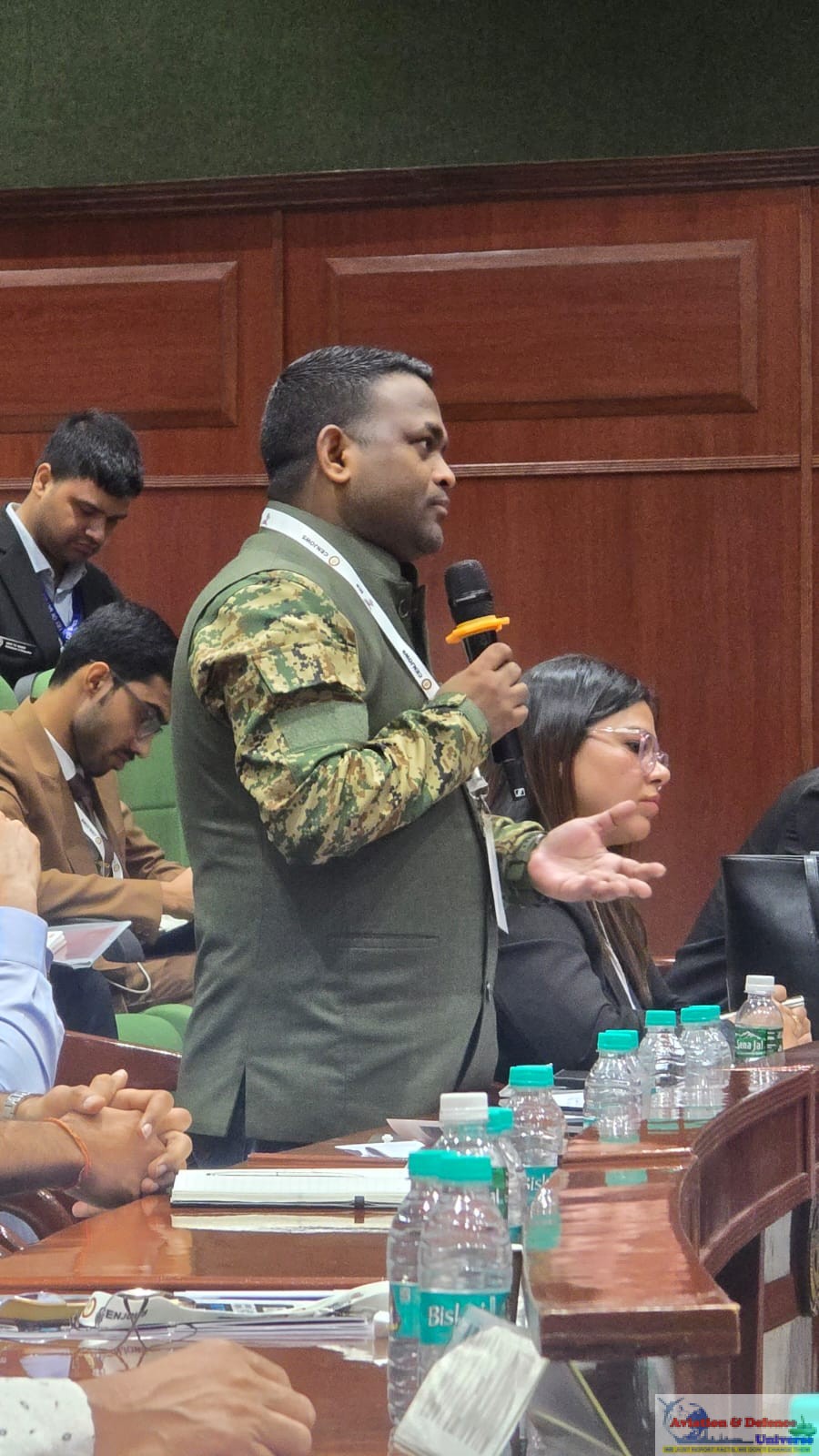 The interactive session that followed reflected the concerns of startups and MSMEs actively working in the defence sector. One participant highlighted the difficulties faced during testing and trial phases. “The actual challenge that we are facing as innovators or entrepreneurs is that from idea to prototype to production, we can do it. But the challenge comes when we require trials.” The participant suggested creating dedicated testing areas and longer access windows to support product validation.
Responding candidly, Maj Gen Channan acknowledged the issue. “It is actually an issue that persists. There is a challenge. I will not deny it.” He noted that while reforms have been initiated, implementation takes time and the growing demand for testing facilities continues to create bottlenecks. A representative from DGQA responded by outlining measures introduced to accelerate testing and certification. “What we have done is basically remove duplication between DGQA trials and user trials wherever possible. Trials which earlier took almost two to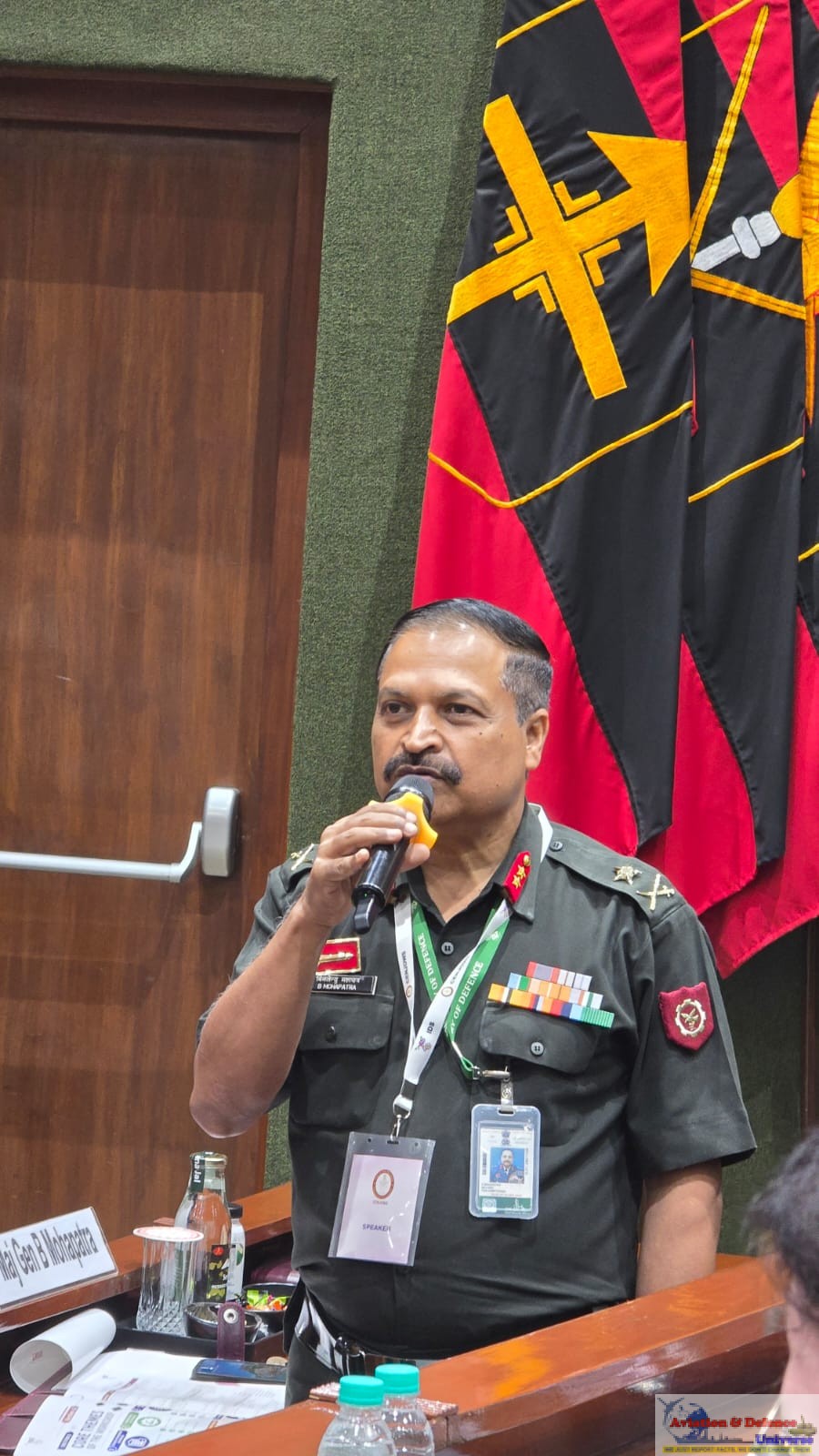 three months are now being reduced to almost five to seven days. We are not compromising anything on quality aspects.” The officer also highlighted the use of regional facilities and digital systems to reduce logistical burdens on industry participants. “With the Defence Testing Portal and Defence Testing Infrastructure Scheme, industries can access testing facilities more easily.”
Another entrepreneur raised an issue frequently discussed within the defence startup ecosystem. “During the prototype stage there are many funding mechanisms like iDEX and TDF. But the next part is the order. If there is not a strong linkage with orders, creating a good defence industrial infrastructure becomes difficult.” The participant argued that assured procurement pathways often matter more than prototype funding. Many times the order is even more important than getting funding for the prototype. The entrepreneur also called for improved access to debt financing and stronger engagement mechanisms between startups and end users.
 A participant associated with the government’s new Research, Development and Innovation Fund highlighted emerging opportunities for defence innovators. “There is a river of financing making its way into the Innovate section.” Referring to the ₹1 lakh crore Research, Development and Innovation Fund, he explained that new financing mechanisms, including optionally convertible debt structures, are being introduced to support innovation without excessive equity dilution.
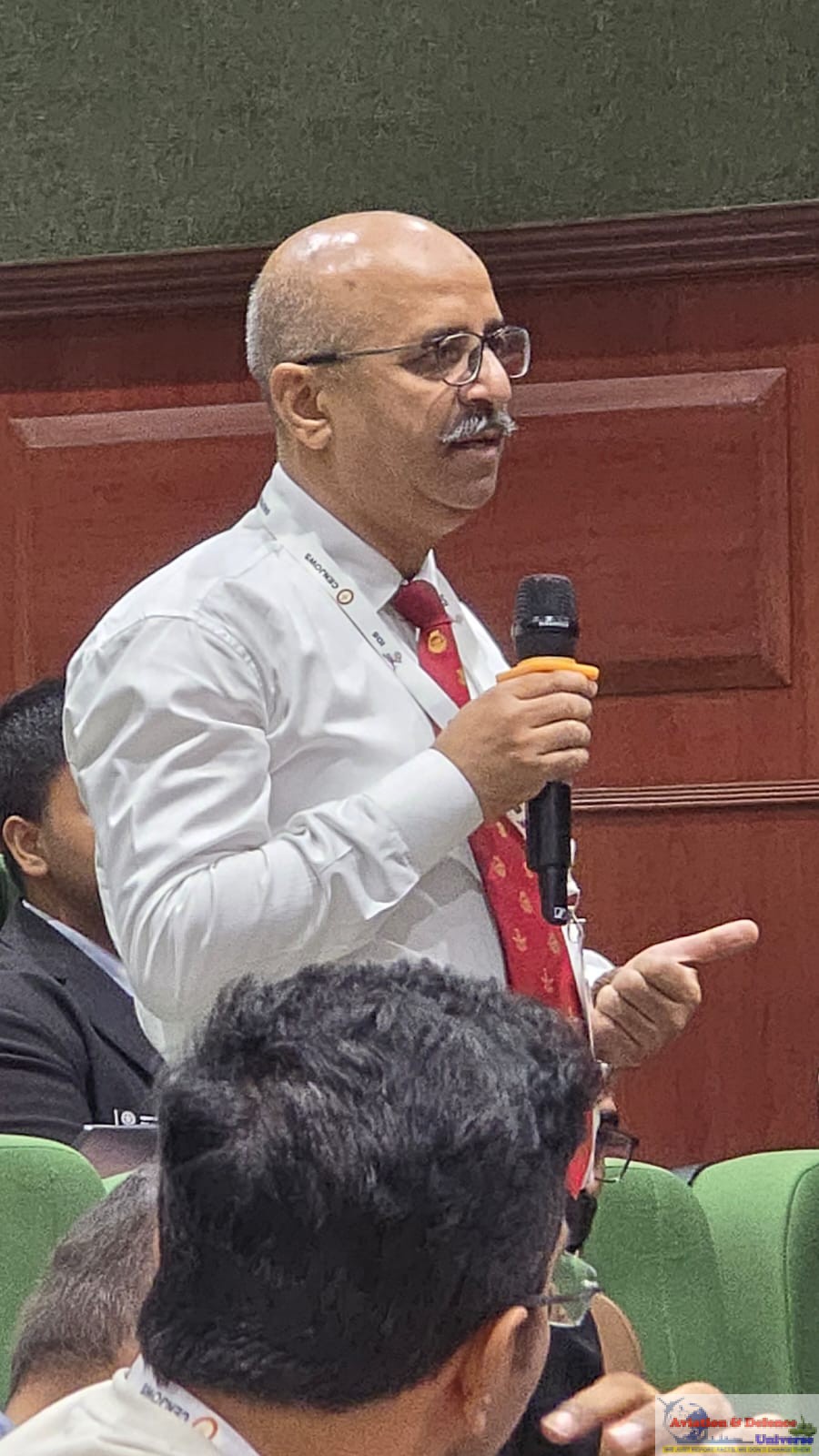
The final intervention came from a veteran industry participant who pointed towards a larger systemic issue. “We have lots of policies, lots of money and lots of intent. But the problem is who is going to drive that? What are the numbers behind that driver? How do we absorb that technology?” The participant argued that India’s defence innovation ecosystem must significantly expand its institutional capacity if it hopes to fully realise the benefits of increased funding and policy support.
Maj Gen A.K. Channan’s address provided participants with a rare strategic perspective on India’s evolving defence procurement and innovation ecosystem. Moving beyond procedural details, he highlighted how India has progressed from localisation-focused manufacturing to a broader vision centred on indigenous technologies, intellectual property, innovation and global competitiveness. The lively audience interaction underscored both the progress achieved and the challenges that remain—particularly in testing, procurement timelines, financing and institutional capacity. As India continues its march towards becoming a leading defence manufacturing power under the Atmanirbhar Bharat vision, the session reinforced a key message: defence procurement is not a closed or mysterious system, but an evolving ecosystem that increasingly depends on the active participation of startups, MSMEs, investors and innovators working alongside the armed forces.
















































































-A4-Size-(2)_page-0001.jpg)