 18th BRICS Summit
















- Industry’s Window into Defence Capability Planning
- Building What the Forces Need
- Industry Lessons from the TPCR 2025 Session
By Sangeeta Saxena
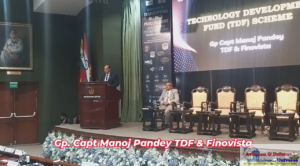
New Delhi. 15 June 2026. If defence procurement is often viewed as a maze of procedures, the Technology Perspective and Capability Roadmap (TPCR) 2025 seeks to serve as its compass. At the workshop on “Demystifying Defence Procurement”, organised by HQ Integrated Defence Staff (HQ IDS) and Centre for Joint Warfare Studies (CENJOWS), a distinguished panel of serving officers unpacked the strategic intent behind the TPCR and its significance for industry. Far from being a mere catalogue of future acquisitions, the TPCR emerged as a crucial strategic document that provides industry—particularly MSMEs and startups—with a rare glimpse into the Armed Forces’ capability requirements over the next fifteen years. Through candid insights and practical guidance, the panel highlighted how early engagement, innovation and alignment with military needs can transform emerging enterprises into key partners in India’s defence modernisation journey.
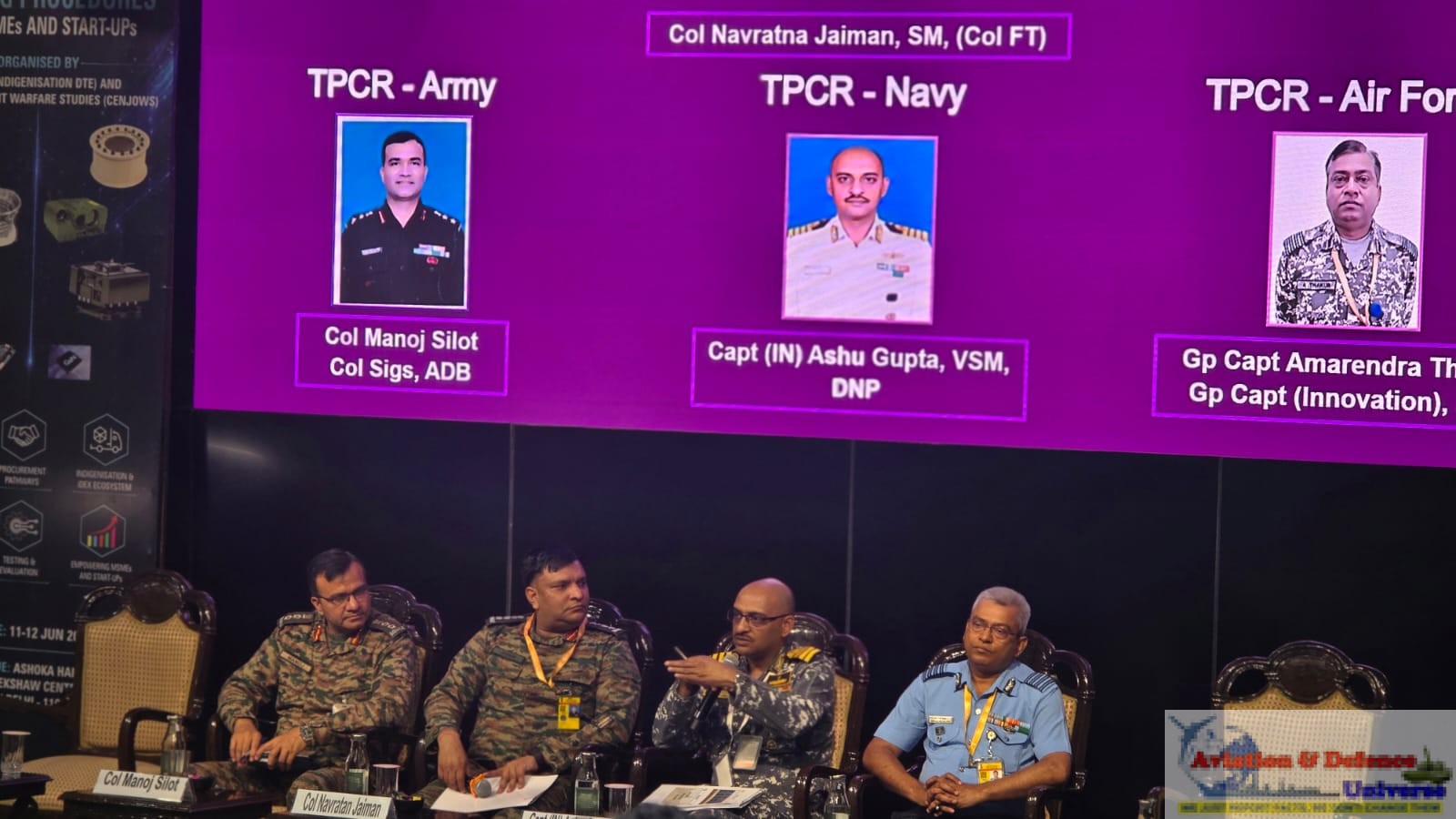
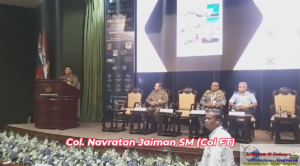
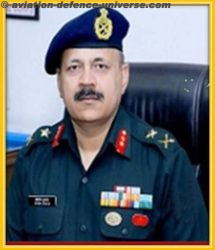
 The session aimed to familiarise industry stakeholders, particularly MSMEs and startups, with the structure, purpose and strategic utility of TPCR as a guide for future defence capability development. The panel comprised Colonel Navratna Jaiman, Colonel Manoj Silot, Captain (IN) Ashu Gupta, and Group Captain Amarendra Thakur, who provided service-specific perspectives on capability requirements and procurement pathways.
Opening the discussion, Colonel Navratna Jaiman emphasised that TPCR should not be viewed as a mere wishlist but rather as a strategic intelligence document outlining the Armed Forces’ anticipated capability requirements over the next fifteen years. He observed that many MSMEs and startups either have not examined the document or have treated it cursorily without recognising its significance. The third edition of TPCR, released in 2025 after incorporating industry feedback, seeks to provide visibility into future capability requirements and guide investments in research, development and manufacturing.
He clarified that while TPCR offers direction, it does not constitute a procurement commitment. The government retains the right to modify, add or delete entries based on evolving operational requirements. The document has intentionally left scope for detailed specifications to be incorporated later in Requests for Proposal (RFPs). According to him, TPCR essentially provides industry with the “direction to travel” while encouraging continuous monitoring of procurement portals.
 Explaining the structure of the document, Colonel Jaiman noted that TPCR is organised into four segments covering the Indian Army, Indian Navy, Indian Air Force, and a Joint Segment. The joint section, in particular, highlights projects being pursued under schemes such as Make-I, Make-II, iDEX and other government initiatives. He urged industry players to derive broad qualitative requirements from TPCR entries and convert them into measurable design parameters before formal procurement begins.
Highlighting challenges faced by startups, he pointed out that many firms begin product development only after RFPs are issued, often discovering gaps in compliance and essential qualitative requirements at a late stage. This results in costly redesigns, delays and, in some cases, disqualification. He advised industry to engage early with Service Points of Contact (SPOCs), maintain robust documentation throughout development and incorporate standards from the prototype stage itself.
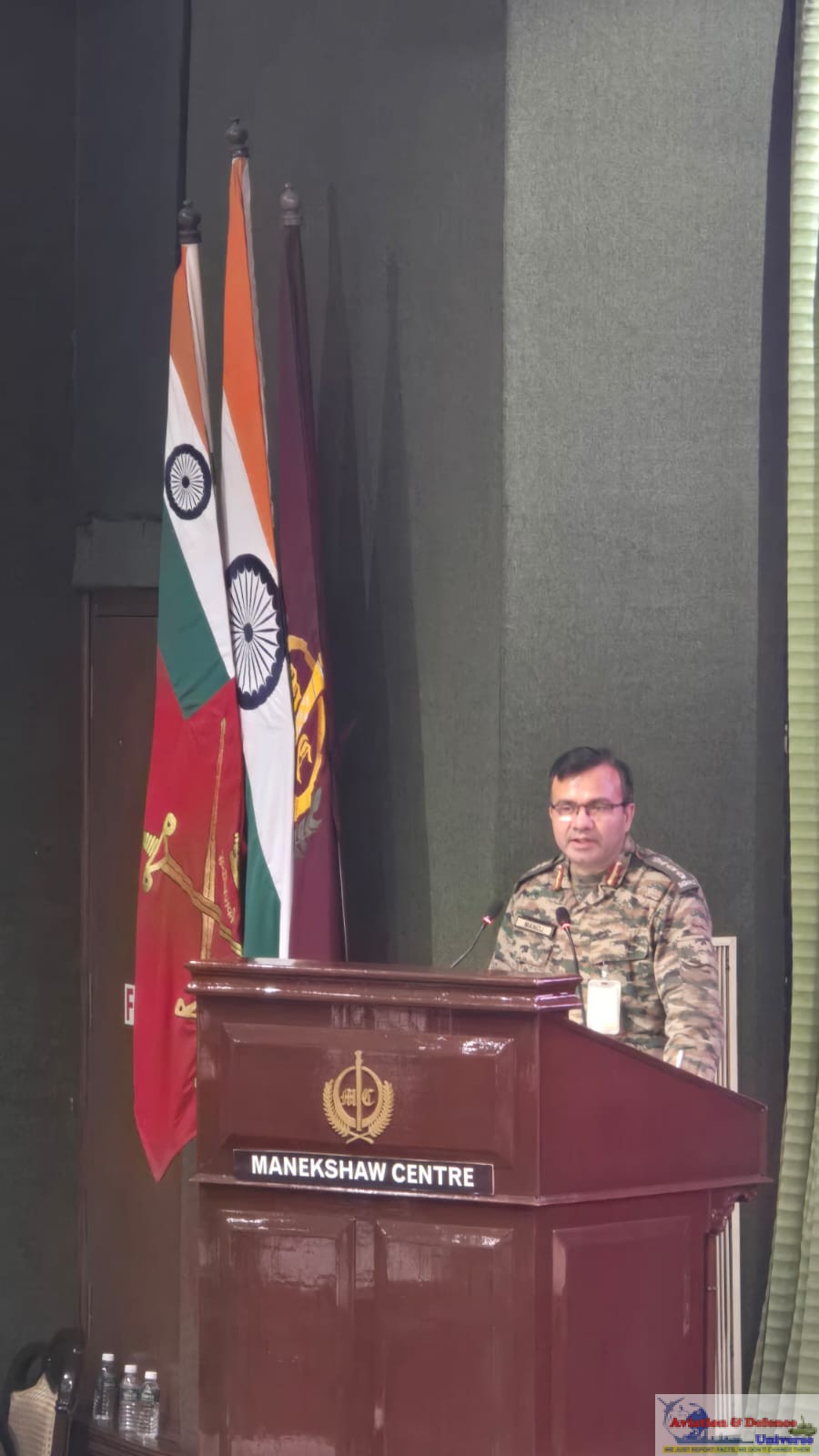
Addressing the audience on behalf of the Indian Army, Colonel Manoj Silot noted that several parameters in TPCR remain deliberately broad because the document is available in the public domain and cannot contain classified information. He highlighted that many projects indicate whether DRDO is already pursuing development, opening opportunities for collaboration with the organisation or independent development by industry. He also drew attention to emerging technology domains such as artificial intelligence, smart adaptive jamming and advanced detection systems, which signal future capability priorities of the Army.
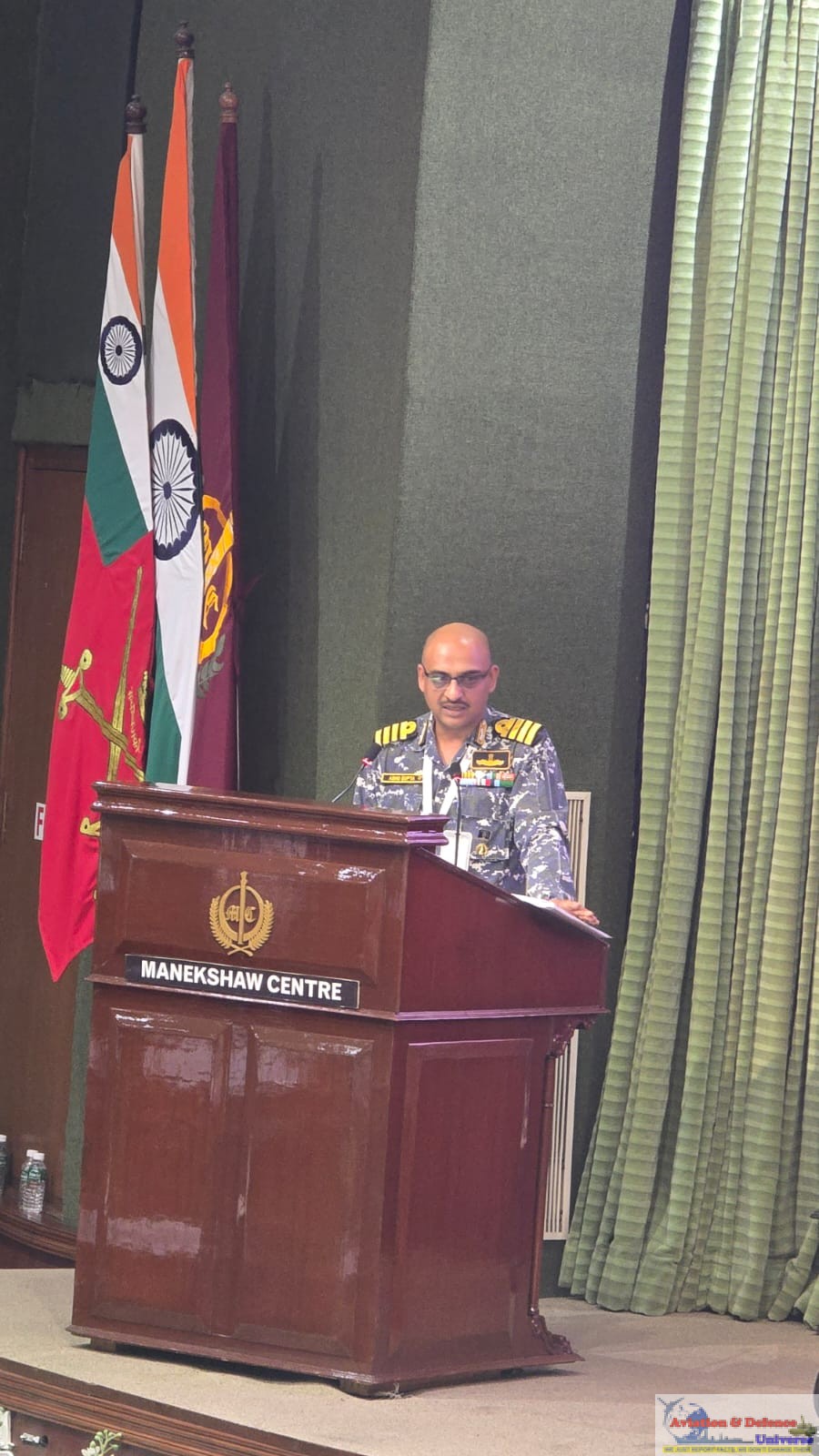 Representing the Indian Navy, Captain (IN) Ashu Gupta outlined the Navy’s focus on emerging warfare domains including grey zone warfare, surveillance, drones and cyber operations. He revealed that the Navy’s TPCR includes 169 projects, while the joint segment comprises another 40 projects, presenting substantial opportunities for Indian industry. Key technological focus areas include autonomous systems, AI-driven decision support, cyberspace convergence, directed energy weapons, quantum technologies and undersea dominance.
Captain Gupta reiterated the significant opportunities available for startups through initiatives such as iDEX, citing several successful cases that progressed from innovation challenges to contracts. He remarked that despite TPCR’s publication, industry engagement has remained limited, with very few companies actively reaching out to the Navy. He encouraged startups to contact service headquarters at an early stage—even at Technology Readiness Level (TRL) 4—to ensure product development aligns with user expectations.
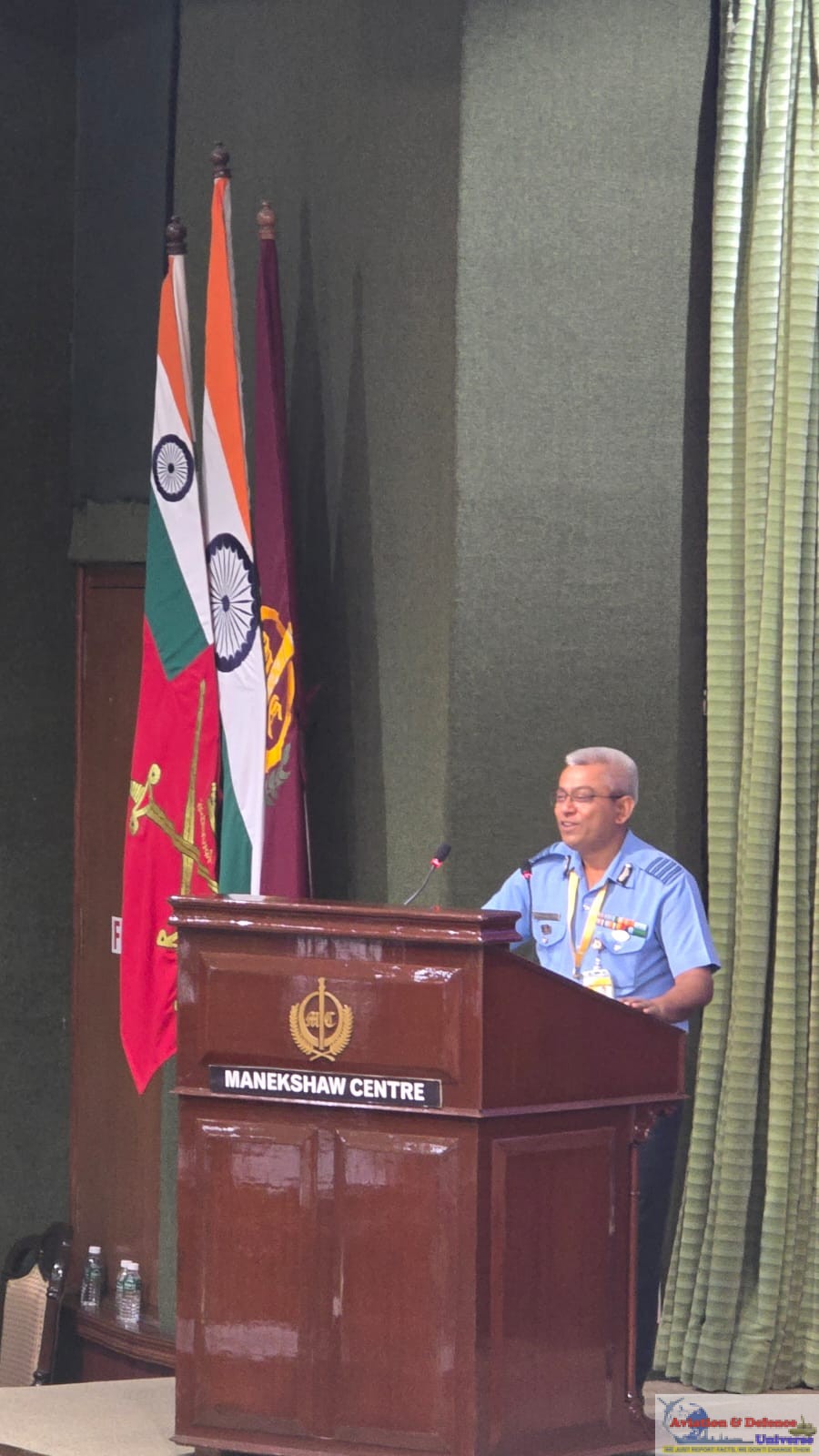 Speaking from the Indian Air Force perspective, Group Captain Amarendra Thakur explained that TPCR formulation begins with threat perception assessments, capability analysis and identification of operational gaps. He highlighted key principles guiding future capability development, including force multiplication, system-of-systems architecture, modularity, interoperability and indigenous sovereignty. According to him, all future systems must contribute to jointness and enhance combat effectiveness beyond standalone capabilities.
Group Captain Thakur noted that the Air Force actively engages with industry and academia through regular outreach programmes and has interacted with over 1,800 industries to understand their core competencies. He also highlighted the importance of technological convergence, observing that modern defence systems increasingly require integration of multiple technologies rather than isolated solutions. He stressed that the shrinking lifecycle of technologies necessitates faster innovation cycles and continuous upgrades.
The panel repeatedly emphasised that TPCR should be treated as a strategic planning tool rather than a catalogue of guaranteed procurements. Industry was encouraged to leverage the document to anticipate future requirements, invest proactively in R&D and align product development with the long-term vision of the Armed Forces. The overarching message from the session was clear: “Don’t make what you can; make what the Armed Forces want.”
The interactive session concluded with industry participants seeking guidance on the appropriate stage for engagement with the Services. The panellists unanimously recommended early interaction, stressing that timely dialogue can prevent costly redesigns and significantly improve the prospects of successful induction into the defence ecosystem.
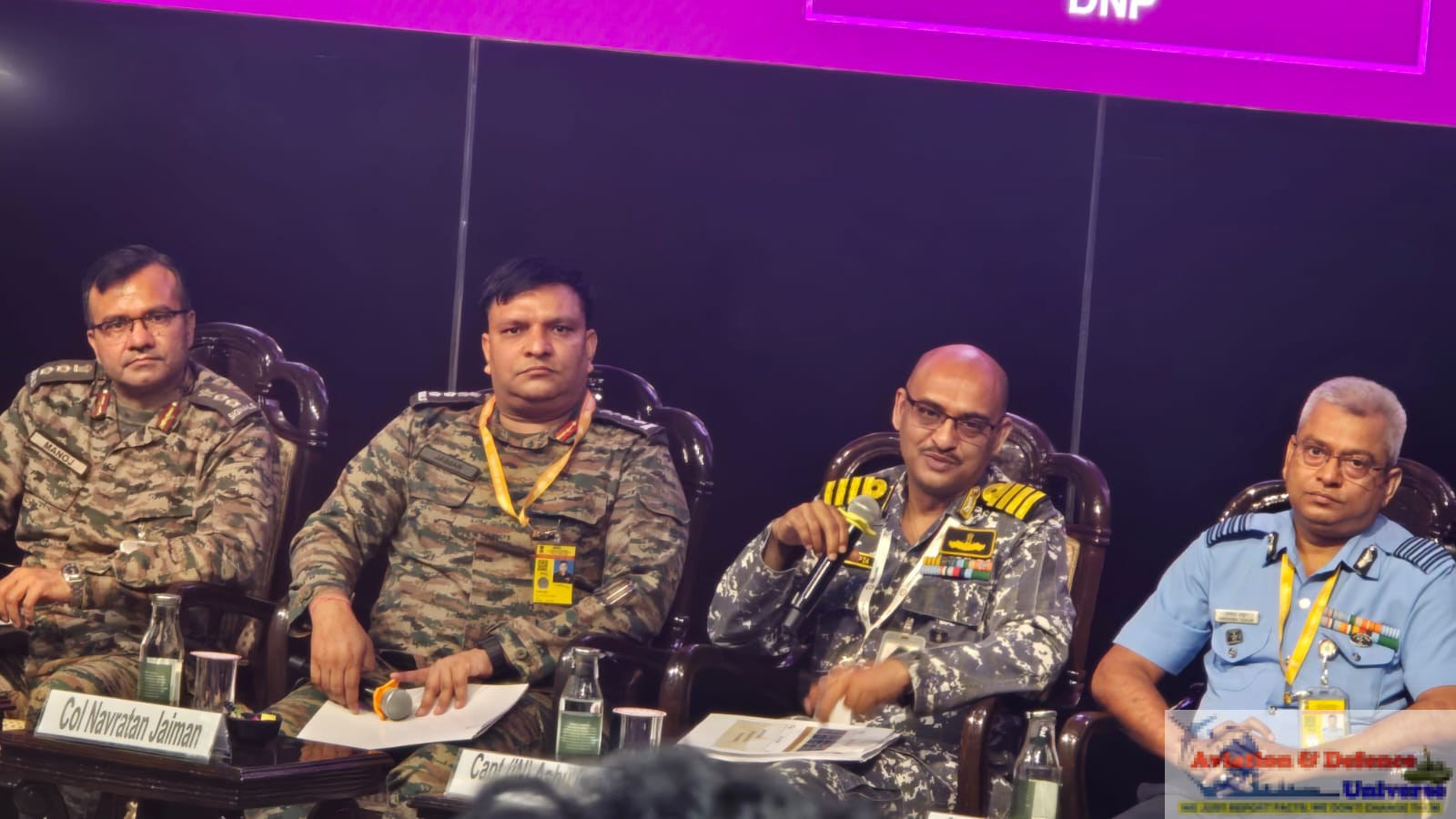 The discussion on TPCR 2025 emphasised a fundamental shift in India’s defence procurement ecosystem—from reactive participation to proactive capability building. The panelists collectively emphasised that the TPCR is not a promise of procurement but a strategic signal of where the Indian Armed Forces are headed. For industry, especially MSMEs and startups, the message was unequivocal: study the roadmap, engage early with stakeholders, invest in future technologies and build solutions that meet emerging operational requirements. As India advances towards greater self-reliance in defence under the vision of Aatmanirbhar Bharat, the TPCR stands as both a guide and an invitation for industry to become active partners in shaping the nation’s future military capabilities. In the words echoed throughout the session, the objective is clear—”Don’t make what you can; make what the Armed Forces want.”















































































-A4-Size-(2)_page-0001.jpg)