


 18th BRICS Summit




















- Timeline Optimisation and Compliance Readiness Key to Defence Contracts
- Why MSMEs Lose Defence Contracts : Highlights Common Compliance Errors
- Compliance Is the Real Battlefield
By Sangeeta Saxena
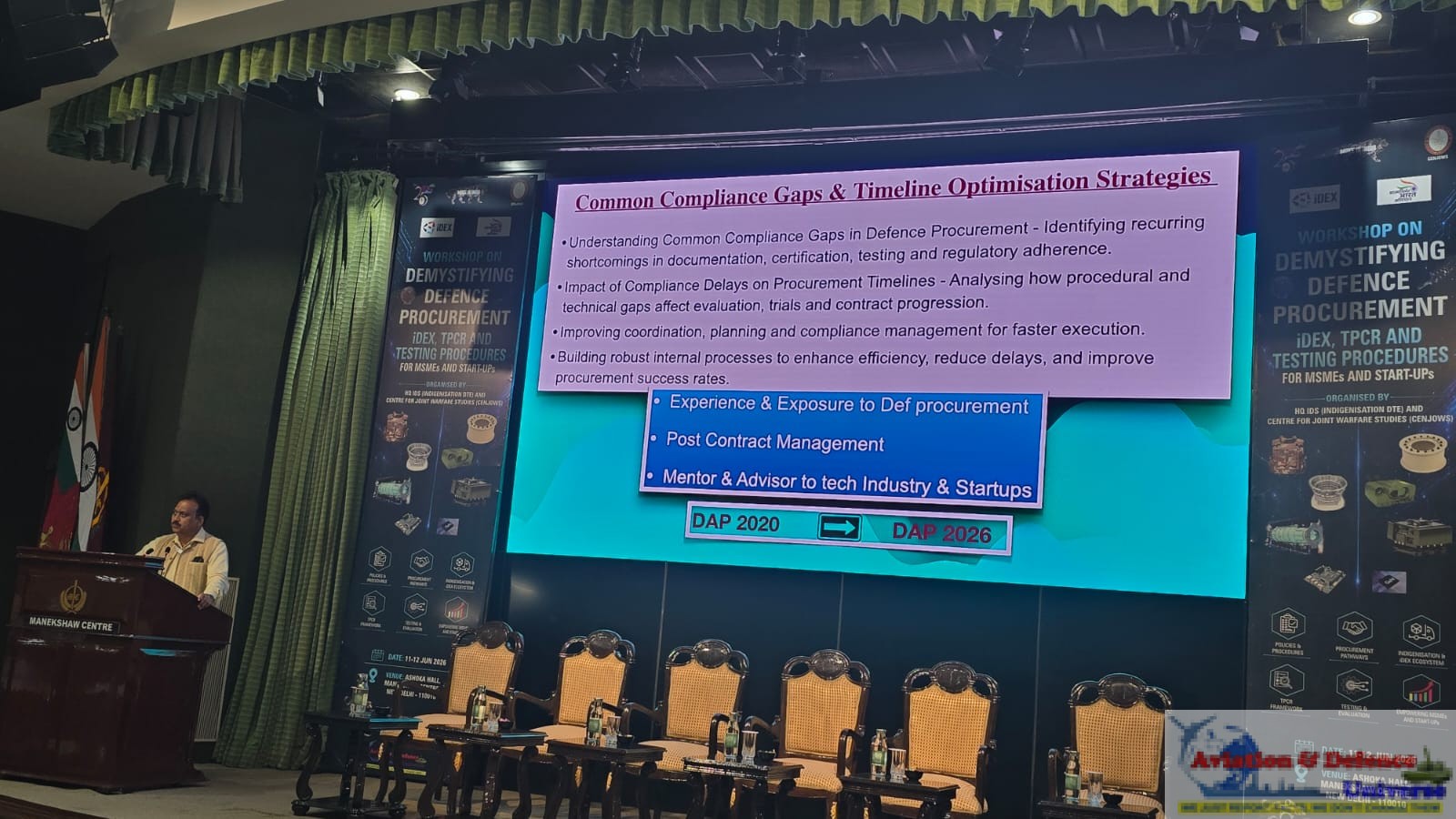
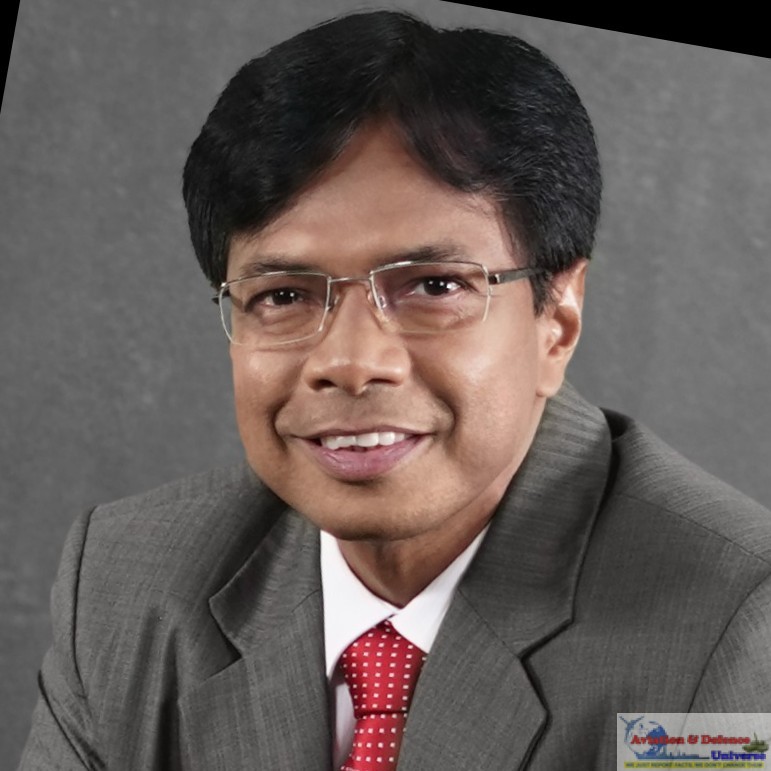
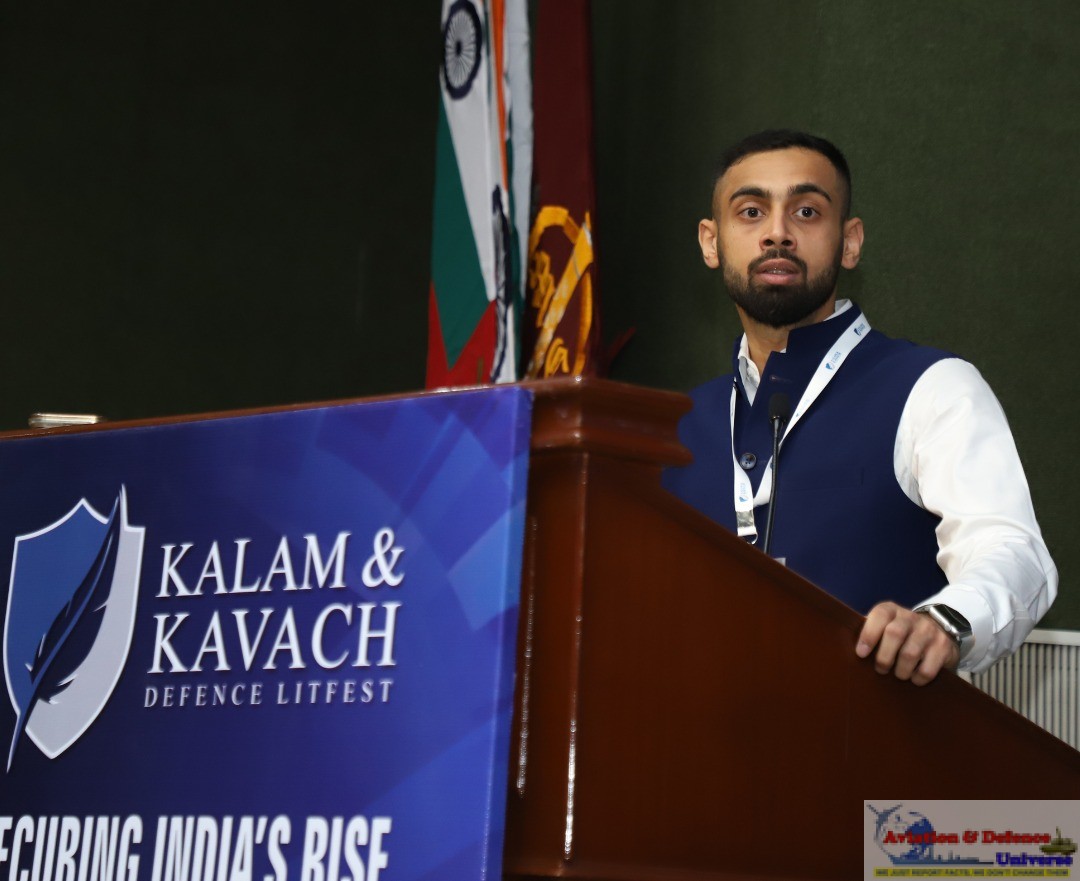
New Delhi. June 2026. India’s defence procurement system is designed to ensure transparency, fairness and operational effectiveness, but for many MSMEs and start-ups, navigating its procedural requirements remains a formidable challenge. Speaking on the subject “Common Compliance Gaps & Timeline Optimisation Strategies” at the HQ IDS–CENJOWS Workshop on Demystifying Defence Procurement, iDEX, TPCR and Testing Procedures for MSMEs and Start-ups, Maj Gen S.Q. Ahmad (Retd.) delivered a practical and experience-driven session on the hidden pitfalls that often prevent promising technologies from reaching the armed forces. Drawing upon his extensive involvement in long-term capability development projects, emergency procurements and acquisitions under Army Commanders’ Special Financial Powers, he emphasised that even the most innovative products can fail if companies do not fully understand the compliance requirements embedded within the procurement process.
 Addressing the audience on “Common Compliance Gaps & Timeline Optimisation Strategies,” Maj Gen S.Q. Ahmad (Retd.) highlighted how procedural shortcomings rather than technological deficiencies often become the primary reason for rejection during defence procurements. He stressed that compliance requirements are woven into every stage of the acquisition cycle—from formulation of Service Qualitative Requirements (SQRs) and issuance of Requests for Proposal (RFPs) to trials, commercial evaluations and contract finalisation. Understanding these requirements, he said, is essential for industry participants seeking to successfully navigate the defence procurement ecosystem.
Compliance Gaps Can Defeat the Best Technologies
Maj Gen Ahmed began by stressing that defence procurement is governed by an extensive framework of compliance requirements. Every stage of the process—from formulation of Service Qualitative Requirements (SQRs) to issue of the Request for Proposal (RFP), evaluation, trials and contracting—contains mandatory checks that cannot be bypassed.
Drawing from his own experience, he explained that many technologically sound products fail because companies do not fully understand the procurement process. He cited examples where highly qualified teams from established companies delivered impressive presentations and sophisticated products but were rejected because they failed to satisfy a seemingly minor requirement in the compliance matrix. Since defence procurement evaluations operate on a strict “yes or no” basis, even a single overlooked parameter can result in elimination.
According to him, these gaps are real and affect both large corporations and emerging companies alike. Therefore, industry must first understand the complete procurement ecosystem before attempting to participate in it.
Common Reasons for Rejection
Maj Gen Ahmed identified several recurring reasons why bids fail during procurement evaluations. One of the most common causes is incomplete documentation. Companies frequently fail to submit mandatory commercial, legal or corporate documents specified in the RFP. Such omissions can lead to immediate disqualification without further technical evaluation. He advised companies to maintain ready checklists and document repositories so that required paperwork is always available.
Another major issue is the submission of non-responsive bids. Many firms focus on showcasing what their technology can do rather than responding specifically to the requirements stated in the RFP. Procurement agencies evaluate against the stated requirement, not against additional capabilities that a company may wish to highlight.
Incorrect pricing formats also create avoidable complications during commercial evaluations and cost negotiations. Similarly, registration delays often disadvantage MSMEs, causing them to miss opportunities or lose financial benefits such as exemptions related to earnest money deposits.
He also pointed to poorly structured joint ventures, especially those involving hardware and software partnerships that lack clear organisational and legal foundations. Such arrangements often face difficulties during procurement scrutiny.
Understanding the RFP Is Critical
 The retired General described the RFP as the most important document in the entire acquisition cycle. He urged industry participants to carefully study every clause of the RFP, particularly in high-value procurement running into hundreds or thousands of crores. Companies should thoroughly understand commercial conditions, offsets, technical requirements and contractual obligations before submitting bids.
Maj Gen Ahmed placed special emphasis on pre-bid meetings. He described them as invaluable opportunities where companies can seek clarifications, raise concerns and resolve ambiguities directly with procurement authorities. Once the RFP is amended and formally issued, the scope for modifications becomes extremely limited because fairness demands equal treatment for all bidders.
He observed that inexperienced firms often underestimate the significance of pre-bid interactions and later discover issues during execution that could have been addressed at an earlier stage.
Lessons from Extensive Trial Experience
Referring to his experience of conducting nearly 140 No Cost No Commitment (NCNC) demonstrations and trials in border areas, Maj Gen Ahmed noted the remarkable growth of India’s defence start-up ecosystem, particularly in the drone sector. Several companies that participated in those demonstrations have since evolved from MSMEs into major industry players.
However, he cautioned that rapid growth is possible only when companies approach procurement professionally and prepare comprehensively. In niche technology sectors, technical excellence alone is insufficient; organisational readiness and procedural understanding are equally important.
Building a Compliance Strategy
To minimise procurement failures, Maj Gen Ahmed recommended that every company create its own compliance matrix immediately after receiving an RFP. This matrix should break down every requirement line by line and identify whether the company can comply with each clause. Once procurement processes begin, compliance becomes non-negotiable.
He also encouraged companies to conduct their own field evaluations and product testing well before official trials. Products should be repeatedly assessed against likely operational requirements so that performance deficiencies are identified early.
Using examples from surveillance and sensor systems, he noted that companies sometimes offer equipment incapable of meeting specified operational ranges. Such products are unlikely to succeed irrespective of the manufacturer’s confidence or marketing efforts.
Institutionalising Procurement Readiness
Maj Gen Ahmed advocated a systematic organisational approach to procurement readiness. He recommended establishing comprehensive document libraries containing commercial records, legal certifications, quality certifications, registrations and other compliance documents. These repositories should be maintained continuously rather than assembled only after an RFP is issued.
 Companies should also ensure that registrations, bank guarantees and certifications are completed and verified in advance. Even minor clerical errors can create major complications during evaluation.
He urged organisations to create agile workflows with clearly assigned responsibilities and timelines, conduct regular internal reviews and maintain continuous process discipline. Prime contractors should similarly ensure that their subcontractors comply with all relevant requirements because deficiencies at lower levels of the supply chain can jeopardise the entire bid.
Quality Assurance and Certification
Addressing quality assurance, Maj Gen Ahmed highlighted the importance of obtaining certifications from DGQA or accredited laboratories well in advance wherever recurring demand exists. Delays in securing certifications often prevent otherwise capable companies from participating in procurement opportunities.
He also emphasised the importance of entering Contract Negotiation Committee (CNC) discussions with complete documentation and supporting evidence. Any ambiguity should be resolved during pre-bid interactions rather than at later stages.
While acknowledging challenges associated with single-stage composite trials, he noted that such approaches can help reduce timelines and improve procurement efficiency.
Compliance and Strategy Must Work Together
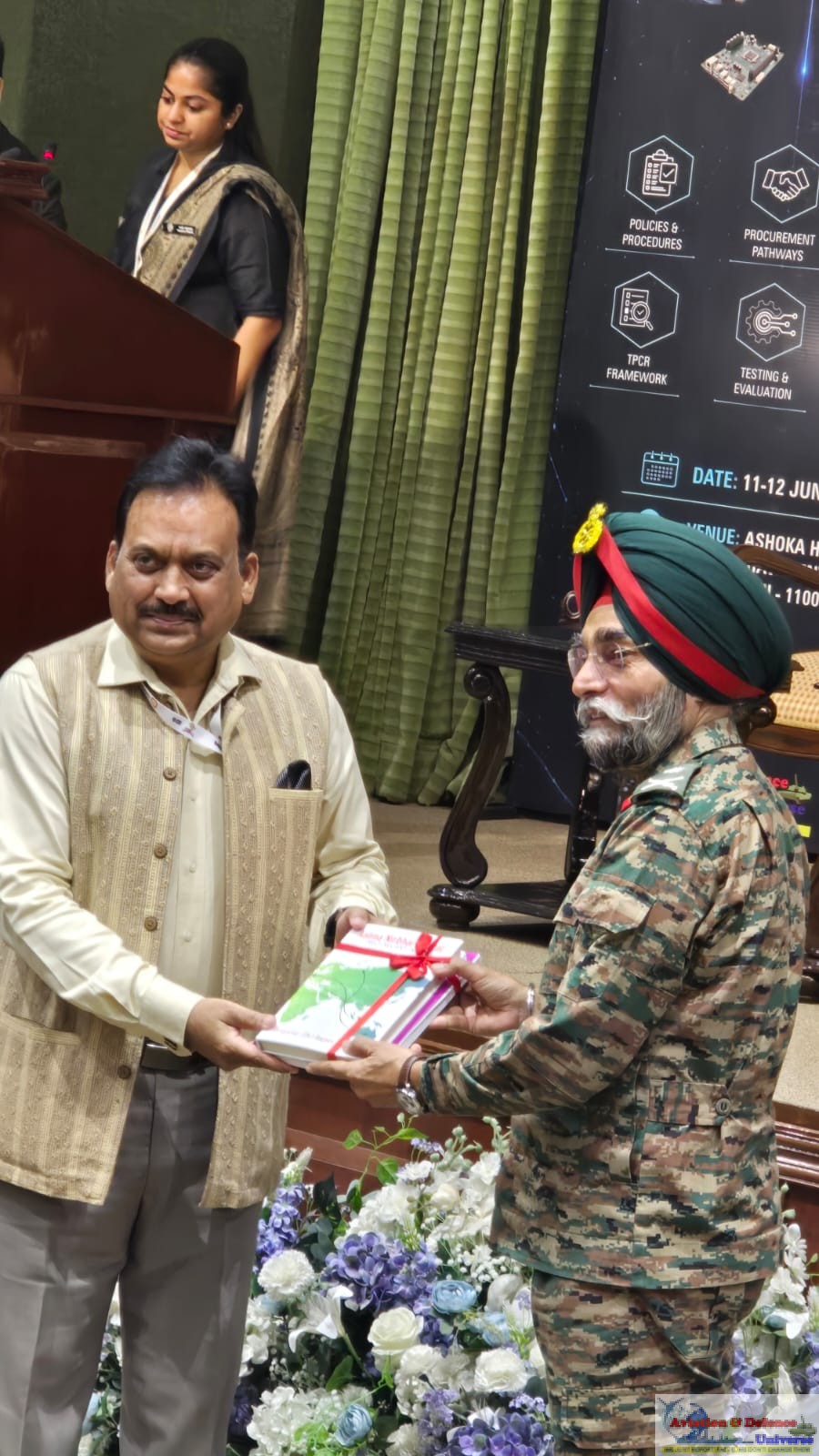 Maj Gen Ahmed reiterated that compliance and strategy are inseparable elements of defence procurement success. Even outstanding technologies can lose contracts because of seemingly minor procedural oversights. Companies must therefore invest as much effort in understanding procurement procedures as they do in developing products.
He urged industry participants to build strong compliance mechanisms, maintain robust documentation systems and prepare thoroughly for every stage of the acquisition cycle. A company standing on solid technological foundations must also stand on equally solid compliance foundations if it wishes to succeed in India’s defence procurement ecosystem.
Concluding his address on “Common Compliance Gaps & Timeline Optimisation Strategies,” Maj Gen S.Q. Ahmad (Retd.) emphasised that technological innovation and procurement compliance must advance together. Through numerous real-world examples, he demonstrated how avoidable procedural errors can derail otherwise promising projects and delay capability induction. His session provided industry participants with a practical roadmap for improving documentation, strengthening compliance mechanisms, optimising timelines and enhancing their prospects of securing defence contracts in an increasingly competitive and innovation-driven ecosystem.










































































-A4-Size-(2)_page-0001.jpg)