 18th BRICS Summit















- “Defence Procurement Professionals Complicate Stuff” : A Practitioner’s View from the Inside
- From Make in India to Atmanirbhar Bharat: He Connects The Dots
By Sangeeta Saxena
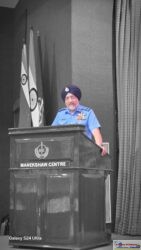
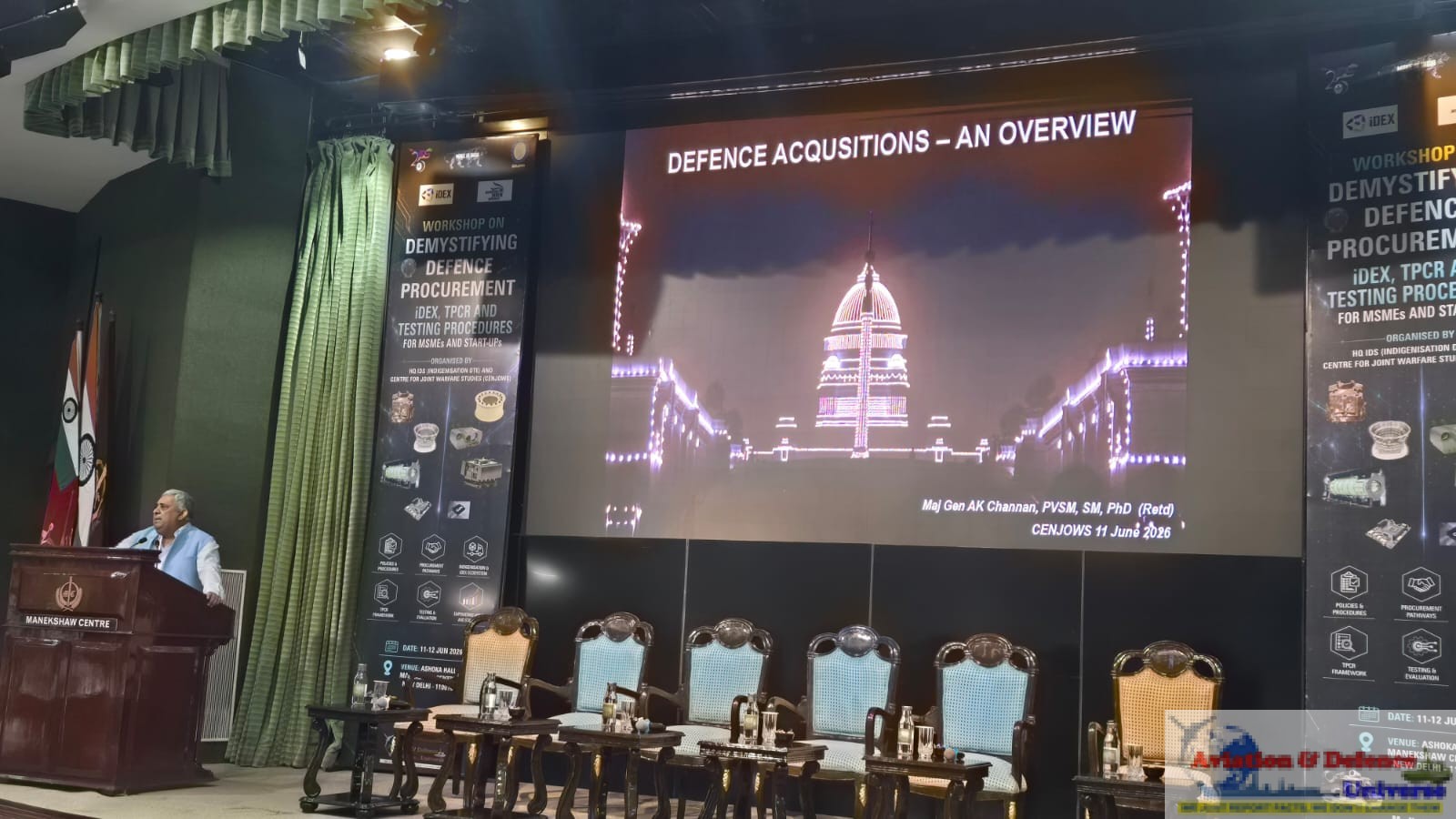
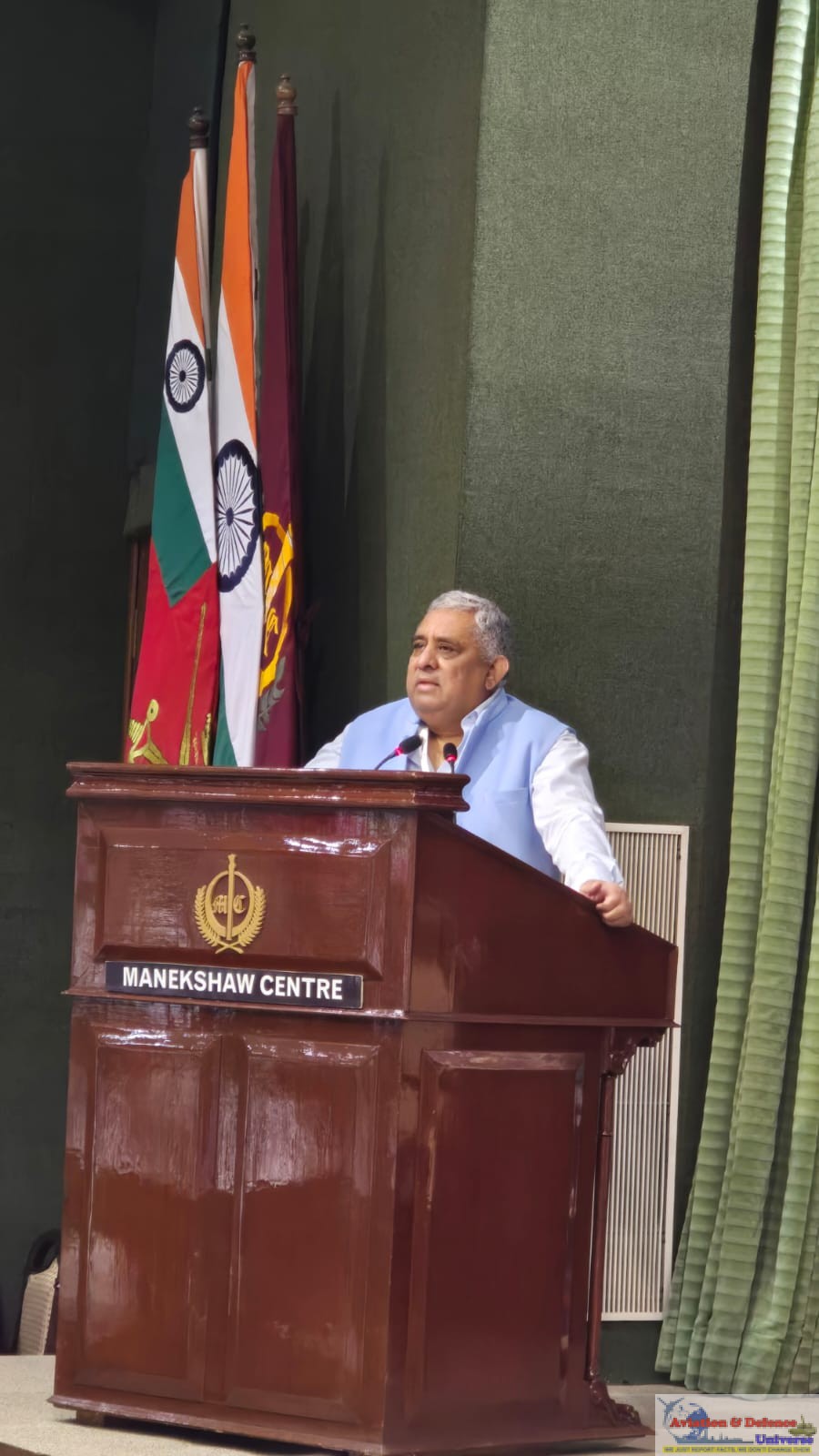
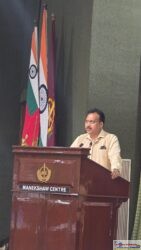
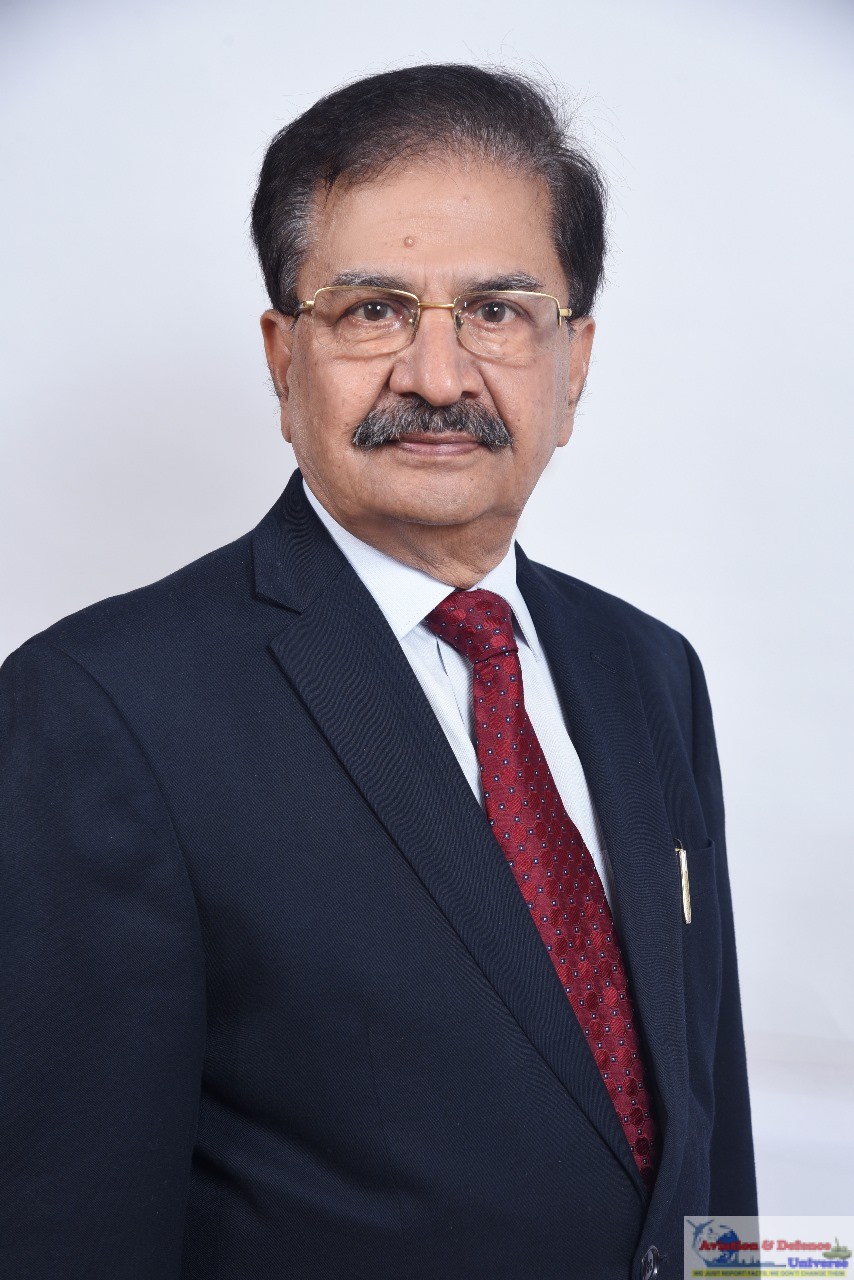
New Delhi. 22 June 2026. India’s journey towards defence self-reliance has been marked by a gradual but decisive evolution—from encouraging domestic manufacturing under Make in India to building indigenous technologies, intellectual property and innovation ecosystems under Atmanirbhar Bharat. Addressing industry representatives, start-ups, MSMEs and defence stakeholders , Maj Gen A.K. Chanan (Retd.) at the HQ IDS–CENJOWS Workshop on Demystifying Defence Procurement, iDEX, TPCR and Testing Procedures for MSMEs and Start-ups, one of the architects associated with the evolution of defence innovation frameworks including iDEX and Make procedures, offered a practitioner’s perspective on how India’s defence industrial ecosystem has transformed over the last decade. Drawing from his extensive experience within the system, he simplified complex procurement processes, explained the rationale behind policy reforms, and highlighted the opportunities and challenges that continue to shape India’s defence innovation landscape.
Setting the context, Maj Gen Chanan traced the origins of India’s self-reliance push in defence manufacturing. Recalling the genesis of the movement, he observed, “Make in India was actually started somewhere in 2001. But I guess the impetus to Make in India happened around 2014, 15th of August when the Honourable Prime Minister gave speech in which he said, let us make in India.”
 He explained that the initiative sought to create a robust defence manufacturing base within the country by encouraging large industrial players to enter the defence sector while simultaneously nurturing MSMEs that form the backbone of the defence ecosystem. Preferential procurement policies, defence offsets and indigenisation lists were among the key policy instruments used to drive localisation.
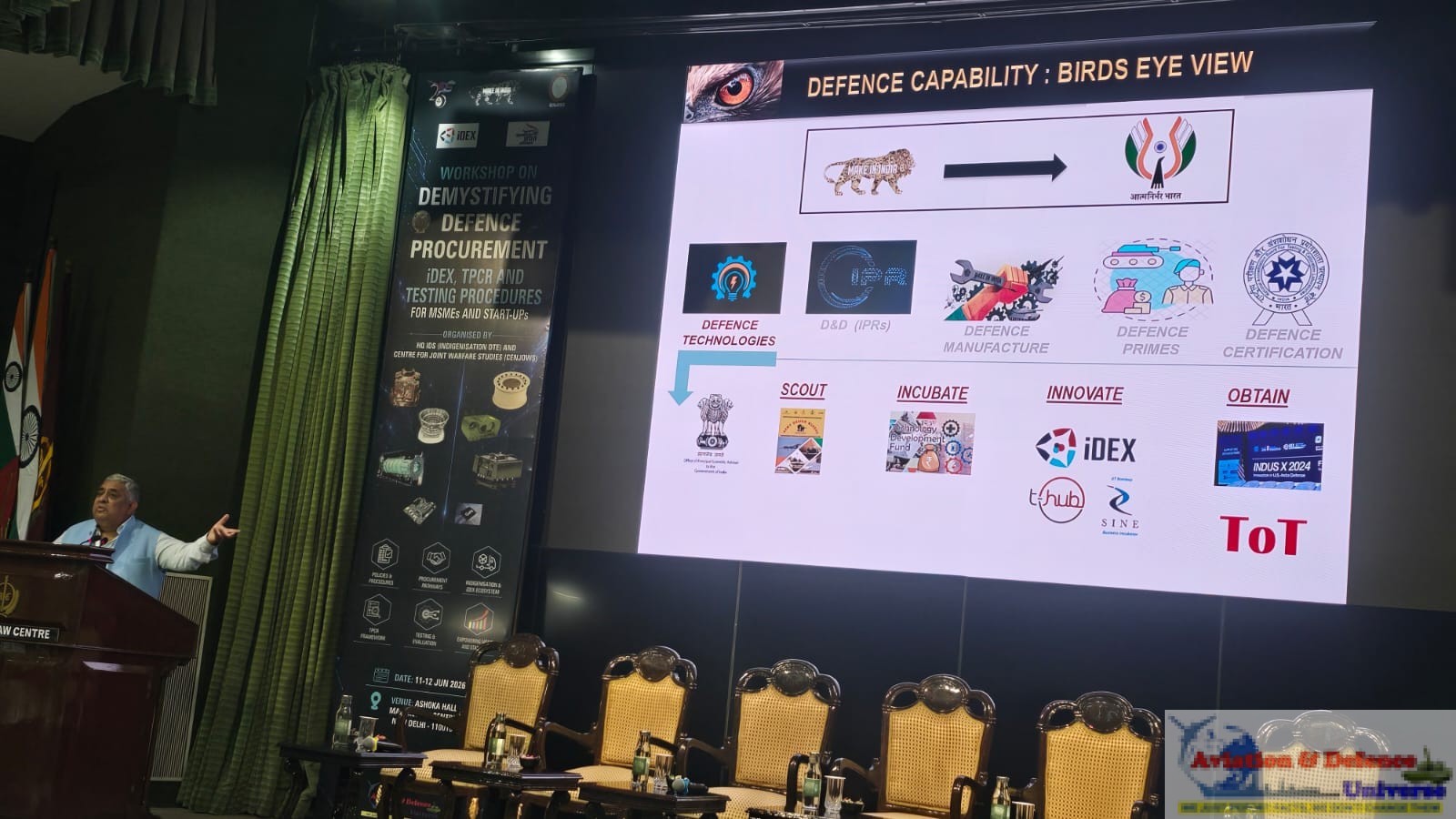
Highlighting a major strategic shift, he explained, “Make in India was largely trying to localise production here to start creating certain lead system integrators in the country. But then we went to Atmanirbhar Bharat. According to him, the transition from Make in India to Atmanirbhar Bharat represented a significant broadening of objectives. The focus expanded beyond manufacturing to include indigenous technologies, original designs, intellectual property rights, standards and certification ecosystems.
Emphasising the difference, he remarked, “The scope expanded.” He noted that India recognised the need not only to acquire available technologies globally through effective technology scouting mechanisms but also to incubate and nurture critical technologies that would never be available off the shelf.
Explaining how the government created pathways for innovation, he said, “We started reaching out. We started issuing problem statements. We started issuing challenges to people.” He described how the armed forces and defence establishments began actively engaging with innovators, exposing them to operational conditions and encouraging participation through challenge-based innovation models.
Speaking about openness to new ideas, he added, “We started a system called Suomoto. If you have any bright idea, just throw it back at us.” The result, he noted, was the emergence of a defence innovation ecosystem involving thousands of stakeholders connected in one form or another to the defence sector.
Reflecting on the evolution of innovation funding, he stated, “Initially, it was 50 lakhs. In 2016, we increased it to 10 crores.” He pointed out that technology development support grew significantly over the years, with mechanisms such as the Technology Development Fund (TDF) expanding to support projects up to ₹50 crore.
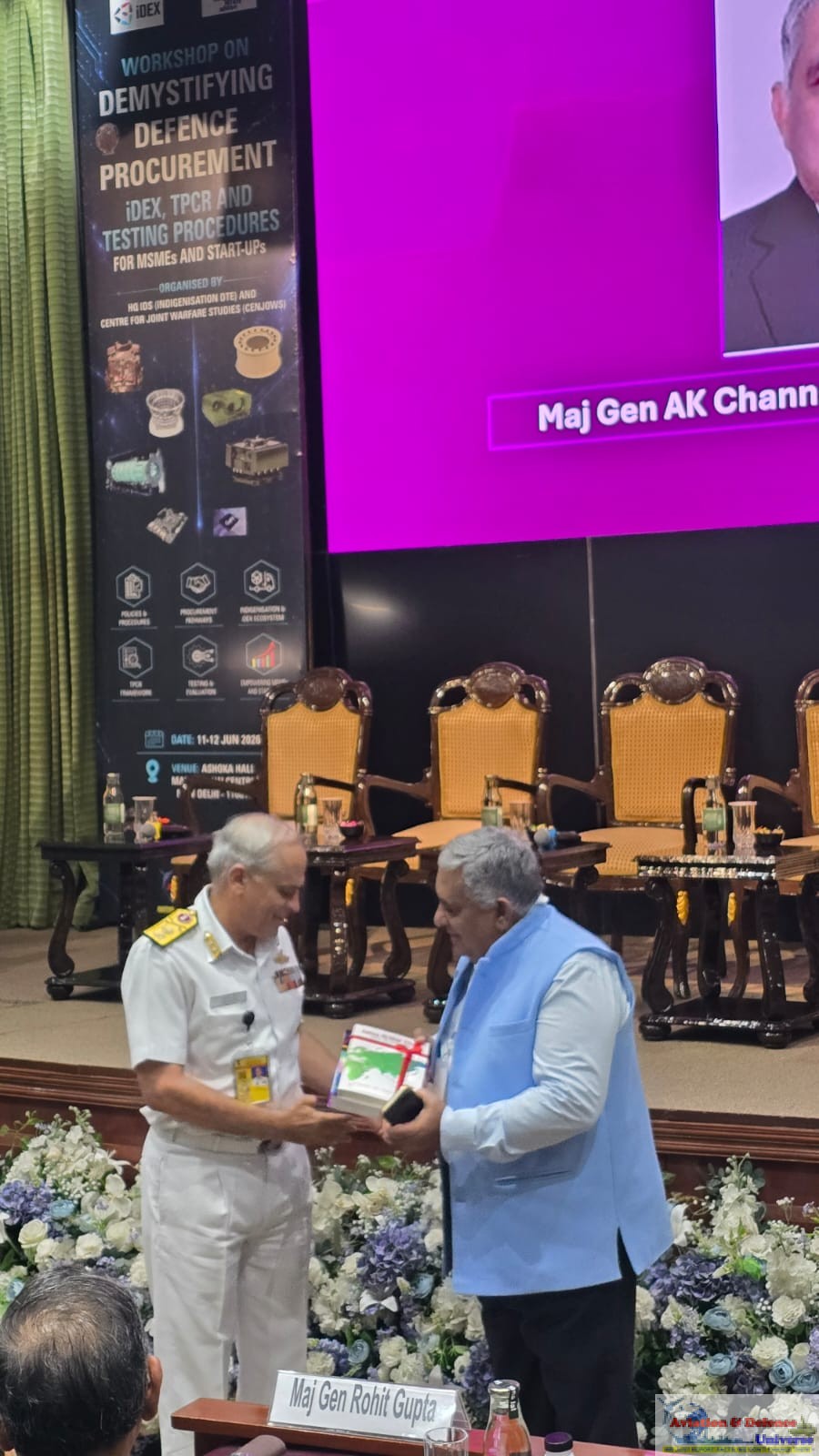 Explaining the lessons learned from internal innovation efforts, he remarked, “All service headquarter innovations were not truly innovations. However, they gave us good insight because they were very good problem statements.” He observed that many field innovations helped identify operational challenges even when they were not technological breakthroughs in themselves. Describing how this understanding shaped future initiatives, he explained, “That is how this IDEX platform was born.” According to him, iDEX emerged as a bridge between operational requirements and the innovation capabilities of start-ups, MSMEs and entrepreneurs.
Illustrating the limitations of earlier technology transfer arrangements, he observed, “In the end, we knew how to build the body 50 times over, but we never got the seeker or some other critical part.” The General stressed that India gradually shifted from merely acquiring manufacturing know-how to seeking access to critical technologies and meaningful intellectual contributions. This led to greater emphasis on technology transfer quality, international innovation partnerships and indigenous capability development.
Maj Gen Chanan highlighted the importance of developing India’s own standards, testing infrastructure and certification ecosystem. Explaining the government’s approach, he said, “There is something called defence testing portal where you can… any testing infrastructure that is available with the Government of India is available to people.”
He also outlined initiatives such as the Defence Testing Infrastructure Scheme and efforts to make testing resources more accessible to industry. Speaking about the rationale behind defence industrial clusters, he explained, “That is where the concept of defence corridors was born.” These corridors, he said, were intended to bring testing, manufacturing and support infrastructure into closer geographical proximity to reduce inefficiencies and accelerate development.
 Perhaps the most memorable segment of his address was his attempt to simplify defence procurement for industry participants. In a candid observation, he remarked, “Defence procurement professionals complicate stuff.” Driving home his point, he added, “It is the simplest thing in this world.” Using the analogy of buying or making a sandwich, he explained that defence acquisition fundamentally revolves around either buying equipment or developing it, although public accountability, operational reliability and long-term sustainment requirements make the process more structured.
Using a relatable example, he said, “You want a sandwich. You are hungry. Breakfast time, you want a sandwich. What do you do? You either… buy one or you go into the kitchen and make one.” Summarising procurement categorisation in simple terms, he remarked, “If you buy it from an Indian vendor, we call it Buy Indian. If you buy it from a foreign vendor, you call it just Buy.” He emphasised that despite its apparent complexity, defence acquisition remains rooted in basic decision-making principles supported by governance and accountability mechanisms.
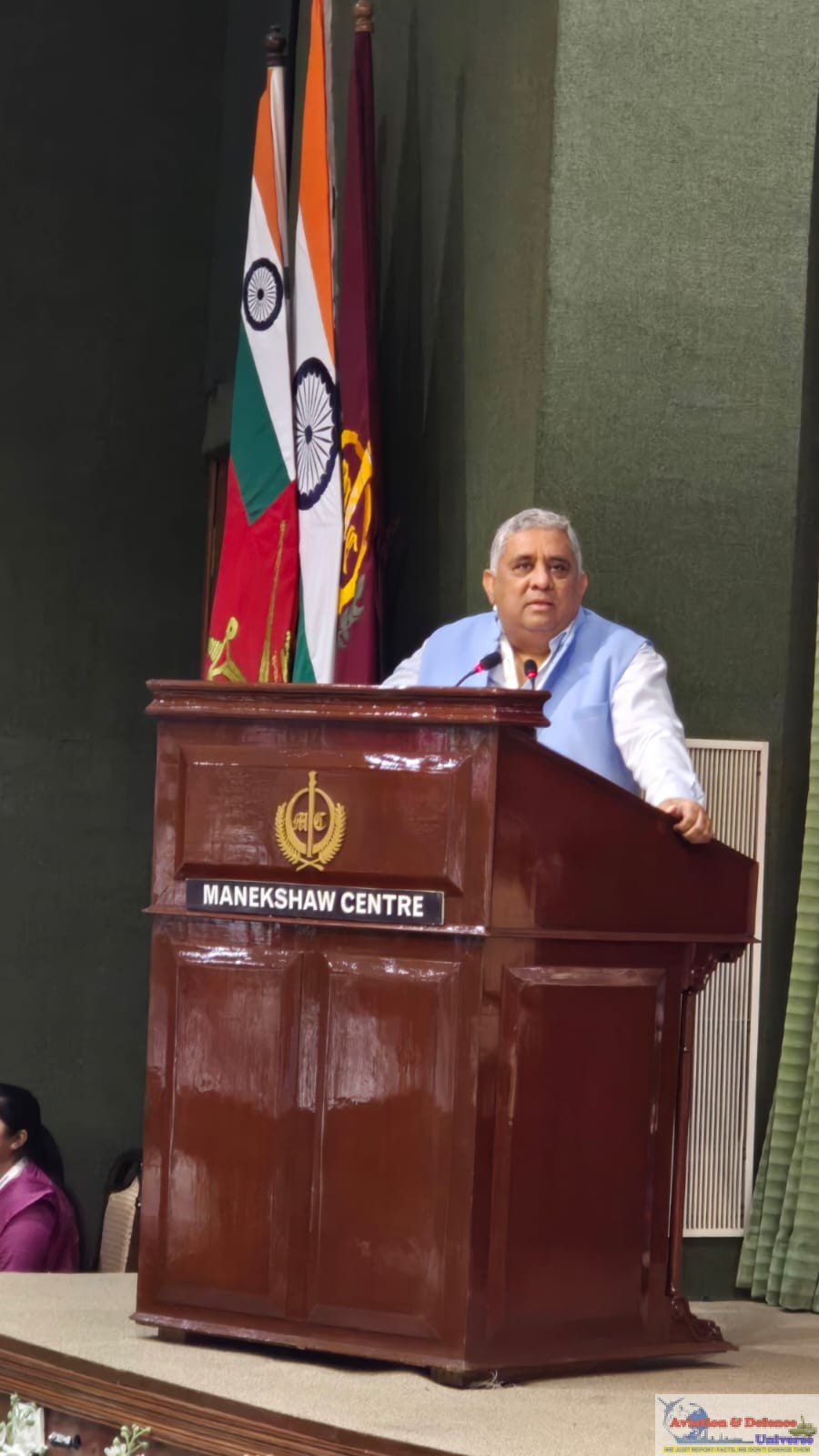 Maj Gen A.K. Chanan’s address offered more than a historical overview of India’s defence industrial reforms—it provided a practitioner’s guide to understanding the logic behind policies, procurement structures and innovation initiatives that have emerged over the last decade. By tracing the evolution from Make in India to Atmanirbhar Bharat, explaining the birth of platforms such as iDEX, and candidly acknowledging the implementation challenges that remain, he reinforced the importance of collaboration between government, industry, start-ups and the armed forces.
His central message was clear that while defence procurement may appear daunting, its fundamentals are straightforward when viewed through the lens of operational necessity, accountability and national self-reliance. The task ahead lies in strengthening execution, improving access to testing and finance, and ensuring that innovation successfully transitions into deployable military capability.











































































-A4-Size-(2)_page-0001.jpg)