


 18th BRICS Summit











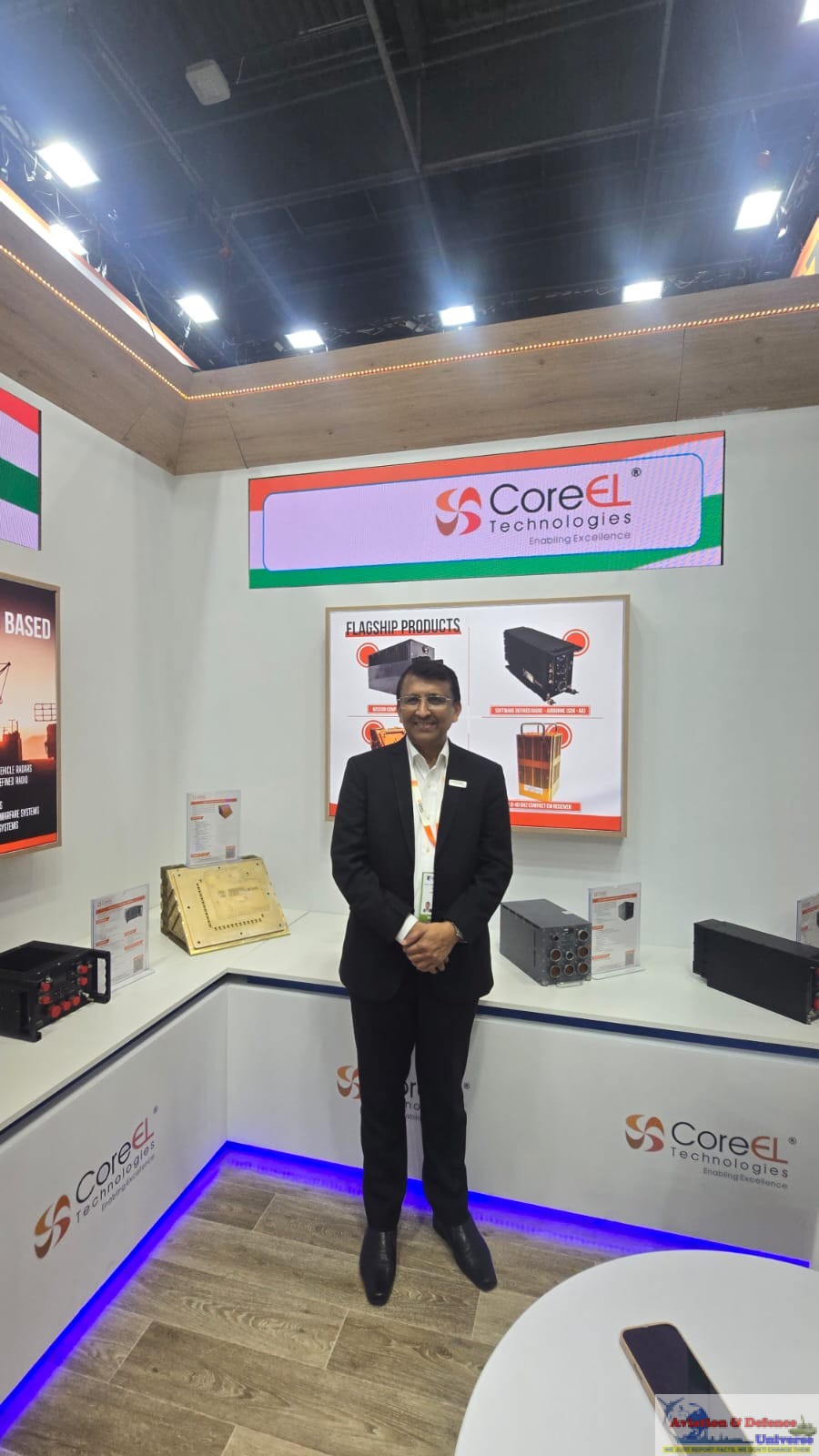
- CoreEL’s Defence Growth Story in Vishwanath Padur’s words
- Showcases Military Communications, EW and Avionics at Eurosatory 2026
By Sangeeta Saxena
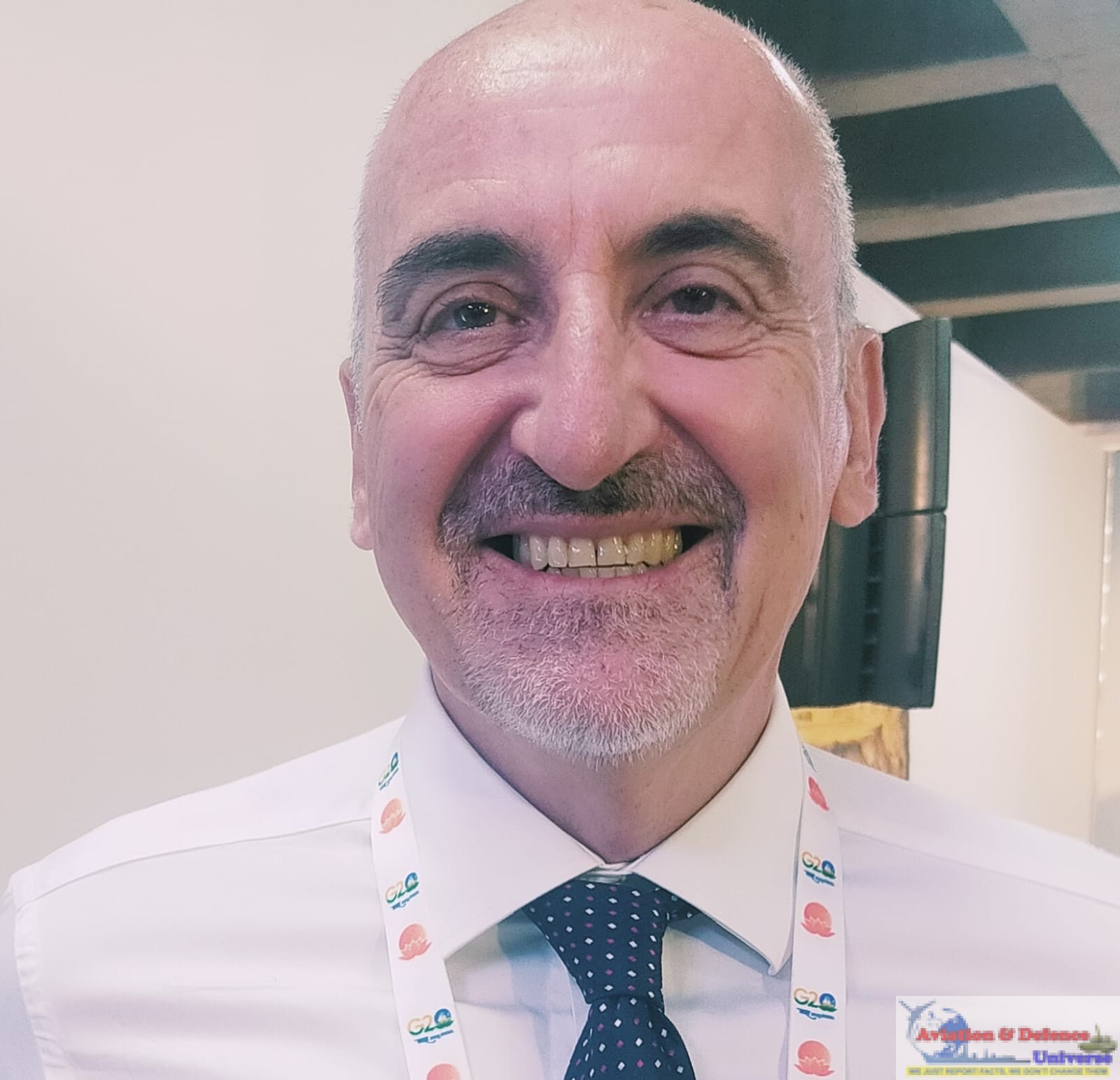
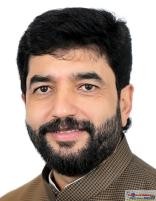
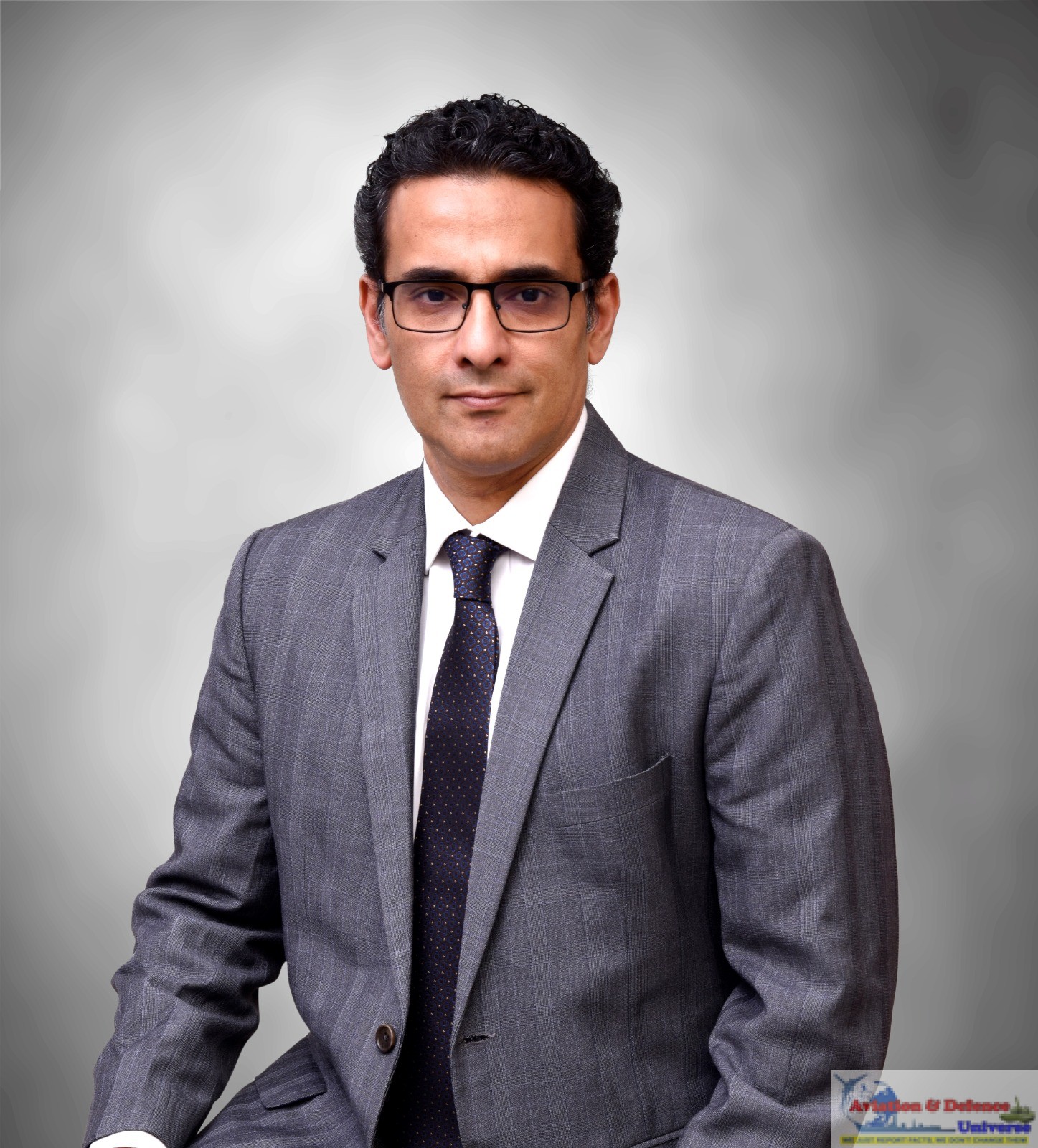
Parc Des Expositions , Paris. 17 June 2026. At Eurosatory 2026, CoreEL Technologies joined the India Pavilion to showcase its growing portfolio of military communications, avionics, radar and electronic warfare solutions. Over the last decade and a half, the Bengaluru-based company has established itself as a key contributor to India’s defence ecosystem, working closely with DRDO, Bharat Electronics Limited (BEL), Hindustan Aeronautics Limited (HAL) and the Armed Forces. Now, backed by significant private equity investments and a growing portfolio of indigenous intellectual property, CoreEL is setting its sights on global markets. In this conversation with ADU, Vishwanath Padur, Managing Director & CEO, CoreEL Technologies, discusses the company’s technology offerings, export ambitions, Make in India journey, intellectual property strategy, recent acquisitions and plans for future growth.
ADU. We are here at Eurosatory and CoreEL is also here as part of the India Pavilion. What are you showcasing?
Vishwanath Padur. We are showcasing our military communication products, some avionics products, 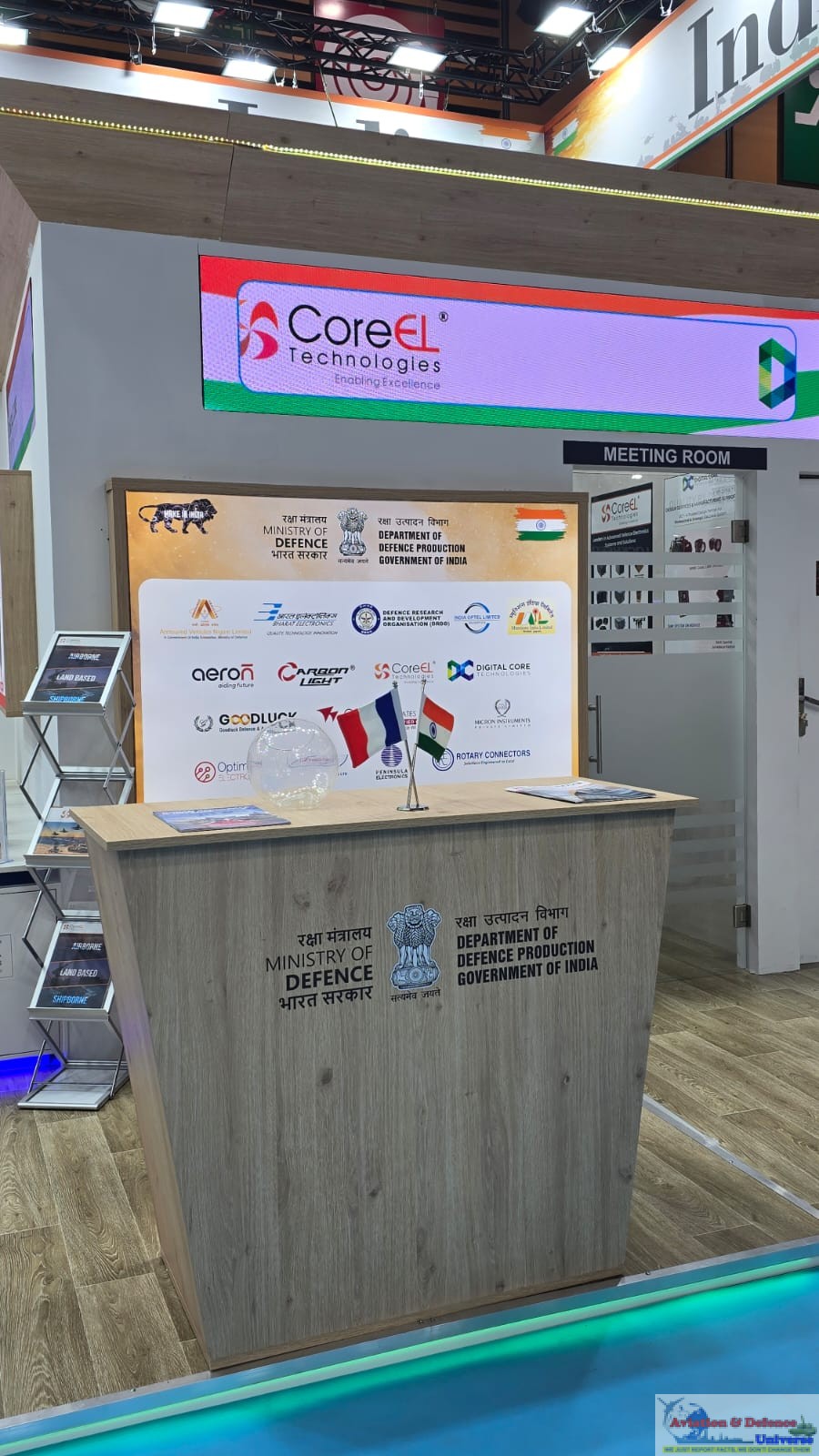 radar systems and electronic warfare products. These products are directly linked to our core capability, which is the design and development of high-end electronic system-level products for Indian defence.
We have been working on such advanced technologies for the last 15–16 years. While we continue to develop products for Indian defence and contribute in a meaningful way, our participation here is also about understanding what technologies are available globally, identifying potential customers and exploring what we can learn and contribute to the global defence ecosystem. That is the primary purpose of our participation at Eurosatory. We are on a lot of platforms including the important Tejas.
ADU. You already have an existing market. Who are your customers in India?
Vishwanath Padur. Our customers are DRDO, Bharat Electronics, HAL and the Armed Forces. Ultimately, whatever we do for DRDO, HAL and Bharat Electronics is intended for the Armed Forces. The end user is always the Armed Forces. For several years, we have worked closely with DRDO in developing products. Production execution has largely happened through Bharat Electronics and HAL. However, from a long-term perspective, we have now started developing full-fledged products directly for the Ministry of Defence.
Significant investments are being made towards product development, and we are gradually moving into what I would describe as a high-risk, high-reward business strategy. We have built substantial experience over the years and have also raised private equity funding to support this transition.
ADU. How much funding have you raised?
Vishwanath Padur. Across two rounds of private equity funding, we have raised approximately ₹400 crore. The objective is to use this capital to build new products, upgrade our infrastructure, hire more competent engineers and develop a larger portfolio of products. Our goal is to become a large aerospace and defence company in India that serves both the Indian market and global markets.
ADU. Since you are here at Eurosatory and we also met you in Dubai, how is the export market shaping up?
Vishwanath Padur. Exports are relatively new for us. For a long time, CoreEL invested primarily in the 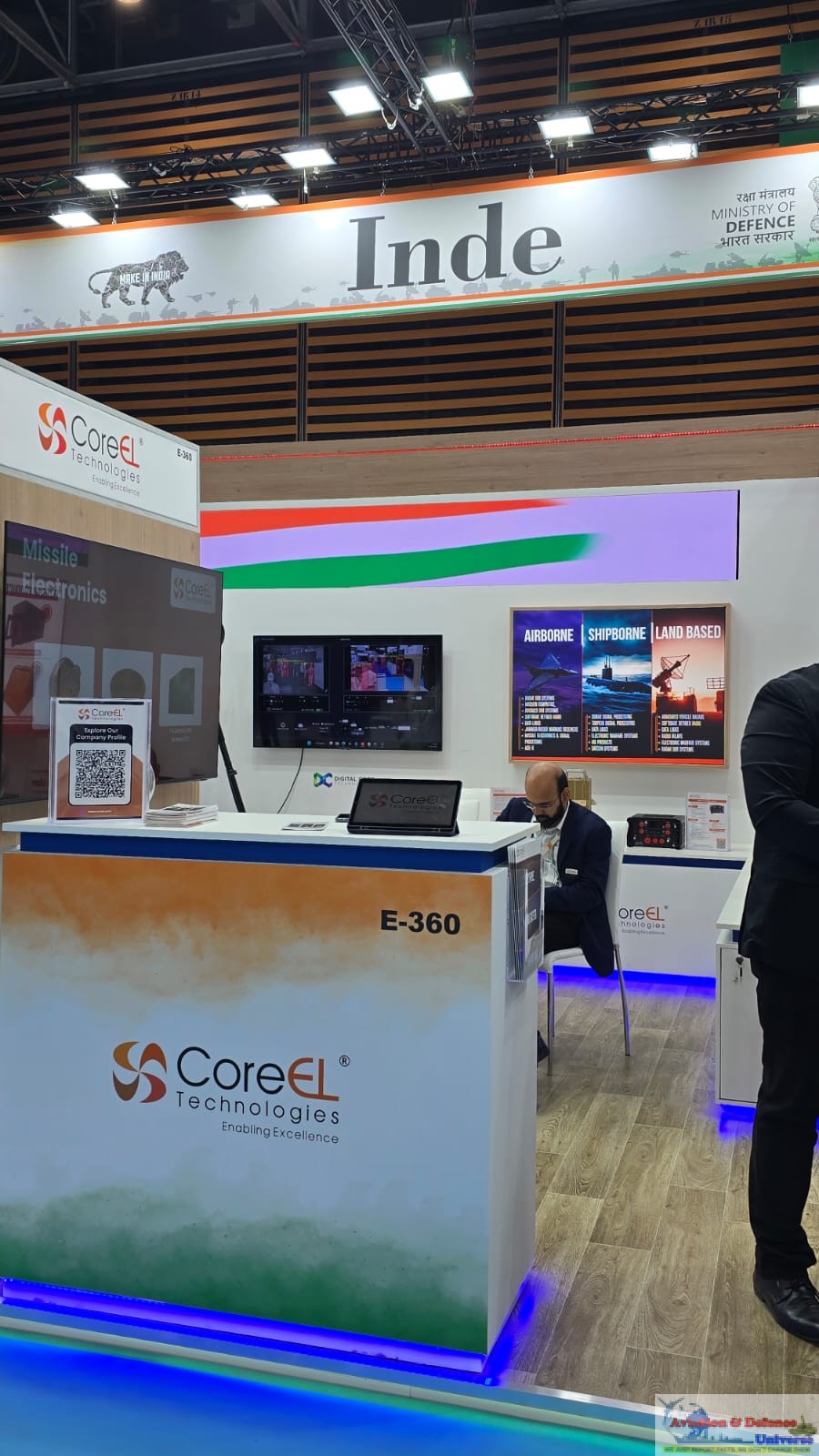 domestic market. However, from a business perspective, we see exports as an important de-risking mechanism and an opportunity to create larger businesses. During our participation in Dubai, we started seeing interest from Southeast Asian countries in our products. At Eurosatory, we are keen to explore the European market, understand customer requirements and evaluate the level of interest in some of the products we have designed. This process has just begun, and we are optimistic about the opportunities ahead.
ADU. How has the footfall been today?
Vishwanath Padur. It has been reasonably good. One of the advantages of Eurosatory is that most of the countries and companies doing business with India are present here. For us, this creates opportunities to connect with them because when foreign companies supply systems to Indian Armed Forces, they often have localisation obligations. That is where CoreEL can contribute meaningfully. We can help develop and manufacture various types of sensors and subsystems for platforms such as aircraft and missile systems. Our expertise largely lies in developing sensors for these platforms, and we believe we can play a meaningful role in localisation efforts.
ADU. With the Prime Minister’s Make in India and Atmanirbhar Bharat initiatives, what percentage of your manufacturing is actually Indian?
Vishwanath Padur. Everything that CoreEL does is designed, developed and manufactured in India. The government’s requirement generally ranges between 50–65 percent indigenous content, and in some cases up to 70 percent. However, while Make in India is extremely important, it is equally important to Design in India. That is where intellectual property resides. I would say “Own in India” is also critical. Patents, intellectual property and ownership of technology should remain within India.
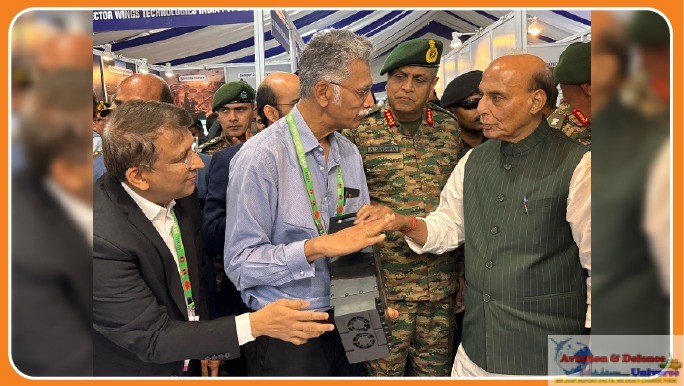
The CoreEL philosophy is that we design and develop everything in India, ensuring that the entire intellectual property resides within the country. The only significant component that we import is semiconductors. For various reasons, the global electronics ecosystem still depends heavily on imported semiconductors. Hopefully, that will also change in the future. Apart from semiconductors, everything else is done in India. That makes us a truly self-reliant company.
ADU. Anything you would like to add from your side?
Vishwanath Padur. We are in this for the long run. CoreEL wants to grow into a large aerospace and defence company, and all our investments are aligned with that objective. After raising our Series B funding, we completed our first acquisition by acquiring the military communications group of Lekha Wireless. Through this acquisition, nearly 100 highly talented engineers and significant intellectual property related to military communications became part of CoreEL With these products, we have started addressing Ministry of Defence requirements directly.
Today, we have products for helicopters, fighter aircraft, drones and tanks, including various types of data links and secure communication systems. In addition, we have our own offerings in radar, electronic warfare and avionics. Military communications is a very large market, and we intend to grow significantly in this area through both R&D investments and manufacturing capabilities in India. We want to contribute meaningfully to the broader defence ecosystem.
ADU. Where are your facilities located?
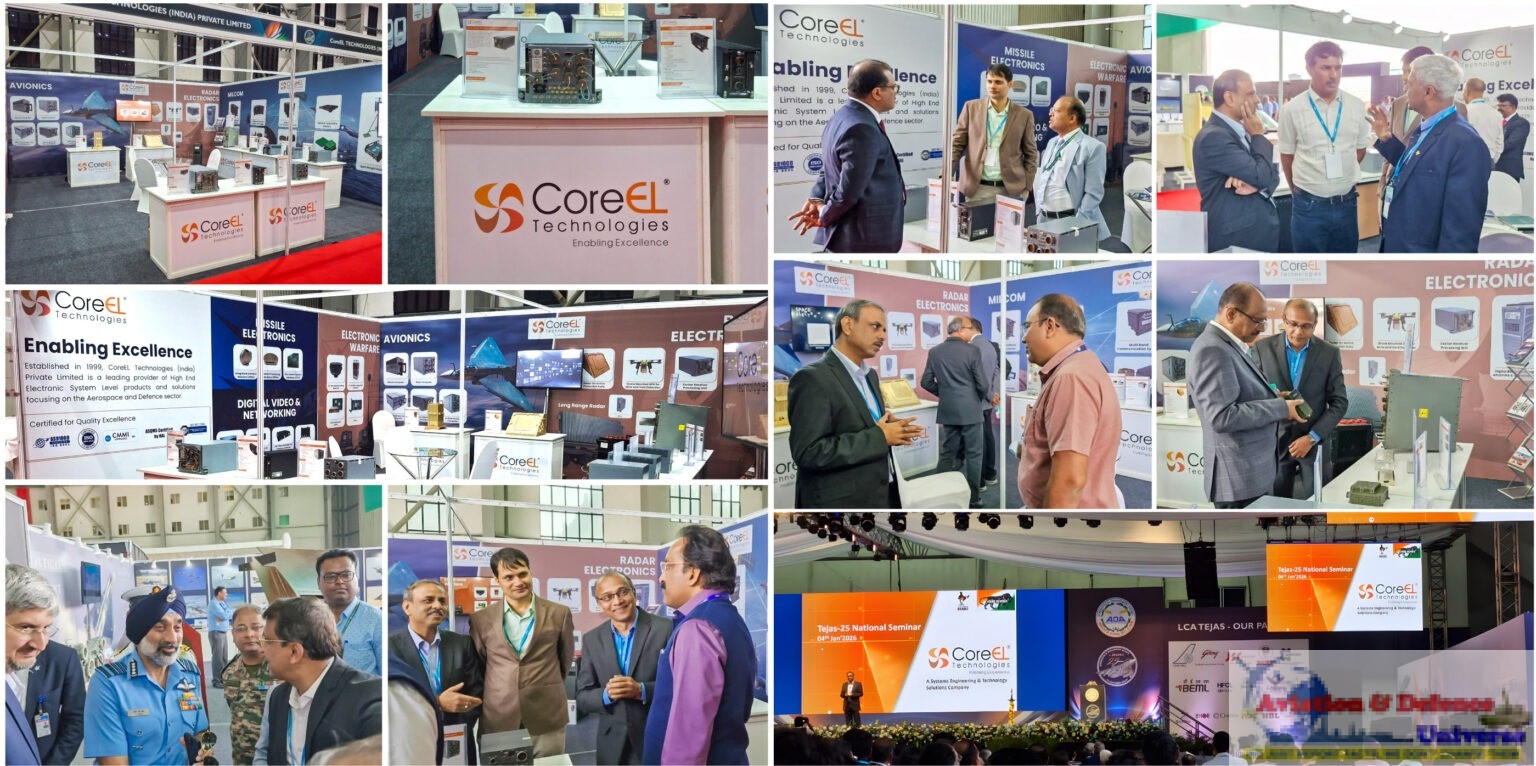 Vishwanath Padur. Currently, all our facilities are located in Bengaluru. However, depending on future requirements, we plan to establish additional facilities in other regions of India as well.
ADU. Anything else you would like to share?
Vishwanath Padur. We are currently a company of around 750 employees with revenues of approximately ₹400 crore. Over the next few years, we expect significant growth as several production orders begin to materialise. We also intend to take the company to a successful IPO within the next two years. One of the most important systems we have designed is for the 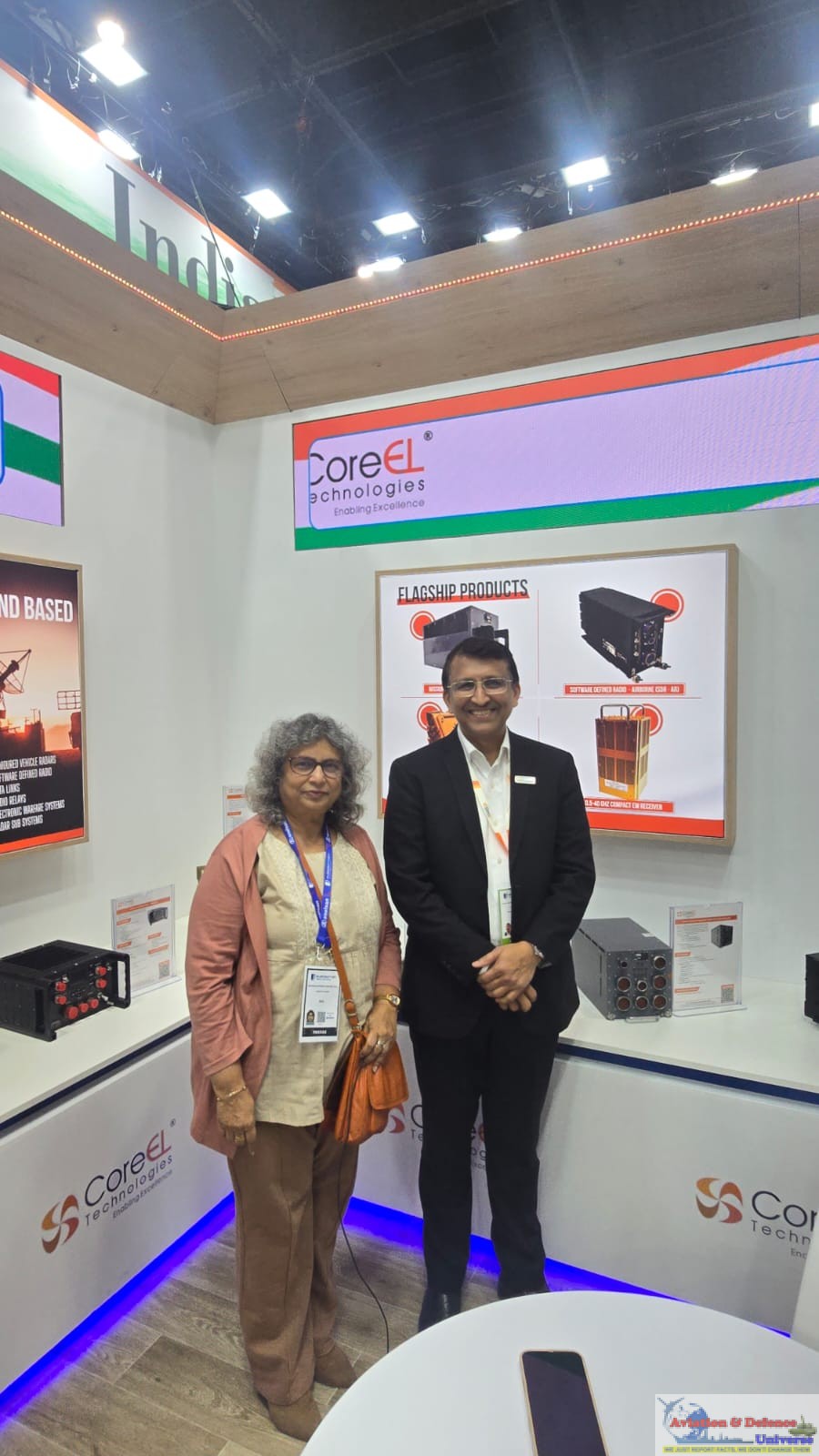 Tejas Mk1A fighter aircraft—an Exciter Receiver Processing Unit. We are also working on avionics programmes for the Su-30. Many of these systems are mission-critical technologies. As these programmes move into larger-scale production, we expect revenues to multiply significantly. Ultimately, CoreEL represents a true Indian R&D-driven, Atmanirbhar Bharat company, and we are committed to building globally competitive technologies from India.
CoreEL Technologies’ journey reflects the broader transformation underway in India’s defence sector. From developing advanced electronics and mission-critical systems for programmes such as Tejas and Su-30 to expanding into military communications, radars and electronic warfare, the company is steadily moving up the value chain. Backed by indigenous R&D, growing intellectual property, strategic acquisitions and substantial investment, CoreEL is positioning itself as a future aerospace and defence leader. As Vishwanath Padur emphasises, the future lies not only in making products in India but also in owning the technologies behind them—a philosophy that aligns closely with India’s vision of self-reliance and global competitiveness in defence manufacturing.
As told to Sangeeta Saxena



































































-A4-Size-(2)_page-0001.jpg)