



















- Bets on Diversification as Global Trade Dynamics Evolve
- Discusses Emerging Logistics Opportunities
- Why Compliance, Relationships and Agility Matter in Modern Logistics
- Clearship Group Expands Global Reach Amid Shifting Trade Corridors
By Sangeeta Saxena
New Delhi. 05 June 2026. The global logistics industry continues to navigate a complex environment shaped by geopolitical uncertainty, evolving trade regulations, rising transportation costs and changing supply chain priorities. Yet amid these challenges, opportunities continue to emerge across established and developing markets, particularly in regions such as Latin America, Europe and the United States.
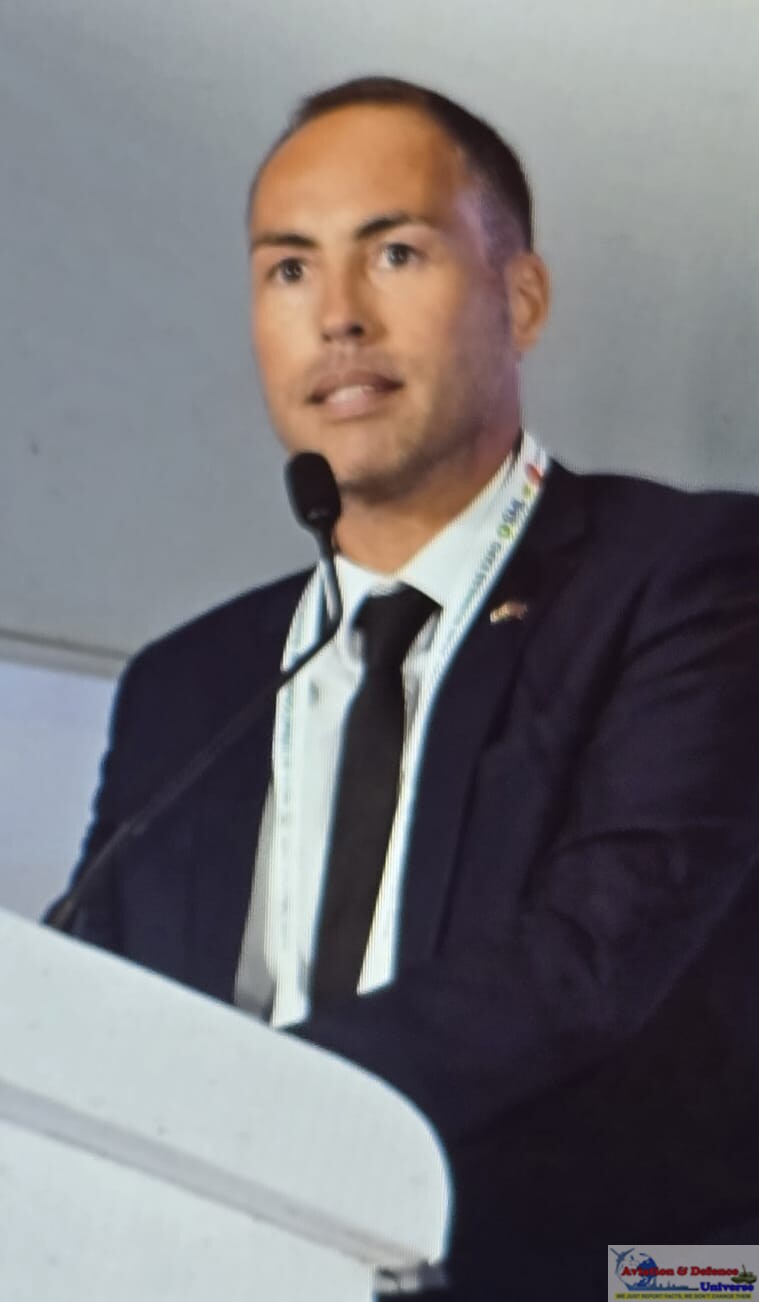
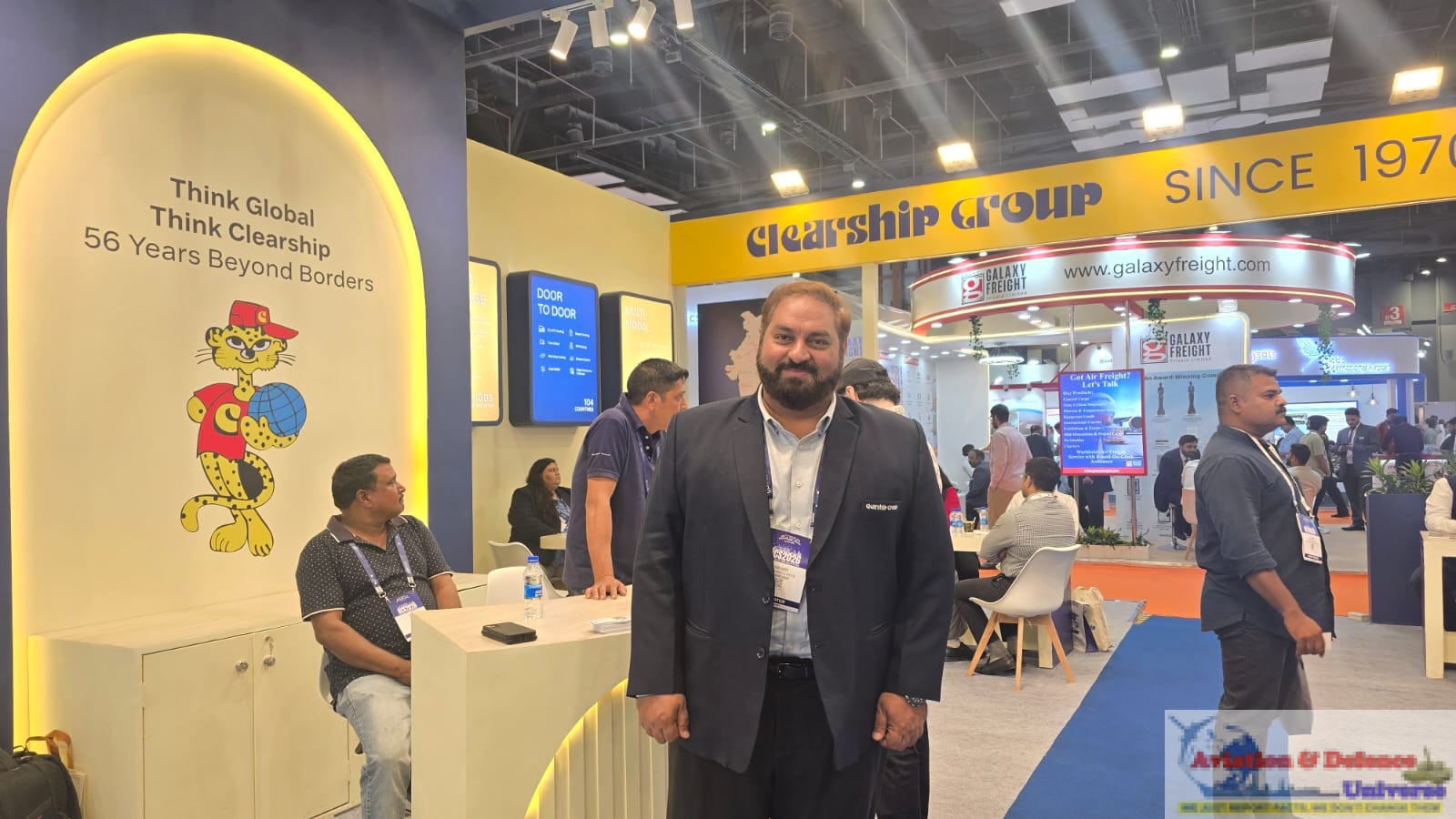
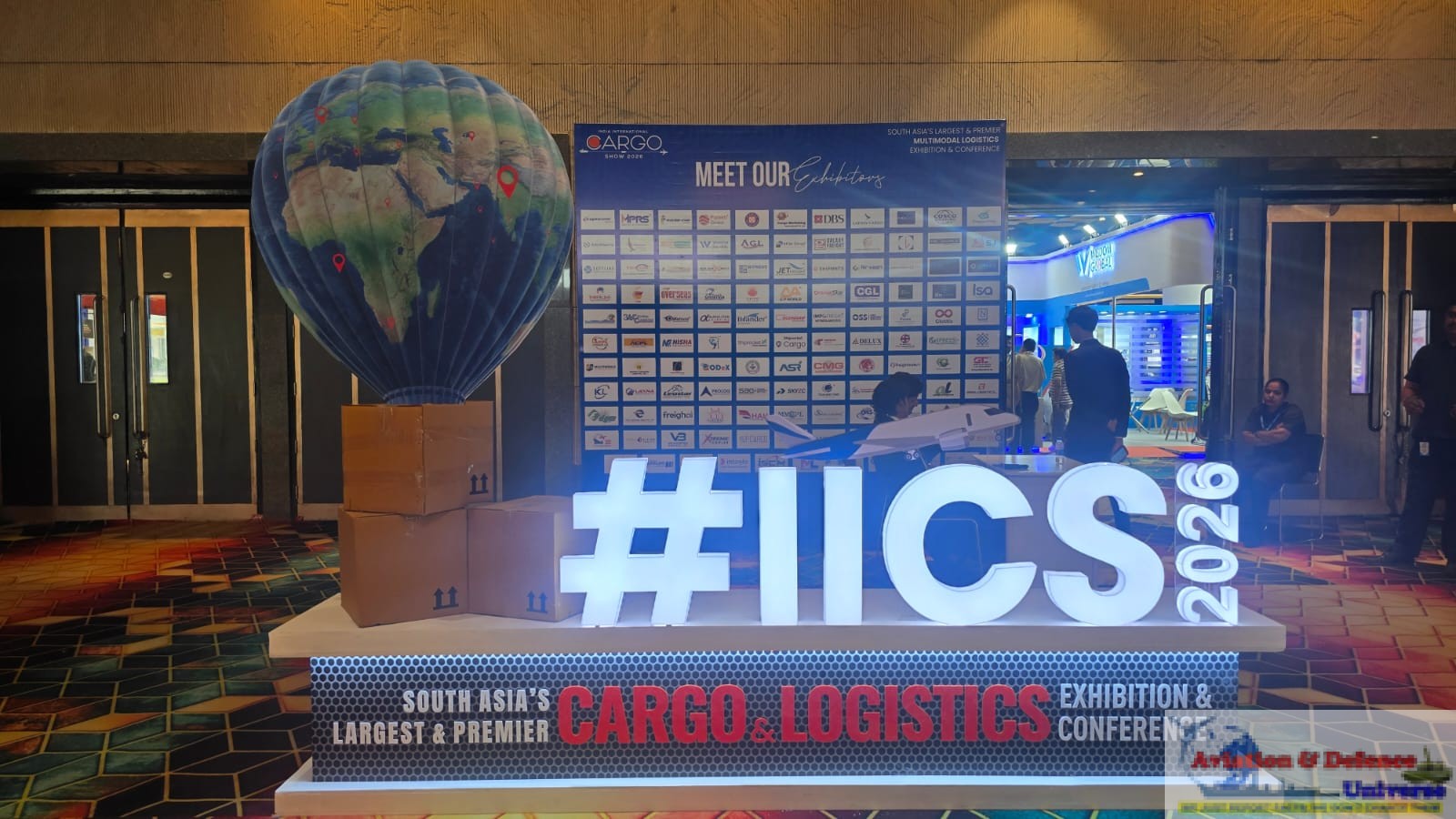
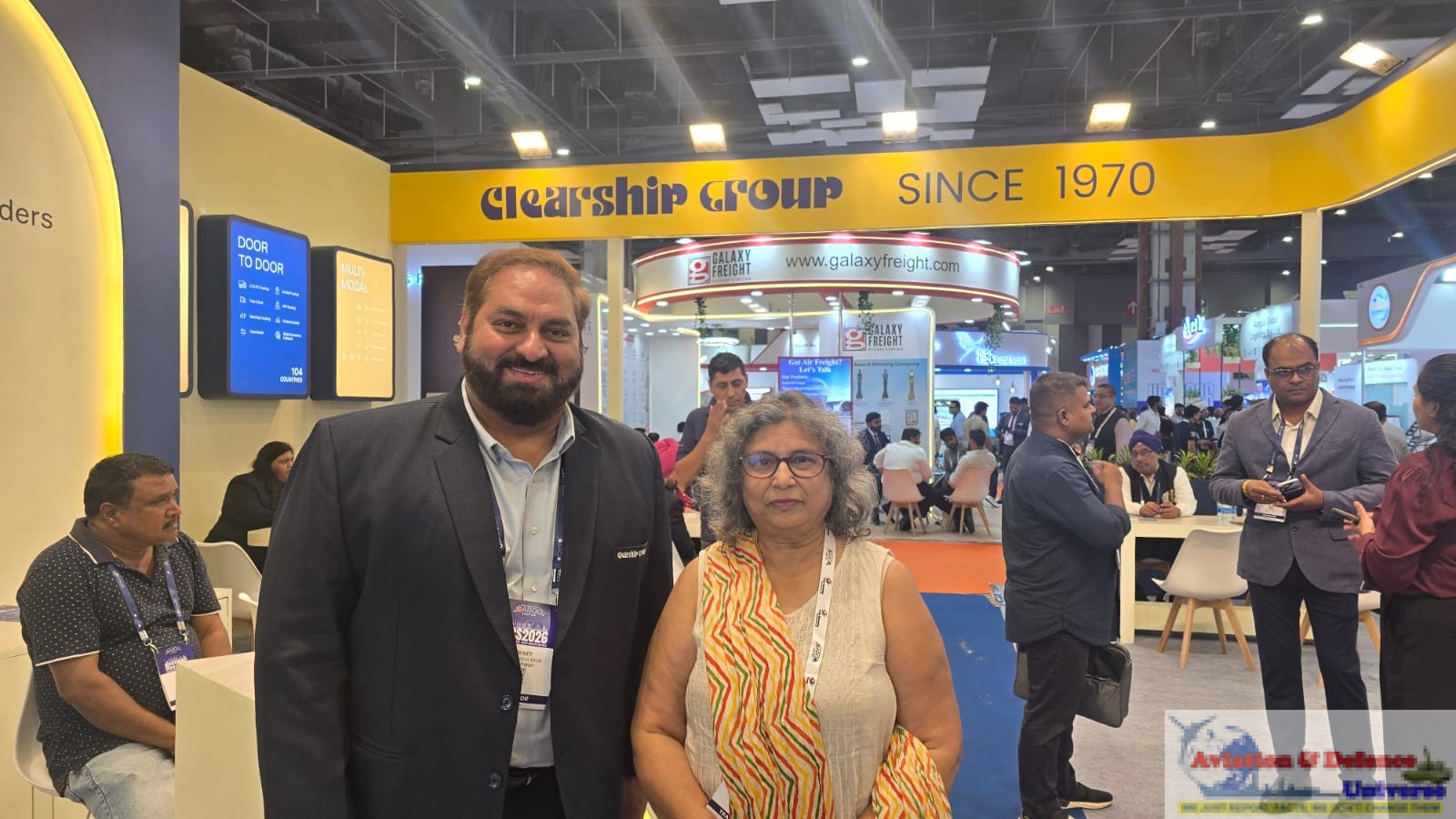
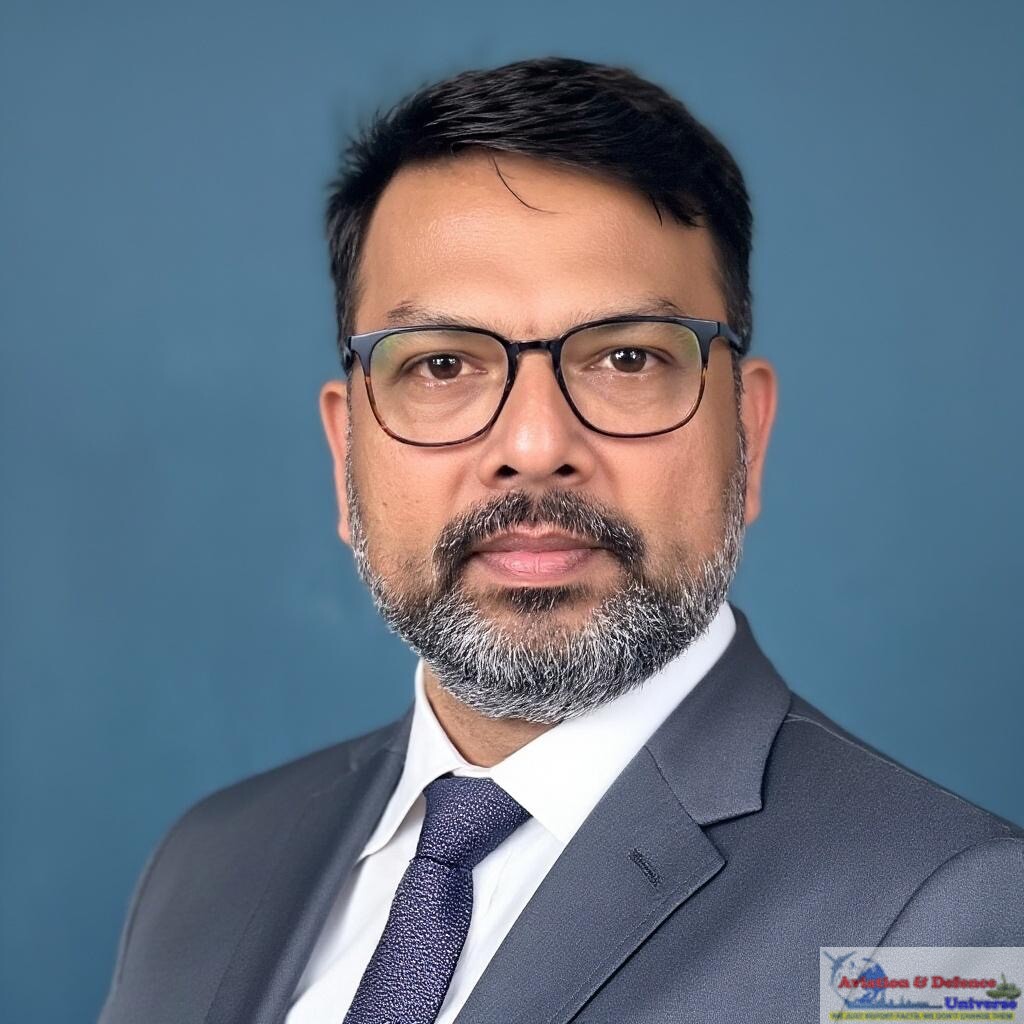
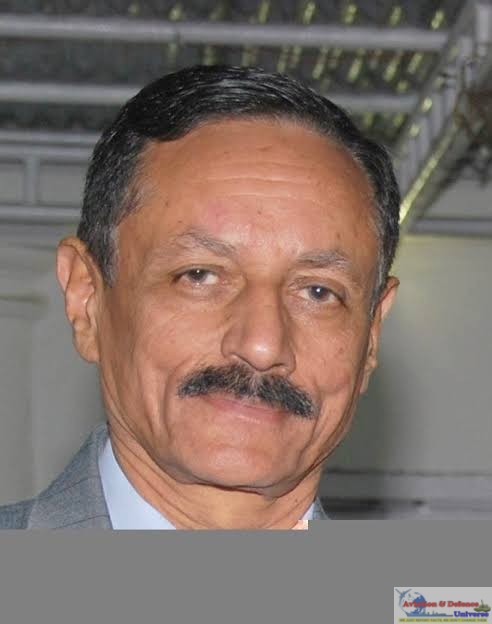
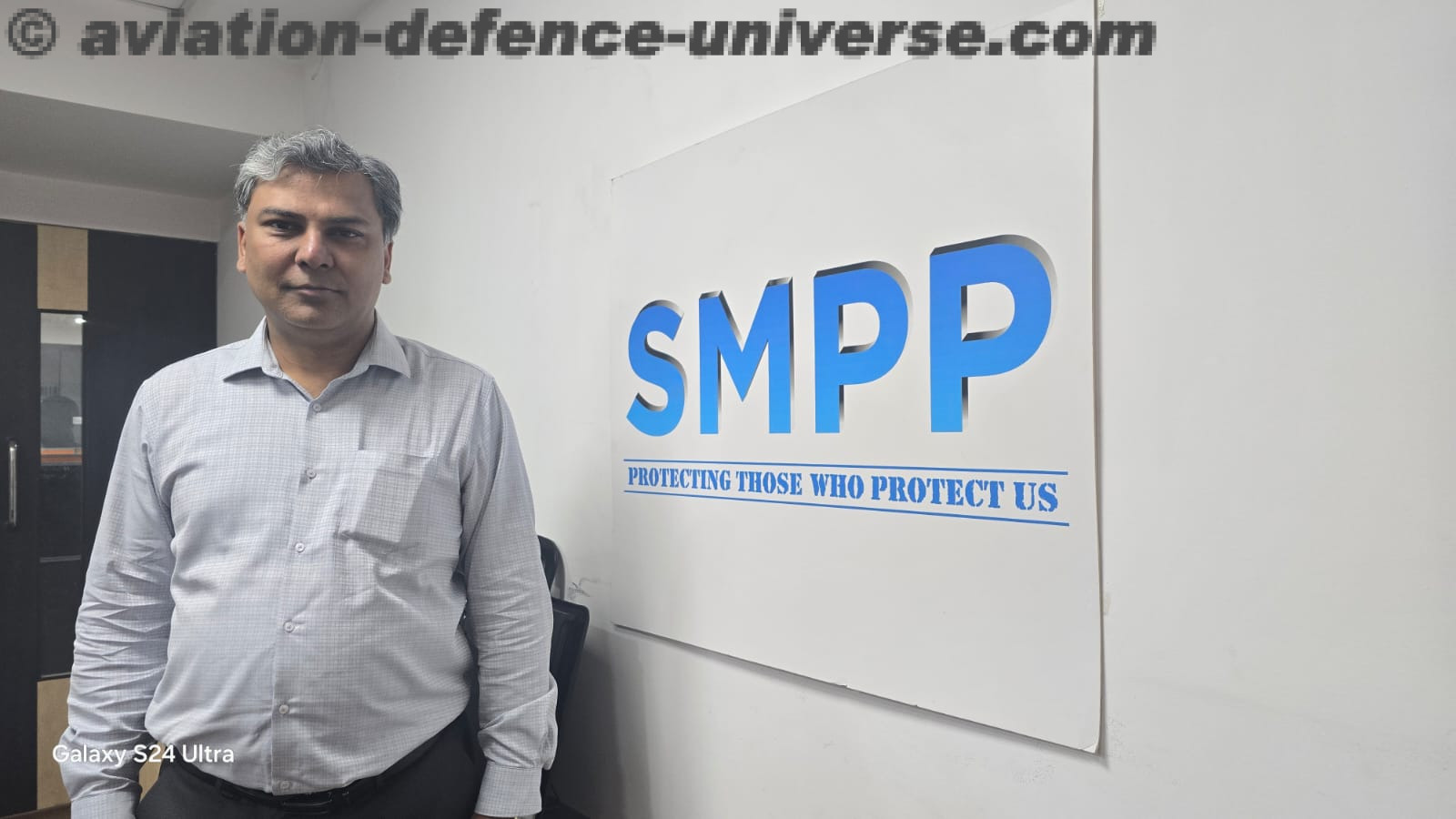
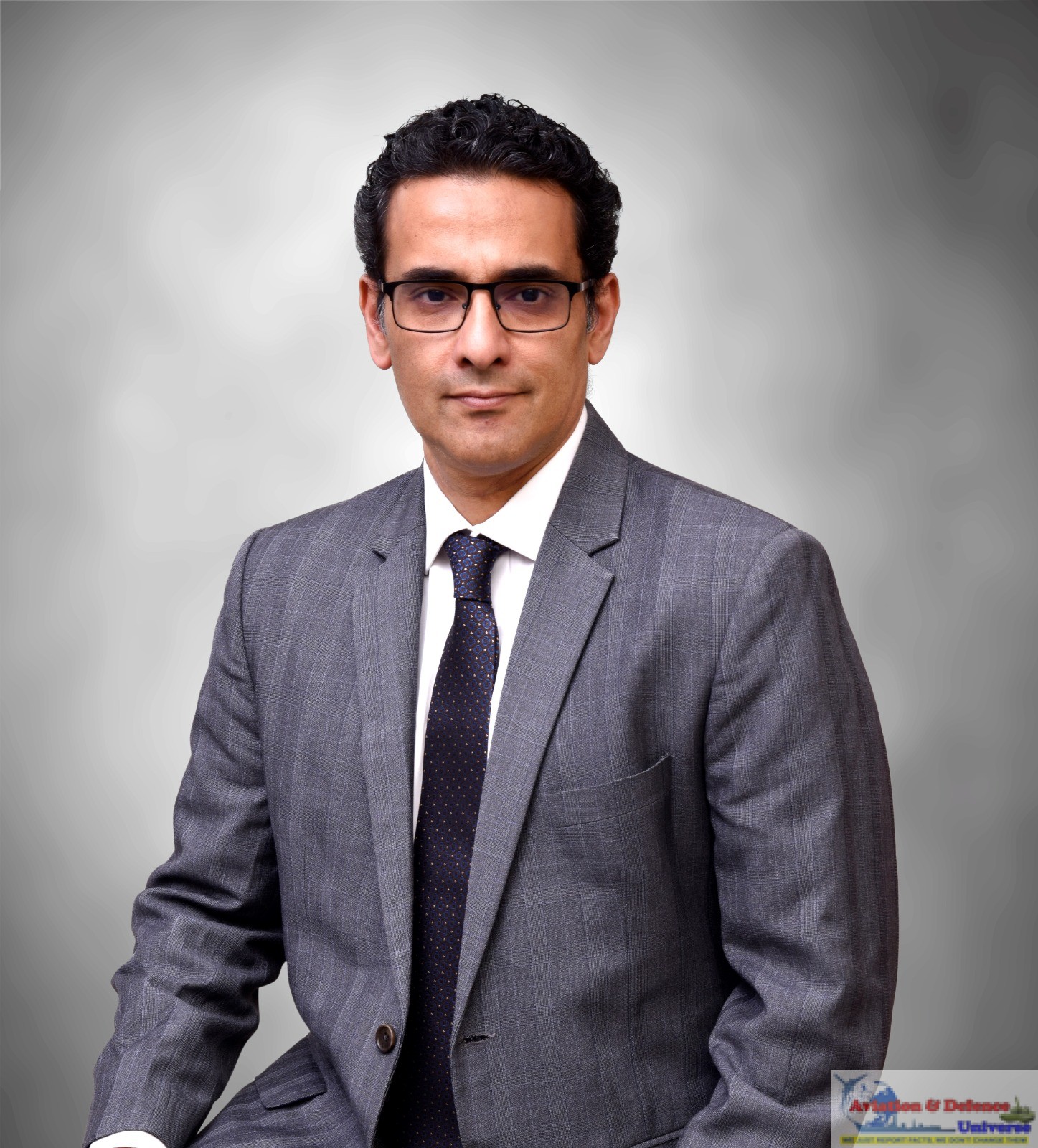
At the India International Cargo Show 2026, ADU spoke with Eddy Batty, Chief Commercial Officer of Clearship Group, about the company’s growth journey, international network, compliance-driven approach, emerging trade corridors and the importance of trust in building long-term customer relationships. With a presence spanning major Indian logistics hubs and partnerships across global markets, Clearship Group is leveraging its decades-long experience to strengthen its position in the international freight forwarding and supply chain sector.
ADU. Could you tell us about Clearship Group and its operations?
Eddy Batty. We have been in business since 1970 and today have an annual turnover of approximately USD 45 million. We employ more than 250 people across India and operate around 15 offices covering major airports, seaports and inland container depots. We are now a second-generation business and are part of several industry bodies, including AEO, ISO and IATA. We are also licensed customs brokers and hold the necessary certifications for US operations. Additionally, we are part of seven global logistics networks. Our primary focus markets are Latin America, Europe, the Mediterranean region, Australia and the United States. In terms of commodities, we handle tile ceramics, automotive products, pharmaceuticals, home furnishings, textiles and furniture.
ADU. Which airlines are your key partners?
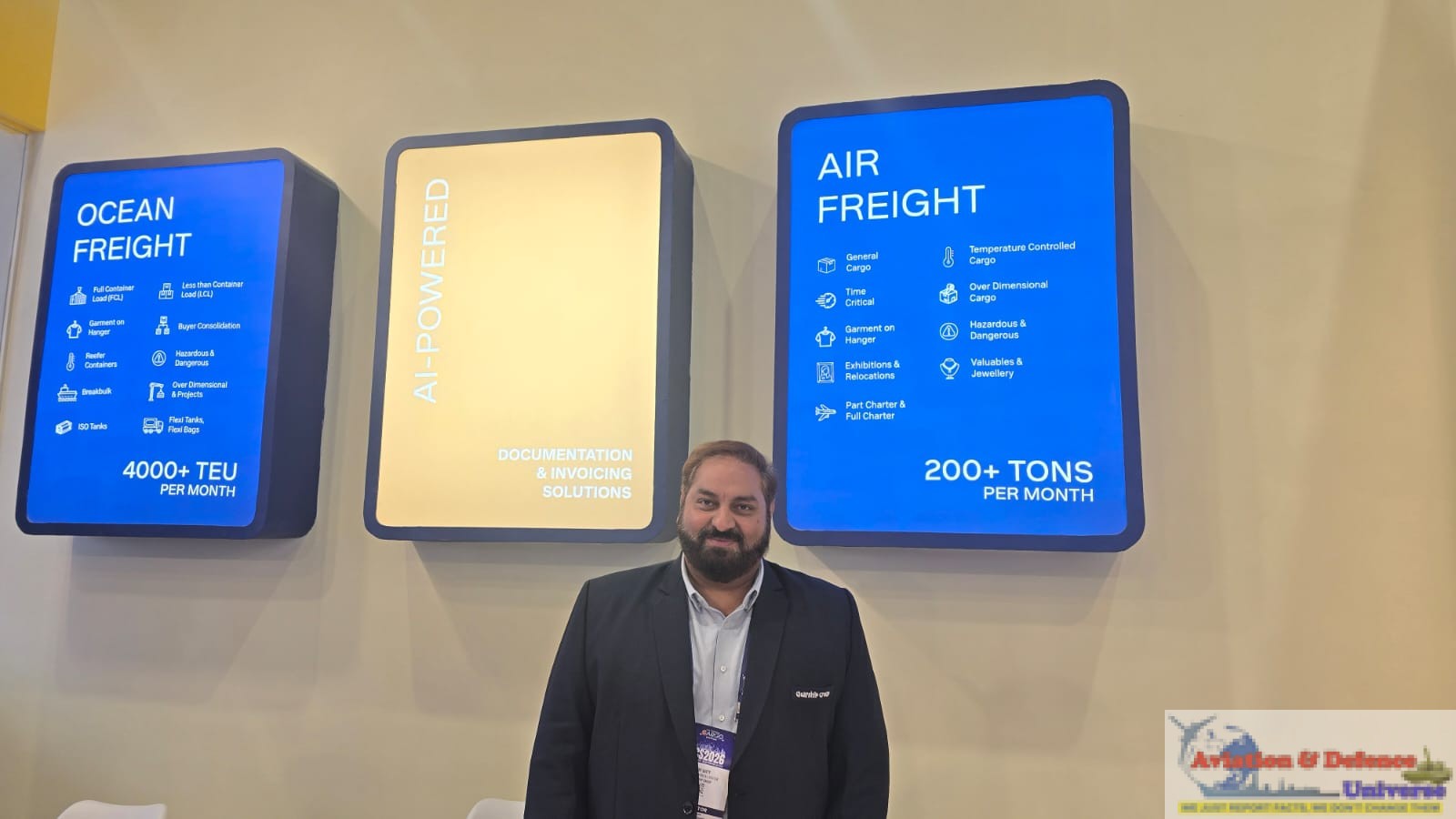
Eddy Batty. We work closely with carriers such as Virgin Atlantic, Lufthansa, Qatar Airways and Emirates. We also utilise Air India and other carriers, but approximately 60–70 per cent of our air freight business is handled through our primary airline partners. On a monthly basis, we move around 150 to 200 tonnes of air freight, mainly through Mumbai, Delhi and Chennai.
ADU. What has your experience been at the India International Cargo Show 2026?
Eddy Batty. For us, events like this are primarily about branding rather than immediate business returns. We invite our key customers, carriers and partners to showcase our capabilities and strengthen our brand presence. Having been part of the industry for over five decades, it is important for customers and partners to see that we are a growing and stable company. Such platforms reinforce confidence that they are working with the right organisation and a long-term partner. We want people to know that we are here to stay. We are not a fly-by-night operator. Being a second-generation family-run business adds to that confidence and credibility.
ADU. Family businesses seem to be common in logistics.
 Eddy Batty. Yes, absolutely. Many logistics companies are family-owned enterprises. Earlier in my career, I spent 15 years in Jeena and saw many long-established businesses there as well. While many companies have disappeared over time, there are still organisations that continue to preserve their culture and values across generations. I think that is a very positive thing.
ADU. How has the footfall been at the show?
Eddy Batty. Yesterday was quite good, especially after lunch. There was strong participation and good engagement. Today has been a little quieter, but overall the response has been positive.
ADU. Since you conduct significant international business, how do you manage regulatory requirements across different countries?
Eddy Batty. Compliance is critical in our industry. Every country has its own regulations and certification requirements. Wherever we operate, we work closely with our overseas partners to understand local compliance requirements and ensure shipments move smoothly without issues at destination.
As an AEO-certified company and licensed customs broker, compliance is a key priority. We are also ISO-certified and conduct regular internal and external audits to ensure that our commitments and processes are consistently maintained.
ADU. What is your European footprint like?
Eddy Batty. We work extensively across France, the Netherlands, the UK and Belgium through long-standing partners who have been established in their respective markets for 30 to 40 years. We believe partnering with experienced local companies is often the right model because they possess local expertise and market knowledge. Building such capabilities independently would require significant investment and resources.
ADU. Why is Latin America an important market for Clearship?
Eddy Batty. Historically, nearly 40 per cent of our business came from Latin America. Over time, we have diversified our portfolio, and today Latin America accounts for around 18–20 per cent of our business. To support this market, we have personnel based in Mexico and Colombia. While diversification has expanded our presence in Europe, the Mediterranean region, the US and Australia, Latin America remains a very important growth market for us.
ADU. Which regions do you see as the strongest growth opportunities?
Eddy Batty. The United States continues to be a strong growth market. Latin America also presents significant opportunities, especially in the automotive sector. For example, in Mexico we handle exports for a major manufacturing facility, and that business continues to grow. Overall, the Latin American market is improving steadily and offers substantial potential for the future.
ADU. What about Africa?
 Eddy Batty. Africa is a market where we do business, accounting for around 10 per cent of our operations. However, it remains a challenging region from a logistics and infrastructure standpoint. Success in Africa depends heavily on having the right partners and maintaining careful control over business operations.
ADU. Anything you would like to add?
Eddy Batty. The current environment is challenging for everyone, but companies are adapting by exploring alternative markets and trade routes. Despite rising manufacturing costs, fuel prices and transportation expenses, trade activity remains resilient. Business continuity is being maintained, and government support is helping the industry navigate these challenges. Overall, I believe trade is performing reasonably well under the circumstances.
ADU. Did you have an opportunity to interact with the Civil Aviation Minister during the exhibition?
Eddy Batty. Yes, the Minister visited our booth. He was interested in understanding our key focus areas and the challenges facing the industry. We also discussed our involvement in the MSME ecosystem. Our leadership team has extensive expertise in customs compliance and trade regulations, and there have been discussions about contributing to MSME initiatives and helping businesses better understand compliance requirements and export processes.
ADU. Tell us a little about the history of the company.
Eddy Batty. The company is 56 years old and has been active in the aviation cargo and logistics sector since 1970. The business is now being run by the second generation, continuing the legacy established by its founders. Longevity in this industry is important because it reflects experience, trust and stability—qualities that customers increasingly value.
ADU. Who are some of your major customers?
 Eddy Batty. In ceramics, we work with nearly 90 factories in Morbi, Gujarat. In the automotive sector, our customers include Hyundai, Hero, TVS, Bajaj, KTM and BKT Tyres. Automotive is becoming an increasingly important vertical for us, particularly as India’s manufacturing sector continues to expand and new opportunities emerge across global markets.
For Eddy Batty, the future of logistics lies in a combination of trust, compliance, strong partnerships and market diversification. While global trade continues to face disruptions from geopolitical tensions, rising costs and shifting supply chains, Clearship Group remains focused on strengthening its international footprint through long-term relationships and strategic growth in markets such as Latin America, Europe, the US and Africa.
As a second-generation enterprise with more than five decades of experience, the company views stability, credibility and adaptability as its key differentiators. In an increasingly complex logistics landscape, Batty believes that organisations capable of maintaining customer confidence while embracing new opportunities will be best positioned to thrive in the years ahead.
As told to Sangeeta Saxena












































































-A4-Size-(2)_page-0001.jpg)