 18th BRICS Summit








- Next-Gen SAR To Take Centre Stage
- Technology, Coordination & Resilience in Focus
By Sangeeta Saxena
New Delhi. 28 February 2026. Malaysia plays a pivotal role in international Search and Rescue (SAR) operations and regional security management across South and Southeast Asia, given its strategic location along some of the world’s busiest maritime and aviation corridors, including the Strait of Malacca and the South China Sea.
Through agencies such as the Royal Malaysian Air Force (RMAF), Malaysian Maritime Enforcement Agency (MMEA), Civil Aviation Authority of Malaysia (CAAM), and the National Disaster Management Agency (NADMA), Malaysia maintains robust SAR coordination capabilities that support not only national missions but also multinational responses. Kuala Lumpur’s Maritime Rescue Coordination Centre (MRCC) and Aeronautical Rescue Coordination Centre (ARCC) work closely with ASEAN partners, the International Maritime Organization (IMO), and global SAR networks to ensure rapid response to maritime incidents, aviation emergencies, piracy threats, and natural disasters. As climate change intensifies extreme weather events and maritime traffic continues to grow, Malaysia has increasingly positioned itself as a regional hub for SAR training, interoperability exercises, and crisis coordination—strengthening collective security and humanitarian response frameworks across South and Southeast Asia.
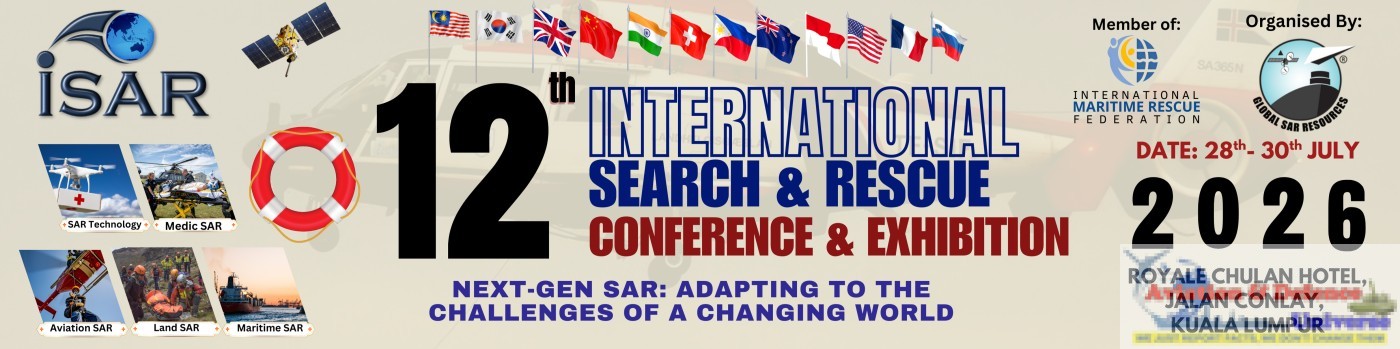
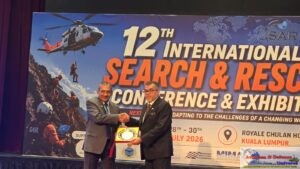
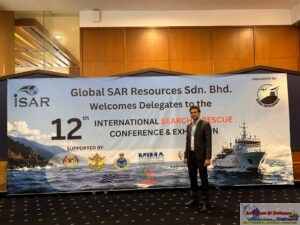
The 12th International Search & Rescue Conference & Exhibition (iSAR 2026) will take place from 28–30 July 2026 at the Royale Chulan Hotel, Kuala Lumpur, bringing together global leaders, operational commanders, policymakers, and technology innovators under the theme “Next Gen SAR: Adapting to the Challenges of a Changing World.”
 iSAR 2026 will serve as a strategic platform that reinforces Malaysia’s position as a leading Search and Rescue (SAR) hub in the South and Southeast Asian region. By convening global SAR coordinators, maritime and aviation authorities, disaster management agencies, and technology innovators in Kuala Lumpur, the event strengthens Malaysia’s role as a center for operational dialogue, capacity building, and cross-border coordination. Under the theme “Next Gen SAR: Adapting to the Challenges of a Changing World,” iSAR 2026 will not only showcase advancements in AI-driven rescue systems, maritime mass rescue frameworks, and aviation SAR capabilities, but also underscores Malaysia’s commitment to regional interoperability and humanitarian response excellence. By hosting high-level discussions, live demonstrations, and collaborative workshops, Malaysia positions itself at the forefront of SAR innovation and cooperation—ensuring it remains firmly on the regional and international SAR map as a trusted partner in saving lives and enhancing maritime and aviation security.
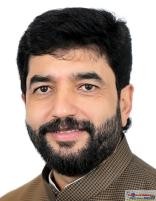
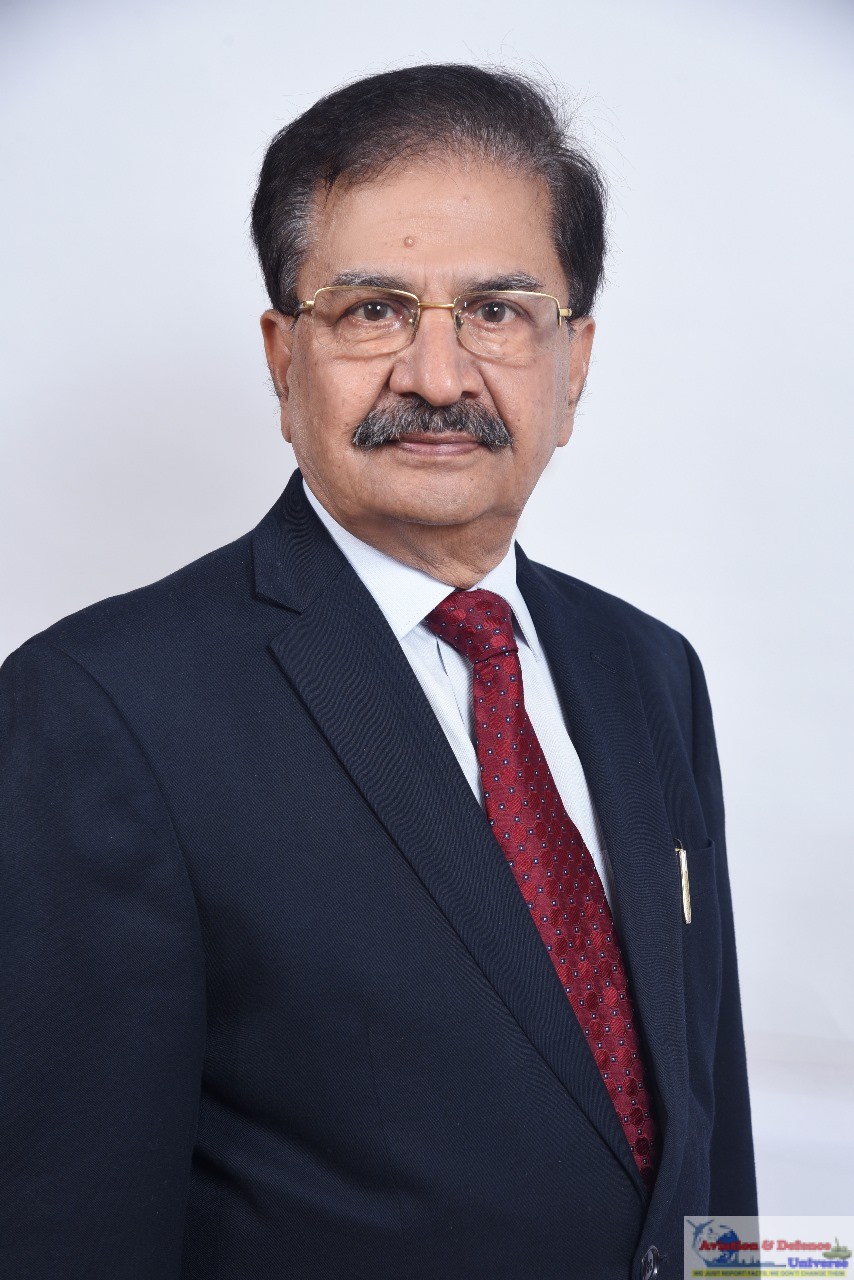
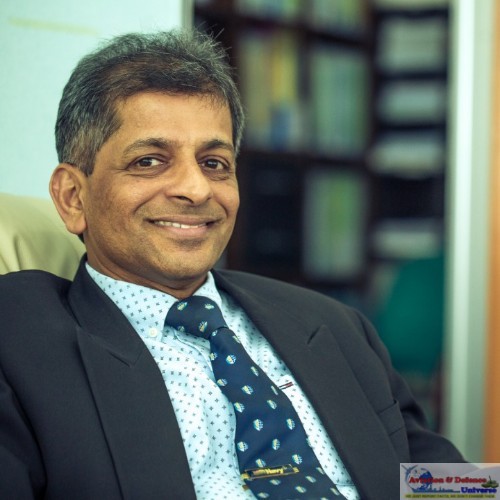 “At its core, this conference is about saving lives. In an ever-changing world, we must embrace innovation, adapt to new challenges, and leverage the latest technology to enhance search and rescue efforts. With precision, dedication, and collaboration, we can drive continuous improvements and ensure faster, smarter, and more effective responses. Together, let’s shape the future of search and rescue—because every second counts,” stated Major Murali Bhaskaran, RMAF (Rtd.) the CEO, Global SAR Resources and convener of the conference.
Organized with the support of leading international SAR bodies, iSAR 2026 will serve as a premier platform for advancing collaboration, operational excellence, and technological innovation across maritime, aviation, disaster management, and oil & gas search and rescue domains.
The three-day event will feature high-level plenary sessions, expert-led discussions, and an international exhibition showcasing cutting-edge SAR technologies and operational capabilities. Delegates will include representatives from maritime rescue coordination centers, air rescue units, defence and civil protection agencies, oil & gas emergency response teams, and global SAR federations.
Key programme highlights include Plenary Session 1 – Maritime SAR: Addressing submarine rescue complexities, maritime mass rescue frameworks, and regional SAR cooperation, Plenary Session 2 – Technology: Exploring artificial intelligence, digital SAR coordination platforms, and next-generation maritime rescue systems and Plenary Session 3 – Aviation: Focusing on aviation SAR capabilities and operational advancements.
Disaster Management & Oil & Gas SAR Sessions highlighting large-scale disaster response evolution, industry partnerships, and operational resilience are also in the agenda. International speakers and organizations from Asia, Europe, North America and beyond will share best practices, operational lessons, and forward-looking strategies to strengthen global SAR coordination.
Ahead of the main conference, a Global Maritime SAR System Review Regional Workshop for the Asia Pacific region will be conducted on 27 July 2026 for members, reinforcing iSAR’s commitment to regional capacity building.
 On 30 July 2026, delegates will visit Malaysian SAR agencies and participate in a special demonstration and static display at RMAF Subang Airbase, featuring aircraft including the Airbus A400M, EC725 helicopter, C-130, AW139, and Beechcraft 200T.
As climate change, maritime traffic growth, aviation expansion, and complex disaster environments reshape the global risk landscape, iSAR 2026 aims to foster actionable collaboration between governments, industry, and operational responders.
By convening global expertise in Kuala Lumpur, iSAR 2026 reaffirms its position as a leading international platform dedicated to saving lives, strengthening resilience, and shaping the future of search and rescue operations worldwide.



































































-A4-Size-(2)_page-0001.jpg)