









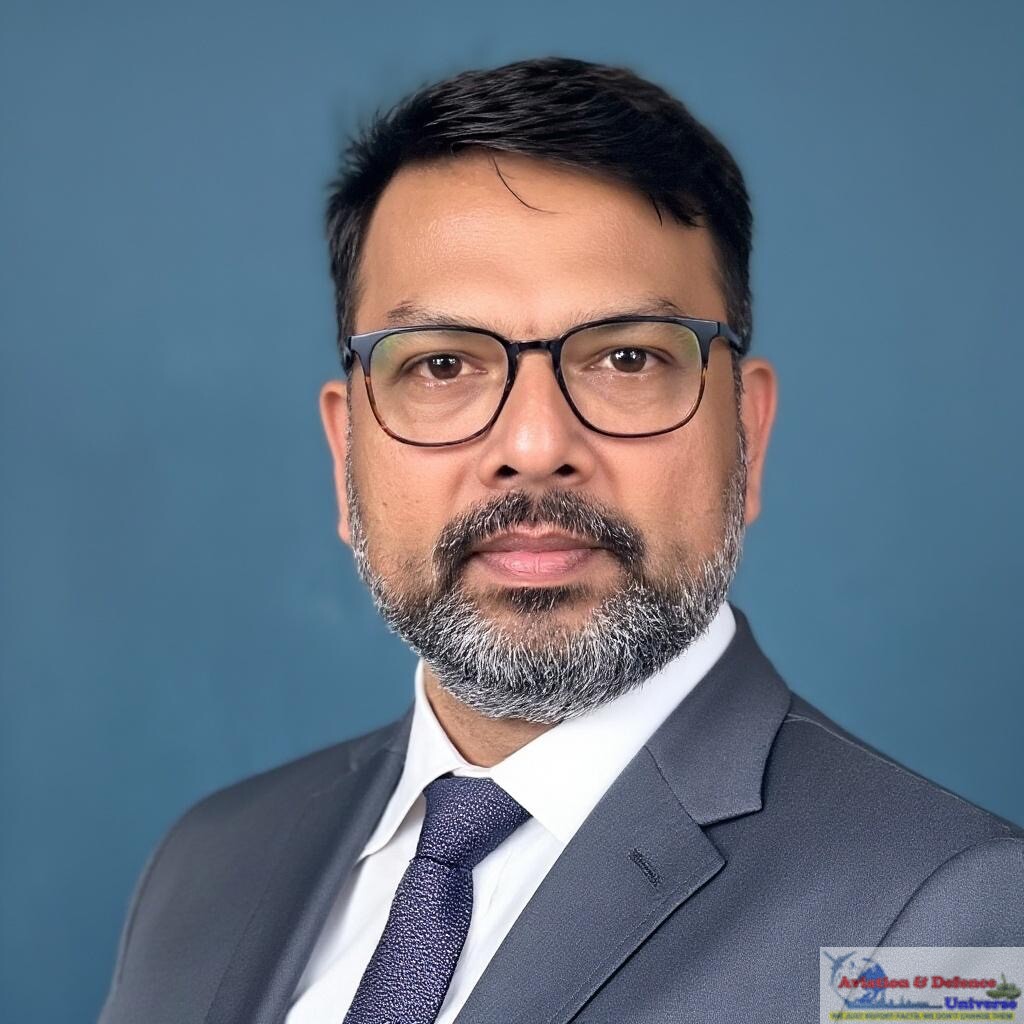
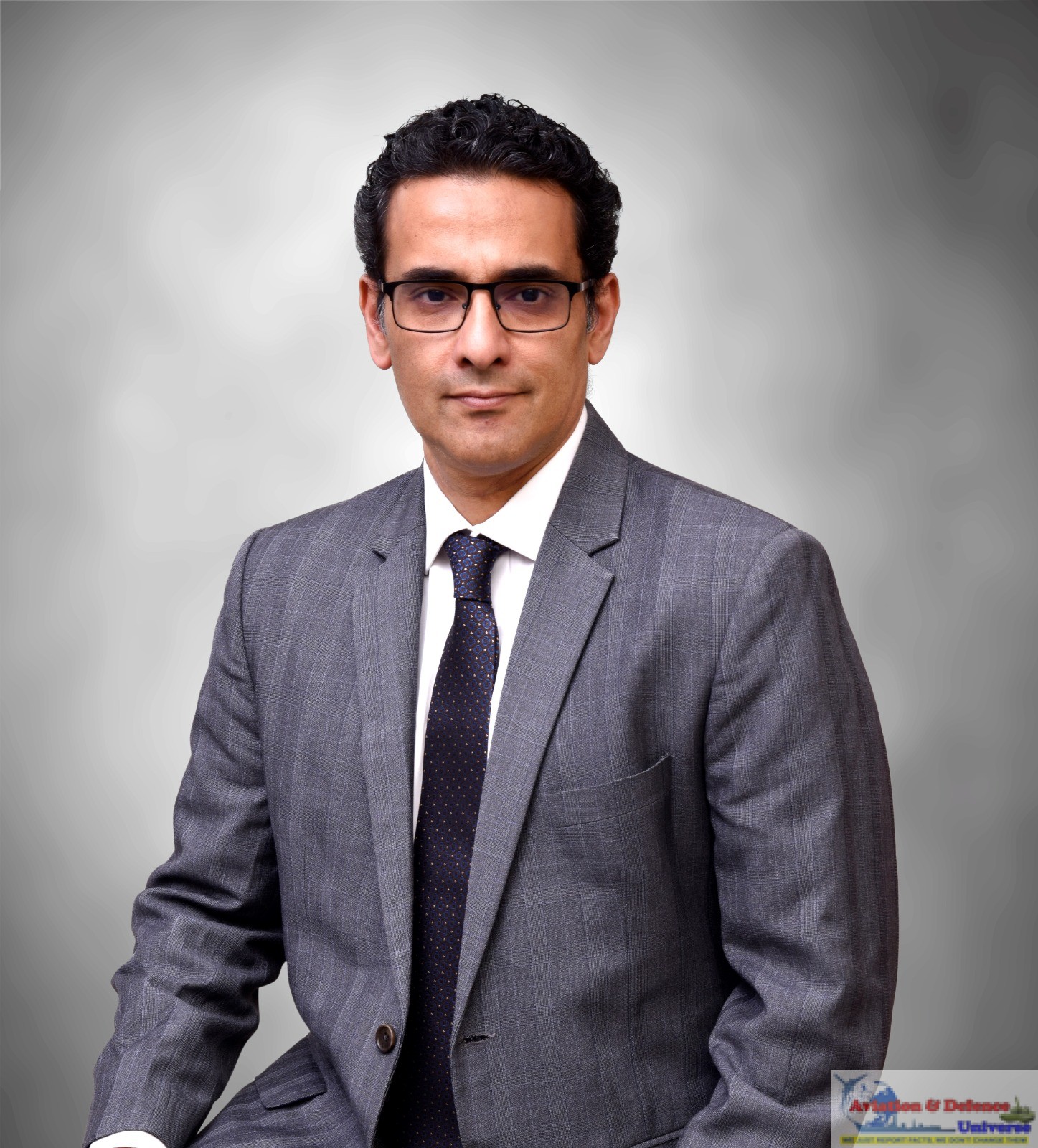
- Indian Aerospace Needs Its Own Materials, Skills and Quality Ecosystem: Dr. Srinivasan Dwarakanath
- AIA’s Farnborough Debut Signals a New Era of Collective Global Outreach for Indian Aerospace
By Sangeeta Saxena
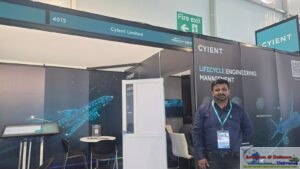
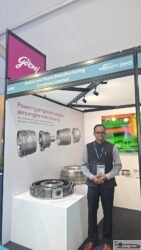
Farnborough, UK. 23 July 2026. It was a first for the young Aerospace India Association and, in many ways, a significant first for India’s private aerospace industry. At Farnborough International Airshow 2026, Indian aerospace companies came together under the AIA umbrella, presenting a collective face to the global industry at one of the world’s most influential aerospace gatherings.
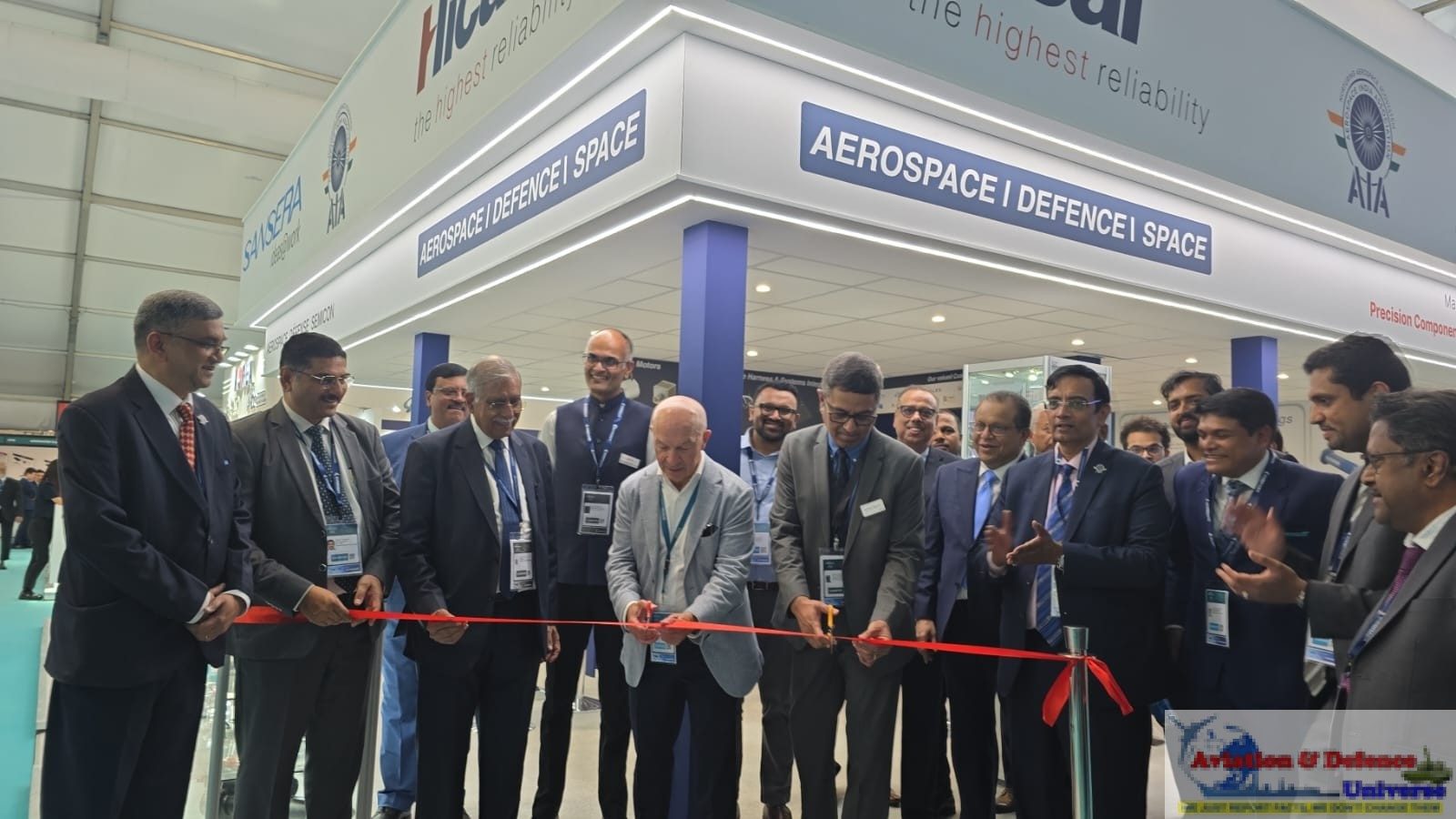
By the fourth day of the show, the experiment had already begun producing results. Global OEMs and Tier-1 companies had walked through the pavilion, new industry connections had been forged, international partnerships were being formalised and nearly ten companies had expressed interest in joining the association. For AIA, which currently brings together around 40 companies focused primarily on aerospace product design and manufacturing, Farnborough was more than an exhibition — it was proof of the power of Indian industry acting collectively.
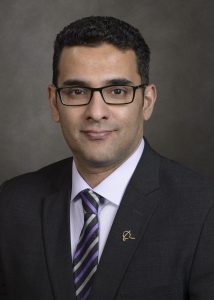
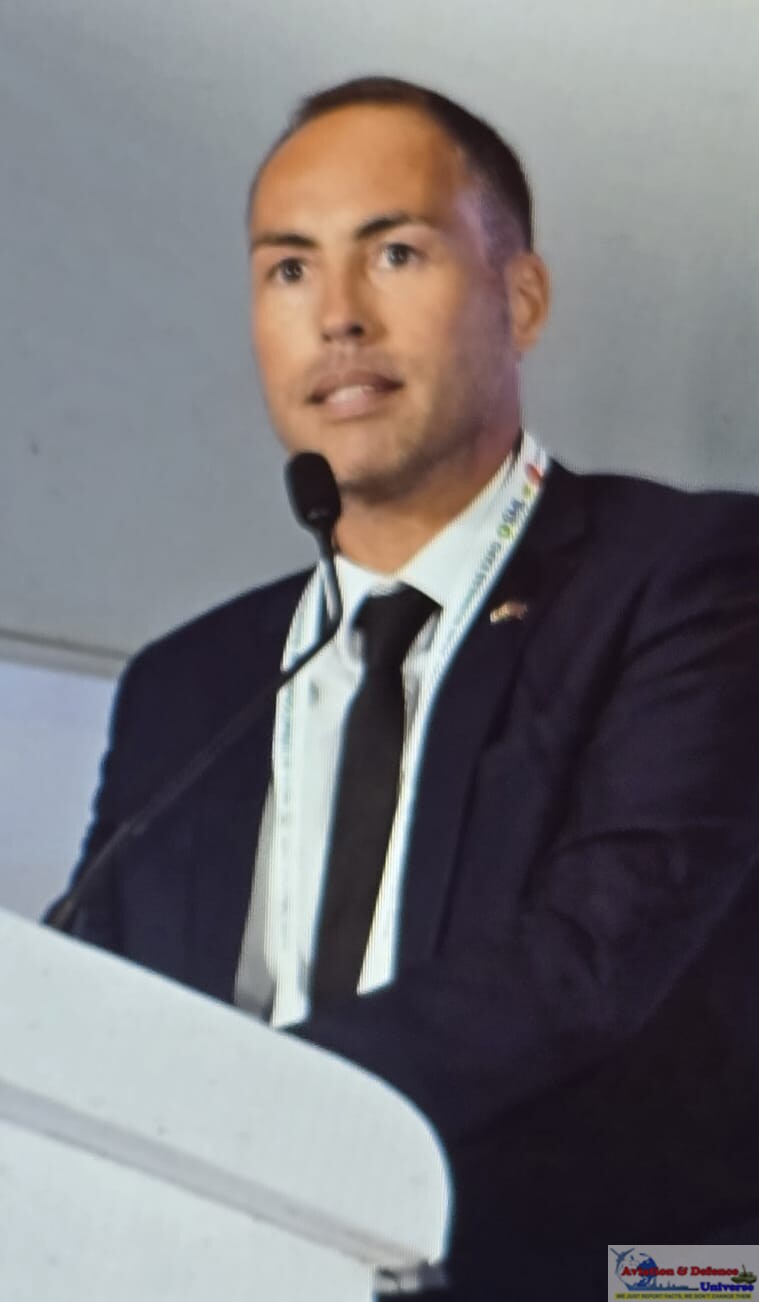
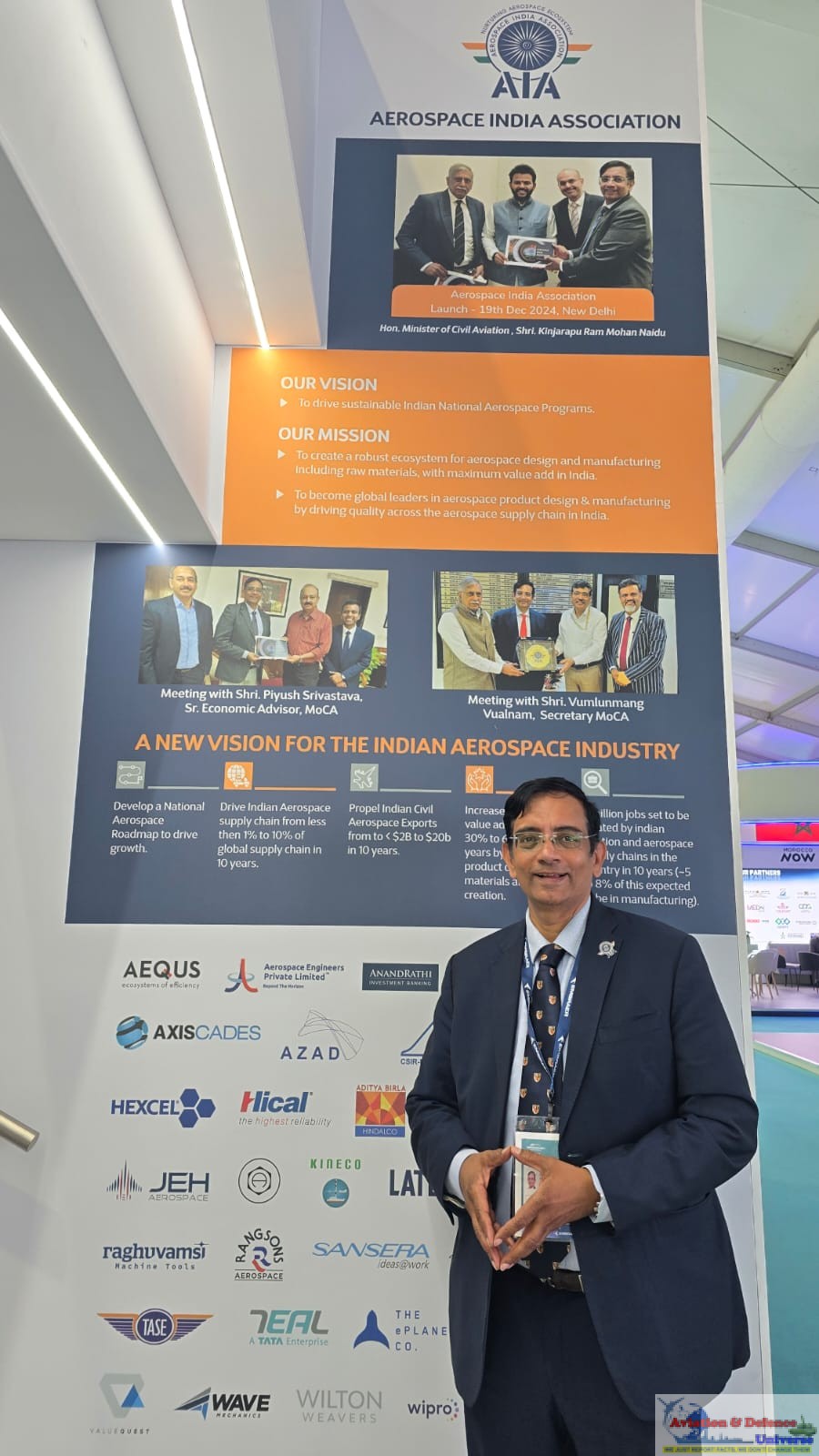
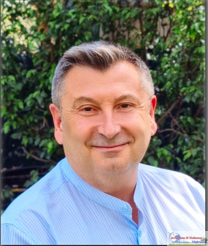
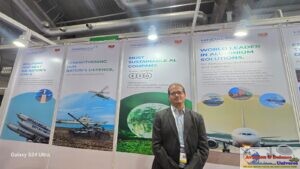
 Speaking exclusively to Aviation & Defence Universe (ADU) on the penultimate day of Farnborough International Airshow 2026, Dr. Srinivasan Dwarakanath, Director General, Aerospace India Association, reiterated the significance of bringing Indian aerospace companies together on a global platform, the benefits of collective participation and AIA’s ambition to become a strong voice for India’s MSMEs and aerospace industry.
His vision, however, extends far beyond trade-show participation. From reducing India’s overwhelming dependence on imported aerospace raw materials and building world-class quality across the supply chain to skilling talent at every level and supporting the development of an indigenous civil aircraft, AIA is positioning itself around a much larger objective — creating a sustainable, globally competitive aerospace ecosystem in India.
ADU. This is the first time Aerospace India Association has brought its member companies together at an international air show. How has the experience been?
Dr. Srinivasan Dwarakanath. Aerospace India Association is a very young association. We have been around for only the last couple of years, and this is the first time we have brought our member companies together at an international show. If I am right, this is also the first time that private Indian aerospace companies have come together under an association in this manner. We are extremely proud. The team has done a great job in bringing everybody together.
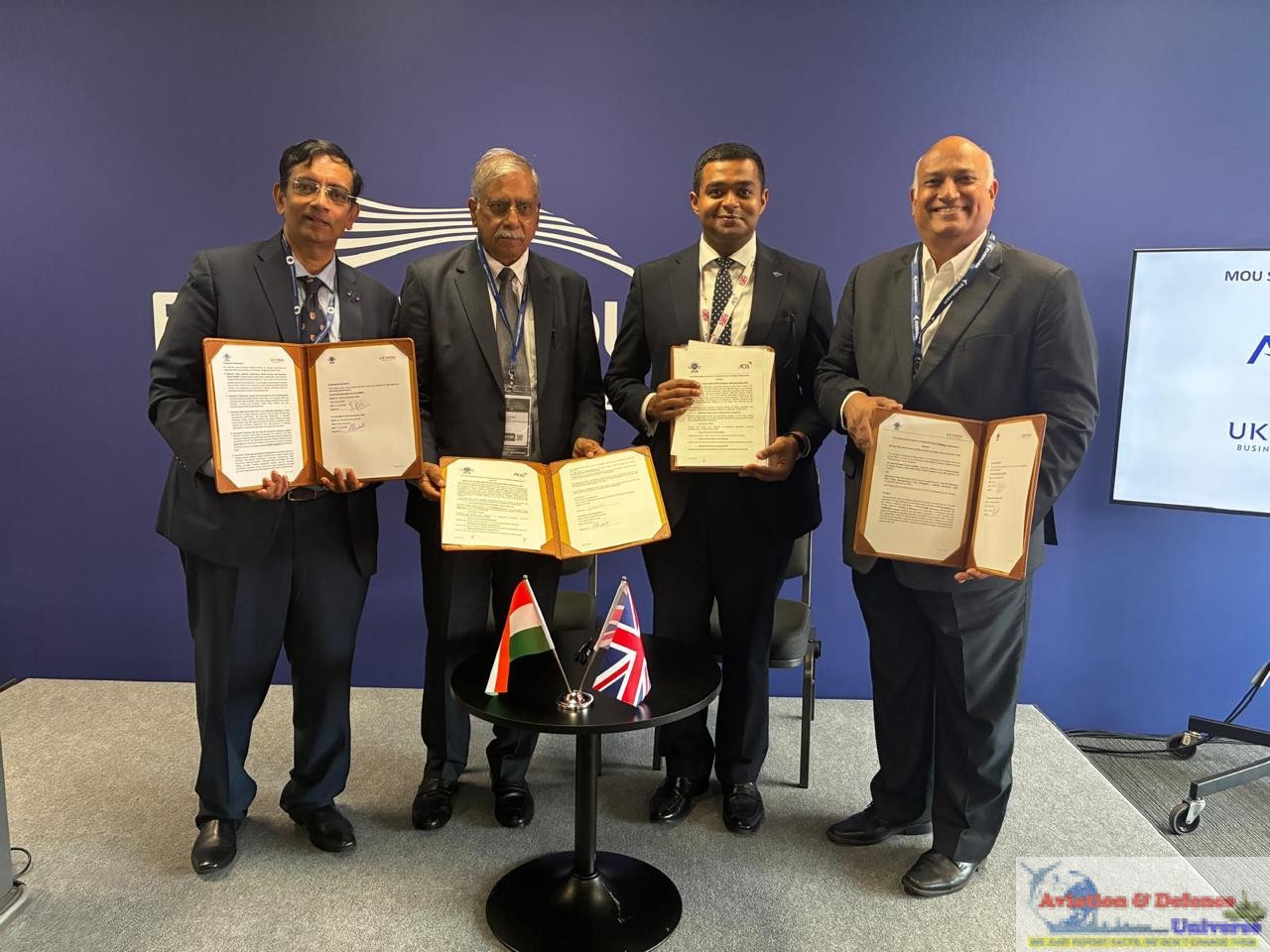
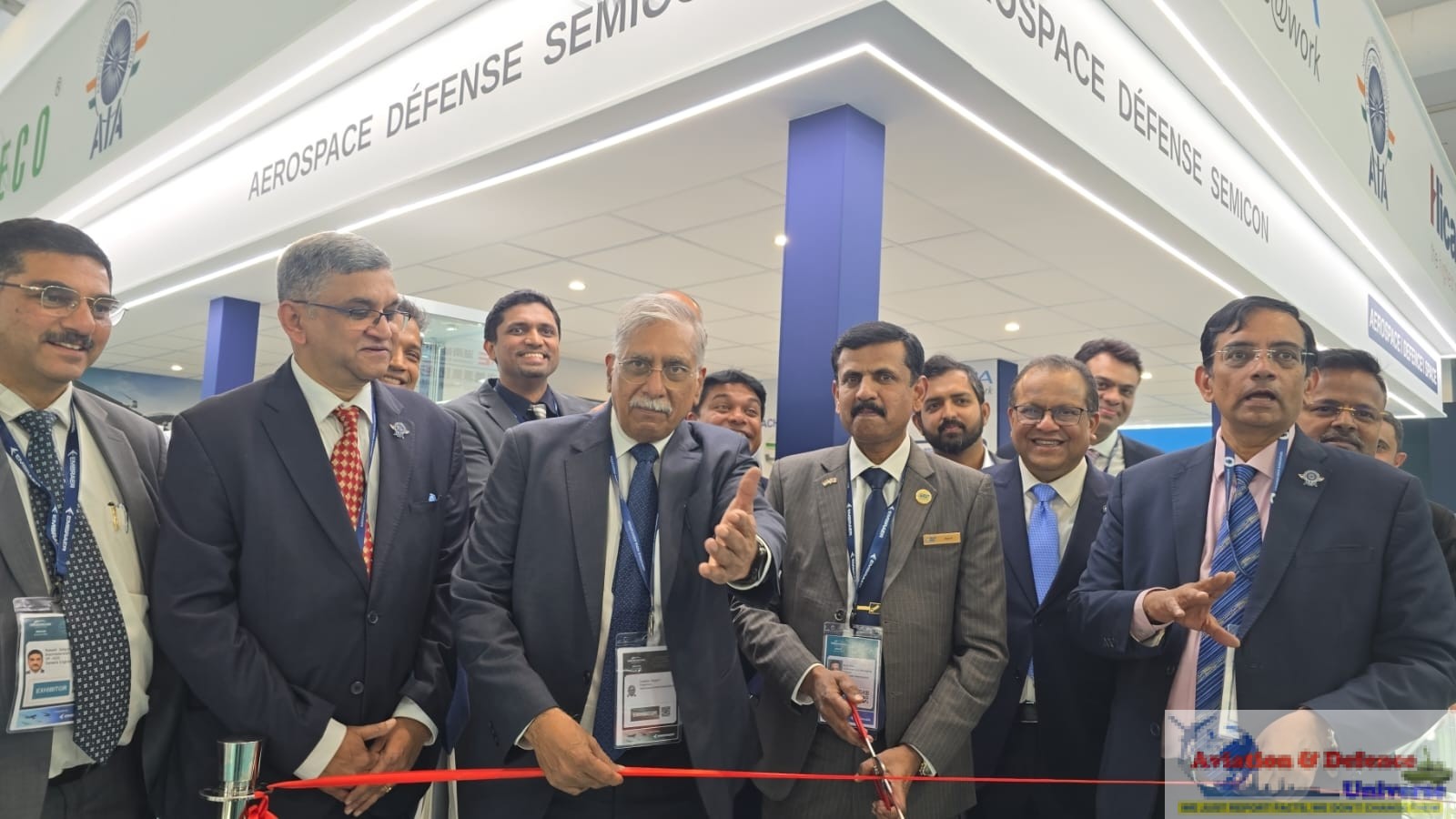 We have had a very successful show. The footfall has been extremely good, and we have had a lot of visitors from OEMs and Tier-1 companies, including Airbus, Safran, Thales and many others. We have also signed MoUs with UKIBC and ADS in the UK and with the Malaysian association as well.
So far, it has been very good. From here, the next major international event will be Le Bourget and we are looking at making our presence there much bigger than what we have achieved here. We are very satisfied with the results so far.
ADU. How many companies are currently members of Aerospace India Association?
Dr. Srinivasan Dwarakanath. At the moment, we have approximately 40 companies, with our primary focus being on product design and manufacturing. These are not only Indian companies. We also have global companies operating in India as members. At this air show itself, we have received interest from around ten more companies. Hopefully, by the end of this financial year, we should increase our membership strength by approximately 50 per cent.
ADU. Before the next Paris Air Show at Le Bourget, India will host Aero India. Will AIA participate there as well?
Dr. Srinivasan Dwarakanath. We will definitely be part of Aero India. Some of our member companies have already started looking at Aero India in a big way. We will participate, although we may not necessarily have a dedicated pavilion there. We have also participated in Wings India, which helped us significantly. We will continue to be present at important industry platforms.
ADU. We are now on Day Four of Farnborough. What feedback have you received from the member companies participating together under the AIA umbrella? How have they benefited?
Dr. Srinivasan Dwarakanath. One of the biggest advantages of being together as a group is that when, for example, a senior procurement executive from Airbus comes to visit one company, that person can then go around and meet the other companies as well. That creates opportunities which individual companies may otherwise not receive.
 We saw something similar at Paris. Somebody came to meet me, and I introduced them to one of our companies involved in fasteners. Later, when they visited India, they visited that company. Now, they are moving towards signing what could become a multimillion-dollar contract. That is the benefit companies get from being together.
There are other advantages as well. When companies are looking at global contracts, they encounter issues such as unlimited liability clauses or questions about which insurance solutions are best suited to aerospace contracts. Members can discuss these issues among themselves and learn from each other’s experiences.
We can also take common concerns back to the Indian government. Raw-material availability, for example, is a major issue, and we can collectively discuss what kind of government support is required. The companies have benefited tremendously from coming together.They may compete in certain areas, but being together gives them a major advantage in identifying and removing common blockers.
ADU. Is there also a less tangible benefit from companies spending several days together at a global show rather than simply visiting independently?
Dr. Srinivasan Dwarakanath. Absolutely. Coming and visiting an exhibition is one thing. But being here together, sitting down for a meal, having informal conversations and spending time with each other makes a world of difference. In formal settings, people may hesitate to ask certain questions. But when they meet in a more informal environment, barriers come down and conversations open up.That helps build relationships and creates greater trust within the ecosystem.
ADU. As Director General of the association, how do you ensure that the organisation can objectively address the different requirements of its member companies?
Dr. Srinivasan Dwarakanath. One advantage we have is that I am not working for any individual company, and neither are my colleagues. Therefore, we are neutral. At the same time, we are not simply 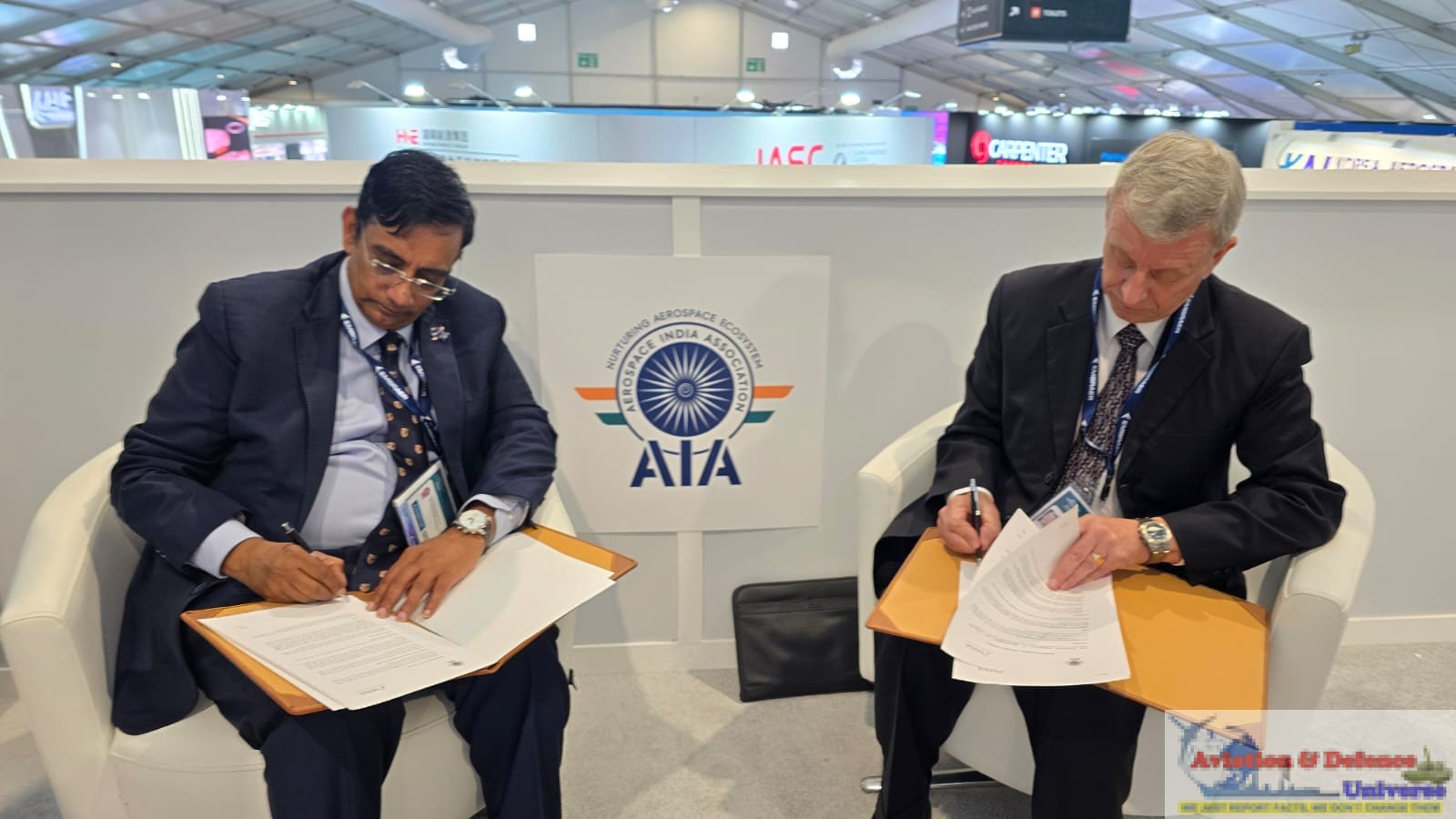 administrators. We come from the aerospace industry. When companies approach us, we understand their issues from an industry perspective and can provide meaningful guidance.I provide strategic advice to companies, while we also have people with strong operational backgrounds who can provide operational guidance. We have selected five or six key areas on which the association will focus. These are areas that will benefit not only individual member companies but India’s aerospace ecosystem as a whole.
ADU. What is the fundamental mission of Aerospace India Association?
Dr. Srinivasan Dwarakanath. Our mission is to develop the aerospace ecosystem in India, with a specific focus on product design and manufacturing. We want India to create greater value domestically, including developing access to our own raw materials. We also want to drive quality throughout the aerospace supply chain because that is extremely important. Our broader vision is to support sustainable aerospace programmes in India.
ADU. Prime Minister Narendra Modi has spoken about India eventually developing its own civil aircraft. Does AIA see itself playing a role in building the ecosystem required for such a programme?
Dr. Srinivasan Dwarakanath. Absolutely. We have seen the Prime Minister make the statement that India should develop a civil aircraft programme, and we want to drive and support that ambition. We want to ensure that the ecosystem required for such a programme is available in India. After Chandrayaan, and after having Tejas, our next major ambition should be our own civil aircraft. That is part of the vision of the association.
ADU. Raw-material dependence remains one of the biggest challenges facing Indian aerospace manufacturing. How is AIA addressing this issue?
Dr. Srinivasan Dwarakanath. Raw materials are one of our major focus areas. Around 98 per cent of the 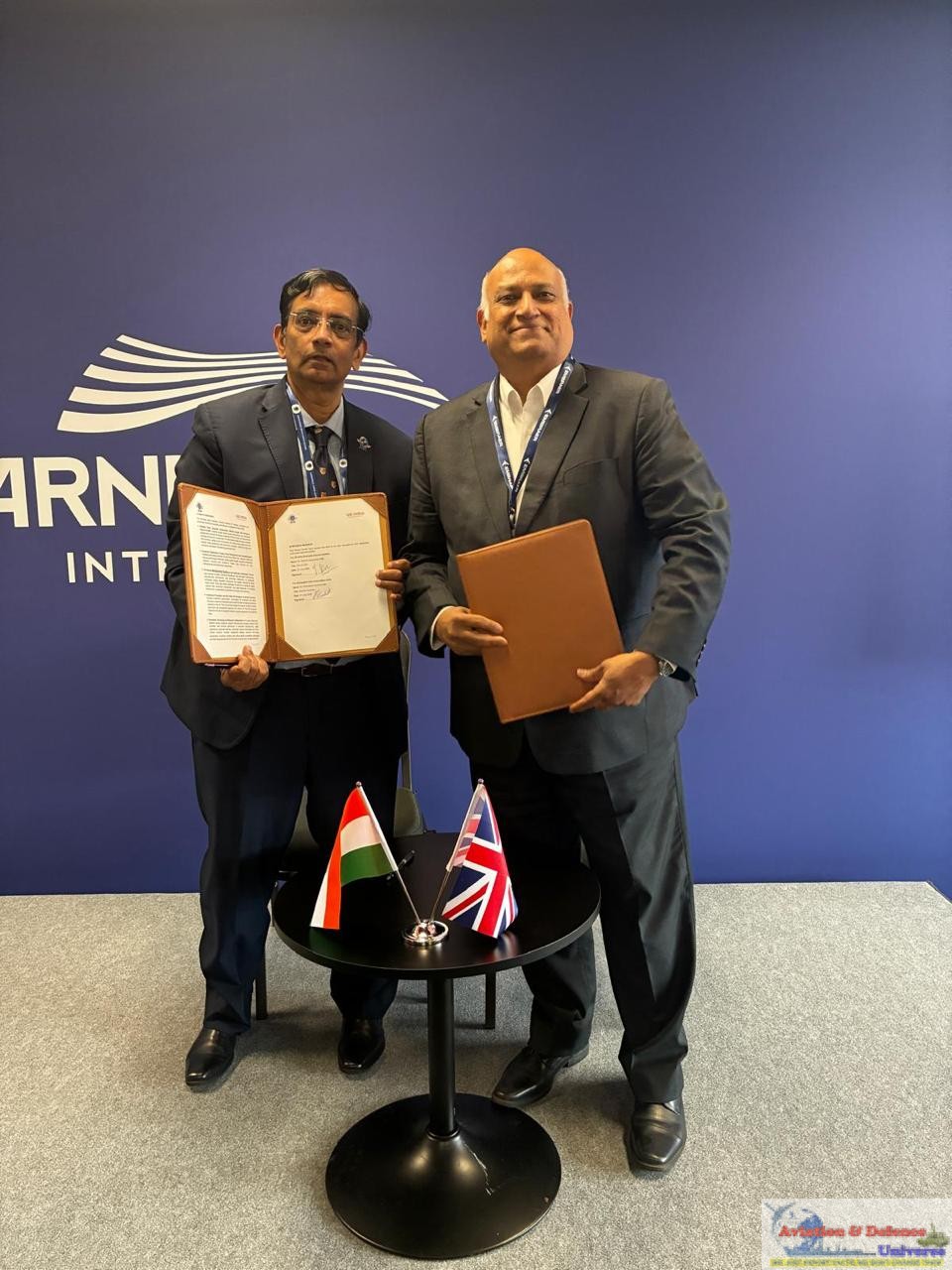 aerospace raw materials we require are currently imported.We are therefore working with our member companies to develop capabilities in India. For example, we are working with one of our member companies to establish composite manufacturing capability in India that could serve not only Indian requirements but also markets across Southeast Asia.
The company has agreed to move forward, and this could involve a significant investment. We are also looking at aluminium and working with Indian industry and the government. Our argument is that domestic aerospace raw-material capability should be viewed as a national asset. It is not merely a commercial issue; it is also essential or strategic and military independence. If you do not have access to critical raw materials, your ability to maintain true industrial independence will always be constrained.
ADU. Apart from raw materials, what other areas has AIA identified as priorities?
Dr. Srinivasan Dwarakanath. Skilling is another major area. We are looking at skilling across the spectrum — blue-collar skills, white-collar skills and executive skilling. Executive skilling in aerospace is equally important because aerospace is not like many other industries. You cannot simply invest money today and expect immediate returns tomorrow. It requires a long-term vision, patience and passion for the industry. Quality is another critical priority. We want to drive world-class quality throughout the Indian aerospace supply chain.
We have been engaging with the global aerospace quality initiative Aero Excellence, which is increasingly being accepted by major aerospace companies, and we want to help drive such quality standards in India as well.
ADU. Does AIA also engage with the government on policy issues affecting the aerospace industry?
Dr. Srinivasan Dwarakanath. Yes, we work with the government on policy and on identifying what needs to be done to strengthen the ecosystem. We regularly engage with the Ministry of Civil Aviation and provide  industry inputs, including on parliamentary questions where our expertise can help inform responses. We are still a very young association — only around two years old — particularly when compared with longstanding international associations such as ADS and GIFAS. However, we have been talking to them and working closely with them. In the years to come, we believe Aerospace India Association will become a significant voice for MSMEs, SMEs and the wider aerospace industry in India.
ADU. Access to capital is a major challenge for smaller aerospace companies. Does AIA also bring private equity or investment players into its ecosystem?
Dr. Srinivasan Dwarakanath. Yes. Aerospace companies today are increasingly accessing private capital, and we have a private equity player as a member of the association. Our ecosystem also includes capabilities beyond manufacturing. We have legal expertise, logistics expertise and other specialist service providers. The idea is to bring together all the different elements that an aerospace company needs to grow successfully. That is where we are putting a great deal of effort.
Aerospace India Association’s first collective international air-show presence has delivered a message that extends beyond the exhibition halls of Farnborough: India’s aerospace industry sees greater strength in presenting itself to the world as an ecosystem rather than as a collection of individual companies. For its members, that collective approach can mean greater visibility before global procurement leaders, shared solutions to common business challenges and a stronger platform for taking industry concerns to policymakers.
 But AIA’s ambitions are ultimately much larger than organising international pavilions. The association is attempting to address some of the fundamental building blocks India will need if it is to emerge as a genuine global aerospace power — domestic raw materials, skilled people at every level, globally benchmarked quality, access to capital and an industrial ecosystem capable of designing and manufacturing increasingly sophisticated products.
At the centre of that vision lies an ambitious national goal. India has demonstrated its technological capability through Chandrayaan and built indigenous military aviation expertise through Tejas. For Dr. Srinivasan Dwarakanath and AIA, the logical next frontier is the creation of an Indian civil aircraft backed by a sustainable domestic aerospace ecosystem.
Farnborough 2026 may therefore be remembered as more than AIA’s first collective global outing. It could mark the beginning of a new phase in which Indian aerospace companies — competitors at home but partners in building the ecosystem — increasingly take their capabilities to the world under a common banner.
































-A4-Size-(2)_page-0001.jpg)