 18th BRICS Summit

















- Beyond Armour: SMPP’s Vision for Drones, Counter-Drones and Defence Innovation
- India’s Defence Rise Through Innovation : From Protection to Precision
- Drones, Ammunition and Advanced Protection: SMPP’s Roadmap for the Future
By Sangeeta Saxena
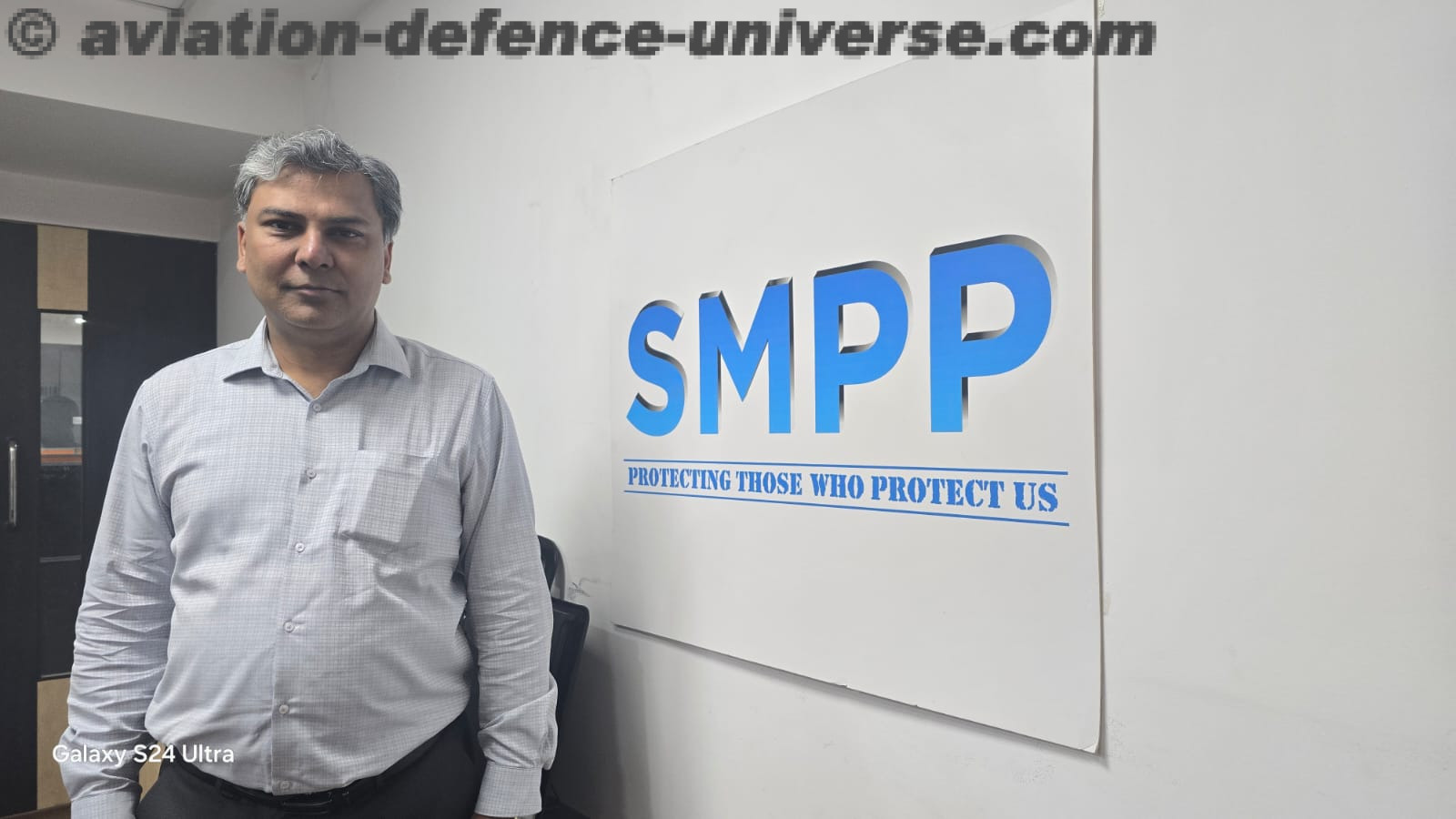
Paris. 14 June 2026. New Battle Fields demand new solutions. As battlefields undergo rapid transformation driven by drones, loitering munitions, artificial intelligence and asymmetric warfare, defence companies are being compelled to evolve beyond their traditional domains. Few companies embody this transition as clearly as SMPP, which has built a strong reputation in advanced ballistic protection while steadily expanding into emerging areas such as unmanned systems, counter-drone technologies and future ammunition solutions.
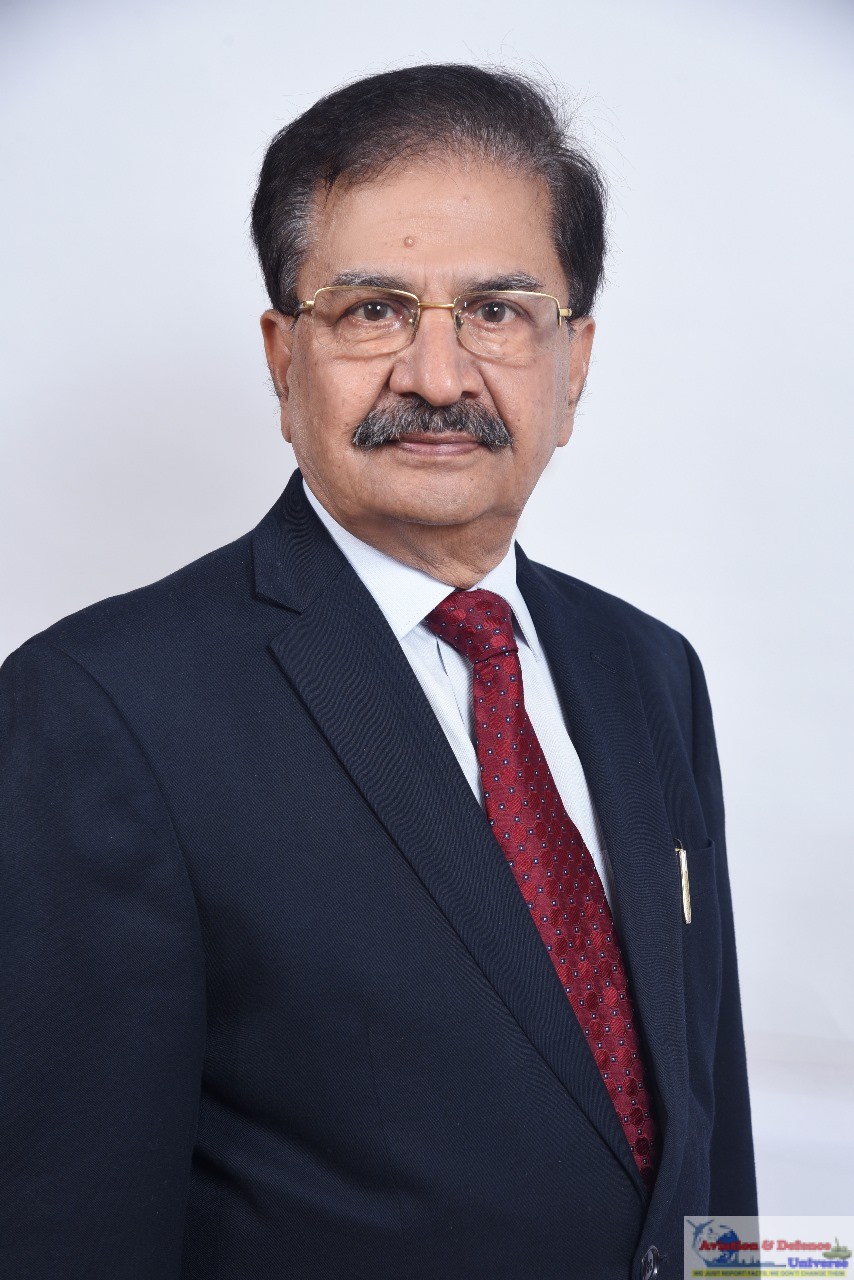
Speaking to ADU at Eurosatory 2026 in Paris, Ashish Kansal, Chairman and Managing Director of SMPP, shared his perspective on the changing character of warfare, India’s growing role in global defence manufacturing and the strategic importance of innovation in building future-ready military capabilities. From soldier protection and force survivability to drones and counter-UAS systems, Kansal outlined how SMPP is positioning itself to meet the evolving demands of modern battlefields while contributing to India’s vision of Aatmanirbhar Bharat.
ADU. SMPP has built a strong reputation in ballistic protection. How do you see the company’s evolution in the context of today’s rapidly changing battlefield?
Ashish Kansal. The modern battlefield is undergoing a profound transformation. Conventional threats continue to exist, but they are now accompanied by asymmetric warfare, unmanned systems, loitering munitions, and increasingly sophisticated aerial threats. At SMPP, we view this shift not as a challenge alone but as an opportunity to evolve. Our foundation remains deeply rooted in advanced ballistic protection, where we have spent decades developing and manufacturing world-class solutions for soldiers, platforms, and critical assets. However, our vision today extends far beyond protection. We are steadily expanding into emerging defence technologies, including unmanned systems, counter-drone capabilities, and future ammunition solutions.
The objective is to become a comprehensive defence technology company capable of addressing multiple layers of modern battlefield requirements while retaining the reliability and engineering excellence that have defined SMPP for decades.
ADU. What makes Eurosatory 2026 particularly significant for SMPP?
Ashish Kansal. Eurosatory is among the world’s most influential defence and security exhibitions, bringing  together governments, armed forces, industry leaders, and technology innovators from across the globe.
For SMPP, the event represents an important platform to showcase India’s growing defence manufacturing capabilities and our own transformation into a diversified defence solutions provider. It allows us to engage directly with international customers, partners, and stakeholders while demonstrating technologies that are relevant to contemporary operational requirements.
At a time when nations are looking to strengthen supply chain resilience and diversify sourcing options, India has emerged as a credible defence manufacturing destination. Eurosatory provides an ideal opportunity to reinforce that message.
ADU. How has the ongoing geopolitical environment influenced defence priorities globally?
Ashish Kansal. Recent conflicts have reaffirmed several critical lessons. The first is that preparedness remains paramount. The second is that survivability and situational awareness are becoming equally important as offensive capability. The third is that technology cycles are shortening dramatically.
We are witnessing unprecedented demand for solutions that enhance force protection, mobility, intelligence gathering, and rapid response. Drones, anti-drone systems, advanced armour, and integrated battlefield technologies are no longer niche capabilities; they are becoming essential operational requirements.
These trends align closely with SMPP’s strategic direction, which focuses on combining proven protection technologies with next-generation defence systems.
ADU. SMPP has recently expanded into unmanned systems. What opportunities do you see in this domain?
Ashish Kansal. Unmanned systems are fundamentally changing military operations. They provide enhanced 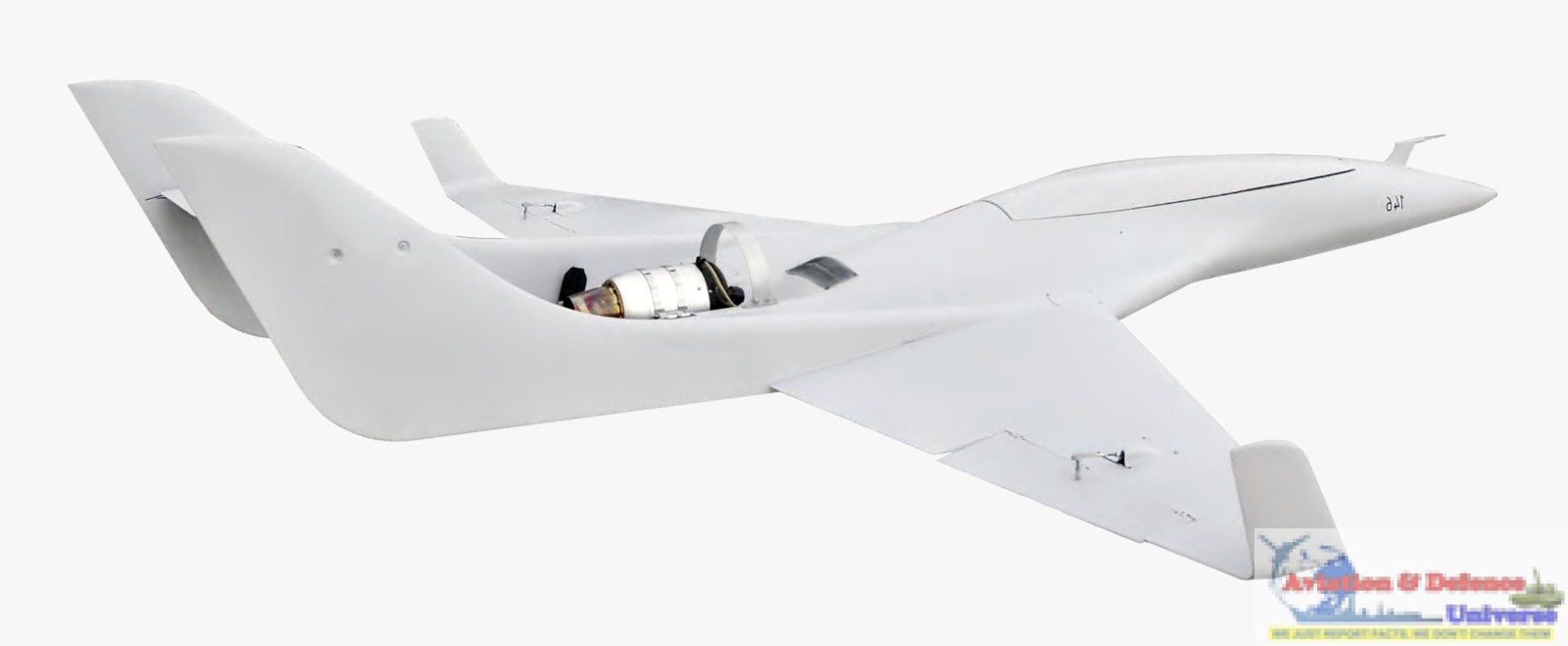 situational awareness, reduce risk to personnel, and enable missions that would otherwise be difficult or dangerous. Our entry into this segment reflects our commitment to remaining aligned with future battlefield requirements. We see significant opportunities across surveillance, reconnaissance, logistics support, and tactical operations.
The growing acceptance of unmanned technologies by defence forces worldwide indicates that drones will become an indispensable component of military planning. We believe Indian industry has the capability to develop and manufacture competitive solutions that can serve both domestic and international markets.
ADU. Counter-drone technologies have become a major focus area globally. How important is this segment for SMPP?
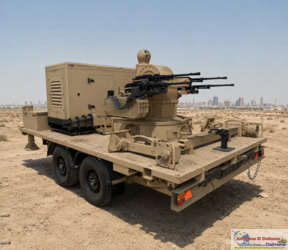
Ashish Kansal. The rapid proliferation of drones has created an equally urgent need for effective counter-drone solutions. From critical infrastructure protection to battlefield force protection, counter-UAS capabilities are becoming increasingly important.
The challenge today is not simply detecting a drone but identifying, tracking, classifying, and neutralising threats in a timely manner. Modern defence forces require layered and adaptable counter-drone architectures capable of responding to evolving threats.
SMPP sees this segment as a natural extension of our long-standing focus on protection. Whether protecting soldiers from ballistic threats or protecting assets from aerial threats, the underlying objective remains the same-enhancing survivability and mission effectiveness.
ADU. Soldier protection remains a core strength for SMPP. What innovations are driving the next generation of personal protection systems?
Ashish Kansal. The focus has shifted from simply stopping a projectile to optimising overall combat 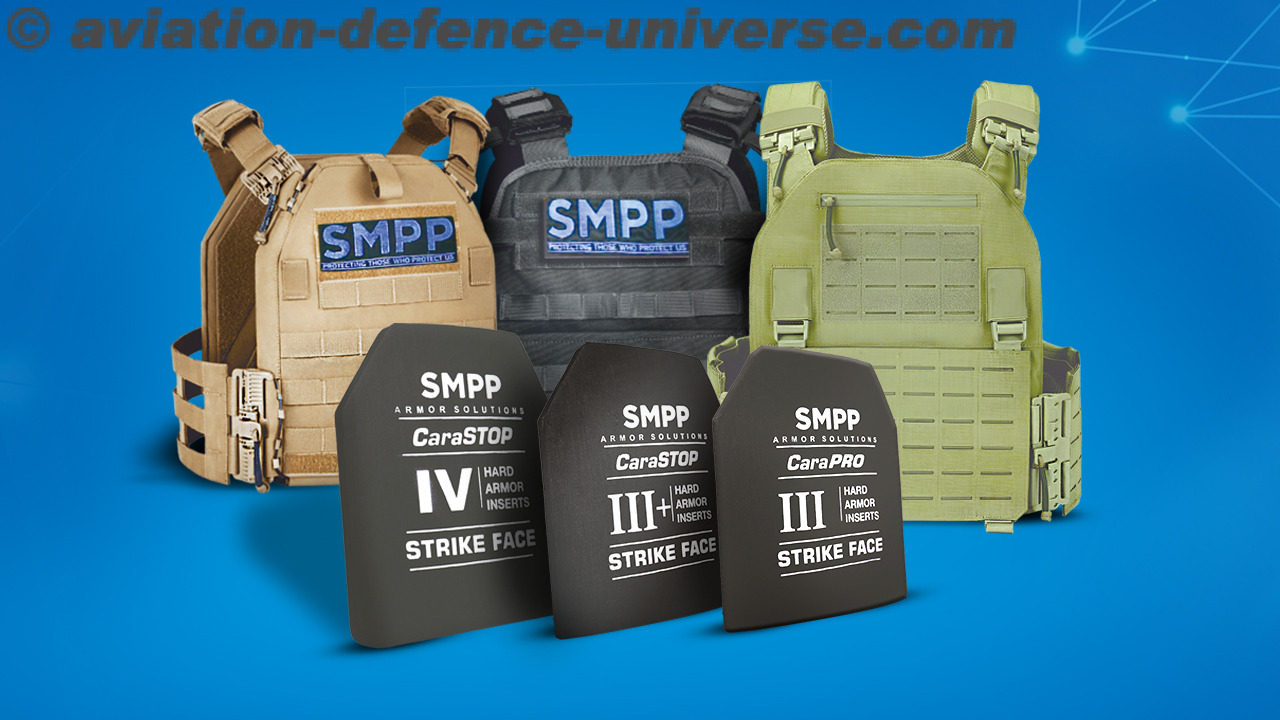 effectiveness. Today’s soldier requires protection that is lighter, more ergonomic, and capable of supporting extended operational deployments.
Advances in materials science, manufacturing technologies, and design engineering are enabling significant improvements in weight reduction while maintaining or enhancing protection levels. User feedback plays a critical role in this process.
Our approach is centred on understanding operational realities and developing solutions that improve both protection and mobility. Ultimately, equipment should empower the soldier, not burden them.
ADU. India has emerged as a significant exporter of defence products. How does SMPP contribute to this journey?
Ashish Kansal. India’s defence exports have witnessed remarkable growth over the past few years, reflecting the maturity of the country’s industrial ecosystem and policy support for indigenous manufacturing.
SMPP has been privileged to contribute to this progress through the export of advanced ballistic protection solutions to international customers. Our products are trusted in demanding operational environments and meet stringent global standards.
As we expand our portfolio into newer technology domains, we aim to further strengthen India’s position as a trusted source of reliable, innovative, and cost-effective defence solutions.
ADU. How does innovation shape SMPP’s long-term strategy?
Ashish Kansal. Innovation is central to our growth strategy. Defence technologies are evolving rapidly, and sustained innovation is essential to remain relevant.
 At SMPP, innovation extends beyond product development. It encompasses manufacturing processes, material technologies, system integration, and strategic partnerships. We continuously invest in capabilities that allow us to anticipate future requirements rather than simply respond to current ones.
Our objective is to create solutions that combine operational effectiveness, reliability, and scalability while maintaining a strong indigenous manufacturing foundation.
ADU. Looking ahead, what role do you see ammunition playing in SMPP’s future growth plans?
Ashish Kansal. Ammunition remains one of the most critical components of defence preparedness. Recent global conflicts have highlighted the importance of sustained production capacity, reliable supply chains, and technological advancement in ammunition systems.
As SMPP expands its defence portfolio, ammunition represents a logical area for future growth. We see significant opportunities to contribute to India’s self-reliance objectives while addressing emerging operational requirements.
Our focus will remain on developing capabilities that complement our broader vision of becoming a diversified defence technology enterprise serving the needs of modern armed forces.
ADU. What message would you like to convey to global defence stakeholders visiting SMPP at Eurosatory 2026?
Ashish Kansal. SMPP’s journey reflects the broader evolution of India’s defence industry—from a  manufacturing base to a source of advanced technology and innovation. Visitors to our stand will see a company built on decades of expertise in protection technologies while actively investing in the future through unmanned systems, counter-drone capabilities, and next-generation defence solutions.
We welcome partnerships that foster innovation, strengthen industrial collaboration, and contribute to a safer and more secure world. As defence challenges become increasingly complex, collaboration and technological excellence will remain the keys to success.
Ashish Kansal’s vision for SMPP mirrors the broader transformation taking place within India’s defence industry—from a manufacturing base to a hub of advanced technologies, innovation and global partnerships. As modern warfare becomes increasingly shaped by unmanned systems, integrated battlefield technologies and multi-domain operations, companies that combine proven expertise with future-oriented capabilities will define the next generation of defence solutions. Through its expansion into drones, counter-drone systems and ammunition, while retaining its leadership in protection technologies, SMPP seeks to address the full spectrum of emerging battlefield requirements. The company’s journey also reflects India’s growing confidence as a defence exporter and technology provider, demonstrating that the future of defence lies not only in building platforms, but in creating resilient, adaptive and indigenous capabilities for an increasingly complex security environment.





















































































-A4-Size-(2)_page-0001.jpg)