


 18th BRICS Summit



















- Drones, Missiles and Ammunition take centre stage
- Robots and Networked Soldiers Define Tomorrow’s Battlespace
- Land Systems Meet Artificial Intelligence
- Industry is synonymous with Innovation
By Sangeeta Saxena
Parc Des Expositions, Paris. 15 June 2026. As geopolitical tensions reshape security priorities and nations accelerate military modernisation, Eurosatory 2026 took off with anti-Israel demonstrations both at the entry and inside the compound of the venue as a powerful reflection of the changing global defence landscape. Despite this exhibition opened to unprecedented international participation, reiterating its growing role as a strategic platform for governments, armed forces, industry leaders and innovators seeking solutions to emerging security challenges.
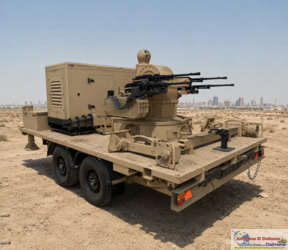
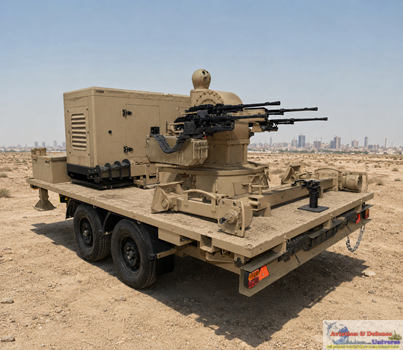
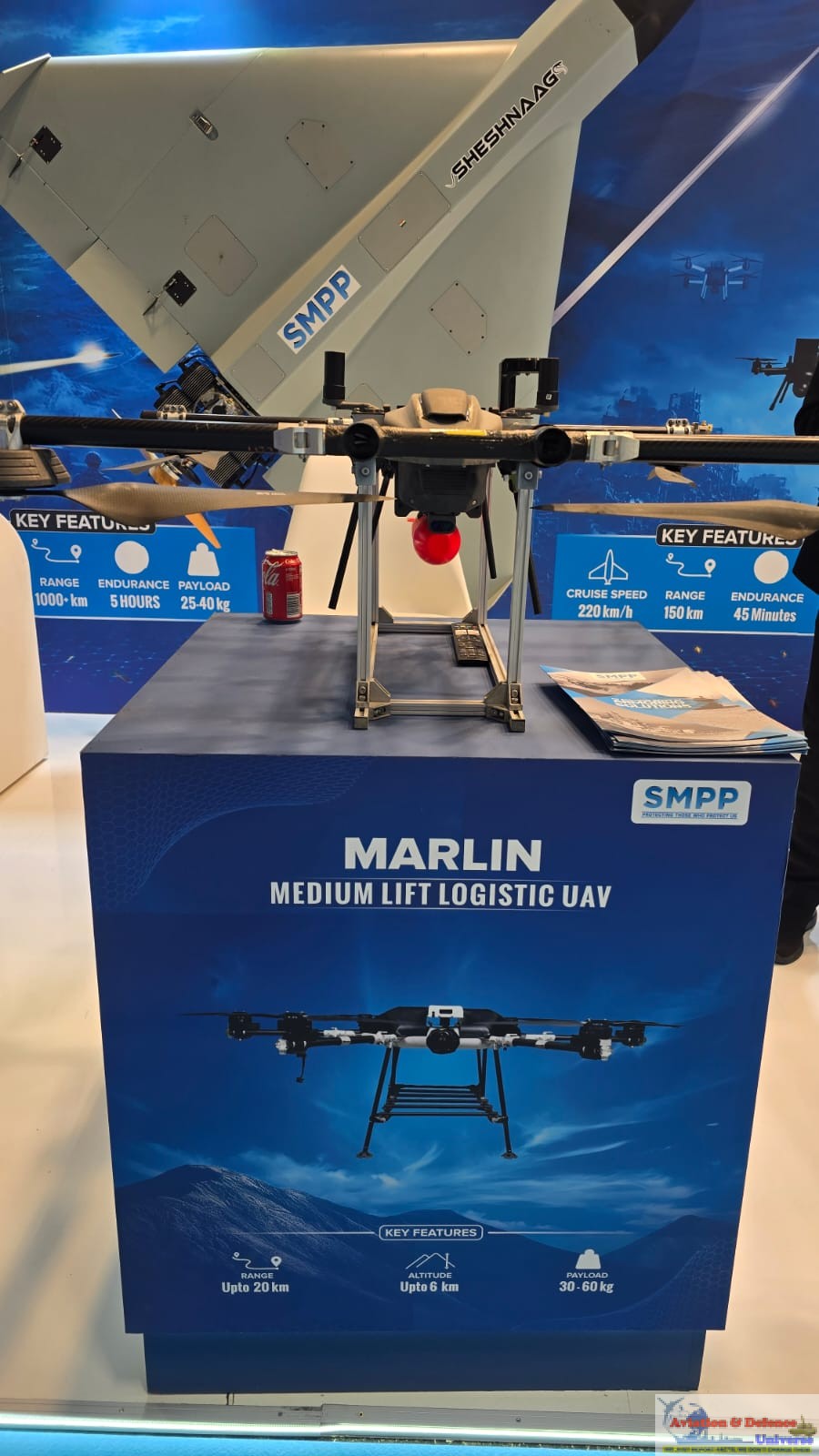
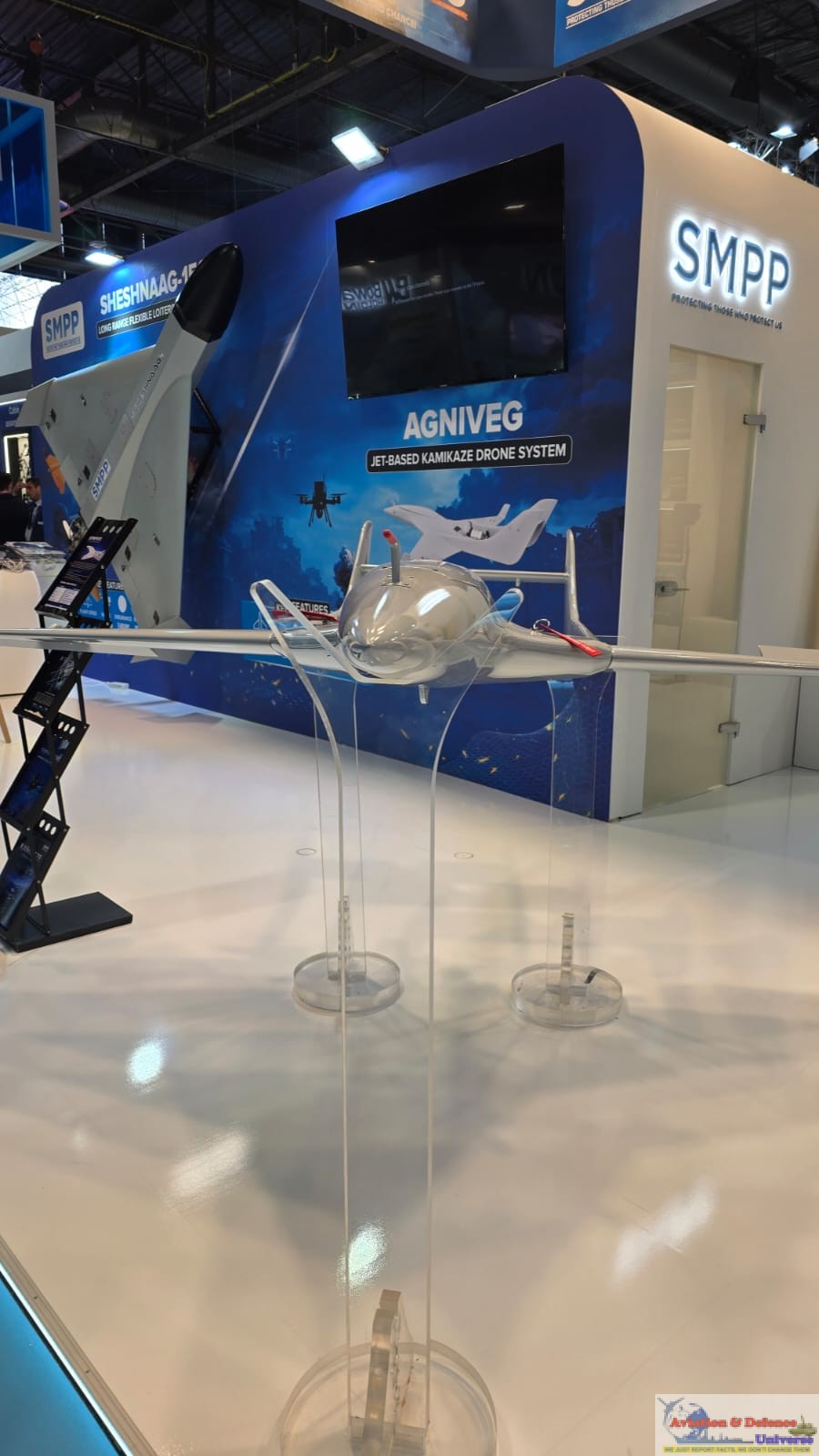 If there is one technology that dominates the exhibition halls and outdoor demonstration areas at Eurosatory 2026, it is undoubtedly unmanned systems. From loitering munitions and autonomous ground vehicles to swarm drones and AI-enabled reconnaissance platforms, the future battlefield on display in Paris is increasingly one where machines extend—and sometimes replace—the soldier. The lessons drawn from the war in Ukraine, the conflicts in the Middle East and evolving Indo-Pacific security dynamics have placed drones at the heart of military modernisation efforts worldwide. Countries are showcasing not only individual platforms but entire unmanned ecosystems integrating air, land and maritime domains. Ukraine’s rapidly expanding defence industry has brought a range of combat-proven UAVs and autonomous systems developed under wartime conditions.
As expected manufacturers continue to highlight their globally successful drone families, loitering munitions and ISR platforms. They are increasingly displaying counter-UAS systems alongside indigenous drone programmes, reflecting the dual challenge of deploying and defeating unmanned systems. Global players are showcasing advances in autonomous technologies, robotics and AI-enabled defence applications. The prominence of drones throughout Eurosatory—from exhibition halls to live demonstrations featuring trench warfare and robotic combat—reiterate a growing military consensus that future conflicts will not simply be fought with unmanned systems; they will be shaped by them.
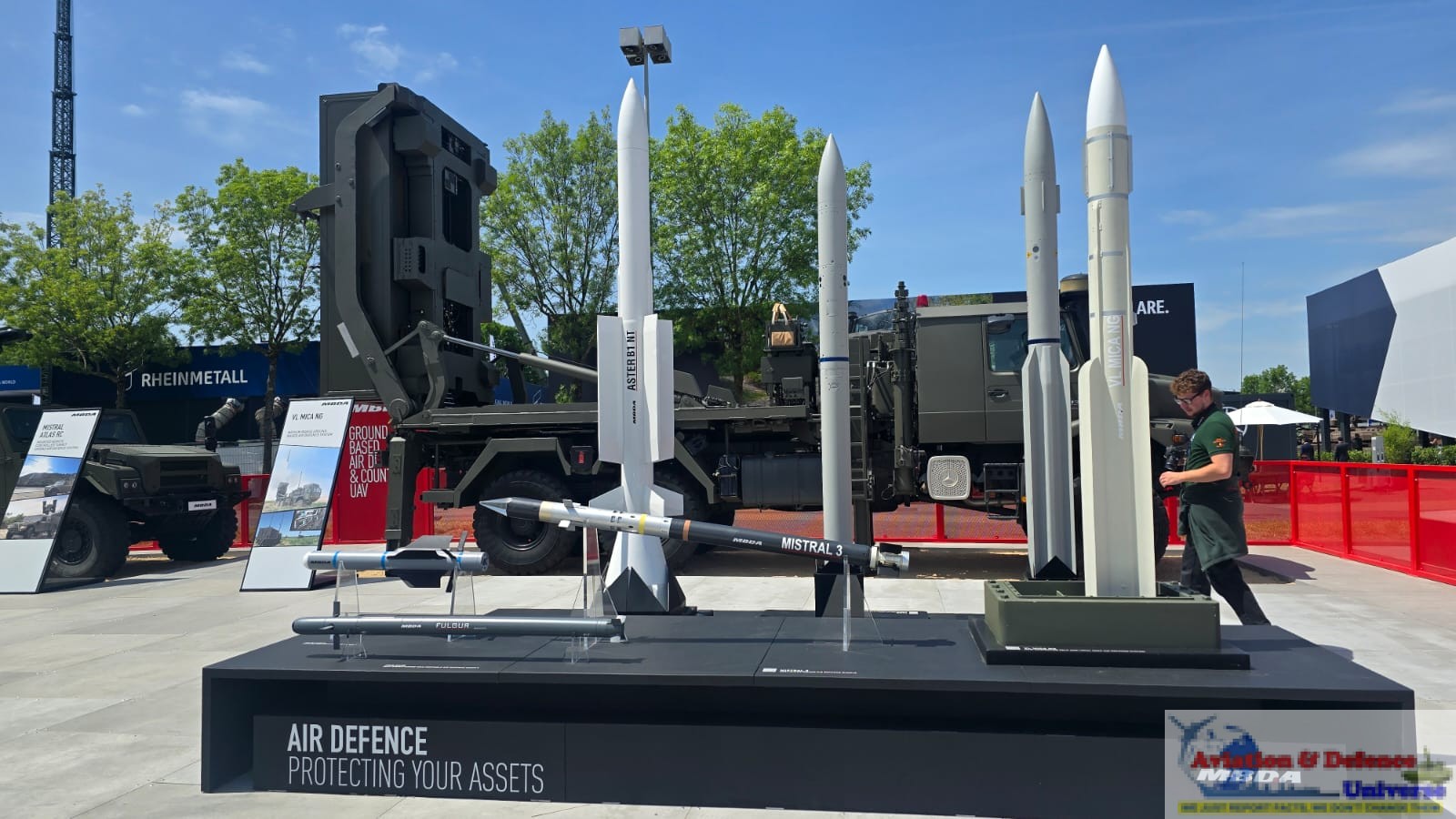 Missile manufacturers emerged as another big attraction at Eurosatory 2026, reflecting the growing global emphasis on precision strike capabilities, integrated air defence and long-range deterrence. The lessons of recent conflicts—from Ukraine to the Middle East—have reinforced the decisive role of missiles in modern warfare, driving nations to invest heavily in both offensive and defensive systems. Major European players showcased next-generation guided munitions, surface-to-air missiles and anti-tank systems, while companies from the United States, Israel, Turkey and Asia highlighted advances in long-range precision fires, loitering munitions and counter-missile technologies.
France’s defence industry displayed capabilities across the missile spectrum, including air defence and precision-guided weapons, while several exhibitors focused on networked missile systems capable of operating in multi-domain battle environments. The growing integration of artificial intelligence, enhanced seekers and manned-unmanned teaming concepts pointed to a future where missile systems will be faster, smarter and increasingly interconnected. As military planners worldwide seek to extend reach, improve survivability and deter adversaries, the strong presence of missile makers at Eurosatory put forth a broader reality: precision fires have become central to the calculus of modern deterrence and battlefield superiority.
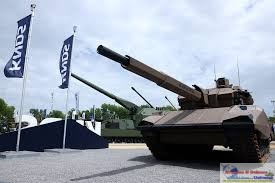 The expansive display of land systems at Eurosatory 2026 serves as a powerful reminder that despite the rapid rise of cyber capabilities and unmanned technologies, control of territory ultimately remains a ground-centric endeavour. The exhibition halls and outdoor display areas feature an impressive array of main battle tanks, infantry fighting vehicles, armoured personnel carriers, self-propelled artillery, air defence systems and next-generation protected mobility platforms from across the globe. European manufacturers, driven by lessons from the war in Ukraine, are showcasing upgraded armoured vehicles with enhanced survivability, active protection systems and digital battlefield connectivity. French, German and other international defence companies are presenting platforms designed for network-centric warfare, integrating artificial intelligence, sensors and unmanned teaming capabilities. Alongside heavy armour, there is a growing emphasis on lighter, rapidly deployable and modular systems capable of operating in complex urban and multi-domain environments. The prominence of land systems at Eurosatory reflects a renewed global focus on conventional deterrence and battlefield resilience, as militaries seek to prepare for high-intensity conflicts where mobility, protection and firepower remain as critical as ever.
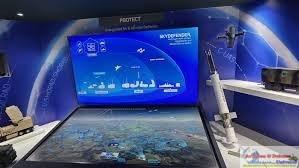 If drones represent the eyes of the modern battlefield, communication systems are its nervous system. At Eurosatory 2026, advanced communication and networking technologies are among the most critical capabilities on display, reflecting the growing importance of information superiority in multi-domain operations. Exhibitors from across Europe, North America and Asia are showcasing secure tactical radios, software-defined communication systems, satellite-enabled networks, battlefield management systems and resilient command-and-control (C2) architectures designed for contested environments. The lessons of recent conflicts, particularly in Ukraine, have demonstrated that victory increasingly depends not only on firepower but also on the ability to communicate, share data and make decisions faster than an adversary.
Manufacturers are highlighting interoperable systems capable of connecting soldiers, vehicles, drones and command centres in real time, creating an integrated battlefield network. Artificial intelligence-enabled data fusion, anti-jamming technologies and encrypted communications are also receiving significant attention, as militaries seek to protect critical networks from cyber and electronic warfare threats. The prominence of communication systems at Eurosatory emphasises a fundamental reality of contemporary warfare: in an age of network-centric operations, the side that controls information often controls the battlefield.
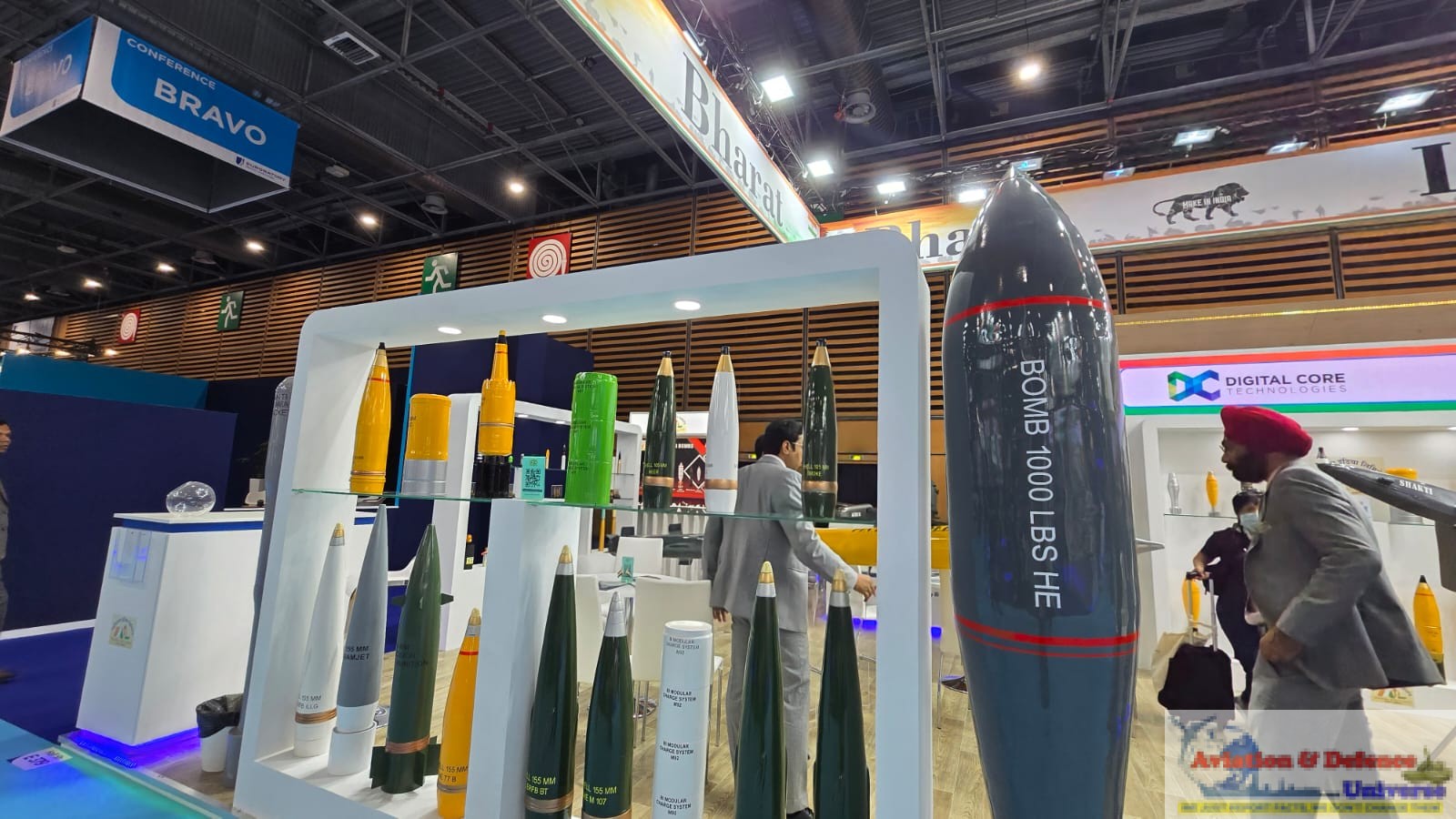 Another industry which occupies a prominent place at Eurosatory 2026 is ammunition, reflecting a renewed global focus on stockpile resilience, production capacity and precision lethality in an era of prolonged conflict. The war in Ukraine has fundamentally altered perceptions of ammunition consumption, with militaries around the world recognising that industrial capacity can be as decisive as battlefield performance. Exhibitors at the show are presenting a wide spectrum of capabilities, ranging from small-calibre ammunition and artillery rounds to precision-guided munitions and next-generation tank ammunition.
Manufacturers from Europe, North America, Asia and the Middle East are highlighting efforts to scale up production, improve supply-chain security and develop smarter, more effective munitions for future conflicts. Increasing attention is also being given to loitering munitions and precision-guided ammunition that can deliver greater accuracy while reducing collateral damage. The emphasis on domestic production and resilient supply networks reflects the emergence of a “war economy” mindset, where sustained manufacturing capability has become a strategic asset in itself. At Eurosatory, the ammunition sector illustrates a key lesson from recent conflicts: modern warfare is not only won by advanced platforms, but also by the ability to continuously supply the battlefield with reliable and effective munitions.
 The soldier protection and armouring industry is among the key highlights at Eurosatory 2026, reflecting a growing emphasis on survivability in increasingly lethal and technology-driven battlefields. Manufacturers from across the world are showcasing next-generation ballistic helmets, body armour, tactical vests, combat uniforms and integrated soldier systems designed to enhance protection without compromising mobility. Lessons from recent conflicts in Ukraine and the Middle East have the persistent threat posed by artillery fragments, drones, loitering munitions and sniper fire, driving demand for lighter yet stronger protective solutions. Advanced materials such as ultra-high-molecular-weight polyethylene, ceramics and composite fabrics are enabling the development of armour that offers greater protection against ballistic and blast threats while reducing the burden on soldiers.
Increasingly, the focus is shifting towards the concept of the “connected soldier,” where protective gear is integrated with communications systems, night-vision devices, sensors and power management solutions to create a networked combatant. Exhibitors are also presenting modular equipment tailored for diverse operational environments ranging from urban warfare to high-altitude operations. The prominence of soldier armouring technologies at Eurosatory reflects a broader recognition that while warfare is becoming more autonomous and digitised, the protection, endurance and effectiveness of the individual soldier remain central to military success.
 As Eurosatory 2026 draws the global defence community to Paris, the exhibition offers far more than a showcase of military hardware—it provides a window into the future of warfare itself. From autonomous drones and precision missiles to networked communication systems, advanced land platforms, smart ammunition and next-generation soldier protection, the technologies on display reflect the transformation of conflict into a multi-domain, data-driven battlespace. The lessons of Ukraine and the Middle East are evident across the exhibition halls, where resilience, industrial capacity and technological superiority have emerged as decisive factors in modern warfare. At the same time, the strong international participation—from established powers to emerging defence ecosystems—underscores a rapidly evolving global security order shaped by strategic competition and collaboration alike. As nations seek to balance deterrence with innovation, Eurosatory 2026 stands not merely as an exhibition, but as a strategic barometer of where defence technologies, military doctrines and international partnerships are headed in the decades to come.























































































-A4-Size-(2)_page-0001.jpg)