















- From Lab to Battlefield: Dr. S.C. Kansal and Ashish Kansal on Building for the Indian Soldier
- Where Make in India Meets Mission Readiness to create Leadership & Legacy-Focused Headlines
By Sangeeta Saxena
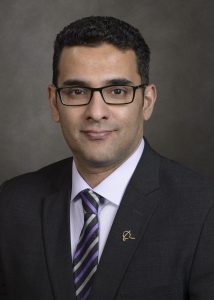
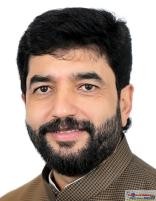
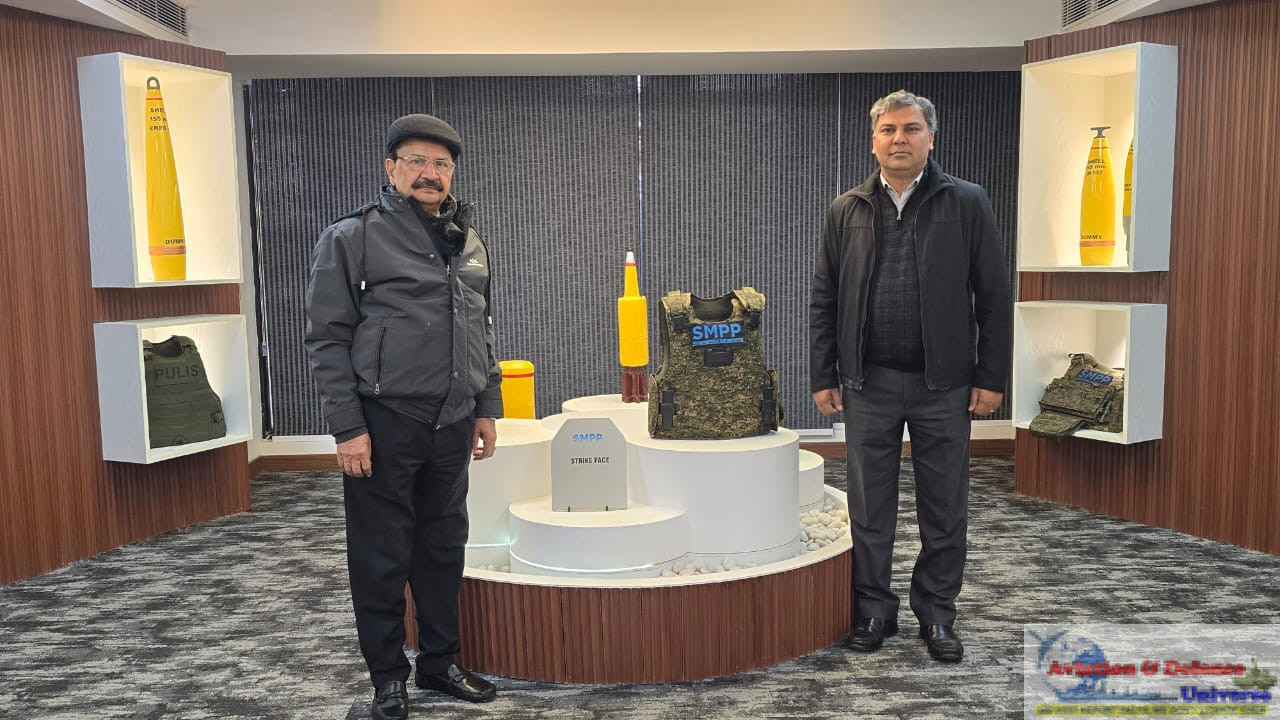
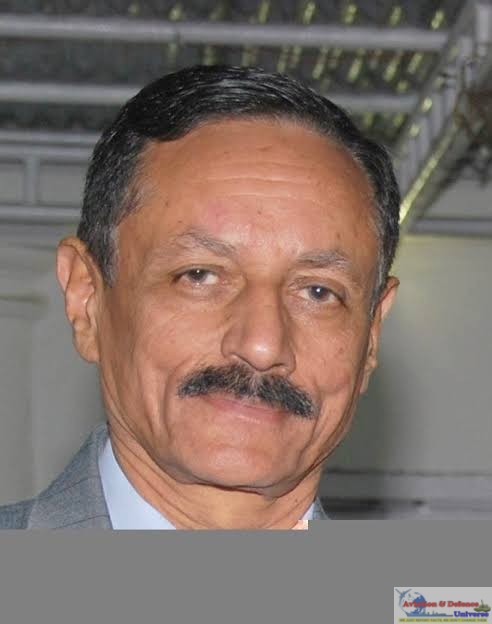
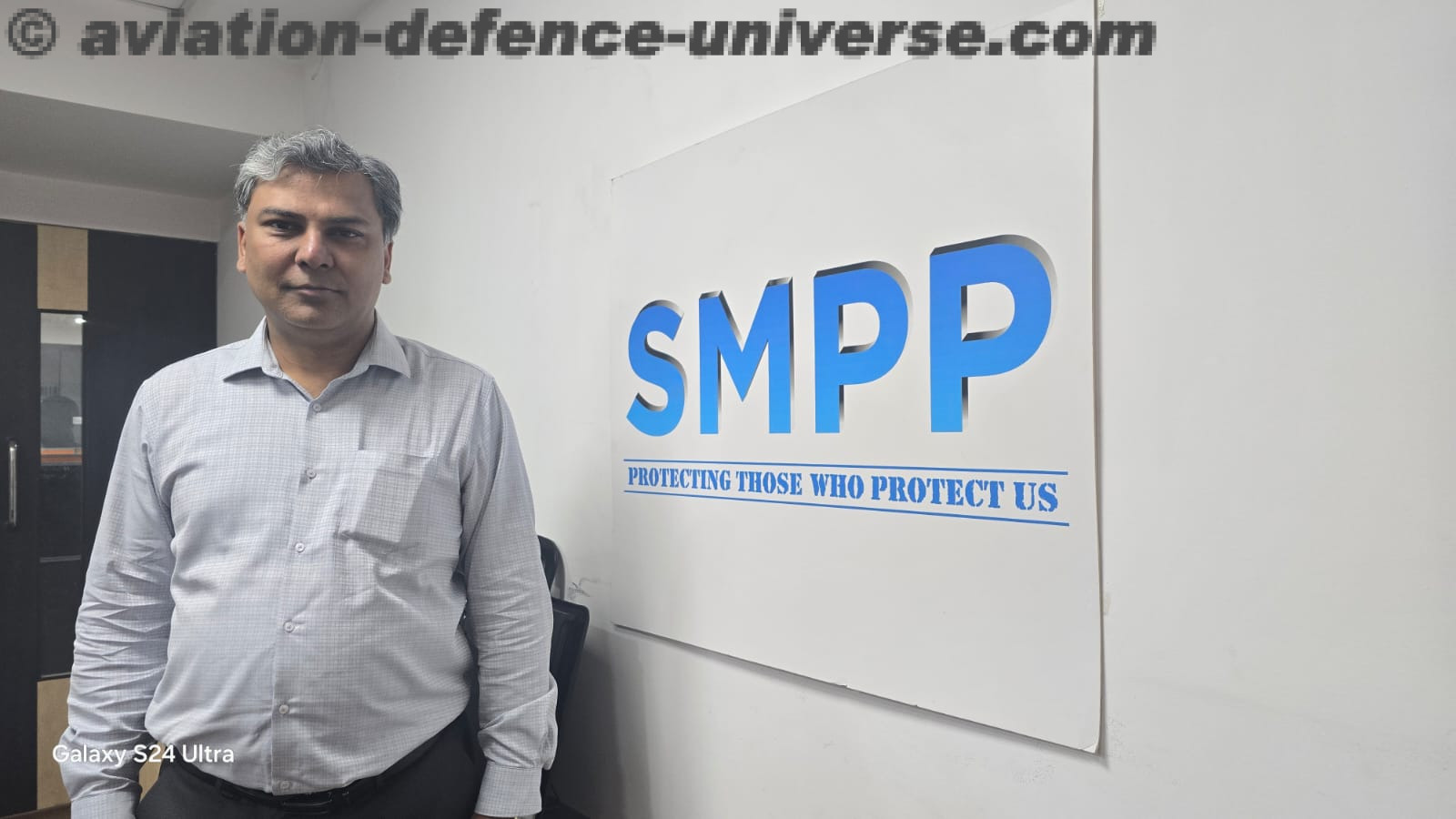
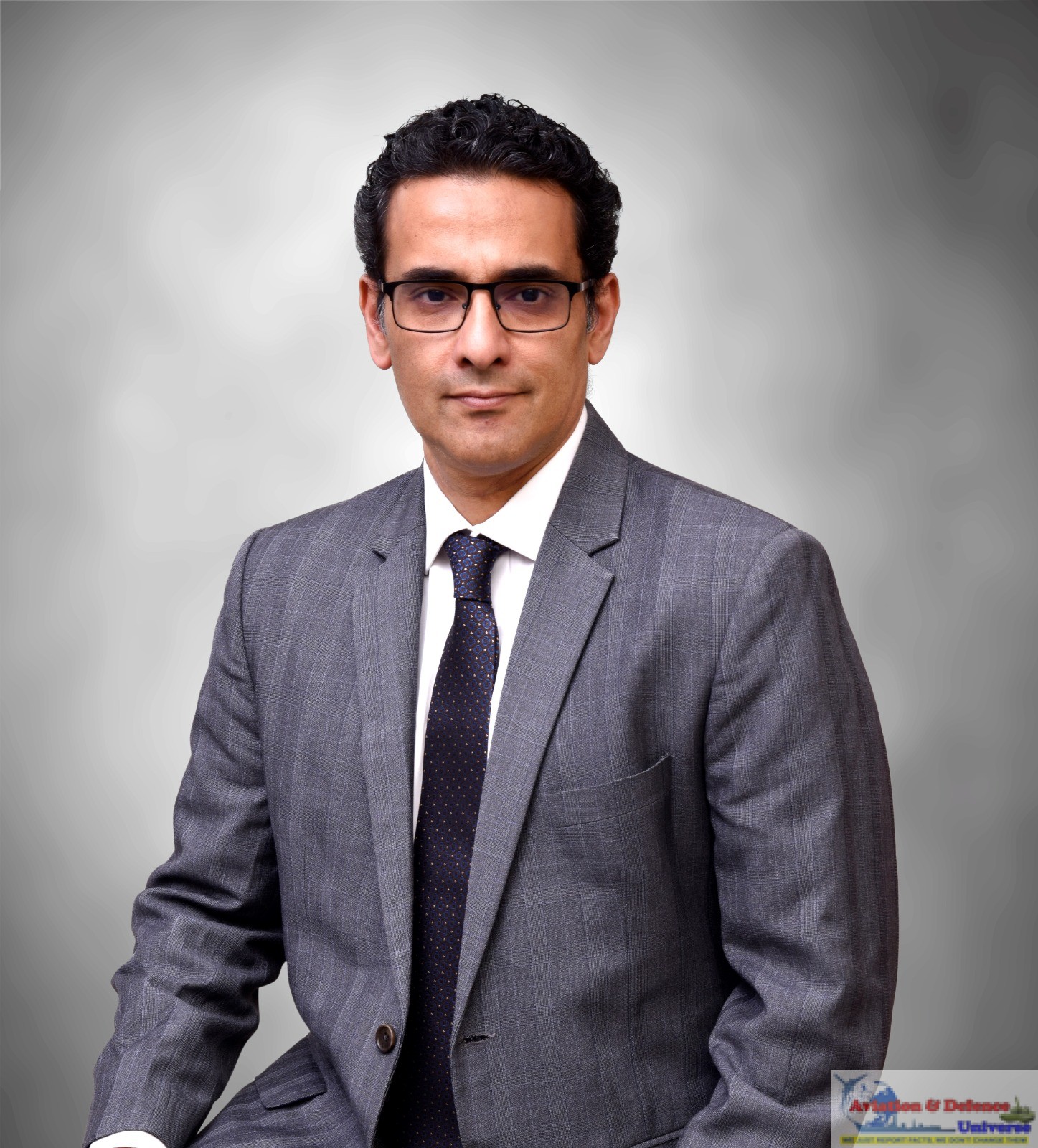
New Delhi. 14 January 2026. In an era where India’s defence manufacturing ambitions are rapidly transitioning from intent to execution, few companies embody the spirit of Make in India and Atmanirbhar Bharat as authentically as SMPP. This rare and in-depth conversation brings together Dr. S. C. Kansal, Chairman and Managing Director and Ashish Kansal, Chief Executive Officer, of SMPP, offering a unique intergenerational perspective on building indigenous defence capability over decades of sustained engagement with the Indian Armed Forces and DRDO.
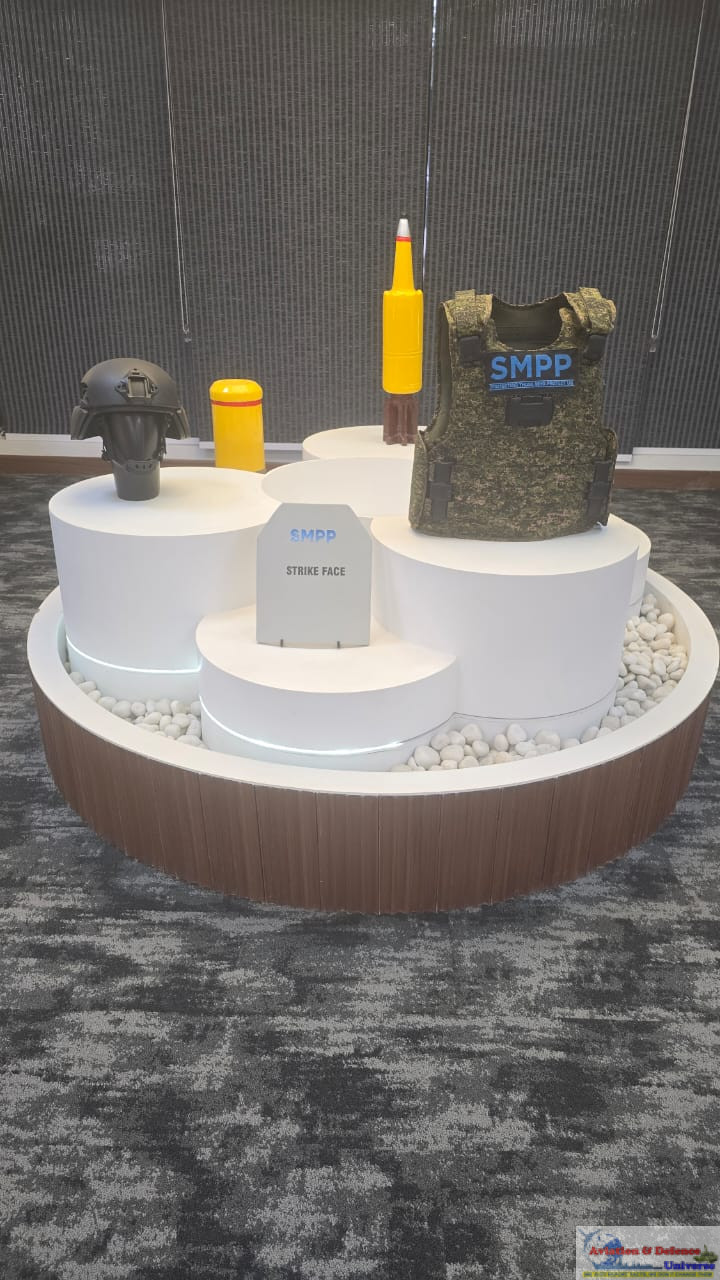 From pioneering protection systems and ammunition manufacturing to advancing precision-guided munitions, unmanned systems, and missile refurbishment, the father–son duo reflects both continuity and transformation. Dr. Kansal’s foundational role in establishing deep scientific and institutional trust with DRDO and the Indian Army converges with Ashish Kansal’s forward-looking focus on drones, unmanned warfare, and next-generation technologies. Together, they represent a leadership model where legacy experience and contemporary innovation reinforce each other. And this conversation with Aviation & Defence Universe (ADU) started with the father Dr. SC Kansal.
ADU. You have a very long-standing relationship with the Indian Army. DRDO has also just celebrated its 68th Foundation Day on January 1. You too have an old association with SMPP and DRDO. Could you put your thoughts across on this journey?
Dr. SC Kansal. SMPP has always existed for the Indian Army and for DRDO. DRDO is almost like a temple for us. We began working with DRDO in 1990–91 and have continued this journey ever since. Whatever we could develop in association with DRDO, we have done. It has always been a two-way relationship. DRDO required our technical inputs, and we brought our technical background to the table. I hold a PhD in Chemical Engineering from IIT Bombay, with specialisation in cellulose technology, which directly relates to explosives. This allowed DRDO and the Army to utilise my technical capability. Whatever facilities we had in our factory were always open for development work and practical trials. This association with DRDO has been extremely satisfying for me professionally.
 ADU. And how would you describe SMPP’s relationship with the Indian Army?
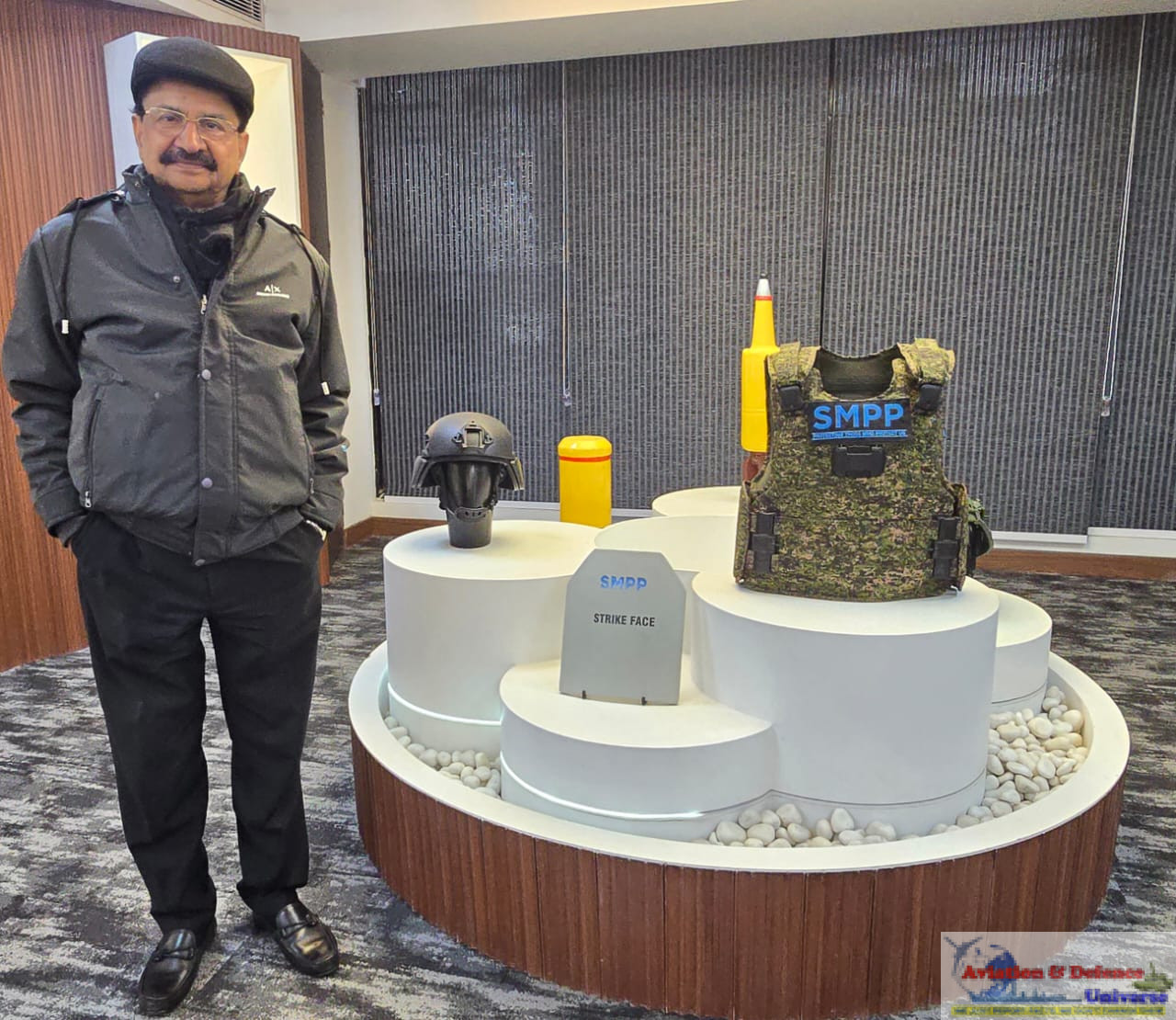
Dr. SC Kansal. We have served the Indian Army wholeheartedly. We are meant for the Army. In line with Prime Minister Narendra Modi’s vision of Atmanirbhar Bharat, we are here to serve the nation. Recently, we completed the supply of 1,86,000 jackets for the country in record time, finishing the order six months ahead of schedule. This has boosted morale across SMPP, among buyers, and within the Army itself.
ADU. What are the next areas SMPP is entering after this milestone?
Dr. SC Kansal. We are now entering ammunition manufacturing. We have established a unit in Himachal Pradesh. In Phase One, we will commission production starting with 155 BMCS ammunition. All licences are in place. Going forward, we will expand into other calibres as well.
ADU. You have spoken earlier about global technology partnerships. Could you elaborate?
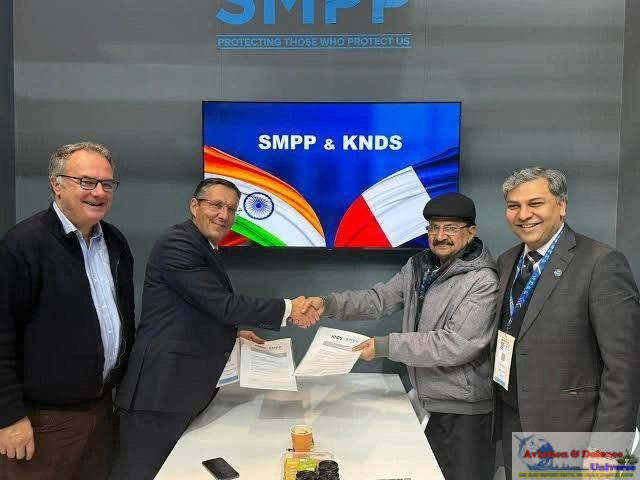
Dr. SC Kansal. Yes. We have entered into a technical tie-up with Rheinmetall, a globally renowned company, which will provide us the required technology. We have also signed agreements with Nexter, now KNDS. The agreement with KNDS was signed in Paris during the Milipol exhibition in November. These partnerships are crucial for precision-guided munitions, which represent the future of warfare. Conventional ammunition is no longer sufficient.
 ADU. You also mentioned entry into the drone segment.
Dr. SC Kansal. Yes. With Nexter, we have entered the precision-guided munitions space, including drone-launched munitions. The same facility in Himachal Pradesh will handle this production. Precision-guided munitions are the future. Traditional “gola” will not work anymore. We have successfully entered this domain.
As India recalibrates its defence posture in the wake of operational realities such as Operation Sindoor and accelerates indigenous capability across the military–industrial ecosystem, this interview offers rare insight into how a flagship Indian company has evolved from a trusted supplier into a strategic partner in national security. It is not merely a story of a company, but a reflection of India’s long march towards self-reliance in defence—driven by conviction, credibility, and an unwavering commitment to serve the nation. And ADU continued the conversation with the gen-next of the Kansal family – SMPP’s CEO Ashish Kansal.
ADU. You had earlier hinted that Operation Sindoor was a turning point in your drone strategy. Could you explain?
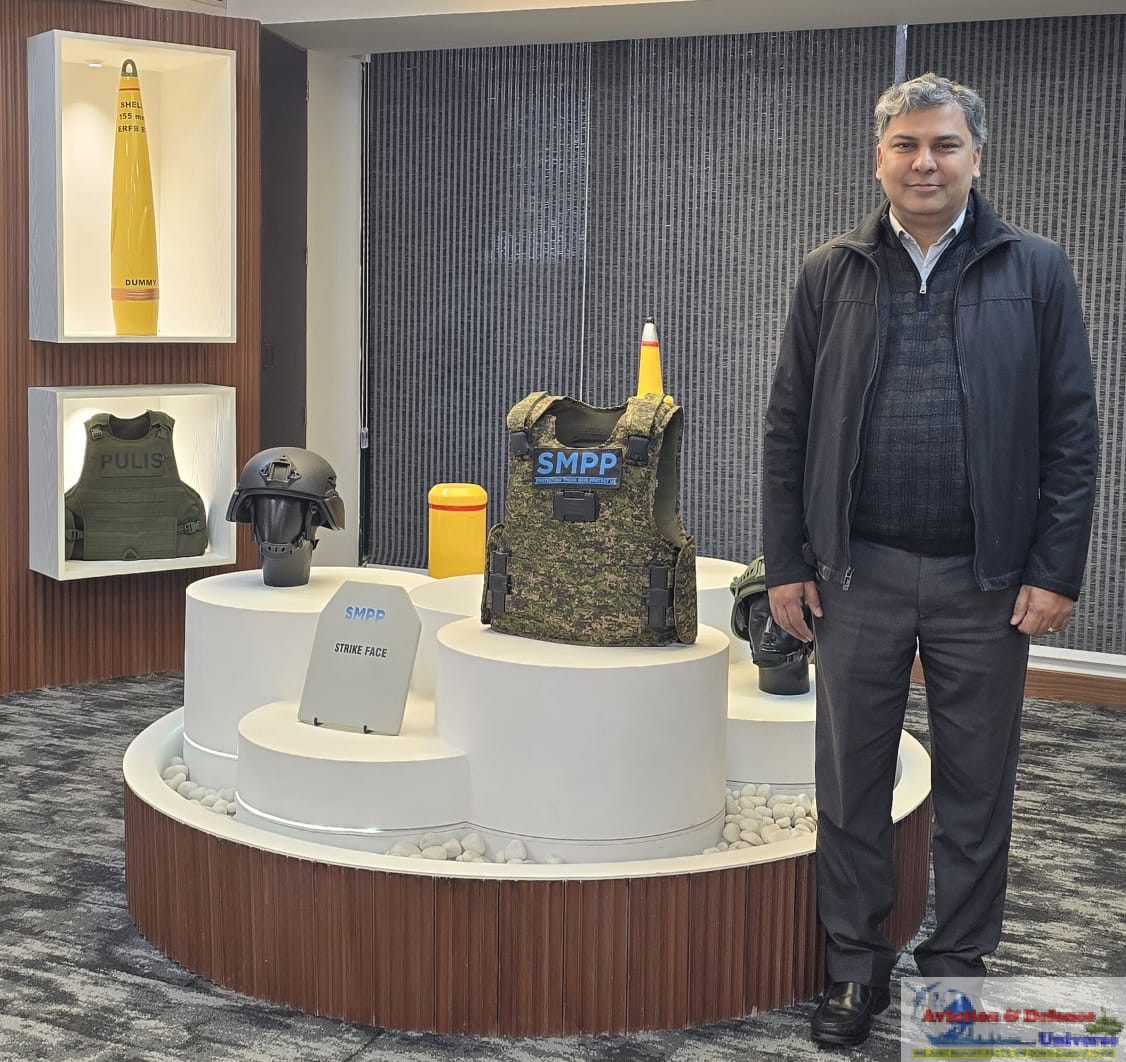 Ashish Kansal. After Operation Sindoor, we realised that India was still behind in drone technology, particularly in drones capable of causing serious damage. Since we already had deep expertise in ammunition, we decided to integrate ammunition technology with drones. We studied the best drone technologies available in India and abroad and combined them. Today, we can offer drones with ranges from 10 kilometres to 180 kilometres, speeds from 60 kilometres per hour to 500 kilometres per hour, and payloads ranging from 600 grams to 20 kilograms.
ADU. Could you give examples of the kind of damage these systems can cause?
Ashish Kansal. A 2-kilogram bomb can destroy a 500-millimetre thick cement bunker. A 600-gram munition can penetrate 50-millimetre RHA. With higher payloads of 6 to 7 kilograms, we have achieved penetration of up to one metre of RHA and reinforced bunkers. We have also developed drones capable of carrying multiple munitions for precision strikes. We continue to expand this capability with longer endurance, higher speeds, and heavier payloads.
ADU. Is the manufacturing facility for drones ready?
Ashish Kansal. Initial work has been done in a makeshift facility. Simultaneously, we are building a proper state-of-the-art facility. Until that is completed, deliveries will continue from the interim setup. The full facility will be operational very soon.
ADU. Will this facility be set up this year itself?
Ashish Kansal. Yes. We plan to split the facility between Bengaluru and Delhi. Bengaluru offers a strong talent pool in technology and software. Ammunition manufacturing will remain in Nalagarh. We expect the Bengaluru facility to be operational within six months.
ADU. Does SMPP already have a presence in Bengaluru?
Ashish Kansal. No. This will be our first presence there.
ADU. Drones are largely dual-use technologies. Are you exploring civil applications as well?
Ashish Kansal. Certainly. Camera payloads play a critical role in drone capability. High-resolution imaging adds tremendous value. We are in discussions to set up a facility in India for manufacturing high-resolution cameras. This will allow deeper integration and greater control over the technology. Historically, SMPP focused on in-house development, but over the last three to four years, we have adopted a mix of organic growth and strategic tie-ups.
ADU. Apart from drones and ammunition, are there other Army-focused areas SMPP is working on?
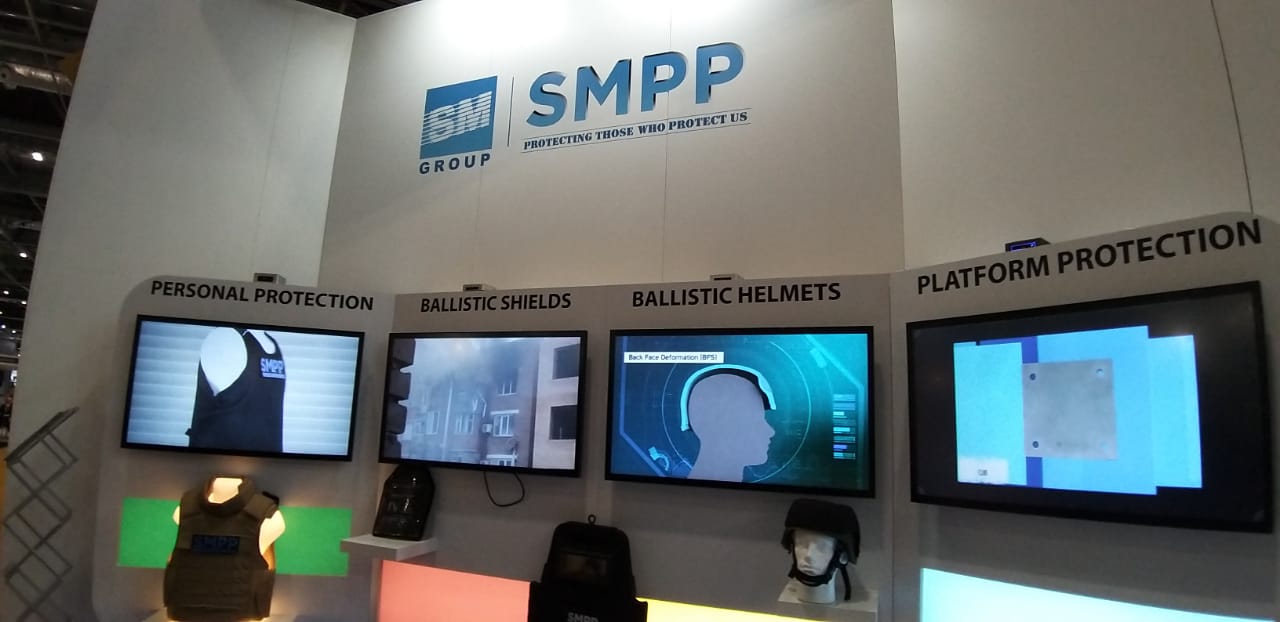
Ashish Kansal. We currently operate across three verticals. The first is protection systems, which is ongoing. The second is unmanned systems, where we are expanding beyond aerial drones into unmanned ground and sea systems. Robotics is very much part of this plan. The aim is to save soldiers’ lives by reducing risk. The third vertical is ammunition, where the focus is shifting decisively towards precision-guided systems.
 ADU. When you speak of unmanned sea systems, is that primarily for naval applications?
Ashish Kansal. Yes. At present, nothing is operational, but we are evaluating organic and inorganic routes including acquisitions and partnerships to build capability in unmanned naval systems.
ADU. Does this expansion include unmanned helicopters?
Ashish Kansal. Yes. We are exploring unmanned helicopters and advanced aerial platforms. This is where we see future warfare heading.
ADU. Are you also looking at applications for the Indian Air Force?
Ashish Kansal. We are exploring helicopter-launched and aircraft-launched systems. However, these involve greater complexity and are still at an early stage. We will speak about them once we have something concrete.
ADU. What about counter-drone systems?
Ashish Kansal. We are evaluating that space as well. Our philosophy is not to reinvent the wheel. We prefer to identify the best technology globally, start manufacturing it and then build development teams to improve it further. Technology transfer has become easier because of the credibility we have built over decades.
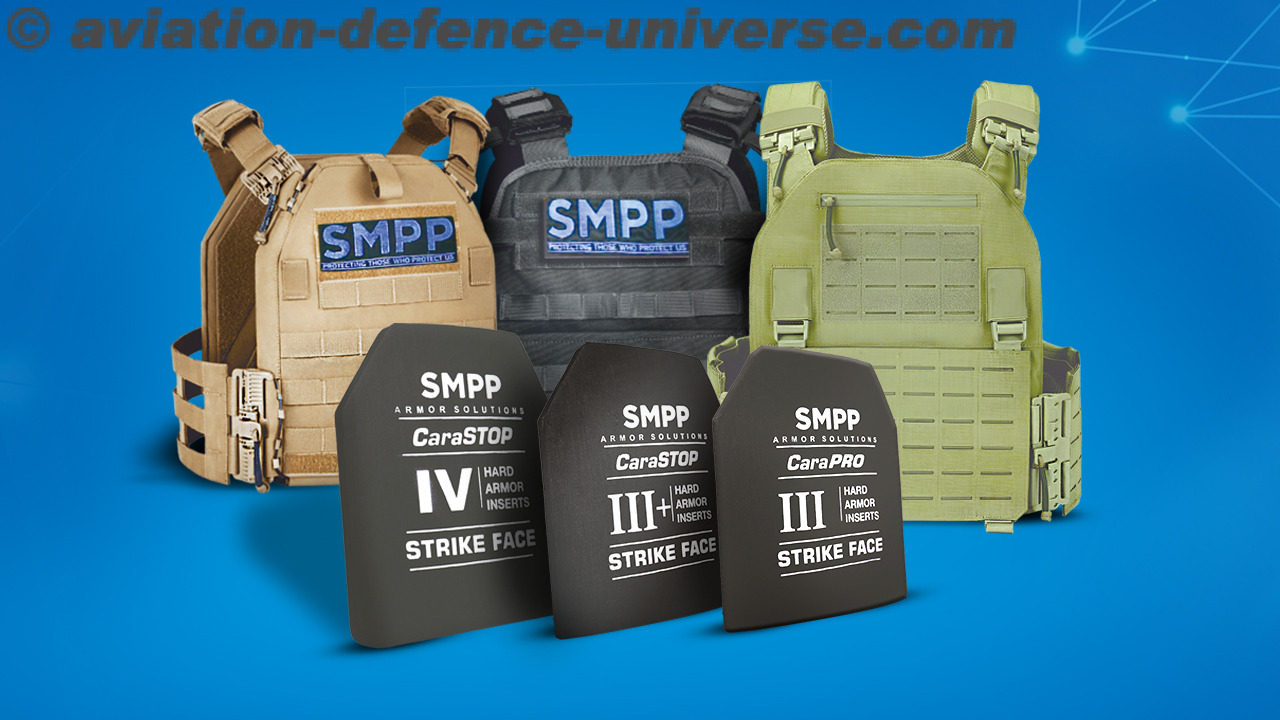 ADU. Your core protection products like jackets and helmets remain a mainstay. How is that progressing?
Ashish Kansal. That continues strongly. We have now developed helmets capable of stopping armour-piercing ammunition, which is among the first such developments globally. We continue to innovate in this space.
ADU. You had earlier mentioned specialised protection for women personnel?
Ashish Kansal. Yes. We have developed an ergonomically designed hard armour plate specifically for women. The patent process is underway and will be released soon. Once complete, we will inform the forces and paramilitary.
ADU. You mentioned missile refurbishment earlier. Could you explain that in detail?
Ashish Kansal. India has many missiles that are old or non-functional. We are working on refurbishing them to restore operational capability. This allows us to learn missile systems deeply and lays the groundwork for future missile manufacturing. We have already tied up for two missile systems and have proposed this to the Army and Air Force.
 ADU. Does refurbishment mean making inert missiles operational again?
Ashish Kansal. Yes. We aim to make them as good as new. Whether the issue lies in electronics, propellant, or explosives, we now have the capability to address all components, either in-house or through partnerships.
ADU. Where will this refurbishment be carried out?
Ashish Kansal. Initially, it will be done at Army or Air Force premises. If successful, we plan to establish a dedicated missile refurbishment complex.
ADU. Will this be a consortium-led effort?
Ashish Kansal. Yes, it will function like a consortium, but SMPP will take the lead.
 ADU. You also serve paramilitary and homeland security forces?
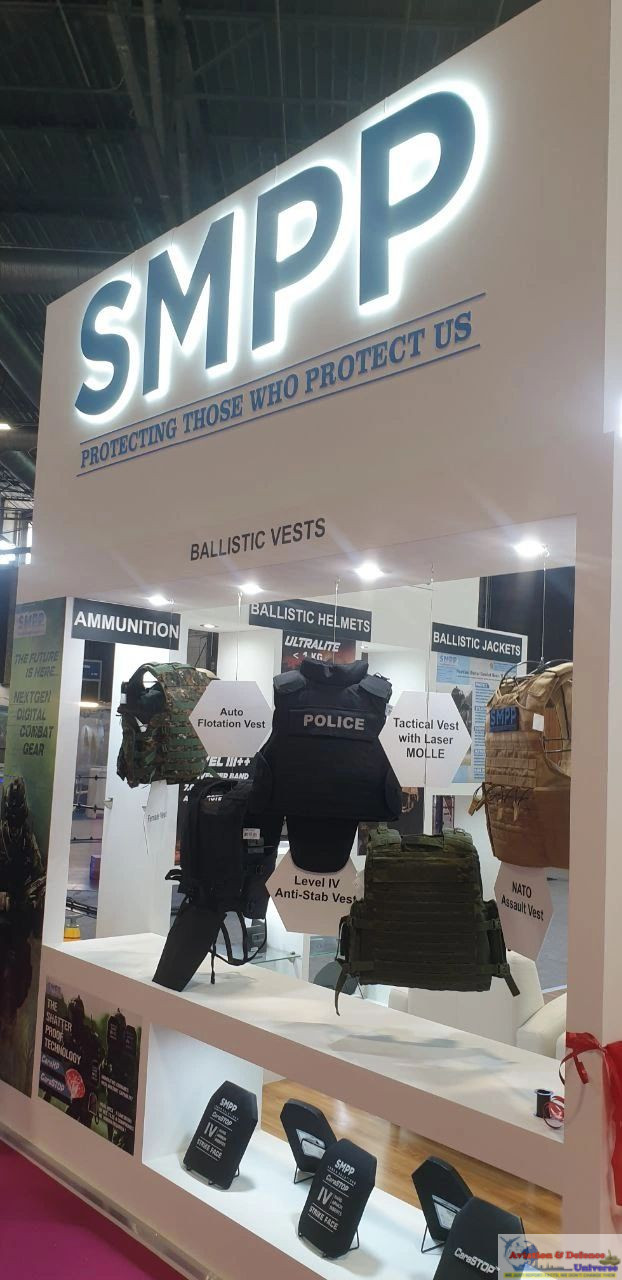
Ashish Kansal. Yes. We supply jackets and protection equipment extensively to paramilitary forces. Drone adoption there is still evolving. BSF requirements are growing, especially due to increased drone activity across borders. Homeland security agencies are now being equipped more seriously.
ADU. Any final thoughts you would like to share?
Ashish Kansal. Our priority is strengthening India’s offensive and defensive capabilities. We also aim to increase defence exports responsibly. We are committed to supporting the Army, Air Force, Navy, paramilitary and homeland security forces. Precision, unmanned systems, indigenous capability and exports will define the next phase, and SMPP will continue to serve the nation with full dedication.
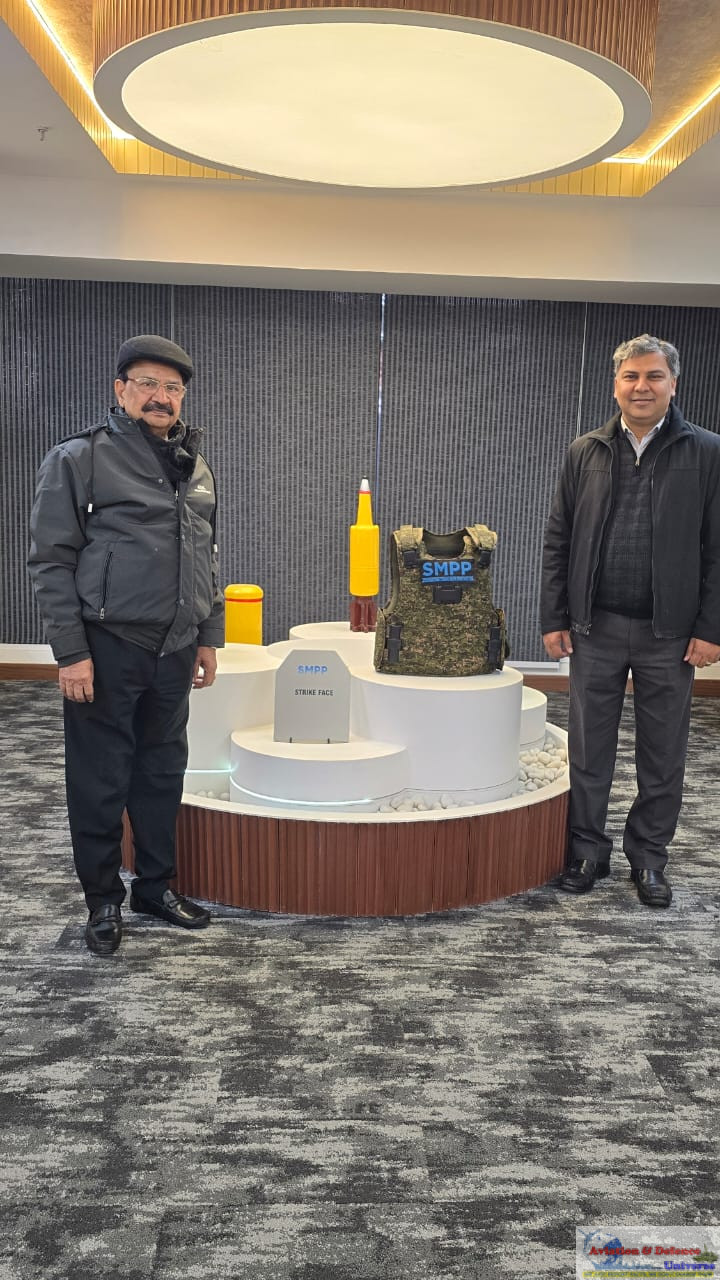 The conversation with Dr. S. C. Kansal and Ashish Kansal reiterates how SMPP has evolved into one of India’s most dependable and strategically aligned defence manufacturing partners, deeply embedded in the Indian Army’s operational ecosystem. From supplying large volumes of critical personal protection equipment—including jackets, helmets and specialised armour systems delivered in record timelines—to expanding into ammunition, precision-guided munitions, unmanned systems and missile refurbishment, SMPP’s journey reflects the maturation of India’s indigenous defence industry itself.
Ultimately, this interview captures more than corporate ambition. It reflects a generational commitment to national service, where science, industry and soldier welfare converge. As India continues to redefine its defence posture through indigenisation, jointness, and technological self-reliance, companies like SMPP—anchored in trust, credibility and execution—will remain central to ensuring that India’s military strength is not just acquired, but built, sustained and evolved at home.
As told to Sangeeta Saxena










































































-A4-Size-(2)_page-0001.jpg)