












- From Product Strategy to Autonomous Flight: Wisk Aero’s Gen 6 Journey
- How Wisk Aero is Defining the Future of Autonomous Air Mobility
- The Business Case Behind Autonomous Air Taxis: Aman Tripathi Explains Wisk’s Vision
By Sangeeta Saxena
New Delhi. 12 May 2026. Electric Vertical Take-Off and Landing (eVTOL) aircraft are poised to redefine the future of urban mobility by offering faster, cleaner, and more efficient transportation solutions for increasingly congested cities. As governments and aviation regulators worldwide accelerate efforts to integrate Advanced Air Mobility (AAM) into existing transportation ecosystems, autonomous eVTOLs are emerging as a transformative technology with the potential to revolutionise short-distance air travel, regional connectivity, and sustainable aviation. Beyond their technological novelty, eVTOLs represent a convergence of aerospace innovation, artificial intelligence, autonomy, and smart infrastructure. Companies like Wisk Aero are at the forefront of this evolution, developing autonomous air taxi platforms designed not only for operational efficiency but also for scalability, safety, and seamless integration into future airspace systems.
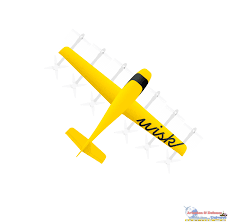
Wisk Aero, a wholly owned subsidiary of The Boeing Company, has been working on autonomous flight since 2010 and has built multiple generations of aircraft. Wisk’s Generation 6 aircraft recently completed its first flight in December 2025 and has numerous successful flights since. Wisk and the Texas Department of Transportation (TxDOT) were recently selected into the FAA’s eVTOL Integration Pilot Program ( eIPP).
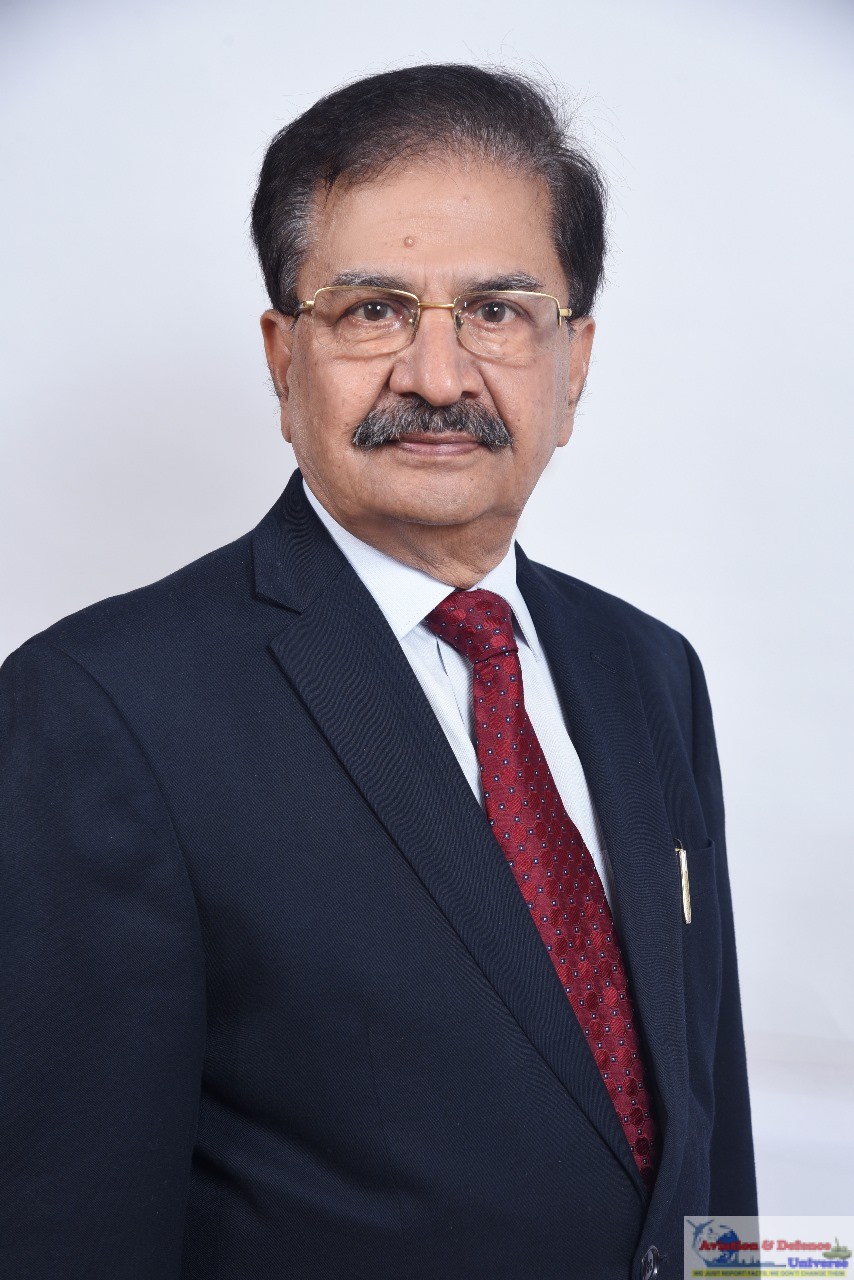
Aman Tripathi is the Product and Commercialization Lead at Wisk Aero where he has spent nearly eight years working at the intersection of aircraft product strategy, autonomous operations, and airspace integration. He leads the company’s Market Requirements and Objectives (MR&Os) for the Gen 6 aircraft, its business case, and has co-authored Wisk’s publicly released Concept of Operations (ConOps) for Uncrewed Air Mobility. He has also co-authored research with NASA on Instrument Flight Rules (IFR) route design and airspace integration.
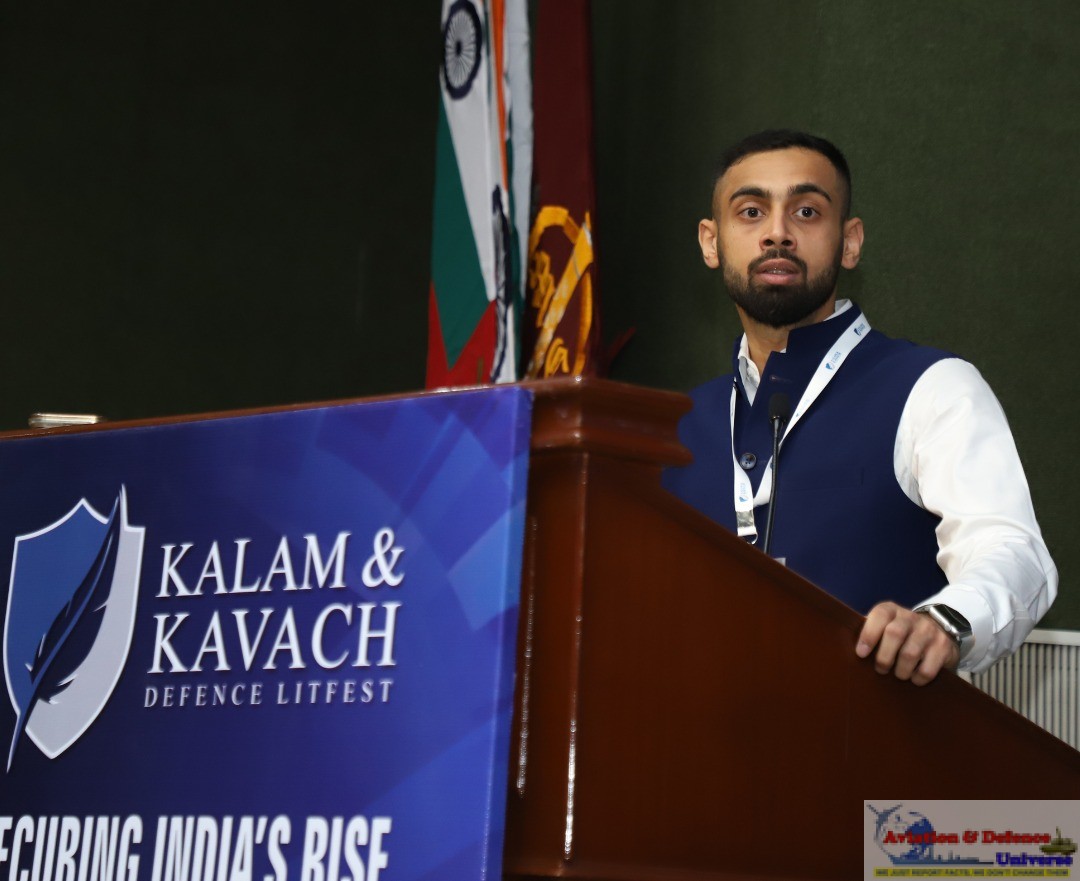
Aviation & Defence Universe (ADU) in a recent conversation with Aman Tripathi focused on the complexities of a product-first approach, the analysis that enables it and the broader product development process.
ADU. Wisk recently completed the first flight of its Gen 6 aircraft – how meaningful was that for you and the team?
Aman Tripathi. Seeing Gen 6 fly for the first time was incredibly rewarding for our entire team, and we’ve been looking forward to this milestone for a while. For years, we have been rigorously defining the market  requirements, conceptual design, and operational parameters for this aircraft. Watching the physical vehicle take to the skies and begin to execute on that vision was a deeply fulfilling validation of our product-first approach. At the same time, it keeps us very grounded. We know this first flight is really just the beginning of a long journey toward certification and commercialization, but taking that tangible first step makes all the hard work worth it.
ADU. As the person leading product management, can you talk about developing the requirements for a novel vehicle that doesn’t exist yet and has no pilot onboard?
Aman Tripathi. Defining the product requirements — which we call “Market Requirements and Objectives,” or MR&Os — we first looked at what the market actually needs and then designed the Gen 6 product requirements around that.
The challenge is unique: Wisk is not iterating on an existing product. We’re defining the first autonomous passenger aircraft from first principles — range, costs, turnaround time, weather capabilities, noise profile — all before a single commercial flight has happened. This means every product decision must be defensible against market viability, engineering feasibility, and regulatory reality simultaneously. For me, it means championing the product decisions that resolve this three-way tension in the most optimal manner. This is what makes leading our Market Requirements & Objectives so fun — I am constantly balancing these competing priorities, working hand-in-hand with engineers, operators, and regulators to find the best answers not the easiest one.
ADU. Let’s go a bit deeper on that aspect — how do you mathematically and operationally figure out what the market wants when there are no traditional customers yet?
Aman Tripathi. You have to build a very strong analytical infrastructure to answer that question rigorously. Over the years, we’ve built a suite of analytical tools that not only allow us to test the impact of aircraft capabilities — be it range, weather, costs, or any other key requirement — on market feasibility, but also let us perform sensitivity analysis on MR&Os in a very methodical way. I developed a complex business model of Wisk operations that brings all these product requirements and their market impact into a single integrated model, which allows us to run trade analyses on MR&Os and ensure that three-way tension is resolved to the optimal balance.
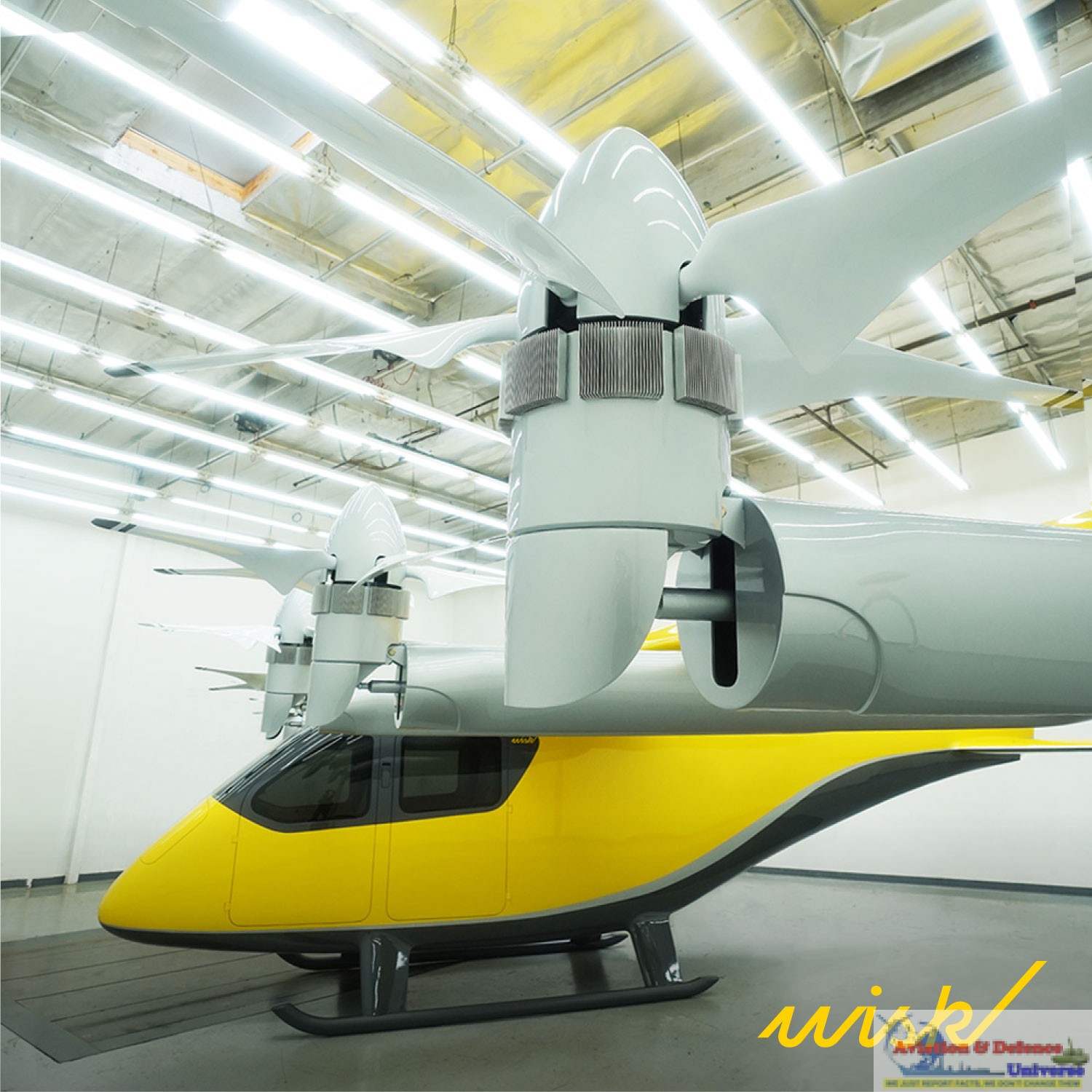 Another piece of this puzzle is thinking about uncrewed air taxis operationally and logically, beyond looking at it quantitatively. That’s where Wisk’s Concept of Operations (ConOps) comes in. As a co-author, I helped lay out how an air taxi service would function end-to-end, from passenger booking through vertiport operations to airspace integration. The ConOps forced us to answer hard questions like What do operations look like with an aircraft that has a remote supervisor instead of an onboard pilot? Which systems and roles do we need to execute these operations — for example, a Multi-Vehicle Supervisor and the Multi-Vehicle Supervision System that supports them? How do we safely integrate this novel aircraft into the U.S. National Airspace System? What does near-term versus far-term airspace integration look like? The ConOps was written with the business case and MR&Os in mind. The thesis being: we are building a service that customers will want to use if we meet our product requirements and execute our ConOps. It also provides a clear vision for introducing uncrewed operations into the U.S. National Airspace System (NAS), and now with the eIPP program, industry now has fertile ground to execute against that exact vision.
ADU. How does Wisk’s autonomy-first approach shape the product requirements, ConOps, and business case you’ve been describing?
Aman Tripathi. It’s central to all of it. Autonomy fundamentally changes the economic and operational benefits of the air taxi market. Economically, labor is one of the largest operating costs in aviation. Shifting from an onboard pilot to a remote supervision model — where one supervisor oversees multiple aircraft — dramatically changes the unit economics, making it a critical input when defining our product requirements and ConOps.
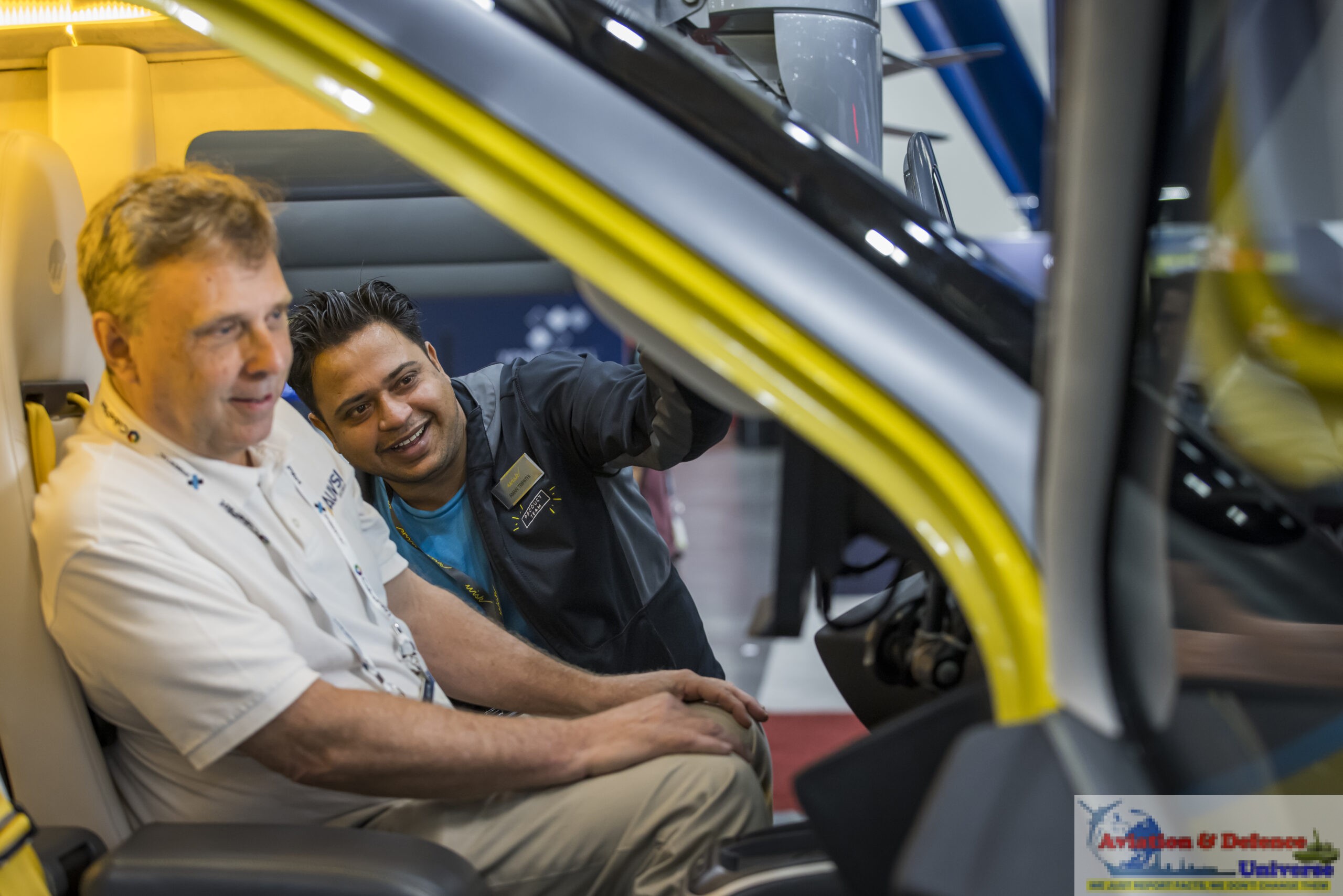
Operationally, autonomy allows for higher utilization of aircraft assets — a major factor for operators. Since the aircraft and its pilot (which in Wisk’s case is a remote supervisor) do not have to be co-located, you can reposition vehicles dynamically based on demand. In a scaled transportation network, the benefits of this capability compound non-linearly as you add more aircraft, allowing for a highly efficient and predictable network.
Finally, there is the most important aspect — safety. Autonomy, done right, removes human error. Again, if you look at this not from a single aircraft-centric view, but from a network-level view of numerous aircraft participating simultaneously, that is where the advantages scale non-linearly.
Translating these operational and economic advantages into qualitative and quantitative targets is a major focus of my work as we define the product requirements, business case, and ConOps.
ADU. You mentioned the regulatory reality earlier. How does working with agencies like NASA and FAA help with Wisk’s mission?
Aman Tripathi. First on NASA collaboration – it’s a big privilege to work with them. Under a Space Act Agreement, Wisk and NASA projects are focused on advancing autonomous aircraft under Instrument Flight Rules (IFR) in the National Airspace System (NAS). While some teams work on various engineering topics, I’ve collaborated with NASA on vertiport operations and publishing research papers on airspace integration—specifically focusing on off-nominal conditions. In addition, we’ve collaborated on integrating crewed and uncrewed aircraft in the NAS, leveraging operational concepts put forth in the Federal Aviation Administration (FAA) Concept of Operations (ConOps) for the Midterm UAM phase.
 Over the long run, we want airspace advancements as an industry to enable high-throughput operations — imagine dozens of eVTOL aircraft moving through a metropolitan corridor safely and efficiently. For me, the synergy here is critical: the insights generated from these joint efforts feed directly back into our long-term product vision when it comes to airspace integration and how these airspace advancements impact our business case. It ensures the targets we define are entirely grounded in regulatory reality. And as I said, it’s a privilege.
Similarly, we collaborate very closely with FAA for obvious reasons – on all certification aspects – and it is an incredibly productive relationship to advance the certification of Wisk’s aircraft and autonomy. Recently, a very exciting development has been FAA’s eIPP program where Wisk has been selected as one of the primary private-sector eVTOL partners for the Texas-led proposal. Wisk views the eIPP as a crucial operational bridge to execute the Department of Transportation’s (DOT) AAM National Strategy, the federal framework that will accelerate the safe, efficient, and equitable integration of autonomous and piloted AAM into the National Airspace System (NAS): exactly the things we laid out in the ConOps and now have opportunity to test under this program.
ADU. You’ve been working in this industry for around 8 years. What has that perspective taught you about what it actually takes to make products work?
Aman Tripathi. A couple of patterns keep emerging. The first is that engineering challenges are too often approached in isolation, without due consideration for second- and third-order impacts. The second is a lack of focus on the business case from the very beginning.
On the former, any single product requirement, when solved in isolation, can have detrimental ripple effects on other capabilities. Essentially, the trap is solving for a local optimum rather than a global optimum. As a result, the hardest hurdles are integration challenges and solving for that global optimum. How do you integrate a novel aircraft into existing airspace? How do you integrate autonomous operations into a regulatory framework built for human pilots? How do you integrate market economics into vehicle design decisions early enough to matter? Balancing these competing priorities and solving holistically is something I feel very passionately about.
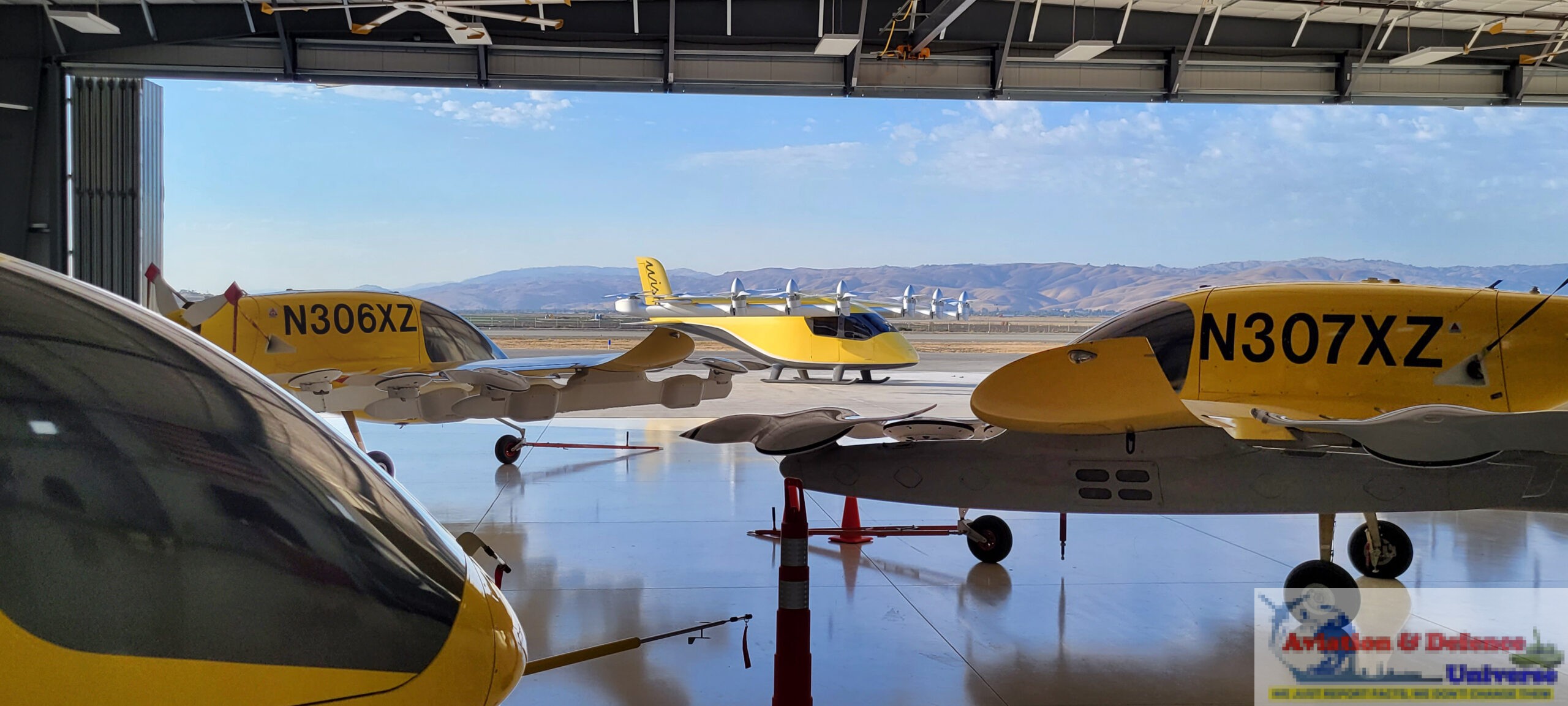 On the latter, too often the business case is an afterthought — something that’s figured out after the core technology is built, which leaves you scrambling to reverse-engineer product-market fit. With Gen 6, we deliberately inverted that. The product requirements and ConOps were informed by the business case and global integrated problem solving from the start, not retrofitted to justify decisions that had already been made. That rigorous way of thinking about product development is exactly why I believe in a product-first approach.
Ultimately, making products work in the marketplace requires the exact same rigor on the product management and operations side as it does on the engineering side. Designing a great aircraft is critical, but so is everything that goes into making it work operationally.
ADU. Why India is an important market for Wisk Aero?
Aman Tripathi. While our primary focus is currently on the certification of the Gen 6 aircraft in the U.S. market, India represents a compelling long-term opportunity for the AAM industry for several structural reasons.
 First, the macro-economics of time: India has several high-density urban corridors where ground congestion is significant. Various analyses of global urban mobility patterns suggest that the time-savings value proposition of eVTOLs is very high in Indian metros. Second, the infrastructure momentum: the rapid expansion of regional airports and the government’s focus on the airport infrastructure buildouts provide a strong foundation for future vertiport integration.
Finally, the regulatory proactiveness when the DGCA has been very forward-leaning, recently releasing circulars on vertiport standards and airworthiness criteria. This proactive stance signals that India is leaning in towards this space. While our near-term mission is centered on our U.S. milestones, the Gen 6 is designed for global scalability, and the synergy between India’s geographic needs and our mission profile is undeniable.
As Wisk Aero advances toward the certification and commercialization of its Gen 6 autonomous aircraft, the conversation with Aman Tripathi highlights how the future of Advanced Air Mobility will depend not just on breakthrough engineering, but on rigorous product thinking, operational realism, and regulatory collaboration. From defining market requirements and business models to shaping airspace integration concepts with NASA and the FAA, Wisk’s approach reflects the complexity of building an entirely new transportation ecosystem from the ground up. With growing global interest in eVTOLs and India emerging as a promising long-term market, autonomous air mobility is steadily moving from concept to reality — and companies like Wisk are helping shape what that future will look like.












































-A4-Size-(2)_page-0001.jpg)