









- Inside Hical Technologies’ Journey with Boeing, Dassault Aviation, ISRO and Global OEMs
- From Build-to-Print to Engineering Partner: Hical Technologies’ Growth Story
- Hical MD on Trust, Qualification and Scale
By Sangeeta Saxena
New Delhi. 06 May 2026. With over four decades of manufacturing expertise and nearly three decades of export experience, Hical Technologies has emerged as a trusted partner for some of the world’s leading aerospace and defence organisations. From precision electromechanical manufacturing to advanced build-to-spec solutions, the company has steadily expanded its role in the global aerospace ecosystem through a strong focus on quality, engineering capability, and long-term partnerships.
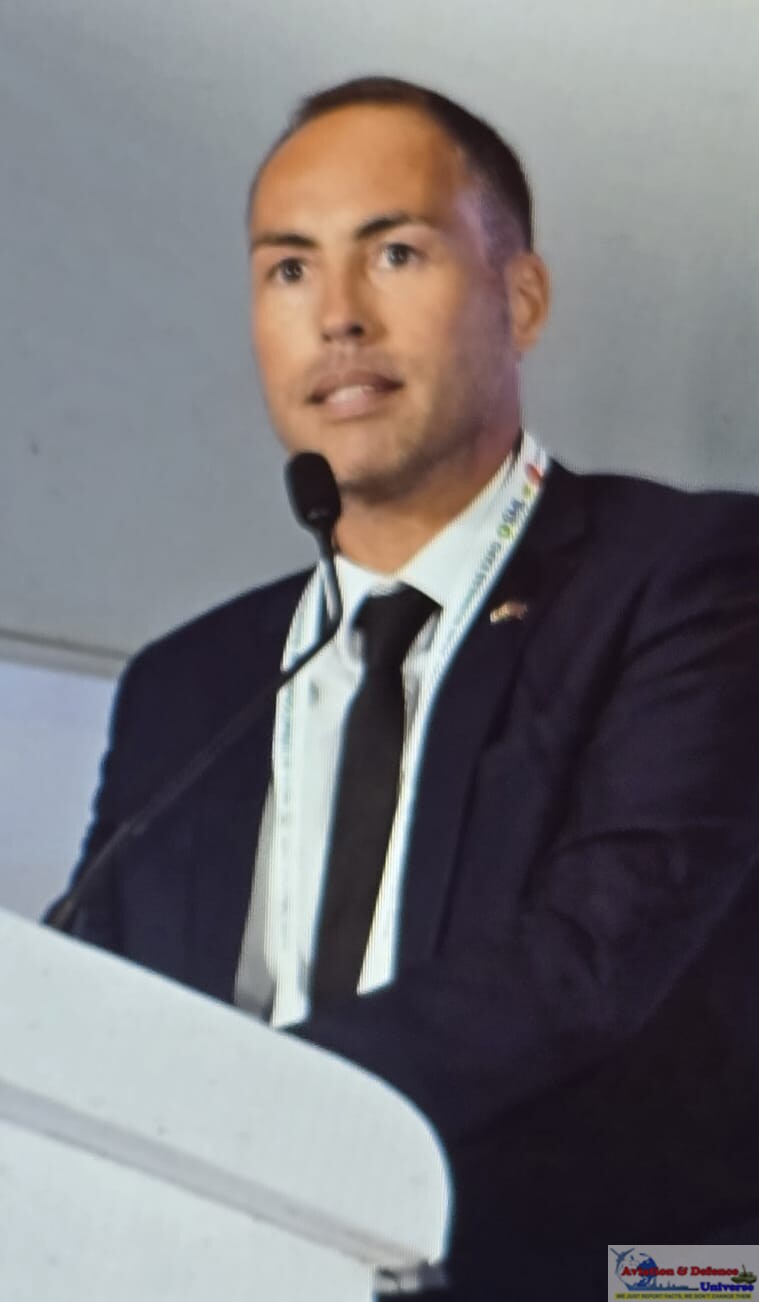
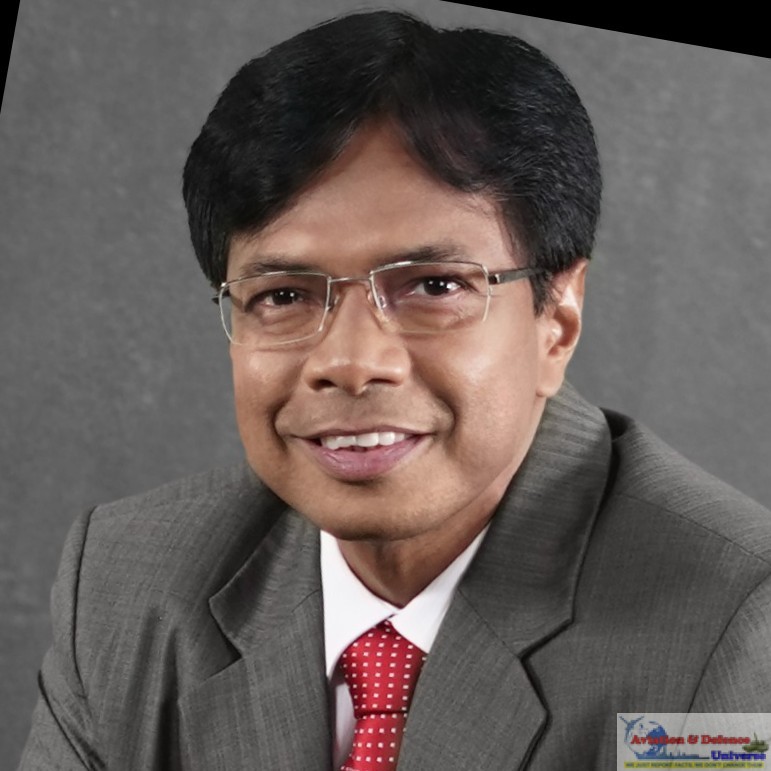
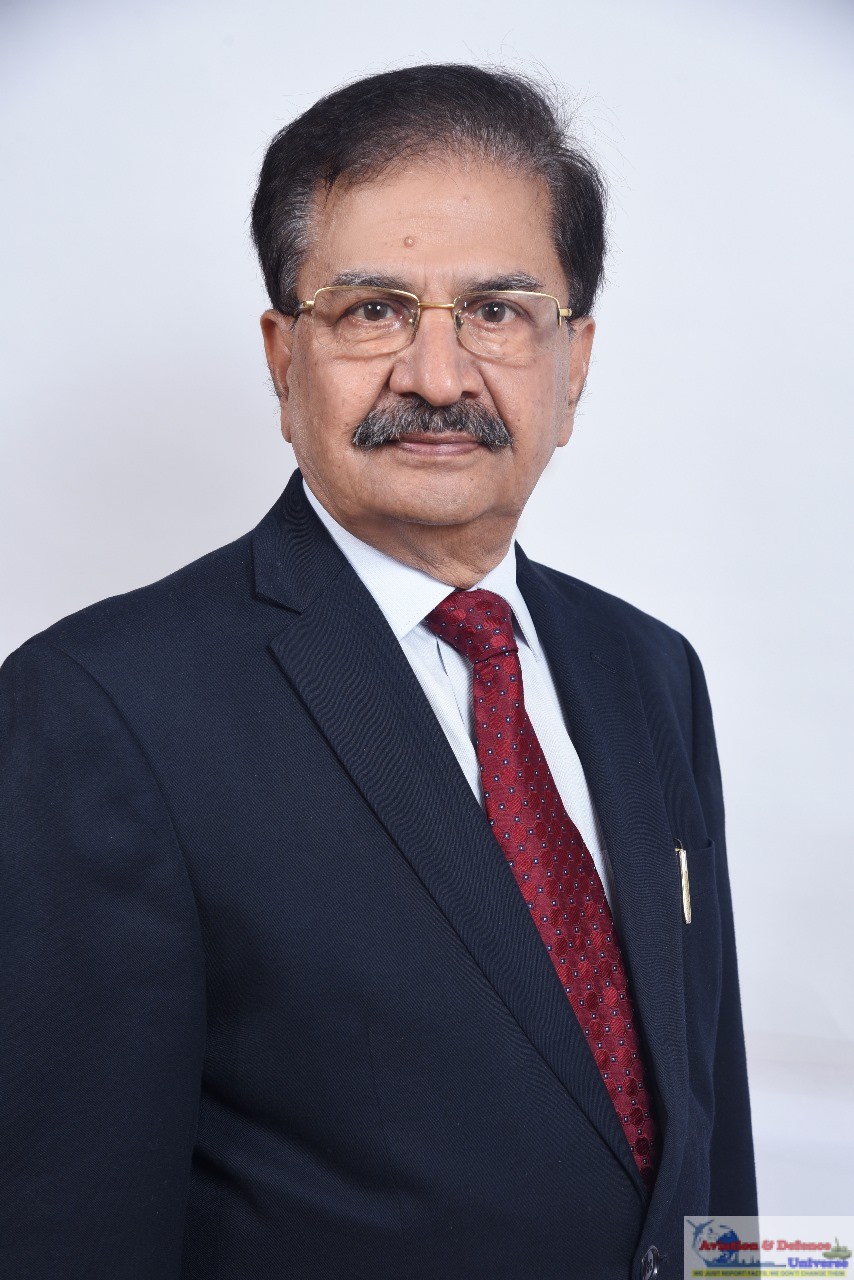
In this conversation with Aviation & Defence Universe (ADU.), Yashas Jaiveer., Managing Director of Hical Technologies, discusses the company’s core strengths, its qualification journey with global OEMs, the evolution of India’s aerospace manufacturing ecosystem, and Hical’s long-term vision for becoming a globally scaled aerospace and defence platform from India.
ADU. What are Hical Technologies’ core capabilities, and how do they differentiate the company within the aerospace and defence manufacturing ecosystem?
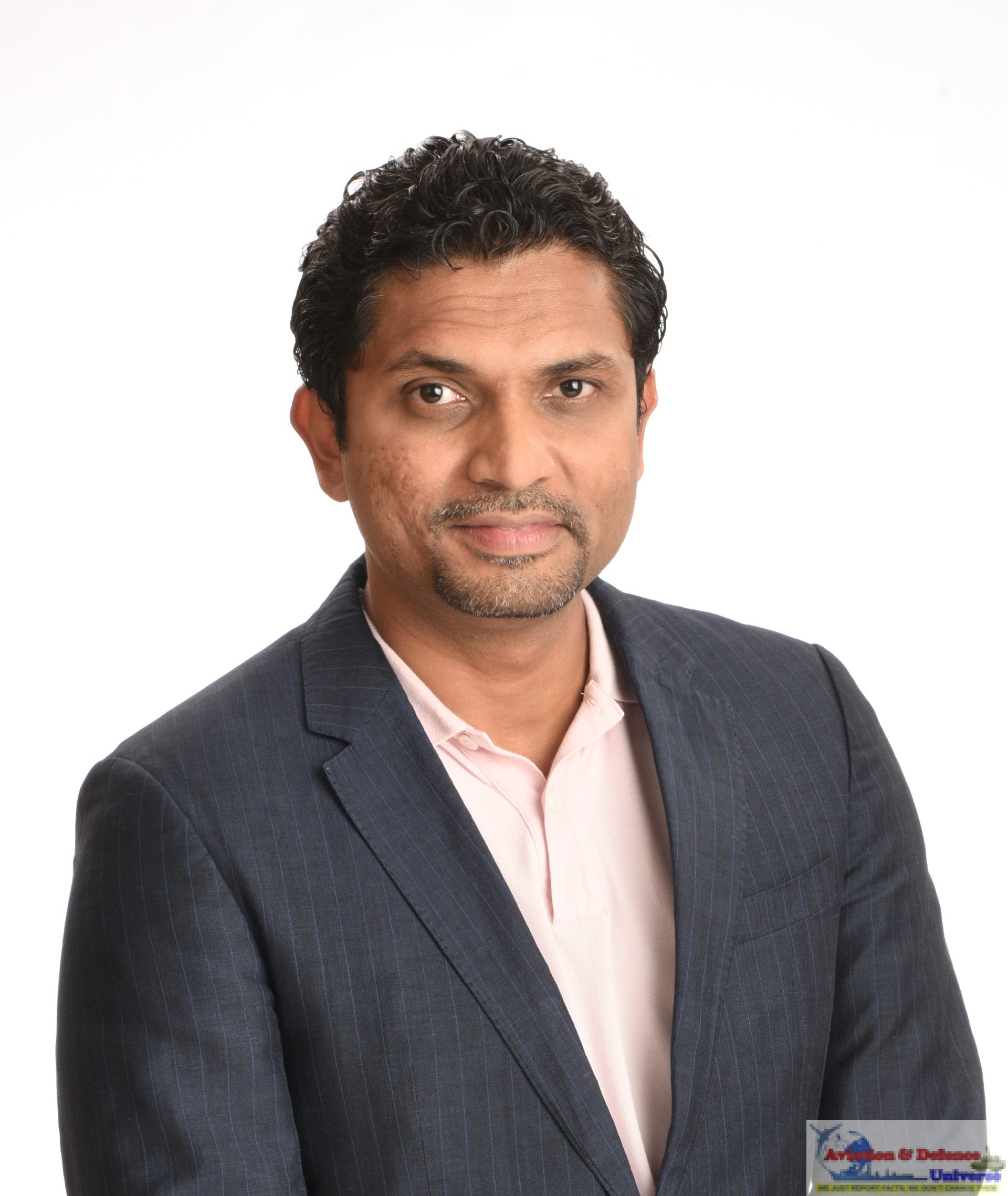
 Yashas Jaiveer. Hical Technologies is a 40-year-old manufacturing company with nearly three decades of export experience, having begun exports in 1997. Hical’s core strength lies in electromechanical manufacturing for aerospace and defence, supported by strong capabilities in build-to-print and build-to-spec solutions.
Over decades, we have built what we call “precision as an operating culture” — where traceability, process discipline, and flight safety requirements shape every decision on the shopfloor, not just the final inspection. This combination of long export experience, robust quality culture, and advanced electromechanical expertise differentiates Hical from conventional contract manufacturers in the aerospace ecosystem.
ADU. Global aerospace and defence OEMs are highly selective. What has enabled Hical to earn and sustain partnerships with leading organisations such as Boeing, Dassault Aviation, ISRO, Honeywell, and others?
Yashas Jaiveer. Hical’s partnerships with leading global OEMs have been built on a deeply ingrained quality culture across the organisation. Quality ownership exists at every level, from senior management to shop floor operators, who are empowered to halt production if a defect is identified. Issues are addressed proactively through structured cross-functional mechanisms such as quality clinics.
In aerospace, market access is earned through qualification, re-qualification, and sustained delivery performance — not transactional supply. This strong quality culture, combined with zero cost of poor quality over the long term and continuous enhancement of engineering capabilities alongside customers, has enabled Hical to earn and sustain trust with global OEMs.
ADU. Could you walk us through the typical qualification journey required to become an approved supplier at this level?
Yashas Jaiveer. The supplier qualification journey — from the start of the quotation process to the award of 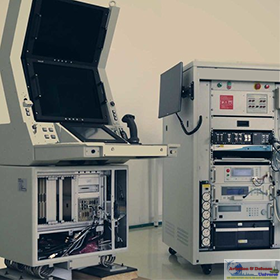 a program — typically takes six months to one year, depending on program complexity and aircraft production cycles.
The process is rigorous and resource intensive, as OEMs must invest significant engineering effort to re-qualify suppliers. It involves multiple audits, detailed capacity assessments, production line validations, and strict evaluation against 100% on-time delivery and quality requirements. Even established suppliers must undergo full qualification audits for every new program.
ADU. Hical operates across both civil and defence domains. How has the company’s engagement with customers evolved from a build-to-print supplier to a more integrated engineering and manufacturing partner?
Yashas Jaiveer. Initially, most aerospace customers preferred to work with Hical on build-to-print projects, where the designs were already established and Hical’s role was focused on manufacturing excellence. Over time, Hical invested in design and R&D capabilities, anticipating that customers would eventually seek partners who could solve engineering challenges as well. Today, we support customers with both manufacturing and engineering, including build-to-spec solutions.
ADU. What processes, certifications or internal systems are critical in maintaining this level of precision and reliability?
Yashas Jaiveer. In addition to mandatory certifications such as AS9100 and NADCAP approvals, Hical actively participates in customer-led excellence programs such as Airbus’ Aero Excellence Program and Collins Aerospace’s ACE program. These programs impose stringent annual benchmarks, including zero defects and 100% on-time delivery. Hical has consistently met these standards and has been recognised as a Gold Supplier by Collins Aerospace for over a decade, reflecting sustained operational excellence.
ADU. From your perspective, how is India’s role evolving in the global aerospace and defence supply chain?
Yashas Jaiveer. India is increasingly emerging as a competitive aerospace manufacturing hub due to its ability to fund long qualification cycles, a strong and young engineering talent base, and a mature ecosystem of aerospace-qualified suppliers across regions such as Bengaluru, Hyderabad, Pune, and Nashik.
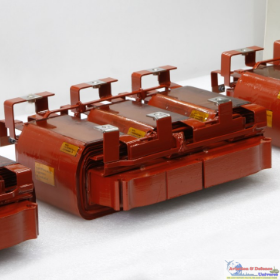 Government support, incentives, and infrastructure development have further reduced financial risk for private manufacturers, enabling deeper global supply chain integration. Alongside capability, global OEMs are also looking closely at responsible manufacturing practices.
At Hical, this includes measurable sustainability actions — such as reducing freshwater use by 6.7% and progressing toward zero discharge and zero waste-to-landfill practices — while building a resilient workforce across locations with increasing participation of women, including nearly 65% women employees at our Hassan site.
ADU. What gaps still need to be addressed for India to move further up the aerospace value chain?
Yashas Jaiveer. Greater government-supported co-development initiatives can significantly accelerate value chain advancement. Subsidised or jointly funded design-led development programs — particularly involving collaboration between public sector designers and private industry — would enable Indian suppliers to create globally competitive, indigenous aerospace solutions. Existing initiatives such as offsets already provide a strong foundation.
ADU. What is Hical Technologies’ long-term vision in the global aerospace and defence landscape?
Yashas Jaiveer. Hical aims to become one of the top five global suppliers of electromechanical build-to-spec and build-to-print solutions to the world’s largest aircraft manufacturers.
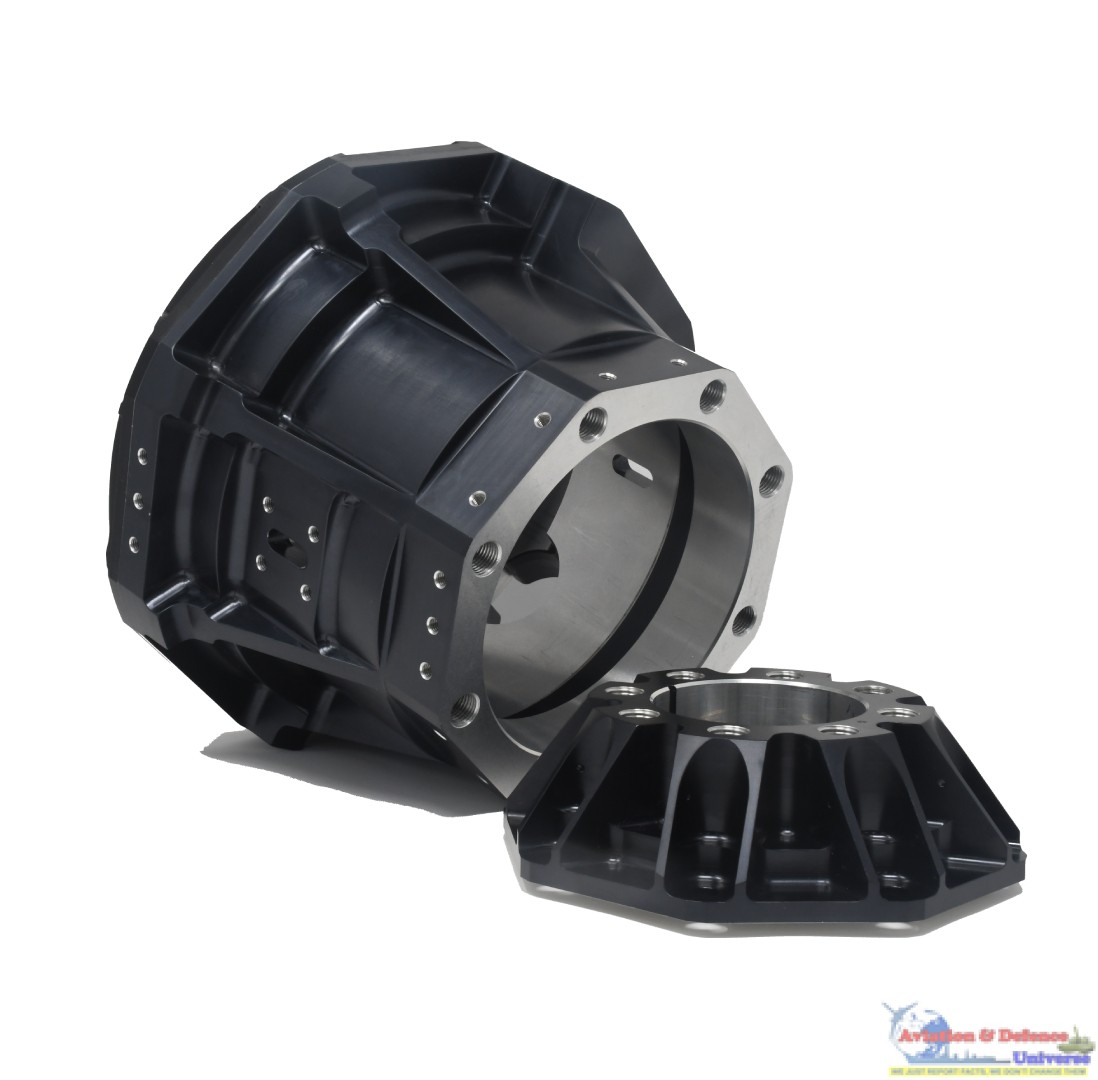 With decades of proven performance behind us, our ambition is to build a globally scaled aerospace and defence platform from India — designed to shape, not just participate in, the future of the industry. This vision will be achieved through sustained investments in technology, design capabilities, vertical integration, strategic partnerships, and targeted acquisitions.
As global aerospace and defence supply chains continue to diversify, companies like Hical Technologies are positioning India as a serious contender in high-precision manufacturing and engineering. Yashas Jaiveer.’s insights reflect an industry increasingly driven not just by cost competitiveness, but by quality culture, engineering depth, sustainability, and long-term trust with OEMs.
With sustained investments in technology, design capability, and operational excellence, Hical’s ambitions underline a broader shift in India’s aerospace ecosystem — from being a manufacturing destination to becoming a strategic innovation and engineering partner for the global aviation and defence industry.
As told to Sangeeta Saxena

































-A4-Size-(2)_page-0001.jpg)